
Plant Profile Full Sun, Part Sun

Bigleaf Lupine

Lupinus polyphyllus

A beauty from the West Coast, often misplanted in the East.

Where to find one ↓
Highlights

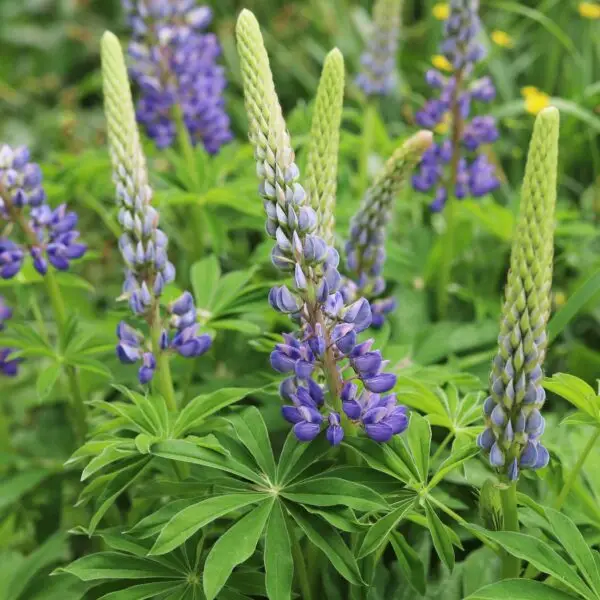
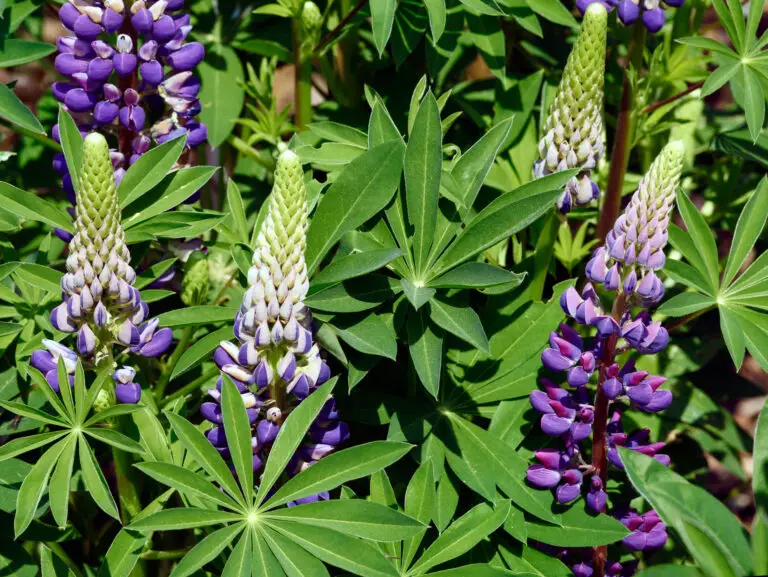
This is a beautiful native plant for Pacific Northwest gardens. Bigleaf lupines are native to the western side of the United States, mainly in California. They are now found in places you’d never expect, including Maine and Acadia National Park! If you live in the Pacific Northwest, plant away. If you live in the Northeast, do your best to plant sundial lupines, native to the eastern seaboard. Scroll on for more information and learn how this plant escaped the West Coast.

You can really see the BIGNESS of the leaves in this image

Bigleaf lupines are one of 250+ species of lupine found globally. They are also one of the many lupines native to North America; visit our Beginner’s Guide to Native Lupines to learn about other species, colors, and types.

What are the benefits of planting bigleaf lupines?

Bigleaf lupines are a plant native to western North America. Native plants have grown in an area for thousands of years through every storm, weather event, drought, and heat spell. They know the weather and soil of their home area better than any other plants on earth.

Native plants are important and easy choices for our gardens. Planting native has many benefits, including:

  • Wildlife support: native lupines help feed hummingbirds and other pollinators when in bloom.
  • Fuss-free gardening: native plants plant themselves, with no human intervention. Use this to your benefit! After the first year of getting established, native plants require minimal care.
  • Native plants are gorgeous. Visit our native plant library to meet 100+ other options for your garden!
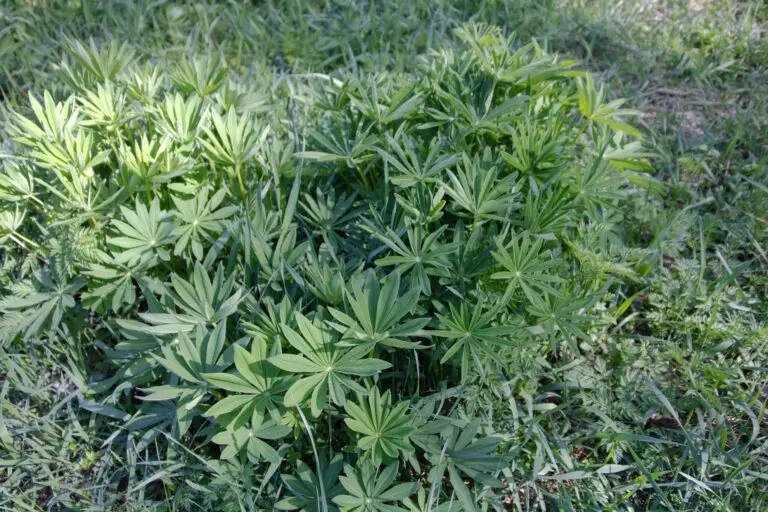
Before the flower stalks emerge (and after they are done), enjoy the large radial leaves of bigleaf lupines

Warning: In some East Coast and Midwestern states, bigleaf lupine is considered invasive

The USDA’s profile on bigleaf lupine states, “In the East, subspecies polyphyllus is considered invasive and has spread across the Great Lakes states, into the northeastern coastal states, and eastern Canada.”

How did a Western native flower become invasive on the East Coast?

Blame the landscapers of the early 1900s for planting the wrong lupine. According to the University of New Hampshire, “Bigleaf lupine (lupinus polyphyllus) and the related ornamental Russell hybrid (Lupinus x regalis) were introduced to the northeast for both gardens and roadside stabilization in the early to mid-1900s. Through its intentional planting and as a garden escape, the bigleaf lupine rapidly spread throughout the landscape.”

Where is bigleaf lupine native?

Native to 11 US states and 2 Canadian provinces (Alberta, British Columbia)

Native range
Not native

Source: USDA PLANTS Database

How can I be sure I’m planting the right lupine?

Check the tag or seed package for the Latin name to determine the lupine species. Only plants with the Latin name Lupinus polyphyllus are bigleaf lupines.

If you live in the Northeast or Midwest, plant sundial lupines (Lupinus perennis) instead.

Garden Recipe™
Bigleaf Lupine
Lupinus polyphyllus
Sun to part sun
Sun
Pretty easy
Effort
Medium (3-5') tall
1-1.5 ft wide
Size
Spring
Blooms
What it needs
Sunlight
Full to partial sun, 4+ hours The more sun the better, but it can handle some shade
Directions
Spacing
12-18 in About one forearm apart
Watering
Weekly for the first season After that, rain is usually enough
Native plant. This is a native plant, which means local wildlife already knows what to do with it. Just by planting it, you're giving your little corner of the ecosystem a boost.
How can I find bigleaf lupine for my garden?

Sometimes, finding the native plants we love can be a challenge. We’re here to make this part a little simpler. Here are four ways to find native bigleaf lupine seeds and plants:

Bigleaf Lupine

Where can I find seeds and plants?

Finding native plants can be challenging (we partly blame King Louis XVI.) To make it easier, we’ve assembled four sourcing ideas.

Native Nursery List

300+ native nurseries make finding one a breeze

Online Native Nurseries

Explore 100+ native-friendly eCommerce sites

Find your Native Plant Society

Every state and province has a native plant society; find yours

Online Communities

Local Facebook groups are a great plant source

What are good pairings for bigleaf lupines?

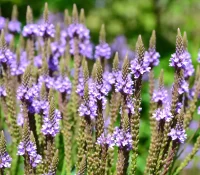
Plant bigleafs alongside other native plants that thrive in Northwestern and California gardens. Some stellar choices include:

And that sums up our love letter to bigleaf lupines! These gorgeous native flowers have crept across the United States, but are best suited for their native Northwestern home. They are easy to plant, come back year after year, and offer carefree beauty that lawns and non-native plants can’t come close to. Also—pollinators love them! Make sure to plant them a little back in your garden, so that they can reach their tall, sculptural glory. Don’t forget to read our Beginner’s Guide to Native Lupines to learn about other species, colors, and types. Or visit our Beginner’s Guide to Native Hydrangeas to learn more surprising facts about garden favorites. Happy planting!

Woman smiling in a light blue blouse standing among white coneflowers in a lush garden.

Written by

Emily Lessard

Founder & Editor, The Plant Native

Emily Lessard is the founder and editor of The Plant Native, the site that helps homeowners across North America get started with native plants. She holds a Sustainable Landscapes certificate through the Pennsylvania Landscape & Nursery Association, is finishing a Native Perennial Garden Design Certificate at Temple University, and is the author of World of Native Plants (Quarto, February 2027). She gardens outside Philadelphia in the 8.3 Southeastern Plains ecoregion.
Meet Emily

UPDATED —
06/18/2026
In This Guide