
The Mid-Atlantic region (Delaware, Maryland, New Jersey, Pennsylvania, Virginia, West Virginia, or D.C.) is a gardener’s paradise. We sit in the middle of several ecoregions, peppered with botanical gardens, natural lands, and arboretums. The Mid-Atlantic has four distinct seasons and a newly scorching summer, delivering dramatic change to our yards. This guide includes native flowers, shrubs, and trees that thrive in this change, along with recommendations for finding them at local native nurseries. Scroll on to meet your new garden faves.
Before we share 50+ native plants (with links to their profiles), let’s start with a basic question.
What is a native plant?
A native plant has grown in a region for thousands of years. It has lived through every drought, storm, blizzard, and heat wave. These plants’ DNA is made to thrive in your yard with minimal care. Thousands of plants are native to the Mid-Atlantic area.
Why plant native in the Mid-Atlantic?
There are four big reasons to plant native:
- Support iconic wildlife. Native plants give bugs, birds, and butterflies needed food and homes, ensuring their survival.
- Fuss-free, money-saving landscaping. Be a lazy gardener! Native plants thrive with normal rainfall once they are established.
- Native plants are gorgeous. Your neighborhood or yard will look incredible, especially if it’s currently filled with boring static boxwoods.
The Mid-Atlantic is predicted to be warmer and probably wetter in the future. The growing season is expected to extend by a month, bringing the Mid-Atlantic closer to the Southeast in terms of seasonality.
Finally, one more reason to plant native, especially in the Mid-Atlantic region:
Native plants are resilient, especially in the face of climate change
If you live in this region, you know it: our weather is getting weird. The summers are becoming scorching, and the winters swing from groan-worthy snowbanks to paltry rain-only Decembers. You can see the stress of these weather changes in many of the plants in our yards. Some trees are suddenly dropping limbs, or cool-season shrubs may limp along and require a new sprinkler drip.
The Mid-Atlantic is predicted to be warmer and wetter in the future. The growing season is expected to extend by a month, bringing the Mid-Atlantic closer to the current Southeast in terms of seasonality.
Native plants offer the best genetics to withstand these changes. They have already lived through all the rain, snow, and storms in the Mid-Atlantic over thousands of years. Swapping non-native plants in our yards with natives from our region makes our landscapes less likely to need extra water and more likely to survive as our climate changes.
A 30-minute planting on a Saturday afternoon rewards you with zillions of flowers for years.
Mid-Atlantic native stand-outs
There are thousands of native plants ready to thrive with this change. Here are a few garden-worthy no-brainers that are easily found at Mid-Atlantic native nurseries:
Amsonias
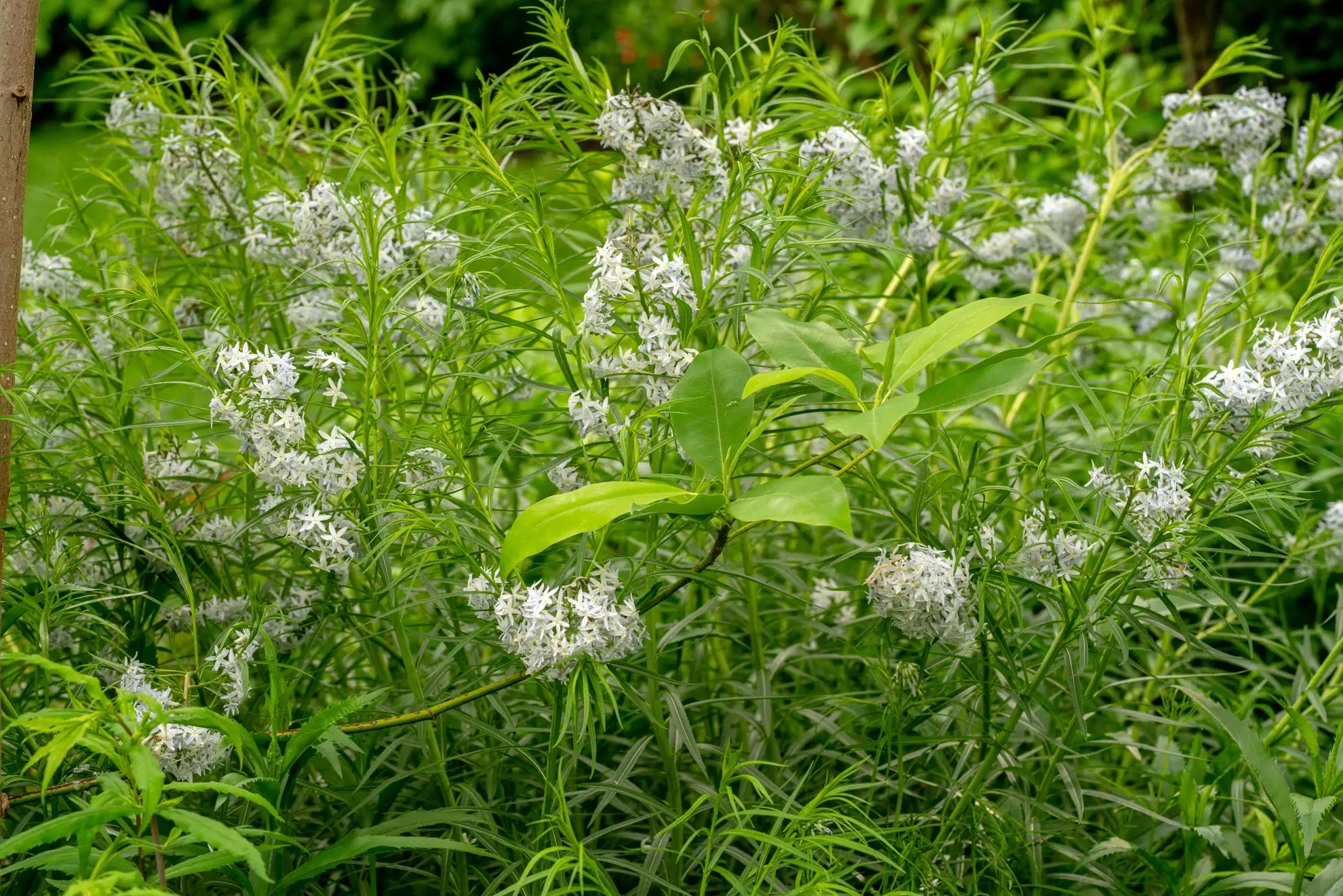
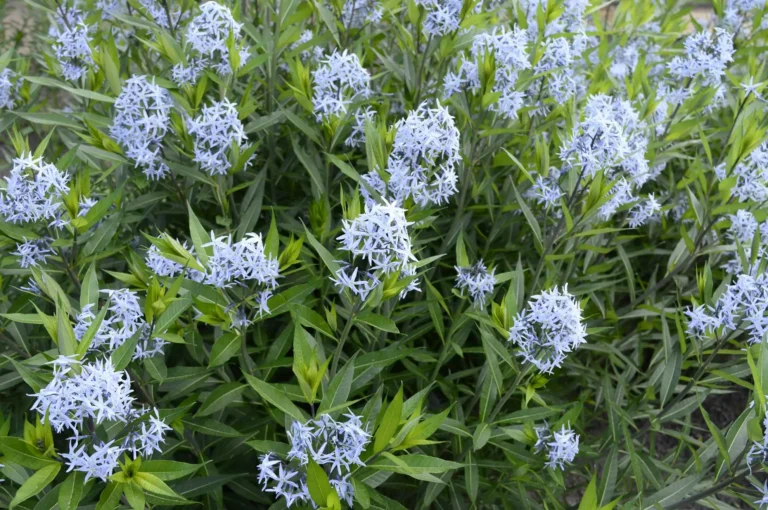
When your garden starts to wake up in the spring, you want a flowering pick-me-up. Amsonia answers this call with clusters of blue, star-shaped flowers every spring.
There are several native amsonia species to pick from; a stellar standout seen above is the thread-leaf amsonia (Amsonia hubrichtii). Their needle-like, thin leaves provide excellent landscaping contrast against other natives like coneflowers, black-eyed Susans, and bee balm.
Amsonias look great another season, too: their leaves turn shades of yellow, orange, and burnt toffee in the fall. It’s a gorgeous way to add some fall foliage at eye level.
Coneflowers + black-eyed Susans
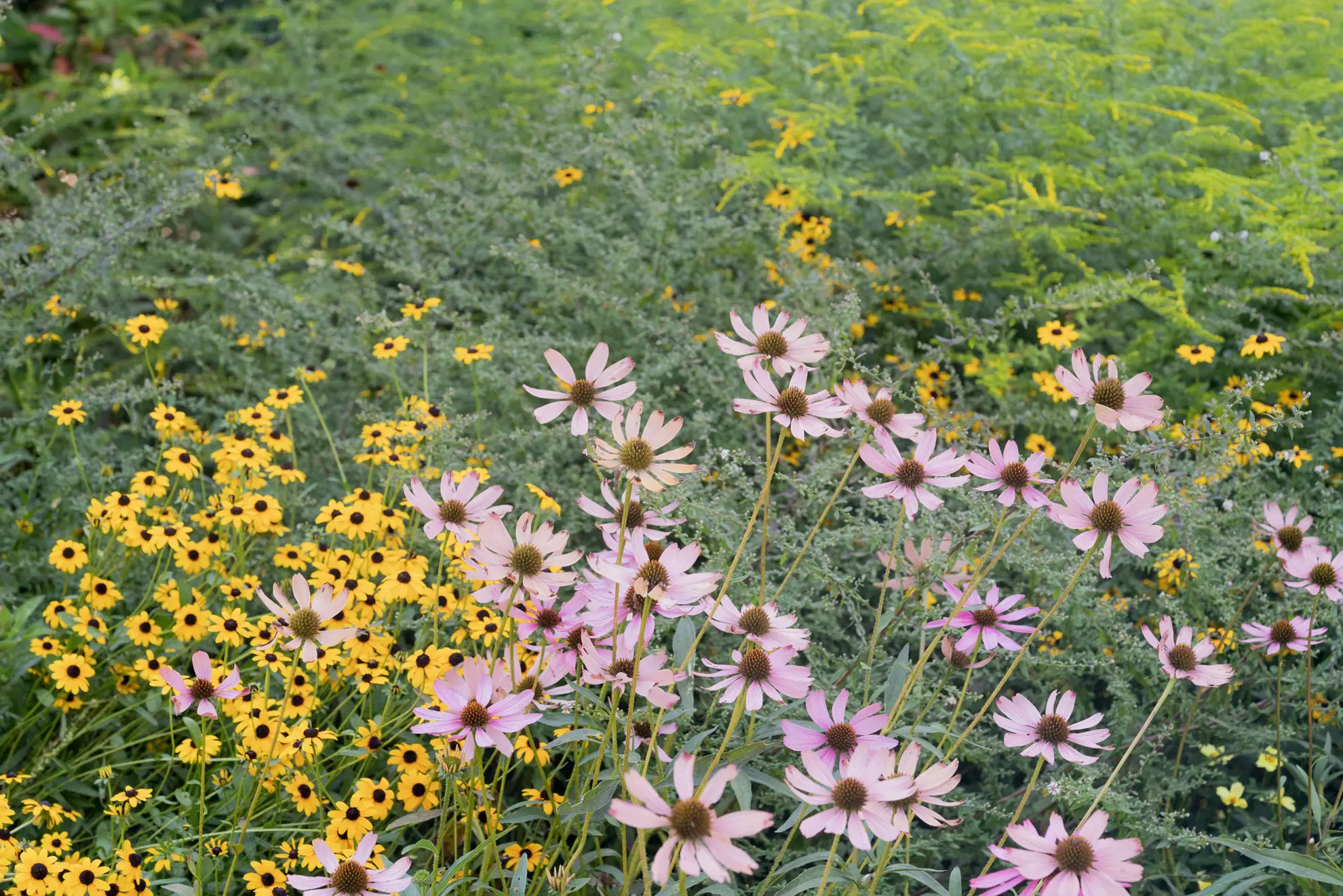
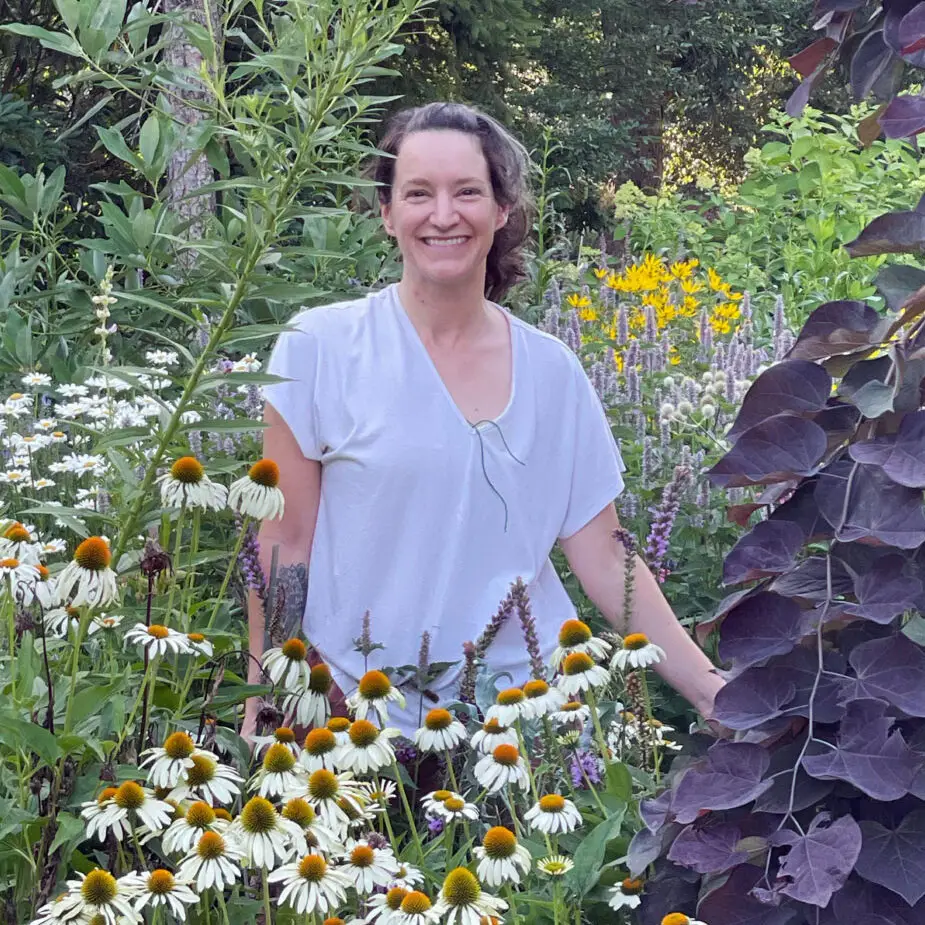
These are garden staples for a reason, so let’s give them the spotlight for a few sentences. Coneflowers and black-eyed Susans bloom for 4-6 weeks apiece during the hottest weeks of Mid-Atlantic summers. Plant them both, and you’ve got a garden that looks great for 2-3 months.
There are a few kinds of black-eyed Susans; meet them all in our Beginner’s Guide to Black-Eyed Susans.
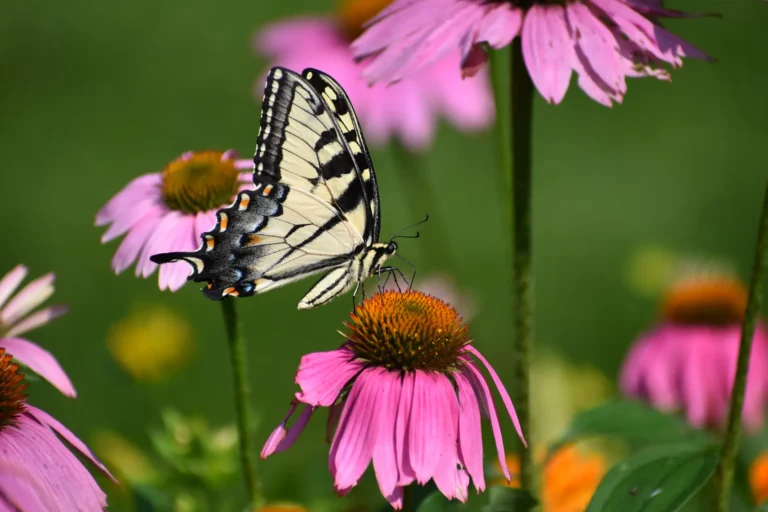
Did you know there are nine native coneflowers in North America? Almost all of them are native to the Mid-Atlantic, in colors that range from hot pink to highlighter yellow.
Planting tip
Dogwoods
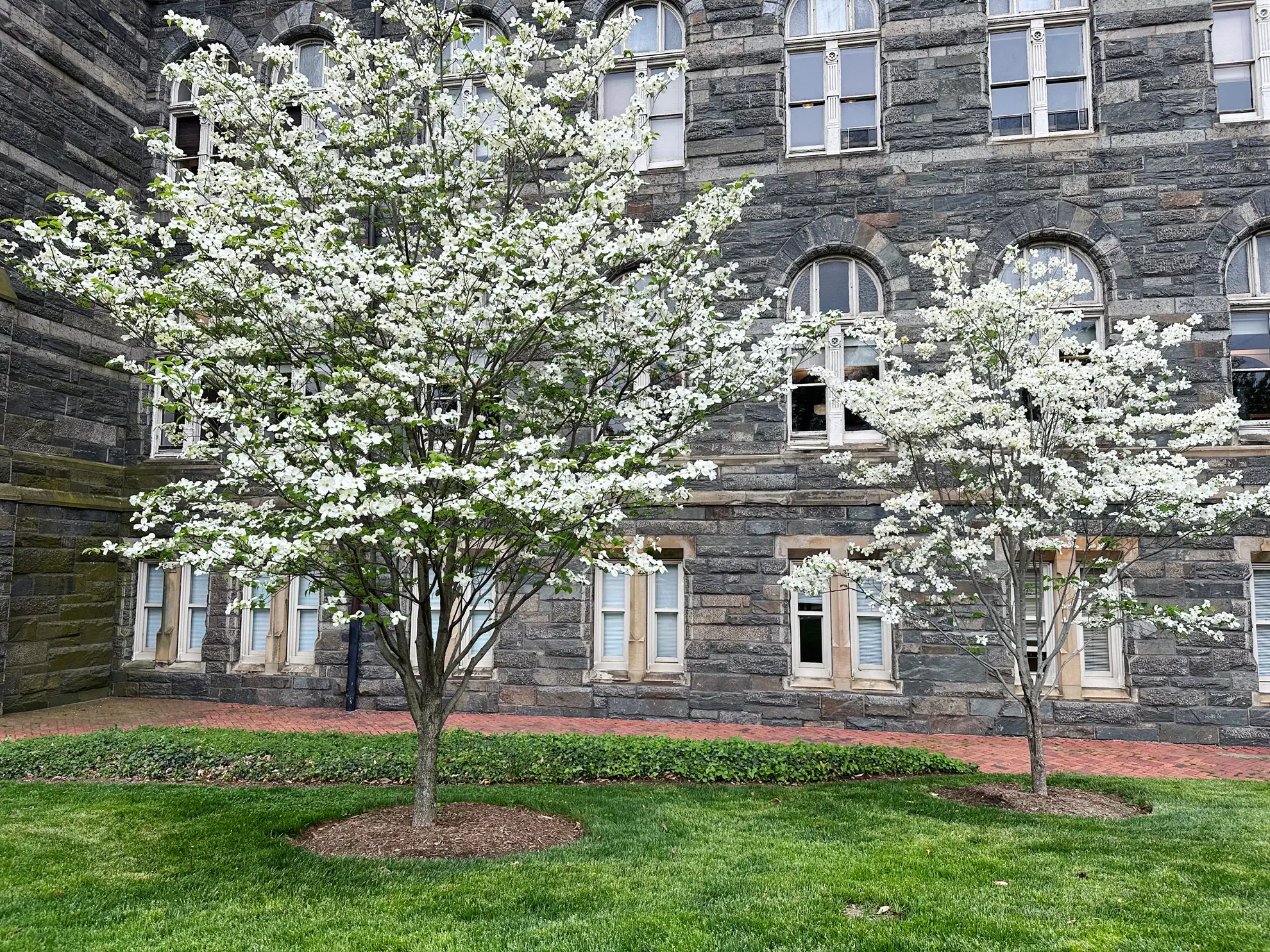
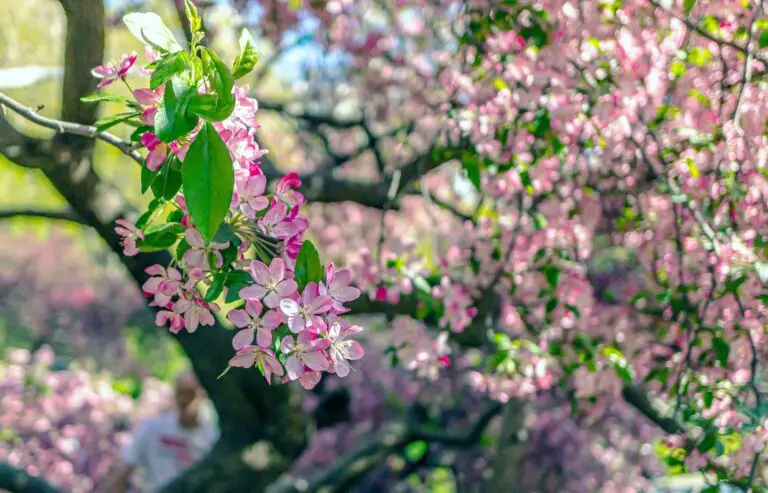
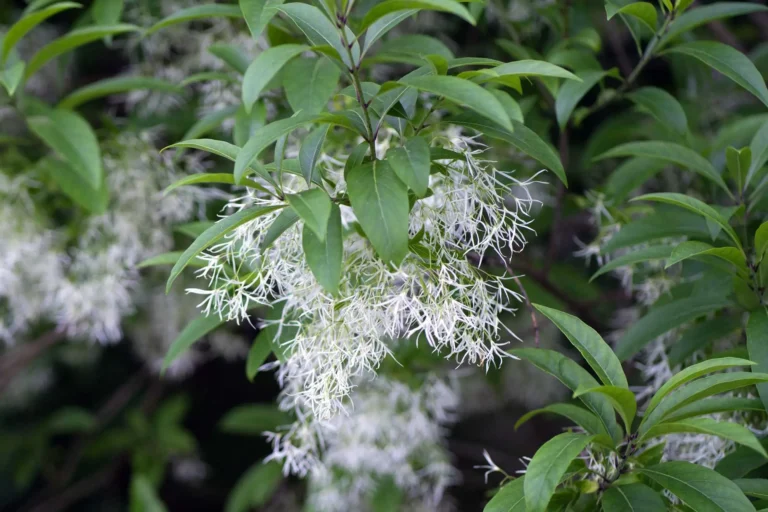
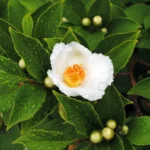
Everyone in the Mid-Atlantic needs a native flowering tree in their front yard, full stop. We have so many to pick from, including redbuds, fringe trees, and even the super-rare Franklin tree.
There are several native dogwoods that look great in Mid-Atlantic gardens, including the iconic eastern flowering dogwood tree, alongside some shrub-sized dogwoods like red twig dogwood. You can use native dogwoods as landscaping inspiration and plan a whole garden around them.
Visit our Beginner’s Guide to Native Dogwoods to learn more.
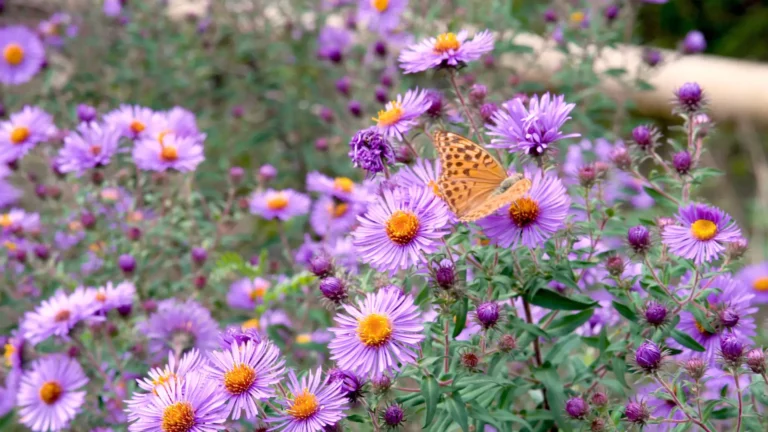
Native asters
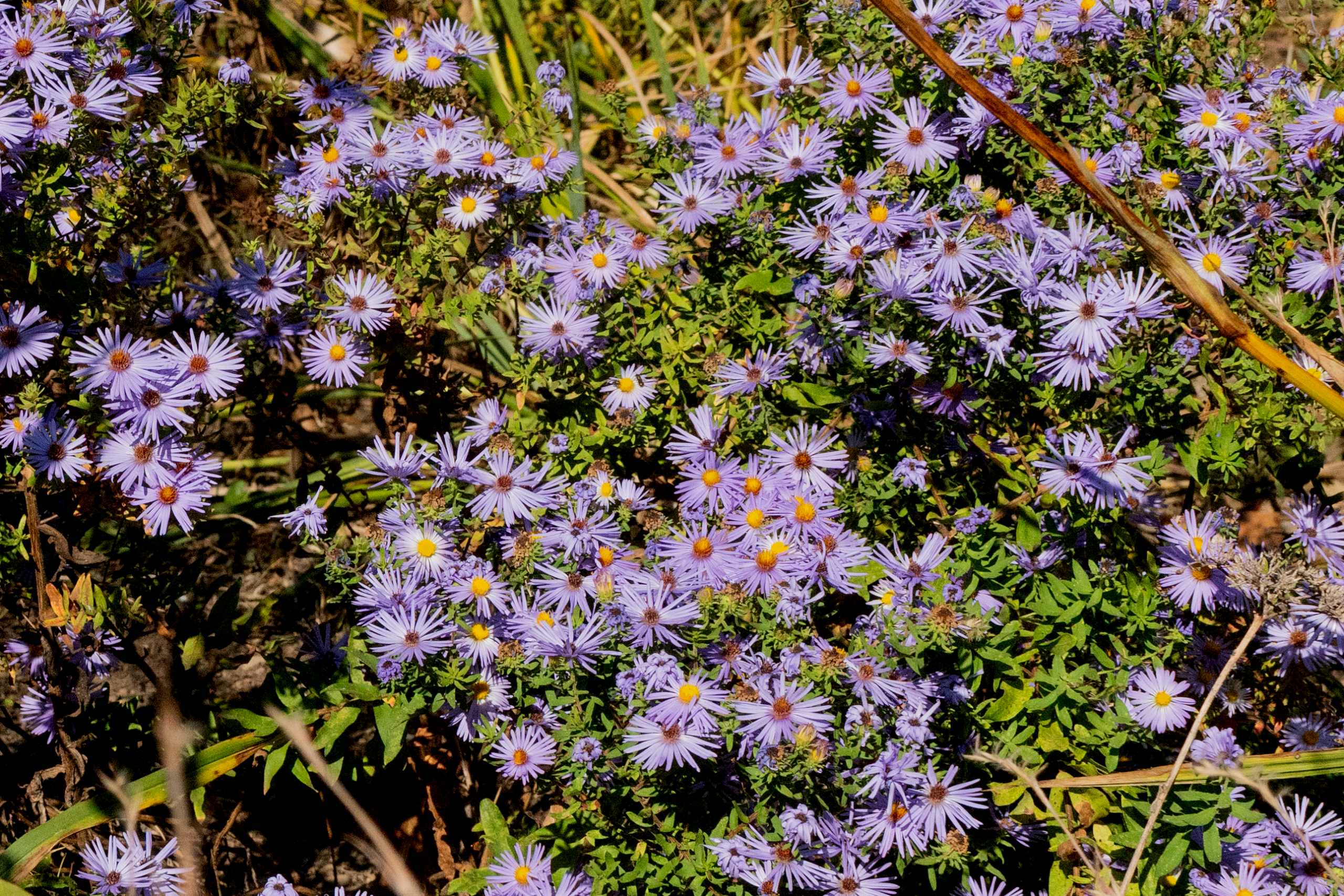
No Mid-Atlantic garden is complete without several native asters in the mix. There are 100+ native asters in North America. You can easily start to spot them by the shape of their flowers: round centers surrounded by countless petals, the same flower shape we learned to draw in kindergarten.
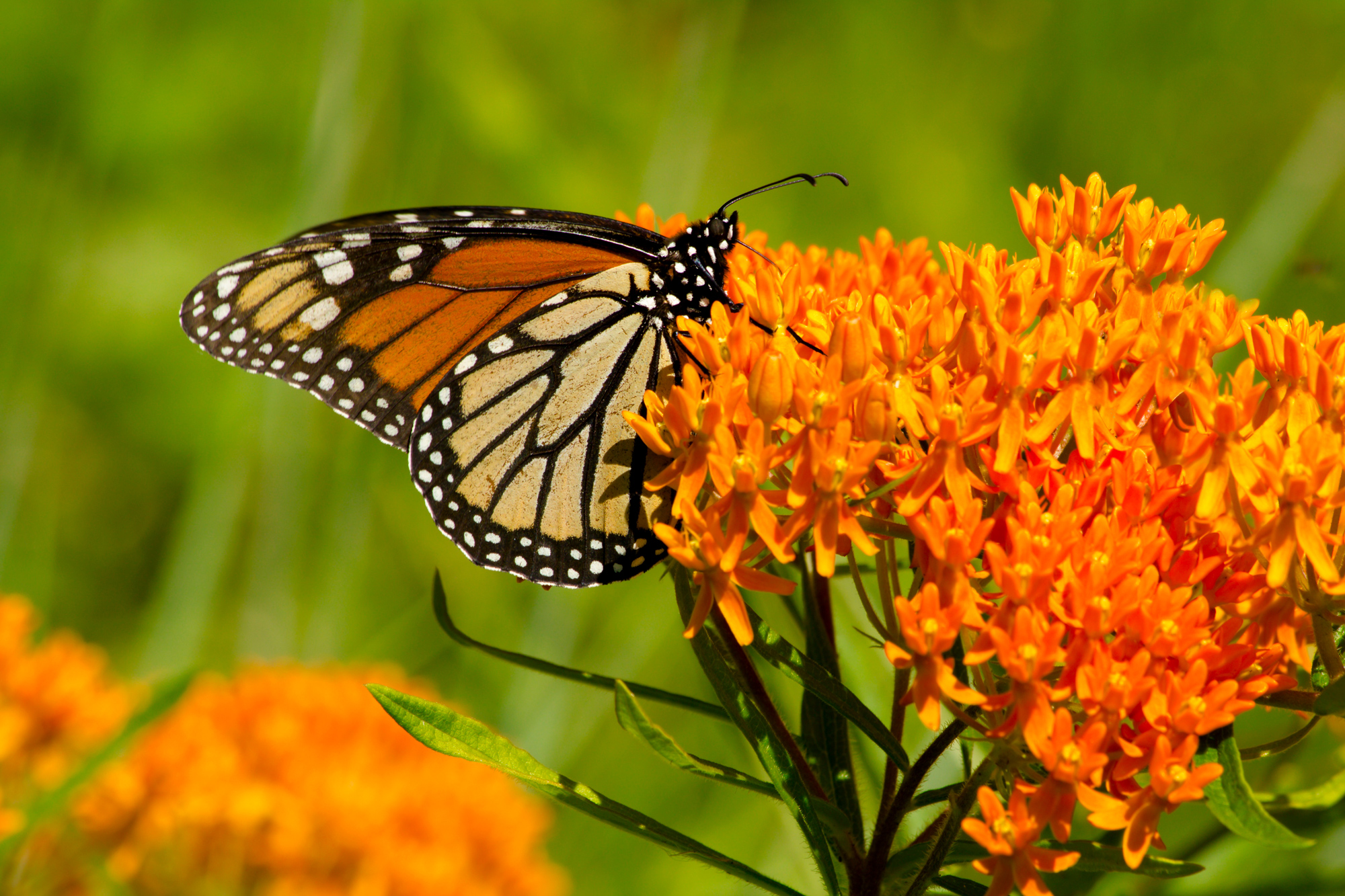
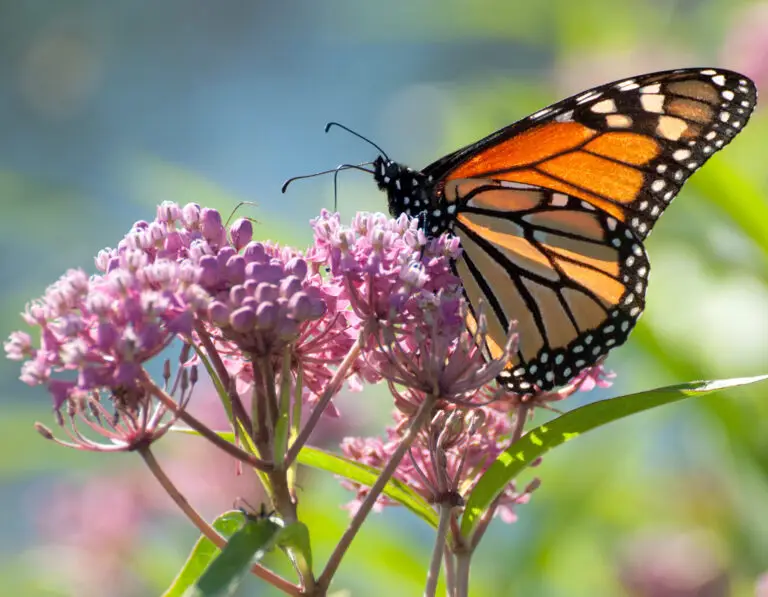
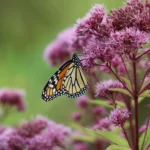
Asters bloom at the end of the growing season, often September into October in the Mid-Atlantic. This offers beauty in our gardens as they are starting to wind down, and it’s a crucial last-food stop for migrating monarchs and pollinators.
Finally, asters really commit to flowering. A single aster can have 25, 50, even a hundred tiny flowers. A 30-minute planting on a Saturday afternoon rewards you with zillions of flowers for years.
Find your favorites in our Beginner’s Guide to Native Asters.
We could keep going…
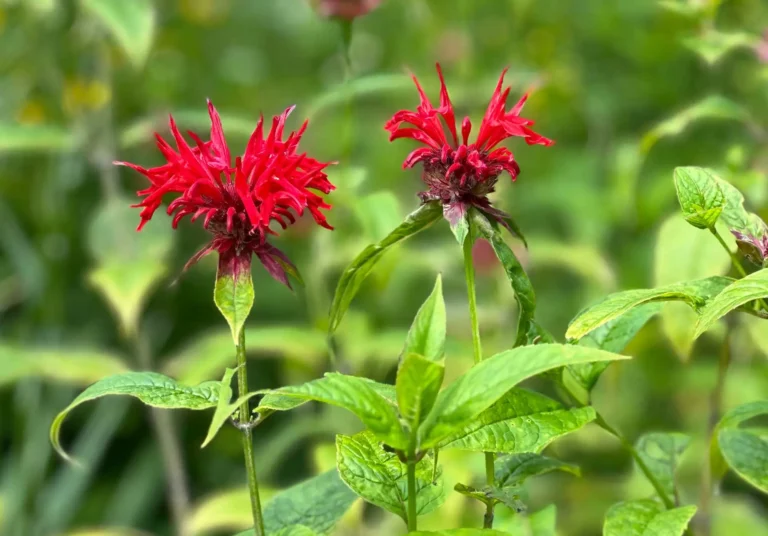
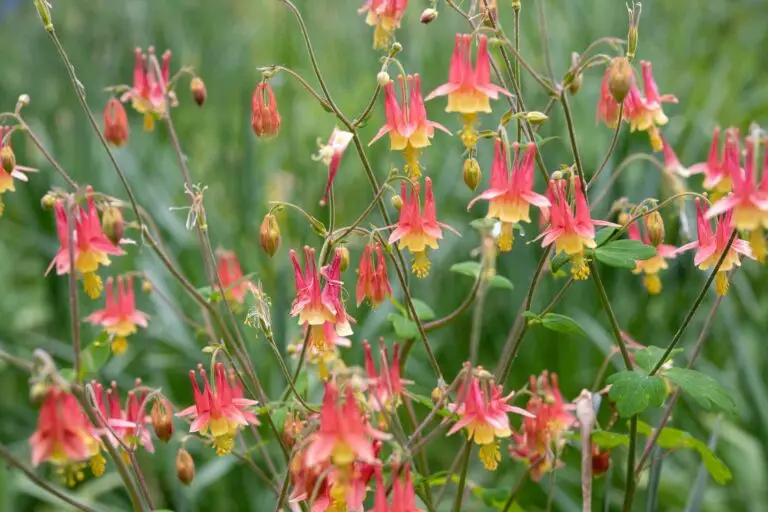
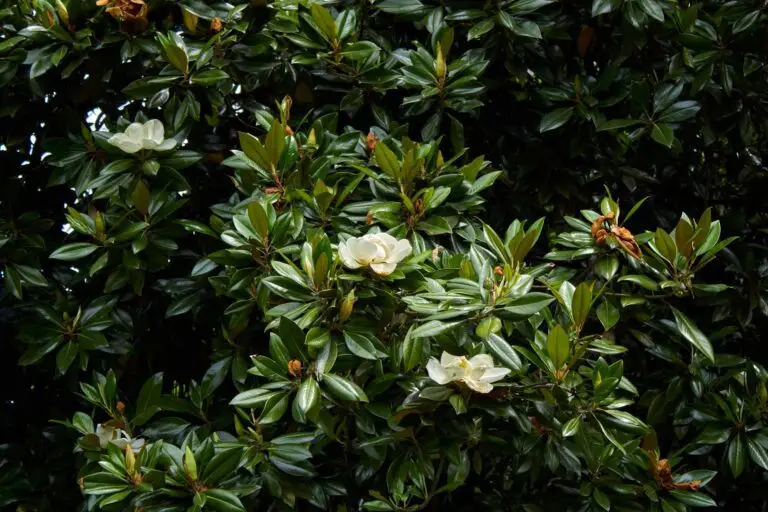
We didn’t get to grasses, magnolias, bee balms, red columbine—but that’s what this whole site is for!
Here are all the flowers, shrubs, and trees on our site perfect for Mid-Atlantic gardens. Each takes you to their expansive plant profiles:
Find your plants
-
-
-
-
-
-
-
-
-
-

-
-
-
-
-
-
-
-
-
-
-
-
-
-
-
-
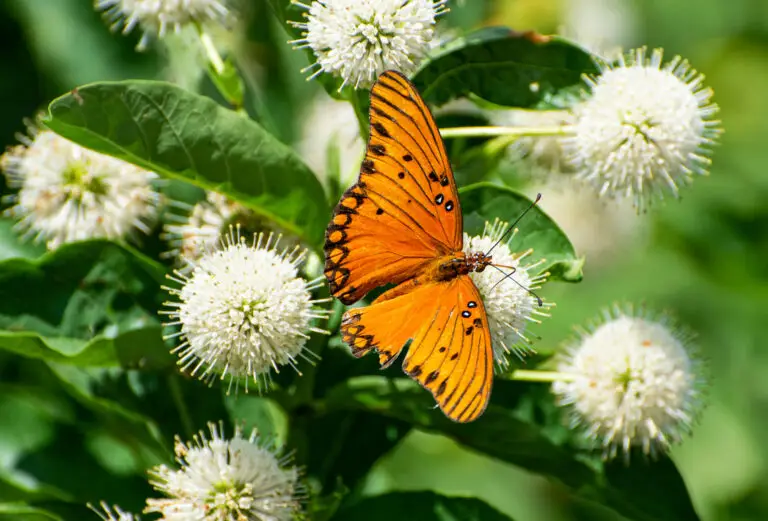
-
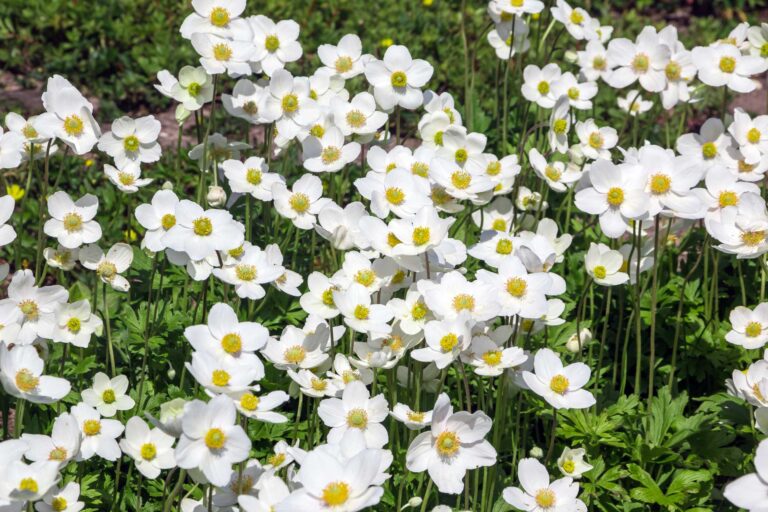
-
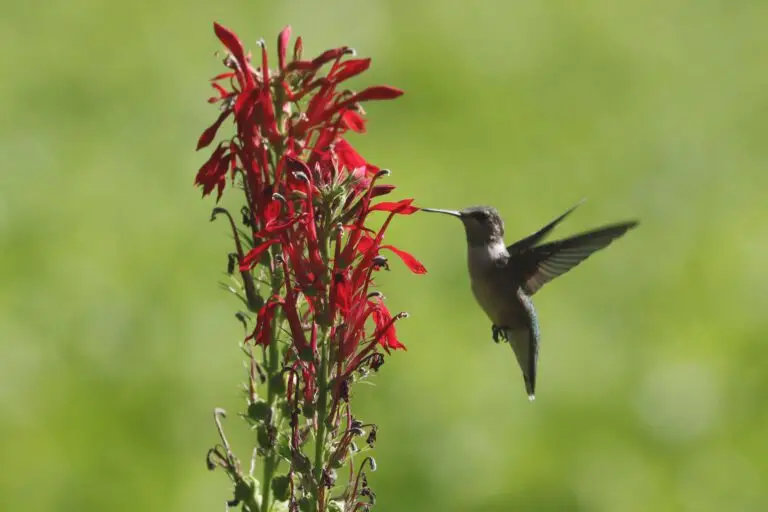
-
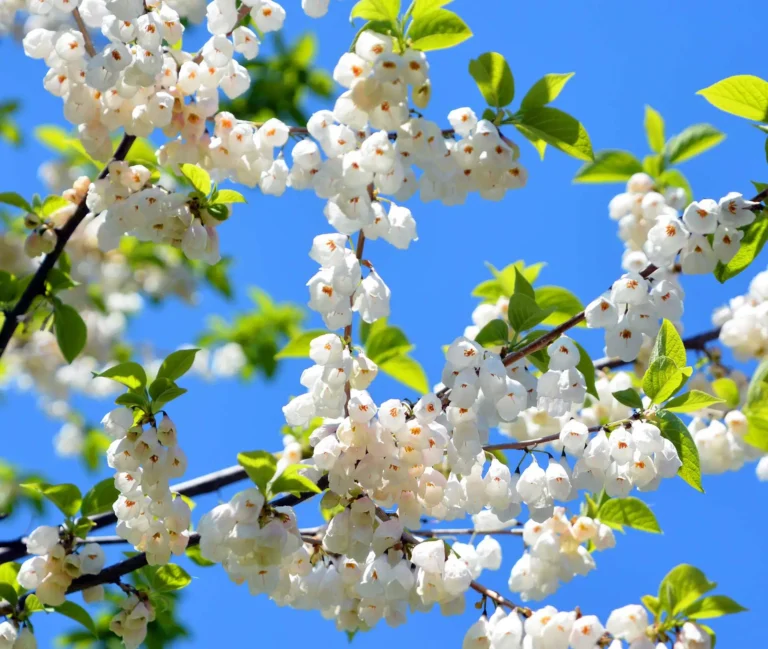
- Cedars
-
-
-
-
- Common Snowberry
-
-

-
-
-
-

-
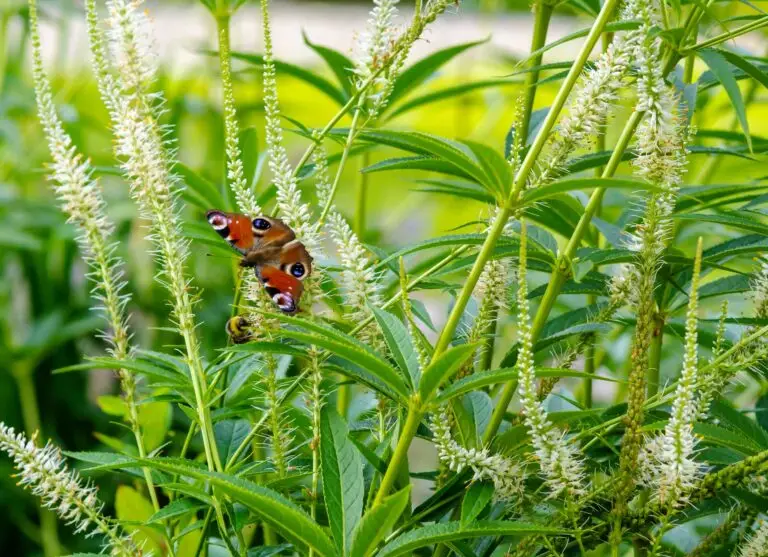
-
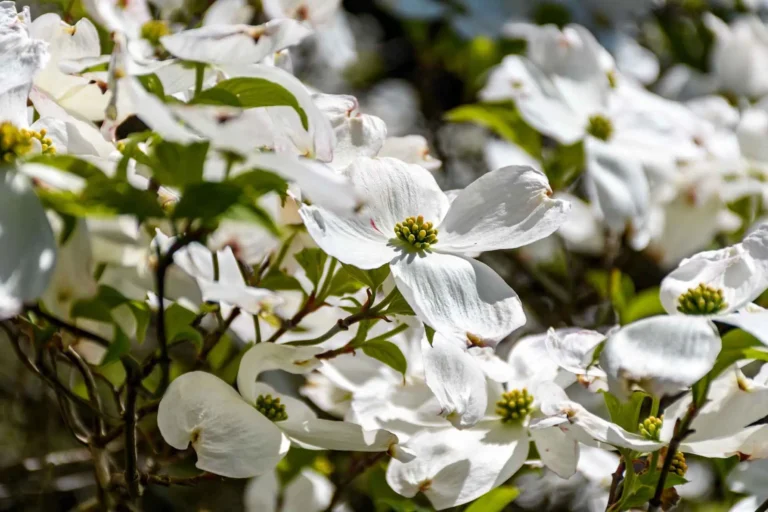
-
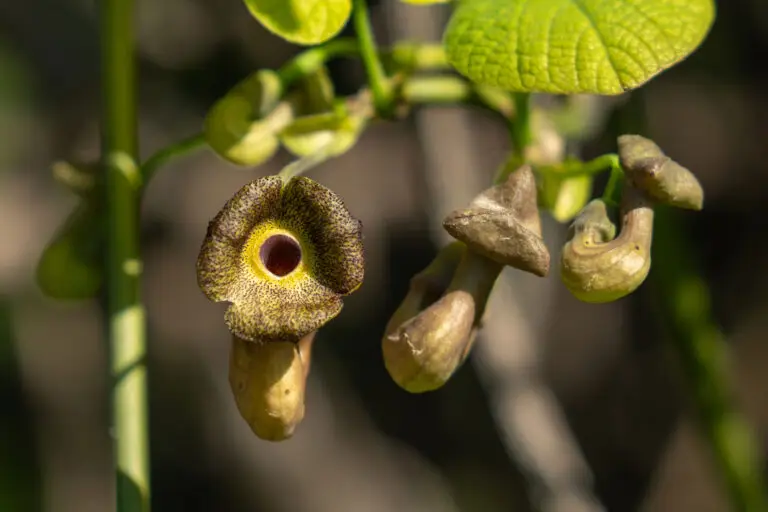
-
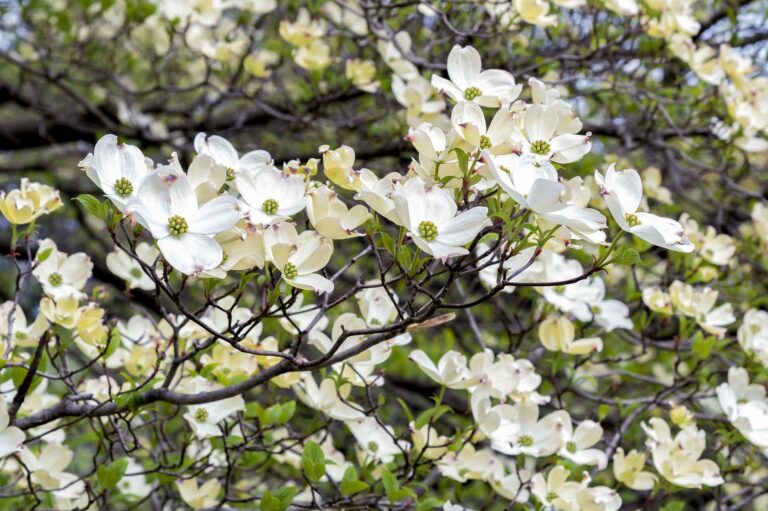
-
-
-
-

-
-
-
-
-
-
-
-
-
-
-
-
- Hemlocks
-
-
-

-
-
-
-
-
- Kinnikinnick
-
-

-
-
-
-
-
-
-
- Native Evergreen Conifers
-
-
-
-
-
-
-
-
-
-
-
-
-
-
-
-
-
-

-
-
-
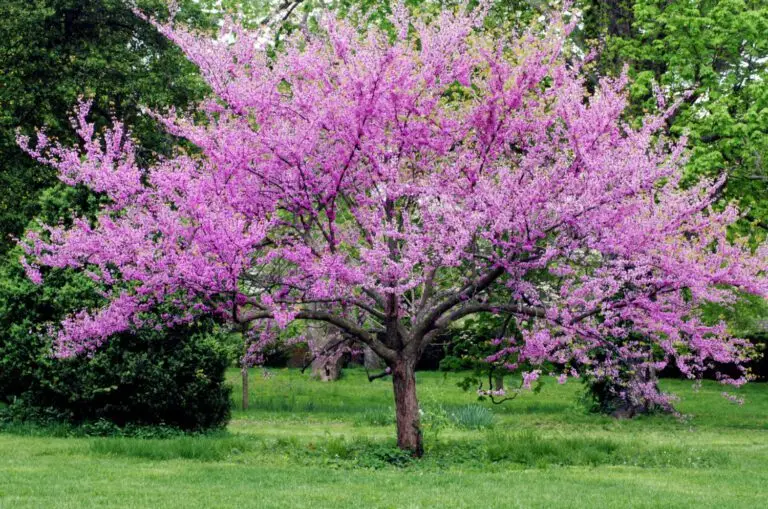
-
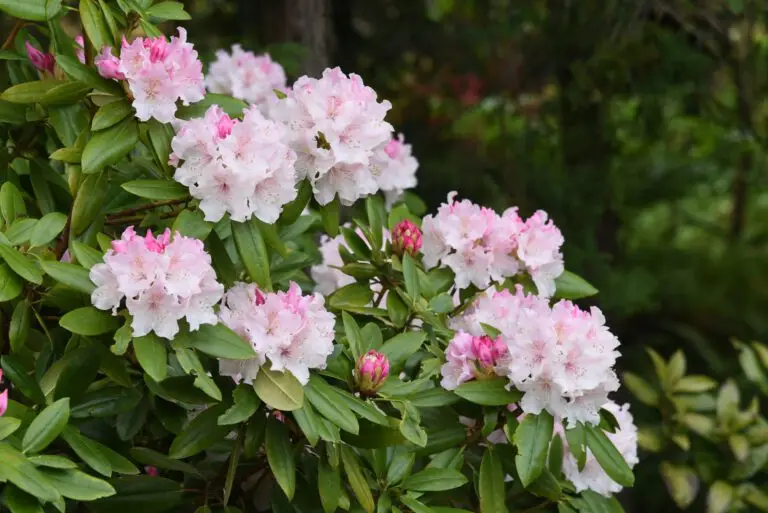
-
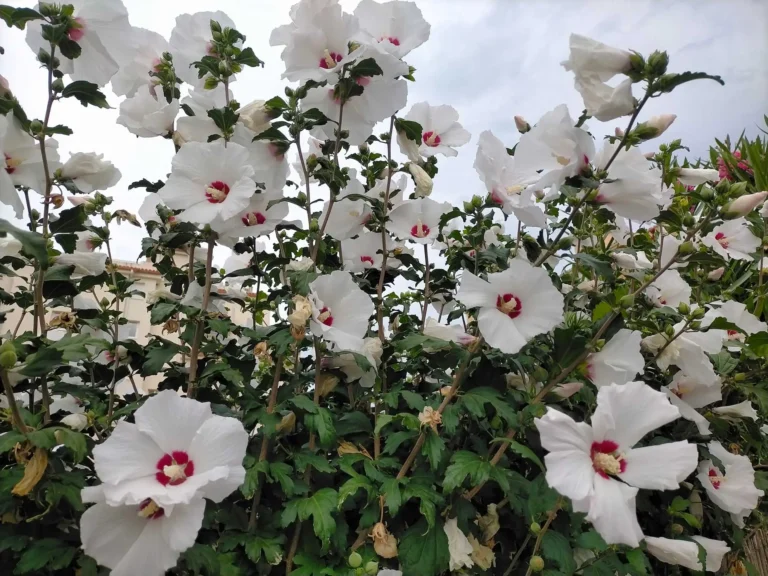
-
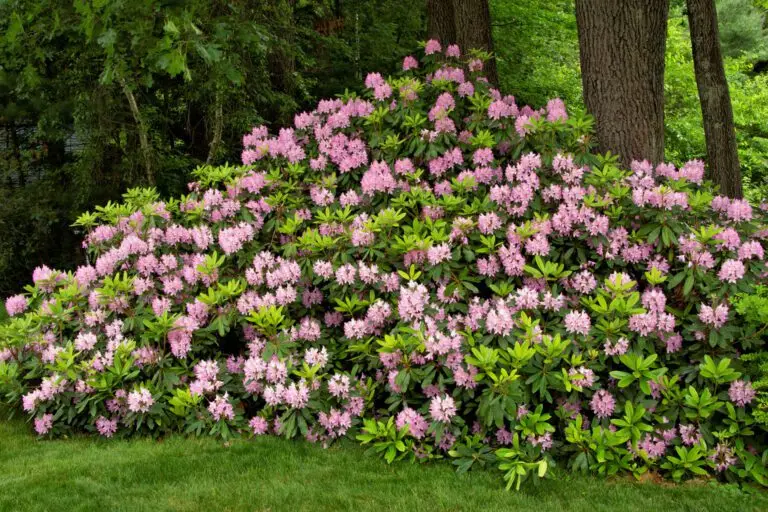
-
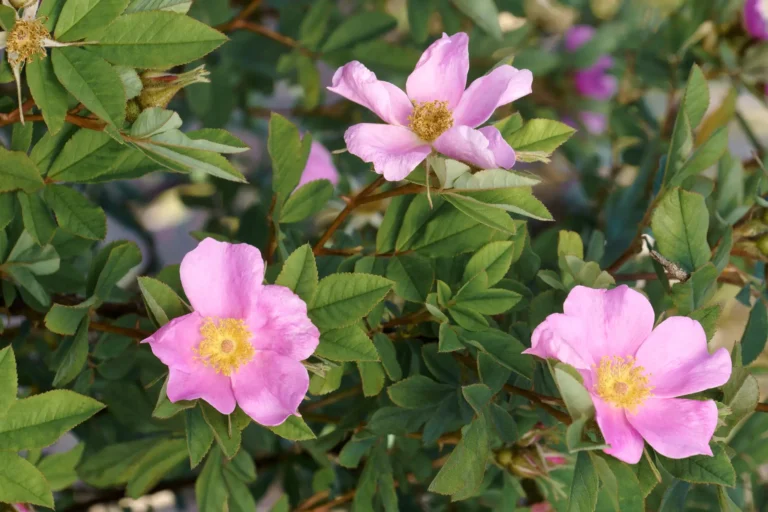
-
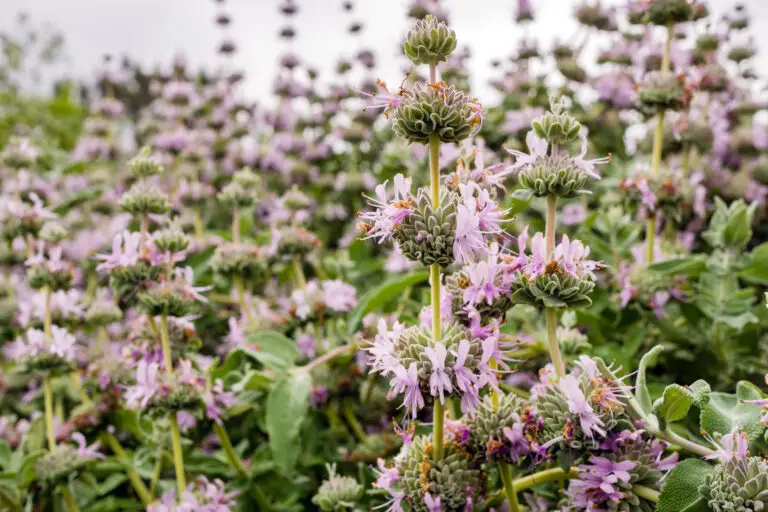
-
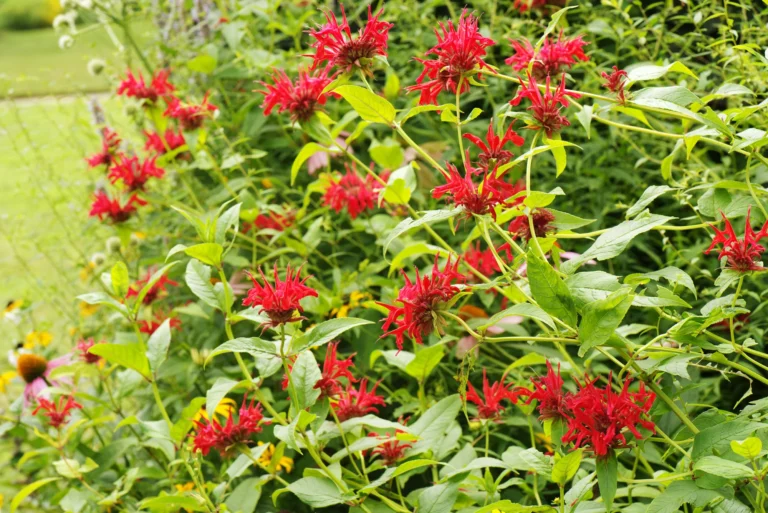
-
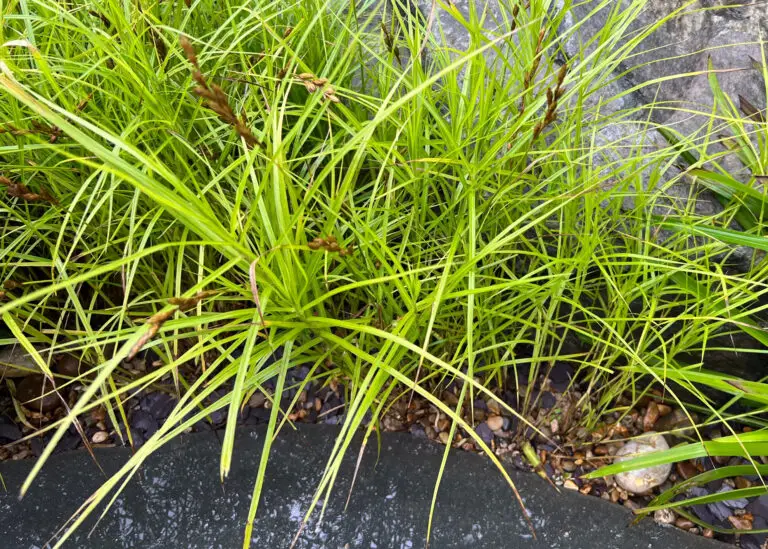
-
- Shagbark Hickory
-
-
-
-
- Spruces
- Stiff Goldenrod
-
-
-
- Sweetgum
-
-
-
-
-
-

-
-
-
-

-
-
-
-
- Willow
-
-
-


Nothing matches all of those. Try fewer buttons.
We’re not done yet. Here is more information on sourcing, expert opinions, and more.
Hear from Mid-Atlantic experts
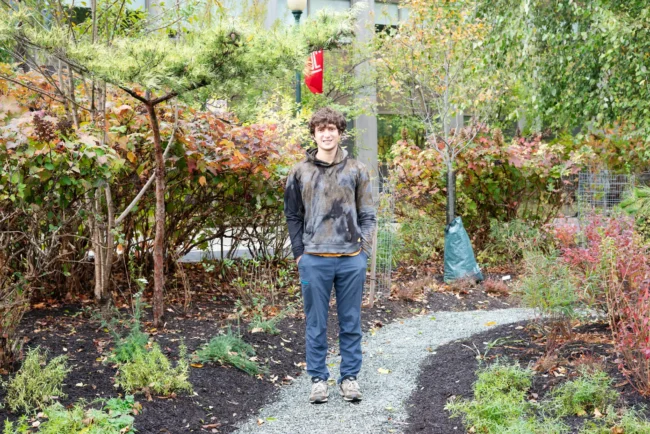
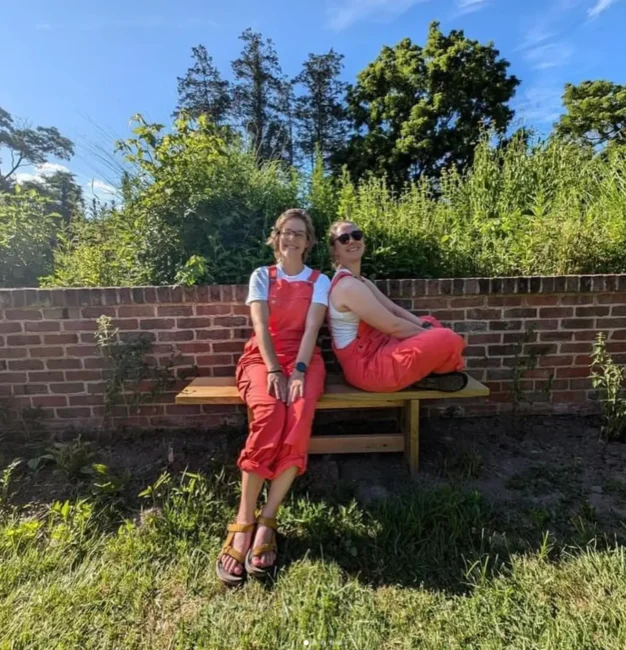
Hear tips and tricks for planting in the Mid-Atlantic in our interview series:
-
-

-
-
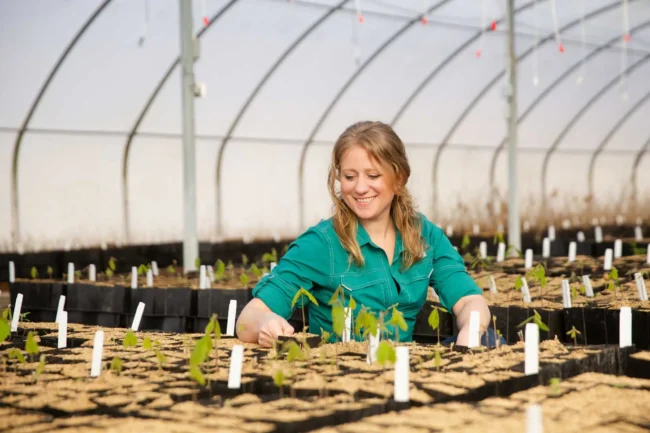


Online native plant sellers in the Mid-Atlantic
Looking to start your garden by shopping online? We got you. Here are some stellar Mid-Atlantic online resources for native plants:
- Burpee only some natives (Warminster, Pennsylvania)
- Ernst Seeds (Meadville, Pennsylvania)
- Direct Native Plants (Middle River, Maryland)
- Izel’s Native Plants (Washington D.C.)
- Keystone Wildflowers (Robesonia, Pennsylvania; pick-up only)
- Mid-Atlantic Natives (Cobbs Creek, Virginia)
- Monticello (Charlottesville, Virginia)
- Rare Roots (Mechanicsville, Virginia)
Mid-Atlantic native nurseries
Here are 100+ native nurseries in the Mid-Atlantic, organized by state:
Delaware
- Inland Bays Garden Center (Frankford; run by two former school teachers ❤️ )
- University of Delaware’s Botanic Gardens hosts an amazing plant sale every spring
- Mt Cuba Center Gift Shop (Hockessin; closed in winter)
Maryland
Central Maryland
- Chesapeake Natives (Upper Marlboro) Read our interview with the Executive Directors!
- Direct Native Plants (Middle River; online only)
- Ecoplantia (Frederick)
- Herring Run Nursery (Baltimore)
- Seeds of Change Nursery (Jessup)
- Stadler Nurseries (Laytonsville)
Northern Maryland
- Kollar Nursery (Pylesville)
- Wakefield Valley Nursery (New Windsor)
- Wildflower Native Plant Nursery (Bethesda; pick-up only, appointment required)
- Wild Spirit Native Plants (Thurmont; pick-up only—nursery not open to public)
Eastern Shore
- Adkins Arboretum (Ridgely)
- Unity Church Hill Nursery (Church Hill)
- Environmental Concern (St. Michaels; wholesale, with limited retail availability)
Southern Maryland
- Butterfly Alley (Hollywood; seasonal roadside stand)
- Bona Terra (Friendship; pick-up locations in DC & MD)
Western Maryland
- Providence Center Horticulture (Arnold)
New Jersey
North Jersey
- RareFind Nursery (Jackson; by appointment only)
- Toadshade Wildflower Farm (Frenchtown; by appointment only)
- The Wildstead Company (East Hanover)
- Wildridge Plants (Alpha)
Central Jersey
- D&R Greenway Plant Trust (Princeton)
- Pinelands Direct (Columbus; online pick-up only)
South Jersey
- Earth First Native Nursery (Egg Harbor Township)
- Goshen Gardens (Cape May)
- Summersweet Native Plants (Mays Landing; open by appointment only)
Pennsylvania
Southeastern Pennsylvania
- ArcheWild Native Nursery (Quakertown)
- Bartram’s Garden (Philadelphia)
- Behmerwald Nursery (Schwenksville)
- Bowman’s Hill Wildflower Preserve Native Plant Nursery (New Hope)
- Collins Nursery at Temple University (Ambler; check website for open hours)
- David Brothers (Norristown; appt only)
- Edge of the Woods Native Plant Nursery (Orefield)
- Gino’s Nursery (Newtown)
- Good Host Plants (Philadelphia; pick-up and appointment only)
- Heartwood Farm (Felton)
- Hilltop Hollow Farm (Bellefonte)
- Jenkins Arboretum (Devon; also has gorgeous gardens to explore)
- Perennial Gardens Nursery (New Bloomfield)
- Redbud Native Plant Nursery (Media)
Central + South Central Pennsylvania
- Butterfly Oasis Lancaster (Lancaster)
- Calyx Native Nursery (York)
- Diakon Wilderness Greenhouse (Boiling Springs)
- Fox Hill Gardens (State College)
- Go Native Tree Farm (Manheim; by appointment only)
- Heartwood Nursery (Felton)
- Hungry Hook Farm (Bainbridge)
- Keystone Wildflowers (Robesonia; by appointment only)
- Meadowsweet Native Plant Farm (Spring Grove)
- Schroeder Gardens (Millersville)
Western Pennsylvania
- Arcadia Natives (Washington)
- Bonesetter Nursery (Pittsburgh; sold via plant sales, check Instagram)
- Bruce Nursery (Davidsville)
- Friendship Farms (Latrobe)
- Keller Farms Nursery (Butler)
- Phyto Bello (Gibsonia; appt only)
- Pikes Peak Nurseries (Penn Run)
- Rich Farms (Smithfield)
- Root Cellar Natives (Hookstown)
- Rust Belt Natives (Pittsburgh)
- Visit Audubon Center for Native Plants (Pittsburgh; open during spring/summer)
Virginia
Central Virginia
- Davis Natives (Ashland)
- Glen Allen Greenhouse (Glen Allen)
- Hummingbird Hill Native Plant Nursery (Charlottesville)
- The Natural Garden (Harrisonburg)
- Rare Roots (Mechanicsville)
Richmond Metro Area
- Davis Natives (Ashland)
- Good Seed Natives (Richmond)
- LERN – Local Ecotype Richmond Natives (Richmond)
- Moulton Hot Natives (Richmond)
- Natives and Blooms (Richmond)
- Woolly bear Natives
Northern Virginia
- Earth Sangha Wild Plant Nursery (Springfield)
- Nature by Design (Alexandria)
- Watermark Woods (Hamilton)
Shenandoah Valley
- Little Bluestem (Afton)
- Seven Bends Nursery (Winchester)
- Yellow House Natives (Berryville)
Southwest Virginia
- Draper Springs Nursery & Gardens (Draper)
- Ninebark Nursery (Roanoke)
Tidewater / eastern Virginia
- Mid-Atlantic Natives (Cobbs Creek)
- Southern Branch Nursery (Chesapeake)
Piedmont Virginia
- Hill House Farm & Nursery (Castleton)
- Morningside Farm & Nursery (Boston)
- Meadowview Biological Research Station (Woodford)
Washington D.C.
- Bona Tera (Washington D.C.)
Wow, inspired yet? We hope 100+ Mid-Atlantic native nurseries, online resources, and 50+ native plant profiles got you pumped. Planting native in the Mid-Atlantic is such an easy way to bring wildlife and beauty to our landscapes with minimal work (especially compared to lawns.) Native plants have thrived in our area without any human intervention for thousands of years. After they are established, all they need is rain to thrive. Spend a few hours planting native and enjoy years of watching hummingbirds, butterflies, and birds flourish.
Feeling overwhelmed? Plant for your favorite creatures! Check out our Guide to Planting a Hummingbird Garden or Best Native Plants for Birds. Or, meet some iconic native favorites including Native Coneflowers or Native Hydrangeas. Happy planting!
Sources
- Butler-Leopold, Patricia R., Louis R. Iverson, Frank R. Thompson III, et al. “Mid-Atlantic Forest Ecosystem Vulnerability Assessment.” USDA Northern Forests Climate Hub. https://www.climatehubs.usda.gov/hubs/northern-forests/topic/mid-atlantic-forest-ecosystem-vulnerability-assessment-0. Accessed September 27, 2026.
- Hoadley, Sam. “Mt. Cuba Staff’s Favorite Amsonia.” Mt. Cuba Center, April 2, 2024. https://mtcubacenter.org/mt-cuba-staffs-favorite-amsonia/. Accessed September 27, 2026.
- Mt. Cuba Center. “Amsonia (Blue Star) for the Mid-Atlantic Region.” Trial Garden, 2013–2023. https://mtcubacenter.org/trials/amsonia-for-the-mid-atlantic-region/. Accessed September 27, 2026.
- National Parks Conservation Association. “Mid-Atlantic Parks in a Changing Climate.” https://www.npca.org/reports/mid-atlantic-parks-in-a-changing-climate. Accessed September 27, 2026.
- Spaccio, Jessica, Michelle E. Miro, Samantha Borisoff, Krista Romita Grocholski, and Arthur T. DeGaetano. “Mid-Atlantic Regional Climate Impacts Summary and Outlook: Summer 2025.” Santa Monica, CA: RAND Corporation, 2025. https://www.midatlanticrisa.org/climate-summaries/2025/09.html. Accessed September 27, 2026.
- U.S. Environmental Protection Agency, Region 3. How Will Climate Change Affect the Mid-Atlantic Region? Philadelphia, PA, June 2001. UNT Digital Library. https://digital.library.unt.edu/ark:/67531/metadc11826/. Accessed September 27, 2026.
Historical American natives
-
 Boneset
-
 Coneflowers
-
 Culver’s Root
-
 Franklin Tree
-
 Grasses and Sedges
-
 Joe Pye Weed
- Osage Orange
-
 Pawpaw Tree
- Vine Maple
Updated
The ads on this site help pay real native plant nerds to research and write these guides.


