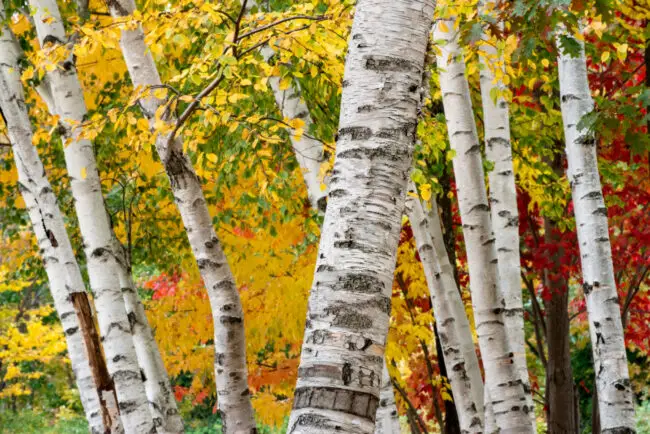
Birches are gorgeous trees, with distinctive bark that peels strikingly and looks great in every season. But non-native birches are often sold in garden and landscaping stores, and they’re not usually labeled—it can be hard to tell, which of them are native? Keep reading to find the perfect native birch for your location.
What are native birch trees?
If you’ve ever seen a stand of trees with bright white bark—they may be birch trees.
Birches are some of our most beautiful native trees. All of the American birch family members have ornamental bark and pretty, fluttery leaves that turn yellow in the fall. They look especially stunning planted in a group of three or five. Happily, birches are also one of the easier native trees to find for sale.
All birches are very fast growers, up to 2 feet per year. But you may want to note they are not long-lived trees: they rarely live more than 100 years.
New to native?
Before lawns and landscaping, native plants were here. They’ve fed birds, bees, and butterflies for thousands of years—and they’ll do the same in your yard. The best part? They’re easier to grow than you think.
One more reason to plant a native birch:
Native birches are host plants
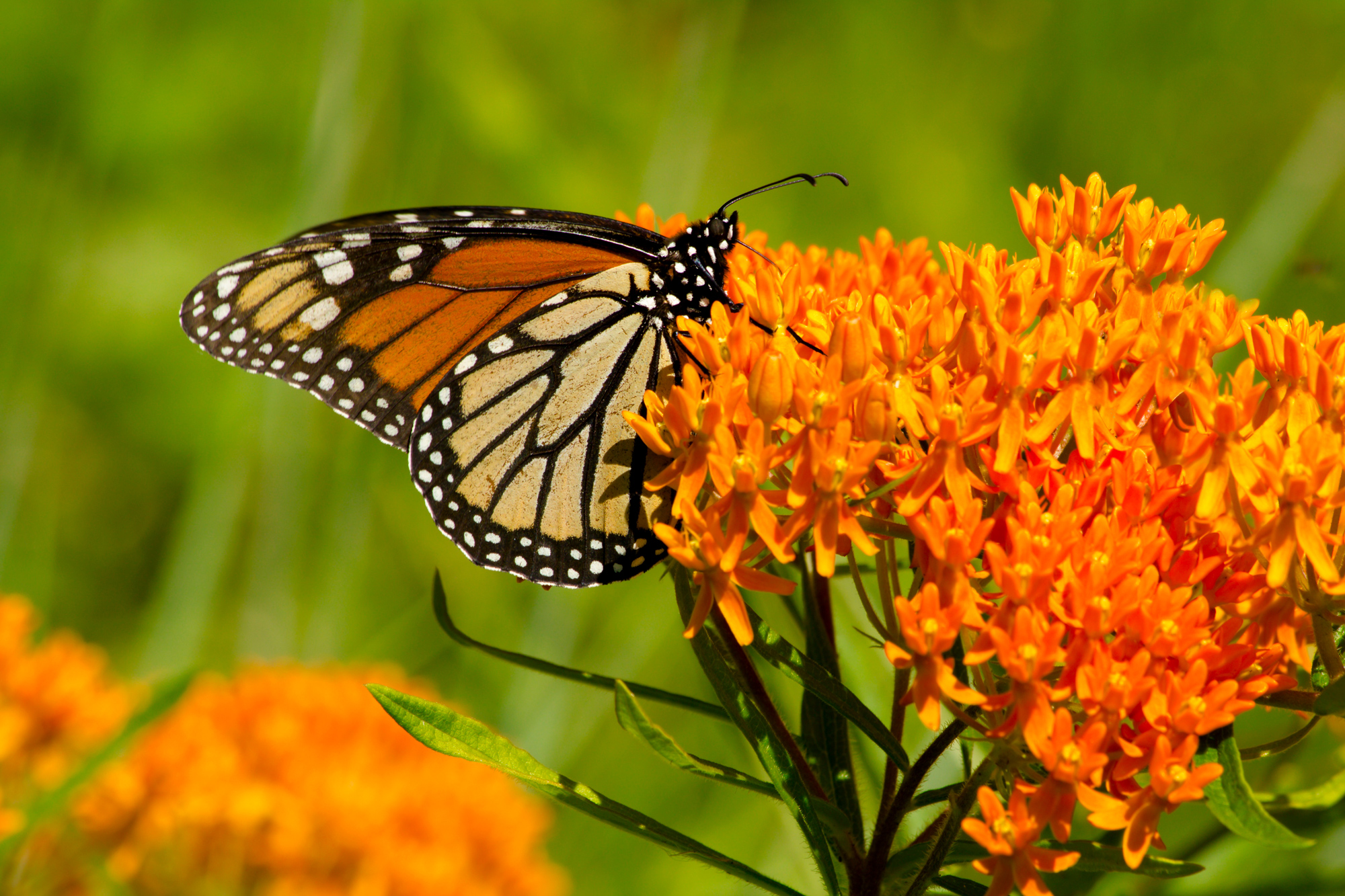
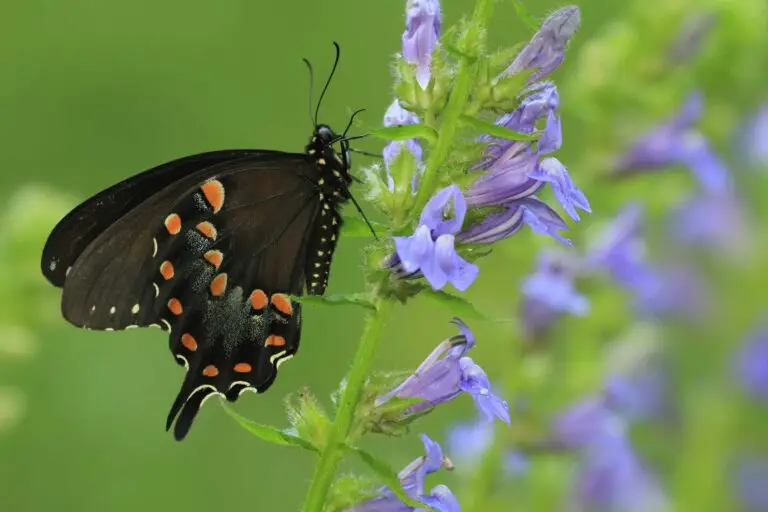
Just a few of the beautiful butterflies that native birches support…
- Mourning cloak butterflies need native birches to feed on as caterpillars.
- Tiger swallowtails need tuliptrees, birches, or willows.
- Red-spotted Purples eat birch leaves as caterpillars.
- Compton Tortoiseshells lay eggs on birches and willows.
- Cecropia Silkmoths eat birch leaves as caterpillars.
Even hummingbirds love birches
Hummingbirds will sometimes drink the sap of birches and maples! So plant some extra birches and keep an eye out for these bright little birds buzzing around.
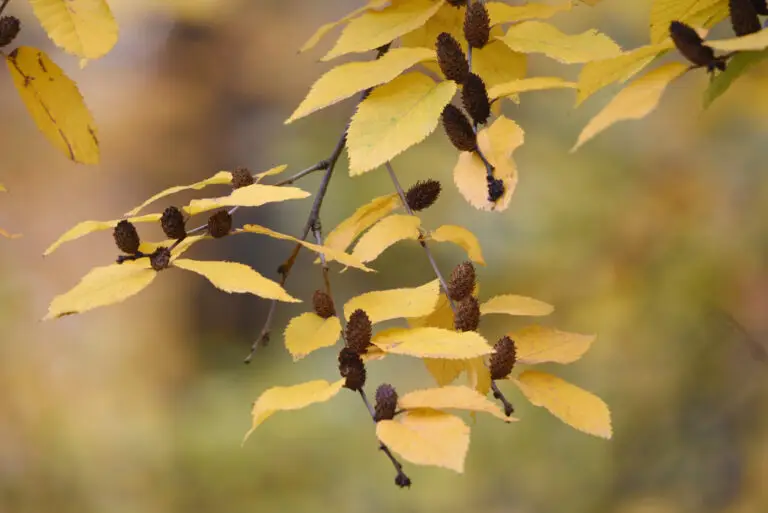
Where should I plant a birch tree?
Most birches like moist soil and lots of sun—in the wild, they are often found along streams. So if your soil is often wet, and gets at least a few hours of sun every day, you have a perfect spot. (If you plant a birch in a very dry and shady spot, it will likely struggle.)
Keep scrolling to find the perfect native birch for your location.
Native birch for the northern half of North America
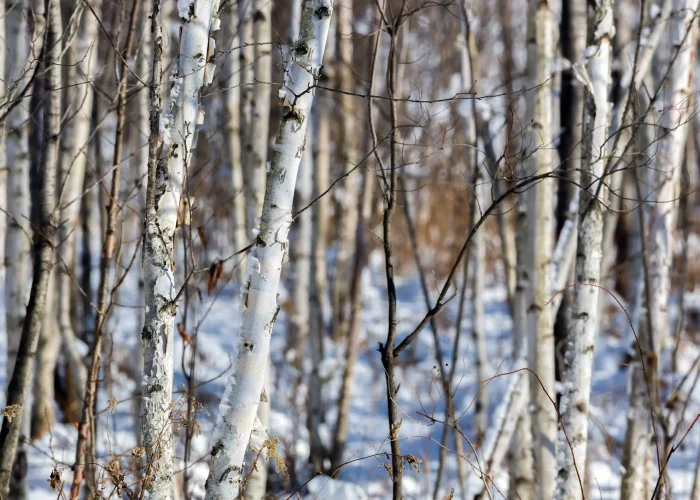
Paper Birch
Betula papyrifera
Paper birch is native across most of the northern part of the U.S. and Canada, from Maine to Wisconsin to Oregon. This is the iconic tree everyone thinks of when they hear the word birch; its bright white bark peels in striking strips. Because the bark can be made waterproof, paper birch is used in many traditional American Indian canoemaking processes.
These pretty trees love cooler temperatures and will often become stressed in high heat and humidity, so only plant them if you’re in the north or at higher altitudes. If there are a lot of deer in your area, you may also want to protect the young trees for a year or two until they’re established.
50-70 feet tall
Full sun to part shade
See native range >
Native birches for the Eastern U.S.
Living on the eastern side of North America? Here are the birches for your garden:
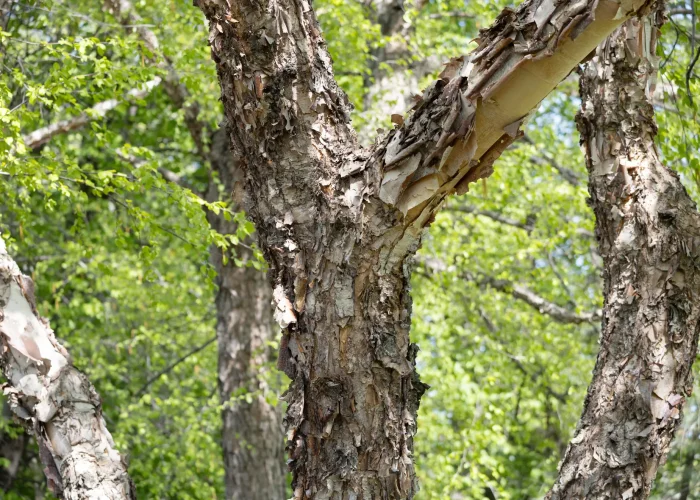
River Birch
Betula nigra
River birches are beautiful trees with white bark that peels strikingly. Prince Maximillian called river birch “the most beautiful of American trees.” It grows almost everywhere east of the Rockies—it’s the only birch that thrives in the heat and humidity of the South.
True to the name, river birches do like moisture (though not standing water), so plant them in a wetter area and/or provide lots of mulch.
30-70 feet tall
Full sun to part shade
See native range >
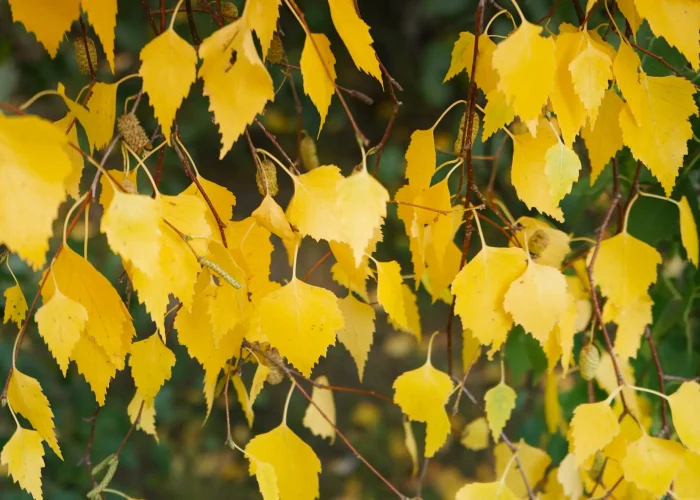
Yellow Birch
Betula alleghaniensis
Yellow birches have truly stunning bronze-colored bark. They can grow to 80 feet tall, making them the largest birches in North America. Yellow birches are the odd sheep out in the birch family—they grow more slowly than other birches and live much longer, up to 300 years.
They are native to the Northeast, the Great Lakes region, and along the Appalachians. They are sometimes also called swamp birches or golden birches.
70-80 feet tall
Full sun to part shade
See native range >
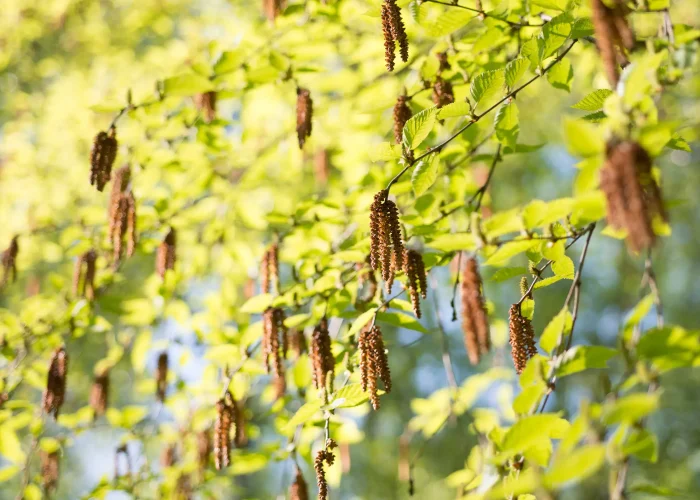
Sweet Birch
Betula lenta
Sweet birch doesn’t have quite as striking bark as its cousins, but it’s famous for a different reason: its inner bark gives off a lovely wintergreen scent. The sap is used to make a drink similar to root beer called birch beer, which you may have grown up drinking if you lived in Pennsylvania or other east coast states.
Sweet birch is native to the Northeast and down along the Appalachian Mountains. Like other birches, it likes moist soil. It is known for its bright yellow fall color and is sometimes also called black birch, spice birch, or cherry birch.
60-70 feet tall
Full sun to full shade
See native range >
Native birches for the Western U.S.
Living on the western side of North America? Here is the birch for you:
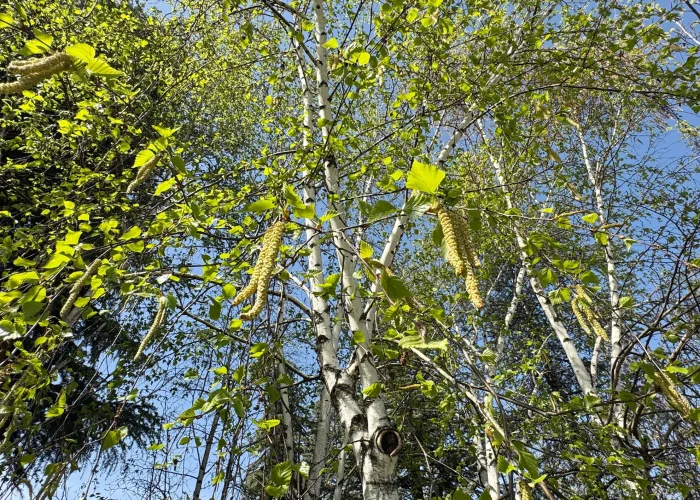
Water Birch
Betula occidentalis
Water birch is commonly found along streams and rivers in the Mountain West and at elevation. Like the name suggests, they prefer cool conditions and even more moisture than other birches—in the wild, they are often found along streams.
Water birches are smaller than other birches, growing between 15 and 40 feet tall, and tend to grow wide. They are thought to be more resistant to the bronze birch borer, a common pest, than other species.
15-40 feet tall
Full sun to part shade
See native range >
What problems do birch trees have?
In some areas, pests like the bronze birch borer can cause birch trees to decline.
The best way to prevent problems with birch trees is to plant a species that is native to your area, and to plant it in a location where it has the right conditions to thrive.
For example, people sometimes plant paper birches in the mid or southern U.S., but they’re actually native to northern areas—so they are ill-prepared for the heat and humidity, and become stressed. And just like we get more susceptible to diseases when we’re stressed, so do trees.
The right conditions are usually moister areas in the sun.
Pass the…birch syrup?
Did you know that maples aren’t the only trees in the syrup game? You can tap birch trees and make sweet syrup the same way. The taste is more complex than maple syrup, though: Cornell University describes it as “a mix of fruity-tart and complex caramelized sugar flavors, reminiscent of raspberries, tart-cherry juice, apple-butter and molasses.”
They have a guide if you want to try making it yourself once your trees are old enough….(or if you don’t want to go to all the fuss, you can just order some online.)
Where can I get a native birch tree?
Birches are usually one of the easier native trees to find, but if you’re having trouble, we’ve put together a handy list of resources to help.
Where can I find seeds and plants?
Finding native plants can be challenging (we partly blame King Louis XVI.) To make it easier, we’ve assembled four sourcing ideas.
625+ native nurseries make finding one a breeze
Explore 100+ native-friendly eCommerce sites
Every state and province has a native plant society; find yours
Online Communities
Local Facebook groups are a great plant source
What should I plant with birch trees?
Experts say that it’s super important to leave the leaves in place when you plant native trees. That’s where native pollinators and butterflies spend the winter. So it’s great to have native plants underneath your birch trees, so they can hold the leaves in place over the winter.
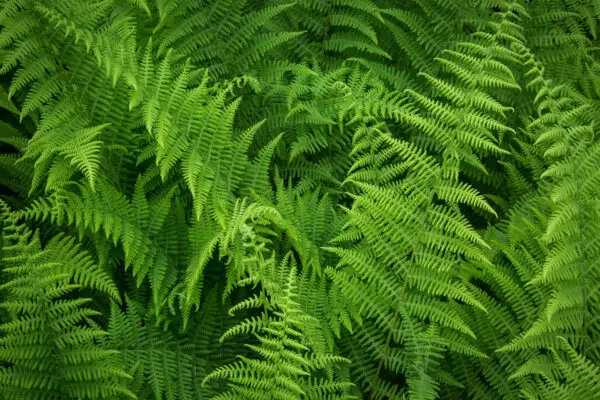
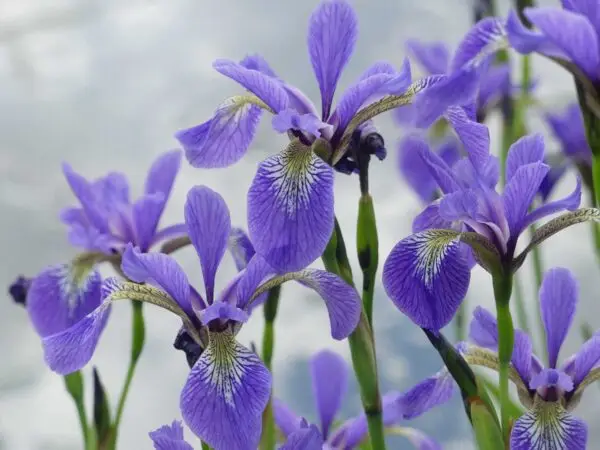
Since you’re planting birches in moist areas, you’ll want plants that also like moist soil and can handle shade. Try underplanting birches with ferns, Canada anemones, wild geraniums, or sedges that like it moist, like fox sedge or palm sedge.
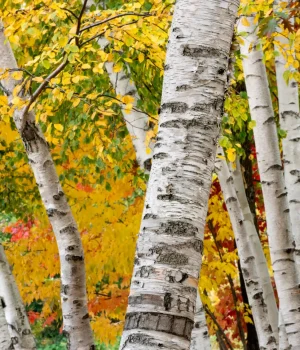
Pairs well with
If you’ve got a moist, sunny spot, a native birch is a perfect choice for year-round beauty, fast growth, and fantastic benefits to wildlife. Just match your region and conditions with a species and you’re in for years of fluttery leaves and eye-catching bark.
If you want to learn about other fast-growing native trees, check out our guide to other speedy native plants, including grasses and shrubs, to block a view. Or for other plants that will succeed in moist areas, check out our guide to plants for a native rain garden. Happy planting!
Sources
- U.S. Forest Service. “Paper Birch.” In Silvics of North America.
- U.S. Forest Service. “River Birch (Betula nigra).” Fire Effects Information System (FEIS).
- Michigan State University Extension. “All-Season Trees: River Birch.”
- Sandborn, Dixie. “All-Season Trees: River Birch.” Michigan State University Extension, October 27, 2017.
- North Carolina State Extension. “Yellow Birch (Betula alleghaniensis).” Plant Toolbox.
- North Carolina State Extension. “Sweet Birch (Betula lenta).” Plant Toolbox.
- Missouri Botanical Garden. “Betula occidentalis.” Plant Finder.
- Utah State University Extension, Center for Water-Efficient Landscaping. “Betula occidentalis.” Western Native Plants Database.
- Edge of the Woods Native Plant Nursery. “Species Spotlight: Betula lenta.”