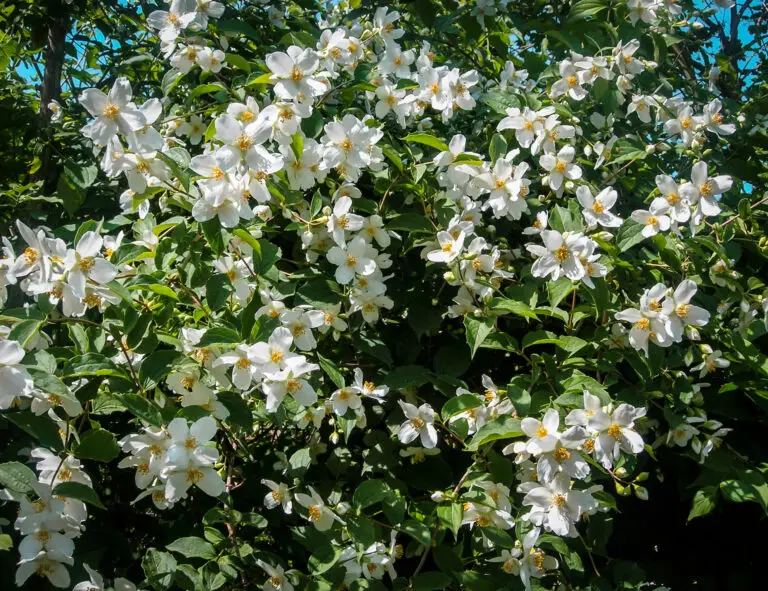
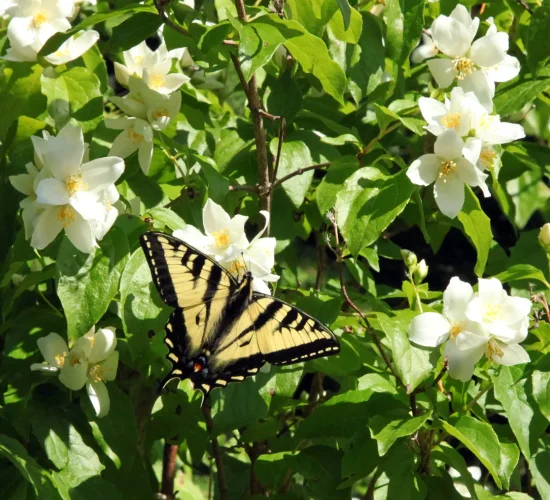
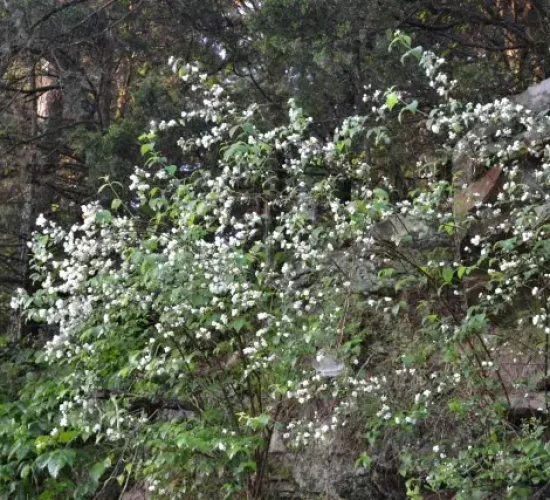
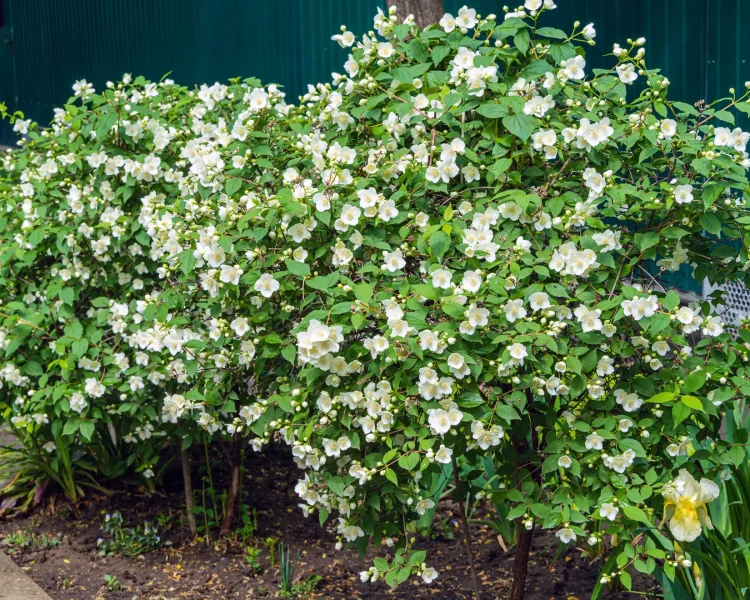
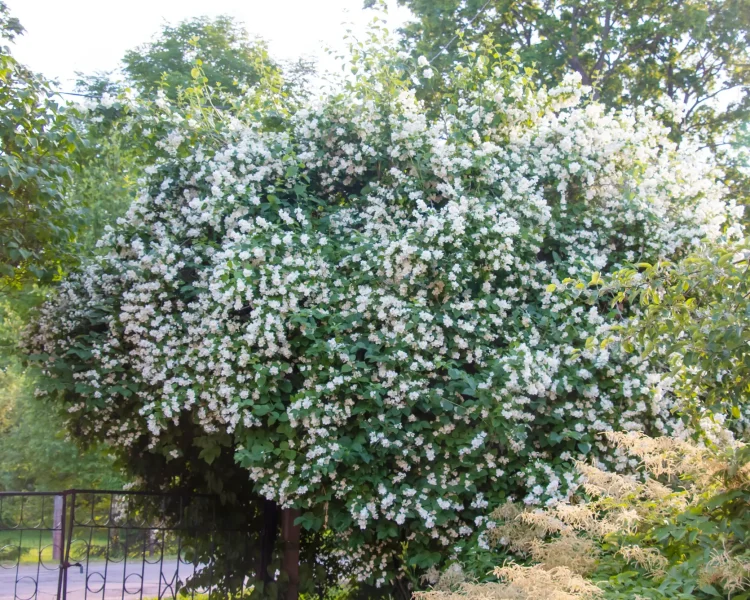
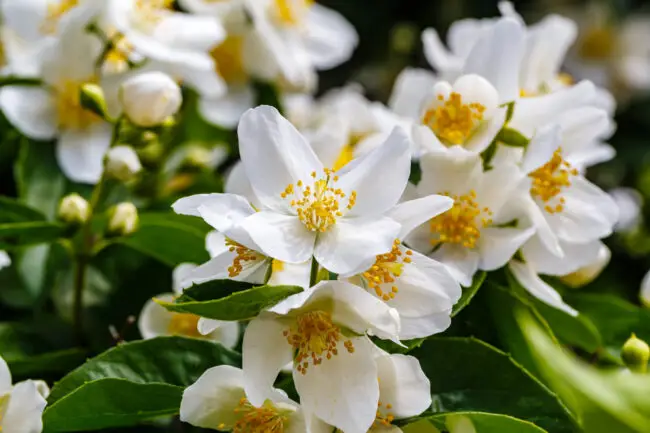
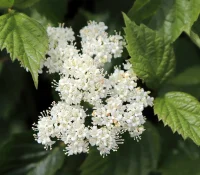
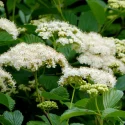
Mock orange is one of those shrubs people remember long after they’ve forgotten the name. Its arching branches erupt in white blooms in late spring, filling the air with a citrusy scent that stops you mid-walk. Easy to grow, adaptable, and generous with flowers, mock orange is a classic native shrub that deserves more love in modern yards.
Is mock orange a good choice for my yard?
Yes, if…
- You want a spring-flowering shrub with serious fragrance
- You have sun to part sun and average garden soil
- You like shrubs that look good without constant pruning
- You want a native option that works in both formal and relaxed gardens
Why mock orange matters
- Early-season nectar: Flowers support native bees and other insects in late spring
- Low-stress care: Once established, mock orange needs little supplemental water
- Long-lived structure: Woody shrubs provide nesting cover and seasonal interest
- Human joy counts too: Fragrance is a legitimate ecosystem service for people
A quick name clarification (important!)
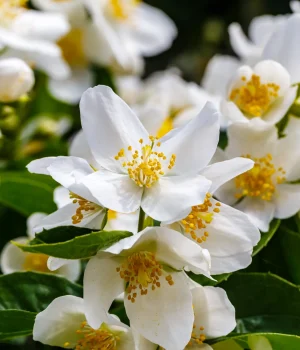
“Mock orange” is a common name shared by ~60 shrubs; it’s not a single plant. The plants known as mock orange belong to the Philadelphus genus, characterized by their four-petaled white flowers that have a scent similar to citrus blossoms. The are mock orange Philadelphus species native to Europe alongside mock orange species native to Idaho.
With dozens of mock orange species available, how do you ensure you plant a native one?
Look at the Latin name on the tag. Every plant and animal has only one Latin name; these cumbersome names were invented to help us identify plants accurately. (Don’t be intimidated! You already know and use one Latin name: Tyrannosaurus rex.) If you’re buying a mock orange without a Latin name on the tag, be wary. We recommend heading to a native nursery instead.
Let’s meet some native mock oranges which include their Latin names to help you find one:
Several native mock oranges to know
Lewis’s Mock Orange
Native to the western U.S. from Montana to California. This mock orange is tough, drought-tolerant, and strongly fragrant. According to the USDA, “Lewis’ mockorange, the state flower of Idaho, was named for Captain Meriwether Lewis, who collected the plant in 1806.” Does that name sound vaguely familiar? It’s the same Lewis of the Lewis and Clark expedition.
Streambank Mock Orange, Hairy Mock Orange
This mock orange is native to the eastern United States, from Maryland to Arkansas. It’s often associated with woodland edges and edges of—as you can guess from its common name—streams. It’s branches can arch in graceful rainbows after a few years.
Why is it called hairy?! There are tiny hairs on the bottom of its leaves.
We mentioned there are around 60 mock oranges worldwide. There is one non-native mock orange species that sometimes pops up in North American nurseries.
When planting native, stay away from sweet mock orange
The mock orange species, frequently called ‘sweet mock orange’ (Philadelphus coronarius) is native to Turkey and the Caucasus. It looks similar to the native species in terms of its flowers, but it misses all the North American DNA that connects it to our climate and wildlife. Want to be sure you’re planting native? Check out the Latin name and ensure you’ve got one of the native species.
“
If mock orange fails, it’s usually because it’s planted in deep shade or pruned at the wrong time.
”
How to grow mock orange
Mock orange is refreshingly straightforward. In fact, to quote horticulturalist Michael A. Dirr from his Manual of Woody Landscape Plants: “All Philadelphus species require the same care—none.”
We can add a little bit more information to Dirr’s advice:
- Sun: Full sun to part sun produces the best flowering
- Soil: Adaptable, but prefers well-drained soils
- Water: Water consistently during the first year while establishing; drought-tolerant once mature
- Pruning: Prune right after flowering, if needed. Flowers form on old wood
- Spacing: Give it room. Most species arch outward with age
If mock orange fails, it’s usually because it’s planted in deep shade or pruned at the wrong time.
Where mock orange shines in your yard
Mock orange is perfect where people actually pass by. Plant it near patios, paths, windows, or entryways where the fragrance can do its thing. It works equally well as a loose screen, a background shrub in mixed plantings, or a standalone spring showpiece.
It’s especially useful in gardens that need a strong spring moment before summer plants take over.
Why is it called mock orange? Does it make oranges?
Mock orange gets its name from scent, not fruit. The white flowers produce aromatic compounds similar to citrus blossoms, even though the plant is not related to oranges at all. Early European settlers recognized the familiar smell and gave it a “mock” name to signal the resemblance.
Botanically, Philadelphus belongs to the hydrangea family (Hydrangeaceae), not the citrus family. Interested in planting hydrangeas? Head over to our Beginner’s Guide to Native Hydrangeas for more.
Where can I get a mock orange?
Skip visiting a big-box store. Native mock oranges are easier to find through native plant nurseries, especially in the West, where Lewis’ mock orange is well known. Look for species names, not just the common name, to be sure you’re getting a native Philadelphus.
What are good pairings for mock orange?
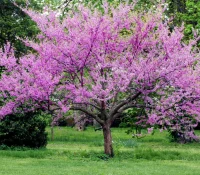
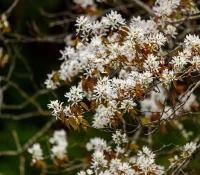
Mock orange pairs well with other spring and early-summer natives that enjoy similar light and moisture. Think serviceberry, redbud, native viburnums, and understory perennials that fill in after the blooms fade. The goal is a garden that peaks in waves, not all at once.
Mock orange proves that native shrubs don’t have to choose between beauty and resilience. With clouds of fragrant spring flowers and an easygoing nature, it earns its place in gardens meant to be lived in—not fussed over. Plant it where you’ll smell it, give it time, and let spring announce itself every year. Where to next? How about our Beginner’s Guide to Native Hydrangeas, or our Beginner’s Guide to Native Dogwoods? Happy planting!