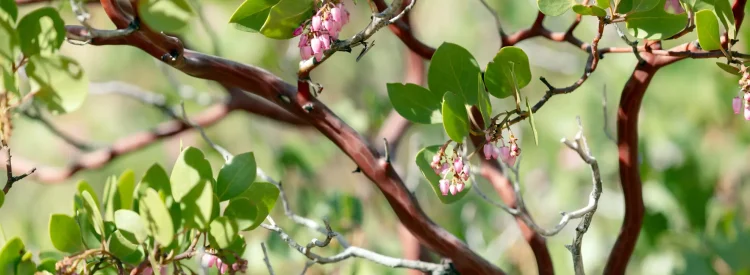
Manzanitas are some of the most iconic native plants in the western United States, and also some of the most misunderstood. With smooth red bark, evergreen leaves, winter flowers, and berries that feed wildlife, they offer year-round structure and serious ecological value. Built for dry summers, poor soils, and fire-prone landscapes, manzanitas reward gardeners who give them the right conditions and a little patience. Plant them well, then step back. They’ve been doing this for a very long time.
What makes manzanita special?
Manzanitas (Arctostaphylos genus) are the name for approximately 40 species of evergreen shrubs native primarily to the western United States. (That number doesn’t include cultivars!) They evolved to be a very tough plant, growing in places with poor soils, seasonal drought, and wildfire. This toughness explains a lot about how they behave in gardens today.
What sets them apart:
- Evergreen structure that looks good in every season
- Smooth red or mahogany bark that peels and gleams with age
- Winter-to-early-spring flowers that support native bees when little else is blooming
- Deep ecological ties to birds, insects, and mammals
- Extremely low water needs once established
- They are not fast, lush filler plants. They are slow-growing anchors. Think foundation plant, not flower bed filler.
New to native?
Before lawns and landscaping, native plants were here. They’ve fed birds, bees, and butterflies for thousands of years—and they’ll do the same in your yard. The best part? They’re easier to grow than you think.
Five native manzanitas to know
Here are five native options that provide sculptural beauty for western landscapes:
Common Manzanita, Whiteleaf Manzanita
Arctostaphylos manzanita
Where it’s native: California
Height: 6–20 feet
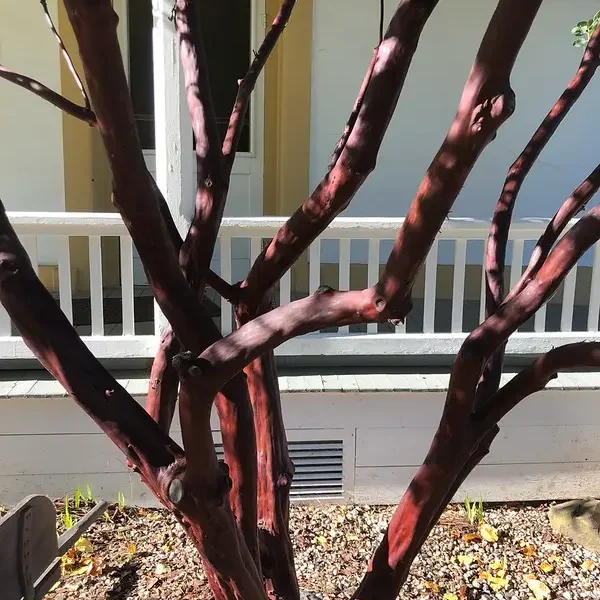
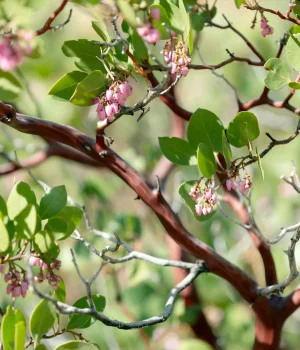
This is the classic manzanita characterized by twisting branches, smooth red bark, and a bold, sculptural shape. The name ‘common manzanita’ includes six subspecies native to specific regions.
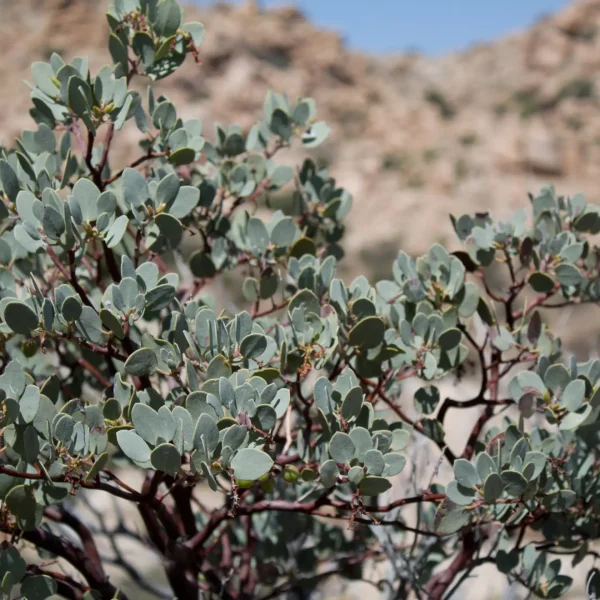
Bigberry Manzanita
Arctostaphylos glauca
Where it’s native: Southern California
Height: 10–15 feet
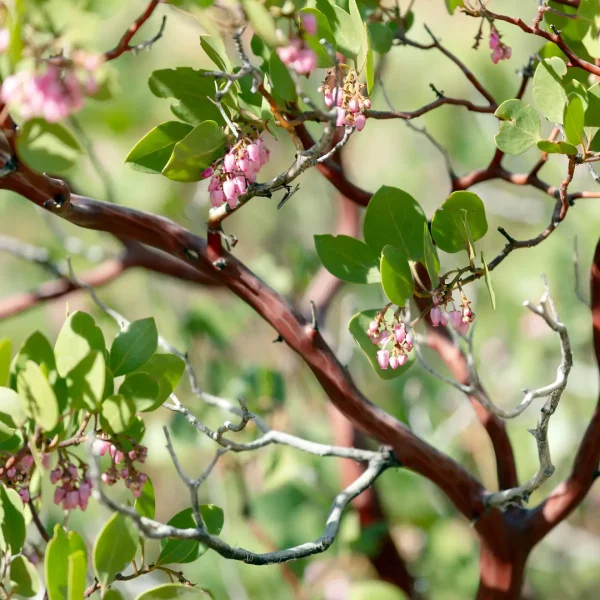
A standout for its paddle-like leaves and large berries, which birds love. Bigberry manzanita can handle heat well and is often used on slopes and in restoration plantings.
Greenleaf Manzanita
Arctostaphylos patula
Where it’s native: Oregon, Nevada, California
Height: 6–12 feet
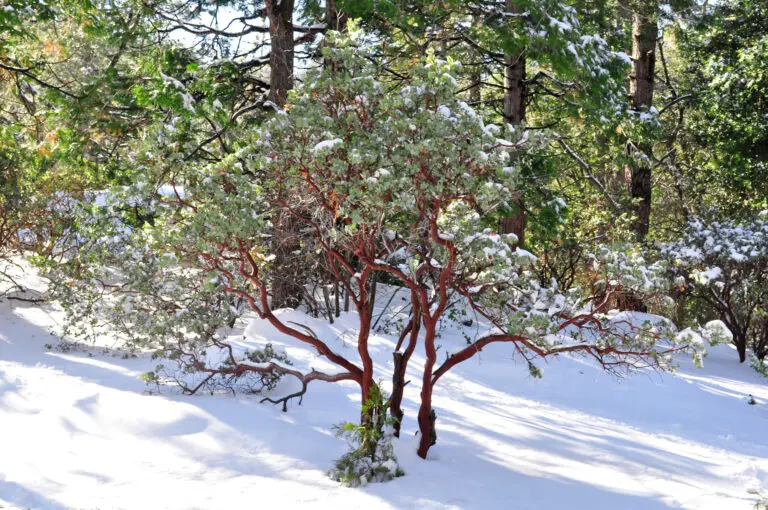
Greenleaf manzanita has a huge native range that stretched from Oregon south to Nevada. As you can guess from this range, greenleaf can handle colder winters and snow better than most manzanitas.
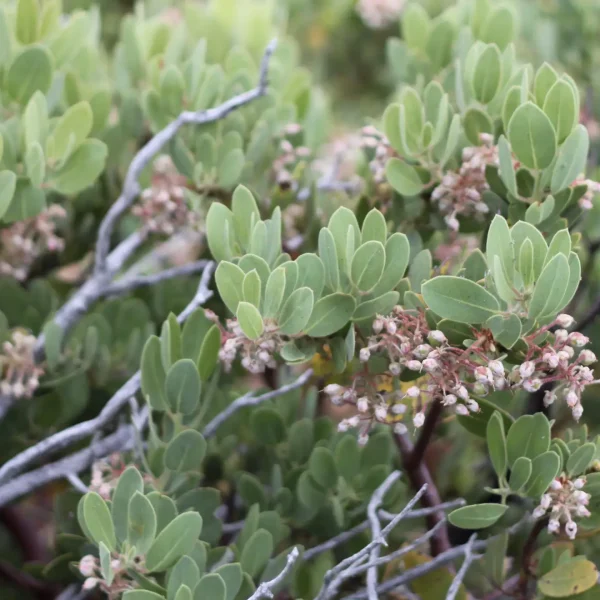
Pointleaf Manzanita
Arctostaphylos pungens
Where it’s native: Larger range compared to other manzanitas: native from Texas westward to California
Height: 6–12 feet
Pointleaf handles cold better than many other manzanitas. It’s a great option for higher elevations and inland gardens. Its common name comes from the tiny point at the end of its leaves.
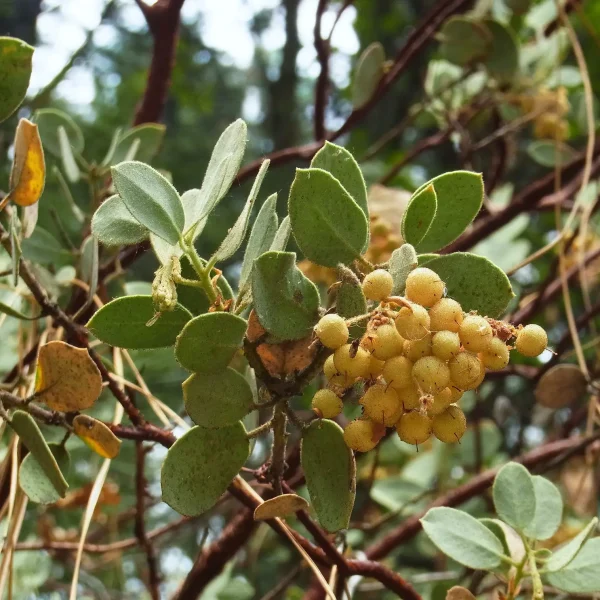
Hairy Manzanita
Arctostaphylos columbiana
Where it’s native: Pacific Northwest
Height: 6–15 feet
Native farther north, this species is more tolerant of cooler, wetter winters. Gardens from British Columbia down to Marin County in California can plant this species. Why is it called hairy? Get up close to its stems to see tiny green hairs. Although slow-growing, Christmas tree farmers in the Pacific Northwest sometimes consider this a weed!
Where manzanita grows naturally
In the wild, manzanitas grow in dry, open landscapes across the western United States. You’ll find them in chaparral, open woodlands, foothills, and rocky slopes; often in places with thin soils, full sun, and long dry summers.
They commonly grow alongside plants like oaks, pines, ceanothus, and native bunchgrasses. These are environments shaped by drought, poor soil, and periodic fire, which explains why manzanitas evolved to be slow-growing, deep-rooted, and extremely resilient.
In a yard, that translates to sunny areas with good drainage, especially slopes, raised areas, or spots where water never lingers after rain. Planting manzanita there mirrors the conditions it’s known for and helps it settle in for the long haul.
How to grow manzanita
Manzanitas have a reputation for being “fussy,” but it’s really just about respecting how they evolved. Here’s what they actually need:
- Drainage is non-negotiable. Manzanitas tolerate poor soils just fine, but they do not tolerate soggy roots. If water sits for more than a few hours after rain, pick another spot or improve drainage first.
- Sun matters. Most species prefer full sun. A few tolerate light shade, but dense shade usually leads to weak growth.
- After the first year or two, no summer watering. After getting established, manzanitas prefer very little supplemental watering. Regular summer irrigation can shorten their lifespan or invite in diseases.
- Minimal pruning only. Remove dead or crossing branches, but avoid heavy shaping. Manzanitas naturally develop their signature twisting forms over time.
- Be patient. These are not fast plants. They invest energy underground first, which is part of why established plants are so drought-tough.
If there’s one rule to remember, it’s this: plant manzanita in the right place, then mostly leave it alone. Less intervention usually leads to healthier, longer-lived plants.
A quick note for beginners: be careful with water in the summer
Manzanitas reward restraint, especially when it comes to water. If you plant them in the right spot and then mostly leave them alone, they tend to thrive. Overwatering and fussing are the fastest ways to shorten their lifespan.
How fussy are some manzanitas with watering? The California-based Waterwise Community Center shares, “If it is watered—just once—when the weather is too warm and the soils are hot, many of these species can be very prone to diseases…when the soil is hot and wet…and can experience branch die-back and death.”
Manzanita cultivars can be less fussy
Feeling a little scared after reading the news about watering? Plant a manzanita cultivar! A cultivar is a plant that humans have selected to look or behave a certain way. And there are a few cultivar manzanitas that are bred to handle occasional watering in the summer:
- Manzanita ‘Sunset’: A hybrid of two manzanitas, known for growing a bit faster. Do you know Sunset magazine? This plant’s name commemorates the 75th anniversary of Sunset Magazine, celebrated in 1973. (source).
- A densiflora ‘Howard McMinn’ manzanita: according to Waterwise Garden Planner, this cultivar has “grown in California gardens for more than 50 years and has proven to be one of the most garden-tolerant and popular shrub manzanitas.” Named after famed CA horticulturalist Howard E. McMinn.
- Manzanita ‘John Dourley’: more low-growing shrubs, topping out around 2-3′ tall.
- Want something bigger? A. manzanita ‘Dr. Hurd’ might be what you’re looking for, growing to 12-16‘ tall.
Waterwise Community Center has a great overview video on manzanitas, including these cultivars:
Manzanitas have secret ways to live through fire
Manzanita grows in places where fire is part of the landscape. Over thousands of years, these shrubs evolved multiple ways to work with it.
Some manzanita seeds only sprout after a fire. Left alone, mature plants form dense canopies that shed thick layers of leaf litter and seeds beneath them. Those seeds can remain viable in that litter for years—sometimes even decades.
So what are the seeds waiting for? Heat and smoke provide the cue to start growing. After fire clears the litter, competition drops and nutrients return to the soil. What looks like a stark, ashy landscape is actually the signal for the next generation to begin.
Other manzanitas take a different approach. Some species develop thick, turnip-like root crowns, while others form burls—woody swellings at the base of the stems packed with dormant buds. After fire kills the aboveground growth, these structures resprout rapidly, sending up multiple new stems.
Seeds, burls, and root crowns work together to make manzanita one of the most fire-resilient shrubs in North America.
For gardeners, this explains two things: why manzanitas are rarely grown from seed at home, and why nursery-grown plants are the way to go. And we hope this goes without saying—don’t try to burn your manzanitas to get more! Skip the arson. Visit a native plant nursery instead.
Where manzanita shines in your yard
Manzanita is a natural anchor plant. It’s made to center a front-yard foundation planting, hold its own as a focal point in a sunny native garden, or define the edge of a path or driveway. Its evergreen leaves and sculptural red bark give you year-round structure, even when everything else is taking a break.
Manzanitas are slow growers, but that’s part of their appeal. They age into themselves, developing twisting branches and smooth bark over time. To keep your garden looking full while you wait, pair manzanita with faster-growing natives that can fill in early and step back as it matures. The result is a garden that looks intentional from day one, and even better with each passing year.
Scroll on for a few pairing ideas that play nicely with manzanita’s pace and personality.
Where can I find manzanitas?
We are not going to lie and say that finding a native manzanita is going to be as simple as driving to your closest plant nursery. It might take a little extra energy to find this native gem, but it is worth it! Here are some recommendations for sourcing this native plant:
Where can I find seeds and plants?
Finding native plants can be challenging (we partly blame Marie Antoinette.) To make it easier, we’ve assembled four sourcing ideas.
300+ native nurseries make finding one a breeze
Explore 100+ native-friendly eCommerce sites
Every state and province has a native plant society; find yours
Online Communities
Local Facebook groups are a great plant source
What are good pairings for manzanitas?
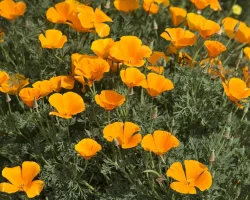
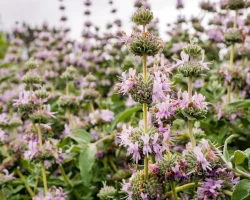
Manzanitas pair best with other natives that like sun, good drainage, and a hands-off approach. Think plants that won’t compete for summer water or crowd their roots. Evergreen shrubs like ceanothus or toyon make great structural companions, while native bunchgrasses and low-growing perennials can fill in space without stealing the spotlight. The goal is a garden that looks layered and intentional early on, then relaxes as the manzanita slowly takes center stage. Pair wisely, and everything gets easier over time.
Pairs well with

Manzanita isn’t a quick win, but it’s one of the most rewarding plants you can grow. Give it sun, drainage, and a little patience, and it will return the favor for decades with evergreen structure, winter flowers, and bark that only gets better with age. Plant it once, leave it mostly alone, and let time do the rest. Your future yard will thank you. Looking to explore some other iconic western natives? Head over to our Beginner’s Guide to Toyon or meet some native salvias that love the West Coast’s rainy winters and bone-dry summers. Happy planting!
Sources
- Keeley, Jon E., and C. J. Fotheringham. “Role of Fire in Regeneration from Seed of Woody Species in California Chaparral.” Ecology 81, no. 4 (2000): 984–999.
- Keeley, Jon E., and Paul H. Zedler. “Reproduction of Chaparral Shrubs After Fire: A Comparison of Sprouting and Seeding Strategies.” The American Midland Naturalist 99, no. 1 (1978): 142–61.
- Keeley, Jon E. “Fire Intensity, Fire Severity and Burn Severity: A Brief Review and Suggested Usage.” International Journal of Wildland Fire 18, no. 1 (2009): 116–126.
- Vogl, Richard J., and Paul Schorr. “Fire and Manzanita Chaparral in the San Jacinto Mountains, California.” Ecology 53, no. 6 (1972): 1179–88.
- Jepson Flora Project. “Arctostaphylos manzanita.” Jepson eFlora (University of California, Berkeley). Accessed December 27, 2025.
- Jepson Flora Project. “Arctostaphylos glauca.” Jepson eFlora (University of California, Berkeley). Accessed December 27, 2025.
- Jepson Flora Project. “Arctostaphylos columbiana.” Jepson eFlora (University of California, Berkeley). Accessed December 27, 2025.
- U.S. Department of Agriculture. “Arctostaphylos columbiana (hairy manzanita).” USDA PLANTS Database Plant Profile. Accessed December 27, 2025.
- U.S. Department of Agriculture. “Arctostaphylos glauca (bigberry manzanita).” USDA PLANTS Database Plant Profile. Accessed December 27, 2025.
- U.S. Department of Agriculture. “Arctostaphylos manzanita (whiteleaf manzanita).” USDA PLANTS Database Plant Profile. Accessed December 27, 2025.
- U.S. Department of Agriculture. “Arctostaphylos pungens (pointleaf manzanita).” USDA PLANTS Database Plant Profile. Accessed December 27, 2025.
- Oregon State University, Oregonstate.edu. “Arctostaphylos Densiflora ‘Howard McMinn,’ Landscape Plants,” 2025.
- Waterwise Garden Planner. “McMinn Manzanita,” April 26, 2025.
- Calscape. “John Dourley Manzanita.” Calscape.org, Accessed December 27, 2025.
- San Marcos Growers, Smgrowers.com. “Arctostaphylos ‘Howard McMinn’, Manzanita, Shrub, (A. Densiflora ‘Howard McMinn’),” Accessed December 27, 2025.
- Pacific Horticulture. “Manzanita,” May 10, 2024.
What if your feed was actually good for your mental health?
Give your algorithm a breath of fresh air and follow us.