





Highlights
These native flowers go by many common names: hummingbird mint, agastache, hummingbird anise, or hyssop (their Latin names always start with Agastache). Whatever you want to call them, they are pollinator and hummingbird magnets. They also smell amazing—a little like licorice. In the summer, tall stalks are covered in tiny, bright flowers. Leave them alone in the fall and watch them become seed-filled bird feeders. Hummingbird mint is an easy-to-grow perennial that is excellent for any sunny garden.
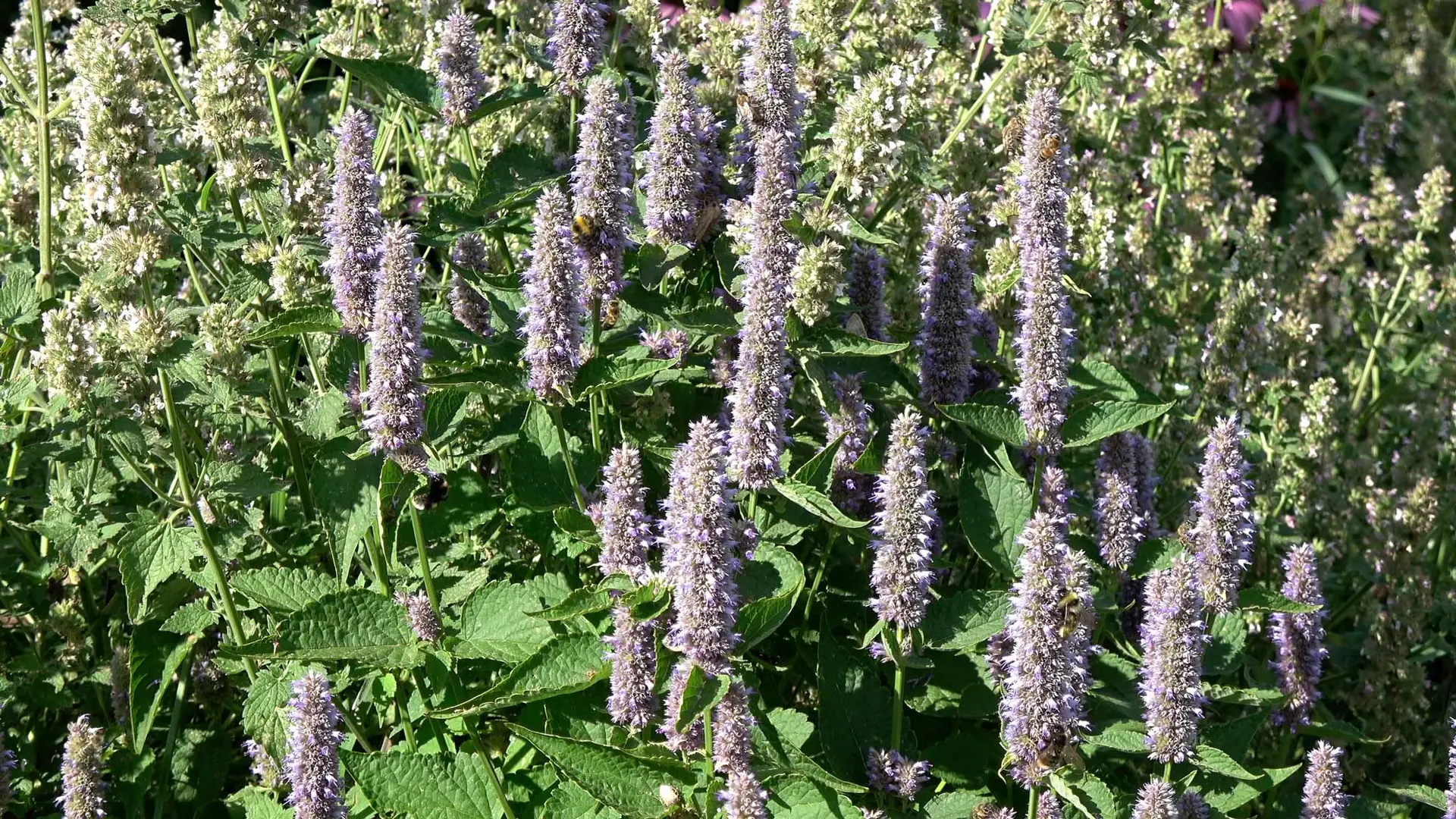
Is hummingbird mint a good choice for my yard?
Yes, if…
- You want a pollinator magnet that blooms for weeks in midsummer.
- You enjoy fragrant foliage that smells like a mix of anise, mint, or licorice.
- You want a drought-tolerant perennial for sunny spots.
- You’d like seedheads that double as fall and winter bird feeders.
- You need something deer won’t touch.
Why hummingbird mint matters
- Pollinator lifeline: Dense flower spikes give 360-degree access for hummingbirds and bees.
- Long bloom window: 4–6 weeks of flowers at a time when gardens often fade.
- Easy care: Thrives on rainfall alone after the first year.
- Bird support: Leave stalks standing through fall/winter for natural birdseed.
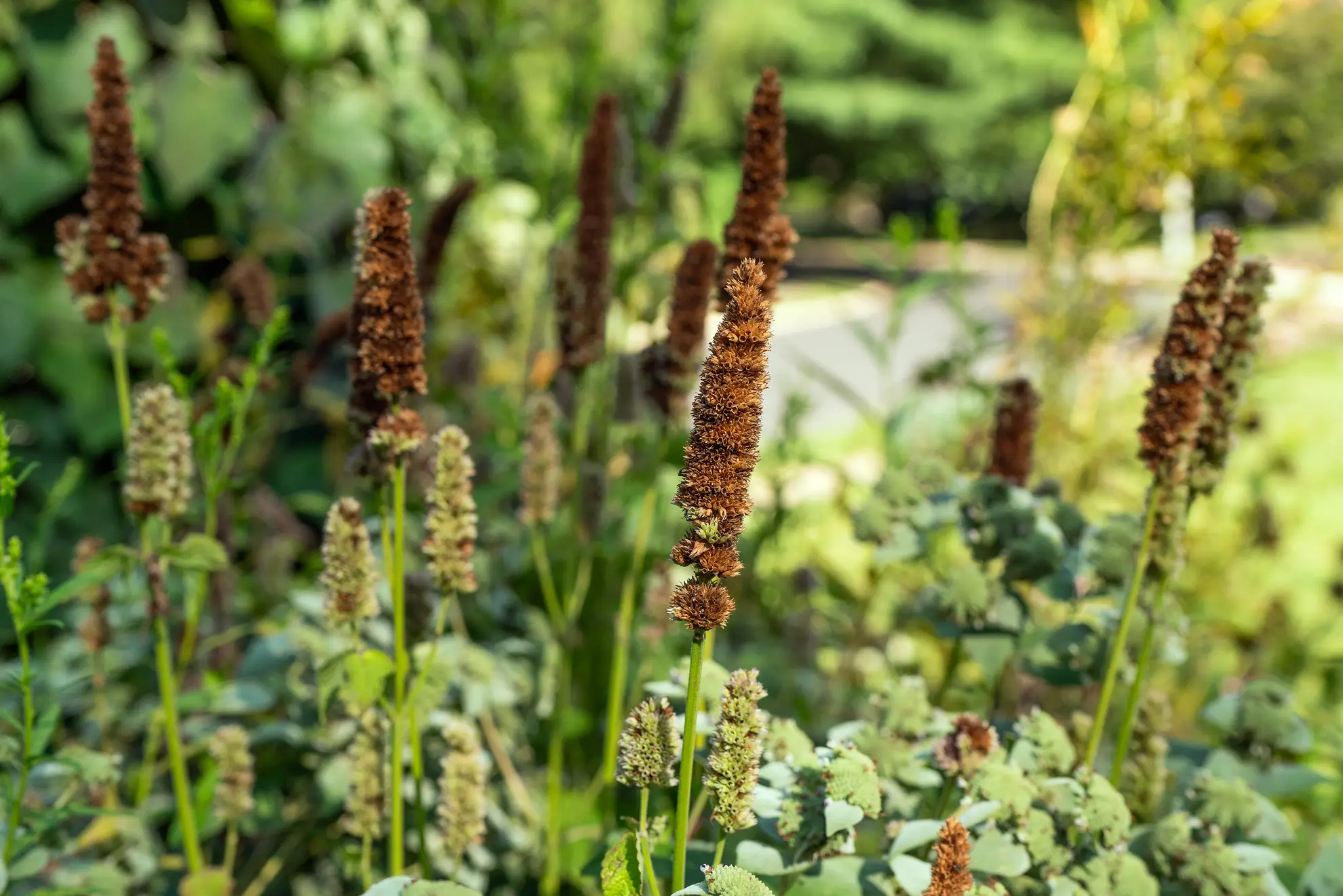
The cultivar name ‘Black Adder’ references the buds, which are black before the purple flowers burst forth.
Meet the native hummingbird mints
There are 10-15 species of Agastache native to North America that are commonly referred to as “hummingbird mint.” (The number ranges between books and botanical sources.) Here are three:
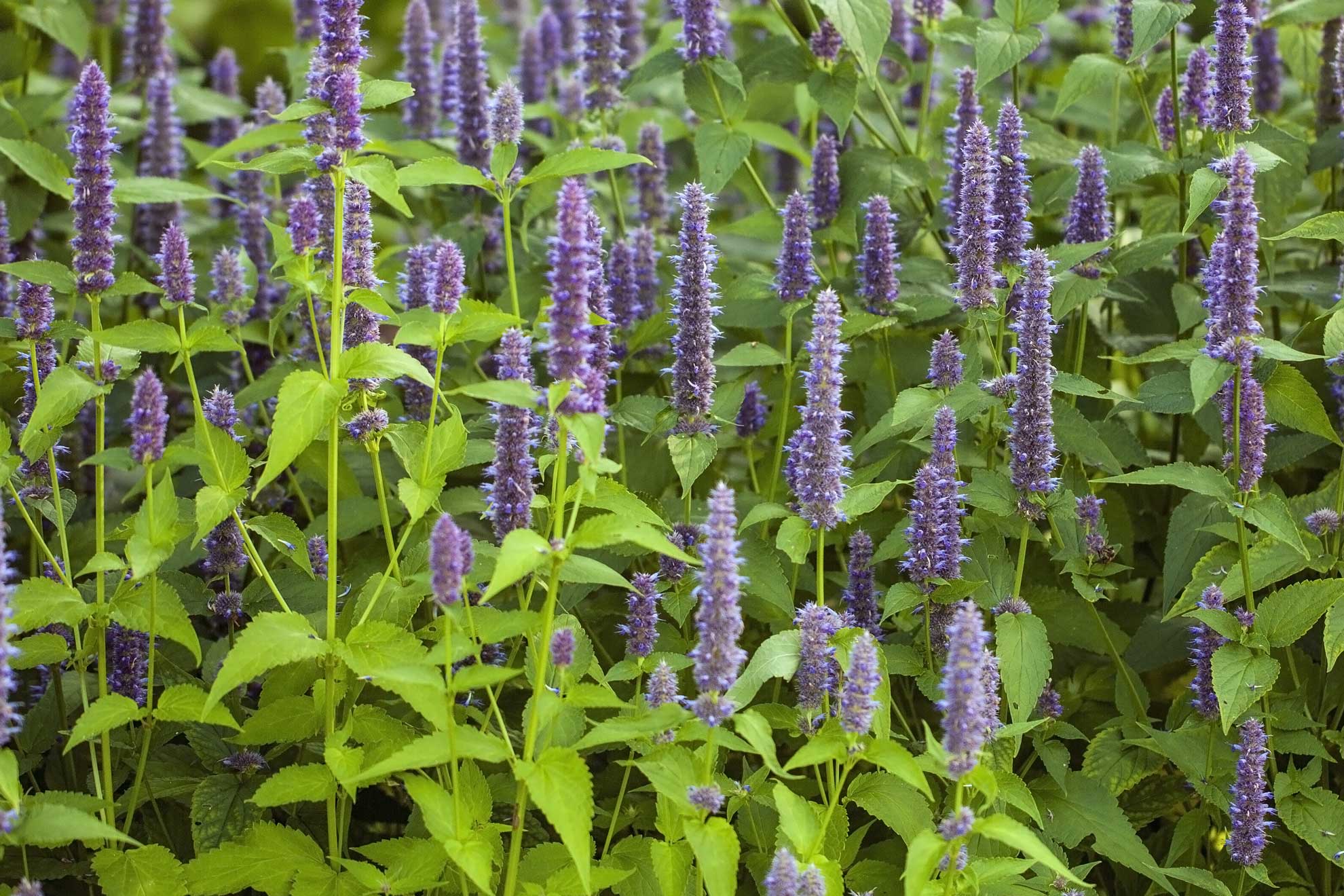
Lavender or anise hyssop
Agastache foeniculum
Native to the upper range of the United States and most of Canada, these tall purple flowers remind you of lavender. (Not that this plant needs another name, but ‘North American Lavender’ is fitting.) Most cultivars come from this native species (more on cultivars in a few paragraphs.)
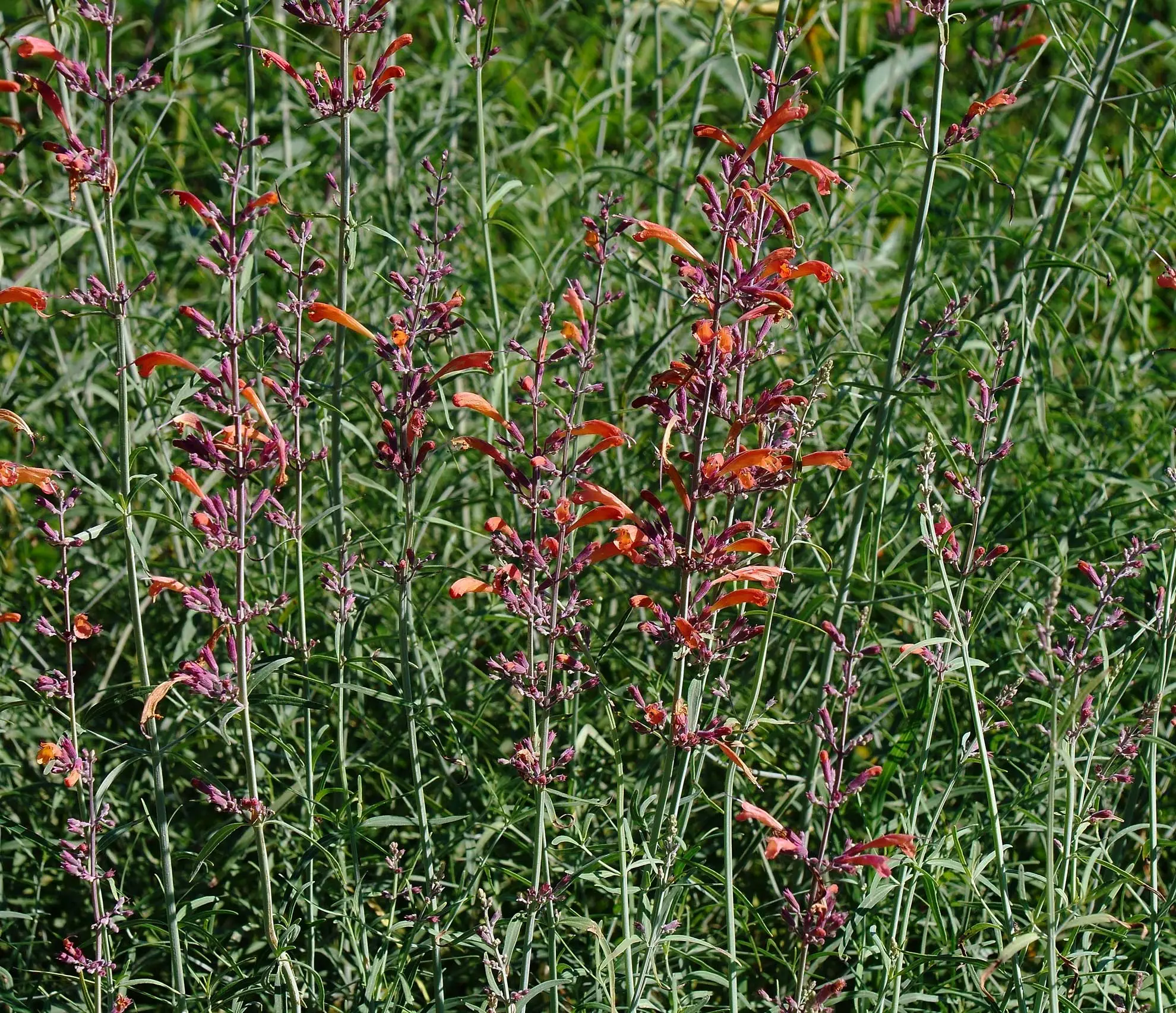
Sunset hyssop
Agastache rupestris
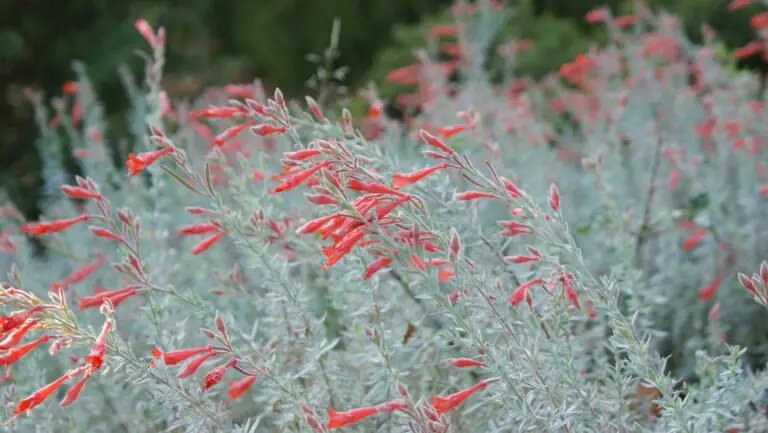
Tall, fiery stems of orange-red flowers emerge like tiny flowered flames in the summer. Which is fitting, since this native loves the heat of the Southwest. Native to just New Mexico and Arizona.
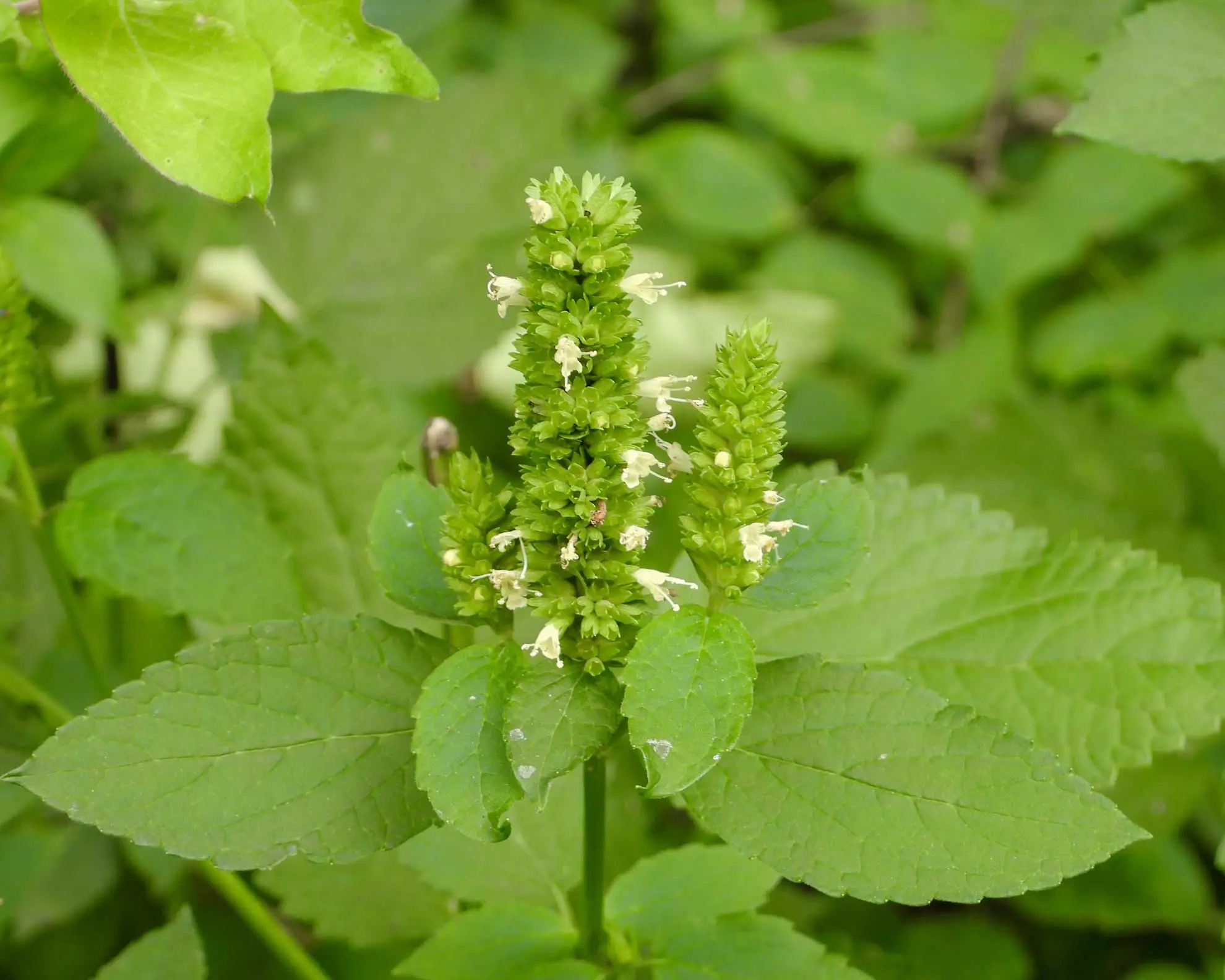
Giant yellow hyssop
Agastache nepetoides
A pile of verdant leaves frames tiny buttery yellow flowers. It is a wonderful companion for other tall natives like Culver’s root. Native to the eastern half of the United States and Canada.
See a full list of hummingbird mint species
There are a few more native species of hummingbird mint that are hard to find in plant nurseries or online seed sellers, but are native to North America. Other species include:
4. Texas hummingbird mint (Agastache cana)
5. New Mexico giant hyssop (A. pallidiflora)
6. Nettleleaf giant hyssop (A. urticifolia)
7. Purple giant hyssop (A. scrophulariifolia)
8. Cusick’s giant hyssop (A. cusickii)
9. Short-flowered giant hyssop (A. breviflora)
10. Small-leaved giant hyssop (A. parvifolia)
11. Pringle’s giant hyssop (A. pringlei)
Have you seen other colors? They are probably cultivars
Besides these native species, there are dozens of cultivar options with different colors, heights, and leaf shapes. A cultivar is a plant curated by humans to look or behave a certain way. You’ll always be able to spot a cultivar by a cheeky marketing name in ‘single quotes’ in the plant name.
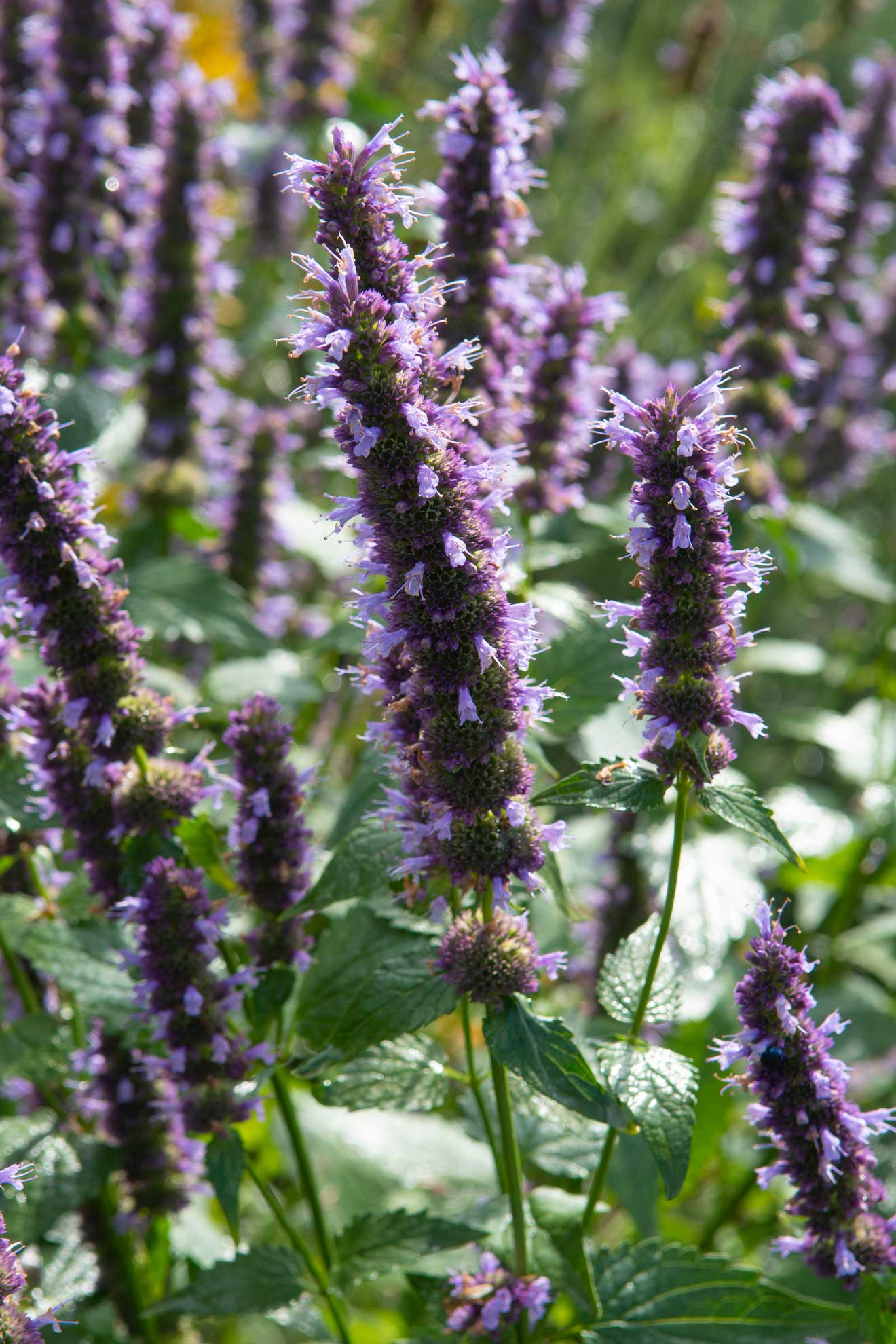
Some hummingbird mint cultivars include: Agastache ‘Black Adder’ and Agastache ‘Blue Fortune’, which are hybrids of two Agastache species: A. rugosum (non-native) and A. foeniculum (native). The cultivar name ‘Black Adder’ references the buds, which are black before the purple flowers burst forth. (Another native plant named for its bud color is redbud.)
Cultivars add variety to our gardens with their different colors, heights, and shapes each year. However, they can also present challenges. Some botanists and horticulturists are concerned that cultivars may introduce new genetic material to native species, potentially negatively impacting future plant populations.
That’s why, when possible, we have a suggestion:
How to plant hummingbird mint
Connecticut’s famous plant nursery White Flower Farm made an overview video introducing cultivar colors and care:
Where can I buy hummingbird mint?
Finding specific native plants can sometimes be challenging…but it’s easier if you know where to look. Here are four sourcing ideas to help you find some hummingbird mint:
What are other native plants for hummingbirds?
Hummingbirds are well worth building a garden around, and their favorite food sources are always native plants. Read our hummingbird gardening guide for lots of tips.
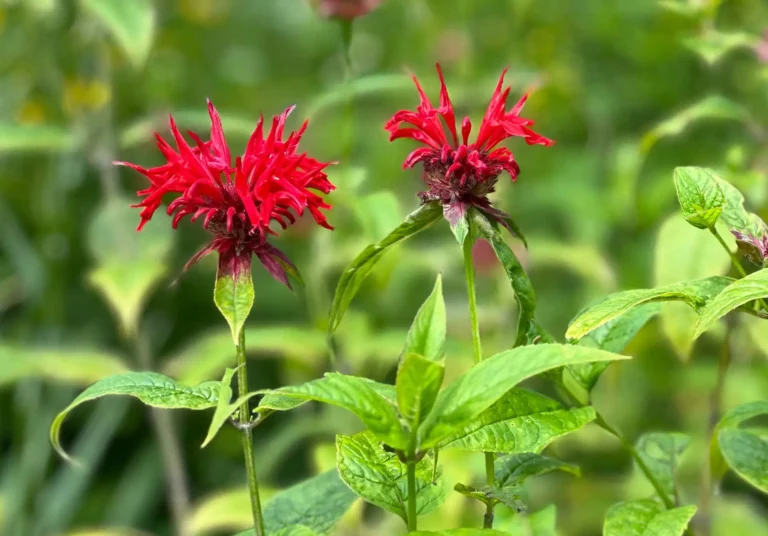
Native flowers like cardinal flower, coral honeysuckle, firebush, and bee balm are all worthy hummingbird-favorite companions to hummingbird mint.
-
-

-
-
-
-
-
-


Planting FAQs
Do hummingbirds like hummingbird mint?
Oh yes—Agastache is a hummingbird favorite! The tall stalk of 360-degree flowers is perfect for hummingbirds to access. If you’re looking for other hummingbird favorites, make sure to plant hummingbird mint alongside cardinal flower, coral honeysuckle, and bee balm.
Is hummingbird mint invasive?
Some gardeners worry that hummingbird mint can reseed itself with abandon in a garden, potentially taking over other plants. To keep hummingbird mint in check:
- In the spring, pull out shoots that are growing too close together. Put these shoots in pots for neighbors so they can enjoy some (free!) hummingbird mint in their garden, too.
- In the fall, cut the tops off before the seed can spread. The downside of this method is that it removes seeds for songbirds.

Hummingbird mint, agastache, anise hyssop—whatever you want to call them—are fantastic additions to any sunny garden. Their long bloom time brings vibrancy and pollinators to your garden for weeks in the summer. Because they are perennials, plant them once and enjoy them for years. Don’t forget to view our Guide to Hummingbird Gardens or our Best Native Plants for Birds guide if you’re looking to make some feathered friends happy. Happy planting!
Sources
- USDA Plants Database, Giant Yellow Hyssop
- USDA Plants Database, Giant Blue Hyssop
- USDA Plants Database, Threadleaf Giant Hyssop
- Piedmont Master Gardeners, anise hyssop
- Xerces Society, Plants For Pollinators: Giant Hyssop
- NC State Extension, Sunset Hyssop
Similar plants
-
 Blue Vervain
-
 Bee Balm
-
 Golden Alexander
-
 Lilies
-
 Penstemons
-
 Irises
-
 Swamp Milkweed
-
 Rocky Mountain Bee Plant
-
 Blazing Star

Updated Find more: Purple Deer Resistant Flower Hummingbird Favorite Summer Full Sun Part Sun
The ads on this site help pay real native plant nerds to research and write these guides.
Garden notes
Notes from people who’ve grown it
Tips, wins, and the occasional disaster. If you’ve grown hummingbird mint, share the advice you’d give to a neighbor.
No notes yet. Yours could be the first.
Grown hummingbird mint? Tell the next person what you wish someone had told you.
Tap anywhere to close


