

Highlights
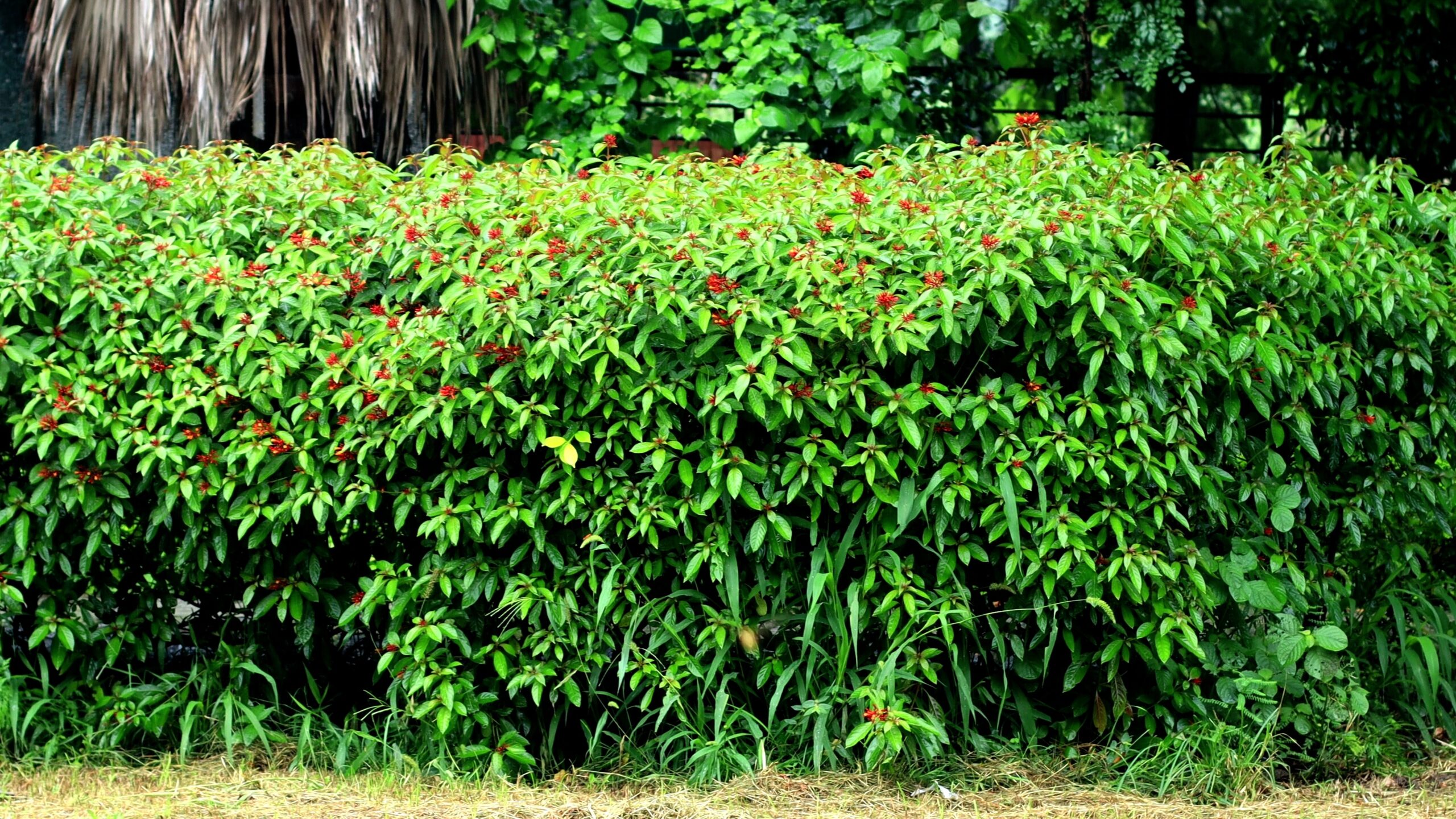
Native to Florida, firebush blooms for months, attracting both birds and butterflies. Its bright red and orange tubular flowers can bloom year-round in warm climates and are a magnet for hummingbirds and butterflies. Firebushes like sun to part sun, have evergreen leaves, and can grow up to 15 feet tall and wide. Plant one (or a few!) and watch the pollinators have a party. Scroll on for planting tips.
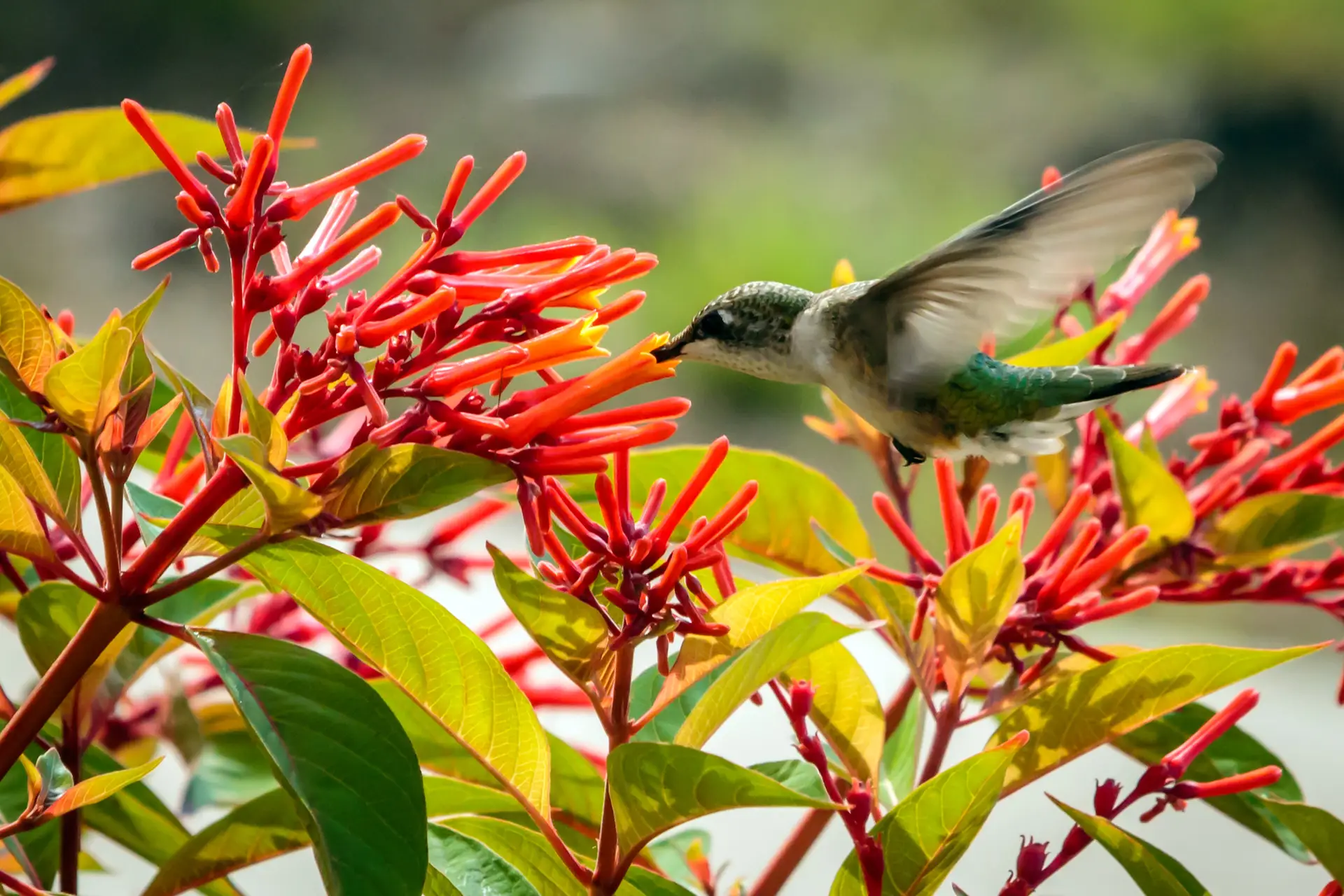
The bright red and orange flowers are also beloved by hummingbirds (notice how the flower shape is basically a perfect hummingbird cup?)
Firebush (Hamelia patens) is famous for its bright clusters of tubular, red, or orange flowers that hang from glossy evergreen leaves. Its bright flowers are beloved by hummingbirds and butterflies.
Here are a few reasons to plant firebush:
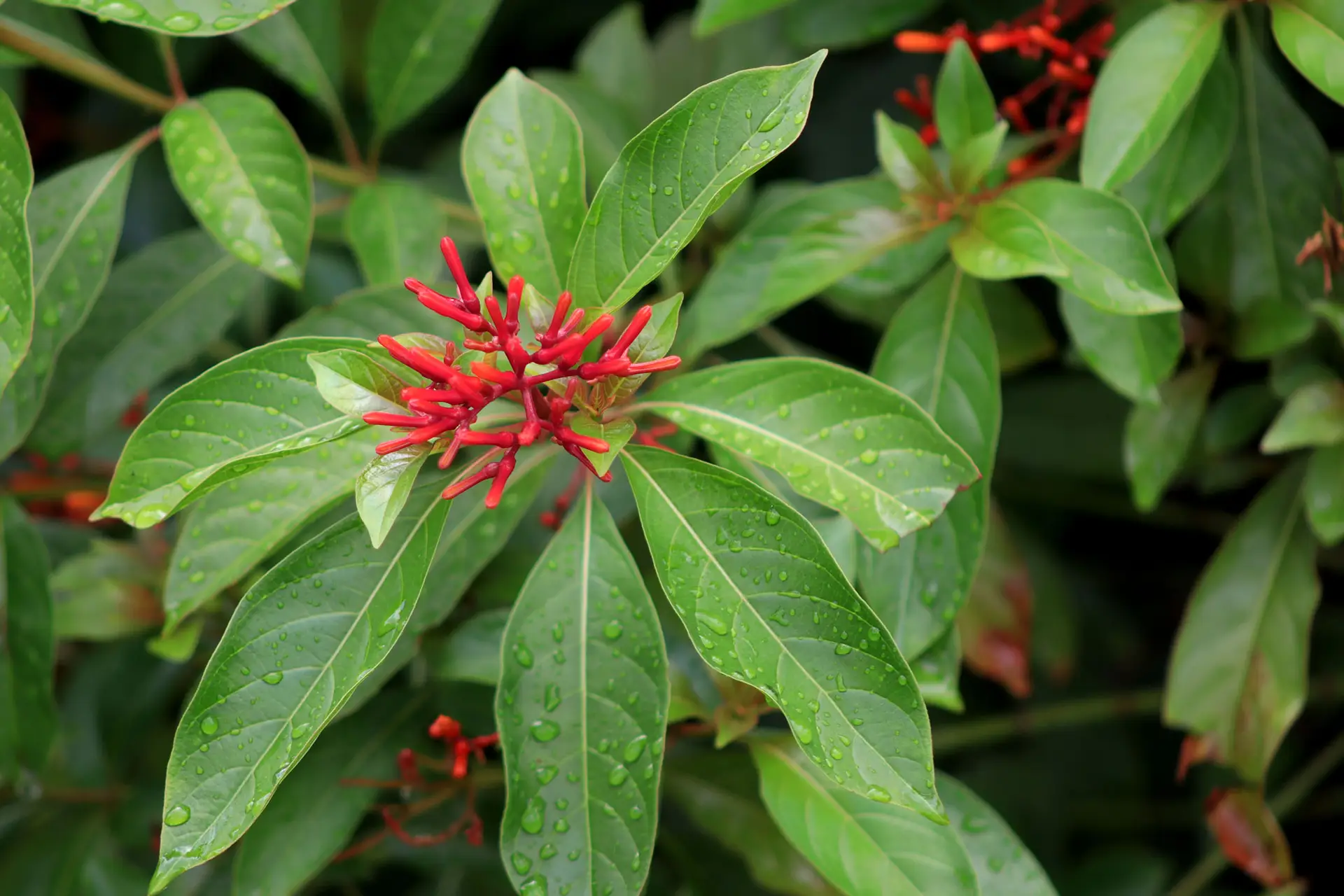
Evergreen leaves look great year-round
The glossy green leaves of a Firebush are evergreen. They can reach up to 15 feet tall and wide at their happiest.

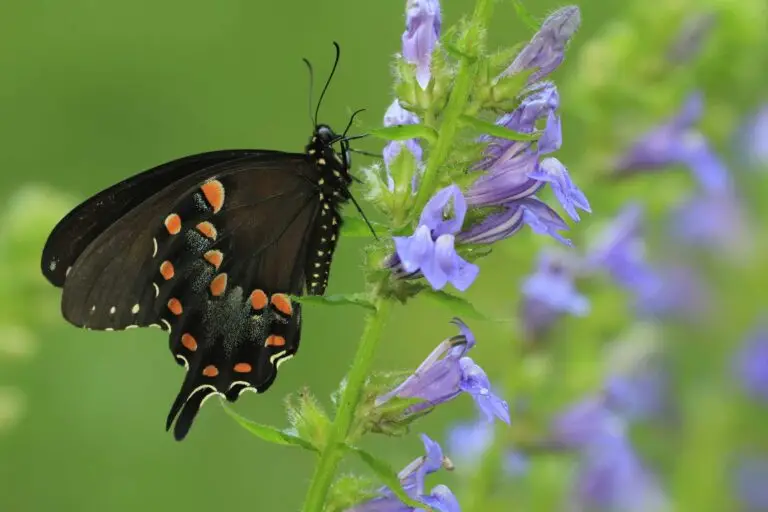
Butterflies love them
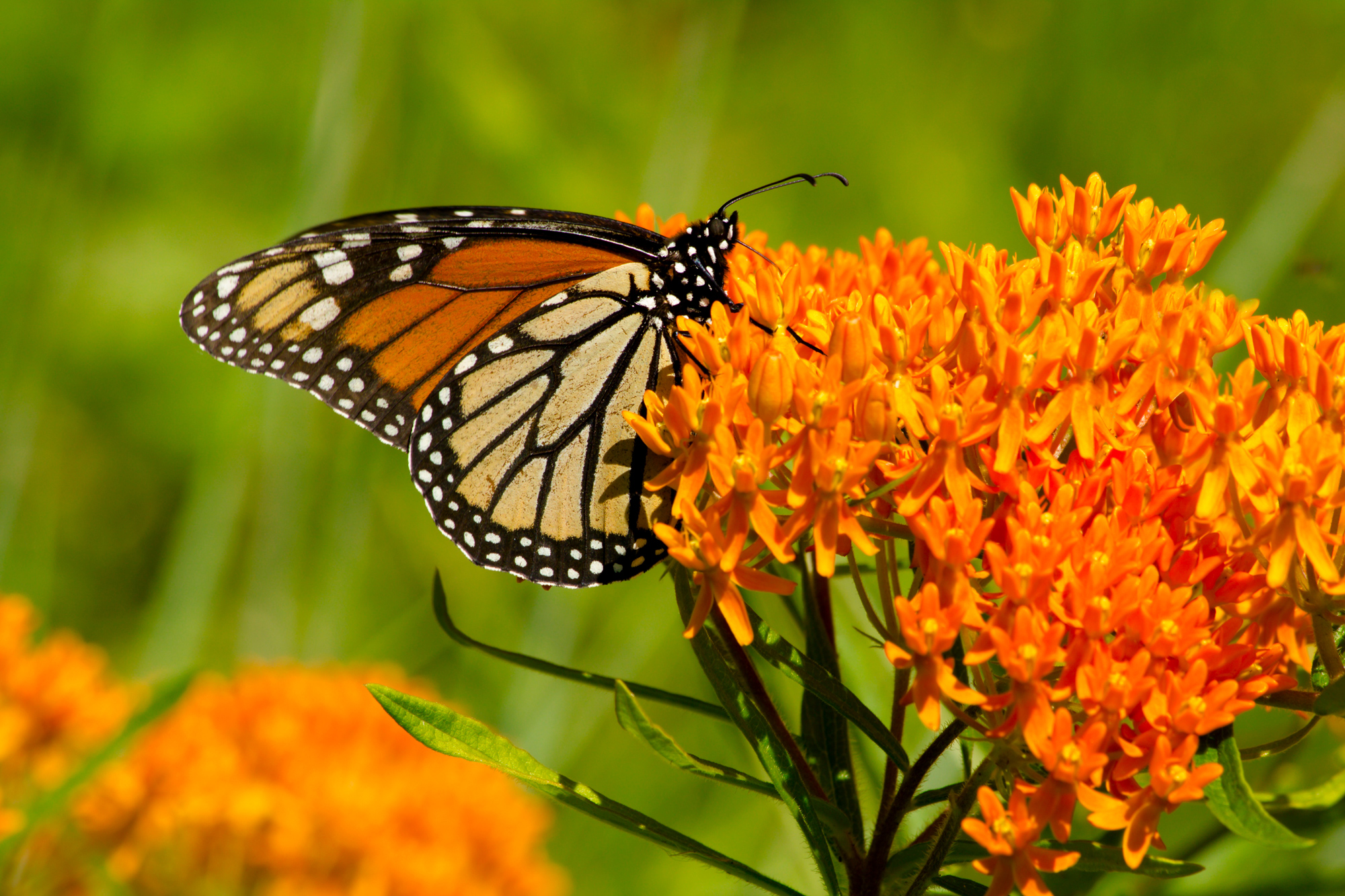
The bright red and orange flowers of a Firebush are magnets for butterflies looking for nectar, including monarchs.
Hummingbirds love them
The bright red and orange flowers are also beloved by hummingbirds (notice how the flower shape is basically a perfect hummingbird cup?)
Where firebush shines in your yard
Firebush is an extremely easy plant to grow, as it tolerates a range of sun and soil conditions. Firebush thrives in full sun to partial shade and well-drained soil.
Firebushes are perfect for edges or hedges. Some inspiration for placement includes:
- Edges of yards
- Against houses and buildings
- As a privacy fence
Where is firebush native?
Native to 1 US state
Sources: NatureServe, Royal Botanic Gardens, Kew (World Checklist of Vascular Plants) and the USDA PLANTS Database, compiled by The Plant Native. How we map native ranges
How to plant firebush
You can find firebush plants in many different ways.
- Choose a location that receives full sun to partial shade and has well-draining soil.
- Dig a hole that is twice as wide as the root ball and just deep enough to accommodate the root ball at soil level.
- Remove the firebush from its container and gently loosen any tangled roots.
- Place the Firebush in the hole, ensuring that the top of the root ball is level with the surrounding soil.
- Fill the hole with soil, gently tamping it down as you go to remove any air pockets.
- Water the firebush thoroughly to settle the soil and hydrate the roots.
Propagate firebush from cuttings
Firebush can be propagated from stem cuttings taken from adult plants. To propagate from cuttings:
- Cut 4-6 inch stem sections from the tips of the plant, making sure each cutting has several leaves and a stem that is at least ¼ inch in diameter.
- Dip the cut end of the stem into rooting hormone powder.
- Fill a container with a well-draining potting mix and insert the cuttings about 2 inches deep.
- Keep the cuttings moist and in bright, indirect light until roots have formed and new growth appears, which usually takes 4-8 weeks.
Planting card
Hamelia patens
What to plant with firebush
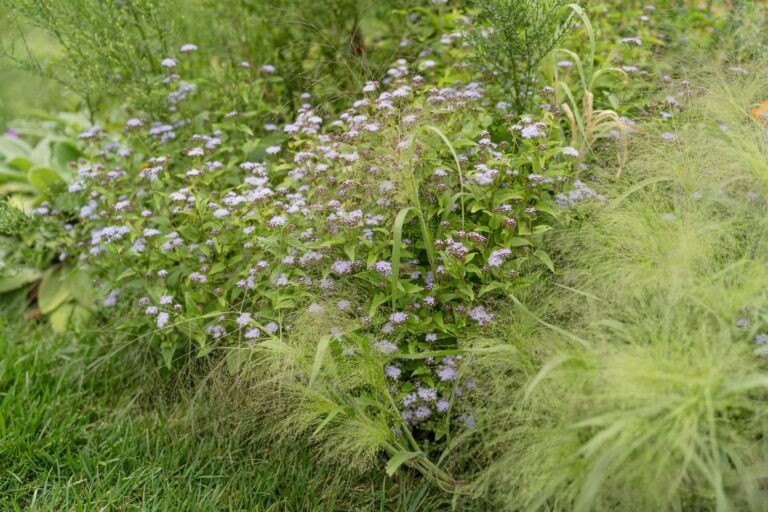
Firebush look great alongside other native plants that also love the heat and weather of the south. Some favorites pairings include Azalea, Carolina jessamine, American beautyberry, and passionflower vine.


Where can I buy firebush?
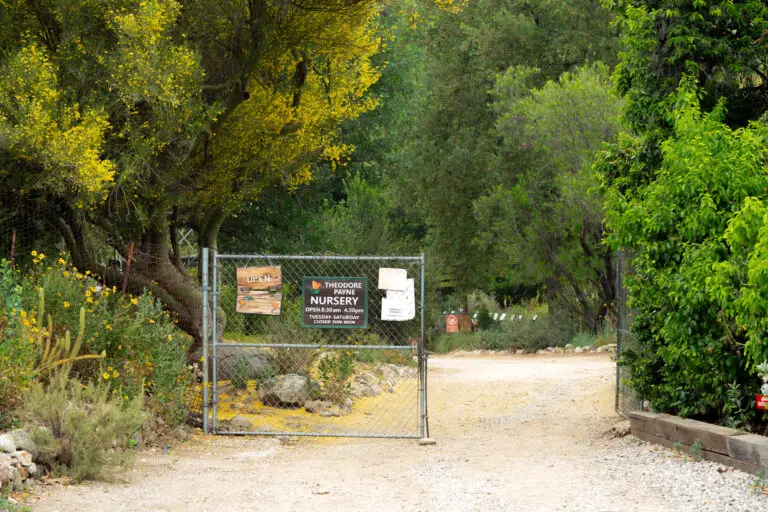
Finding specific native plants can sometimes be challenging. Sadly, most conventional nurseries stock non-native plants.
To make finding firebush easy, we’re put together four sourcing ideas to help:
Firebush is a fantastic native shrub to grow in warmer climates of the south such as Florida, Alabama, and Louisiana. They love the heat of the south and can tolerate drought after being established. Plant a few today and watch your yard become a butterfly and hummingbird sanctuary.
Want more southern garden inspiration? Here you go!

Similar plants
-
 Golden Currant
-
 New Jersey Tea
-
 Buttonbush
-
 Azaleas
-
 Fairydusters
-
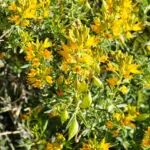 Bladderpod
-
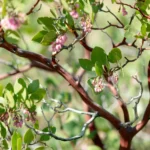 Manzanitas
-
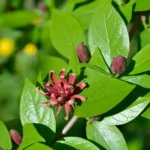 Sweetshrub
-
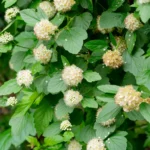 Ninebark
Updated Find more: Red Flowering Shrub Hummingbird Favorite Shrub Full Sun Part Sun
The ads on this site help pay real native plant nerds to research and write these guides.
Garden notes
Notes from people who’ve grown it
Tips, wins, and the occasional disaster. If you’ve grown firebush, share the advice you’d give to a neighbor.
No notes yet. Yours could be the first.
Grown firebush? Tell the next person what you wish someone had told you.
Tap anywhere to close


