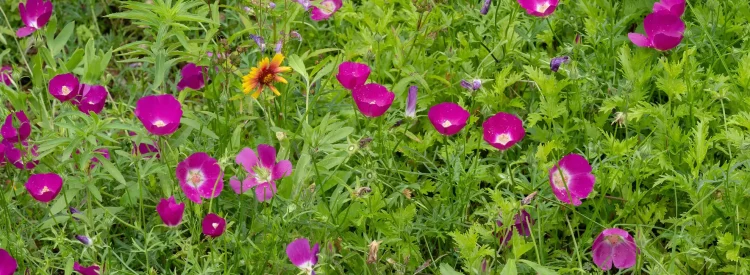
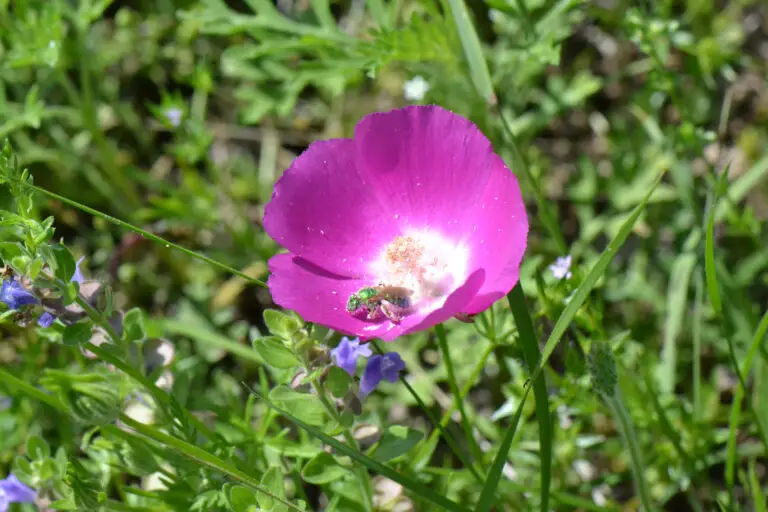
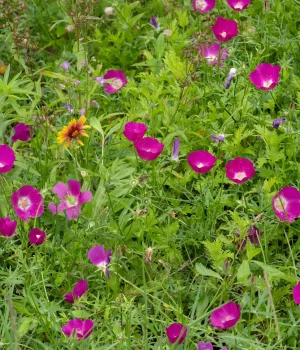
Winecup is a low-growing native perennial that spreads into a leafy mat, then tosses up bold magenta, cup-shaped flowers for weeks. It’s built for heat, sun, and well-drained soil, and once it’s settled in, it’s the kind of plant that makes a yard look intentional without adding work. Since it’s short (1′ tall), winecup is perfect for borders. Bonus nerd detail: those flowers open in the morning, close at night, and often stay closed after pollination. (Yes, it has boundaries.)
Is winecups a good choice for my yard?
Yes, if…
- You want a low, spreading plant that covers ground and blooms for weeks.
- You have full sun or part sun and soil that drains well (winter wet is the dealbreaker).
- You like plants that handle heat and dry spells once established.
- You’re fine with a plant that can self-seed when it’s happy; expect winecup to pop up around the garden after it’s planted.
Why winecups matters
- Pollinator support: the open, nectar-rich flowers draw a steady stream of bees and other pollinators through the bloom period.
- Time-saver: tough perennial habit means it comes back year after year with no babying, no fertilizer routine.
- Smart groundcover: spreads low, softens edges, and helps fill “nothing grows here” spots in sunny beds.
Where winecup shines in your yard
Winecups is a “front of bed” hero. It spills, softens edges, and fills space like a groundcover, but the flowers keep it from reading as filler.
Use it along borders, at the feet of taller grasses, over a small wall, or anywhere you want a long bloom season without adding height. In the right spot, it turns bare mulch into a living carpet that looks designed, not fussy.
Where is winecup native?
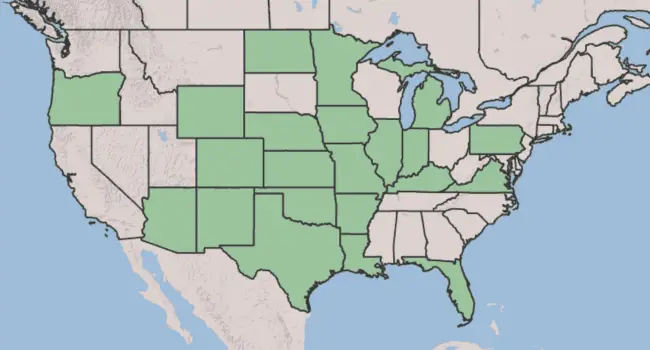
Winecups have a native range that spreads from the middle of North America outward.
Where it grows naturally
In the wild, winecups shows up in sunny, open places with leaner soils: prairies, pastures, rocky slopes, roadsides, and open woodland edges.
In a yard, that looks like a hot front bed, a slope, the edge of a driveway, a sunny strip along a fence, or anywhere you need a low plant that can take the hint and keep going.
How to grow winecups
A few things to know before you plant:
- Sun or part sun is non-negotiable. Full sun keeps the plant dense and flowering; part sun has fewer flowers.
- Drainage matters more than soil type. Winecups tolerates a range of soils, but it needs them to drain well, especially in colder months.
- Plant it where you won’t want to move it. Winecups develops a long taproot, which helps with drought tolerance but makes established plants hard to transplant.
- Starting from seed is difficult. Seeds have a hard seed coat that can be very difficult to get growing. Find winecups as started plants from a native plant nursery to skip seed-starting frustration.
In fact, since we brought it up, here is a crazy fact about winecup seeds:
Winecup seeds are built like tiny vaults
Research shows that winecup seeds are “hard seeds”: their seed coats are so tough that water can’t get in. This is a survival strategy common in the mallow family (Malvaceae) that lets seeds sit safely in soil for years until conditions are just right.
Here’s where it gets wild. Scientists tested everything from cold stratification and plant hormones to boiling water, hydrogen peroxide, and even concentrated sulfuric acid to coax some winecup seeds awake. Some treatments worked on certain seeds and destroyed others.
This variation is on purpose. By producing seeds with different levels of toughness, winecups spread their risk. Some sprout quickly. Others wait out drought, heat, or bad years. It’s how this plant sticks around and thrives in challenging places.
Where can I find winecups?
We are not going to lie and say that finding winecups is going to be as simple as driving to the nearest big-box nursery. It might take a little extra energy to find this native gem, but it is worth it! Here are some recommendations for sourcing this native plant:
What are good pairings for winecups?
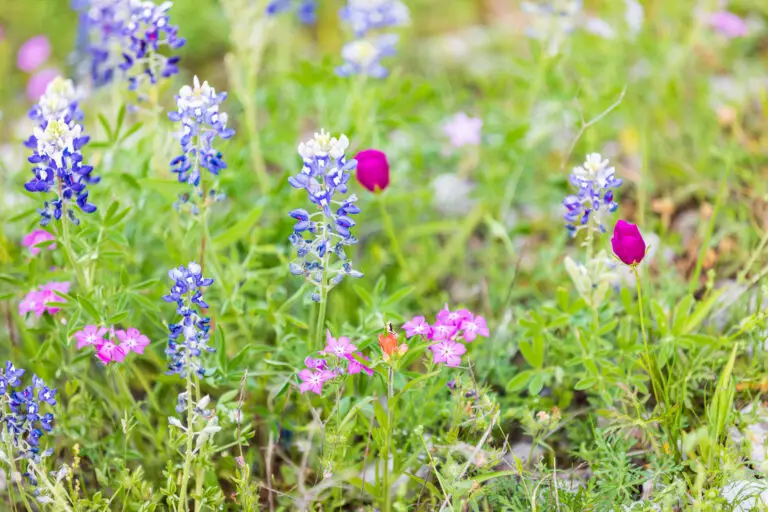
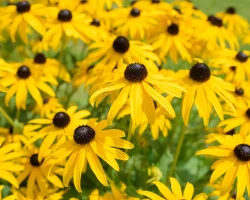
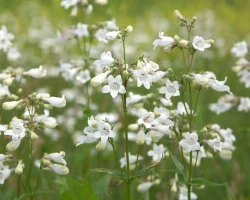
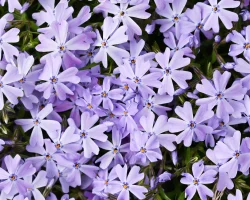
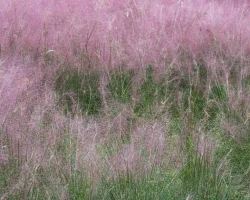
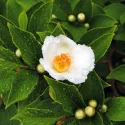
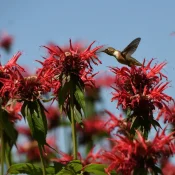
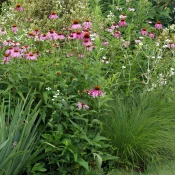
Aim for neighbors that like full sun and well-drained soil, and that won’t smother it. Great pairings include short prairie grasses and other sun-loving perennials that peak at different times, so something is always happening above the winecups mat. Some recommendations include: