
Highlights
Is there a more magically delicate creature than a hummingbird? They are such fast fliers that sometimes you only see a streak flying by. There are so many native plants that are hummingbird favorites. Plant the following selections and attract hummingbirds to visit your garden for years.
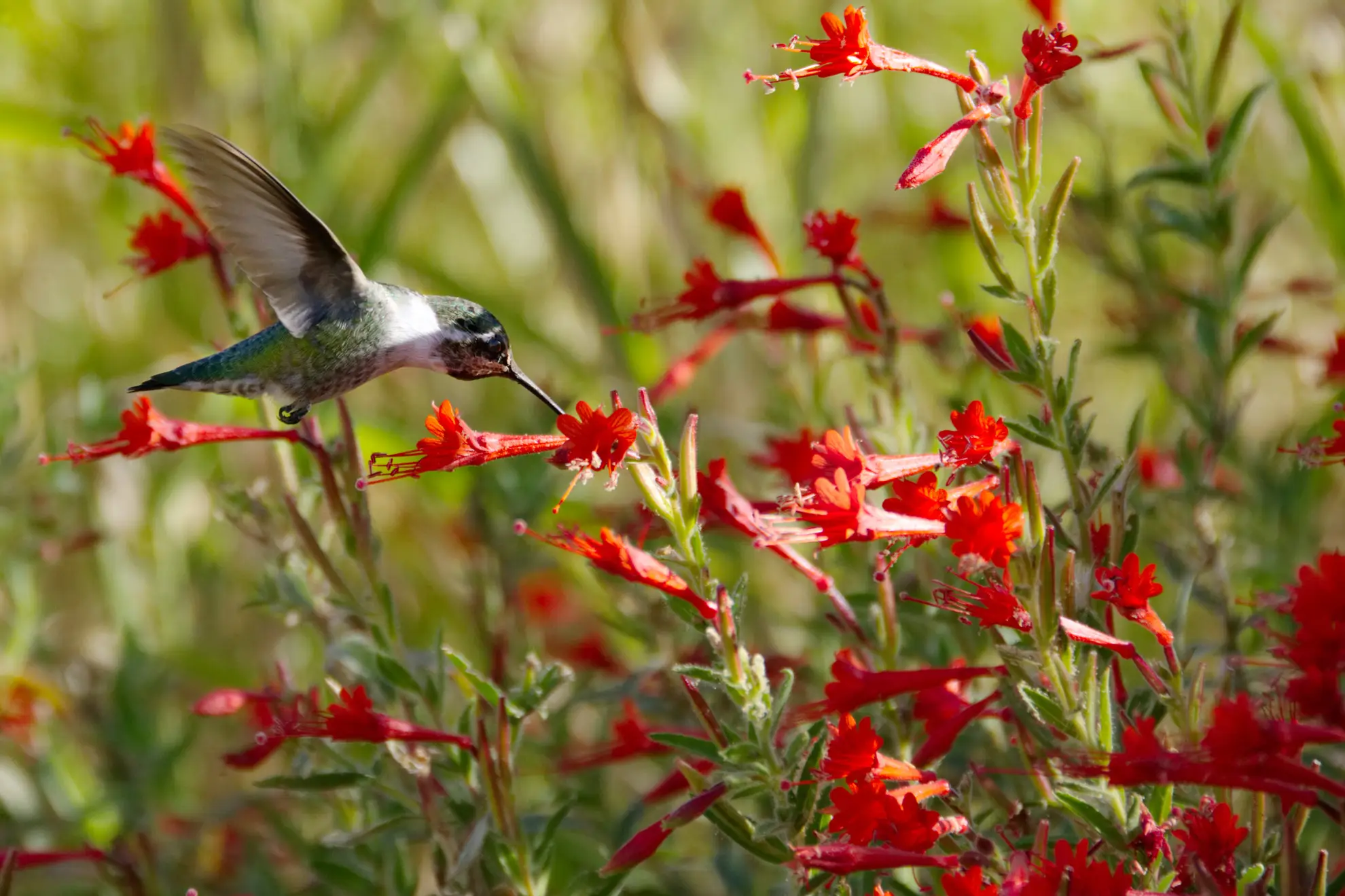
Hummingbirds run on nectar, and native flowers were the original feeders. In this guide: what hummingbirds look for, ten native plants they love, and how to keep your yard open for business from the first spring arrivals to the last fall migrants.
Let’s get right into it by answering the big question:
What attracts hummingbirds?
Hummingbirds look for three things: food, water, and shelter.
Hummingbirds need a LOT of food
Hummingbirds spend the majority of daylight hours making hundreds of trips in search of food. That’s because they burn through calories at an incredible rate; it takes a lot of calories to fly that fast.
The food that fuels hummingbird metabolisms is mainly the nectar in flowers. (Although, they also eat some insects… more on that in a few sentences.) The amazing thing is while the hummingbird is sipping flower nectar, it is also acting as a pollinator. Plants have figured this out and many have evolved over thousands of years to create the perfect hummingbird nectar cup. Perfect hummingbird flowers often have the following:
- Brightly colored flowers (red, pink, purple and orange are favorites)
- Tubular blossoms: they almost look like a long skinny cup
Those webs in the porch corners? Hummingbird building supplies.
Hummingbirds eat bugs, too
Nectar is the fuel. Insects are the protein. While a hummingbird drinks nectar, it also snaps up tiny insects and spiders, like aphids and gnats. During nesting season they eat even more, because growing chicks need that protein (Missouri Department of Conservation). A yard with bugs is a yard that can raise hummingbirds. (Worried about bugs? Don’t be. Here’s an article that explains why.)
Stay away from chemicals
It’s crucial to avoid using chemical pesticides to keep the bugs, flowers, nectar, and hummingbird cycle flowing. Chemical pesticides keep bugs away, which keeps birds like hummingbirds away. Planting native plants and committing to not using chemical pesticides can deliver a harmonious garden where the bugs feed the birds, the pollinators pollinate the flowers, and we all get to enjoy a beautiful garden.
Many plants have evolved over thousands of years to create the perfect hummingbird nectar cup.
The best native plants for hummingbirds
The following native plants are hummingbird favorites. Plant a few so that the hummingbirds have an easy time spotting their favorite foods.
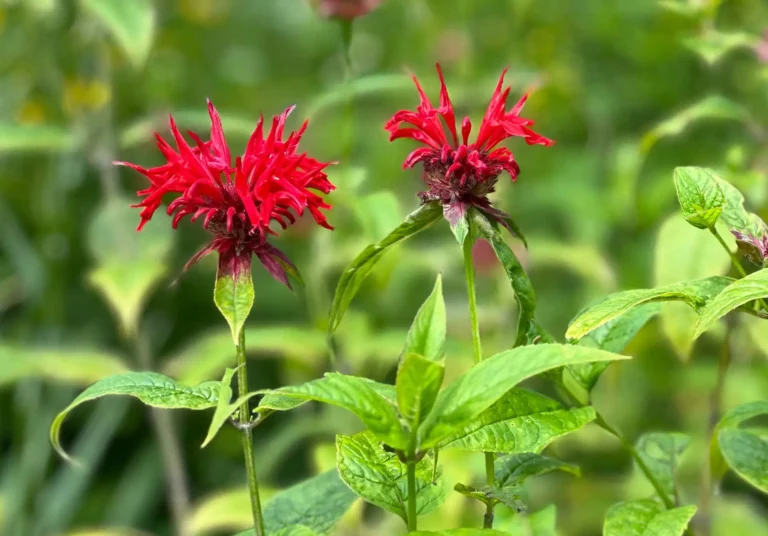
Bee balm
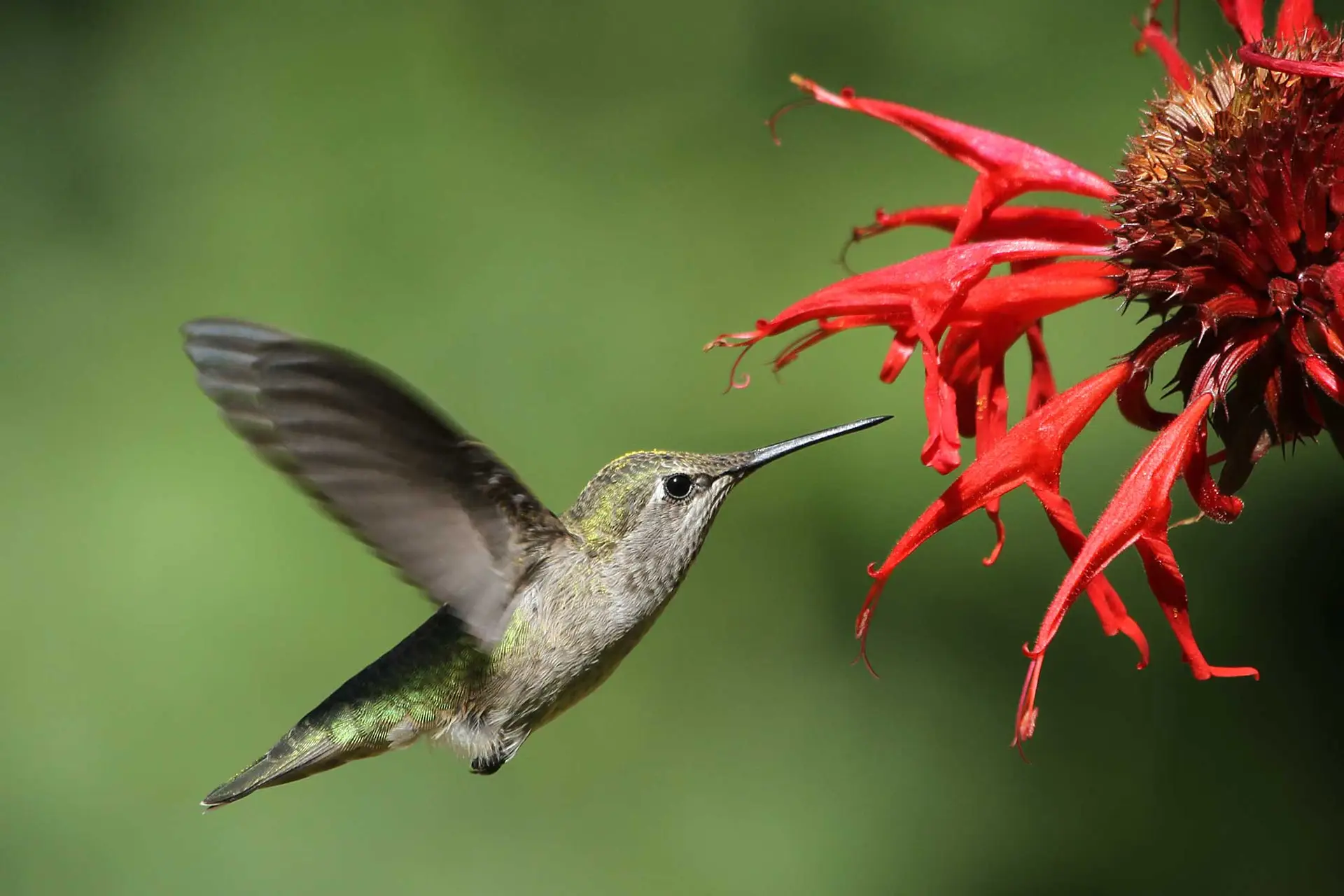
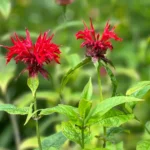
Bee balm, particularly red bee balm (Monarda didyma), has tubular-shaped flowers made for hummingbird beaks. Planting bee balm in groups (5+ plants) ensures that hummingbirds can find the flowers quickly.
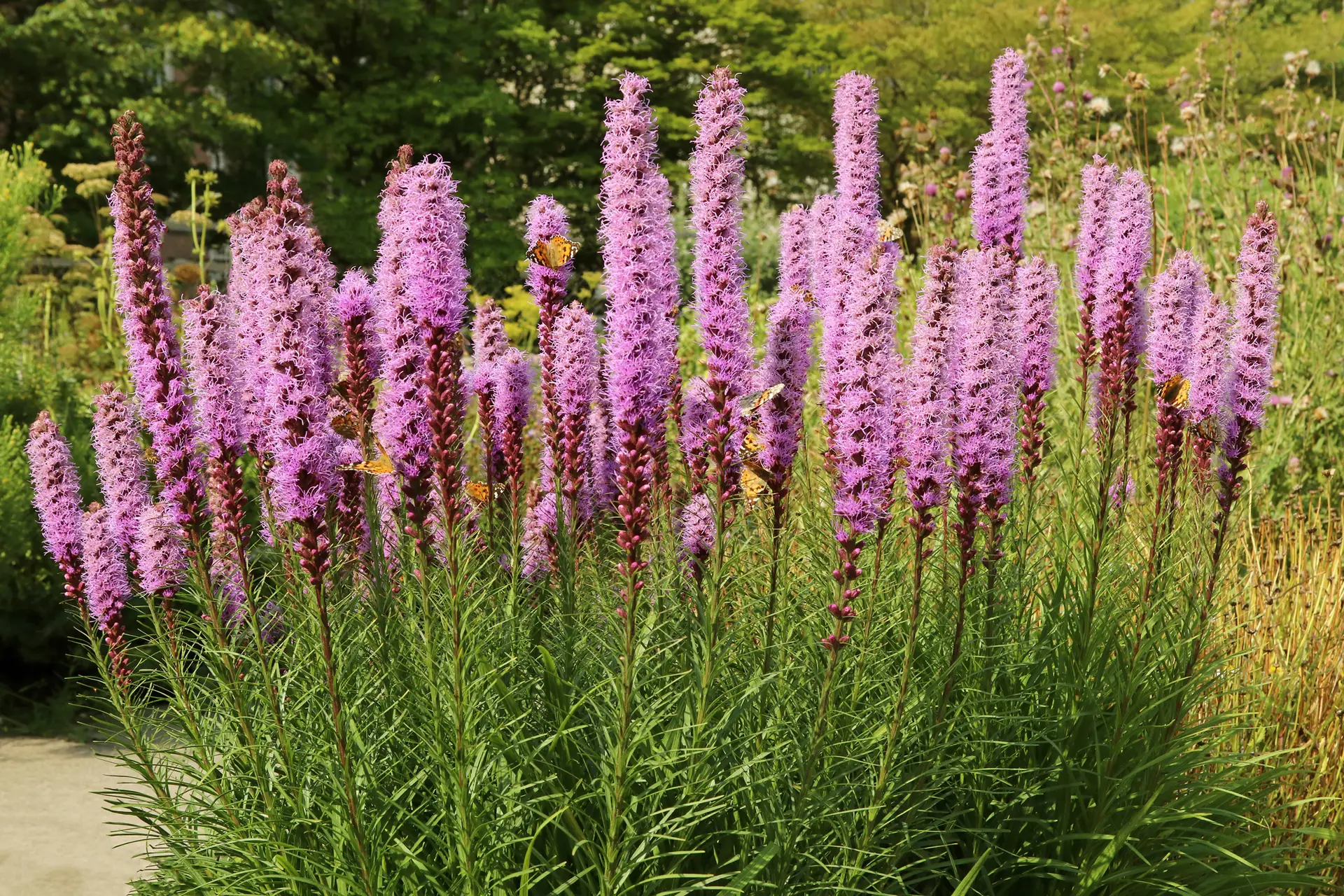
Blazing star
Blazing stars are butterfly and hummingbird magnets; their tall stalks create a runway of nectar. It’s gorgeous to plant at least five together.

Cardinal flower
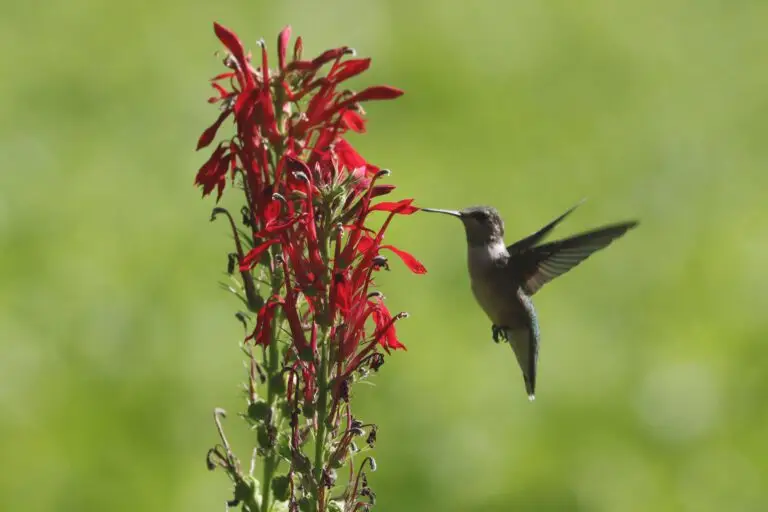
Cardinal flowers basically evolved to be hummingbird BFFs: their bright red flowers are placed on high stalks, perfect for hummingbird access. Cardinal flower is great for wet areas, like rain gardens.
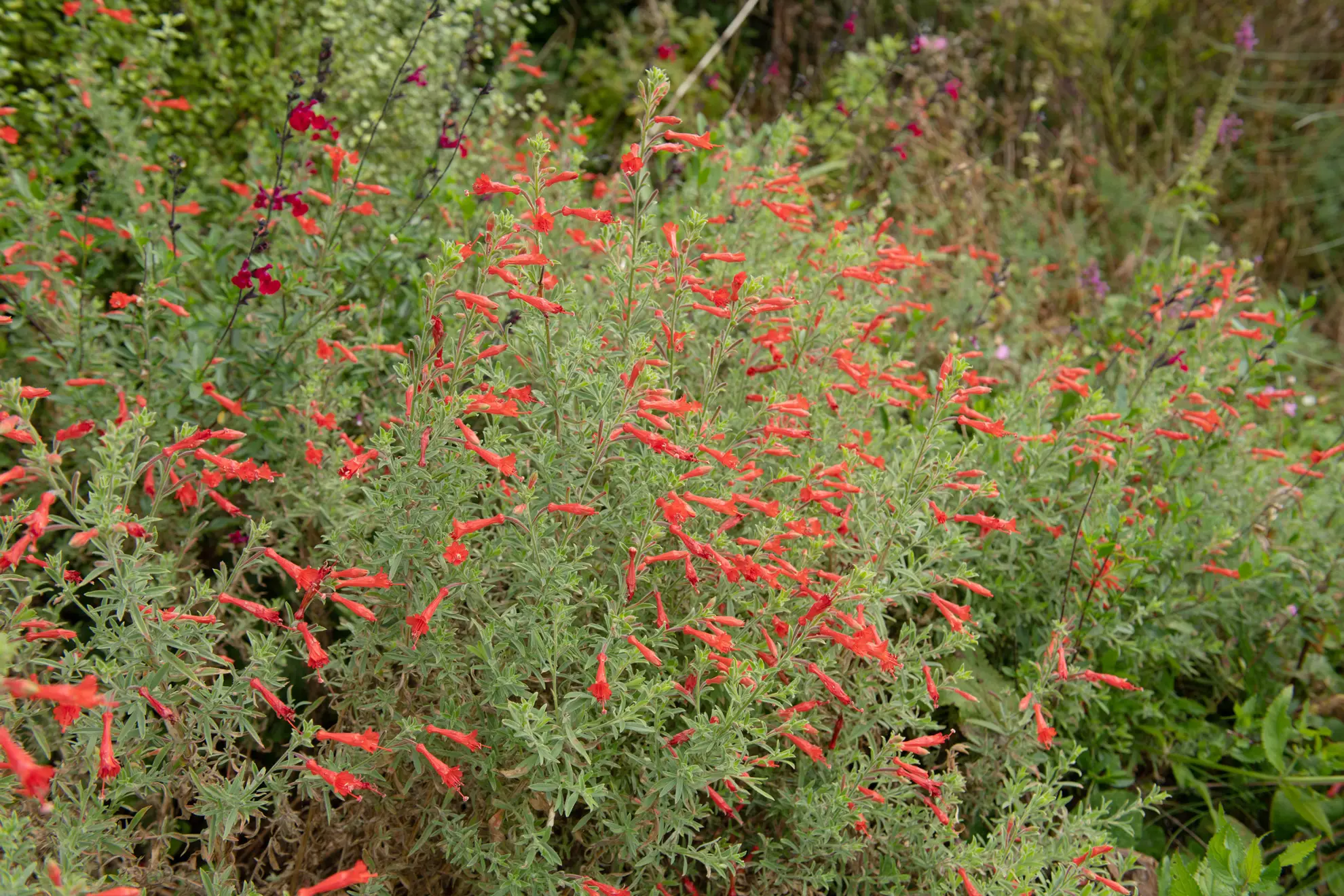
California fuchsia
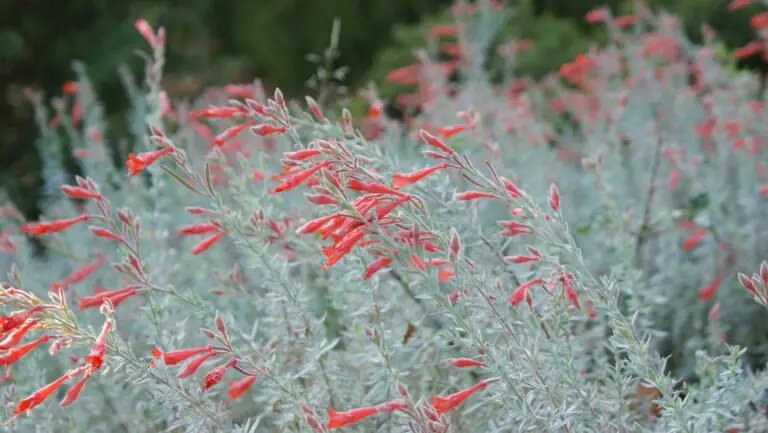
Living on the West Coast? This is a must for your hummingbird garden. California fuchsia blooms at the end of summer, when many other natives have gone dormant. It’s crucial food for migrating hummingbirds traveling south.
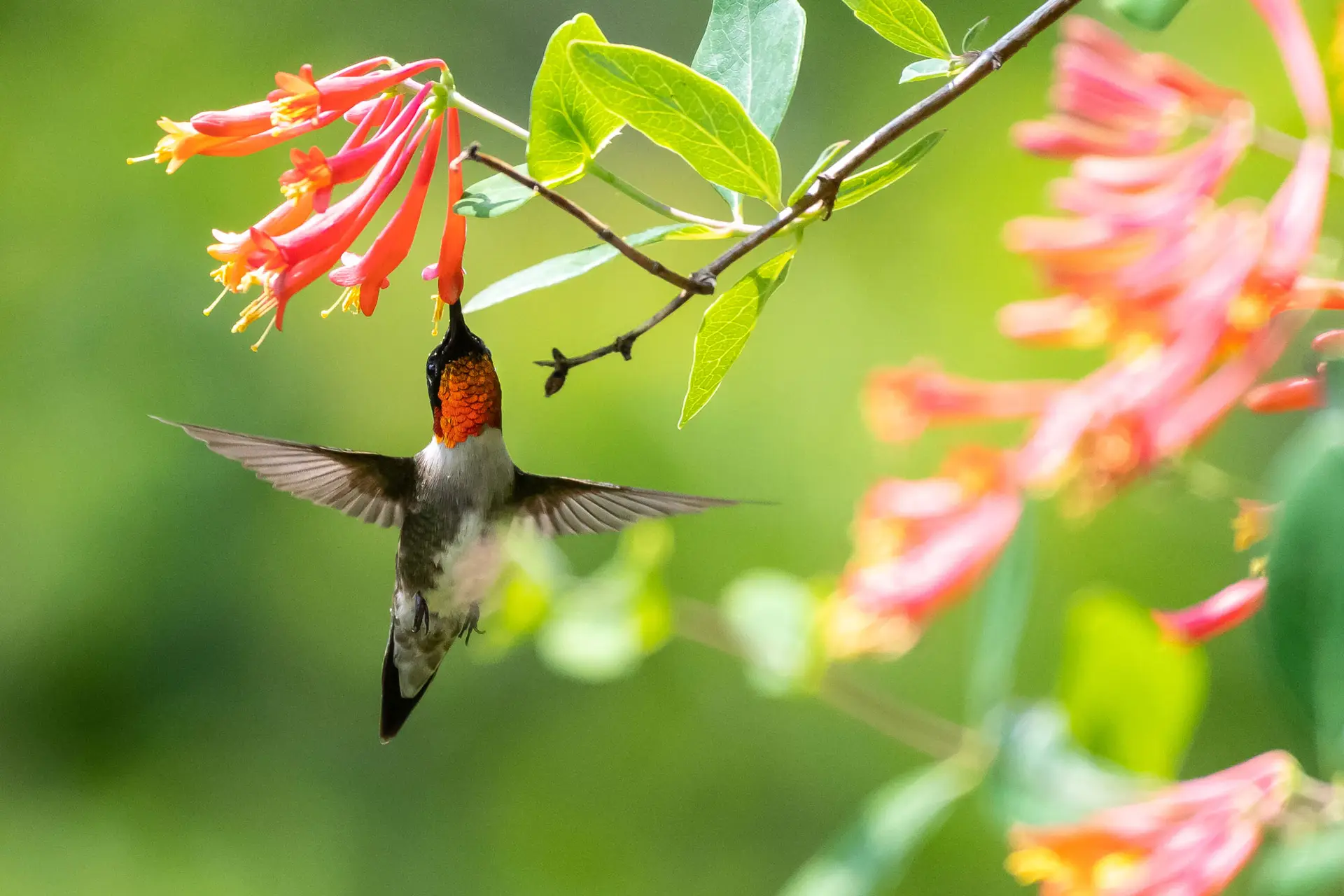
Coral honeysuckle
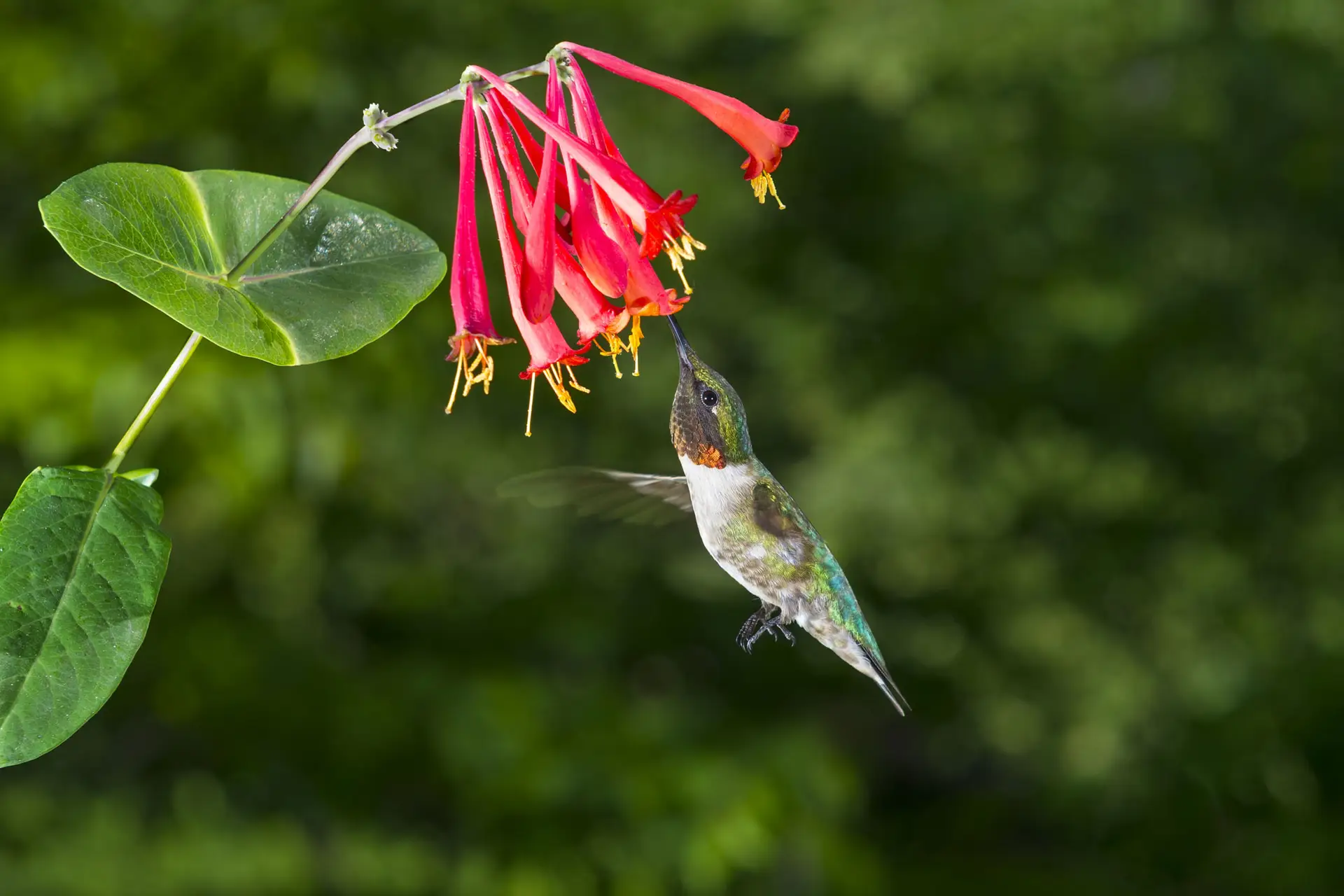
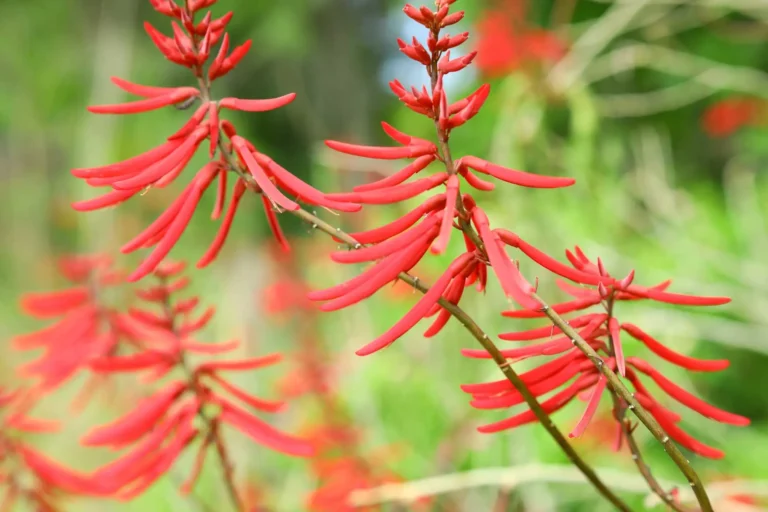
If you have a fence or trellis that needs a vine, here is the vine for you. Coral honeysuckle covers itself in bright red blooms in the spring, which later turn into berries (a songbird favorite).
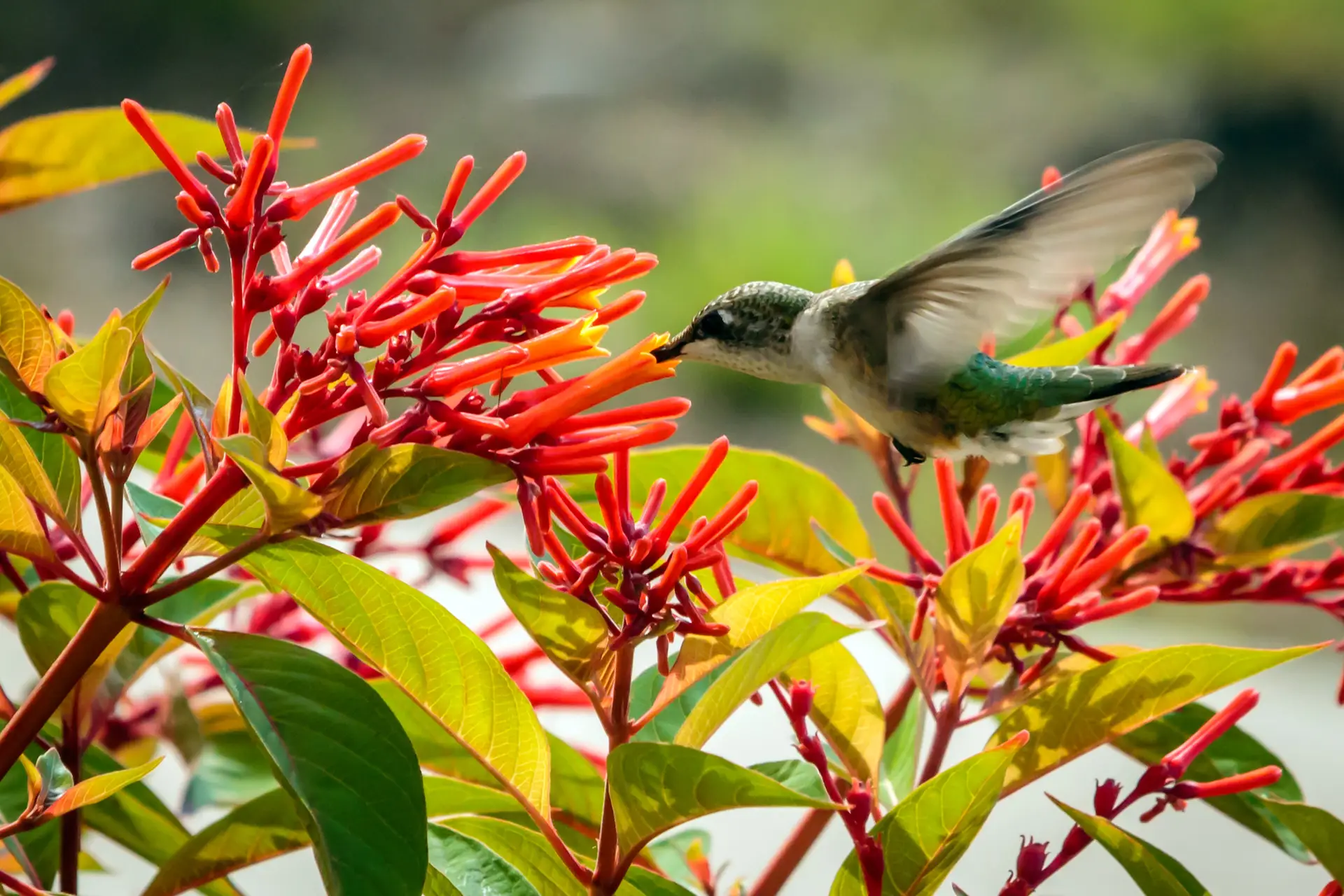
Firebush
Firebush is a perfect hummingbird shrub for Florida gardens. In the U.S., it’s native to central and southern Florida (Florida Wildflower Foundation). This shrub covers itself in red flowers in the spring and looks great year-round, thanks to its evergreen leaves. Buy it from a native nursery: nonnative firebush is often sold as “African,” “dwarf,” or “compact” firebush.
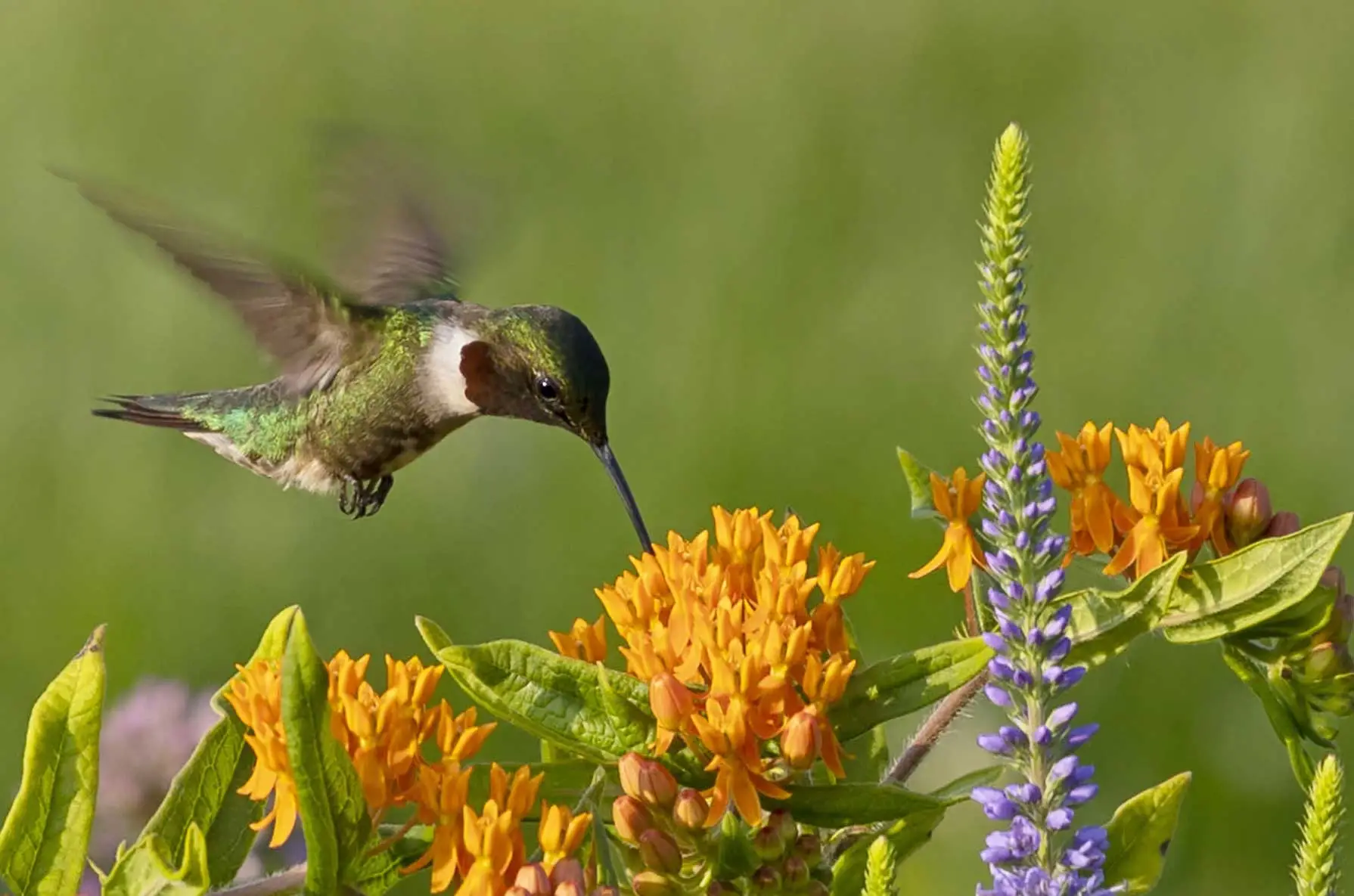
Milkweed
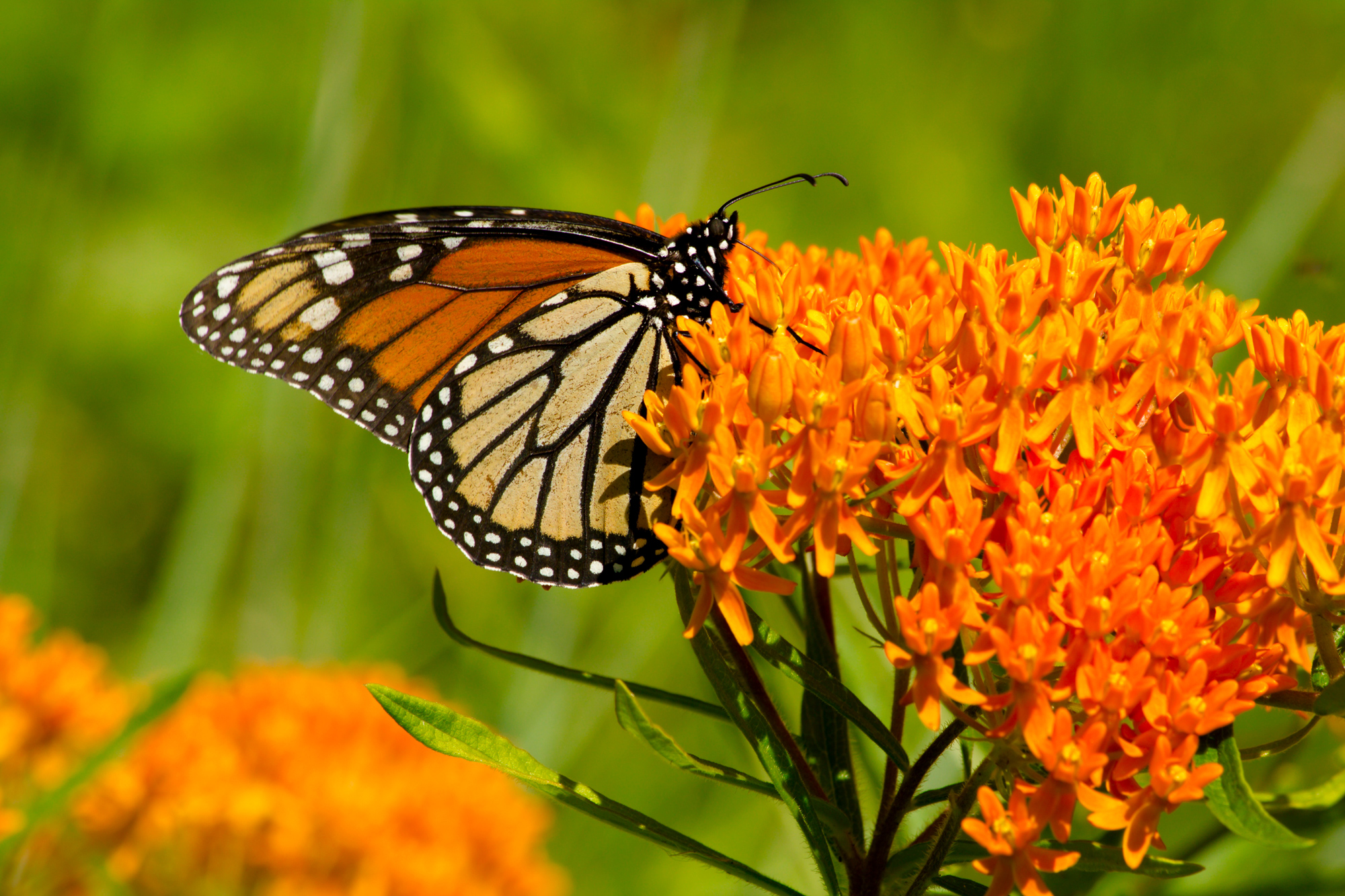
We all need to plant one of the 100+ milkweed species native to North America ASAP. Not only are their flowers loved by hummingbirds, but milkweed is also the host plant for monarch butterflies.

Red columbine
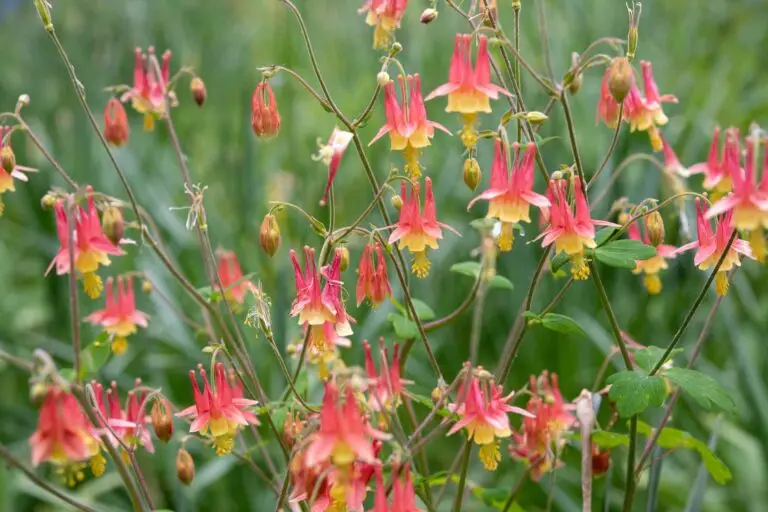
These plants are mostly pollinated by one creature: hummingbirds! These part-shade loving beauties almost guarantee hummingbird visits in the spring. These are crucial plants for hummingbirds on their migrations north.

Tulip poplar
These tall trees have been around since the dinosaurs. In the spring, adult trees cover their branches in beautiful yellow and orange striped blossoms. These trees can live for 200+ years; plant one today to feed generations of hummingbirds.
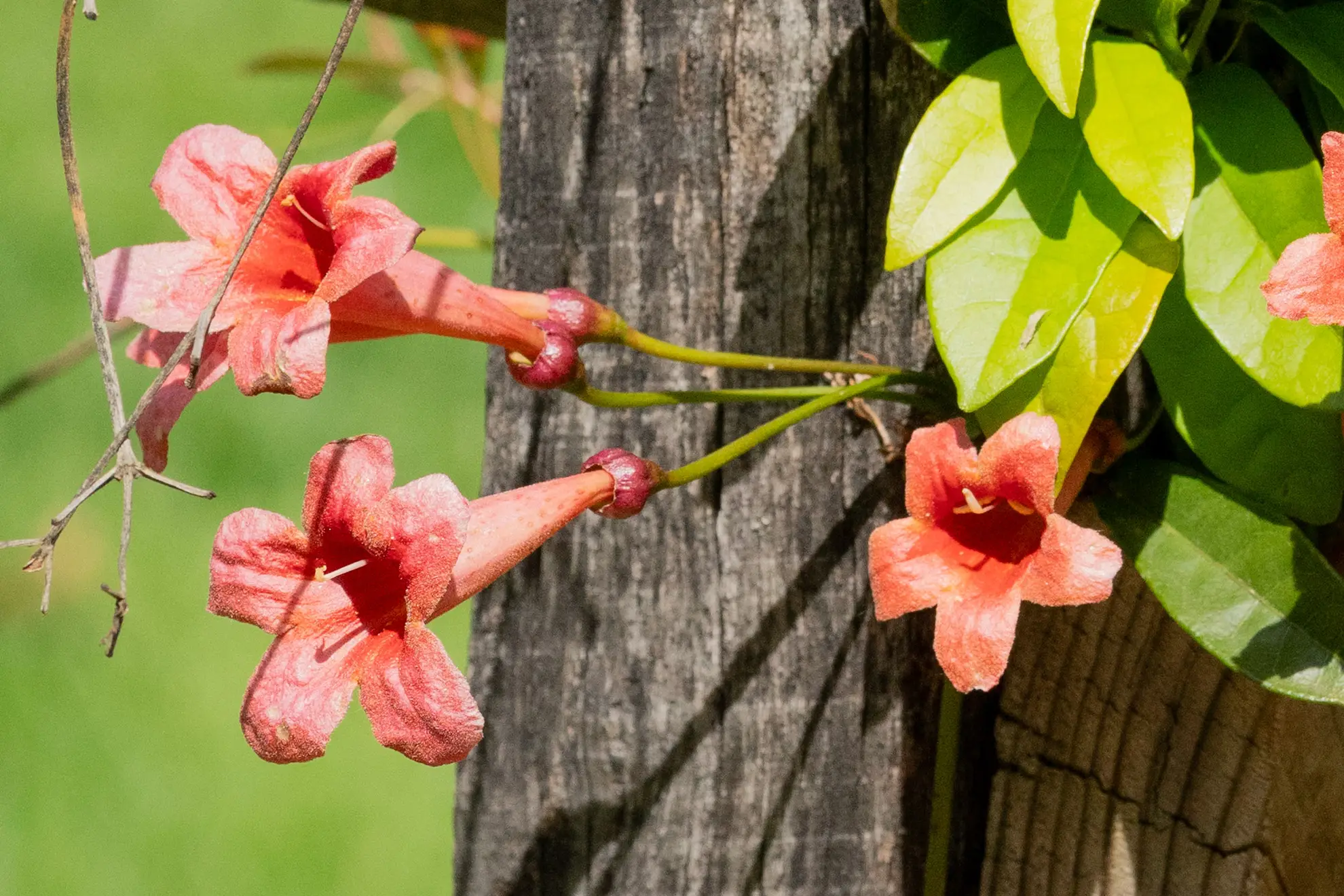
Trumpet vine
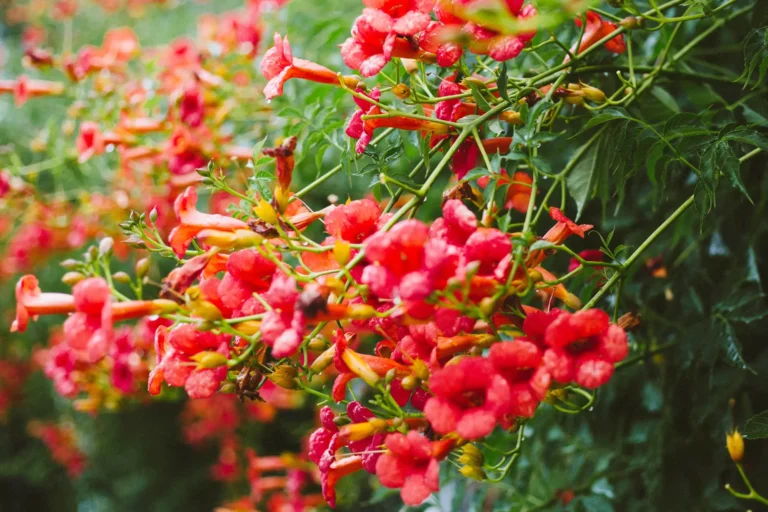
If you have a trellis (and a commitment to pruning), trumpet vine is a gorgeous option. You can see from a glance how the bright red flowers are made for hummingbird snacks. Trumpet vines have a bad reputation for being “aggressive,” but can be kept in check with pruning. Also, sometimes a fast-growing plant is a good thing!
Keep the buffet open from spring to fall
Hummingbirds need nectar the whole time they’re with you. Pick at least one plant from each season so there’s always something on the menu.
Spring
Late summer into fall
Not sure where to start? Plant these three
Every region has its own hummingbird all-stars. Start with these three, then fill in from the lists above.
- Northeast and Mid-Atlantic: red columbine, bee balm, cardinal flower
- Southeast: coral honeysuckle, coralbean, cardinal flower
- Midwest: red columbine, bee balm (try wild bergamot), cardinal flower
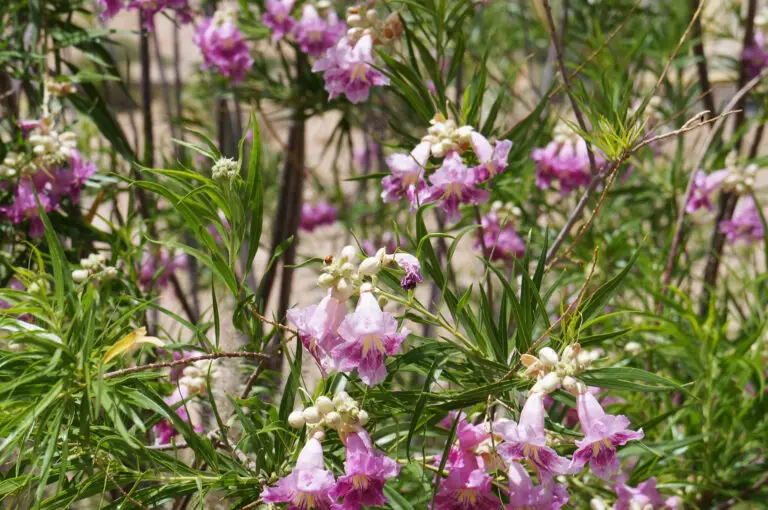
- Texas and the Southwest: salvias, desert willow, penstemons
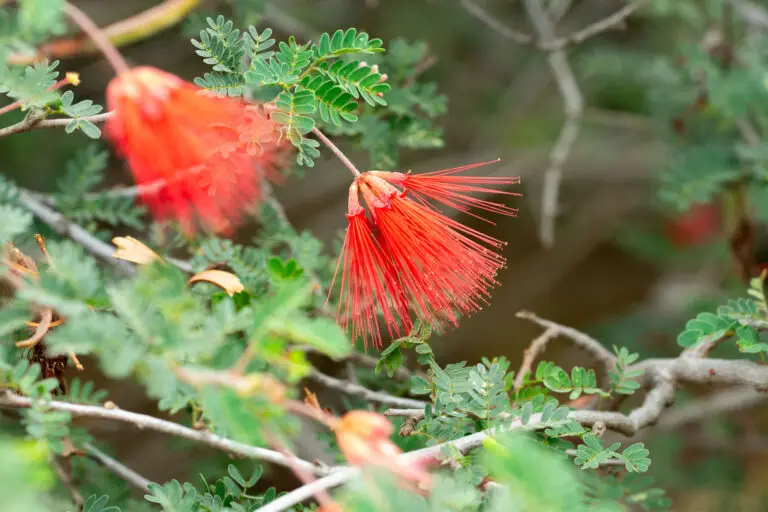
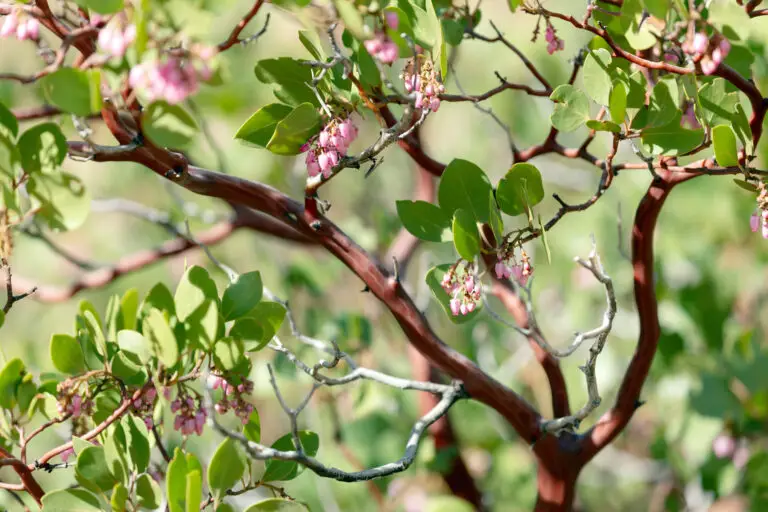
- California: California fuchsia, manzanitas, fairydusters
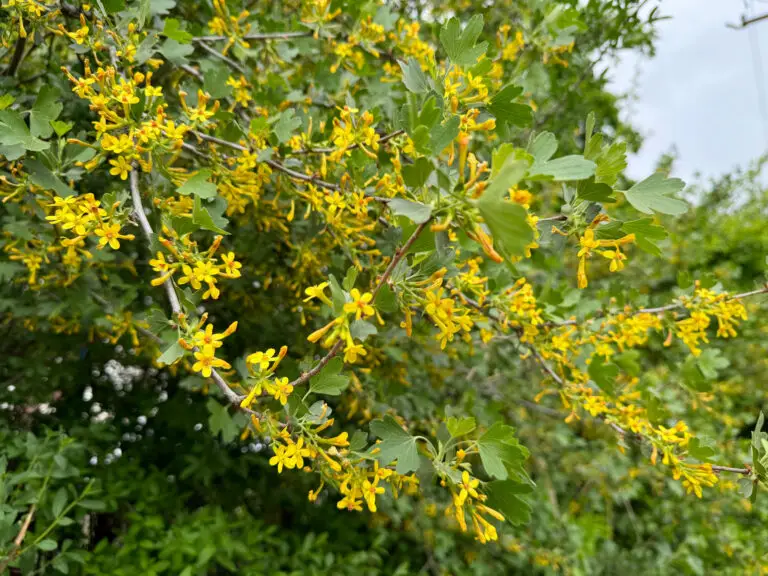
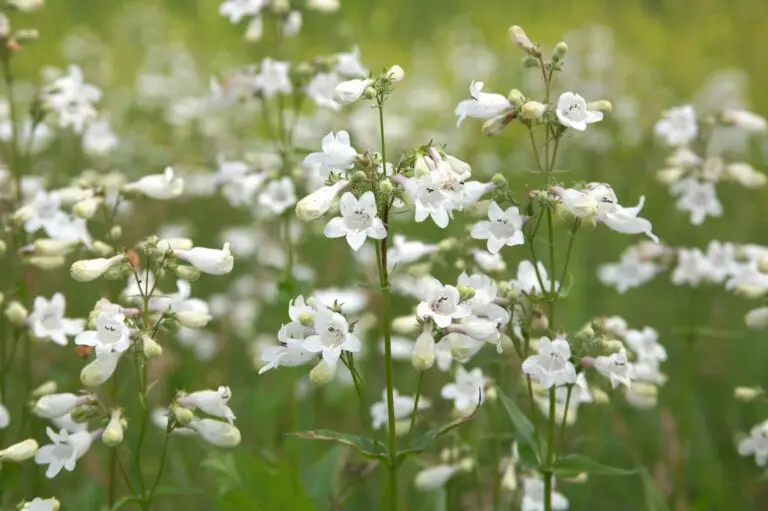
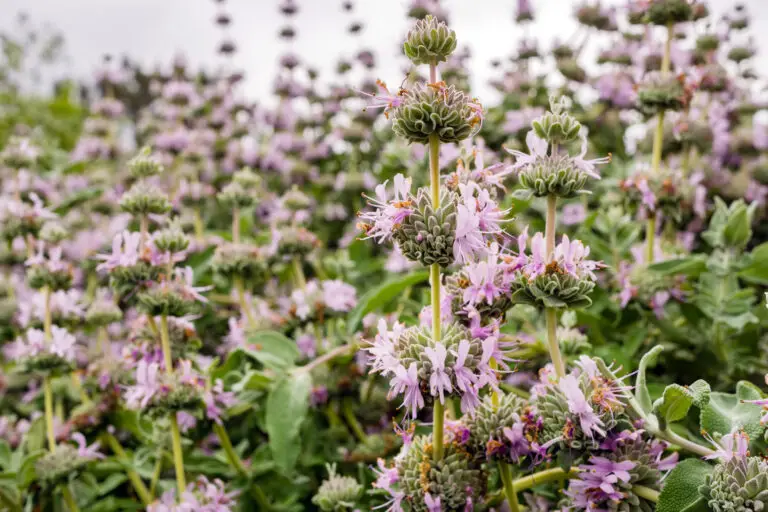
- Rockies and the Northwest: penstemons, hummingbird mint, golden currant
Those are just a few of the native plants on this site that hummingbirds adore. Here’s every plant profile we have that’s a hummer fave.
Built for hummingbirds
-
-

-
-
-
-
-

-
-
-
-

-
-

-
-
-
-
-
-
-

-
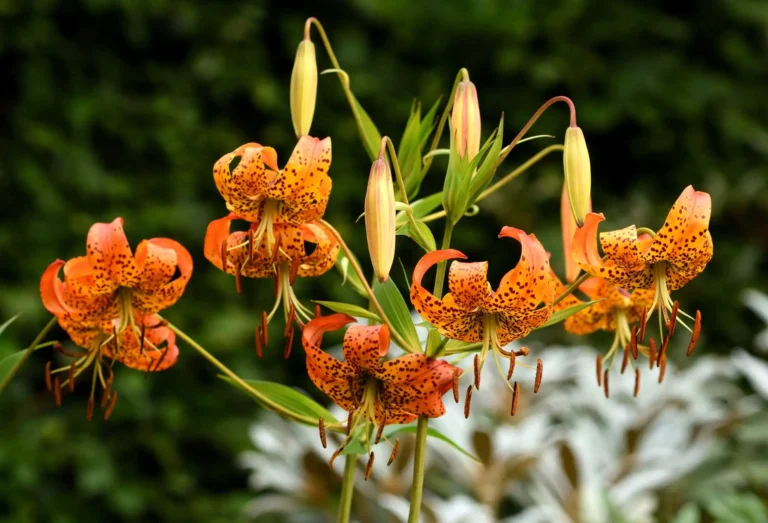


Hummingbirds visit these too
-
 Bladderpod
-
 Blazing Star
-
 Butterfly Weed
-
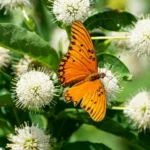 Buttonbush
-
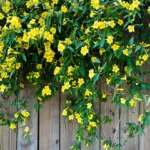 Carolina Jessamine
-
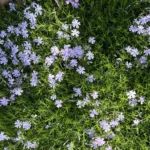 Creeping Phlox
-
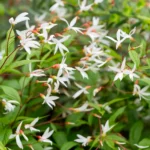 Gaura
-
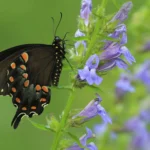 Great Blue Lobelia
-
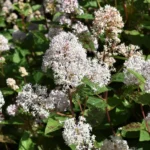 New Jersey Tea
-
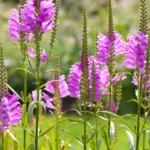 Obedient Plant
-
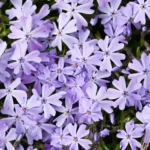 Phloxes
-
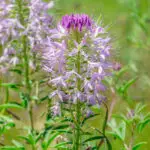 Rocky Mountain Bee Plant
-
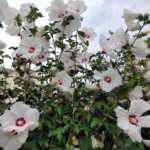 Rose Mallow
-
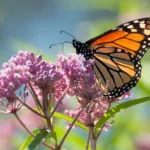 Swamp Milkweed
-
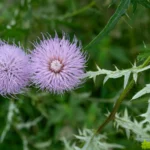 Thistles
Nothing matches all of those. Try fewer buttons.
After you’ve planted these hummingbird gems, go the extra step to make hummingbird life carefree.
Think of the following additions as you build your hummingbird garden:
Hummingbirds need water
All creatures need water and hummingbirds are no exception. But hummingbirds are tiny! A normal-sized bird bath is too big for a hummingbird.
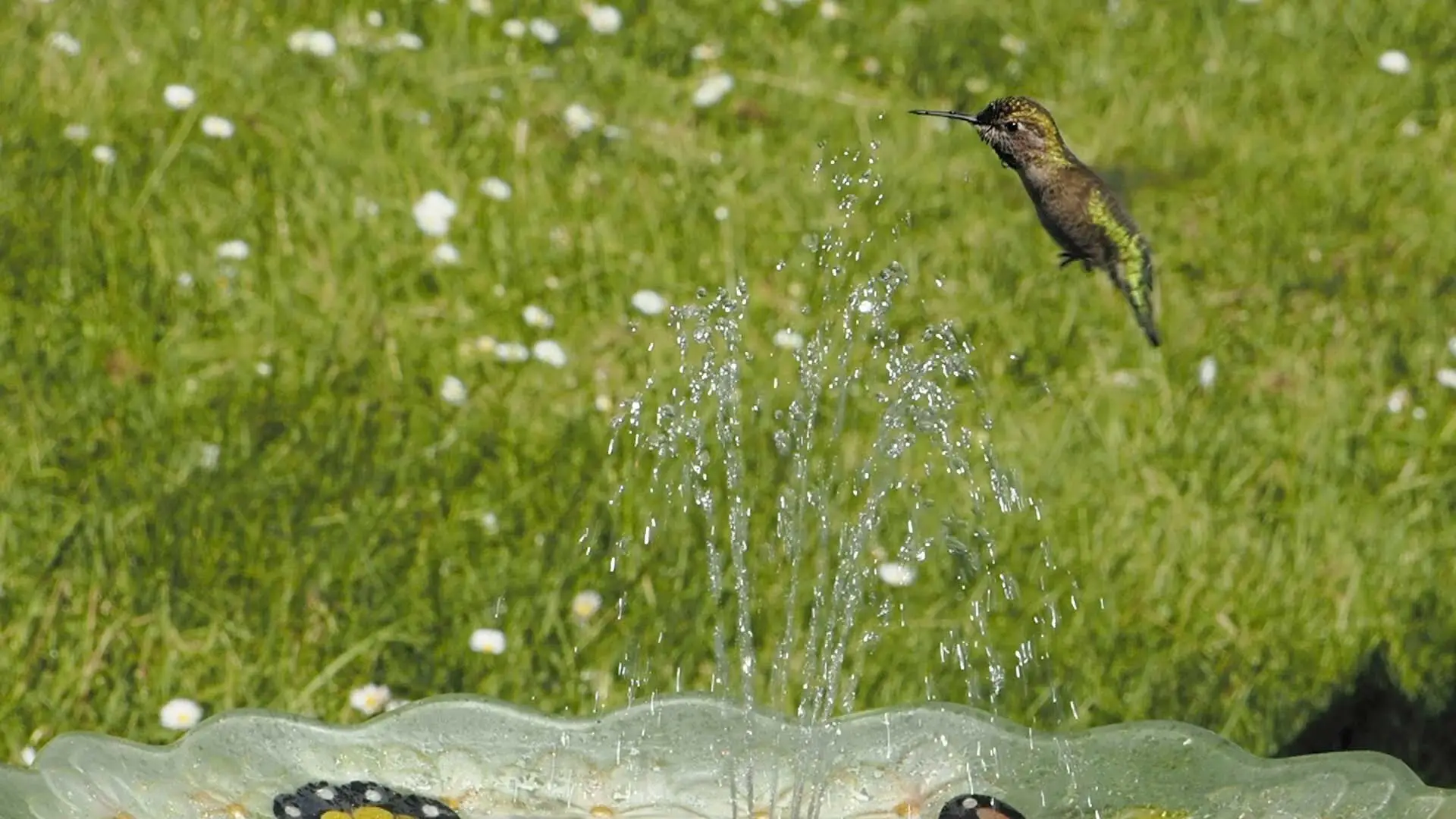
Instead, think of ways you can make water suit their small size. In birdbaths, add pebbles and rocks to ensure there are different depths for smaller birds, like hummingbirds. And as you can see from above, hummingbirds love spray from fountains and sprinklers. If you’re spotting that rush of wings out in the garden, try setting up a sprinkler in a place you can also photograph. Remember to use the action setting on your phone! Got a great shot? Tag us on Instagram.
Plant native plants near nesting sites
We’ve said it many times: hummingbirds are tiny. They have developed lots of behaviors to stay away from predators, one of which is placing their nests near food.
There will be more hummingbirds in your garden if you plant natives near where they’d like to live. Think of where a hummingbird family might want to make a nest: perhaps in a large tree on the edge of your property? Plant your native hummingbird garden close by. This ensures hummingbirds can set up house and have constant food as they raise their family.
Leave the spiderwebs. Female ruby-throated hummingbirds build tiny, cup-shaped nests out of plants, spider silk, and lichens (U.S. Fish and Wildlife Service). Those webs in the porch corners? Building supplies.
Keep the big trees. Early spring is the lean season. When ruby-throats arrive before much is blooming, they may sip sweet sap from holes drilled by sapsuckers (Missouri Department of Conservation). One more reason to keep trees like birches in the picture.
FAQs
Do I still need a hummingbird feeder?
No, but you can have both. Native flowers give hummingbirds nectar, and they come with the insects hummingbirds need for protein, which a feeder can’t offer. Think of a feeder as a snack bar and your garden as the kitchen.
Do hummingbirds only like red flowers?
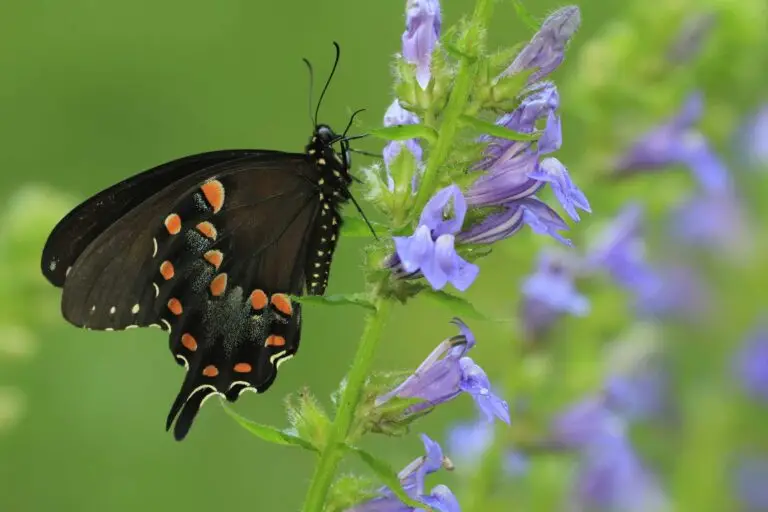
No. Red and orange tubes are the classics, but hummingbirds visit blue and purple flowers too. Great blue lobelia and blue sage are both on Grow Native!’s list of hummingbird plants.
When do hummingbirds show up?
It depends on where you live. Ruby-throated hummingbirds arrive in early spring. In Missouri, they start heading south in mid-August, and most are gone by early October (Missouri Department of Conservation). In parts of Florida, Arizona, and coastal California, you can see hummingbirds year-round.
Why aren’t hummingbirds visiting my garden?
Usually the menu is too small or has gaps. Plant in groups of five or more so the flowers are easy to spot, add something that blooms in each season, skip pesticides, and plant near trees where hummingbirds might nest.
Plant nerd fact
How many types of hummingbirds are there?
There are dozens of hummingbird species in North America, but only a handful are common in the United States and Canada. Most hummingbird species are found in the West, especially California and the Southwest. East of the Mississippi, one species does almost all the heavy lifting: the ruby-throated hummingbird.
Many hummingbirds are long-distance fliers, migrating north in spring to nest and then heading back south in fall. Others are more homebodies, sticking to consistently warm areas. In parts of Florida, Arizona, and coastal California, you can see hummingbirds year-round.
The ruby-throated hummingbird takes that to the extreme. It weighs less than a quarter of an ounce, yet many cross the Gulf of Mexico in a single nonstop flight: up to 500 miles in 18 to 22 hours (U.S. Fish and Wildlife Service). The nectar in your garden is their fuel tank.
Creating a native hummingbird garden is easy to do, even for beginner gardeners. Start with one red, tubular flower, planted in a group of five, like cardinal flower, coral honeysuckle, firebush, or bee balm. Add something for spring and something for fall. If you have room for a legacy, plant a tulip poplar. Skip the pesticides. Then put a chair where you can see it, because the first hummingbird visit goes by fast. Happy planting!
Sources
Sources
- Audubon Rockies. “Nine Native Plants to Attract Hummingbirds in Colorado, Utah, and Wyoming.” National Audubon Society. https://www.audubon.org/rockies/news/nine-native-plants-attract-hummingbirds-colorado-utah-and-wyoming. Accessed October 5, 2026.
- Florida Wildflower Foundation. “Firebush.” https://www.flawildflowers.org/flower-friday-hamelia-patens/. Accessed October 5, 2026.
- Gelfand, Dale Evva. Grow a Hummingbird Garden. (1997).
- Grow Native! “Nectar-Rich Natives for Hummingbirds.” Missouri Prairie Foundation. https://grownative.org/learn/native-for-wildlife/nectar-rich-natives-for-hummingbirds/. Accessed October 5, 2026.
- Lady Bird Johnson Wildflower Center. “Hummingbird Plants for Central Texas.” University of Texas at Austin. https://www.wildflower.org/collections/collection.php?collection=centex_hummingbird. Accessed October 5, 2026.
- Maine Audubon. “Keep Hummingbirds Happy with Native Plants.” https://maineaudubon.org/news/keep-hummingbirds-happy-with-native-plants/. Accessed October 5, 2026.
- Missouri Department of Conservation. “Ruby-Throated Hummingbird.” https://mdc.mo.gov/discover-nature/field-guide/ruby-throated-hummingbird. Accessed October 5, 2026.
- Nelson, Gil. Best Native Plants for Southern Gardens: A Handbook for Gardeners, Homeowners, and Professionals, (2010).
- Theodore Payne Foundation. “Native Plants for Hummingbirds.” https://theodorepayne.org/wp-content/uploads/2013/11/HUMMINGBIRDS_FINAL.pdf. Accessed October 5, 2026.
- Travis Audubon. “Hummingbird Plants for Central Texas.” https://travisaudubon.org/home/wp-content/uploads/2013/08/TAS-Hummerhelper-v2.pdf. Accessed October 5, 2026.
- U.S. Fish and Wildlife Service. “August 2024 Bird of the Month: Ruby-Throated Hummingbird.” 2024. https://www.fws.gov/story/2024-08/august-2024-bird-month-ruby-throated-hummingbird. Accessed October 5, 2026.
- USDA Forest Service. Attracting Hummingbirds to Your Garden Using Native Plants. FS-1046, 2015. https://www.fs.usda.gov/wildflowers/pollinators/documents/AttractingHummingbirdsFS-1046April2015.pdf. Accessed October 5, 2026.
- Virginia Department of Forestry. “Native Plants for Hummingbirds.” https://dof.virginia.gov/native-plants-for-hummingbirds/. Accessed October 5, 2026.
Similar plants
-
 American Plum
-
 Antelope Horns Milkweed
-
 Asters
-
 Bee Balm
-
 Black-Eyed Susans
-
Blazing Star
-
 Blue Mistflower
-
 Blue Vervain
-
 Blue-Eyed Grass
Updated
The ads on this site help pay real native plant nerds to research and write these guides.


