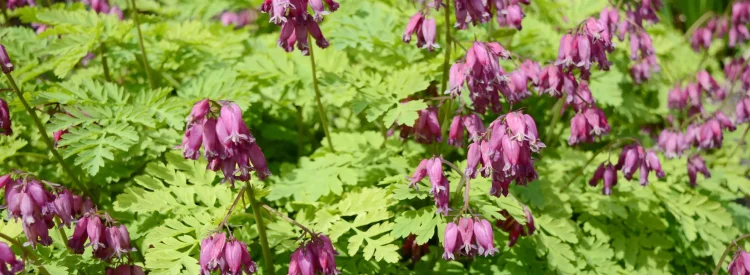
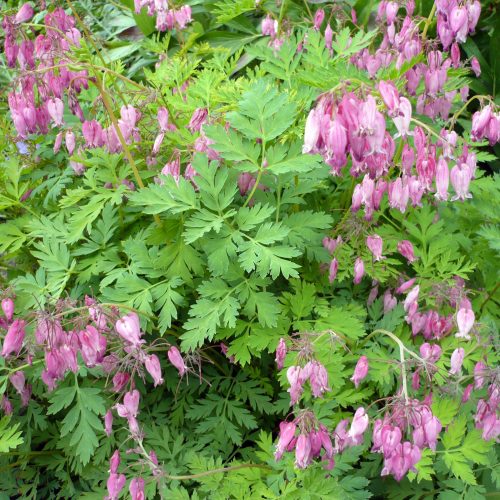
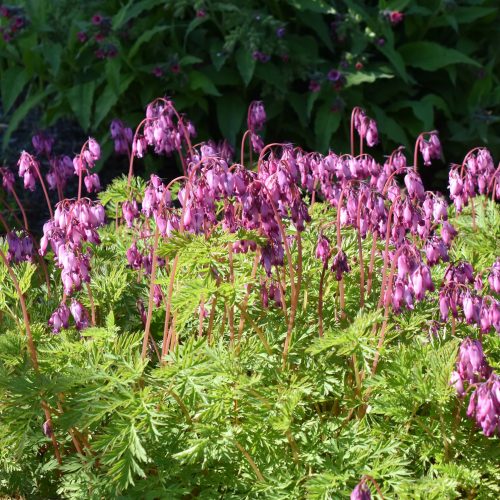
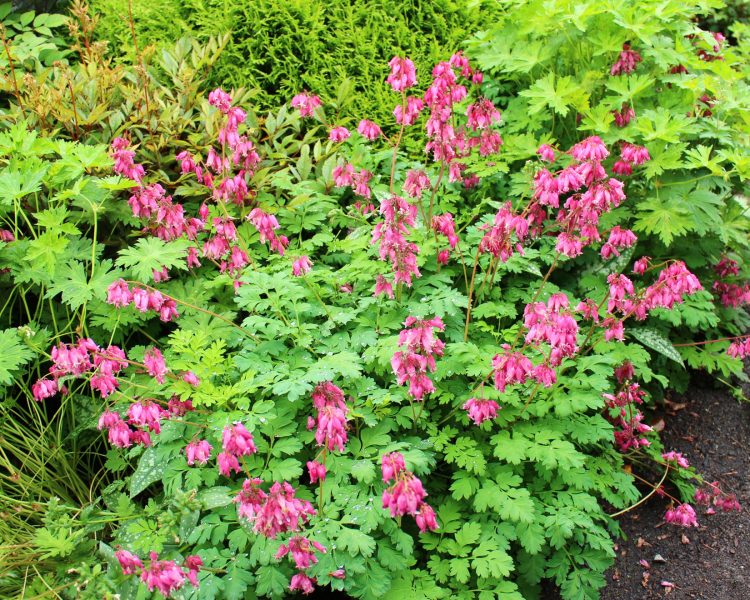
Bleeding hearts look high-maintenance. The flowers are intricate. The stems arch like they belong in a greenhouse. But native bleeding hearts are anything but precious. These are tough woodland plants that evolved to grow fast in spring, bloom early, and then bow out when summer heat shows up. No summer watering battles. No pruning schedules. Just a short, beautiful springtime performance that returns every year.
Is bleeding heart a good choice for my yard?
Yes, if…
- You have a shady or part-shade yard, especially under deciduous trees (AKA trees that lose their leaves in the fall/winter).
- You want spring flowers that don’t need constant watering or fussing.
- You’re okay with plants that go dormant by early summer.
- You like natives that quietly come back every year without spreading aggressively.
Why bleeding hearts matter
- Early-season nectar: Bleeding hearts bloom when pollinators are just waking up and options are limited.
- Shade solution: These plants thrive where lawns and sun-lovers fail.
- Low-effort perennial: No fertilizer, no pruning, no babying.
- Seasonal wisdom/magic: Goes dormant naturally, conserving energy instead of fighting summer heat.
Eastern Bleeding Heart, Squirrel Corn
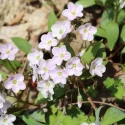
Native to eastern North America, this is a true spring ephemeral with a great common name. (The squirrels do not eat these flowers, but early pollinators depend on it.) It emerges early, flowers in mid-spring, and often disappears completely by early summer. Flowers are soft pink to white and hang close to the foliage. It’s ideal for woodland gardens and shaded areas that get plenty of spring light.
Fringed Bleeding Heart
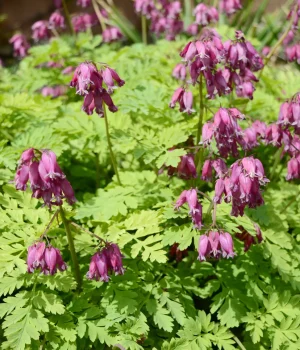
Also native to the eastern United States, especially the Appalachian region, this species is the bridge between ephemeral and perennial. It blooms in spring but often keeps its ferny foliage well into summer. If you love bleeding hearts but want a longer-lasting presence, this is the one to look for.
Western Bleeding Heart
Native to the Pacific coast, this species blooms over a longer window and may keep its foliage into summer in cooler, moist conditions. Flowers range from pink to rose, and plants slowly form tidy clumps. It’s a great choice for shaded gardens in milder climates.
Heads-up: the “bleeding heart” you see most often is not native
You just met three native bleeding hearts. It helps to know there’s a fourth plant that dominates nurseries.
Asian bleeding heart (Lamprocapnos spectabilis, formerly Dicentra spectabilis) is the classic big, showy bleeding heart many people grew up with. It’s beautiful, but it’s not native to North America. The main difference between the Asian species and the North American options is height: Asian bleeding heart is 3-4′, while North American species are more compact, usually topping out around 2 feet.
Here are their Latin names, which is how you can tell them apart when you’re shopping:
- Native (East): Dicentra canadensis
- Native (East): Dicentra eximia
- Native (West): Dicentra formosa
- Non-native to watch for: Lamprocapnos spectabilis or Dicentra spectabilis
If the tag only says “bleeding heart” with no Latin name, assume it’s the non-native one. If you already have this non-native species in your yard, no need to panic or rip it out. But if you’re planting new and want a true native, make sure to check the Latin name.
Where bleeding hearts grow naturally
In the wild, bleeding hearts grow in deciduous forests, woodland edges, and moist, shaded slopes.
That means:
- Filtered light in spring
- Rich soil built from fallen leaves
- Steady moisture, but good drainage
In a yard, this looks like planting under trees, along shaded paths, or anywhere that stays cool and leaf-littered in spring.
How to grow bleeding hearts
Bleeding hearts are refreshingly easy if you let them do their thing.
- Light: Part shade to full shade is best. Morning sun is fine; hot afternoon sun is not.
- Soil: Loose, organic-rich soil. Think forest floor, not compacted clay.
- Water: Moderate moisture in spring. Once established, they’re fairly self-sufficient.
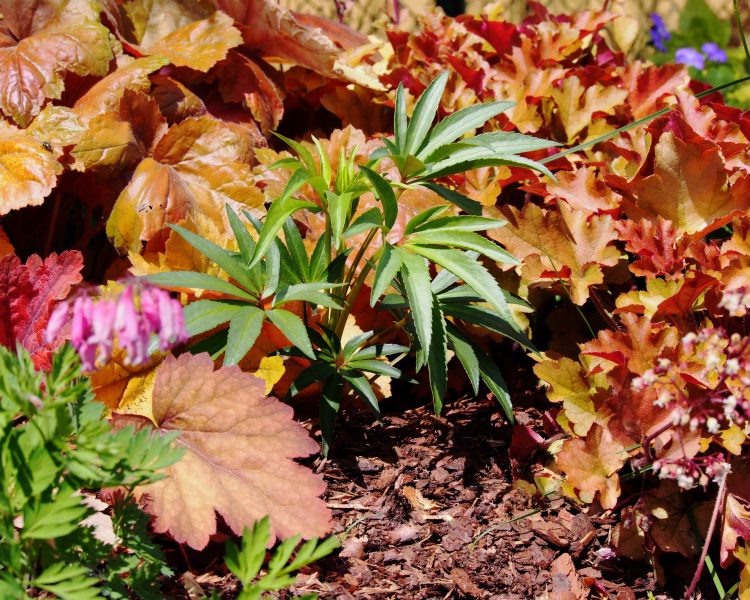
- Dormancy: When foliage yellows and disappears, that’s normal. Don’t panic. Don’t dig. Don’t water harder. Like daffodils, they are dying back to their roots until it’s time to emerge again next spring.
Regional note
Western and fringed bleeding hearts may keep foliage longer in cooler or consistently moist gardens. Eastern bleeding heart almost always disappears early. Both behaviors are natural, depending on the species.
Why do Eastern bleeding hearts disappear in the summer? Here’s why:
Eastern bleeding hearts vanish in summer
Eastern bleeding hearts are spring ephemerals, a strategy common in woodland plants. They sprint to grow, flower, and photosynthesize quickly in the spring before trees leaf out and shade deepens. Once summer heat and competition ramp up, they retreat underground, holding energy until next spring. Ephemerals’ sprint-then-disappear strategy is also seen in daffodils and tulips (which are, sadly, non-native).
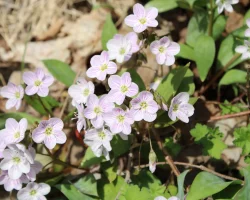
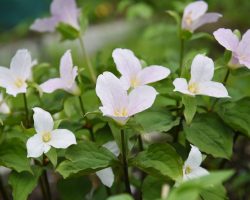
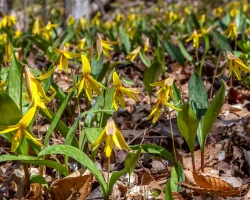
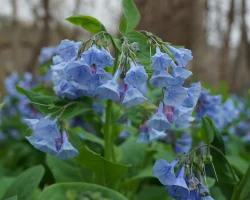
If you love living magic tricks, why not plant a native spring ephemeral garden? Here are some other ephemerals to consider:
Where bleeding hearts shine in your yard
Bleeding hearts are perfect for shady foundation plantings, woodland gardens, and quiet corners where spring light is plentiful but summer heat isn’t. Pair them with later-emerging shade natives so the space stays full after they go dormant or become foliage-only. They’re especially lovely along paths, where their arching stems can spill gently toward the edge.
Where can I get bleeding heart plants?
Native bleeding hearts can be harder to find than their non-native cousins. But it’s easier to find some if you know where to look! Here are four options to make your sourcing easier:
What are good pairings for bleeding heart?
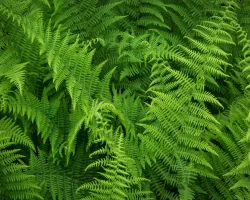
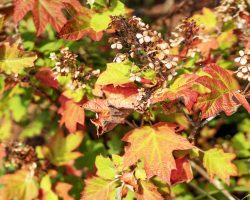
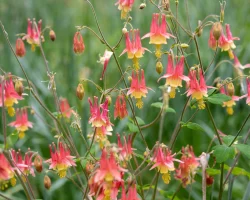
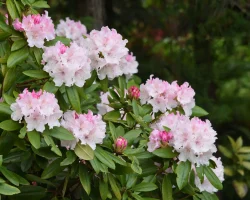
Bleeding hearts are perfectly paired with other native plants that like part shade, woodsy areas. Favorites (with both eastern and western options!) include redbud, columbines, ferns, and rhododendrons.
Bleeding hearts may look like they belong behind glass, but they’re built for real yards. Plant them in shade, let them do their springtime flowering performance, and don’t take it personally when they disappear or retreat back to foliage. Come next spring, they’ll be back on schedule, quietly proving that “delicate” and “tough” can definitely mix. Where to next? Head over to our Beginner’s Guide to Native Host Plants if you’re into planting a butterfly paradise. Or meet another iconic native with Eastern and Western options in our Beginner’s Guide to Native Redbuds. Happy planting!