

Highlights
For many people, trillium is the iconic spring wildflower. The distinctive three-petaled flower blooms for weeks in the mid-spring, and the leaves are just as graceful. There are multiple trillium species native to different parts of the U.S., so scroll on to find yours—and learn how to grow it yourself.
What is trillium?
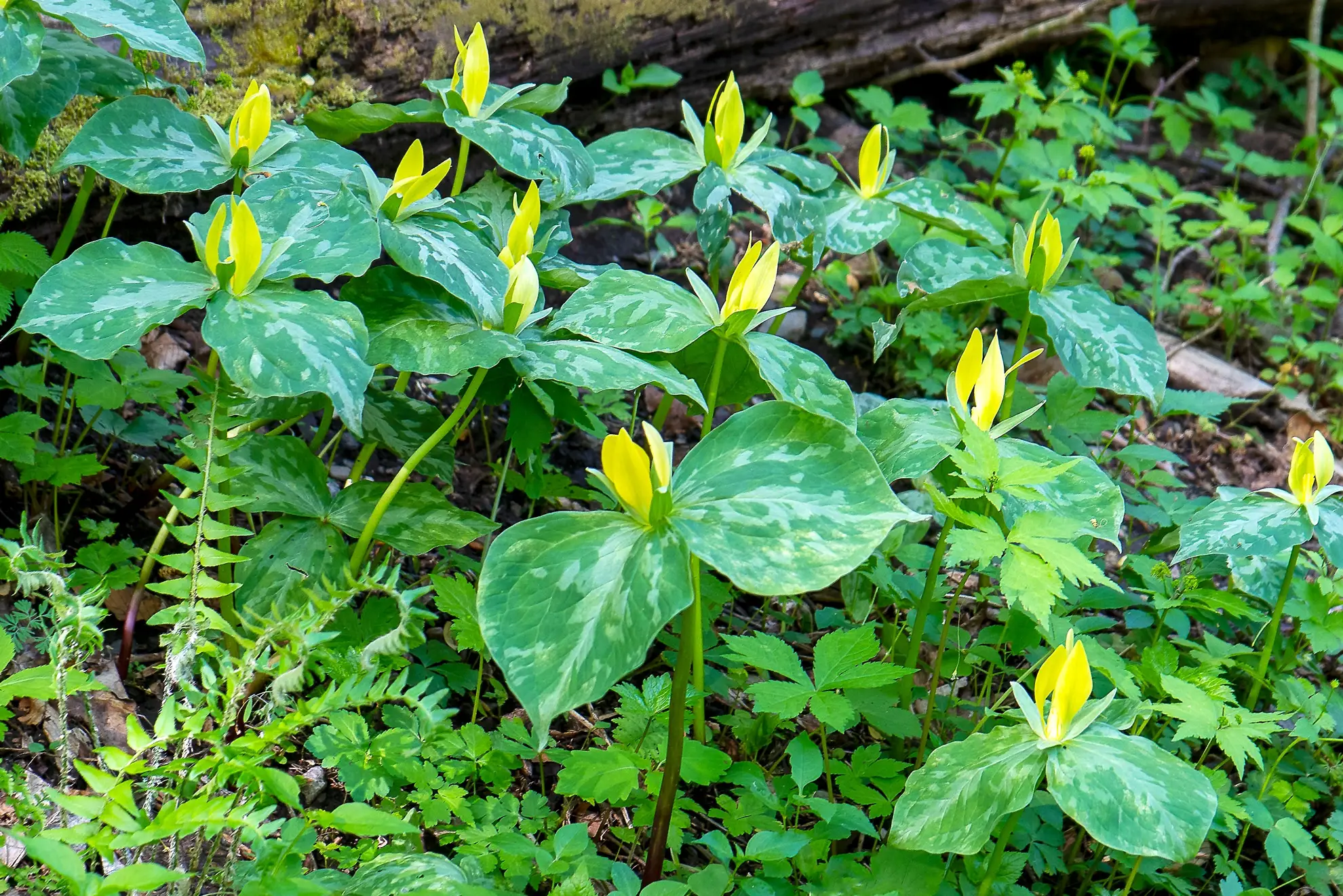
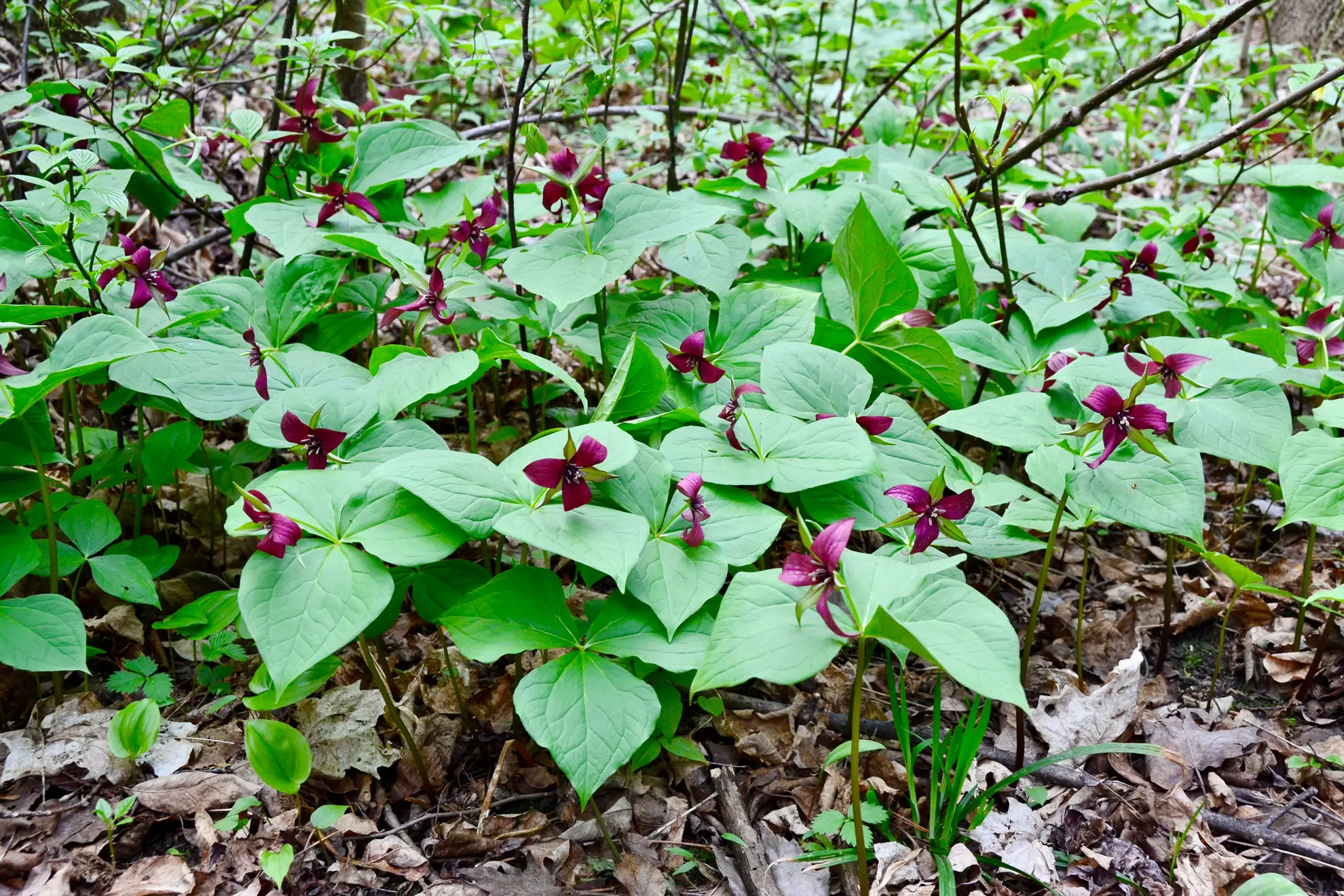
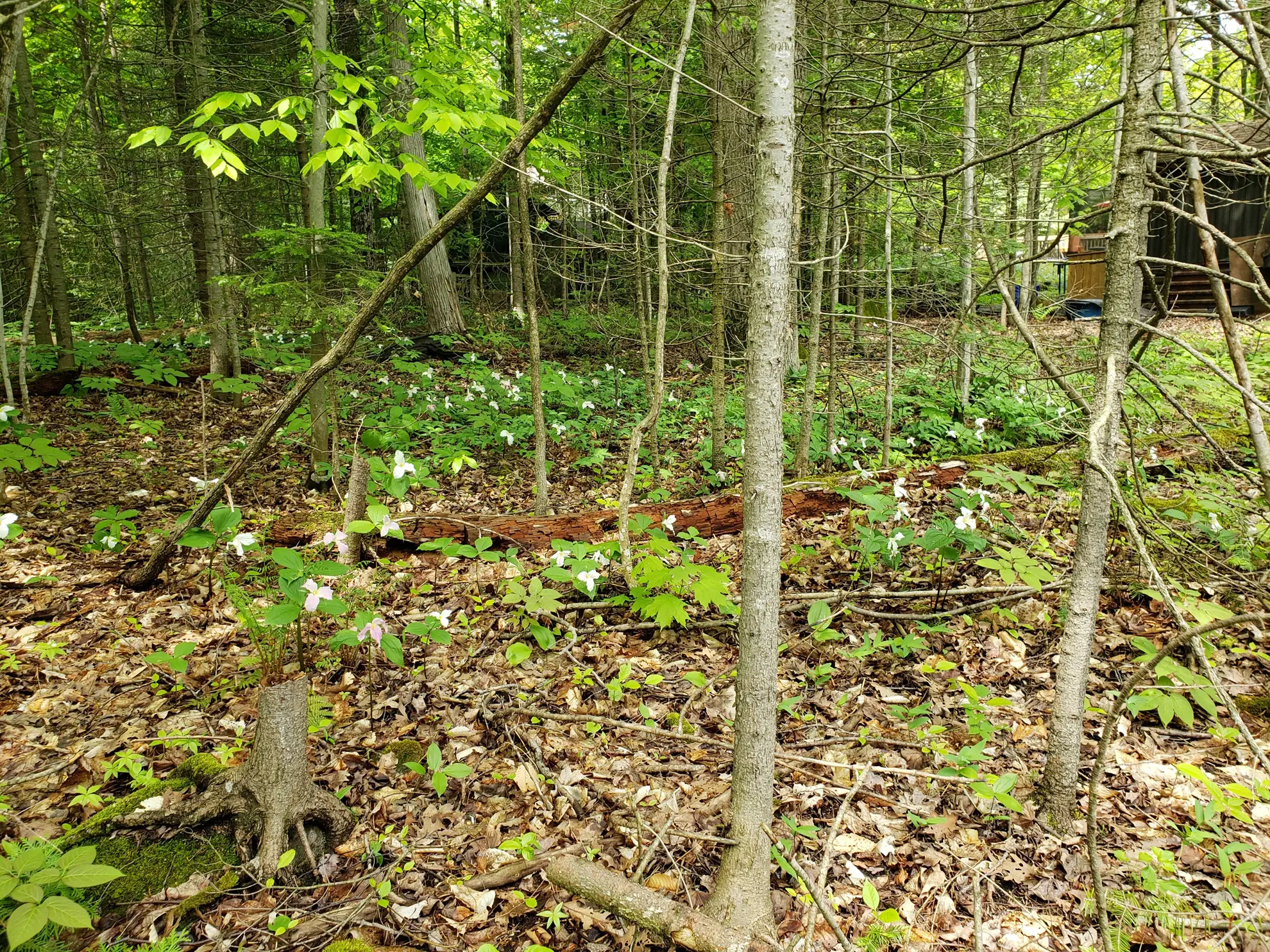
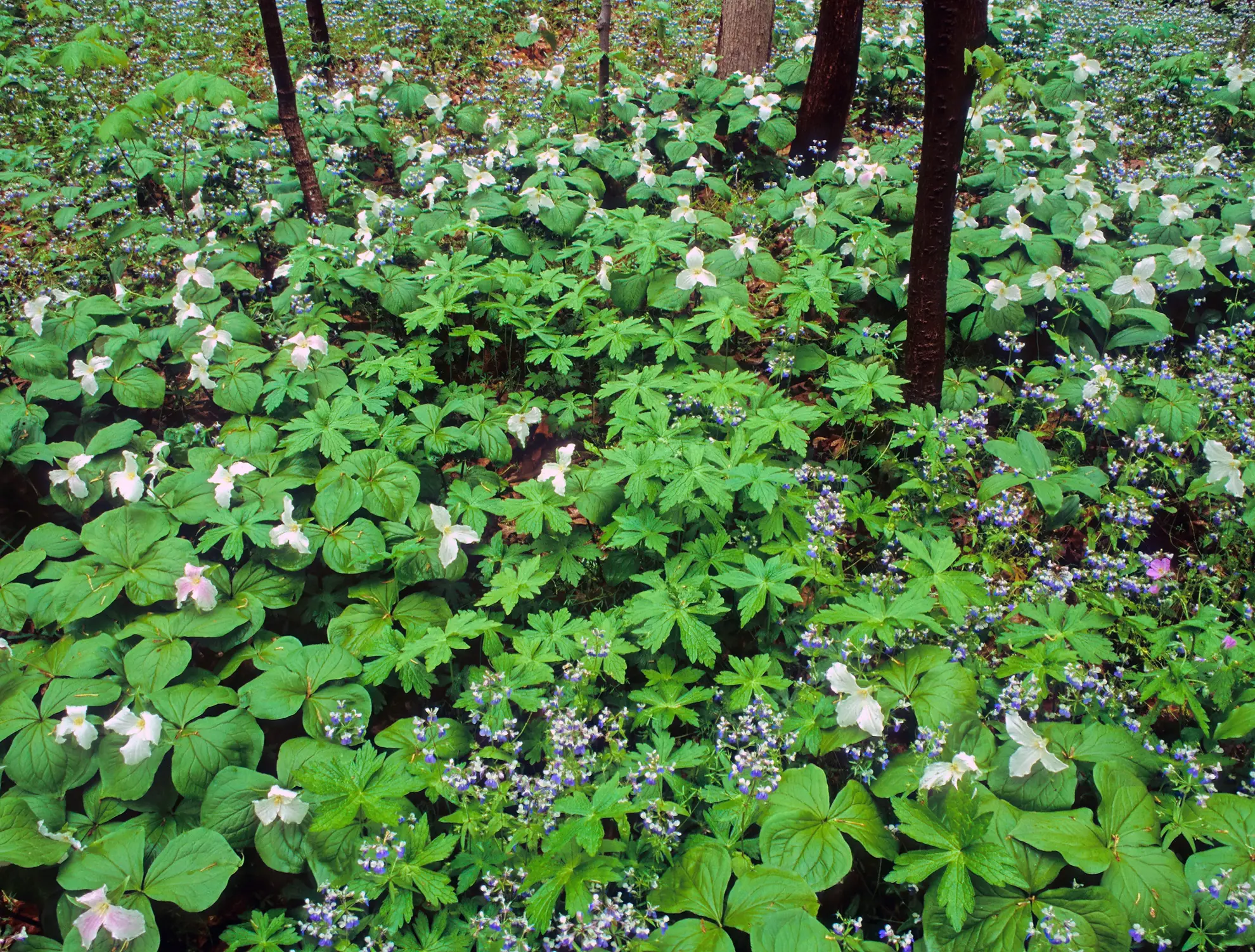
All across the United States, little three-petaled flowers make their way to the surface of forest floors in spring. For many people, trilliums are a true sign of the season. One of their older names is “Wake-Robin”—as in, the flowers’ arrival signals it’s time for robins to appear in the spring. When hiking in woodlands, you might come across a veritable field of them.
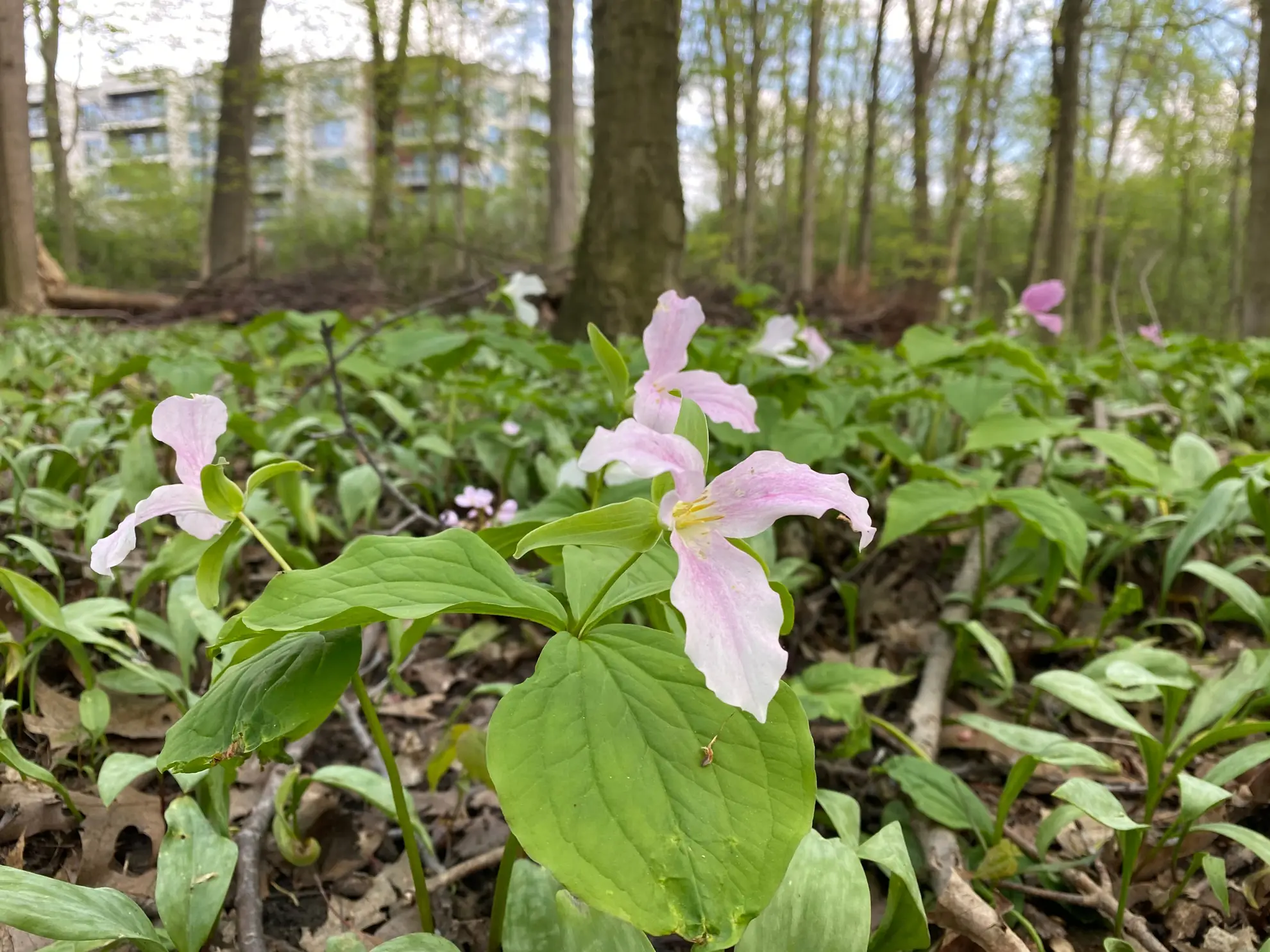
If you have a shady spot with good rich soil, such as underneath trees, you can grow trillium yourself. These gorgeous flowers are slow-growing but very rewarding: they have a long bloom time, and sometimes change color as they age, which is a fun transformation to watch.
Many varieties of trillium also have lovely speckled or mottled leaves, which look nice before and after the bloom itself.
You should know that trillium is what’s called a spring ephemeral. That means it sprouts, grows, blooms, and will die back for the year sometime during the summer. This is an adaptation for its native habitat in woodland, where tall trees block most of the light during the summer.
What does this mean for you? It means, don’t worry when your trillium disappears in the summer. Like daffodils, it should come back next spring. You can plant other things nearby that will fill in the gaps for the summer; just make sure to mark where the trillium was so you don’t dig it up while it’s sleeping for the rest of the year.
Where are trilliums native?
There are more than three dozen types of trilliums in the U.S. and Canada. There are species that are native to just about everywhere in the mainland U.S. except for the Southwest (sorry—you’ll have to make do with cool cacti).
Scroll on to meet a few of the most commonly found and easy-to-grow trillium species.
Trilliums for the eastern U.S.
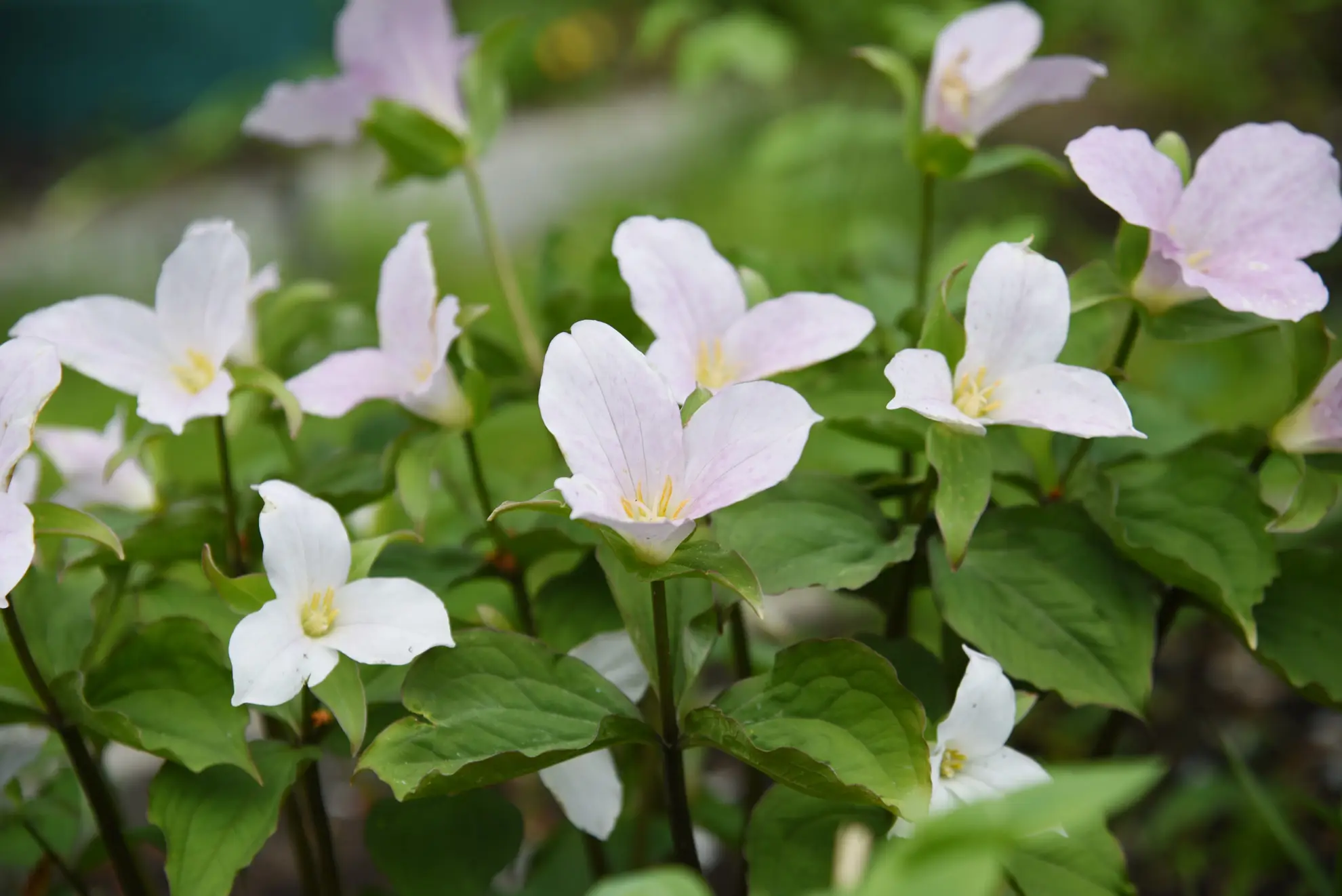
Large-flowered Trillium
Trillium grandiflorum
This beautiful trillium has big white flowers (up to 4 inches across!) that turn pink as they age. Happily, they are considered one of the easiest types to grow and are generally easier to find for sale. Large-flowered trillium is native to the northern parts of the East and Midwest and to the Appalachians.
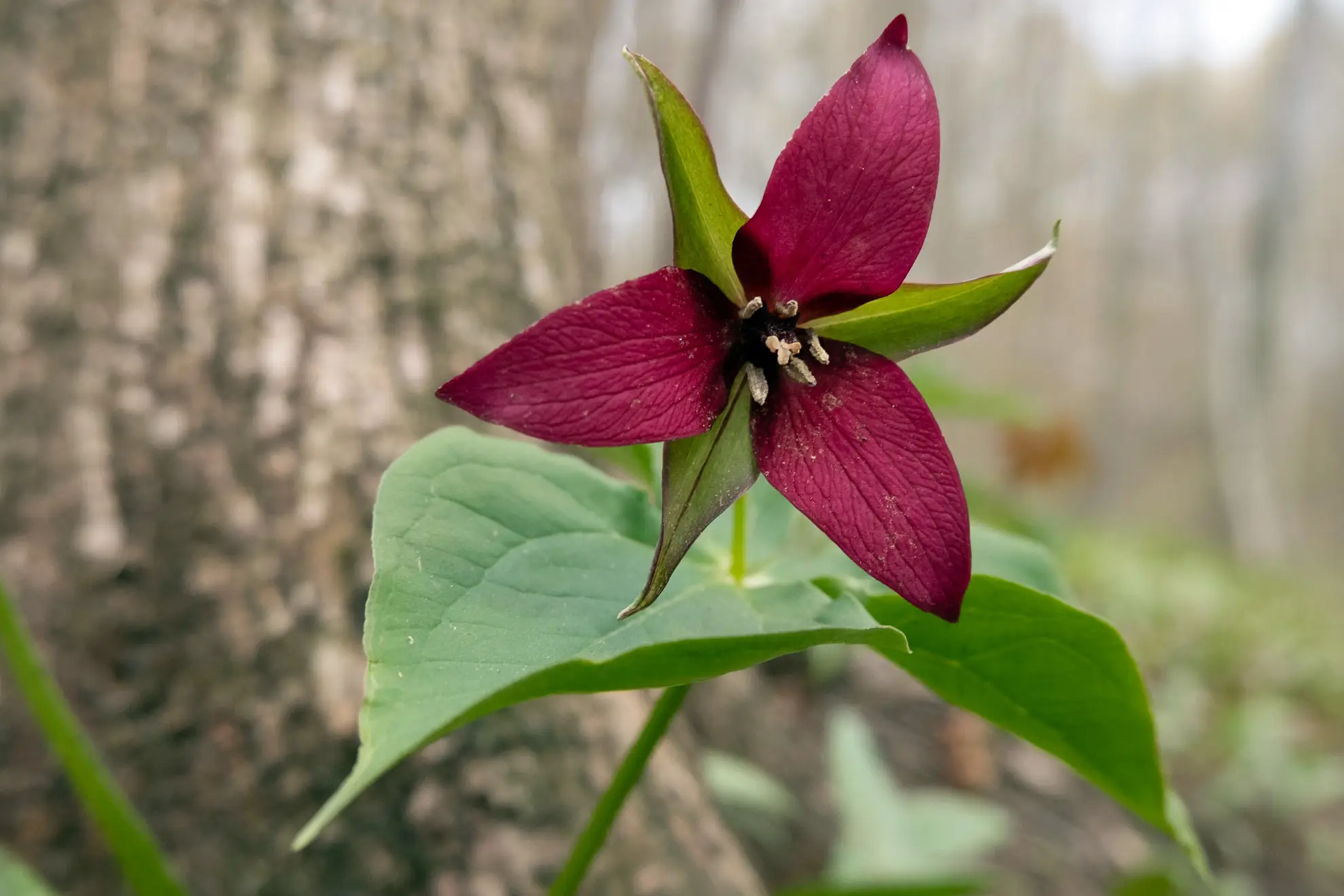
Red Trillium
Trillium erectum
Chocolate-maroon-colored flowers top a triumvirate of slender leaves in this lovely trillium. It is native to the Northeast and down the Appalachians, so it’s very cold-hardy, and it doesn’t mind soil on the dry side.
(This plant is sometimes called Stinking Benjamin, which we think is frankly unfair—they have a mild wet-dog odor that you’re only gonna notice if you stick your nose right up in there).
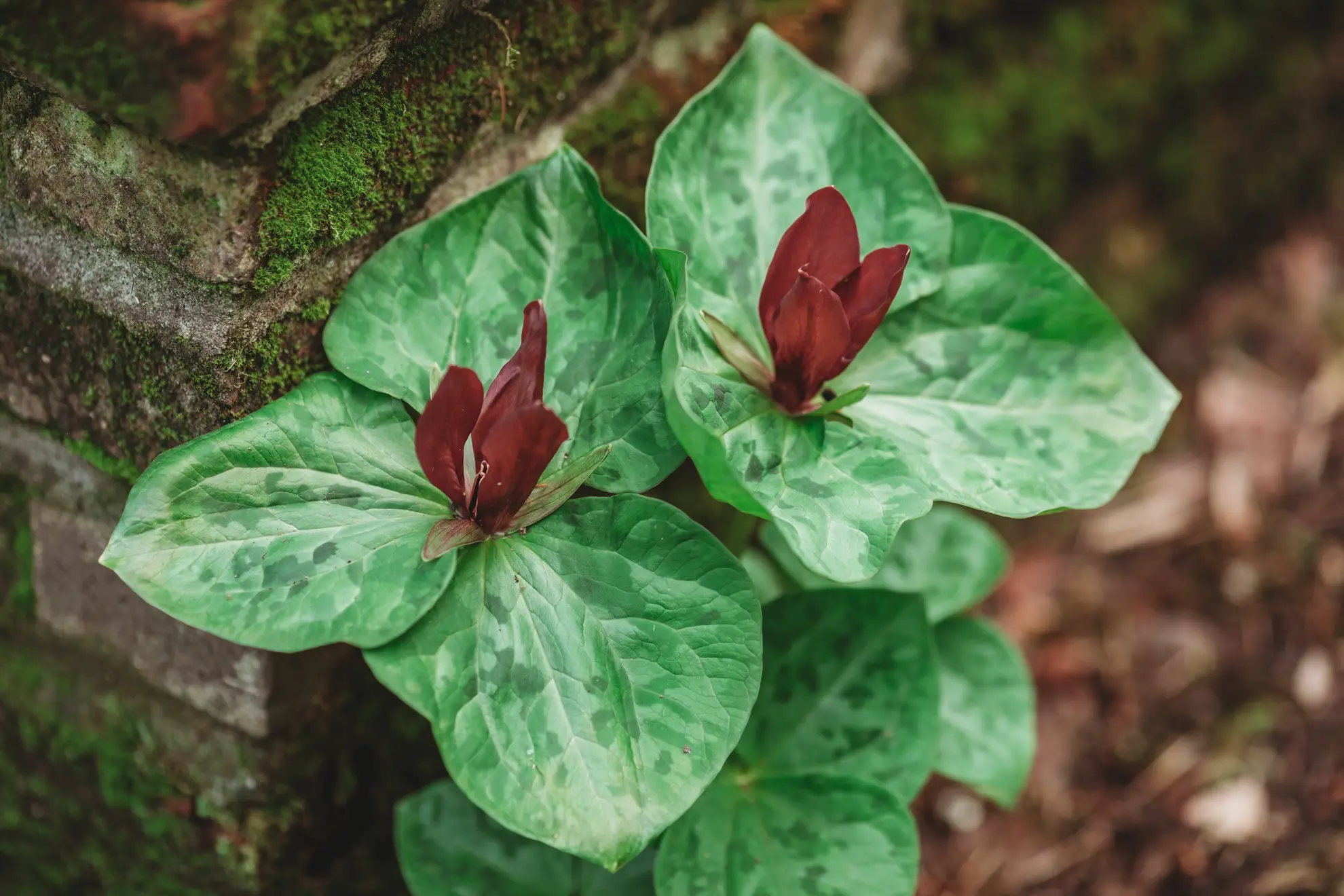
Prairie Trillium
Trillium recurvatum
This little trillium blooms early with a handsome maroon-colored flower and attractively mottled leaves. Don’t be fooled by the name—it likes woodland conditions as the other trilliums do. If it’s happy, it will slowly spread to form a nice cluster.
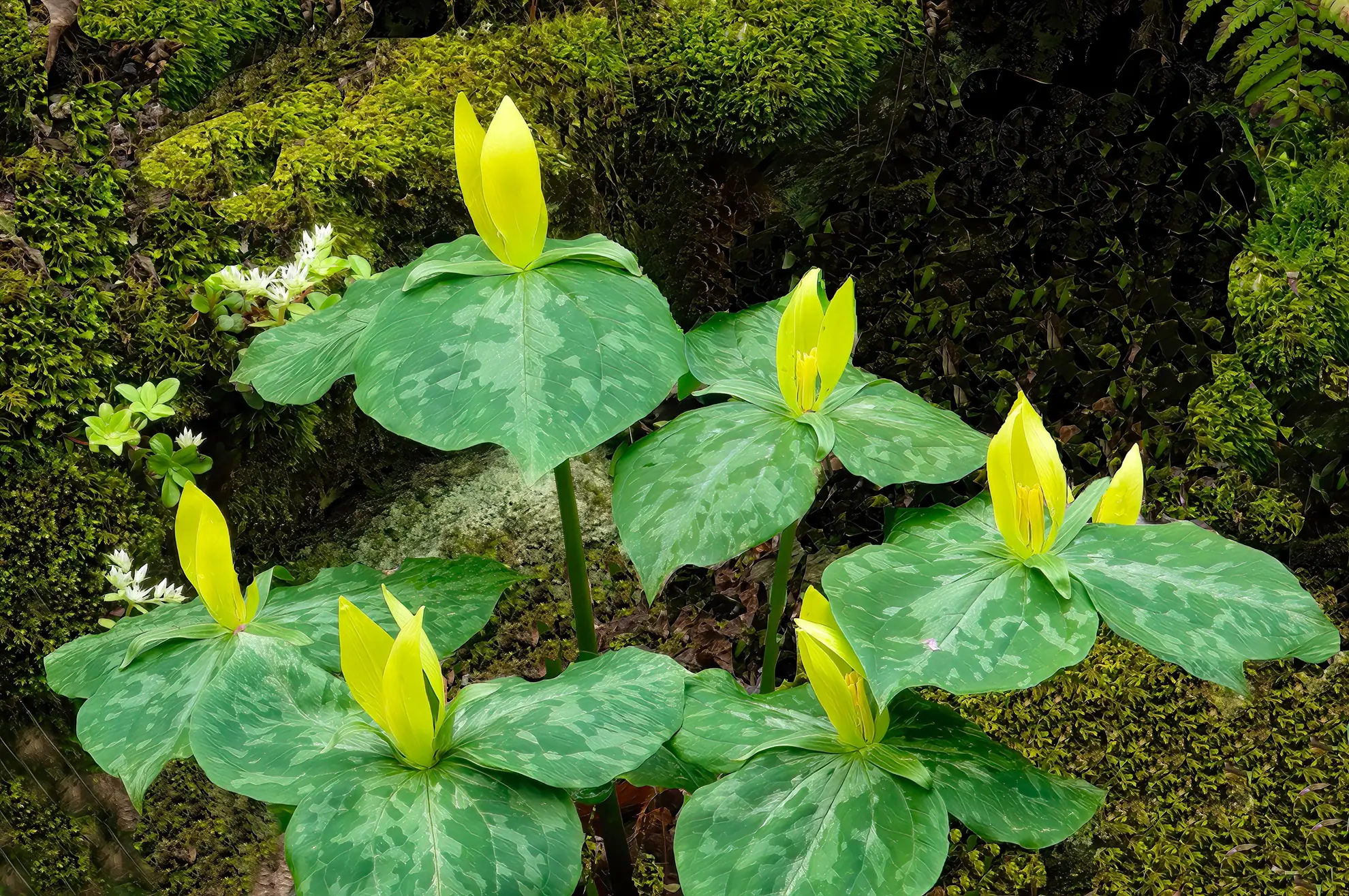
Yellow Trillium
Trillium luteum
If yellow’s your favorite color, this is the trillium for you. As a bonus, the flower is also scented—some say it smells like lemon oil. It’s one of the later-blooming trilliums and is native primarily to the Southeast.
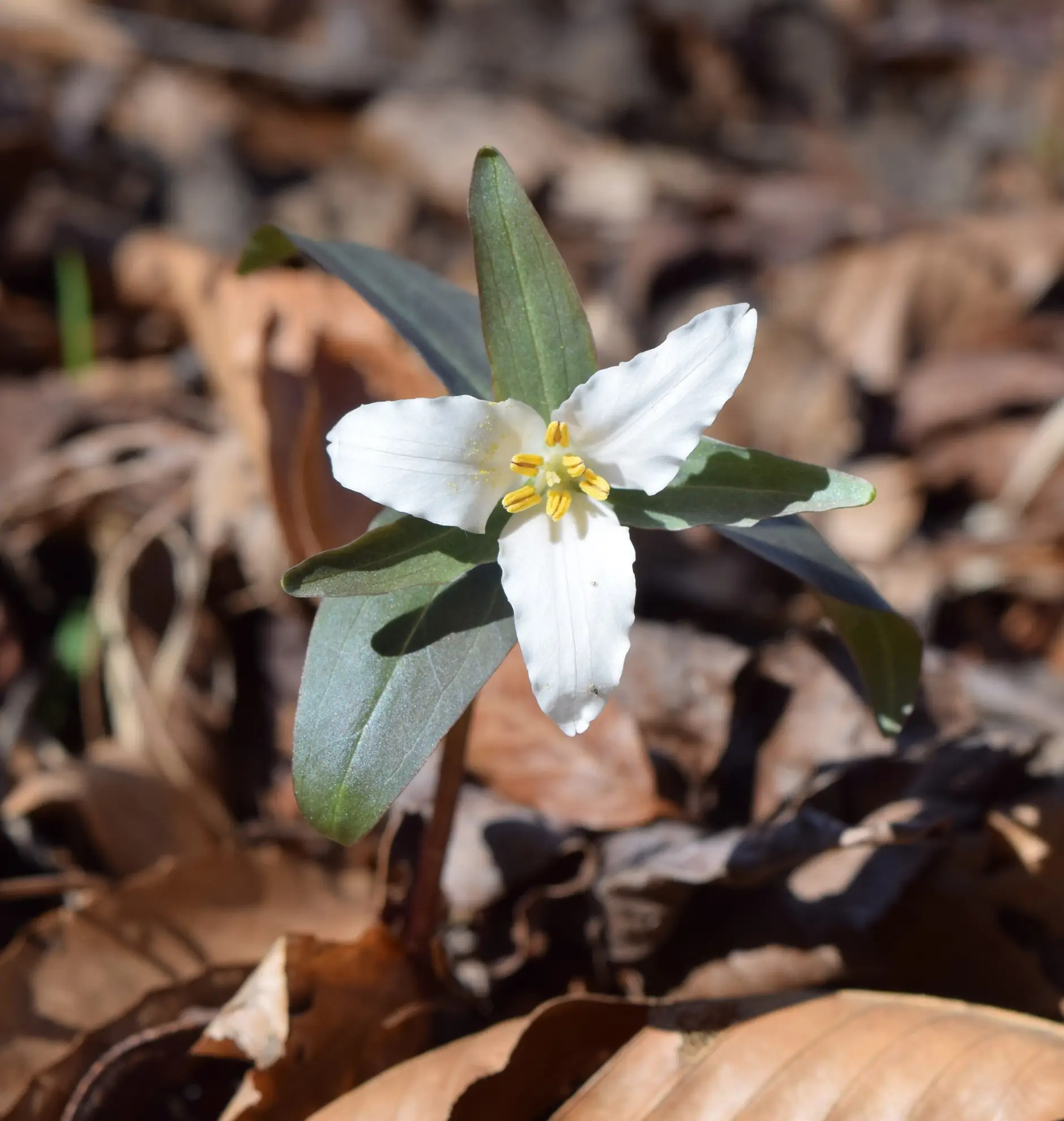
Dwarf wake-robin
Trillium pusillum
This tiny charmer is a southern specialty, growing to just 8 inches tall. Its flowers gradually turn from white to pink to purple, and it’s especially known for forming colonies over time.
Trilliums for the western U.S.
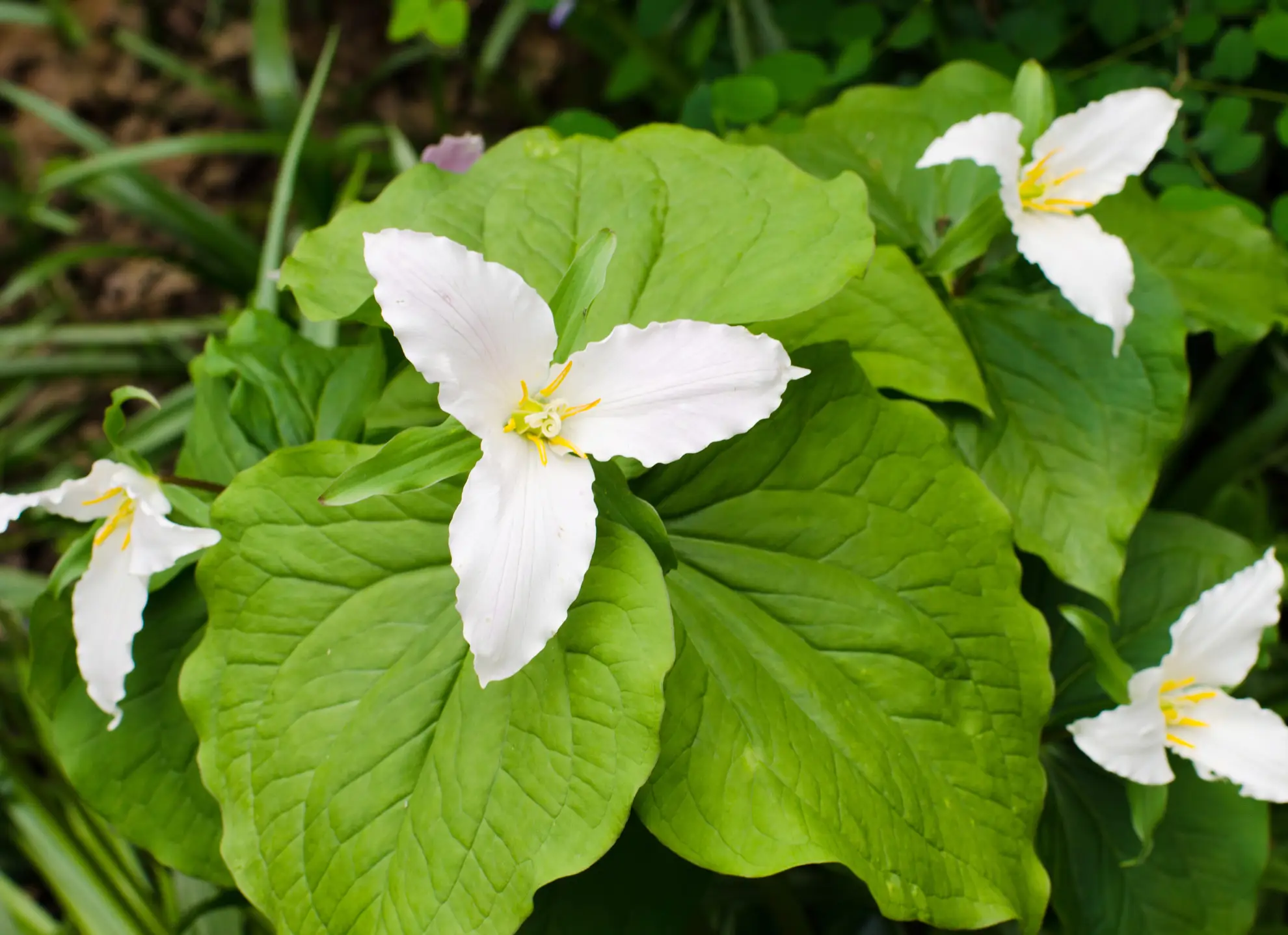
Western white Trillium
Trillium ovatum
Much like its eastern cousin large-flowered trillium, this plant has showy white flowers that turn pink to red over time. It’s native to a large chunk of the Pacific Northwest and along the Pacific Coast.
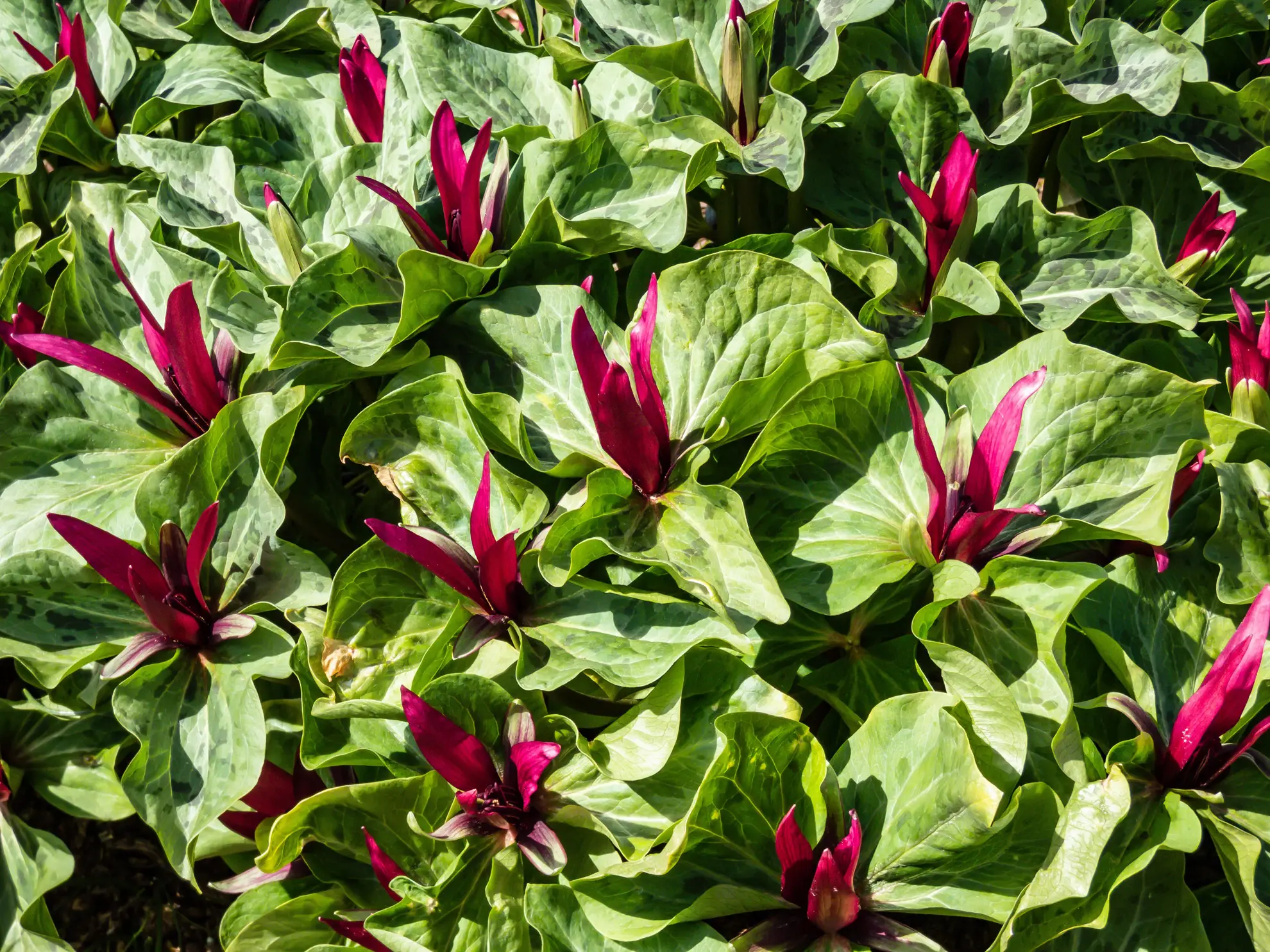
Giant Trillium
Trillium chloropetalum
Under the canopy of redwood trees blooms the giant trillium, which grows up to 2 feet tall and can have a range of different colored flowers, from white to deep purple. It’s native to northern California and along the Pacific Coast.
In the wild, trilliums are planted by ants. The plants add a tasty coating to their seeds, so ants carry them back to their homes…which distributes the seeds to new locations in the process.
Where trilliums shine in your yard
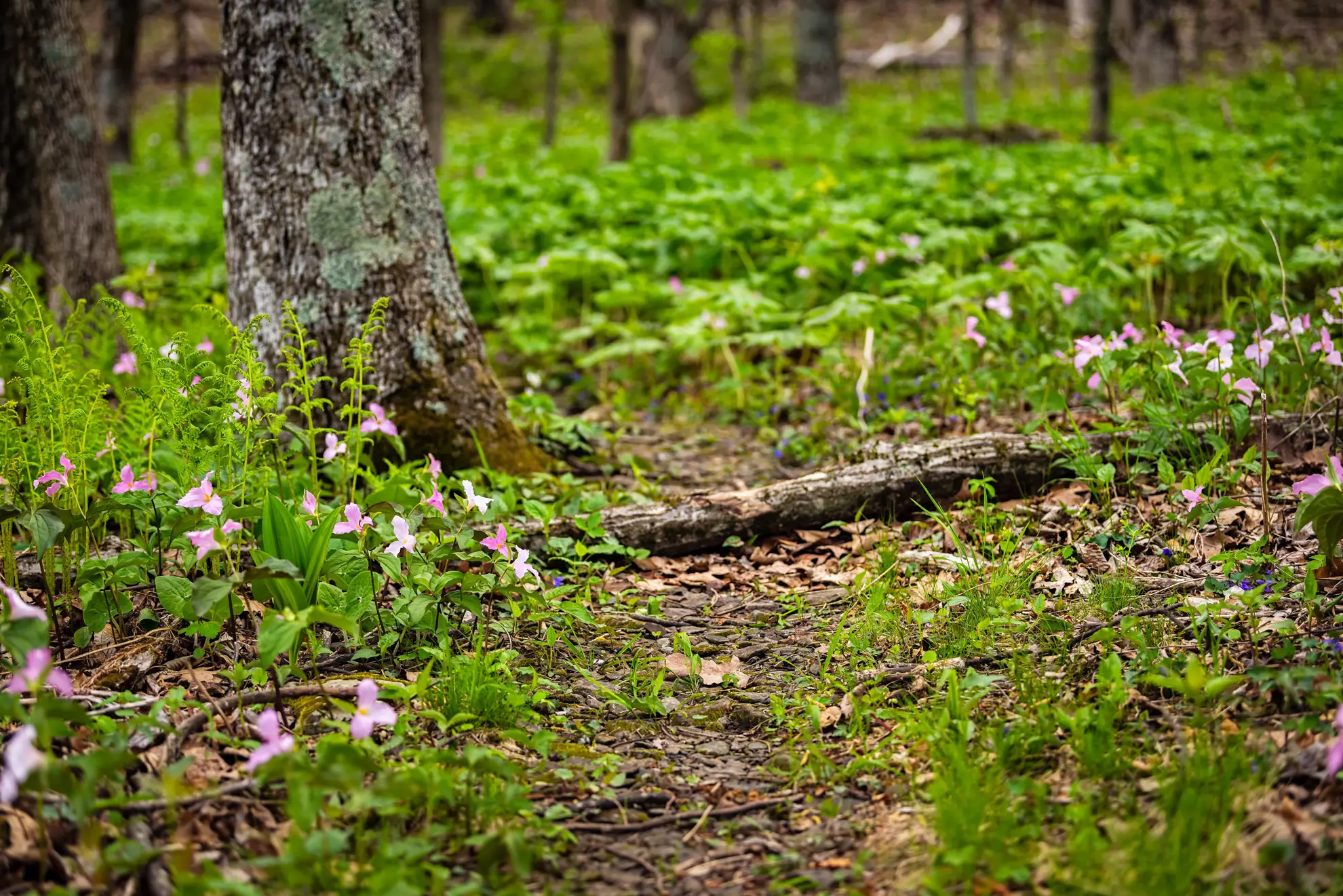
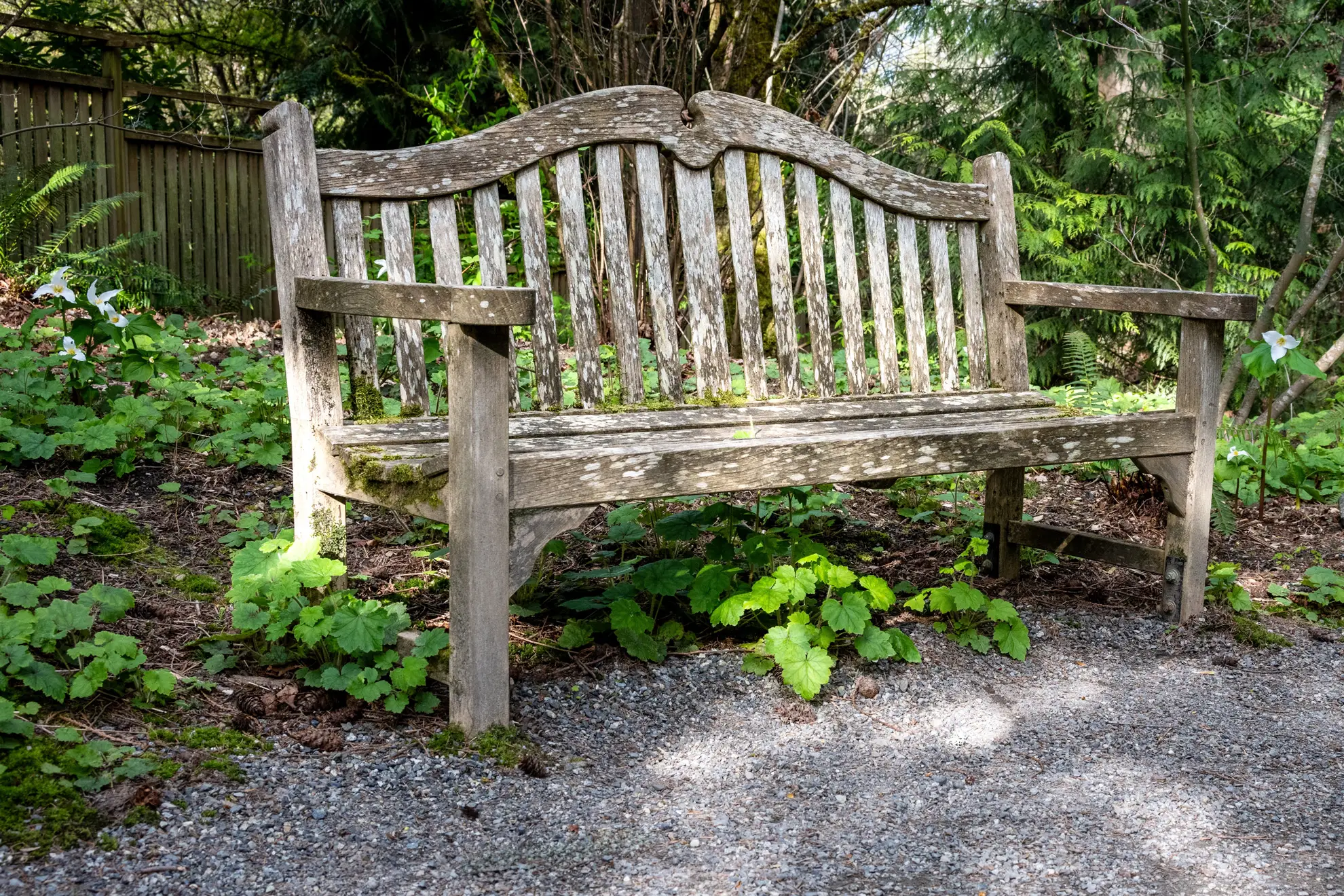
Trilliums are the native icons made to thrive under trees and shrubs. They provide flowers in the spring and then die back as the temperatures rise.
How to grow trillium
If you have the right conditions, trilliums are very fuss-free and long-lived. They don’t need pruning, trimming, or fertilizing.
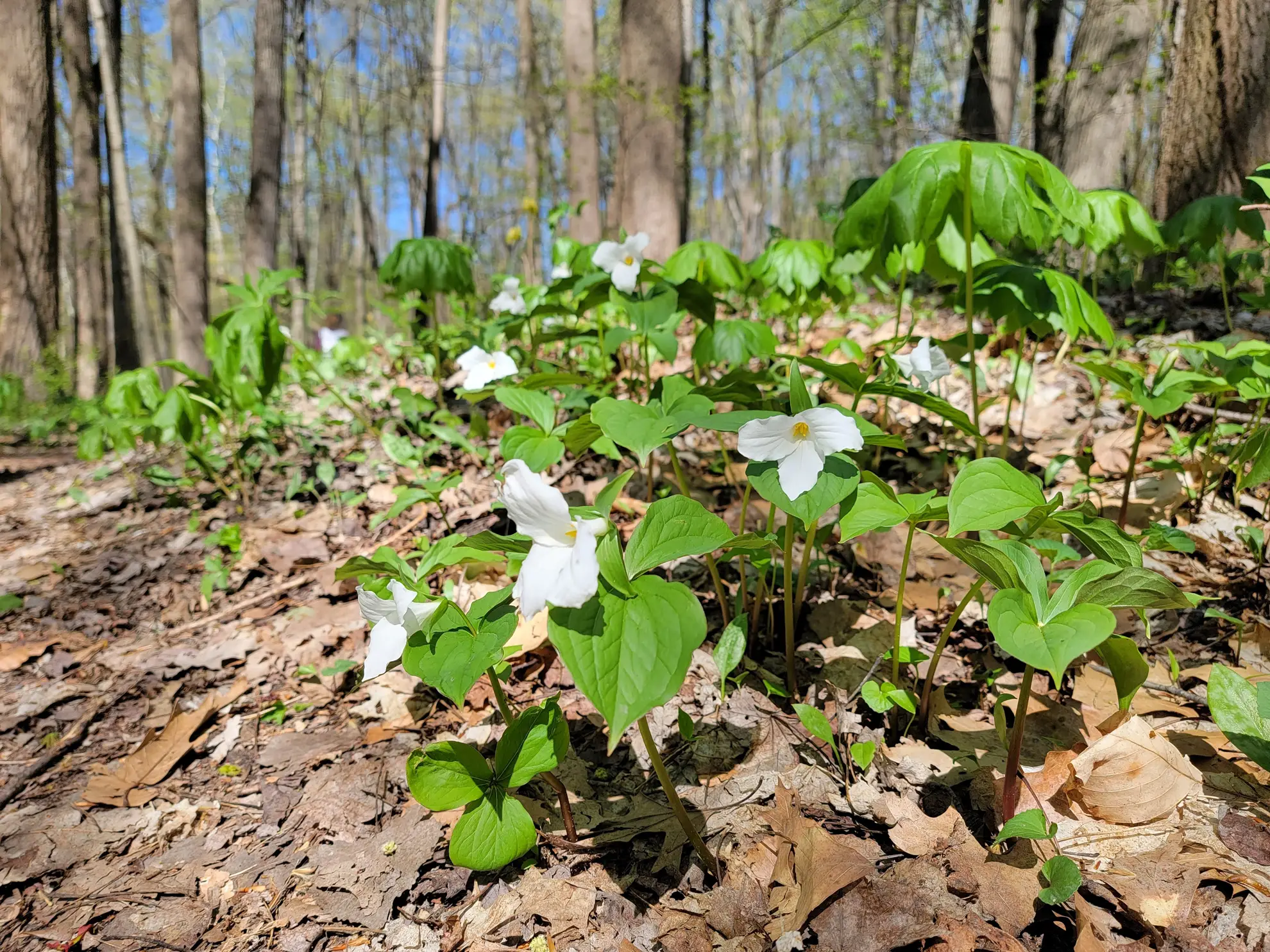
The biggest key is planting them where they’ll be happy. Trilliums like to live in woodlands. That means a good spot for them in the garden will be a nice rich soil that’s sunny in the spring and shaded or partly shaded in the summer, like you’d find around trees.
They have to be able to sleep undisturbed through the fall and winter, so make sure you have a spot where you won’t accidentally dig the roots up.
Trilliums love a good cover of leaves from native trees (another reason to “Leave the Leaves” in autumn) which will keep them protected during their long sleep til the spring comes again.
Don’t dig up trilliums from the wild—always buy from a reputable nursery.
Unfortunately, because trillium takes so long to bloom from seed, some people have taken to digging it up out of forest preserves and wild areas. Don’t do this! Always buy trillium that has been nursery propagated.
Can I grow trilliums from seed?
You can grow trilliums from seed, but they take a long time to get to flowering age—four to seven years. (That’s also why the plants are usually more expensive.)
So we say compromise: buy a trillium plant or two so that you can see them sooner, but also scatter some seeds around to invest in the future.
Some trilliums will slowly spread to form a colony. And after your trilliums have been blooming for a few years, you can also dig and divide them to spread around your garden. Here’s a guide.
Did my trillium die??
Trilliums are what’s called spring ephemeral plants, meaning they naturally go yellow and die back to the ground in the summer. Don’t worry—if the trilliums are happy, they will come back next spring! Just make sure to mark the spot where they are planted so you don’t accidentally dig them up while they’re sleeping.
Plant nerd fact
Trilliums + ants, a surprising duo
In the wild, trilliums are planted by ants. The plants add a tasty coating to their seeds, so ants carry them back to their homes…which distributes the seeds to new locations in the process. The ants also may clean the seeds with antimicrobial disinfectants. Scientists are learning more about this relationship, which is more complicated than we knew. Isn’t it nice to know there’s a purpose for everything, even ants?
What are good pairings for trilliums?
Good companion plants for trillium include other native spring woodland flowers, like spring beauty, Jack-in-the-pulpit, or trout lily. They also look lovely paired with small to medium ferns (check out our guide to native ferns) and other woodland plants that can grow over and fill the gaps when trillium dies back for the year.
Trillium also loves to grow under trees and shrubs. Plant them under native maples, oaks, tulip poplars, redbuds, or other native trees (meet a few of our favorite native trees here).


Where can I buy trilliums?
Like other native flowers, trilliums can be hard to find for sale. An added complication is that unfortunately, many trilliums offered by garden centers were dug from the wild. To make sure, look for the label “nursery-propagated”—not just “nursery-grown,” which can conceal unethical collecting practices.
A few reputable nursery-propagated sources include Plant Delights Nursery (specializing in southern species), Prairie Moon (specializing in East & Midwestern species), Longfield Gardens, and Sunshine Farm & Garden. Some other recommendations include:
And that’s our guide to native trilliums. For such an iconic and delicate-looking flower, they are surprisingly low-maintenance to grow if you have the right spot for them. Plant some for years of spring cheer. But beware—many people wind up getting obsessed with collecting different kinds of trilliums!
If you’re looking for more native spring blooms, check out more native plant profiles. If you’ve just got too many deer to safely plant trillium, visit our list of deer-resistant native plants. And if you’re, like us, still a little cheesed off about the name Stinking Benjamin, find more native plants with unfortunate names. Happy planting!
Sources
- U.S. Forest Service, Trillium Species
- Bush, Gene E. “How to Grow Trilliums.” Fine Gardening, issue 111.
- Miller, Mark. Pittsburgh Botanic Garden, trillium.
- Roach, Margaret. “Why Trillium Have Become the Poster Child for Endangered Native Plants.” The New York Times, May 25, 2022.
- Roach, Margaret. “growing trilliums, with tony avent of plant delights.” A Way to Garden (podcast), March 13, 2017.
- North Carolina Extension, Trillium erectum (Purple Trillium, Purple Wakerobin, Red Trillium, Red Wakerobin, Stinking Benjamin, Stinking Willie, Wake-robin, Wake Robin Trillium, Wet Dog Wakerobin)
- Illinois Wildflowers, prairie trillium
- Pennisi, Elizabeth. “Don’t crush that ant—it could plant a wildflower.” Science, Aug. 11, 2020.
Similar plants
Updated Find more: White Flower Spring Part Sun Full Shade
The ads on this site help pay real native plant nerds to research and write these guides.
Garden notes
Notes from people who’ve grown it
Tips, wins, and the occasional disaster. If you’ve grown trillium, share the advice you’d give to a neighbor.
No notes yet. Yours could be the first.
Grown trillium? Tell the next person what you wish someone had told you.
Tap anywhere to close


