

Deer. They are such peaceful, beautiful creatures until THEY EAT EVERYTHING IN YOUR GARDEN. It’s hard to contain the rage when you walk out and see hard work and beauty gone overnight.
There is a solution: deer-resistant native plants! Planting these natives helps the odds that deer will walk on by when they peruse your yard. Not only that—these natives are gorgeous, no-fuss, and come back every year. Scroll on for deer-resistant favorites.
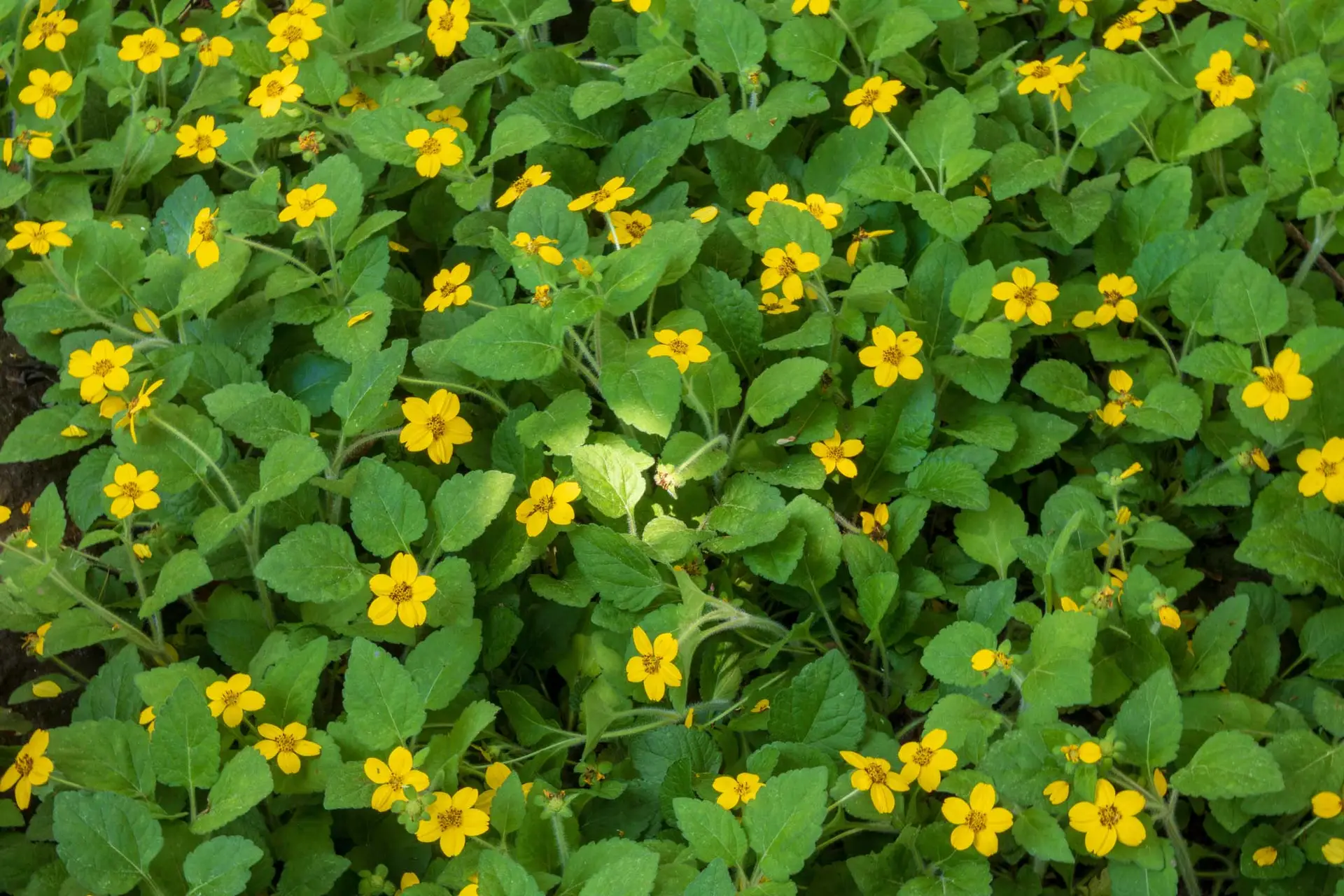
Some of us have to deal with deer meandering through our landscapes. It can feel a little confusing to care so much about pollinators and care so little about deer… but the pollinators have a population problem and most deer populations in North America do not!
What kind of plants do deer not eat?
A solution for dealing with deer is planting natives that they do not normally like to eat. Most of the natives in this category have a few things that help them keep the deer away, including:
- Strong smells. Plants in the mint family (bee balm, mountain mint) alongside alliums (nodding onion) are deer resistant due to their aromatic leaves.
- Sturdy, tough leaves. Anything with a leaf that’s tough or stiff they are not interested in eating.
- Toxic compounds. There are lots of plants that have evolved to have some level of toxicity within them to repel leaf-eaters—like deer!
- Anything spikey or thorny. It doesn’t have to be something covered in thorns— the sharp seed tops of a coneflower work as a textural deterrent.
However…
Sometimes, deer will try it anyway
It’s a bummer, but many seasoned gardeners agree that there is no such thing as a deer-proof plant. Hungry deer will sadly sometimes try plants even if they don’t like them.
The good news about sticking to fragrant, tough-leafed, or thorny options is that most of the time, the deer leave them alone. There are lots of native flowers, shrubs, and trees that have these deer-repellant strategies in hand. Let’s meet a few for your garden:
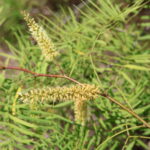
Rattlesnake masters look like a cross between a cactus and a birthday party.
Deer-resistant native flowers
These deer-resistant flowering natives offer beauty without worry:
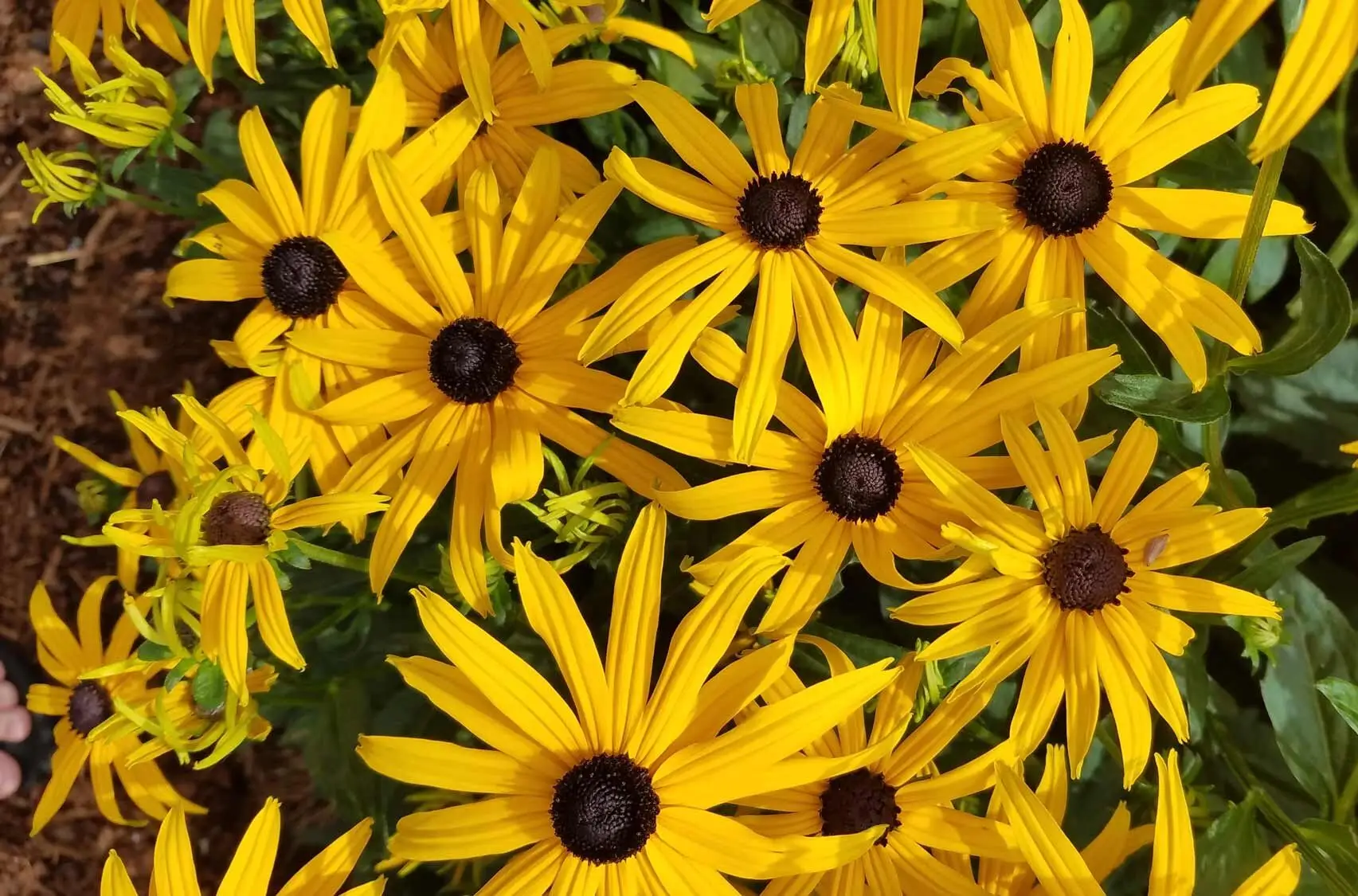
Black-eyed Susan
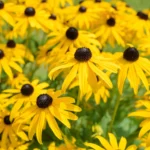
These native flowers have got it all: long-bloom time, drought-tolerant, pollinator-favorites, and nature’s bird feeders—if you leave them alone in the fall. On top of all this, they are deer-resistant. Black-eyed Susans are great for sunny gardens. Deer won’t snack thanks to their tough leaves and spikey seed tops.

Cardinal flower
Like hummingbirds and have a wet area? These are the flowers for you! Planting cardinal flowers guarantees visits from hummingbirds. They like consistent moisture—plant in rain gardens or areas that consistently collect water. Deer stay away due to its tough stalk.

Celandine poppy
This gorgeous native flower bursts into yellow bloom in the early spring as trees begin to leaf out. It’s best planted in a large grouping in shady or part-shade areas. Celandine poppy has levels of toxicity in its leaves, which keep the deer away.

Coneflowers
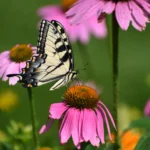
Every sunny garden should have at least a few different coneflower varieties in it. These perennial superstars come back every year and are pollinator and bird favorites. The stems are tough and the flowers are spikey—two no-no’s for deer.

Hummingbird mint
Hummingbird mint (sometimes also called Agastache) smells great when you brush by—and is the reason why deer leave its purple-ly beauty alone. Pollinators love this easy-to-grow summer flower.

Mountain mint
These plants are the definition of “pollinator magnet.” Mountain mints will be covered in pollinators—butterflies, bees, moths, and skippers—during their long summer bloom time. As you guessed from the name, it’s in the mint family, and similar to bee balms, its smell keeps deer away.
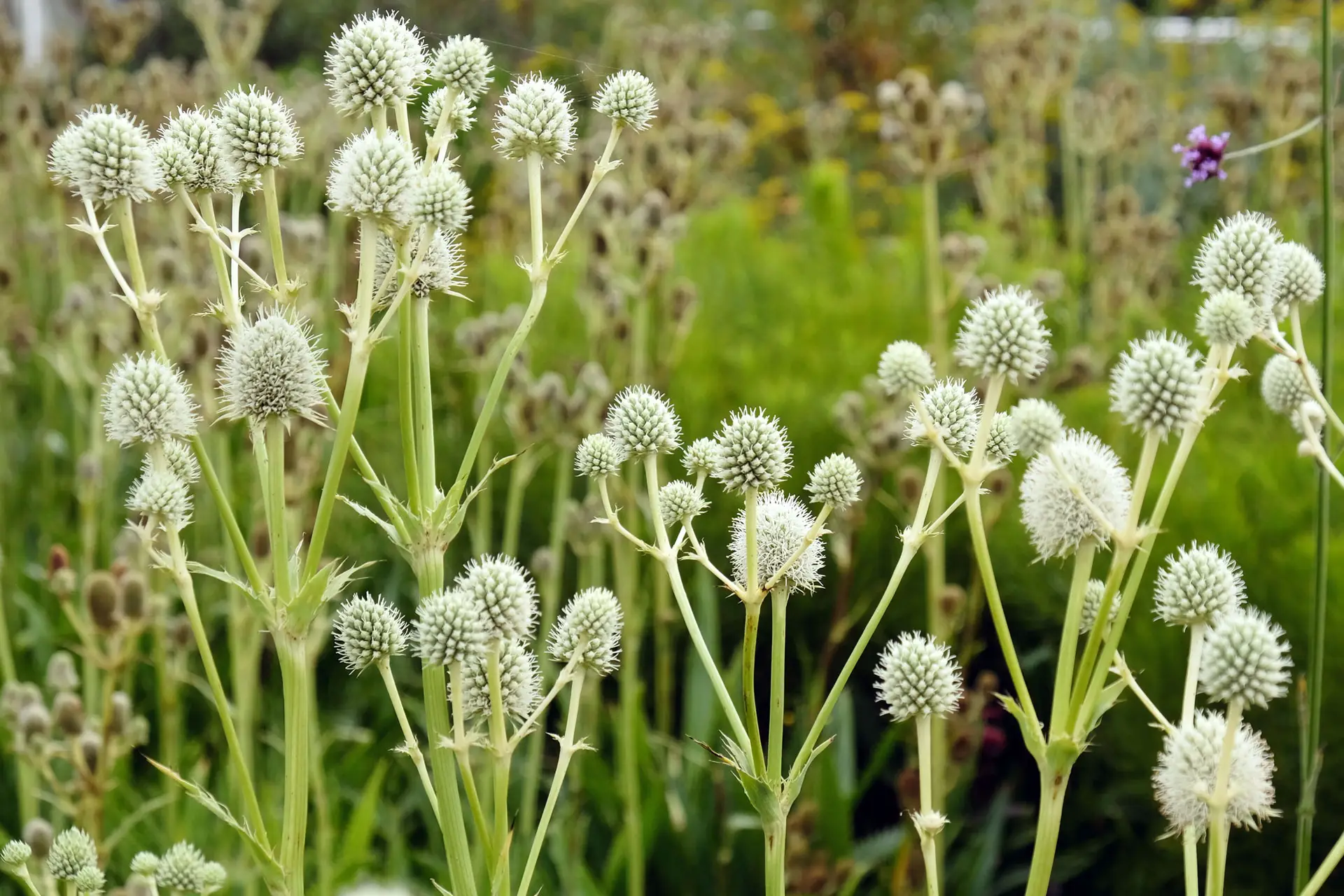
Rattlesnake master
Yep, that is the correct name for this native badass. Rattlesnake masters looks like a cross between a cactus and a birthday party. They are exceptionally drought-tolerant, sun-loving living sculptures that deer want nothing to do with—thanks to their tough leaves.
Deer-resistant native shrubs and trees
Now that we’ve got a garden filled with flowers, let’s plant some shrubs and trees that look great but don’t usually get nibbled. Some deer-resistant shrubs and trees include:
- American beautyberry
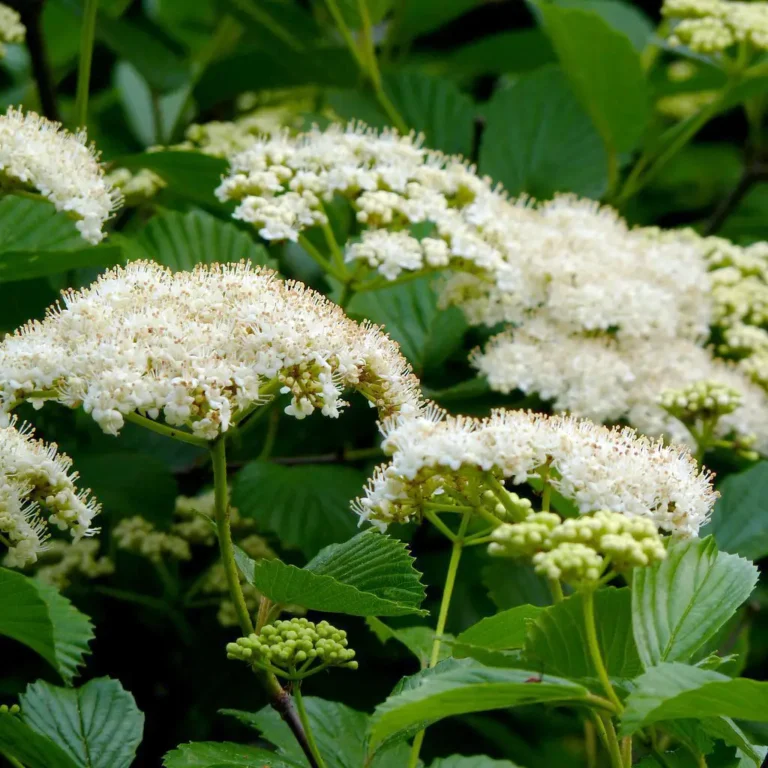
- Arrowwood viburnum
- Red-twig dogwood
- Serviceberry
- Spicebush
- Sweetshrub
- Virginia sweetspire
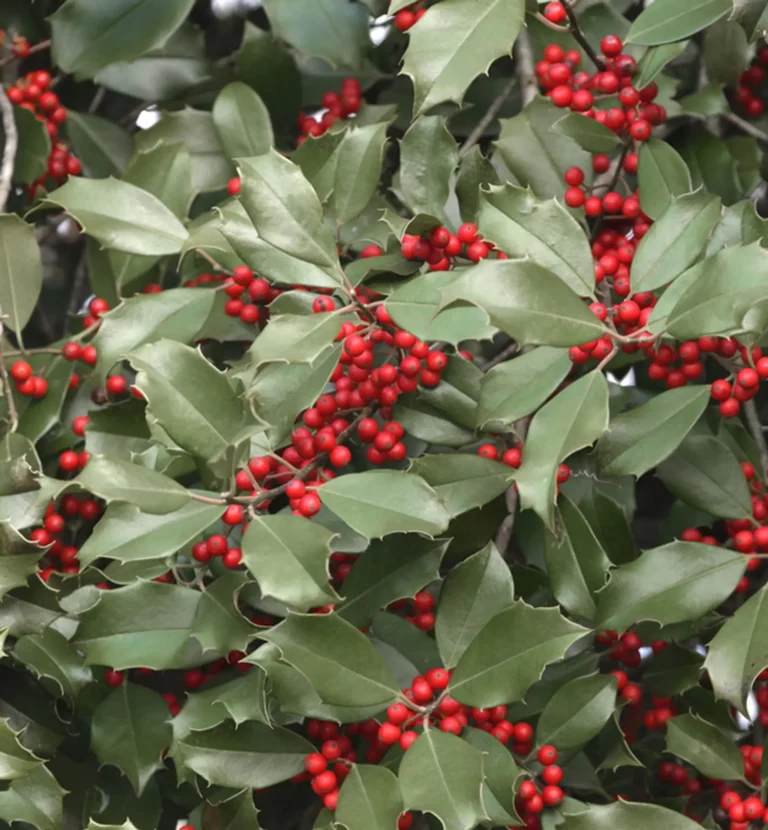
- Winterberry
And keep exploring! Here are all the plant profiles on The Plant Native that are deer-resistant:
-
-
-
-
-
-
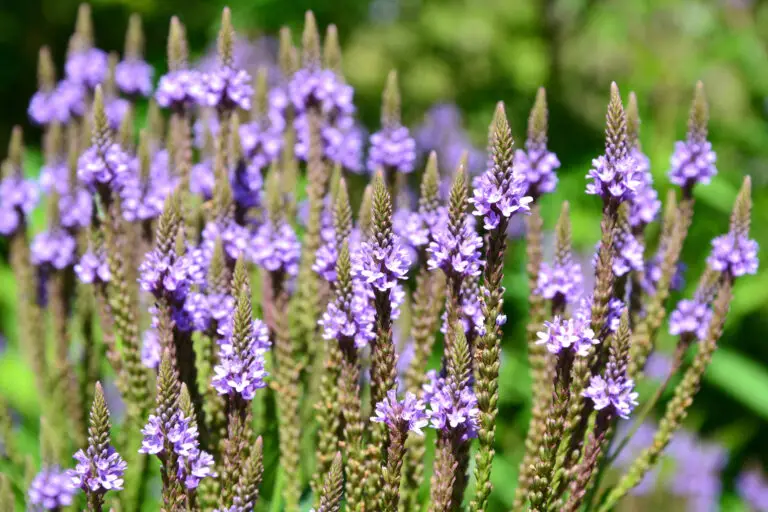
-
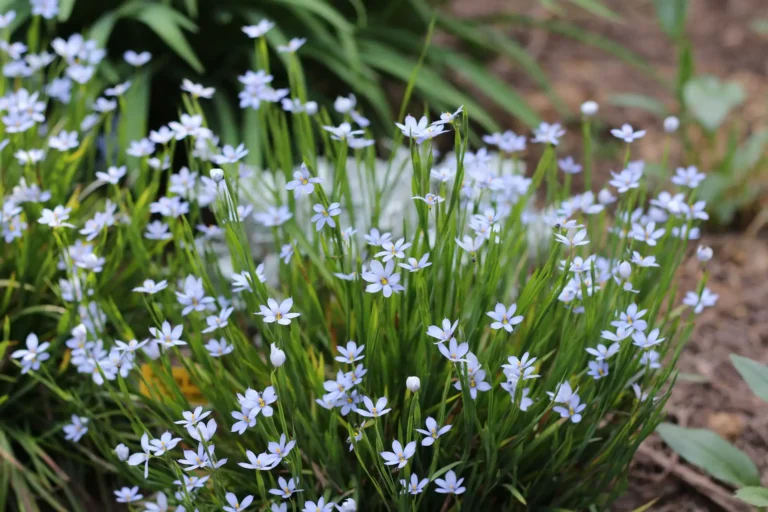
-
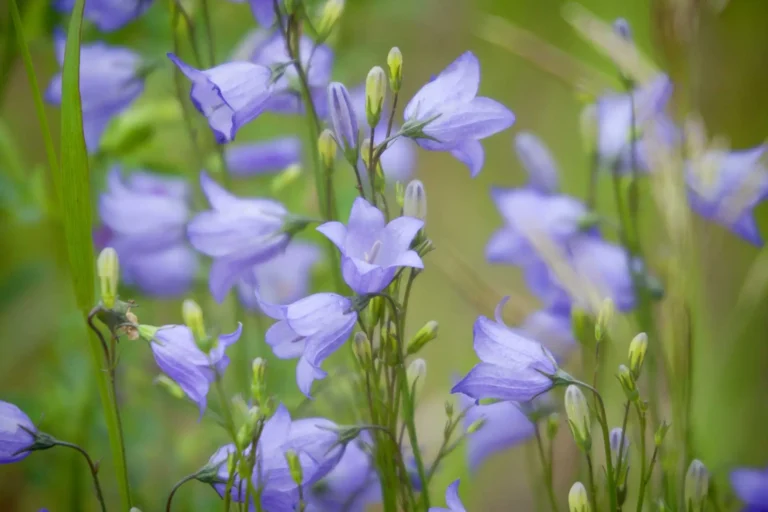


Now you’ve got some deer-resistant options to replace the deer candy with. We sincerely empathize with those who have woken up to find large sections of their garden missing due to deer snacking. Why not keep planting with wildlife in mind and visit our Guide to Creating a Hummingbird Garden or our Best Native Plants for Birds? Happy deer-resistant planting!

Explore native plant profiles

Other native plant resources
-
-

-
-
-
-


Updated
The ads on this site help pay real native plant nerds to research and write these guides.


