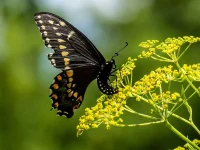
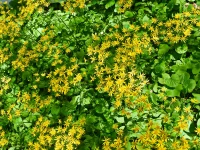
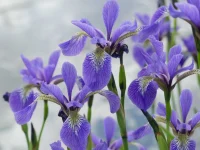
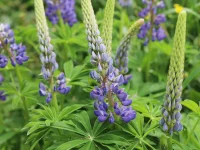
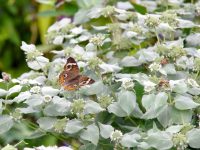
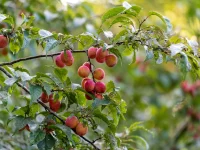
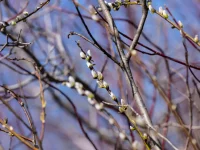
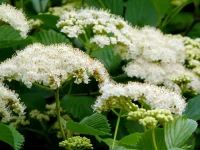
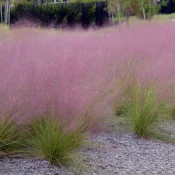
The Northeast is small on the map and enormous in what it can grow. From the rocky coast of Maine to the Connecticut River Valley to the Adirondack ridgelines, this region packs coastal beaches, hardwood forests, mountain meadows, and boggy lowlands into an area you can drive across in a day. The native plants that evolved here have seen every February ice storm, every August drought, and every October frost, and they’re still here. They don’t need coaxing. They need a spot in your yard.
This guide covers native plants for gardens in Connecticut, Massachusetts, Maine, New Hampshire, New York, Rhode Island, and Vermont. We’ve organized it in what (we hope!) is a helpful way: flowers by seasonal bloom time, shrubs, trees, and vines.
Every plant here is native to the Northeast, available at regional native nurseries, and totally fine with freezing, snowy winters.
Before we introduce the plants, let’s talk about their benefits.
Why plant native in the Northeast?
Planting native plants in your yard ensures that no matter the cold, seasons, or normal rainfall, they will thrive. Planting native saves time (and money!), especially compared to lawns. Here are four reasons why planting native is worth it:
1. Native plants are built to thrive in Northeastern cold and weather
Native plants have existed in their home areas for thousands of years. They have seen every blizzard, hurricane, or rainstorm in their area and thrived. No other plants on the planet understand your regional story, including the idiosyncratic (and beloved!) parts of Northeastern seasons, like out-of-the-blue frosts and strong summer thunderstorms.
2. Native plants take the least amount of care (and water)
Because Northeastern native plants have experienced all the weather and soil conditions in the north, they have evolved to thrive in their natural conditions.
Native plants, once established, are happy with the rain that falls on them. They don’t need the 2,400% more maintenance time that lawns demand. They come back year after year without being replanted. And they look better with age, not worse.
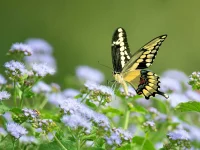
3. Many native plants help butterflies and hummingbirds
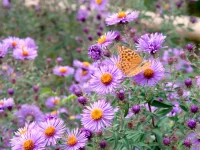
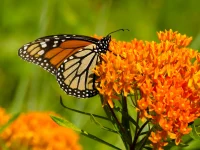
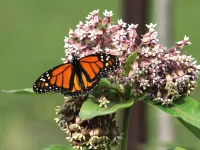
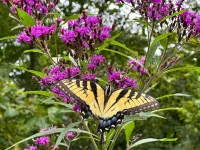
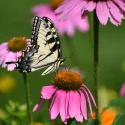
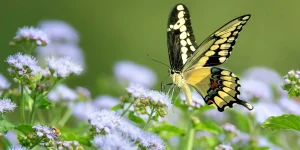
Some of our most iconic butterflies—such as monarchs—only lay their eggs on specific plants. These monogamous plant-butterfly pairings are called host plants. Without these native host plants, these butterflies will not survive.
Pair that with native plants that feed songbirds and hummingbirds, and you’ll enjoy a more resilient garden while supporting wildlife.
“
The coneflowers and asters and birches look like the landscape you drive past on the way to the mountains, translated into your garden. It doesn’t look like a garden center. It looks like home.
”
4. Native plants belong
The real reason, though, is simpler than all of that. A yard full of Northeast natives looks like it belongs where it is. The coneflowers and asters and birches look like the landscape you drive past on the way to the mountains, translated into your garden. It doesn’t look like a garden center. It looks like home.
Four northeast natives worth knowing by name
Every plant in the lists below is worth growing. But these four are the ones we’d hand to a friend who said “I want to start somewhere.” They’re easy, they’re beautiful, and they earn their space from the first season.
Bee Balm
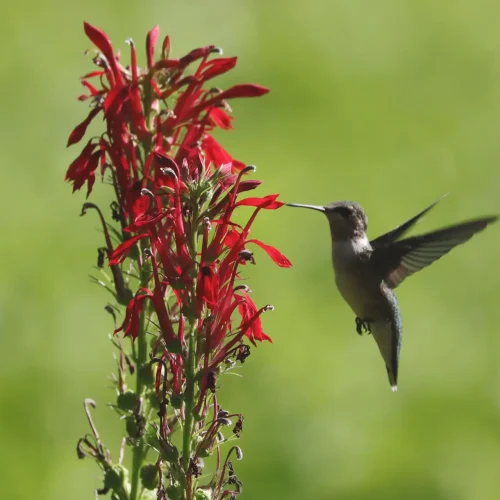
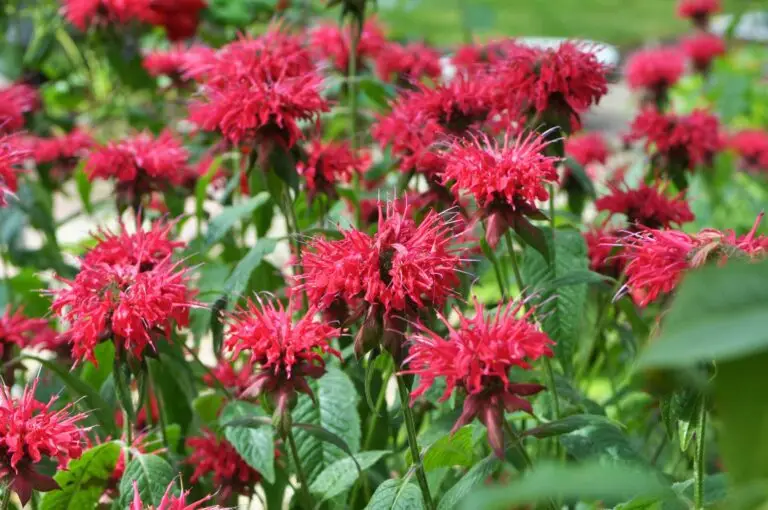
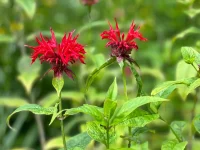
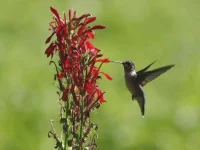
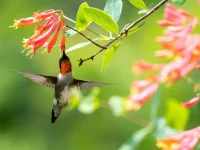
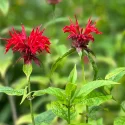
Fire-engine-red bee balm (Monarda didyma) is one reason hummingbirds show up in July. Get up close to the flowers: their shape is bananas. Their iconic red blooms are shaggy, tubular, and electric. They keep the flowering going midsummer through August.
Bee balm grows 2-4 feet tall, spreads by runners (enthusiastically), and blooms in its first year from nursery plants. It’s the plant that makes a new native garden look alive immediately. The leaves smell like oregano’s forest cousin.
Powdery mildew is the main complaint. Give it decent air circulation (or get a cultivar that is more mildew-resistant). For the reader who has never planted a native perennial and wants to see results fast, bee balm is the gateway plant.
Read our Bee Balm Profile for more.
Black-Eyed Susan
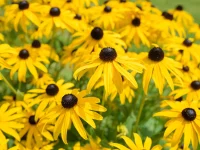
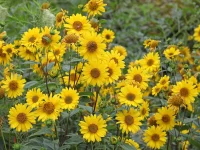
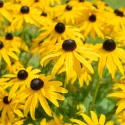
You already know and love this plant; you just might not have known it has been growing here for zillions of years. Electric-yellow petals around a dark brown center cone, blooming from July through September on 2-3 foot stems, self-sowing freely in any sunny spot with drainage. It is the most forgiving native flower in the Northeast: it handles clay, sand, drought, humidity, and the benign neglect of gardeners who forget to water.
Leave it alone after it’s done blooming, and it turns into a birdfeeder. Goldfinches eat the seeds in fall and winter, perching on the dried stems. (You’ll admire evolution’s sense of style when you notice goldfinches are the exact color of black-eyed Susan petals.) As a first native plant, or as the backbone of a sunny border, it is almost impossible to get wrong.
Read our Black-Eyed Susan Profile for more.
Witch-hazel
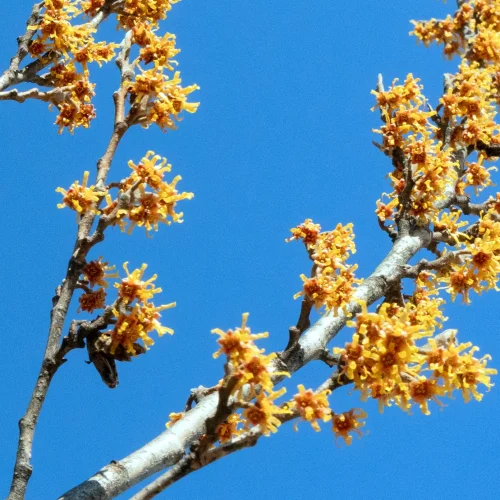
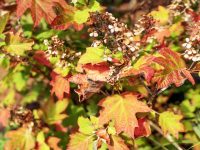
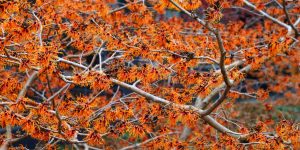
If you have winter sads, this one is for you. American witch-hazel blooms in the fall (Hamamelis virginiana), often around October-December.
The flowers are worthly of a macro-lens. They are small, spidery, yellow, and snuggled up against the branches. The flowers are surprising, but the smell is transcendent. The blooms smell spicy, bright, and rejuvenating, catching you off guard on a cold day.
It’s a large shrub or small tree (15-20 feet), with a spreading, irregular form and yellow fall color that precedes the late bloom. (And yep, the witch hazel products we see in the drug store comes from this plant.)
As a garden specimen it earns four-season interest: spring leaves, summer shade, fall color, and winter flowers. For a spot where you want one large plant that does something interesting in every month, witch hazel is the answer.
Read our Witch-hazel for more.
Winterberry
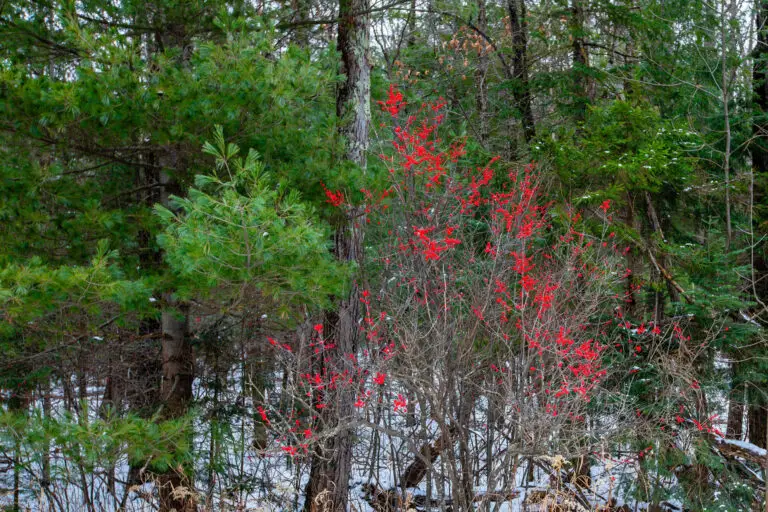
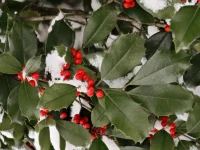
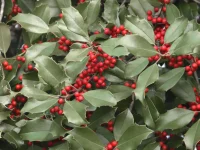
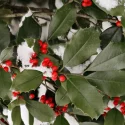
Winterberries (Ilex verticillata) is the deciduous holly that turns a dreary November yard into a celebration.
The leaves drop in fall, which sounds like a downside until you see what’s left: bare gray branches completely loaded with bright red berries that stay into January, glowing against snow, fences, and overcast skies. Cedar waxwings, robins, and bluebirds eat them through winter.
Fun fact about hollies like winterberries: they have separate female and male plants. You need a male pollinator within about 40 feet for the female plants to set berries, which means buying at least one of each (nurseries label them—you don’t have to guess). It grows 6-10 feet tall, handles wet soil happily, and is one of the best native shrubs for winter interest in the entire Northeast. The berry display rivals anything at a holiday market, and it feeds birds when food is scarcest.
Native Flowers for Northeast Gardens
All these flowers are native to the Northeast and are favorites of butterflies and hummingbirds. We’ve organized by bloom-time, so you can plan a garden that supports pollinators from spring to fall.
Native Flowers for Spring
Native Flowers for Summer
Native Flowers for Fall
Native Shrubs for Northeastern Gardens
These shrubs and trees are all native to the Northeast and look amazing in high-profile places like front yards and visible gardens.
Native Trees for Northeastern Gardens
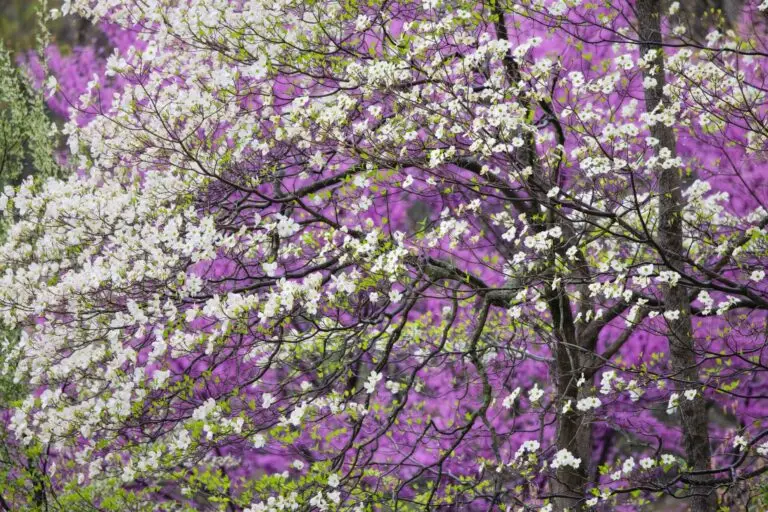
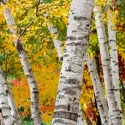
These trees are all native to the Northeast. Flowering trees like dogwoods and some native birches are also excellent statement trees.
Native Vines for Northeast Gardens
Do you have a fence, wall, or trellis? These are the native vines you’ve been looking for!
These native plants are perfect for Northeast gardens
All these plants thrive in Northeast gardens! Every one of these plants is also a perennial, meaning they will come back year after year looking better than ever.
Every one of these plants is easy to grow. After their first year being established, each of these flowers will come back year after year and require nothing fancy to keep going besides rain. Planting native plants ensures our gardens look amazing and our water bills stay low. You don’t have to have a botany degree to have a garden! Plant these easy natives and enjoy a gorgeous yard all year long—and spend 2400% LESS TIME than if you were doing lawn care.
Northeast Online Resources
There are thousands of plants native to the Northeast. Here are some Northeast-focused online resources:
Or, if you’re looking for a massive encyclopedia of native plants, we have some to recommend:
Now, let’s help set you up for success by sharing some resources for finding native plants.
Northeast native plant resources
As you go looking for these beauties, you may wonder, are there any native plant nurseries in the Northeast? Can I order native plants online? How about joining a club?
Yes to all of it! Here you go:
Are we missing something? These lists are constantly updated. If you know of a nursery or seller who should be included, please email us at [email protected].
As you plan your garden and look for seeds and plants, we have a tip:
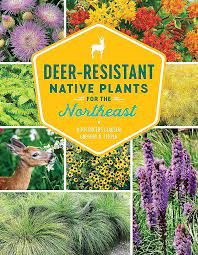
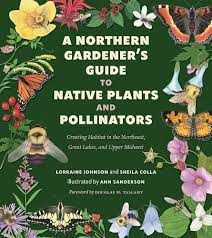
You’re looking at this site on a screen (maybe even an annoyingly tiny mobile one), but sometimes we all want a photo-filled book. We’ve got a few to recommend:
Best Native Plant Books for the Northeast
Looking for a book? Here are The Plant Native‘s recommendations:
Interviews with Northeast native plant lovers
Finally, sometimes it helps to hear from someone who’s lived it. And that’s where our interviews come in. Our interview series is made to feel like a conversation with a helpful neighbor. Here are some crucial insights from Northeastern nursery owners and gardeners.
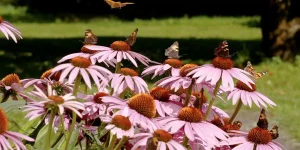
And that wraps up our ever-expanding guide to native plants and resources for the Northeast. These gorgeous native options will return years of beautiful landscaping with minimal work—especially compared to lawns or non-native plants. They are made to thrive in Northeast seasons (including chilly winters.) Looking for more inspiration? Explore our Native Plant Societies and our expansive FAQ section to find more native plant wisdom. Or visit some of our most popular profiles, including a Beginner’s Guide to Coneflowers or a Beginner’s Guide to Native Dogwoods. Happy planting!