





Highlights
Fothergilla is a true four-season stunner, with two native species suited for different conditions—one for well-drained areas and another for wetter sites. In spring, both burst into bloom with fragrant, bottlebrush-like flowers, followed by lush green foliage in summer. Come fall, they put on a spectacular show, turning brilliant shades of yellow, orange, and red. Long-lived and easy to care for, Fothergillas are a powerhouse shrub for any garden. Scroll on for planting tips.
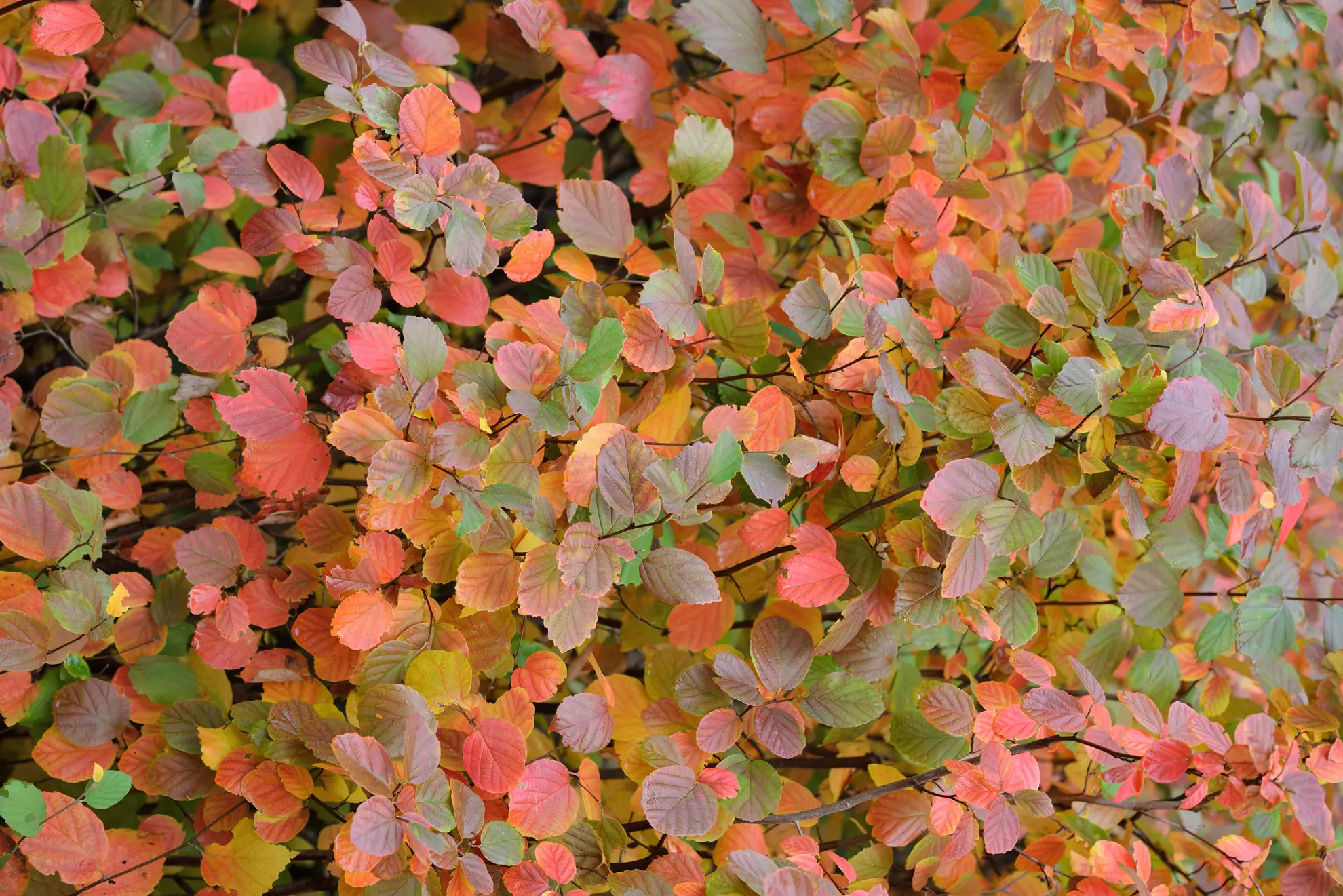
Fothergilla is an all-season beauty that deserves a spot in more gardens. It’s native to the southeastern U.S. and brings something to admire in every season—fragrant spring flowers, lush summer foliage, dazzling fall color, and a tidy structure in winter. In this article, we’ll share planting tips, naming backstory, and some sourcing ideas.
First, let’s introduce both fothergillas.
Two species of fothergilla, each with their benefits
There are two fothergilla species native native to North America. They look very similar, but like different environments and have different sizes:
Dwarf Fothergilla
Fothergilla gardenii
Maxes out at 3-4 feet and thrives in wetter areas.
Large Fothergilla
Fothergilla major
Better suited for well-drained soils and gets taller over time, reaching up to 8-10 feet.
Both are excellent choices for front yards, borders, and pollinator gardens. A handful of cultivars are also available (more on that later).
Now that we’ve introduced both, you might be wondering…
How do I say fothergilla?
You pronounce it like you’re saying father (like a dad) + gill (from a fish) + ending on a strong A. Like this:
Father-gill-ah
Now you’re probably asking—

Who or what is a fothergilla?
Fothergilla is named after John Fothergill, an 18th-century British physician, botanist, and forward thinker. Among his many ahead-of-his-time ideas? Advocating for smallpox inoculation, because apparently, some debates never die, even 300 years later.
Though Fothergill never set foot in North America, his influence traveled far. He supported early Philadelphia hospitals with medical books and funded plant-hunting expeditions, including those of John and William Bartram. Thanks to his sponsorship, the Bartrams discovered the now-extinct Franklin tree in the wild.
Feeling a little bleh knowing this stunning North American native is named after a long-dead European?
We hear you.
This is one of many native plants with European backstories. Black-eyed Susans and magnolias share similar naming disappointment. Ready to hear a Hollywood-worthy plant story about a Native American hero? Read our profile of Joe Pye weed. Or laugh at some bad copywriters in our article Terrible Names, Beautiful Native Plants.
Let’s move on from the strange name and get to the plants.
Happy fothergillas can live for 40+ years. Spend a morning or afternoon planting and enjoy for decades.
What are the benefits of growing fothergilla?
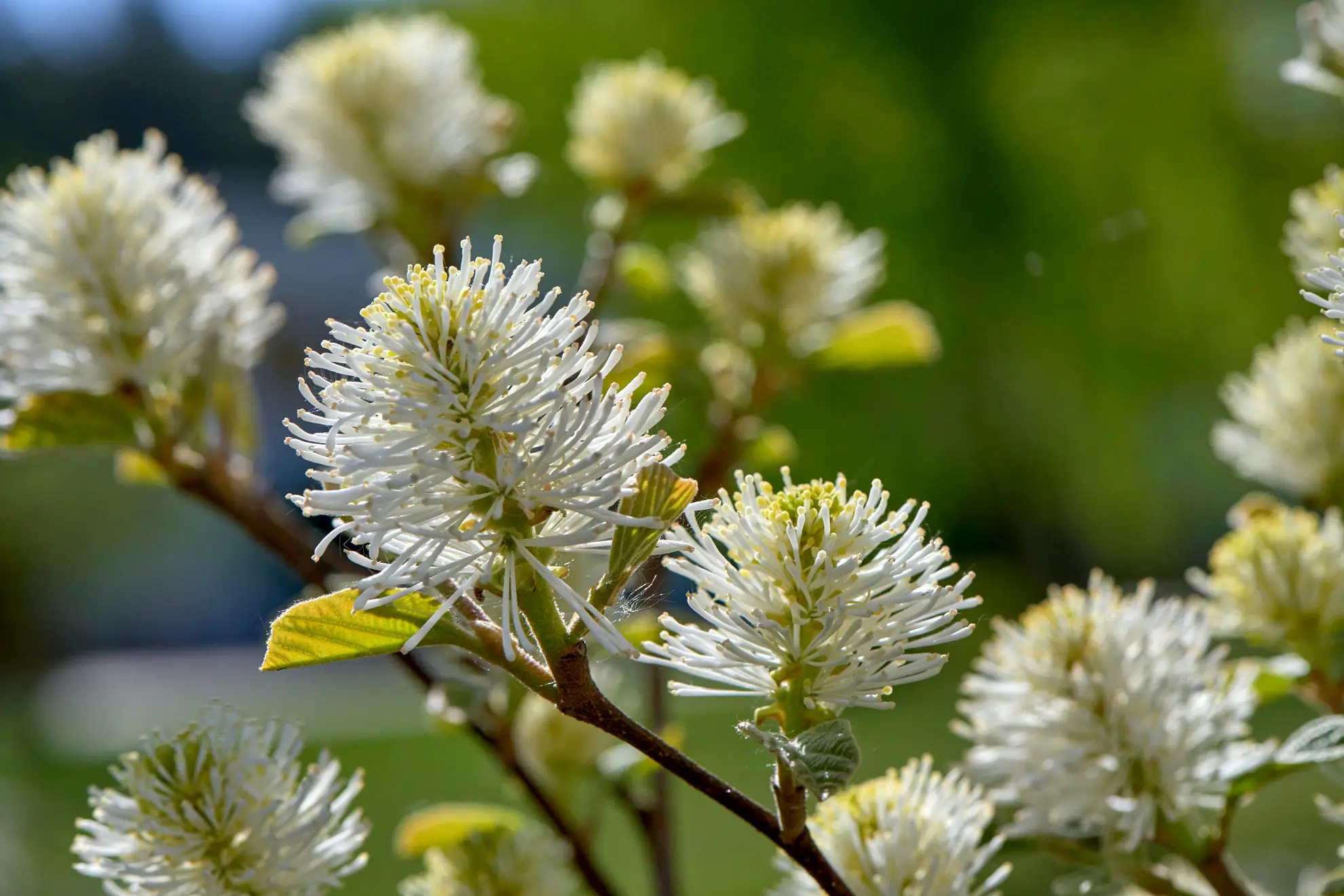
- Spring blooms: White, honey-scented, bottlebrush flowers appear before the leaves emerge, making them one of the first nectar sources for pollinators.
- Long-time flowers: flowers last for 2 to 3 weeks in the spring.
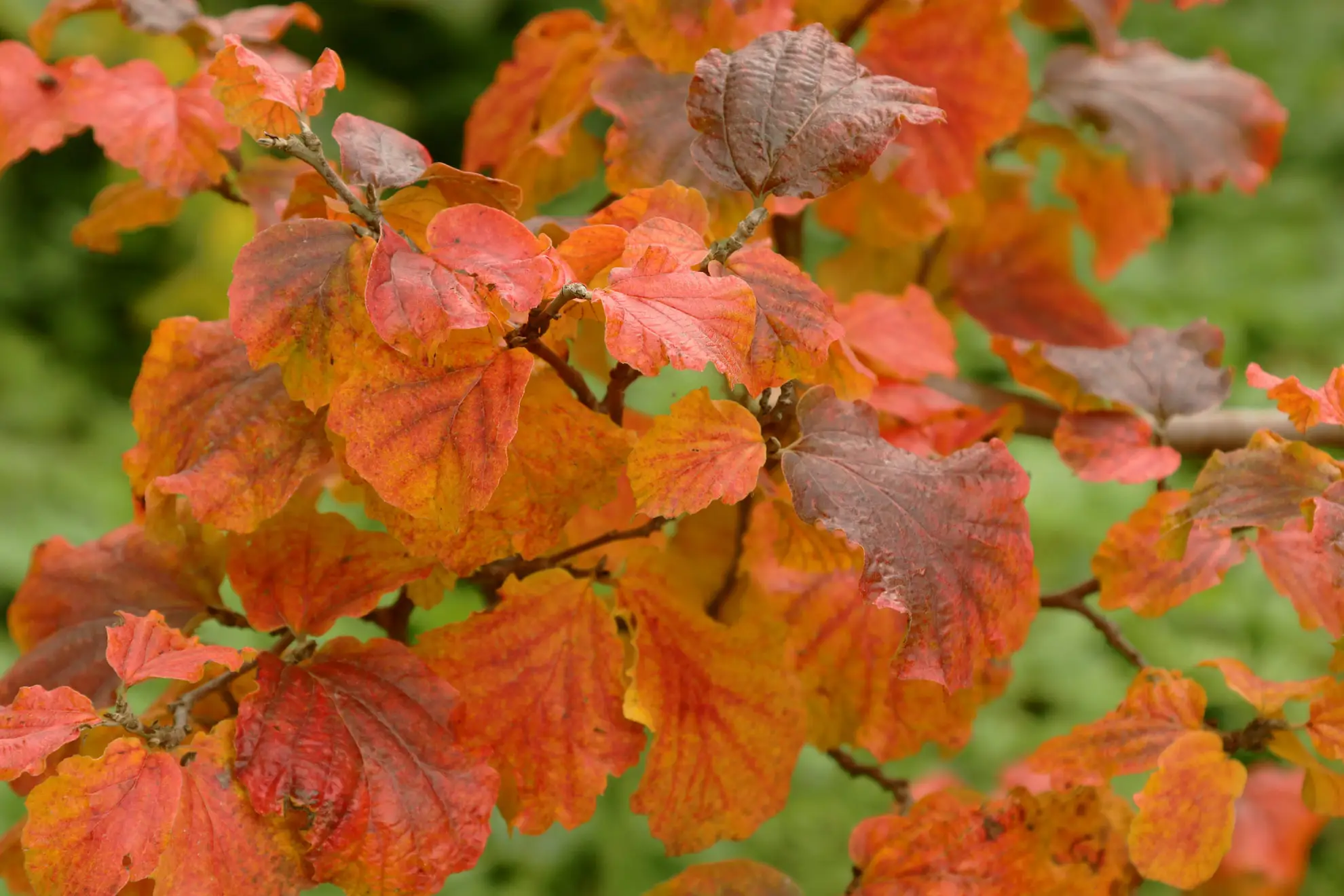
- Fall color: The foliage turns brilliant yellow, orange, and red in autumn, rivaling even the showiest of maples.
- Low-maintenance: Once established, fothergilla requires little upkeep.
- Wildlife-friendly: Provides nectar for early-season bees and a dense shrub layer for birds.
- Long-lasting: Happy fothergillas can live for 40+ years. Spend a morning or afternoon planting and enjoy for decades.
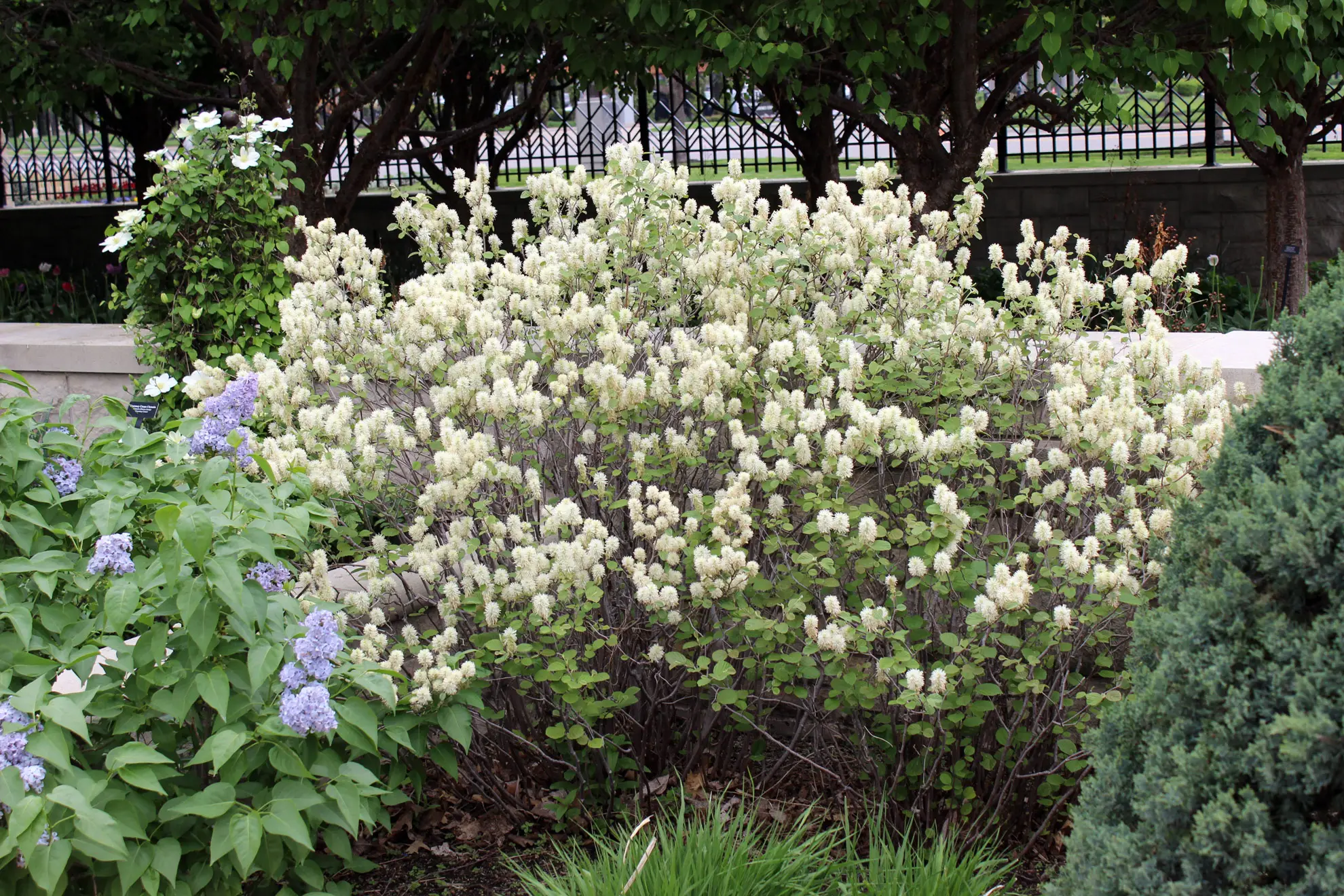
Does it remind you of another plant? There are several native shrubs that share similar flower shapes. Here are some twinning natives:
Native shrubs similar to fothergilla
There are a few other natives that look and behave similarly to fothergilla, with different coloring and heights:


In fact, since we brought up witch-hazels, it’s worth mentioning that sometimes fothergillas are also known by the names mountain witchalder or witchalder.
Where fothergillas shine in your yard
Sometimes, landscaping advice can be a single sentence. Susan Mahr at the University of Wisconsin-Madison says it nicely,
“Place where the fragrance can be appreciated or against a dark-colored wall or in front of evergreens where the darker backdrop will set off the flowers and fall color.”
Amen, Susan. (We did this in our Philadelphia garden; it’s sublime to walk out with a cup of coffee in the spring, smelling fothergilla blossoms while the pollinators tumble around.) NC State University and Longwood Gardens have a helpful 2-minute video overview of dwarf fothergilla:
How to grow fothergilla
There are a few things to note as you consider planting either species of fothergilla in your yard:
- Sun: Happy with part to full sun, making this a good choice for beginner gardeners.
- Soil: Both species prefer acidic soil but will tolerate a range of conditions.
- Watering: Water regularly during the first year to establish strong roots. Once established, large fothergilla is drought-tolerant, while dwarf fothergilla prefers consistent moisture.
- Spacing: Give them room to grow—dwarf fothergilla stays around 2–3 feet tall and wide, while large fothergilla can reach up to 8–10 feet tall over time.
- Pruning: Rarely needed! If shaping is desired, prune lightly after flowering.
Have patience; or enjoy how they stay small
Both fothergillas are slow-growing: just a few inches a year. This can be great news if you’re planting in a spot where you want the shrub to stay small, like against a house foundation or front garden.
Where is fothergilla native?
It depends on the species! Here are the native ranges for both types.
Dwarf Fothergilla
Fothergilla gardenii
Dwarf fothergillas’ native range is just four states. Due to climate change, these natives are now happily grown in climates as north as Massachusetts.
Large Fothergilla
Fothergilla major
The native range of large fothergilla is also limited to just four states, and again—due to climate change—northern regions can now grow this plant.
What are good pairings for fothergillas?
Good native pairings for fothergillas can depend on the species you’re planting (dwarf likes wetter soils, large likes well-drained). But! There are a few native species that thrive in a large variety of situations. Some ideas for pairings include:


Where can I buy fothergillas?
We will not lie and say that finding fothergilla will be as simple as driving to your closest big box nursery. It might take a little extra energy to find this native gem, but it is worth it! Here are some recommendations for sourcing this native plant:
If you want a shrub that works hard for your landscape—feeding pollinators, brightening up fall, and needing almost no maintenance—fothergillas are an excellent choice. Whether you need a compact shrub for a damp spot or a larger, drought-tolerant accent, these native gems deliver. Find the right species for your space, plant it once, and enjoy the show for years to come. Looking to explore some other strangely named plants? Head over to our Terrible Names, Beautiful Natives, or our profile on Joe Pye weed. Or check another springtime gem in our Beginner’s Guide to Native Azaleas. Happy planting!
Sources
- Balogh, Anne. GardenDesign.com. “Fothergilla – How to Grow & Care for This Fabulous Shrub,” Garden Design, n.d.
- Wisconsin Horticulture. “Fothergilla,” 2025.
- Oregonstate.edu. “Fothergilla Major,” Landscape Plants | Oregon State University, n.d.
- Ncsu.edu. “Fothergilla ‘Mount Airy’ (Dwarf Fothergilla, Mt. Airy Fothergilla),” North Carolina Extension Gardener Plant Toolbox, n.d.
- Ncsu.edu. “Fothergilla Gardenii (Coastal Witch-Alder, Dwarf Fothergilla),” North Carolina Extension Gardener Plant Toolbox, n.d.
- Quakersintheworld.org. “John Fothergill,” n.d.
- Usda.gov. “Fothergilla Gardenii,” USDA Plants Database,” n.d.
- Usda.gov. “Fothergilla major,” USDA Plants Database,” n.d.
- Native Plant Trust. “Fothergilla Gardenii.” New England Wild Flower Society, n.d.
- Quaker Strongrooms. “Dr John Fothergill,” November 8, 2019.
- Quakersintheworld.org. “Botanists in America,” n.d..
- Upenn.edu. “Pennsylvania Hospital History: Historical Timeline – Dr. John Fothergill,” University of Pennsylvania Medicine, 2017.
- Oregonstate.edu. “Fothergilla Major,” Oregon State University,” n.d.
- Psu.edu. “Fothergilla—a Four Season Shrub to Consider for Your Garden,” Penn State Extension, 2024.
Similar plants
-
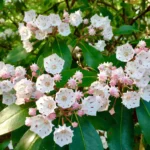 Mountain Laurels
-
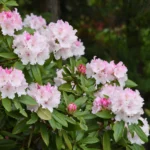 Rhododendron
-
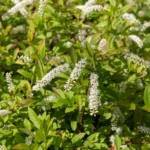 Virginia Sweetspire
-
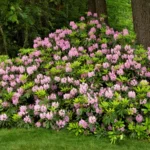 Rosebay Rhododendron
-
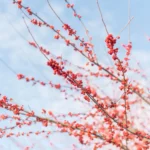 Possumhaw
-
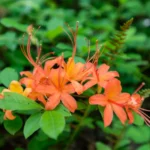 Azaleas
-
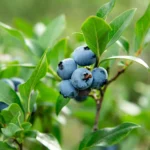 Highbush Blueberry
-
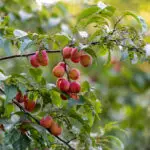 American Plum
-
 Inkberry

Updated Find more: White Acidic Flowering Shrub Shrub Spring Part Sun Moist
The ads on this site help pay real native plant nerds to research and write these guides.
Garden notes
Notes from people who’ve grown it
Tips, wins, and the occasional disaster. If you’ve grown fothergilla, share the advice you’d give to a neighbor.
No notes yet. Yours could be the first.
Grown fothergilla? Tell the next person what you wish someone had told you.
Tap anywhere to close


