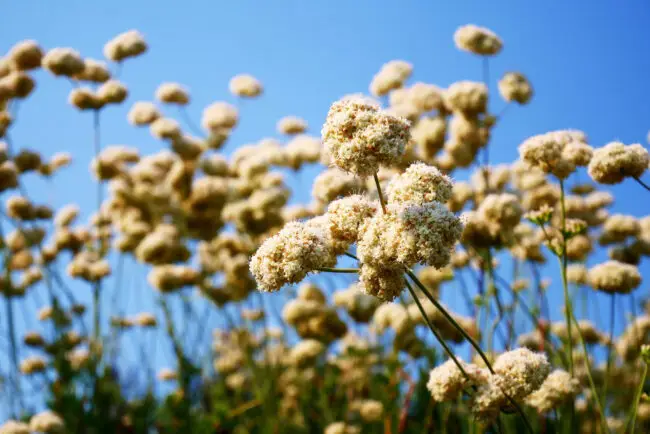
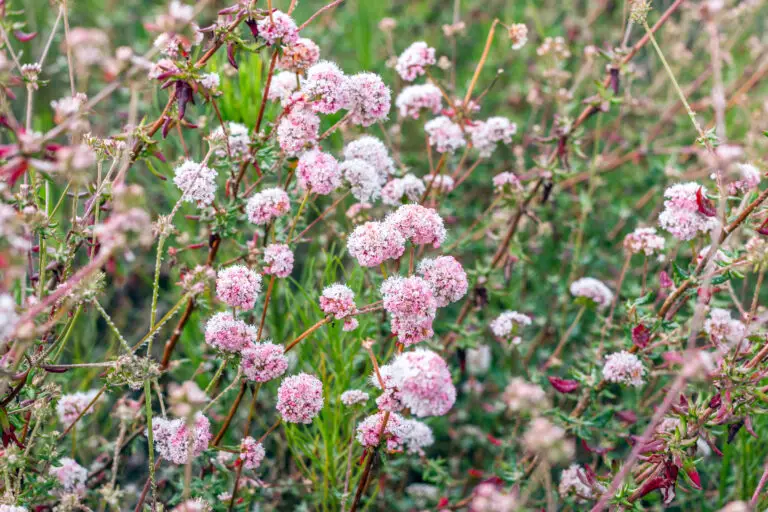
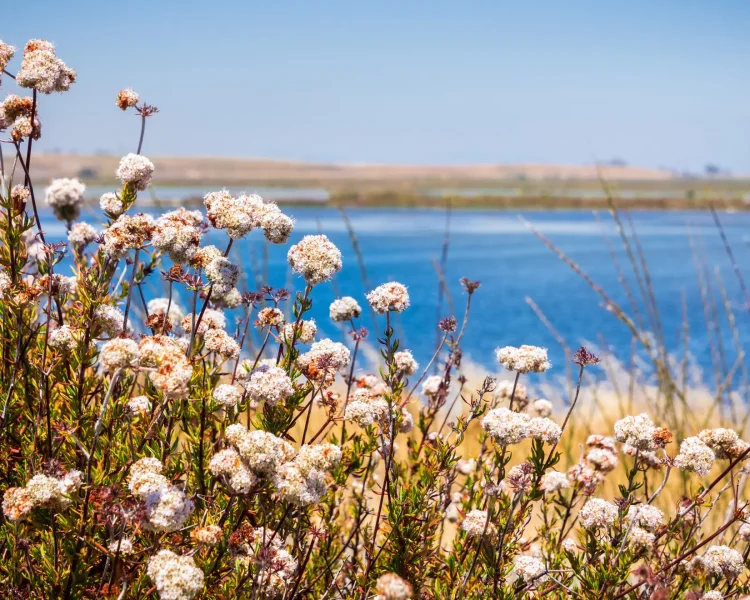
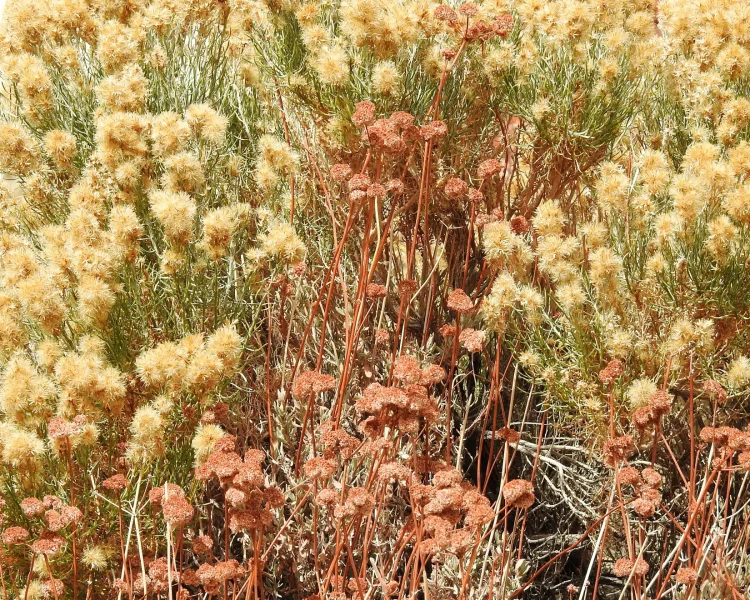
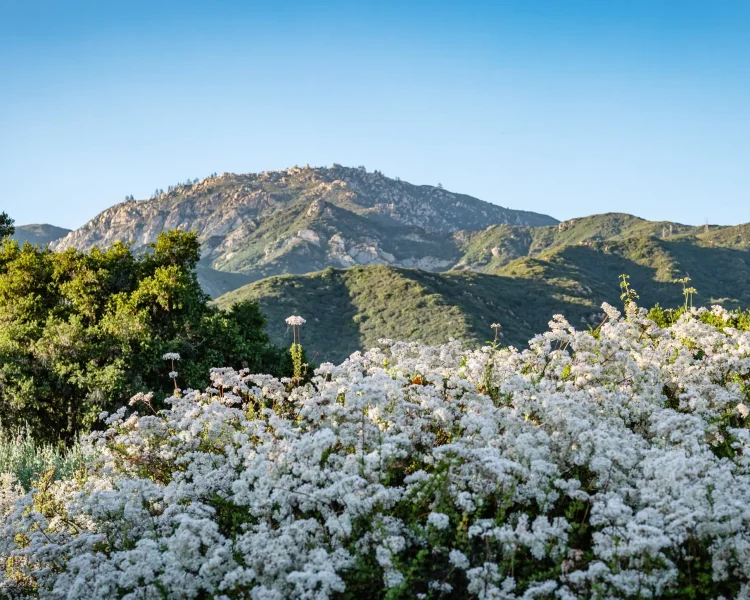
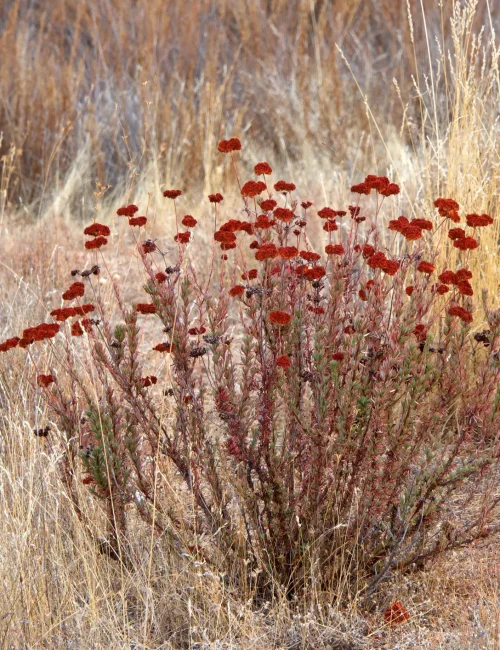
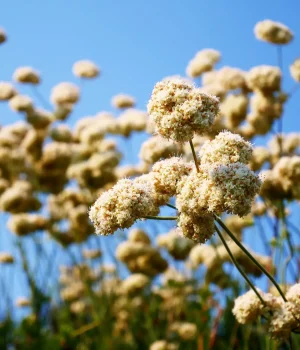
California buckwheat is a workhorse native shrub that somehow manages to be both tough and beautiful. It’s built for full sun, heat, lean soils, and long dry stretches. In summer, it covers itself in clusters of tiny flowers that start creamy white or pale pink, then age into warm rust tones. The result is a plant that looks good for months, not weeks. Better still, it’s one of the best “set it and forget it” natives for pollinators in California landscapes. Plant it once, water it to establish, and then let it do what it was designed to do.
California buckwheat living its best life in a full sun garden
Head to the complete guide for planting basics, species comparisons, and beginner-friendly tips.
Is California buckwheat a good choice for my yard?
Yes, if…
You want a low-water native shrub that looks good for a long stretch
You have full sun and soil that drains well
You’re building a front yard or high-profile planting you don’t want to babysit
You want something cinematic that changes throughout the seasons
You want to support butterflies, moths, and pollinators
California buckwheat is perfect for beginner gardeners
Put all this together, and it’s a no-brainer for California yards. A Napa Valley Master Gardener sums it up well: “California buckwheat may just be the perfect plant.” The Waterwise Community Center in Southern California says, “possibly the easiest native shrub to grow and be successful with in almost any full sun situation in the home garden.”
New to native?
Before lawns and landscaping, native plants were here. They’ve fed birds, bees, and butterflies for thousands of years—and they’ll do the same in your yard. The best part? They’re easier to grow than you think.
Long-season nectar: Blooms through the heat, when many plants take a break.
Pollinator magnet: Small flowers, big payoff. Expect constant insect traffic.
Low-input landscaping: Once established, it’s happy with minimal watering.
Keystone plant: This plant delivers an outsized benefit to the wildlife and environment its a part of, making it a keystone species.
And one other benefit to planting California buckwheat 🦋
California buckwheat is a host plant
A host plant is a specific plant that a bug, butterfly, or caterpillar eats, lives on, or lays its eggs on. (We were all fooled in elementary school: many caterpillars are incredibly picky eaters, eating only one or two plants!) Here is a quick overview of host plants.
A gorgeous Behr's metalmark butterfly chowing down on a California buckwheat flower
Where it grows naturally
In the wild, California buckwheat shows up in the dry, sunny places where plants have to earn their keep: coastal sage scrub, chaparral edges, open slopes, and rocky hillsides. It’s used to bright light, fast drainage, and summers that don’t offer much sympathy.
In a yard, that translates to hellstrips, hot borders, slopes, gravelly areas, and sunny foundation plantings. If you’ve got a spot where other plants sulk, this one usually clocks in and gets to work.
California buckwheat thrives when you keep it simple.
Sun: Full sun for best flowering and compact (non-leggy) growth.
Soil: Well-drained is the rule. It tolerates poor soils and doesn’t need rich amendments or fussy fertilizers.
Water: Water regularly the first growing season to establish. After that, back off. Too much water can shorten its life.
Mulch: Keep mulch light and breathable. Avoid piling mulch against the plant itself.
If your buckwheat starts looking floppy or tired, the first thing to suspect is usually too much water.
This plant can get big: here’s how you keep it in check
This plant can spread and grow to 5 feet or more. To keep its size in check, prune and/or pull up seedlings when you see them.
Prune in spring before the flowers appear, or in fall after the flowers fade. You can give it a hard prune: these plants bounce back after being pruned. According to Waterwise Community Center, ”You can pretty much do whatever you need to do with California buckwheat; even if it looks kinda harsh after you prune it, within a few weeks normally it’s going to start pushing new growth again.”
Garden Recipe™
California Buckwheat
Eriogonum fasciculatum
Full sun
Sun
Easy
Effort
Medium (3-5'), Tall (5'+) tall 3-5 ft wide
Size
Summer
Blooms
What it needs
Sunlight
Full sun, 6+ hoursSouth- or west-facing is ideal
Water
Likes it dryPick a spot that doesn't stay soggy after rain
Directions
Spacing
3-4 ftAbout one big step apart
Watering
Weekly for the first seasonAfter that, rain is usually enough
Notes
Comes back?
Yes, every yearGoes dormant in winter, that's normal. New growth each spring.
Butterfly host plant. Certain butterflies depend on this plant to reproduce. It's one of the specific species their caterpillars need to survive.
California buckwheat thrives in a full sun landscape
Iconic California fall gardening: California buckwheat + rubber rabbitbrush
California buckwheats thriving on a full sun slope
Southern California’s Waterwise Community Center has a great overview video that describes its benefits, alongside some garden inspo:
Flower heads turning rusty? It's totally fine.
California buckwheat flowers age. The clusters shift from pale to pink to cinnamon-rust tones as the season goes on, so the plant keeps looking interesting long after peak bloom. It’s basically a built-in color story that doesn’t require you to replant anything.
This cinematic change is lovely to watch, and helps you appreciate the seasons, pollinators, and time in a new way—especially compared to boring evergreen landscaping options that never change.
Where can I get a California buckwheat?
Look for it at native plant nurseries; CalSCAPE offers a list of 70+ nurseries that stock California buckwheat. When you can, choose plants grown from regional sources. The closer the plant has grown, the better tuned to your climate, seasons, and soil it will be.
California Buckwheat
Where can I find seeds and plants?
Finding native plants can be challenging (we partly blame King Louis XVI.) To make it easier, we’ve assembled four sourcing ideas.
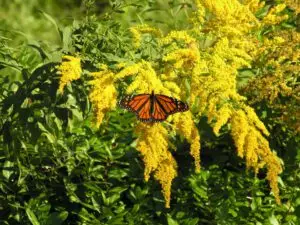
Pair it with other sun-loving, low-water California natives that won’t demand extra irrigation. Great companions include sages/salvias, native bunchgrasses, and late-season bloomers like goldenrods. Aim for plants with similar water needs, so you’re not trying to keep one happy by stressing out the others.
California buckwheat is one of those natives that makes you wonder why it isn’t in every sunny yard. It’s tough, it blooms for a long time, it looks good as it ages, and it supports the insects that keep your local food web running. Plant it once, give it a smart start, and then let it be the low-drama backbone your garden has been waiting for. Where to next? Can we recommend our Beginner’s Guide to California Fuchsia, or our Beginner’s Guide to Salvias? Or use butterflies as your garden theme and visit our Best Native Host Plants. Happy planting!
Emily Lessard is the founder and editor of The Plant Native, the site that helps homeowners across North America get started with native plants. She holds a Sustainable Landscapes certificate through the Pennsylvania Landscape & Nursery Association, is finishing a Native Perennial Garden Design Certificate at Temple University, and is the author of Plant Native:A Practical Guide to Over 100 Native Plants of North America (Quarto, February 2027). She gardens outside Philadelphia in the 8.3 Southeastern Plains ecoregion.