
Highlights
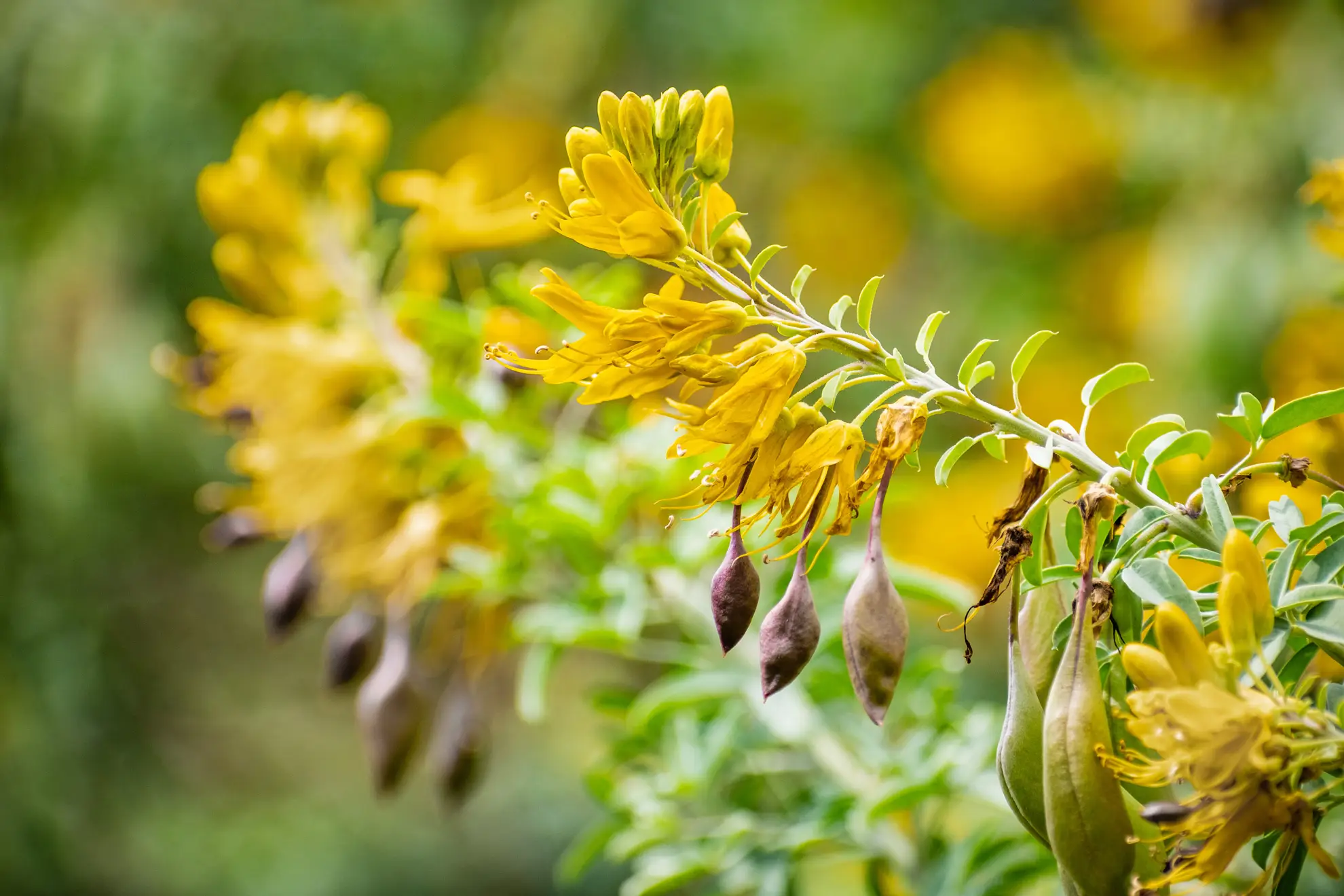
Bladderpod. You’ve got to wonder who looked at this plant and thought, “Yes, that’s the name.” Luckily, the shrub itself is far more charming than it sounds. Native to California and the Southwest, it thrives in tough spots like full sun, drought, and slopes. You’ll get bright yellow, spider-like flowers (often for long stretches in mild climates), followed by inflated seed pods that look like tiny green lanterns. One honest note: it’s fragrant. Some people love the scent. Some people absolutely do not.
Is bladderpod a good choice for my yard?
Yes, if…
- You’ve got full sun and you want something that won’t demand a weekly emotional support watering can.
- Your soil is alkaline, sandy, rocky, or generally “meh.”
- You’re dealing with coastal exposure (salt spray / saline conditions) or a south-facing slope.
- You want long bloom potential and a shrub that still looks alive when summer turns harsh.
- You’re looking for an evergreen shrub.
- You like plants with personality, including a noticeable leaf scent.
Skip it, if…
- You’re outside its native region and trying to build a locally-native yard (bladderpod is a California/Southwest native).
- You want something that stays perfectly tidy without a bit of pruning (it can get open/lanky).
- You’re not into any plant that has a “some love it, some hate it” smell.
- Your site is consistently wet or poorly drained (this is not a bog shrub).
Where is bladderpod native?
Native to 2 US states
Sources: NatureServe, Royal Botanic Gardens, Kew (World Checklist of Vascular Plants) and the USDA PLANTS Database, compiled by The Plant Native. How we map native ranges
Why bladderpod matters
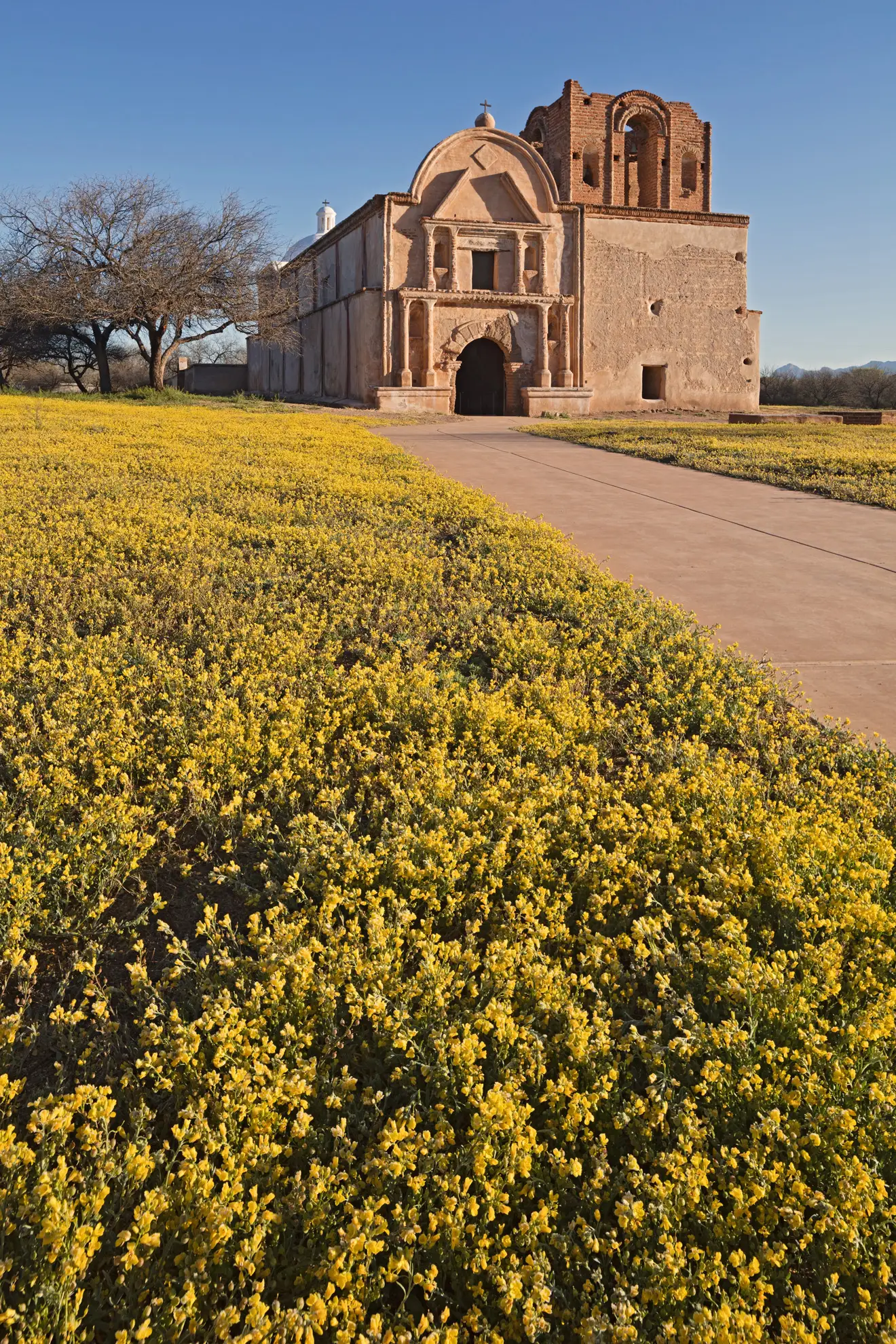
Bladderpod is a long-blooming nectar source in dry landscapes, a needed survival skill when hot, low-water yards often turn into food deserts for insects. In the right place, it can help stitch together a more livable corridor for pollinators without asking you to micromanage it.
Bladderpod is also a favorite of pollinators—especially hummingbirds. When its bright yellow flowers are in bloom for weeks in the spring, look for hummers enjoying the nectar. “If you stand near a blooming bladderpod you will encounter a steady stream of nectar feeders, including honeybees, bumblebees, hummingbirds and many others drawn to the four-petaled yellow flowers,” writes a local California newspaper.
In the right place, it can help stitch together a more livable corridor for pollinators without asking you to micromanage it.
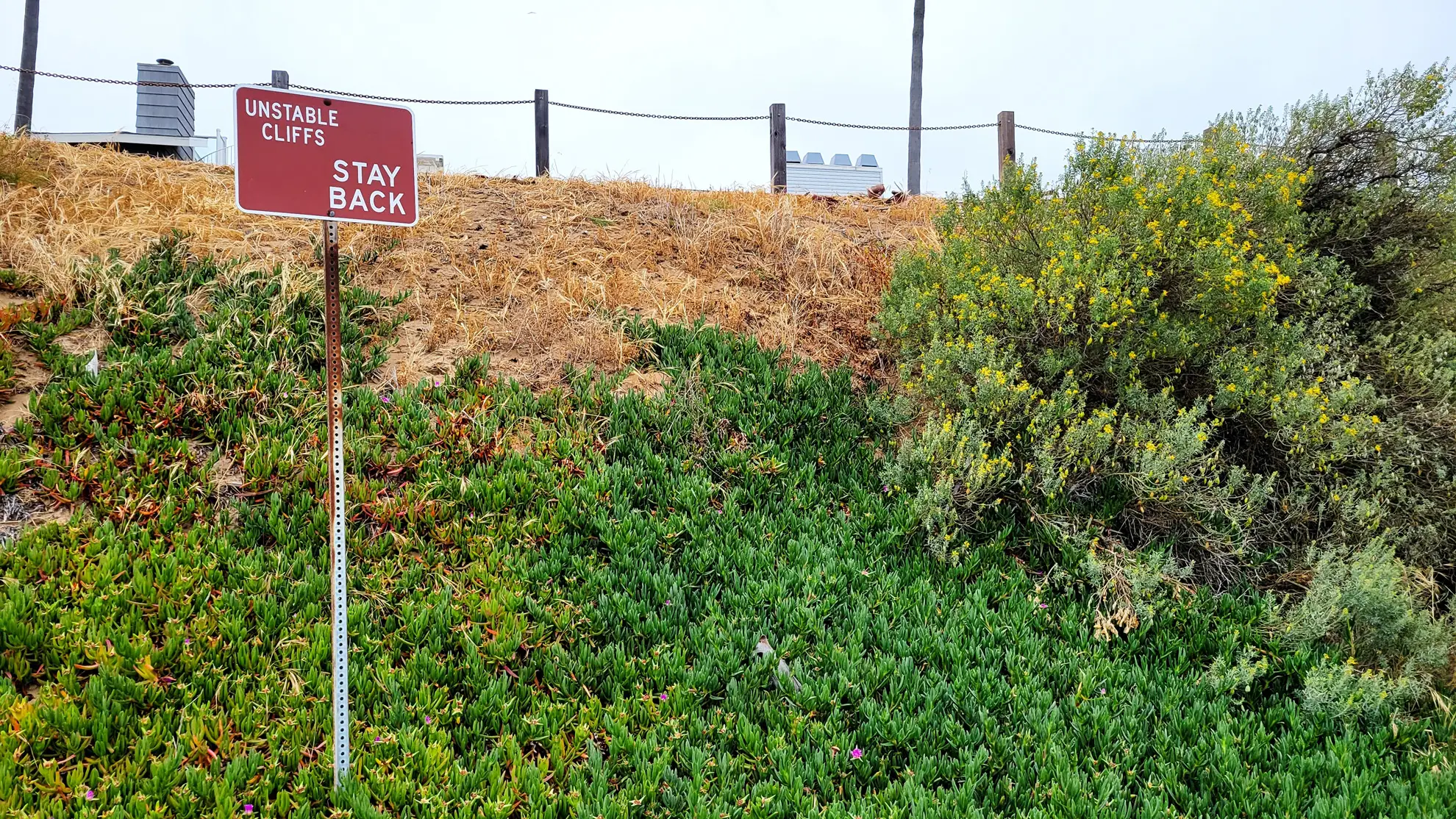
Where bladderpod shines in your yard
- Hot, sunny foundation zones where other shrubs crisp.
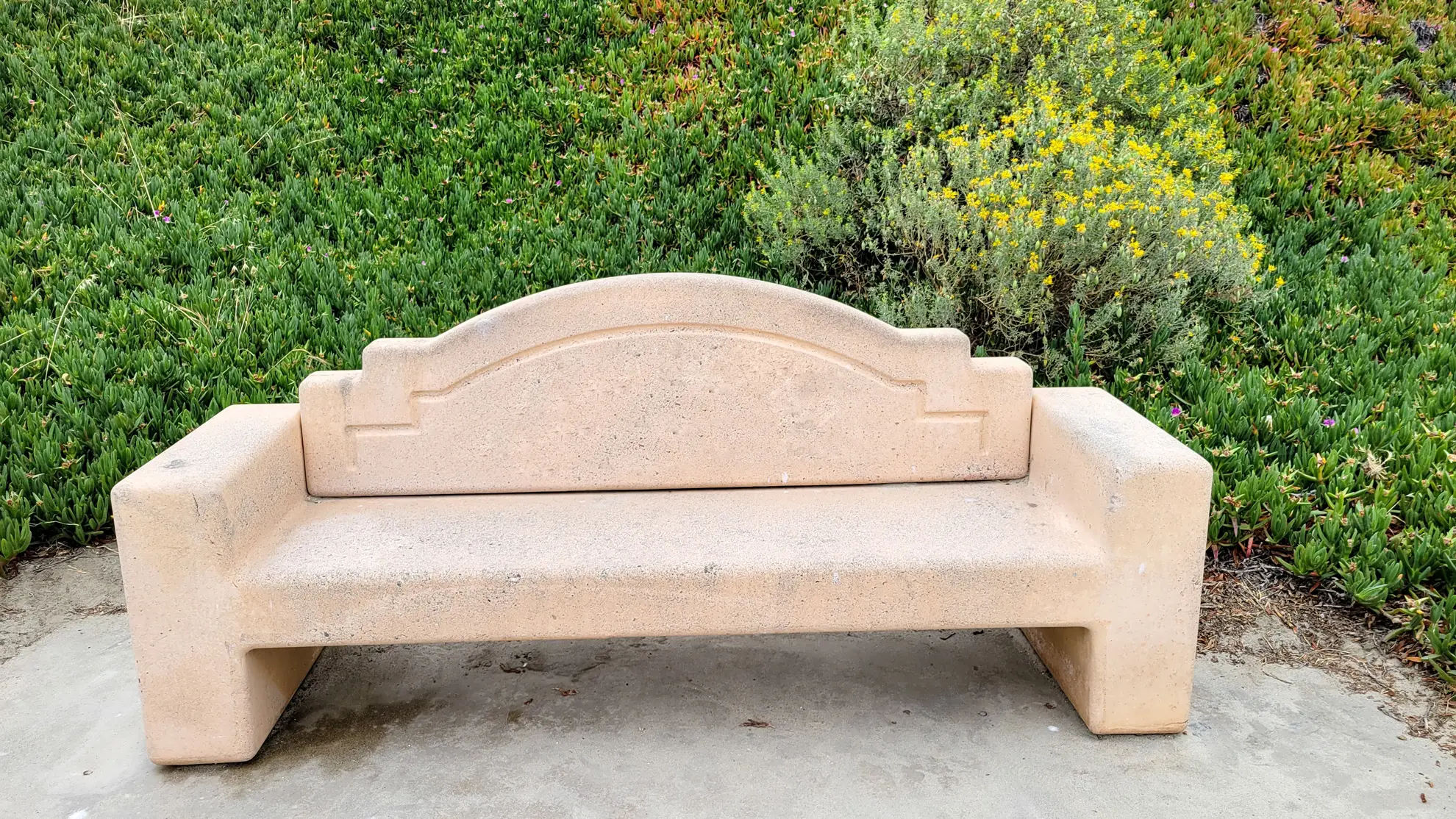
- Slopes and banks (erosion-prone areas that need tough roots and low fuss).
- Coastal gardens dealing with wind and salt exposure.
- Dry borders where you want long color without daily care.
- Informal screens (it can form a loose hedge if spaced and pruned)
What does bladderpod smell like?
Bladderpod has a strong, unmistakable scent when you brush the leaves or when it’s warm out. People describe it as herbal, resin-y, and a little wild. Las Pilitas (a trusted native-focused California nursery) describes it as “burnt popcorn.”
Some love it and think it smells like “real landscape.” Others find it skunky or just plain intense. If you’re scent-sensitive or planting right next to a patio, it’s worth meeting the plant in person at a nursery before you commit.
Should I prune bladderpod?
Yes, if you want it to stay fuller and less leggy. Bladderpod can naturally grow a bit open and airy, especially after a long bloom run. A light shaping after a flush of flowers helps it branch and stay tidy. If it’s gotten lanky, you can cut it back harder to refresh it, but avoid pruning during extreme heat and don’t shear it into a tight ball. Think “gentle structure,” not “formal hedge.”
Plant nerd fact
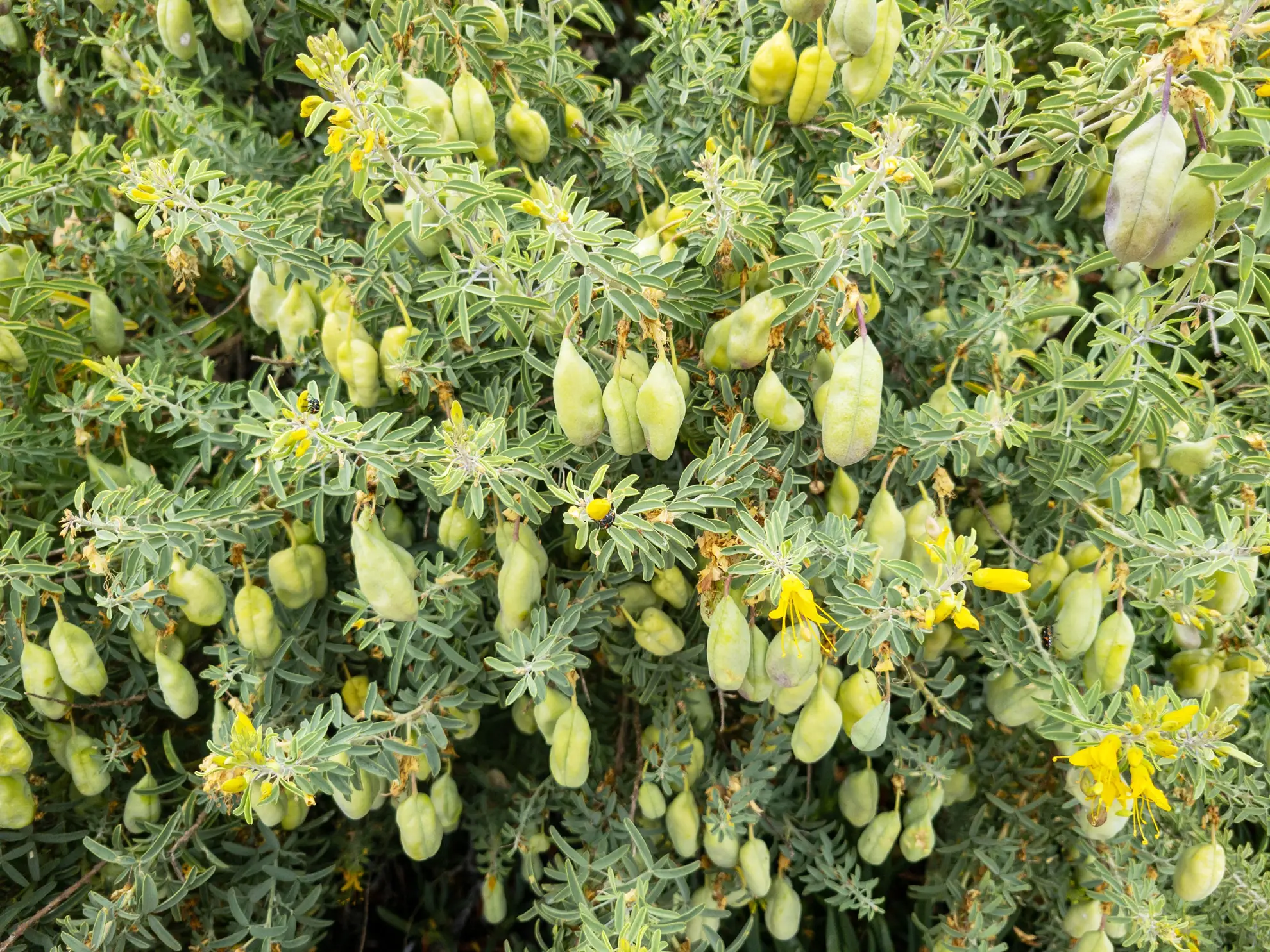
Let’s talk about bladderpod’s bladderpods
Those weird, puffy pods are basically an air-filled nursery. Bladderpod doesn’t pack its seeds into a tight, dry capsule. It inflates the pod into a hollow chamber, and that space traps some of the CO₂ released by the developing seeds. The pod wall can then use that CO₂ for photosynthesis, helping the plant “pay for” the cost of building seeds, especially early on.
Why all this extra, gassy work? In tough, hot, and dry climates, every little efficiency boost matters.
Does bladderpod need summer water?
During establishment, yes. After 1–2 years, it commonly needs little to none in the right climate, though occasional deep water during extreme drought can help.
Is it good for coastal gardens?
Yep. Multiple growers note it can handle sea spray and saline/coastal conditions.
How to grow bladderpod
Bladderpod is a tough, low-water evergreen shrub. CalSCAPE’s bladderpod profile sums up its ease nicely:
“Bladderpod is one of the easiest California natives to grow. This tough plant does well even on south-facing slopes, alkaline soils, and salty conditions. It tolerates weekly summer water but can also get by with only natural rainfall. It is easy to grow from seeds and readily self seeds; once you have a few mature plants in your garden, expect new seedlings to pop up each winter.”
- Light: Full sun (a little afternoon shade is fine in extreme inland heat)
- Soil: Dry, well-drained; tolerates sandy/rocky soil and alkaline conditions
- Water: Water to establish the first year, then back off. Once established, it prefers low to no summer watering
- Maintenance: Minimal pruning to keep it shaped. Prune after blooms fade, or cut back harder if it gets lanky
- Type: Evergreen shrub (stays leafy year-round in mild climates)
Planting card
Cleomella arborea
Bladderpod is happiest in bright sun with soil that drains fast. The fastest way to make it unhappy is to treat it like a thirsty hedge. Establish it, then let it run on “ignore me” mode. Which is a perfect segway to…
What are good pairings for bladderpod?
Best companions are other sun-loving, low-water natives from the same general region (California/Southwest). Here are solid pairing directions:


Where can I buy a bladderpod?
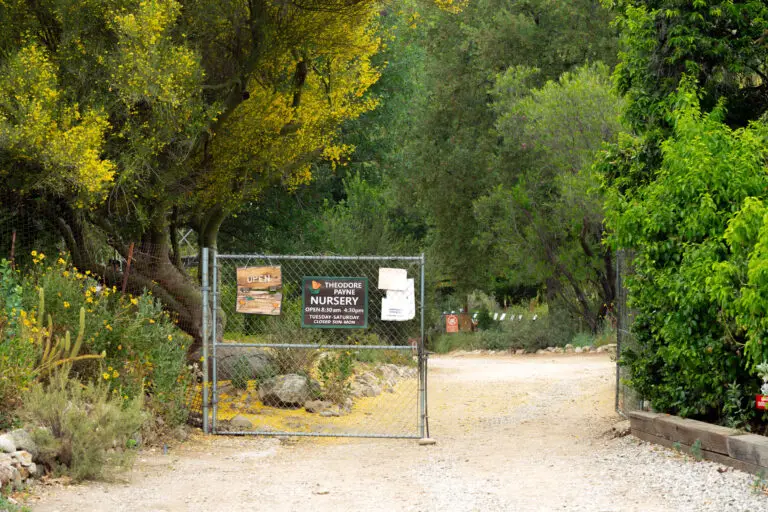
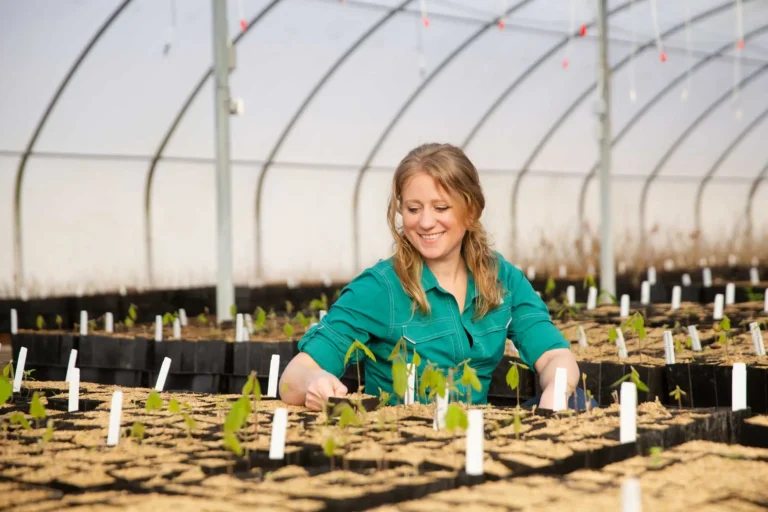
Bladderpods are unique native shrubs that can be challenging to find at conventional plant nurseries. Here are some ideas on where you can better find your own:
If you’ve got full sun, fast-draining soil, and a spot that regularly bullies other shrubs, bladderpod is worth a look. It brings long-running yellow blooms, those signature lantern pods, and a “plant it once, then back off” personality that fits real-life yards. Just do yourself a favor and notice the scent before you commit, and give it room to stay a little wild or a light prune to keep it fuller. In the right place, it’s the kind of shrub that makes you feel like you finally figured out beautiful, lazy landscaping. Where to next? Can we recommend meeting another gorgeous, drought-friendly native in our Beginner’s Guide to Native Desert Willow? Or meet another native with weird, beautiful seeds in our Beginner’s Guide to Apache Plume. Happy planting!
Sources
- Goldstein, G., Sharifi, M.R., Kohorn, L.U. et al. “Photosynthesis by inflated pods of a desert shrub, Isomeris arborea.” Oecologia 85, 396–402 (1991).
- Calflora Nursery. “Cleomella (Isomeris) arborea (Peritoma arborea).” Accessed January 22, 2026.
- Calflora. “Peritoma arborea.” Accessed January 22, 2026.
- Calscape. “Bladderpod (Peritoma arborea).” Accessed January 22, 2026.
- Hammond, Jon. “Bladderpod: a Unique and Incredibly Tough Shrub You’ve Seen but Didn’t Notice.” The Loop Newspaper, February 15, 2020.
- Las Pilitas Nursery. “Isomeris arborea, Bladderpod.” Accessed January 22, 2026.
- Royal Botanic Gardens, Kew. “Cleomella arborea (Nutt.) Roalson & J.C.Hall.” Plants of the World Online. Accessed January 22, 2026.
- SMGrowers. “Peritoma arborea (Bladderpod).” Accessed January 22, 2026.
- U.S. Department of Agriculture, Natural Resources Conservation Service. “Bladderpod, Peritoma arborea: Plant Guide.” PDF. Accessed January 22, 2026.
- U.S. Department of Agriculture, Natural Resources Conservation Service. “Bladderpod Plant Guide.” PDF. Accessed January 22, 2026.
- Lady Bird Johnson Wildflower Center. “Peritoma arborea (Bladderpod spiderflower).” Accessed January 22, 2026.
Similar plants
-
 Manzanitas
-
 Fairydusters
-
 Apache Plume
-
 Golden Currant
-
 Buckwheat
-
 Buttonbush
-
 California Lilacs
-
 New Jersey Tea
-
 Azaleas
Written by
Emily Lessard
Founder & Editor, The Plant Native
Emily Lessard is the founder and editor of The Plant Native, the site that helps homeowners across North America build a yard they’re proud of, with native plants that bring it to life. She is a Sustainable Landscapes-certified gardener through the Pennsylvania Landscape & Nursery Association, is finishing a Native Perennial Garden Design Certificate at Temple University, and is the author of Plant Native: A Practical Guide to Over 100 Native Plants of North America (Quarto, March 2027). She gardens outside Philadelphia in zone 7a.
Meet Emily
Updated Find more: Yellow Evergreen Flowering Shrub Hummingbird Favorite Shrub Spring Full Sun Dry
The ads on this site help pay real native plant nerds to research and write these guides.
Garden notes
Notes from people who’ve grown it
Tips, wins, and the occasional disaster. If you’ve grown bladderpod, share the advice you’d give to a neighbor.
No notes yet. Yours could be the first.
Grown bladderpod? Tell the next person what you wish someone had told you.
Tap anywhere to close


