

Highlights
Most people hear “buckwheat” and think grain, pancakes, or maybe one tough shrub they’ve seen along the highway. Native buckwheats are something else entirely. The genus Eriogonum includes dozens of North American natives that thrive in sun, handle heat, and quietly support an enormous amount of insect life. From ground-hugging mats to 10-foot shrubs, buckwheats solve a surprising number of yard problems without asking for much in return.
This guide covers the native buckwheats most useful for home landscapes, how to choose the right one, and why these plants punch so far above their weight. Scroll on to meet a few.
First, let’s get some ID out of the way.
What exactly is a buckwheat?
When you hear “buckwheat,” you might imagine burlap sacks of golden grain spilling out in slow motion in a cereal commercial. Or maybe you have a fondness for French buckwheat crêpes (galettes) or Japanese buckwheat soba noodles.
The plants that produce edible buckwheat are another plant genus entirely: common buckwheat (Fagopyrum esculentum) or Tartary buckwheat (Fagopyrum tartaricum). Both were domesticated in Asia thousands of years ago, and spread widely through trade and farming in Europe and North America. If you’re eating buckwheat, you’re eating Fagopyrum.
North America’s buckwheats = wild or native buckwheats
We are here today to write a love letter to native buckwheats (sometimes called wild buckwheats) in the genus Eriogonum. Eriogonum plants are native to North America, mostly to the western side of the United States and Mexico. They’re not the kind of buckwheat in our kitchens, but they’re incredible landscaping plants for sunny yards.
California is the main character when it comes to buckwheats: 125+ native buckwheats are native to California, ranging from low-growing mats to full-on shrubs.
California is the main character when it comes to buckwheats: 125+ native buckwheats are native to California, ranging from low-growing mats to full-on shrubs.
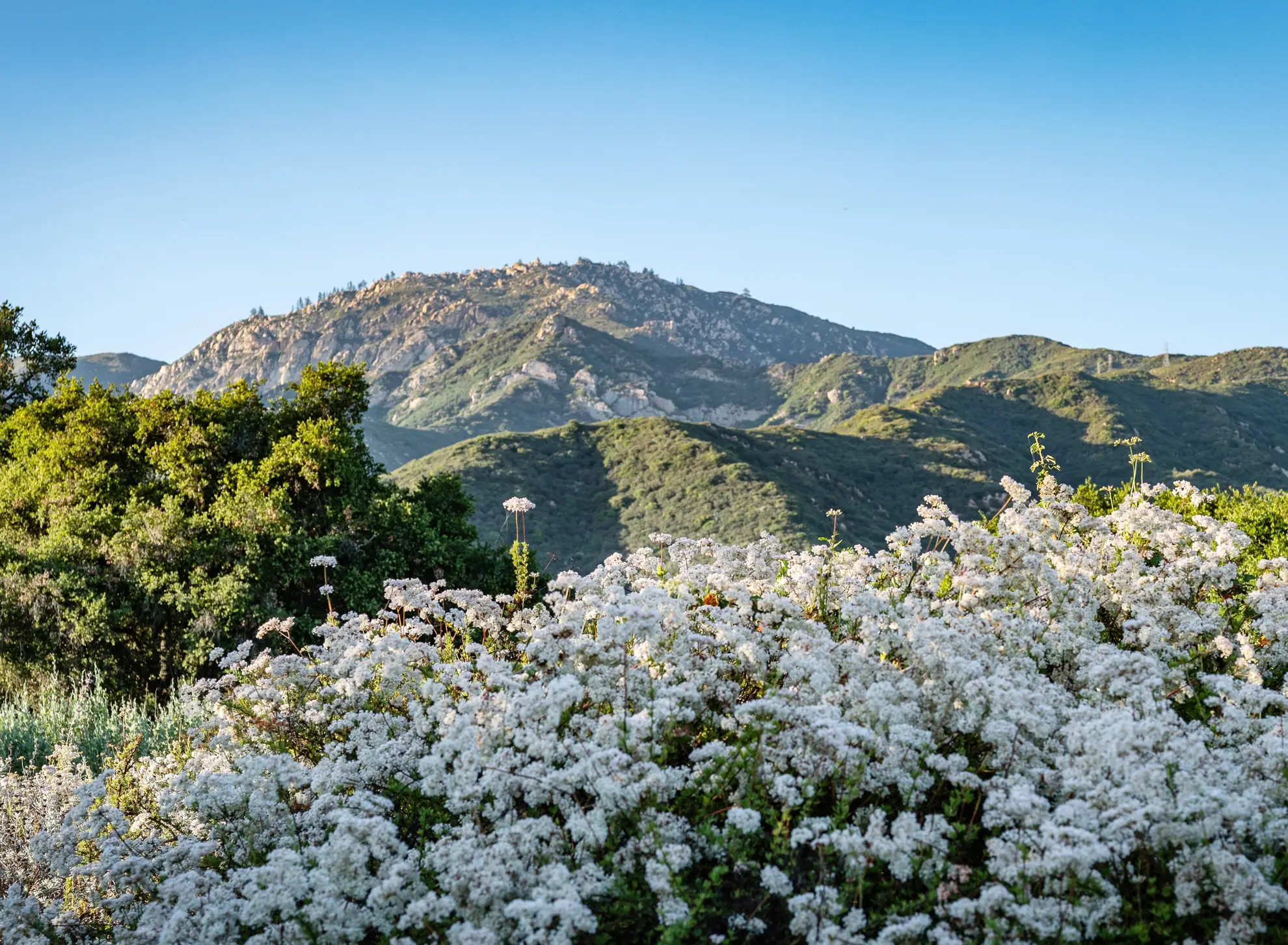
Meet the native buckwheats (top options for home gardens)
This isn’t an exhaustive list. It’s a practical one that includes the buckwheats you’re most likely to find at native nurseries, grow, and love.
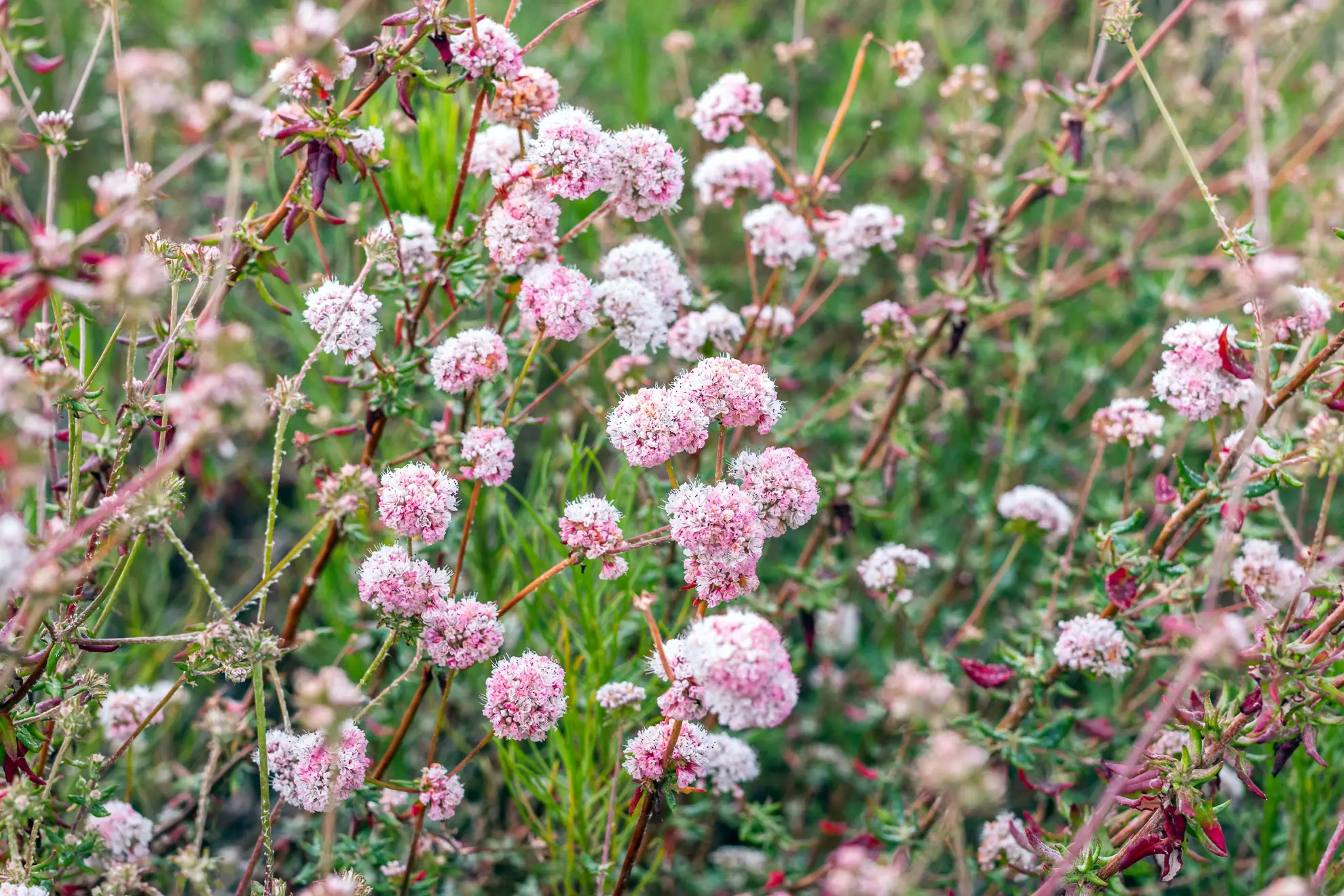
California buckwheat
Eriogonum fasciculatum
Growth: Different heights available, from shorter 1-2′ to 6′ bushes
Best for: Sunny yards, slopes, foundation plantings
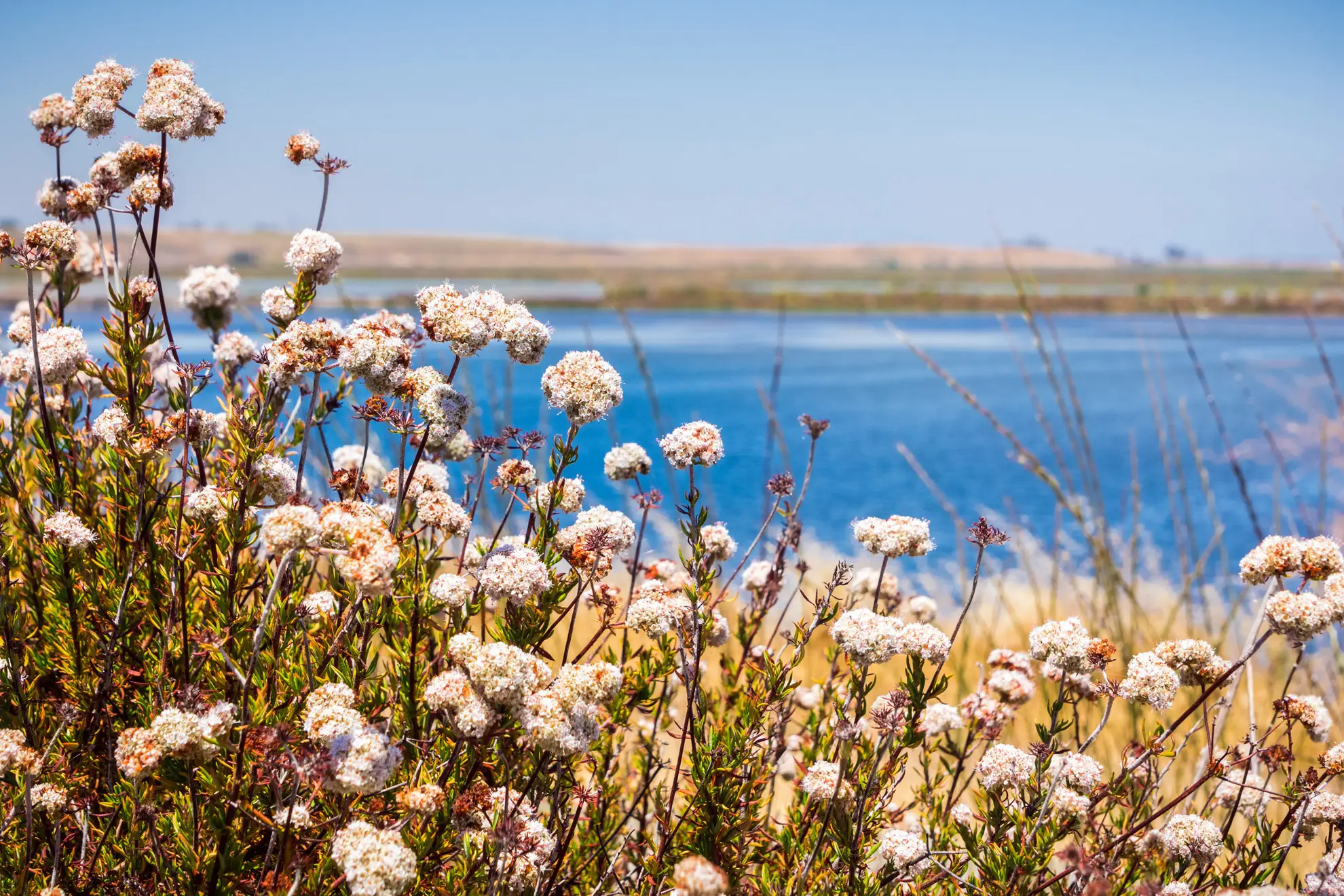
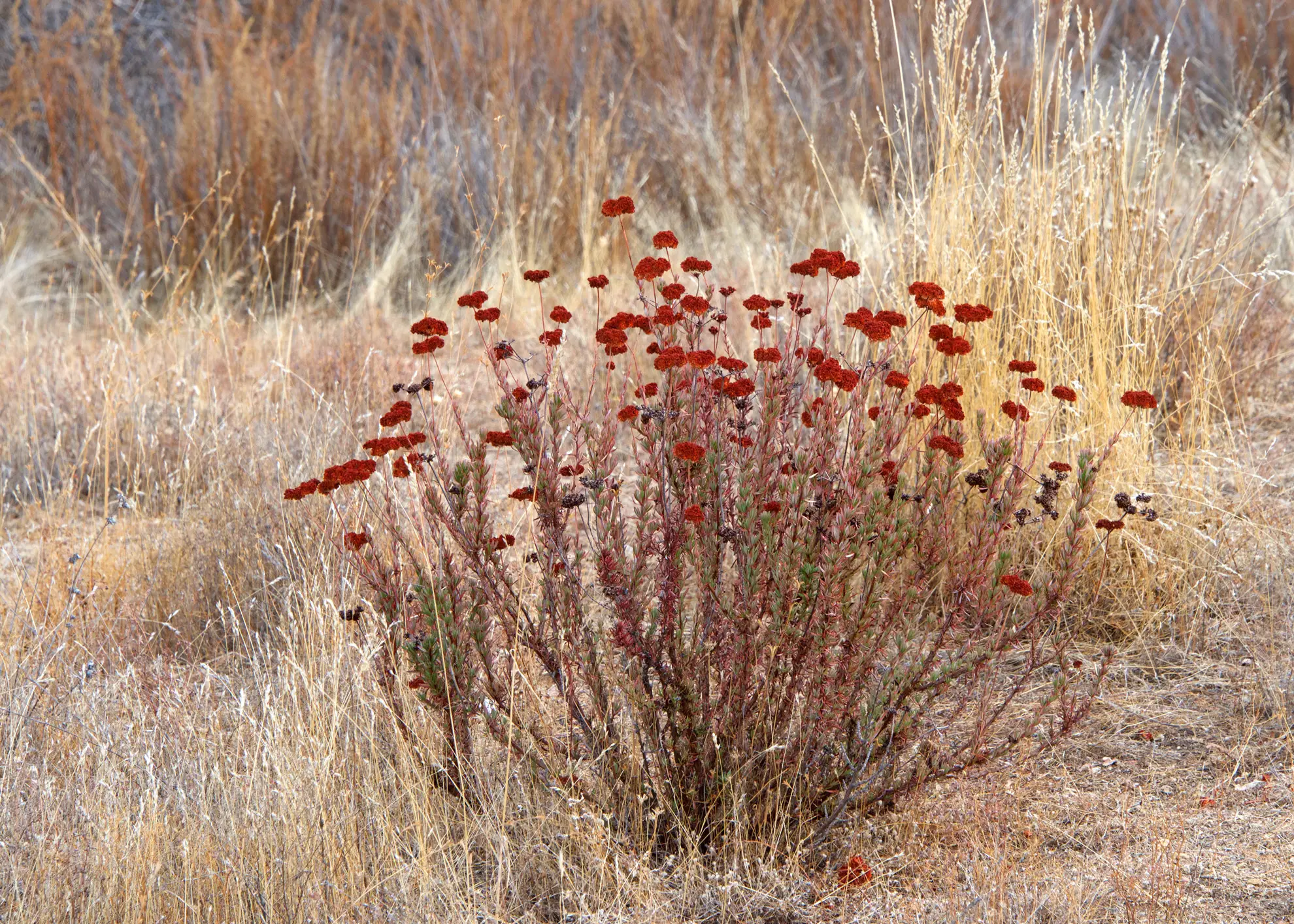
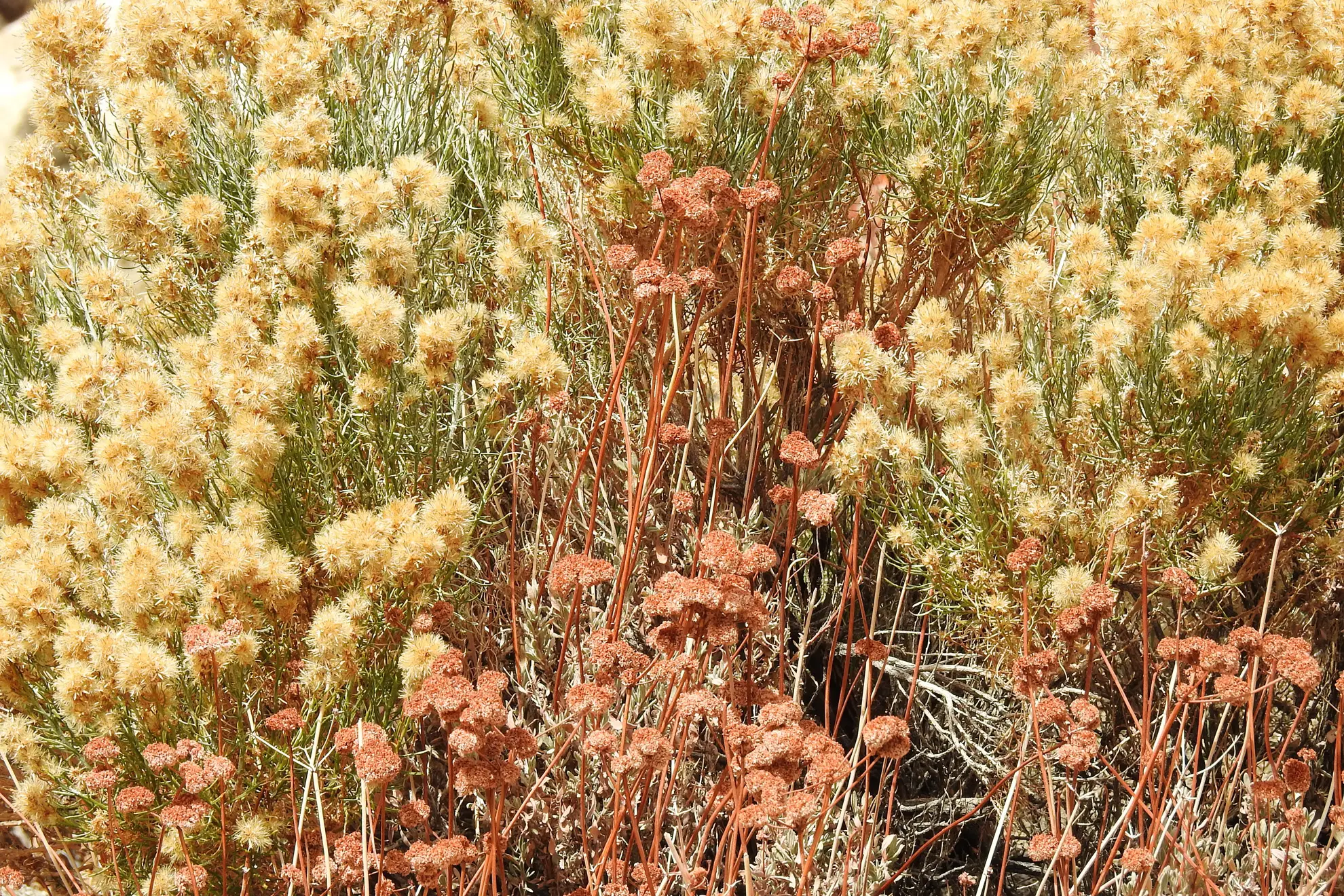
The shrub is a landscape workhorse. (A Napa Master Gardener says it “may just be the perfect plant.”) Long bloom time, drought-tolerant, and a keystone plant for California landscapes. Leave the flowers alone, and they’ll shift to a deep bronze hue.
.jpg)
Red-flowering buckwheat
Eriogonum grande var. rubescens
Growth: Small shrub, 2′ tall and wide
Best for: Coastal full sun gardens
One of the showiest buckwheats, with pink-to-red flower clusters that stand out. Originally from the Channel Islands, this plant has become beloved in landscaping since it stays small.
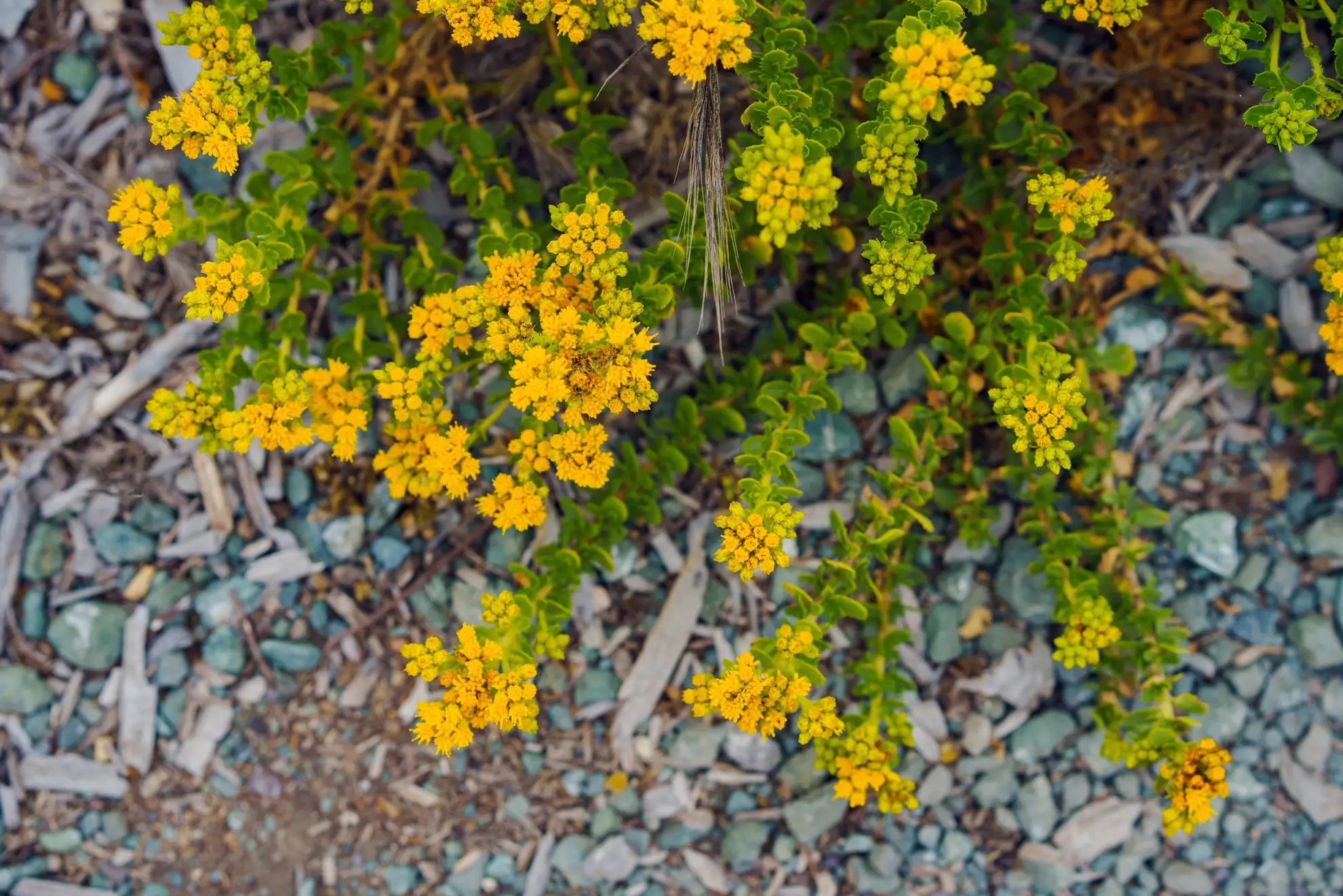
Sulphur buckwheat
Eriogonum umbellatum
Growth: Lots of different varieties offer different height options, from a short groundcover to a 3′ high shrub
Best for: Dry borders, rocky soils, inland gardens
Whoever named it ‘sulphur’ was not a great marketer. Highlighter-yellow flowers bloom in the summer; a host plant for 30+ butterflies and moths.

Seacliff buckwheat
Eriogonum parvifolium
Size: Shrub, 3-5′ tall
Best for: Sandy soils, coastal gardens, tough sites
Built for wind, salt, and poor (rocky/thin) soil. A great option for coastal landscapes where other plants give up.
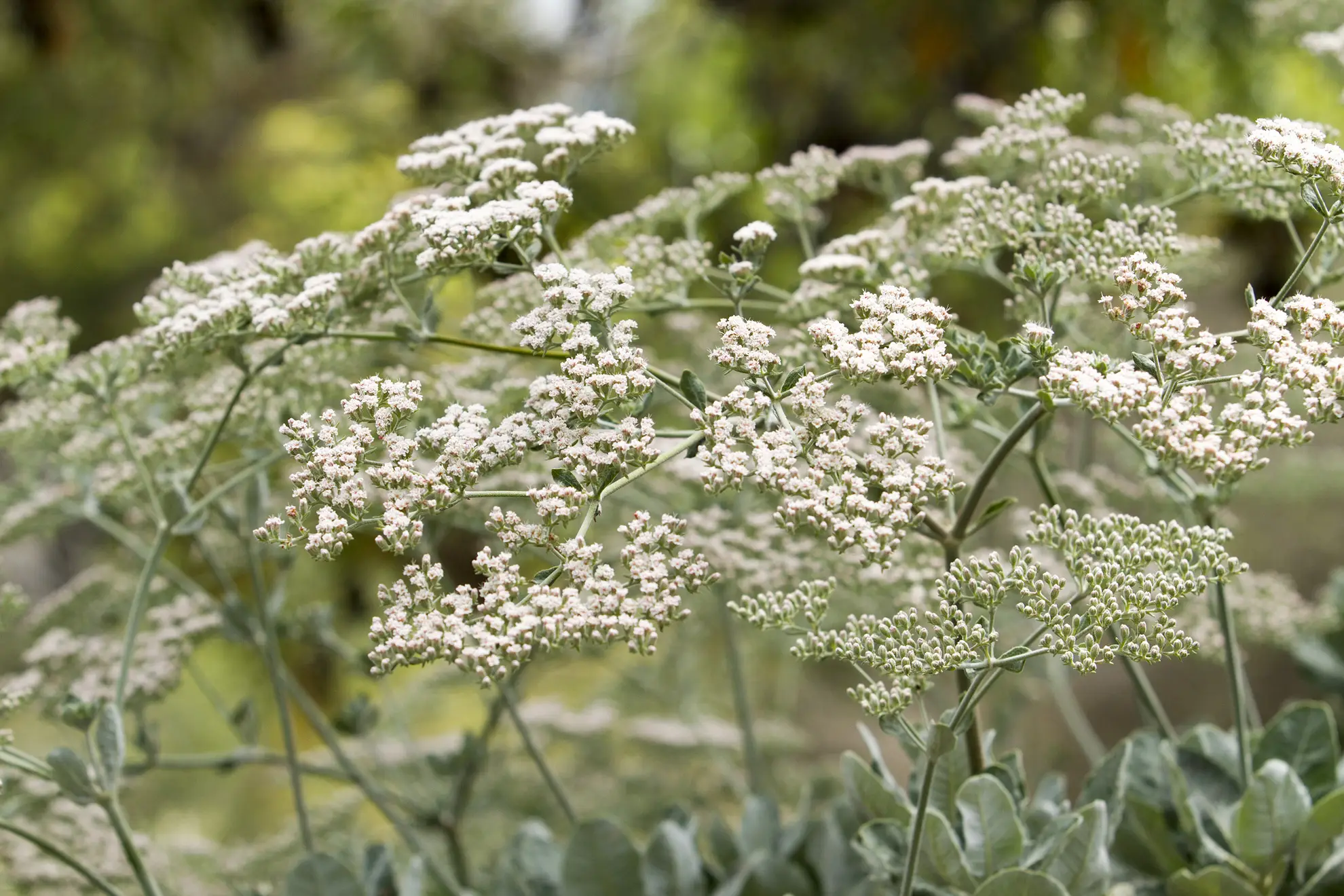
St. Catherine’s lace buckwheat
Eriogonum giganteum
Growth: Tallest/biggest of the buckwheats: 4-8′ tall, up to 10′ wide
Best for: Sandy, salty areas
This seaside icon (originally from the Channel Islands) holds down large spaces where other shrubs might fail. Great for coastal gardens. CalSCAPE notes to cut back after bloom.
Ok, now you know several fantastic wild buckwheat options. Time to answer the next obvious question:
How to choose the right buckwheat for your yard
When picking a buckwheat, think less about flower color and more about form and water needs:
- Shrub vs. groundcover: How much space do you need to fill?
- Inland vs. coastal: Some species are tuned to fog and mild temps
- Drainage: All native buckwheats want it, and some demand it
When possible, choose plants grown from regional sources, meaning plants that have DNA from the area you live in. Local plants tend to settle in faster and need less fuss.
Where buckwheats shine in your yard
Buckwheats are ideal for:
- Front yards that get baked by sun
- Slopes and erosion-prone areas
- Places you want to look intentional without high maintenance
They work best when repeated rather than used as one-offs. In other words: plant a few!
Plant nerd fact
Buckwheats are a butterfly calendar
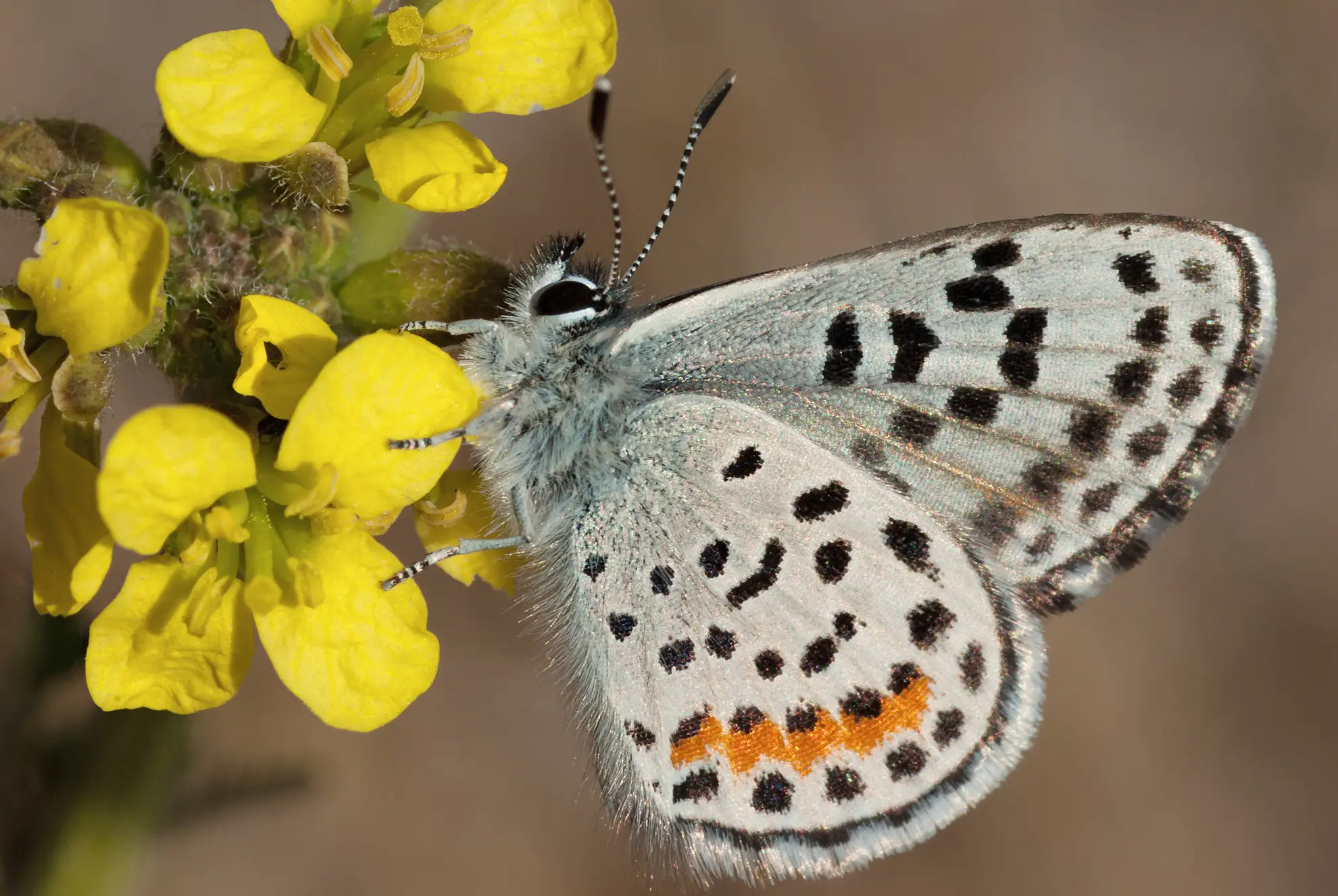
There’s a whole group of western “blue” butterflies (Euphilotes) that use buckwheats as host plants and build their whole life cycle around them.
One example is the critically imperiled El Segundo blue butterfly and seacliff buckwheat (we met this plant a few scrolls back). Adult El Segundo blues live only a few days, but they use that brief window to mate and lay eggs on the buckwheat’s flower heads. The caterpillars feed there, then pupate (often in the soil) and wait until the next summer. When seacliff buckwheat blooms again, the next generation of El Segundo blues emerges.
What that means for your yard: when you plant buckwheats, you’re not just attracting butterflies. You’re supporting their entire life cycle, year after year, with zero extra work from you.
How to grow native buckwheats (the short version)
As you now know, there are quite a few “buckwheats” out there. No matter the species, there are a few commonalities to keep in mind:
- Sun: Full sun is non-negotiable
- Soil: Well-drained; lean is fine
- Water: Regularly water the first year to get established, minimal after
- Mulch: Light and breathable; never piled up against the trunk
If a buckwheat struggles, excess water is usually the culprit.
What are good pairings for native buckwheats?
Buckwheats thrive in full sun and lots of drainage. There are quite a few other natives that also enjoy this type of home, including:


Where can I buy native buckwheats?
Our advice to find these native gems is to visit a native plant nursery. Our list of 625+ native nurseries helps you find one close to you to find the buckwheats of your dreams. Calscape also has a great directory for California nurseries.
Native buckwheats are proof that a plant doesn’t need to be hooked up to irrigation systems to be gorgeous. They show up, bloom for months, feed everything that moves, and handle California heat (or salt) with zero drama. Start with one. You’ll probably end up planting more. Where to next? Can we recommend our Beginner’s Guide to Native Penstemons, or our Beginner’s Guide to Native Salvias/Sages? Or maybe plan a whole garden around butterflies, and visit our Best Native Host Plants article. Happy planting!
Sources
- Californianativeplants.com. “Eriogonum (Buckwheat).” May 21, 2008.
- The Eriogonum Society.
- Jewell, Jennifer. “Beneficial Buckwheats.” Pacific Horticulture, May 13, 2024.
- Landscape Plant Source. “California Buckwheat.” Accessed January 24, 2026.
- CalScape. “Eriogonum fasciculatum (California Buckwheat).” Accessed January 24, 2026.
- CalScape. “Eriogonum giganteum (St. Catherine’s Lace).” Accessed January 24, 2026.
- CalScape. “Eriogonum parvifolium (Sea Cliff Buckwheat).” Accessed January 24, 2026.
- San Marcos Growers. “Eriogonum fasciculatum.” Accessed January 24, 2026.
- Pratt, Gordon F. “Evolution of Euphilotes (Lepidoptera: Lycaenidae) by Seasonal and Host Shifts.” Biological Journal of the Linnean Society 51, no. 4 (April 1994): 387–416.
- U.S. Fish and Wildlife Service. “El Segundo Blue Butterfly (Euphilotes battoides allyni).” Accessed January 24, 2026.
- Xerces Society for Invertebrate Conservation. “El Segundo Blue.” Accessed January 24, 2026.
- Flora of North America Editorial Committee. “Eriogonum.” In Flora of North America North of Mexico. Accessed January 24, 2026.
- von Rosenberg, Susanne. University of California Agriculture and Natural Resources. “Incredible California Buckwheat.” Accessed January 24, 2026.
- Online Etymology Dictionary. “Buckwheat.” Accessed January 24, 2026.
- Merriam-Webster. “Buckwheat.” Accessed January 24, 2026.
- The American Heritage Dictionary of the English Language, 5th ed. “Buckwheat.” Accessed January 24, 2026.
- Various contributors. “Genus of Plants: Eriogonum.” Wikipedia. Wikimedia Foundation, Inc. Accessed January 24, 2026.
- Whole Grains Council. “Buckwheat: December Grain of the Month.” 2026.
Similar plants
-
 Roses
Roses
-
 Rhododendron
-
 American Plum
-
 Manzanitas
-
 Apache Plume
-
 California Lilacs
-
 Viburnums
-
 Black-Eyed Susans
-
 Bladderpod

Updated Find more: Pink White Yellow Beginner Guide Evergreen Flowering Shrub Keystone Shrub Summer Full Sun Part Sun Dry Drought-Tolerant Host Plant
The ads on this site help pay real native plant nerds to research and write these guides.
Garden notes
Notes from people who’ve grown it
Tips, wins, and the occasional disaster. If you’ve grown buckwheat, share the advice you’d give to a neighbor.
No notes yet. Yours could be the first.
Grown buckwheat? Tell the next person what you wish someone had told you.
Tap anywhere to close


