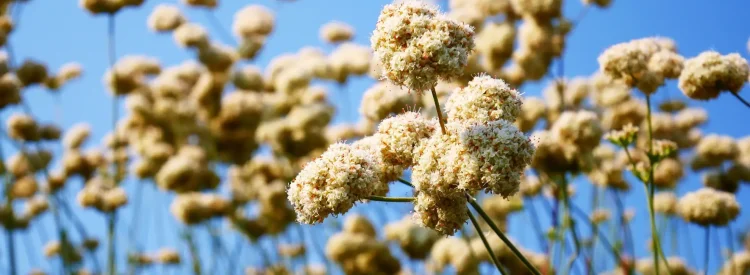
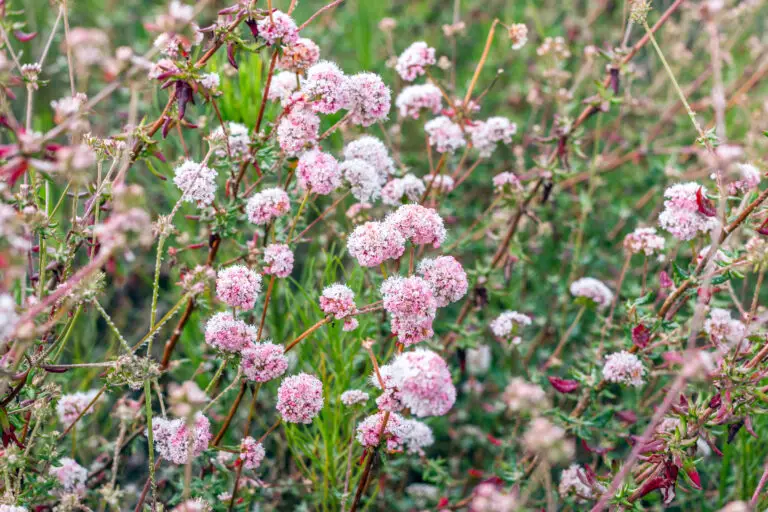
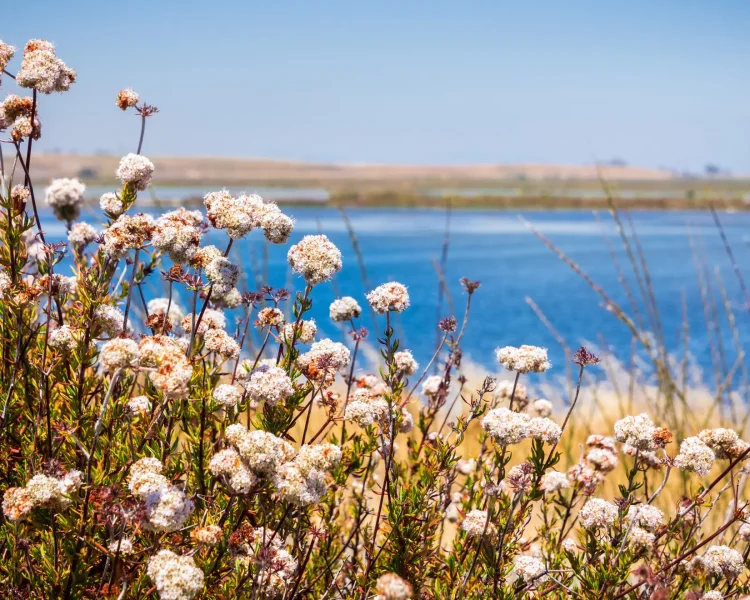
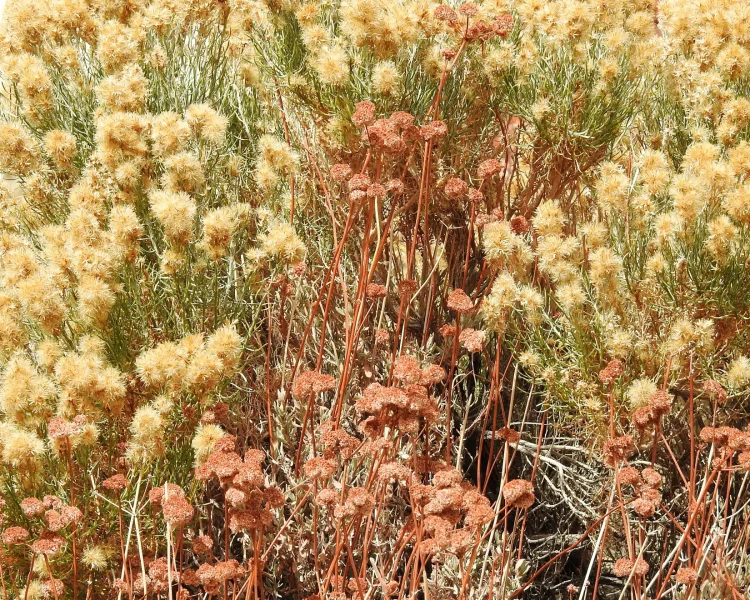
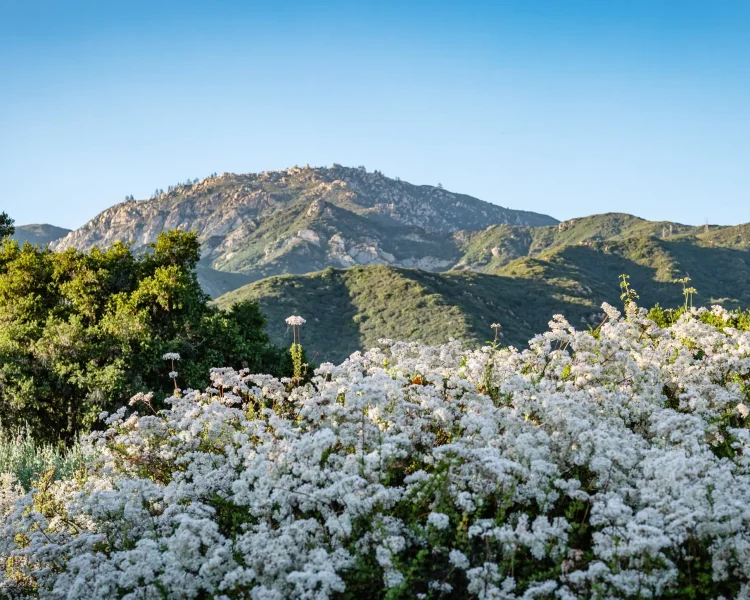
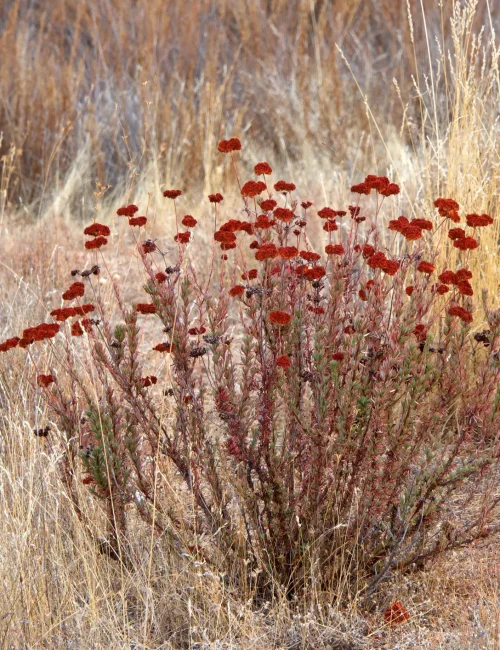
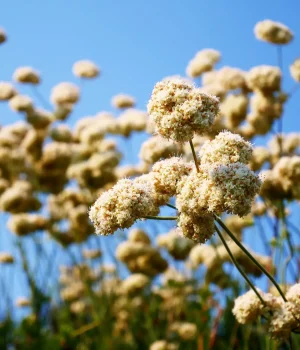
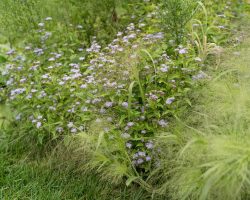
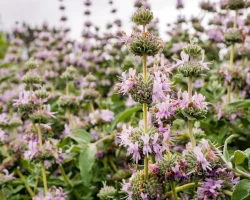
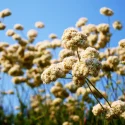
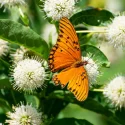
California buckwheat is a workhorse native shrub that somehow manages to be both tough and beautiful. It’s built for full sun, heat, lean soils, and long dry stretches. In summer, it covers itself in clusters of tiny flowers that start creamy white or pale pink, then age into warm rust tones. The result is a plant that looks good for months, not weeks. Better still, it’s one of the best “set it and forget it” natives for pollinators in California landscapes. Plant it once, water it to establish, and then let it do what it was designed to do.
Is California buckwheat a good choice for my yard?
Yes, if…
- You want a low-water native shrub that looks good for a long stretch
- You have full sun and soil that drains well
- You’re building a front yard or high-profile planting you don’t want to babysit
- You want something cinematic that changes throughout the seasons
- You want to support butterflies, moths, and pollinators
California buckwheat is perfect for beginner gardeners
Put all this together, and it’s a no-brainer for California yards. A Napa Valley Master Gardener sums it up well: “California buckwheat may just be the perfect plant.” The Waterwise Community Center in Southern California says, “possibly the easiest native shrub to grow and be successful with in almost any full sun situation in the home garden.”
Why California buckwheat matters
- Long-season nectar: Blooms through the heat, when many plants take a break.
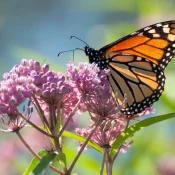
- Pollinator magnet: Small flowers, big payoff. Expect constant insect traffic.
- Low-input landscaping: Once established, it’s happy with minimal watering.
- Keystone plant: This plant delivers an outsized benefit to the wildlife and environment its a part of, making it a keystone species.
And one other benefit to planting California buckwheat 🦋
California buckwheat is a host plant
A host plant is a specific plant that a bug, butterfly, or caterpillar eats, lives on, or lays its eggs on. (We were all fooled in elementary school: many caterpillars are incredibly picky eaters, eating only one or two plants!) Here is a quick overview of host plants.
California buckwheat helps support the life cycles of many of moths and butterflies, including the electra buckmoth (what a great name, right?!), the lupine blue butterfly, and the Behr’s metalmark butterfly.
Where it grows naturally
In the wild, California buckwheat shows up in the dry, sunny places where plants have to earn their keep: coastal sage scrub, chaparral edges, open slopes, and rocky hillsides. It’s used to bright light, fast drainage, and summers that don’t offer much sympathy.
In a yard, that translates to hellstrips, hot borders, slopes, gravelly areas, and sunny foundation plantings. If you’ve got a spot where other plants sulk, this one usually clocks in and gets to work.
Where is California buckwheat native?
The name definitely gives it away: California buckwheat is native to the western United States, including California, Nevada, Utah, and Arizona.
How to grow California buckwheat
California buckwheat thrives when you keep it simple.
- Sun: Full sun for best flowering and compact (non-leggy) growth.
- Soil: Well-drained is the rule. It tolerates poor soils and doesn’t need rich amendments or fussy fertilizers.
- Water: Water regularly the first growing season to establish. After that, back off. Too much water can shorten its life.
- Mulch: Keep mulch light and breathable. Avoid piling mulch against the plant itself.
If your buckwheat starts looking floppy or tired, the first thing to suspect is usually too much water.
This plant can get big: here’s how you keep it in check
This plant can spread and grow to 5 feet or more. To keep its size in check, prune and/or pull up seedlings when you see them.
Prune in spring before the flowers appear, or in fall after the flowers fade. You can give it a hard prune: these plants bounce back after being pruned. According to Waterwise Community Center, ”You can pretty much do whatever you need to do with California buckwheat; even if it looks kinda harsh after you prune it, within a few weeks normally it’s going to start pushing new growth again.”
Southern California’s Waterwise Community Center has a great overview video that describes its benefits, alongside some garden inspo:
What are good pairings for California buckwheat?
Pair it with other sun-loving, low-water California natives that won’t demand extra irrigation. Great companions include sages/salvias, native bunchgrasses, and late-season bloomers like goldenrods. Aim for plants with similar water needs, so you’re not trying to keep one happy by stressing out the others.
California buckwheat is one of those natives that makes you wonder why it isn’t in every sunny yard. It’s tough, it blooms for a long time, it looks good as it ages, and it supports the insects that keep your local food web running. Plant it once, give it a smart start, and then let it be the low-drama backbone your garden has been waiting for. Where to next? Can we recommend our Beginner’s Guide to California Fuchsia, or our Beginner’s Guide to Salvias? Or use butterflies as your garden theme and visit our Best Native Host Plants. Happy planting!