Plant Profile Full Sun

Purple Lovegrass

Eragrostis spectabilis

A delicate and unexpected grass

Where to find one ↓
Highlights

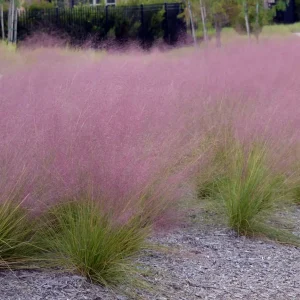
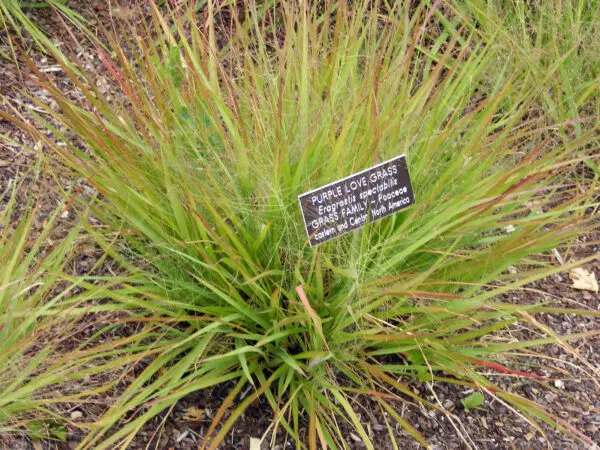
Purple lovegrass is proof that native grasses can be just as show-stopping as flowers. With its airy, purple-pink seed heads that shimmer in the late summer sun, this warm-season grass adds a dreamy, hazy effect to gardens, roadsides, and meadows.

But purple lovegrass isn’t just about good looks—it’s a tough, drought-tolerant native that thrives in poor soils, needs little maintenance, and supports pollinators and wildlife. Let’s dig into why this underrated grass deserves a spot in your garden.

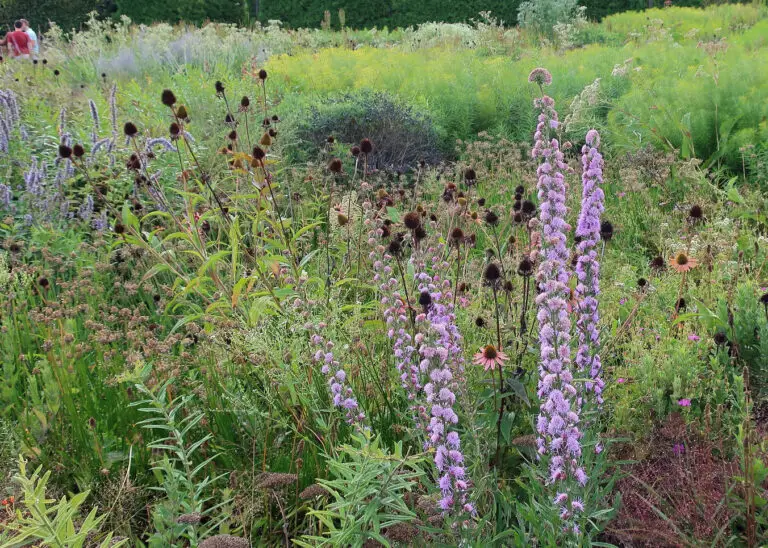
Purple Lovegrass (bottom right corner) making a stunning addition to Millenium Park in Chicago. Image by Cultivar 413

New to native?

Before lawns and landscaping, native plants were here. They’ve fed birds, bees, and butterflies for thousands of years—and they’ll do the same in your yard. The best part? They’re easier to grow than you think.

Purple lovegrass has an absolutely beautiful name and offers fuss-free beauty for 60% of United States gardens.

Before we dig into how to plant, let’s discuss what it delivers.

What are the benefits of planting purple lovegrass?

Planting purple lovegrass has many benefits, including:

  • Low-Maintenance Beauty: Thrives in poor soils, needs little watering, and doesn’t require fertilizer.
  • Drought-Tolerant: Once established, this native grass can handle heat and dry spells like a pro.
  • Erosion Control: Its fibrous root system helps stabilize soil, making it a great choice for slopes or sandy areas.
  • Seasonal Cinematic Interest: The feathery purple-pink seed heads appear in late summer and create a striking effect when backlit by the sun. In fall, the grass turns a warm copper-bronze.

And one more reason to plant this beautiful native grass:

When we say this plant is tough, we mean it

Purple lovegrass thrives in difficult situations and thrives with neglect. Once established, its deep root system ensures it will survive the toughest dry spells.

Don’t just take it from The Plant Native—Virginia Cooperative Extension includes it in Tried and True Native Plant Selections for the Mid-Atlantic, and the Native Plant Trust says it plainly: “Purple lovegrass is a tough plant for tough places.”

Purple lovegrass through the seasons

This plant changes itself dramatically throughout the year. Here’s what you can expect:

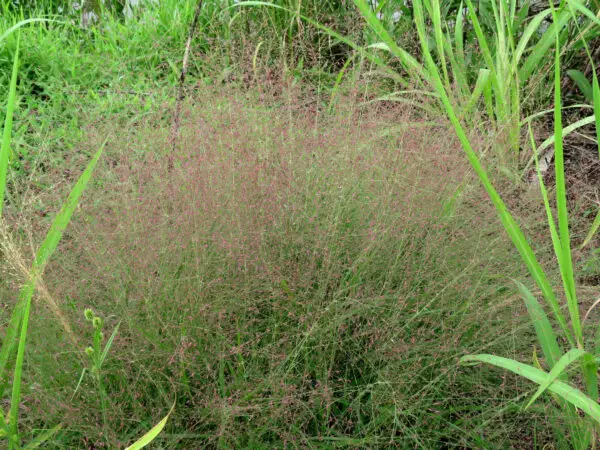
Image from Flora Mania

Late Spring + Summer

Purple lovegrass is a warm-season grass, meaning it grows when the soil temperatures are above 60. When the temp hits this number, expect to see fresh green leaves burst from its roots. (Whenever the soil is colder than this, it’s dormant.)

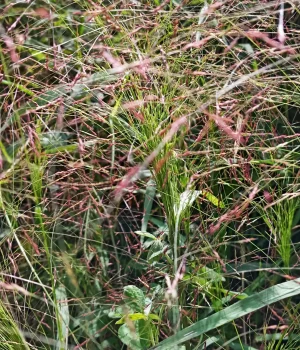
Image from Katja Schulz

Late Summer into Fall

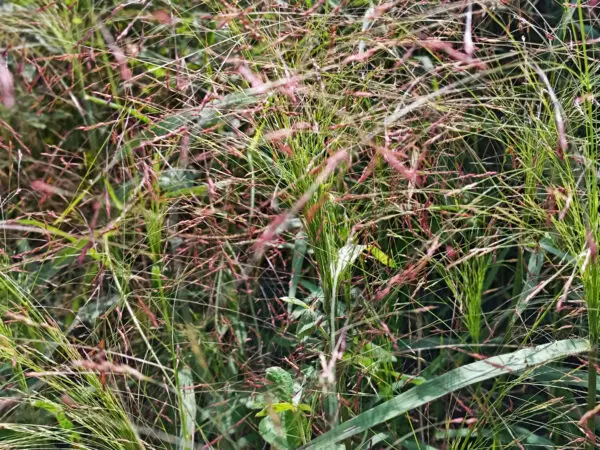
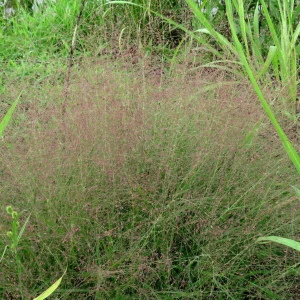
This is the season when purple lovegrass shines. Watch its seed-filled tips slowly change into soft hues of pink and purple. To keep its color visible, plant this native gem in borders, in front of gardens, or on walkways.

Late Fall / Winter

Let purple ;ovegrass stand through the winter—its seeds provide food for songbirds, and its fading greenery turns a warm, golden bronze. Keeping native grasses in place during the colder months helps support wildlife when resources are scarce. Plus, those delicate seed heads catching the frost? A winter garden win.

Garden Recipe™
Purple Lovegrass
Eragrostis spectabilis
Full sun
Sun
Easy
Effort
Short (under 3') tall
1.5-2 ft wide
Size
Late summer
Blooms
What it needs
Sunlight
Full sun, 6+ hours South- or west-facing is ideal
Water
Likes it dry Pick a spot that doesn't stay soggy after rain
Directions
Spacing
18-24 in About one arm's length apart
Watering
Weekly for the first season After that, rain is usually enough
Notes
Comes back?
Yes, every year Goes dormant in winter, that's normal. New growth each spring.
Deer resistant. Deer usually walk right past this one. If they've been snacking on your other plants, this one should be safe.
Drought-tolerant Deer-resistant
And then it’s time to start the cinematic changes all over again in the spring!

Maybe you’ve never heard of this native grass before visiting this article. It was new to us, too. Purple lovegrass was put on The Plant Native’s radar thanks to the expertise of Kelly and Emilie, the Co-Executive Directors of Chesapeake Natives. You can read more about their recommendations in our interview:

Interview with Chesapeake Natives
Chesapeake Natives is transforming the Mid-Atlantic, one plant at a time

Some of you might be thinking hmm…purple lovegrass reminds me of another pink-hued grass—purple muhly grass.

And now you’re probably asking:

What’s the difference between purple lovegrass and pink muhly grass?

The differences are somewhat easy to see when you put the two native grasses side by side:

30206384951_14273175ae_k
Purple Lovegrass

Purple Lovegrass

  • Short: 1-2 feet tall
  • More airy, open grass
  • Cinematic beauty: Green in spring, color in late summer into fall, bronze after
  • Drought-tolerant
  • Salt-tolerant: Ok to plant near roads
  • Great name: Lovegrass is a great common name (read our Beautiful Plants, Terrible Names to read some bad ones)
#image_title
Purple Muhly Grass

Purple Muhly Grass

  • A little taller: 2-4 feet tall
  • More clumped grass
  • Cinematic beauty: Green in spring, color in late summer into fall, bronze after
  • Drought-tolerant
  • Salt-tolerant: Ok to plant near roads
  • Terrible name: Who or what is MUHLY? Read our Purple Muhly Grass Profile to find out.

Both of these grasses also have huge native ranges. Purple Lovegrass is native to more than half of the United States.

Where is purple lovegrass native?

Native to 39 US states, Washington, D.C., and 3 Canadian provinces (Manitoba, Ontario, Quebec)

Native range
Not native

Source: USDA PLANTS Database
Where can I find purple lovegrass?

We are not going to lie—finding a specific native plant can be a challenge. But it’s much easier if you know where to look!

We’ve assembled four ways to easily source purple lovegrass:

Purple Lovegrass

Where can I find seeds and plants?

Finding native plants can be challenging (we partly blame King Louis XVI.) To make it easier, we’ve assembled four sourcing ideas.

Native Nursery List

300+ native nurseries make finding one a breeze

Online Native Nurseries

Explore 100+ native-friendly eCommerce sites

Find your Native Plant Society

Every state and province has a native plant society; find yours

Online Communities

Local Facebook groups are a great plant source

What are good pairings for purple lovegrass?

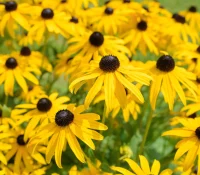
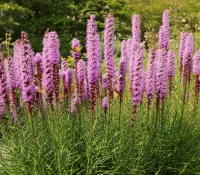
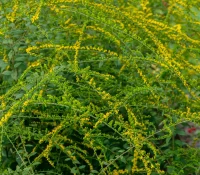
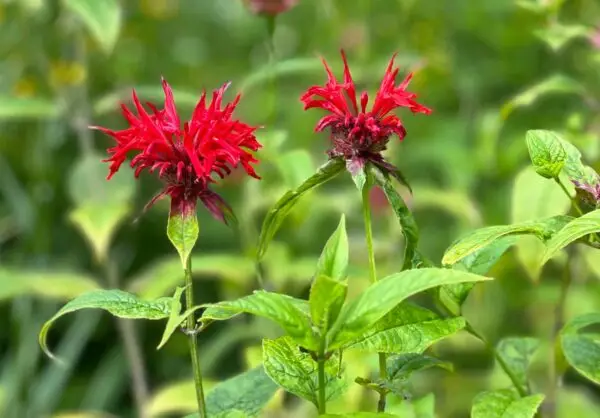
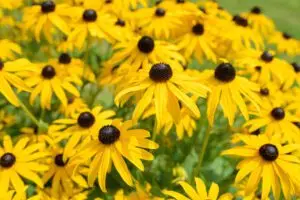
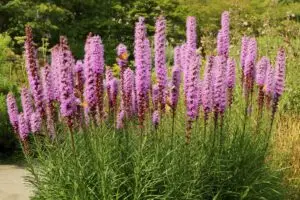
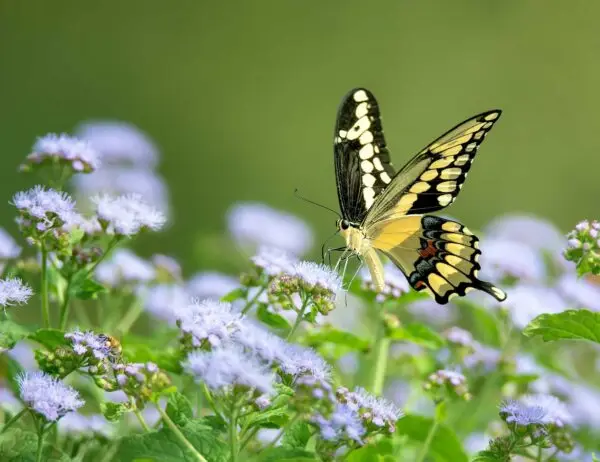
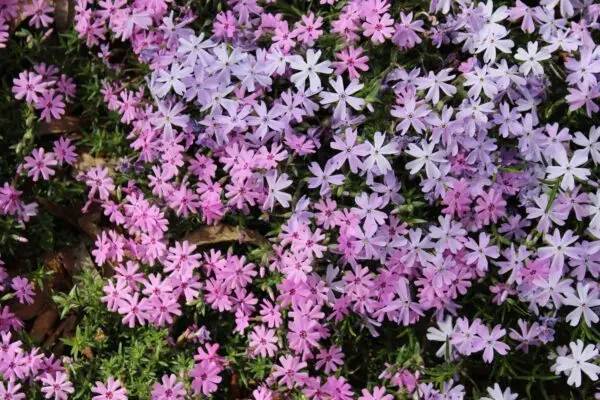
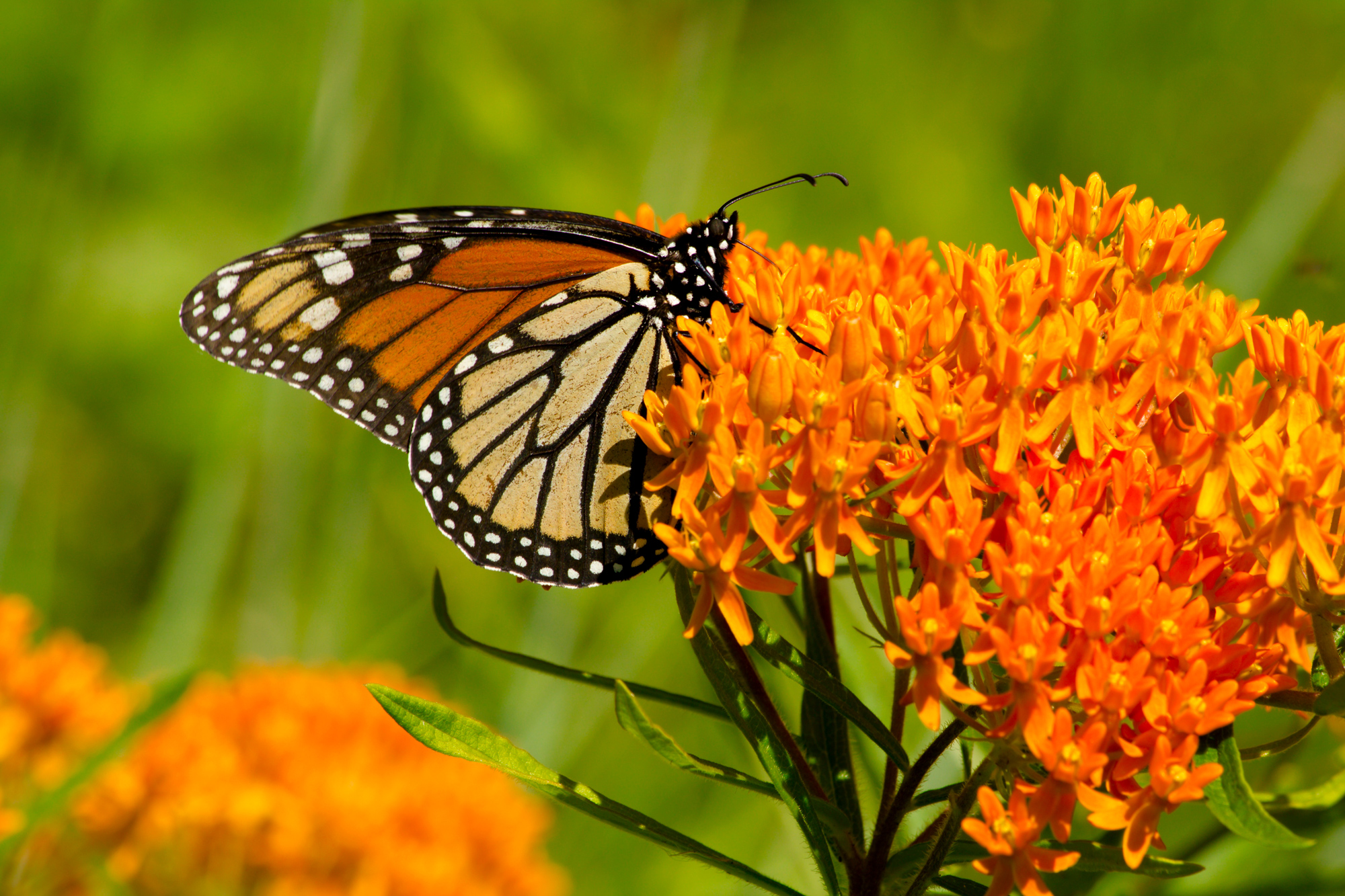
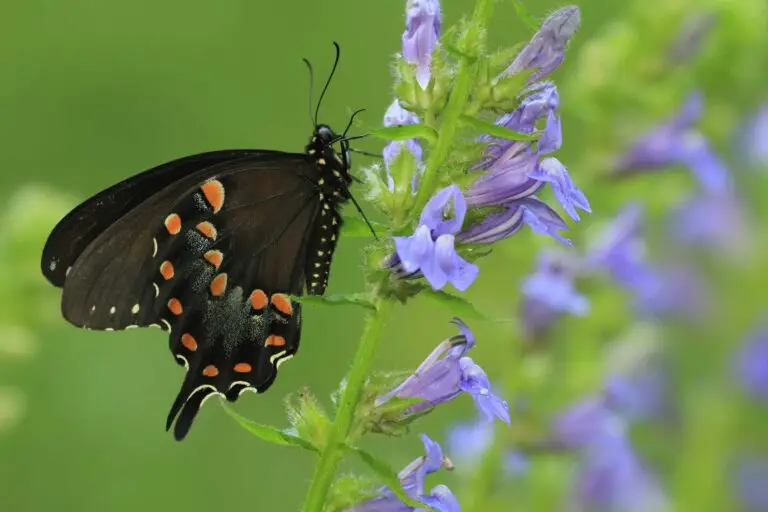
Pair purple lovegrass with native flowers, shrubs, and trees for lots of height and lots of things to look at. Here are some recommended pairings:

That concludes our introduction to purple lovegrass. This native grass has lots to offer, from springtime greenery to purple-tipped summer hues and warm bronze foliage in the fall and winter. Since it’s a perennial, plant once and watch it come back year after year. Its long root system ensures it is drought-tolerant, keeping your water bills low. Looking for other planting ideas? Visit our regional guides for Northeast, Midwest, Mid-Atlantic, or Southern gardens. Or go meet its purple-grass cousin in our Purple Muhly Grass Profile. Happy planting!

Woman smiling in a light blue blouse standing among white coneflowers in a lush garden.

Written by

Emily Lessard

Founder & Editor, The Plant Native

Emily Lessard is the founder and editor of The Plant Native, the site that helps homeowners across North America get started with native plants. She holds a Sustainable Landscapes certificate through the Pennsylvania Landscape & Nursery Association, is finishing a Native Perennial Garden Design Certificate at Temple University, and is the author of World of Native Plants (Quarto, February 2027). She gardens outside Philadelphia in the 8.3 Southeastern Plains ecoregion.
Meet Emily

UPDATED —
07/04/2026
In This Guide
Welcome to the helpful part of the internet:
Lawns vs. native gardens — What’s easier?
Grass is needy. Natives aren’t.
native-garden-with-obedient-plant-pairing-black-eyed-susans
I’m so overwhelmed. How do I start?
You’re not alone—and it’s easier than you think.
swamp-milkweed-in-a-garden
Do I need to know Latin plant names?
Nope. But here's when it helps.
botantical-tag-in-florida