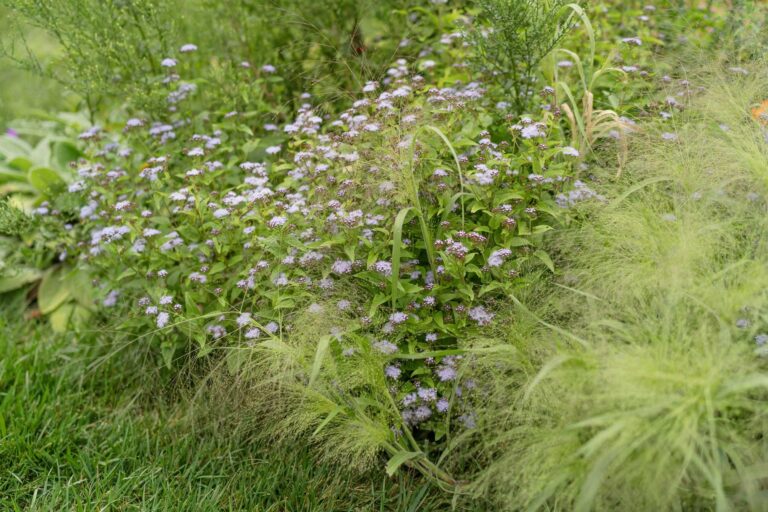

California is, botanically speaking, absurdly privileged. It has more native plants than any other state in the continental United States, roughly 6,500 species and varieties, and thousands of them grow nowhere else on earth. The chaparral hillsides outside Los Angeles look different from the redwood understory north of San Francisco, which looks different from the Central Valley grasslands, which look different from the high Sierra meadows, which look nothing at all like the Mojave. Nevada, just over the border, adds Great Basin sagebrush steppe and more Mojave desert to the conversation, an austere and deeply underrated plant palette with its own cast of characters.
If Willy Wonka were into plants instead of candy, he would definitely have a garden in California.
If Willy Wonka were into plants instead of candy, he would definitely have a garden in California.
All those native options mean there is no single answer to “which native plants should I grow in California or Nevada?” There are a few thousand.
We’re not going to try to cover even a fraction of them. Instead, we’ll shine a light on some home garden MVPs, organized by region. We’ll also take on the impostor question: which plants in California and Nevada yards does everyone assume are native when they’re actually from South Africa, Australia, or the Mediterranean?
First, an introduction.
Meet your new nerd friend: CalSCAPE
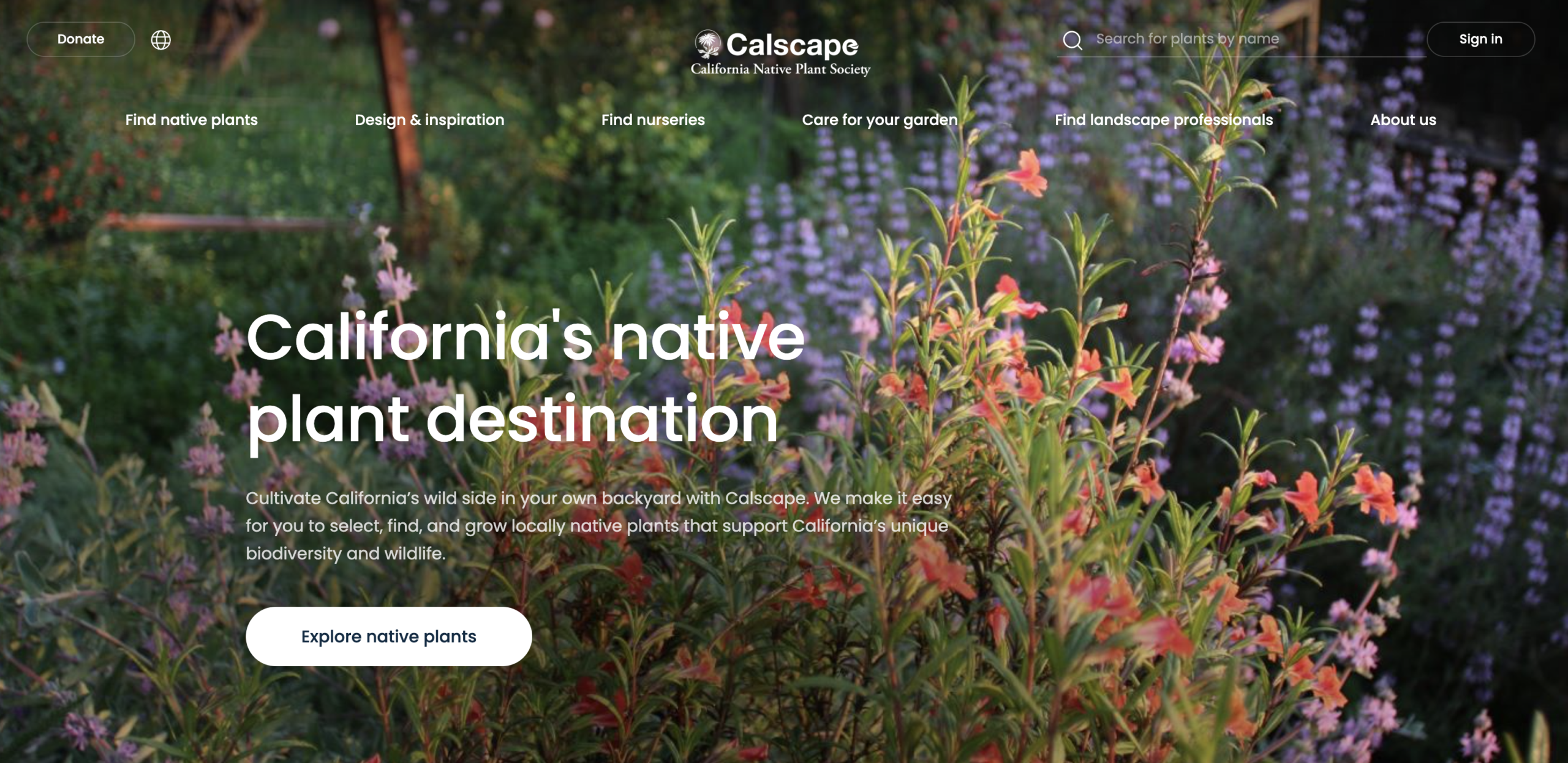
Let us give credit where credit is due. There is an online tool that makes everything easier: CalSCAPE. CalSCAPE (California Native Plant Landscaping Exchange), run by the California Native Plant Society, is a database that gives you a list of native plants for your exact address. Wherever your yard sits in the full buffet of California plant communities (coastal sage scrub, valley grassland, mixed evergreen forest, Mojave desert), they’ve got you.
How to use CalSCAPE
Enter your zip code. Filter by sun, water, and plant type. Get a list of species that are native to your backyard.
Every species page includes photos, growing advice, and a list of nurseries near you that carry it. It’s the most useful tool for native plant gardening in California, and it’s free.
Nevada gardeners: CalSCAPE is California-specific
For Nevada, the Southern Nevada Water Authority’s plant search and the USDA PLANTS Database are reliable starting points.
Does getting dropped into a database sound like a chore?
I get it. You’re busy. Let’s make it a little easier. Here are the California natives that work in almost any California yard.
Statewide standouts: The plants that work almost everywhere
Many native plants are adapted to specific conditions in specific places. A handful are different: they grow wild across a huge swath of California, and a few reach into Nevada. Here are four wide-ranging West Coast icons.
California lilacs (Ceanothus)
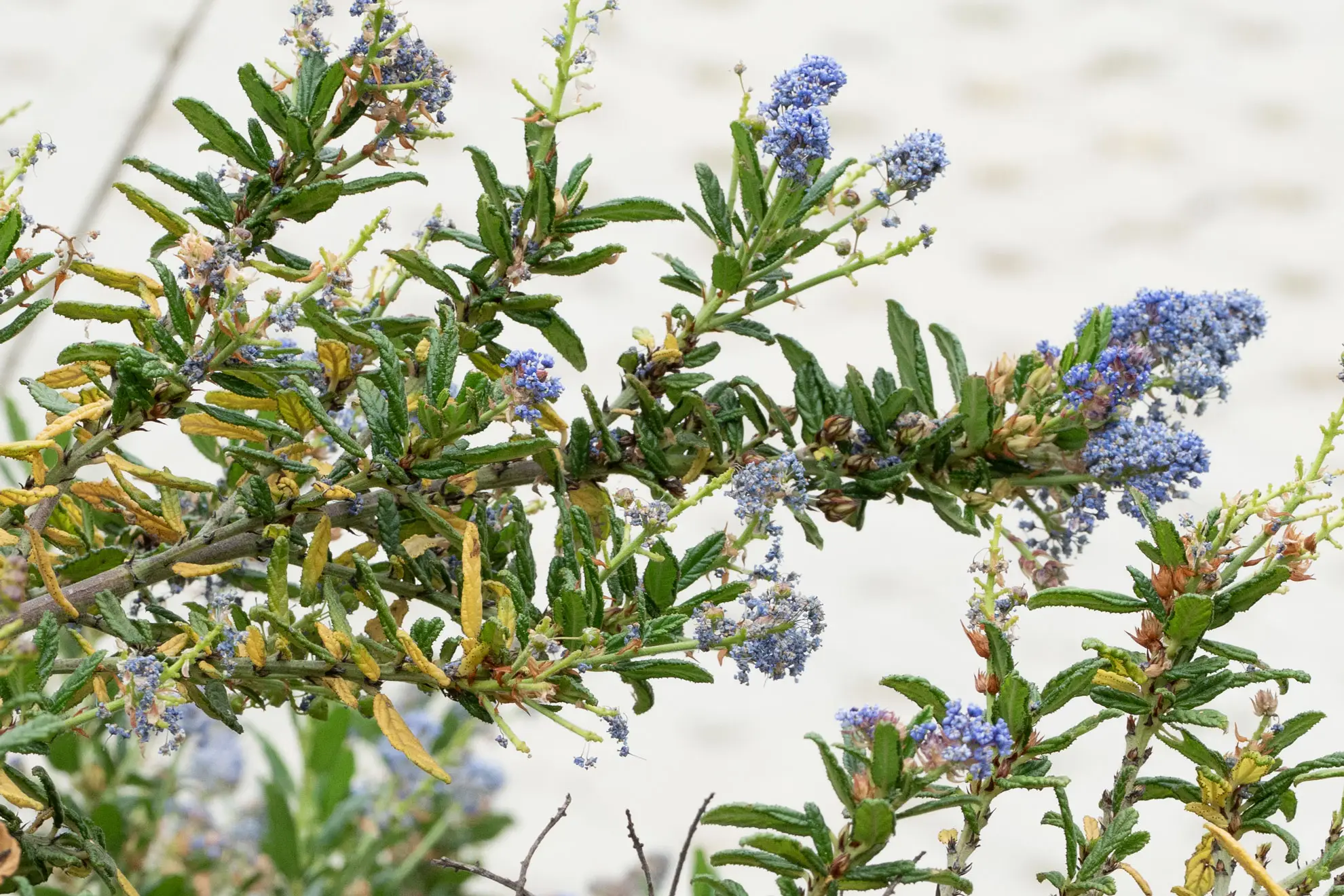
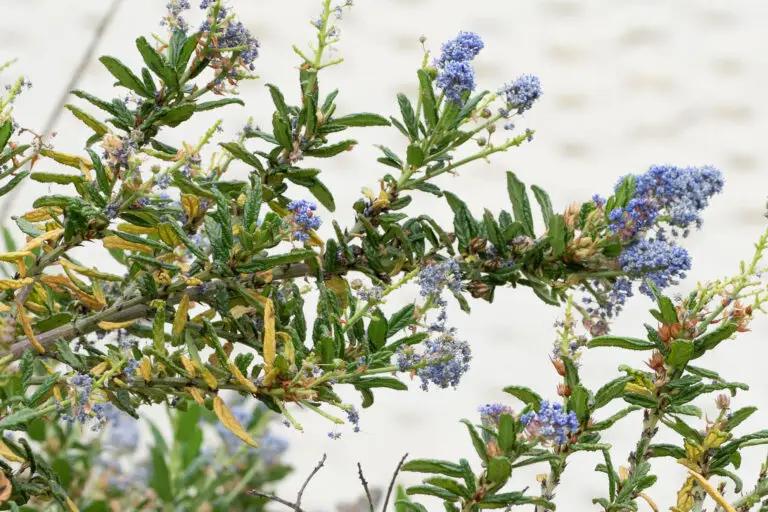
The Ceanothus genus holds about 50 species, and most of them grow wild in California, from low ground covers to 15-foot shrubs that pass for small trees. Blooms run from white through pale blue to deep cobalt. There is a California lilac for almost every California climate and garden.
The common denominator: full sun, excellent drainage, no summer water once established, and an explosive spring bloom that turns the plant into a solid wall of blue and brings every native bee in the neighborhood to your yard.
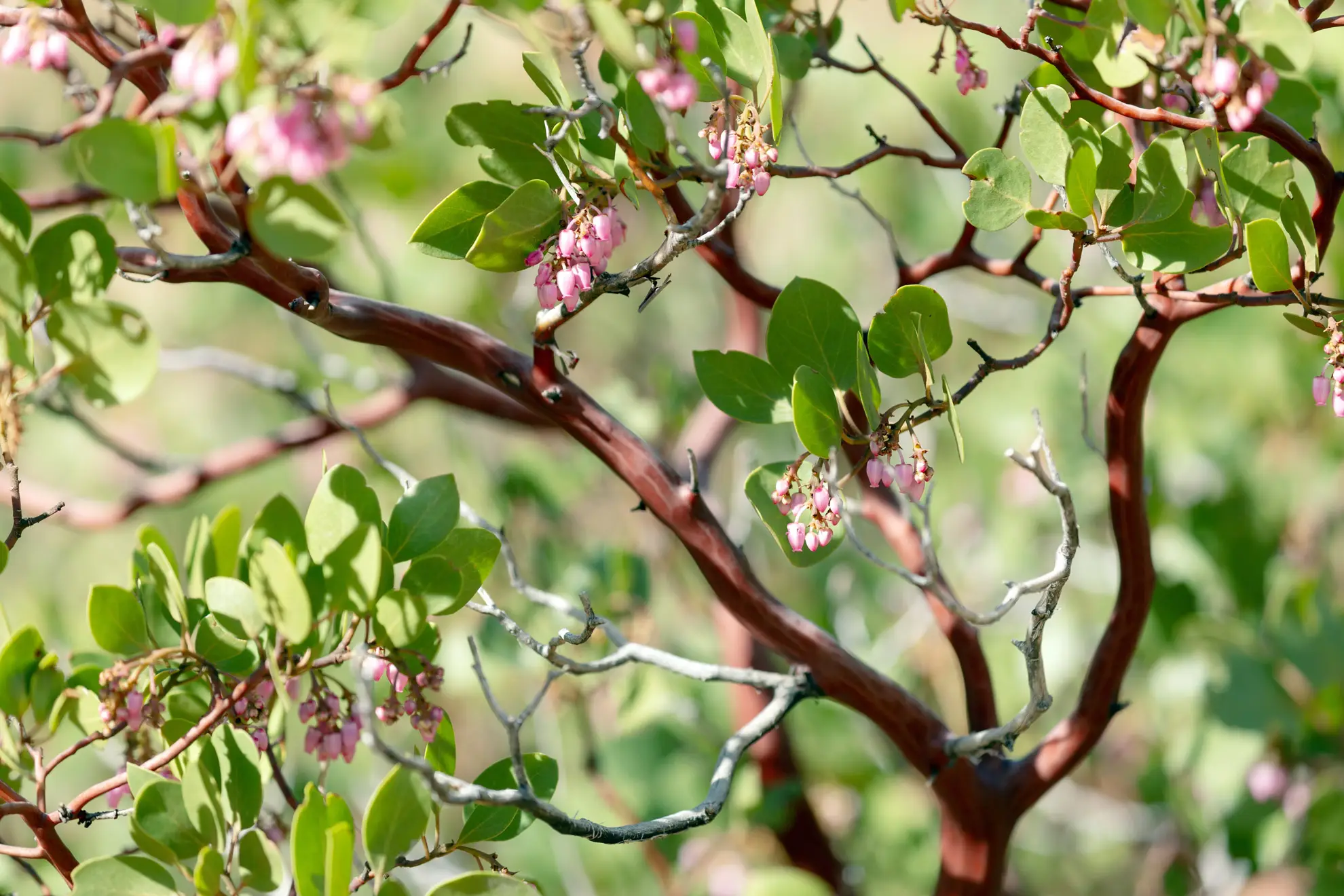
Manzanitas
Manzanitas are California’s unsung living icon. The manzanita genus, Arctostaphylos, includes about 60 species, most of them found only in California, from ground-hugging kinnikinnick (A. uva-ursi) to tree-like shrubs stretching 20 feet.
You can spot most manzanitas by their smooth, mahogany-red bark, which peels in thin curls and looks hand-painted in every season. Urn-shaped white to pink flowers in late winter bring in Anna’s hummingbirds. Round red-brown berries feed bears, coyotes, foxes, and birds through summer and fall.
For a home landscape, we have a recommendation: Vine Hill manzanita ‘Howard McMinn’ (Arctostaphylos densiflora ‘Howard McMinn’). It’s one of the most reliable all-around manzanitas for California gardens.
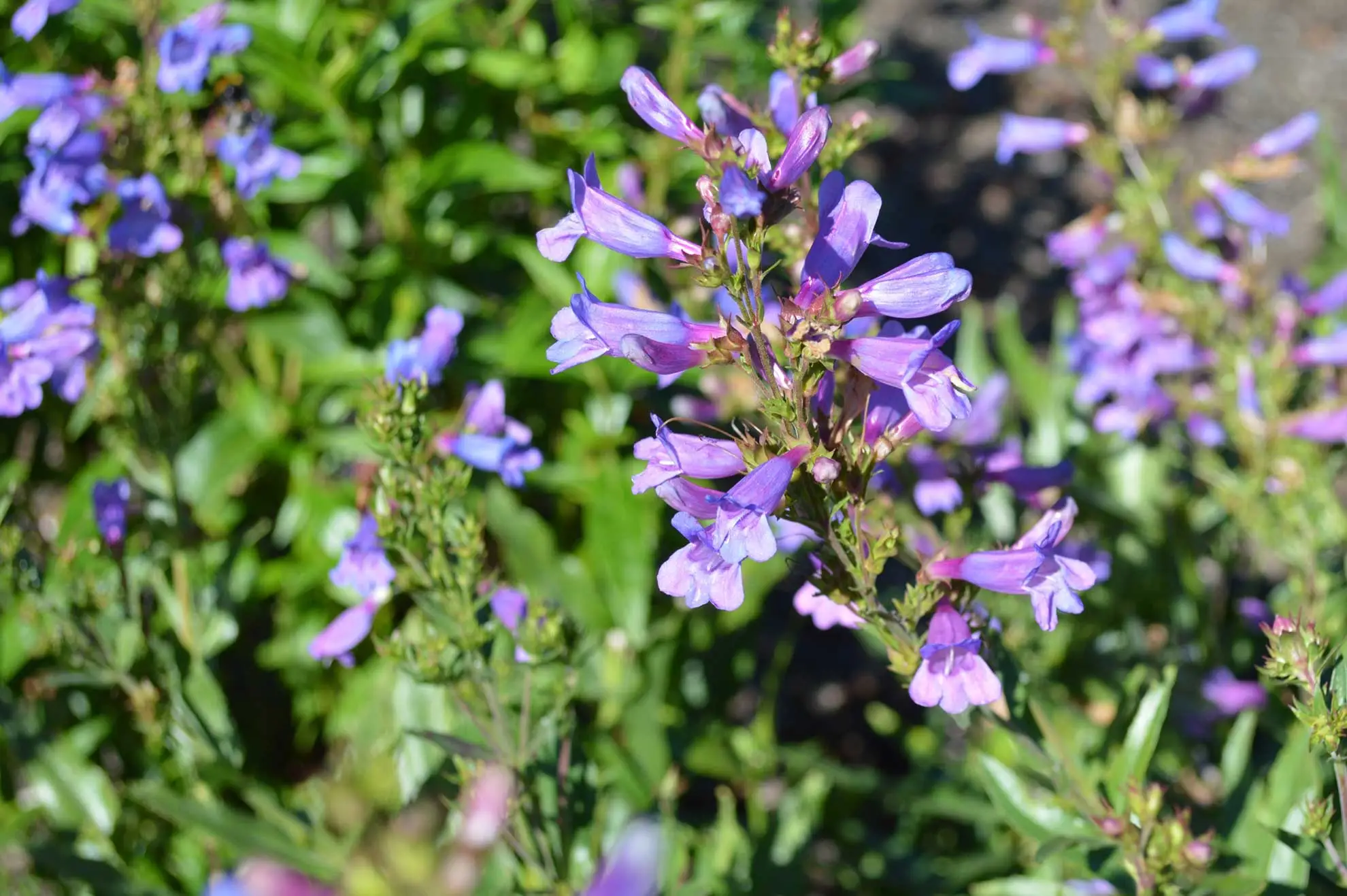
Penstemons
Penstemons are the hummingbird magnets. The Penstemon genus is one of the largest in North America, and California and Nevada are home to dozens of native species.
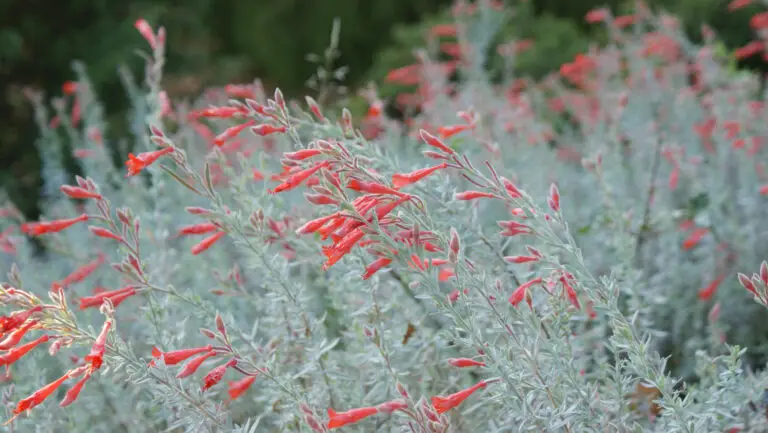
Three penstemons stand out for home gardens. Showy penstemon (Penstemon spectabilis) lights up Southern California hillsides in spring with 3-foot spikes of blue-violet flowers. Foothill penstemon (Penstemon heterophyllus) is smaller and bluer, blooming in the foothills of the Coast Ranges and the Sierra Nevada. And firecracker penstemon (Penstemon eatonii) sends up brilliant scarlet tubes across the Great Basin and Mojave, a hummingbird favorite in early spring, when little else is blooming.
All penstemons want full sun and drainage; none want to sit in mud over winter. If you have a sunny, well-drained spot and want hummingbirds (trick question: everyone wants hummingbirds), plant penstemons.
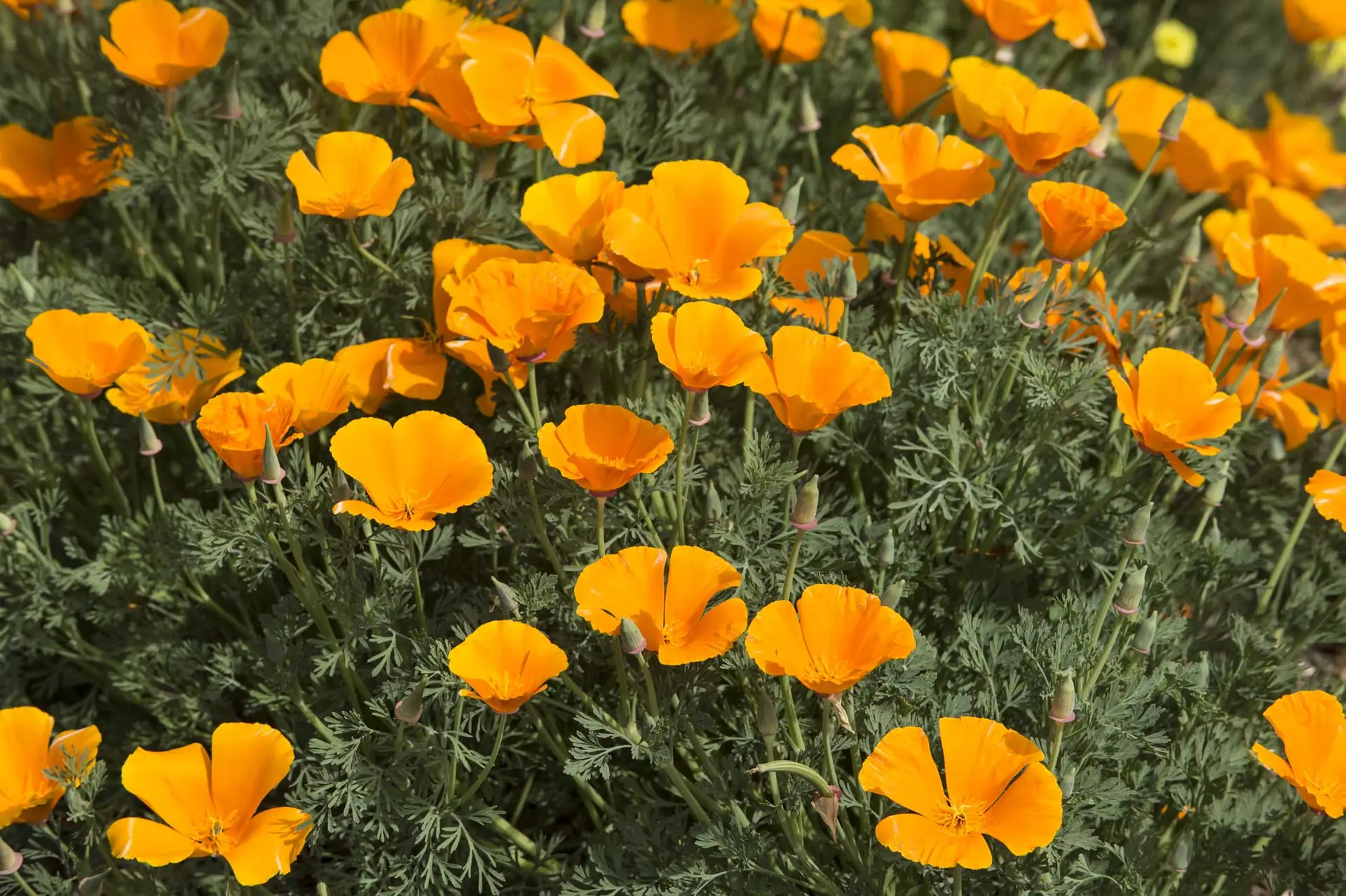
California poppy
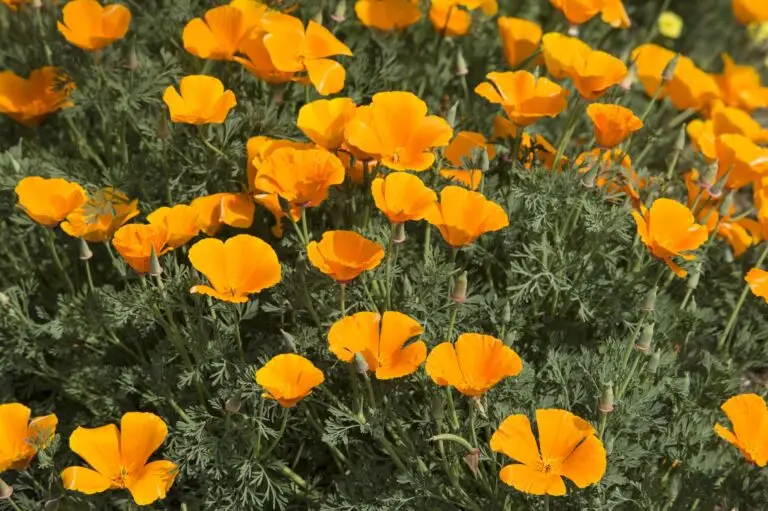
Zero surprises to see this stellar flower on the list, right? California poppy (Eschscholzia californica) is the state flower and maybe the easiest California native to grow.
Sow seed directly on bare, dry soil in fall.
That’s it.
Those were the planting directions. Unloading the dishwasher will take you longer than it takes to plant California poppies. This laziest of gardening chores pays you back with gold and orange blooms from late winter into summer.
It self-sows freely and will return year after year if you let some seed fall. It grows from sea level to the mountain foothills across most of the state. It is technically a perennial in mild climates but is usually grown as an annual. There is no lower-barrier entry point into California native gardening. Get a packet of seeds and don’t overthink it.
Unloading the dishwasher will take you longer than it takes to plant California poppies.
Now, let’s meet some natives built for specific corners of California and Nevada. We’ll start with Southern California.
Southern California: Chaparral and coastal sage scrub
The landscape of Southern California, from San Diego to Los Angeles and inland to the Inland Empire, is a mix of chaparral and coastal sage scrub. These two plant communities are so intertwined that it’s hard to tell them apart.
They share a palette of aromatic shrubs, drought-adapted perennials, and scattered oaks that is both beautiful and nearly indestructible once established. The plants below are the workhorses of Southern California native gardening, the ones you’ll see at Theodore Payne Foundation in LA, at California Botanic Garden, and in the yard of every gardener who has been planting native for more than a season.
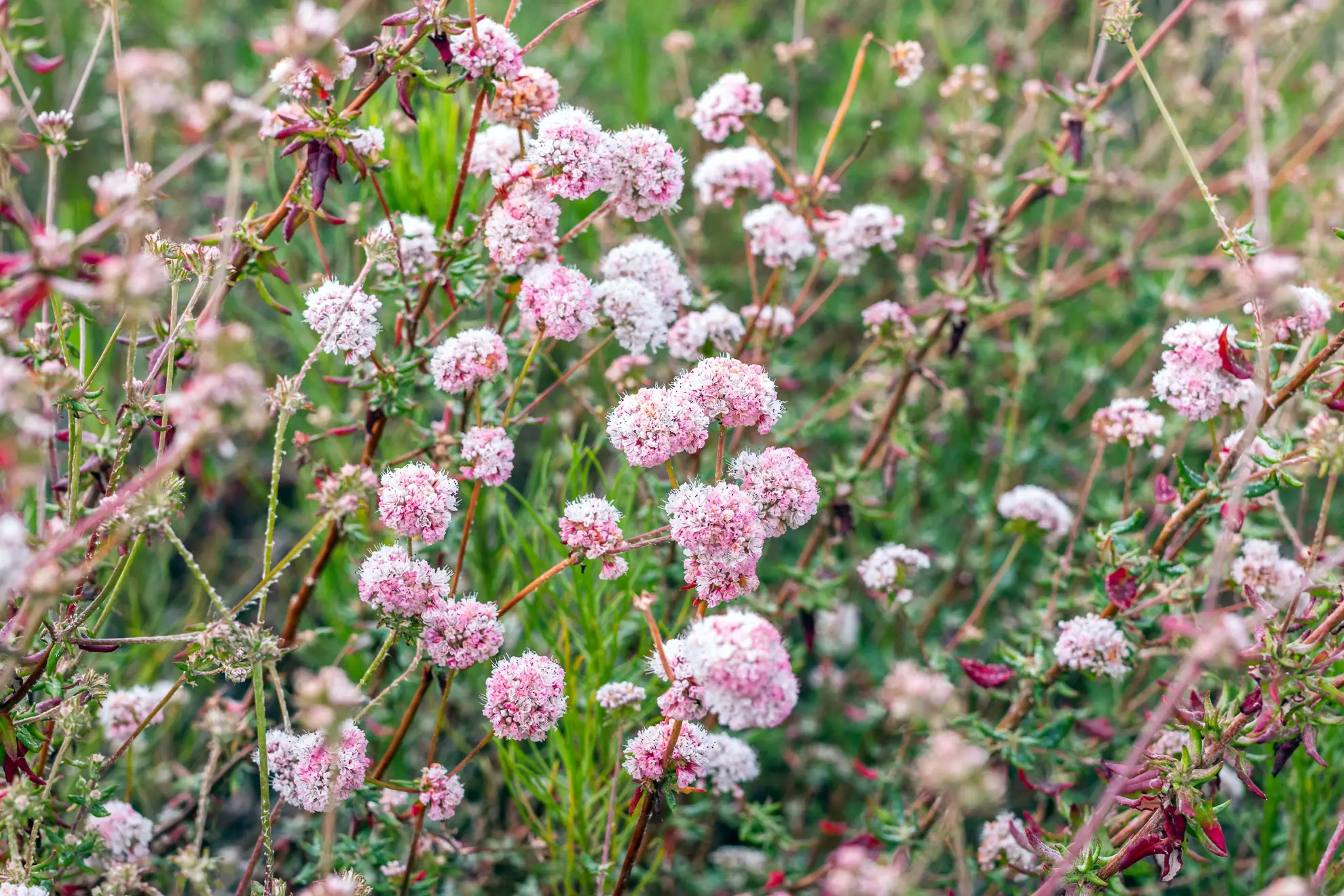
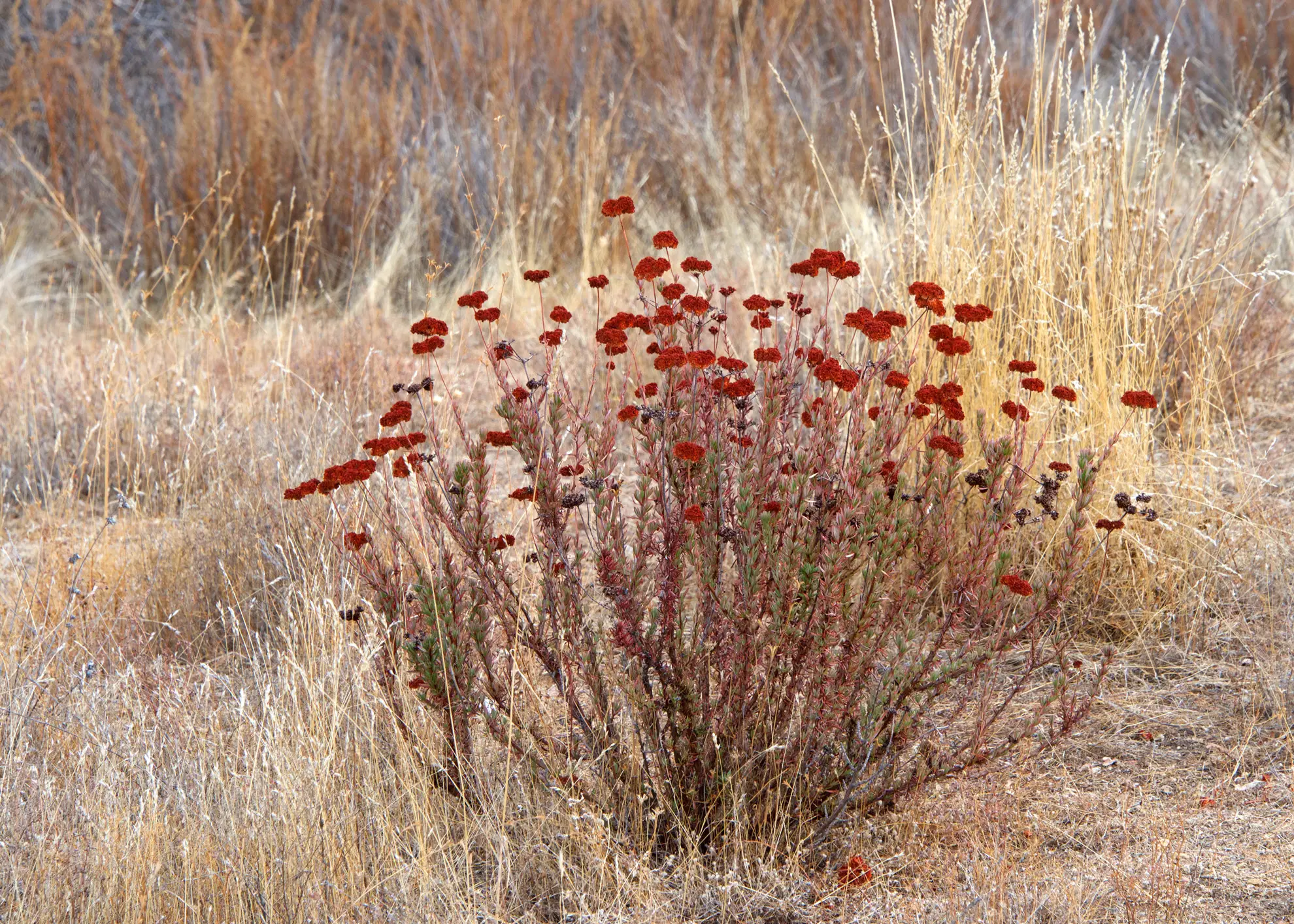
California buckwheat
California buckwheat (Eriogonum fasciculatum) is an under-planted pollinator powerhouse. It’s a low, rounded shrub (2 to 4 feet tall and wide) with clusters of tiny white to pale pink flowers that open in late spring and last for months, fading to a warm rust-brown that still looks good into fall.
At peak bloom, the flower heads are so busy with native bees, butterflies, and tiny beneficial wasps that the whole plant hums. California buckwheat grows wild across Southern California, the foothills around the Central Valley, and out into the Mojave and southern Nevada, handling full sun, rocky soil, and months without rain. It’s one of the most valuable pollinator plants in the state, and it looks great without a drip line.
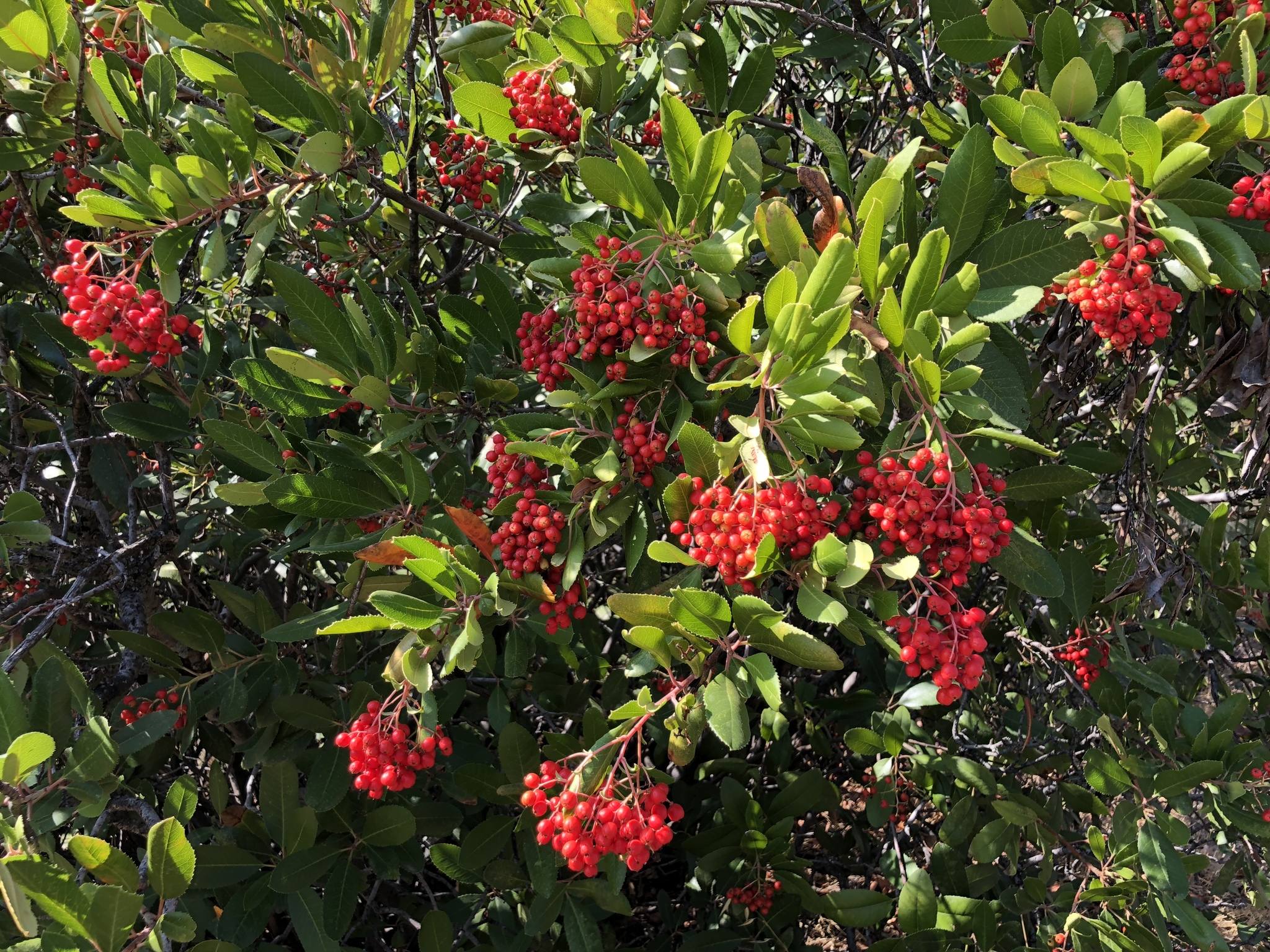
Toyon
Toyon (Heteromeles arbutifolia) has a Hollywood story. In the early 1900s, Angelenos called it “California holly” because its winter berries reminded them of European holly, and legend says the hills covered in it gave Hollywood its name. We’re choosing to believe it. “Hollywood” really should be called Toyonwood.
Its own name is older than the legend. Toyon is thought to come from totcon, the Ohlone name for the plant, and today toyon is the official native plant of Los Angeles.
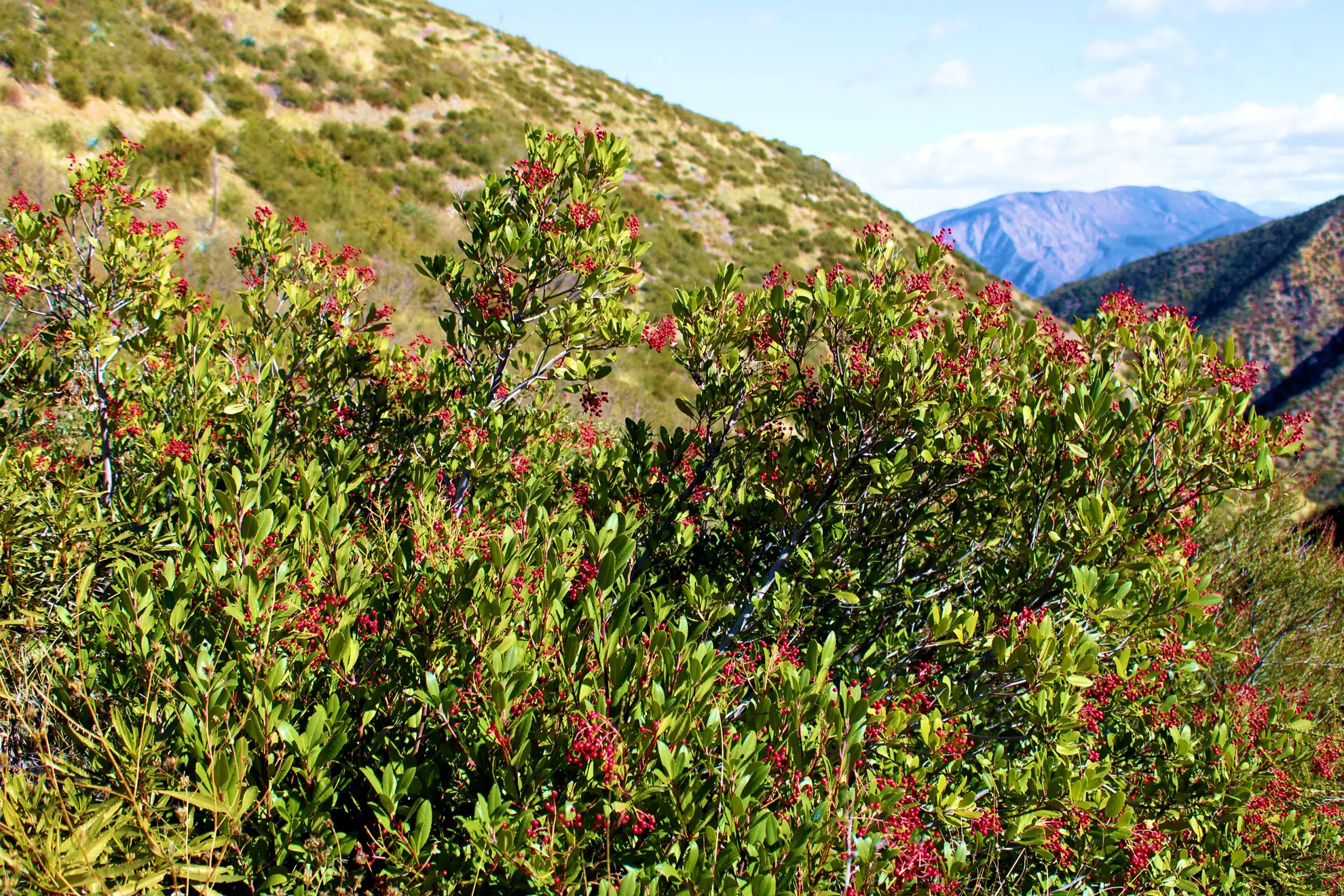
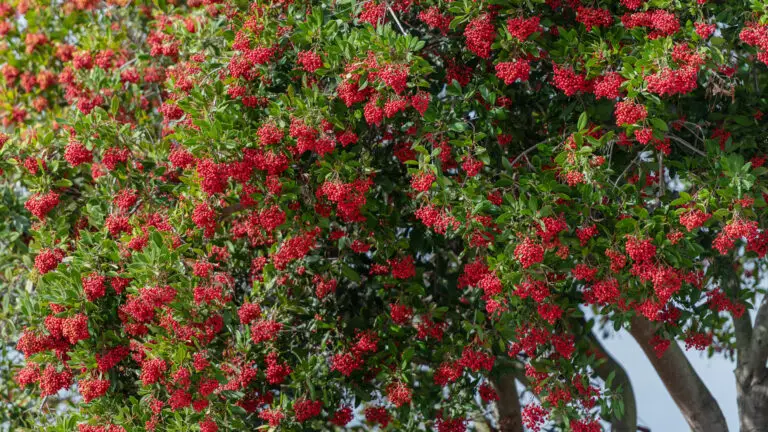
Toyon is a large shrub or small tree (6 to 15 feet), evergreen, with flat clusters of small white flowers in early summer and bright red berries from fall into winter that feed birds all over Southern California. Cedar waxwings, American robins, and hermit thrushes descend on a fruiting toyon in December like it’s a bowl of punch at a party.
It thrives where you’d think nothing would: poor soil, drought, and coastal wind are all fine. It belongs in almost every Southern California yard that has room for a 10-foot plant.
“Hollywood” really should be called Toyonwood.
We’ll stop there, for now. Here are all of our plant profiles that work well in SoCal gardens:
-
-
-
-
-
-
-
-
-
-
-
-


Bay Area and Northern California: Fog and foothills
Northern California’s native plant palette is organized around moisture, be it fog, mist, or rain. That steady water supports redwood forests, mixed evergreen woodlands, and coastal prairies. The inland foothills are more Mediterranean, with wet winters and dry summers. The Bay Area sits right where the two meet, which is why Bay Area native gardening can feel more complicated than anywhere else in the state. (As a Palo Alto kid, I know from experience that some hard-core plant nerds in the area can be, shall we say, a little intimidating, too.)
Start with this NorCal plant friend that plays nice in yards.
Red-flowering currant
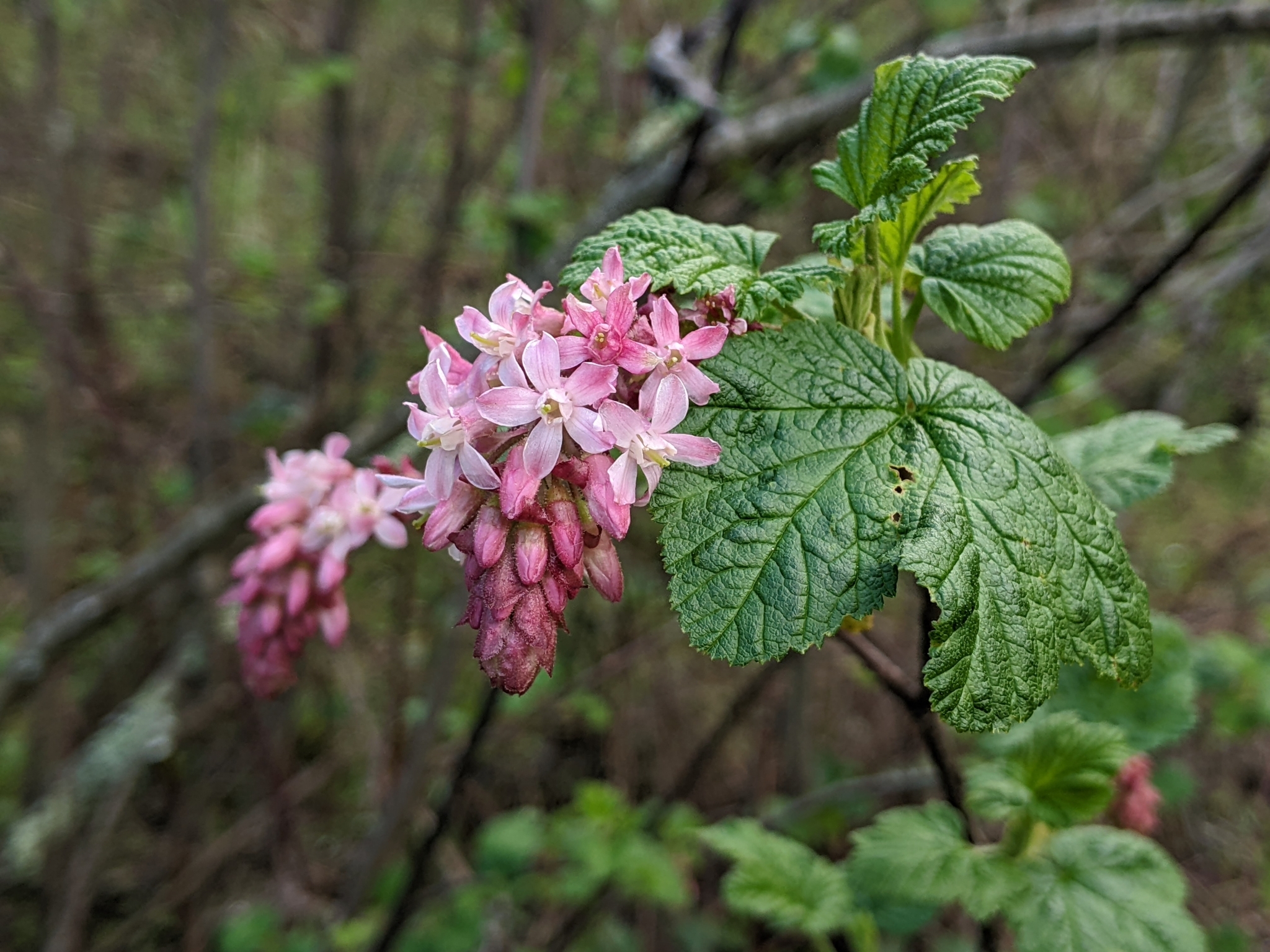
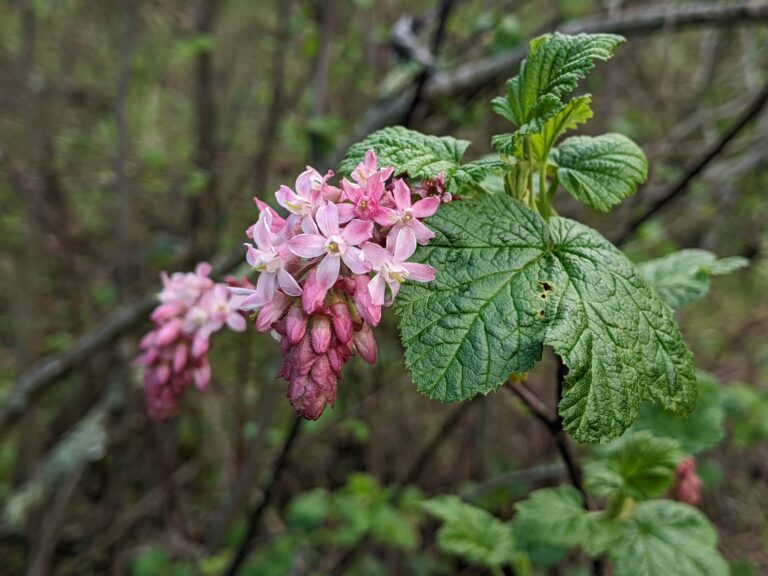
Red-flowering currant (Ribes sanguineum) has it all: spicy-scented flowers, berries the birds love, and lobed leaves shaped like little maple leaves. It’s one of the showiest late-winter shrubs in the state. The flowers open in February and March, weeks before most other plants have done a thing, in drooping clusters of rose-pink that look almost tropical against branches that are barely leafing out.
Anna’s hummingbirds are usually the first visitors, which makes it a fun plant to watch from a window. It’s a loose shrub, usually 5 to 12 feet tall, happiest in sun near the coast and part shade inland, and once it’s settled it gets by on dry summers. Prune lightly after bloom if you want to keep it in bounds, and then you’re done until next February.
Here are all of our plant profiles that feel at home in NorCal gardens:
-

-
-
-
-
-
-
-
-
-
-
-


The Central Valley: Rare and worthy
The Central Valley is the most transformed landscape in California. Over the past 150 years, farms have replaced most of its native plants. What remains is beautiful and garden-worthy. Valley gardeners have plants adapted to the valley’s particular mix of hot, dry summers, cold, wet winters, and heavy clay soil, a combination most other regions don’t share.
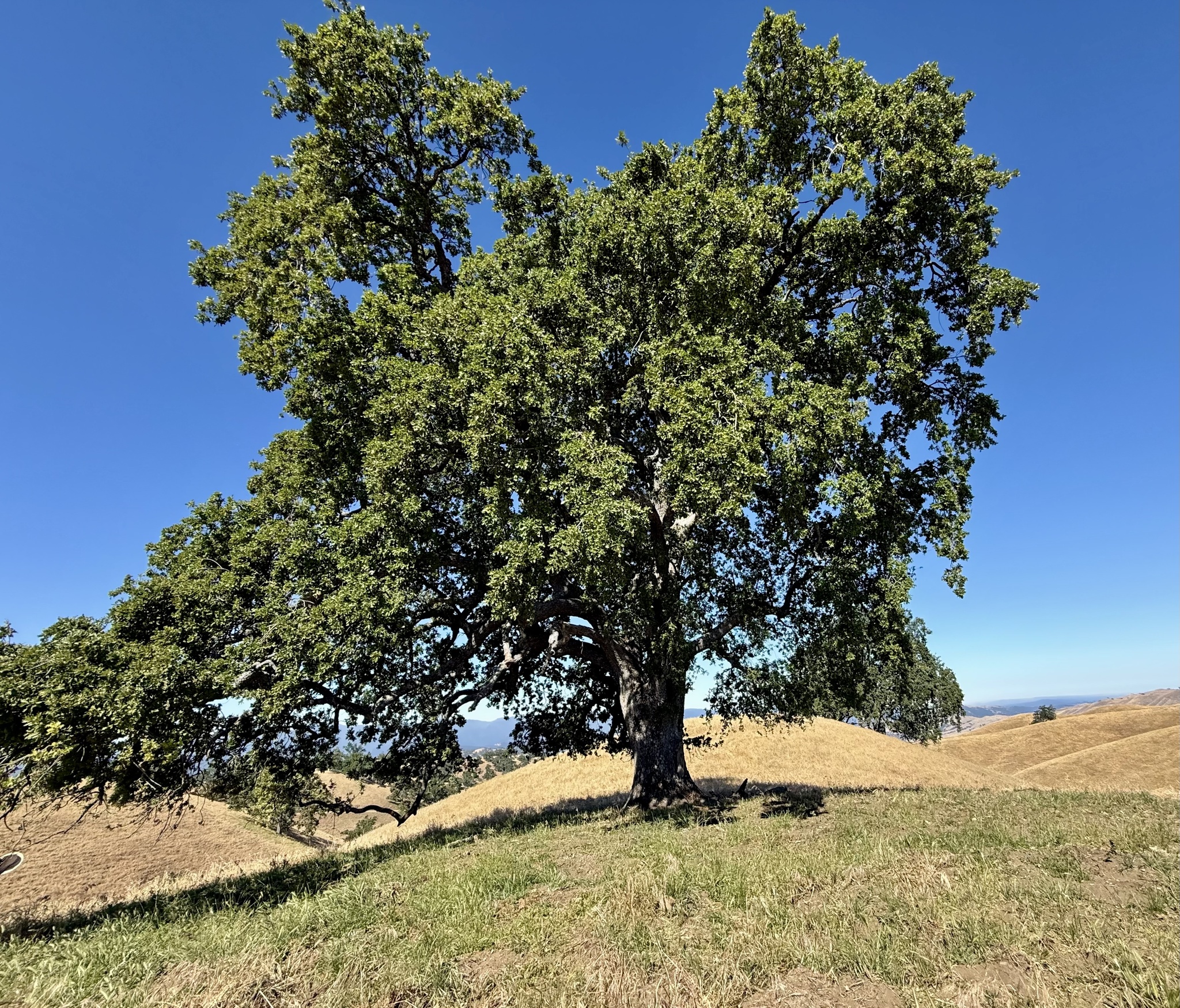
Valley oak
Grow an icon. Valley oak (Quercus lobata) is the definitive tree of California’s interior: deeply lobed leaves, a massive spreading canopy at maturity, and a lifespan measured in centuries.
This is not a tree for small yards. A mature valley oak can reach 70 feet tall and 100 feet wide, and it won’t stop to ask your permission on the way. But for gardeners with the space and the patience, valley oak is one of the highest-value wildlife trees there is: Douglas Tallamy’s research counted more than 500 caterpillar species that feed on oaks in North America. Plant one for someone who will be alive in 2125.
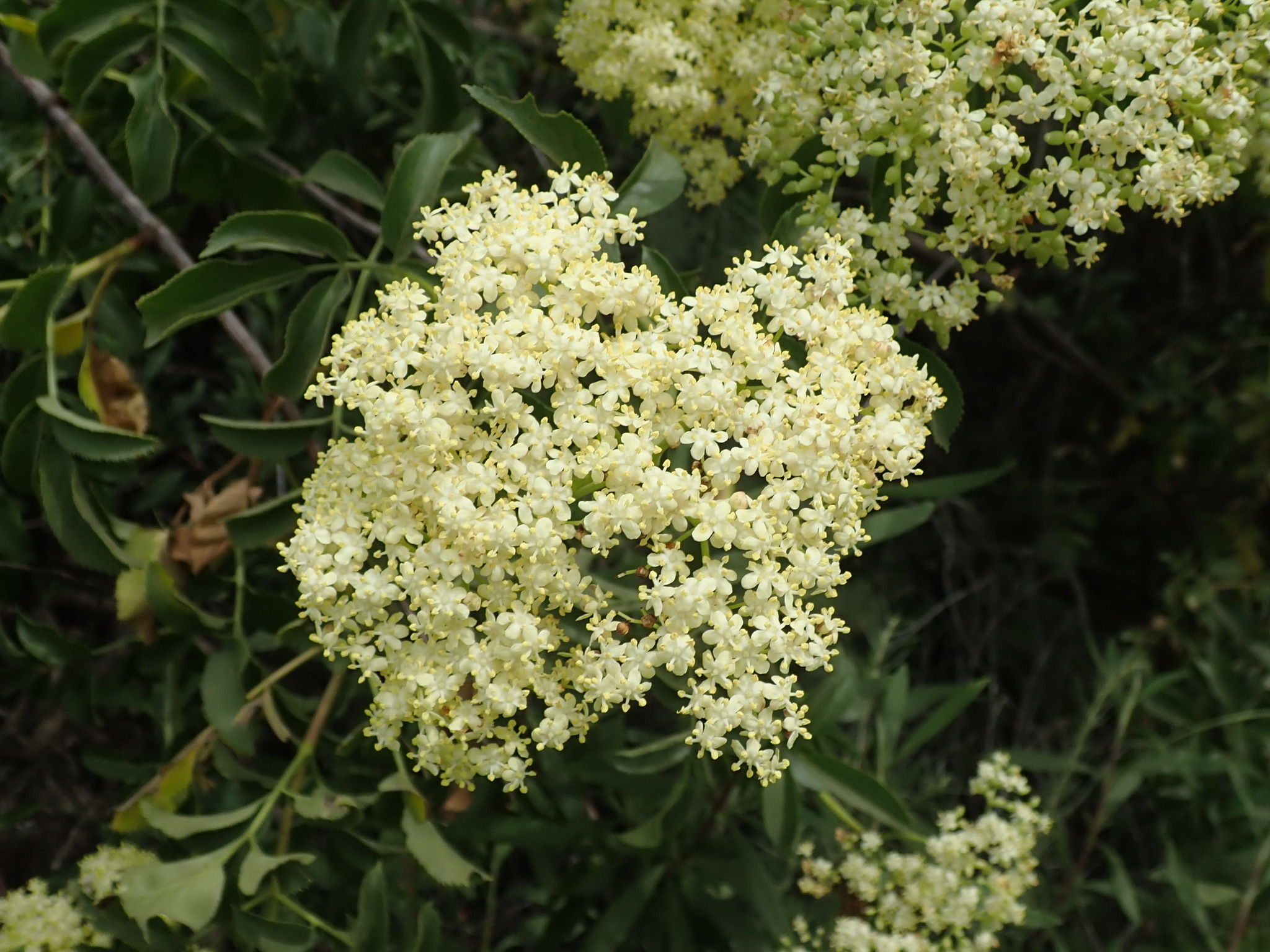
Blue elderberry
Blue elderberry (Sambucus nigra ssp. caerulea) is the fast-growing native for gardeners who need size quickly. It reaches 15 to 25 feet as a large shrub or small tree, with flat-topped clusters of creamy flowers in late spring and powdery blue berries in summer that feed a long list of birds. It’s also the only host plant for the valley elderberry longhorn beetle, a federally threatened species found only in the Central Valley and its foothills.
It handles Central Valley heat, average soil, and moderate drought once established. For a garden near a river corridor or seasonal creek, this might be your plant.
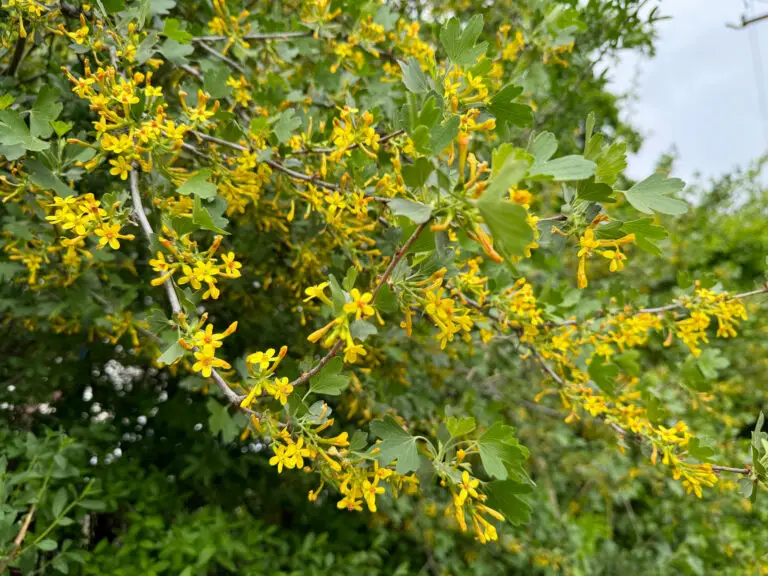
Here are all of our plant profiles that are ready for Central Valley gardens:
-
-
-
-
-
-
-
-

Great Basin Nevada and the Mojave: Built for extremes
Nevada covers more than one botanical territory. Most of the state is cold desert, sagebrush and bunchgrass country above 4,000 feet. It’s a tough place to be a plant, unless you’ve been there for thousands of years.
Then there’s the southern tip of Nevada, around Las Vegas, which belongs to the Mojave: lower and hotter, home to Joshua trees and creosote bush, plants built for summers over 100 degrees. Both ends of the spectrum are worth a closer look.

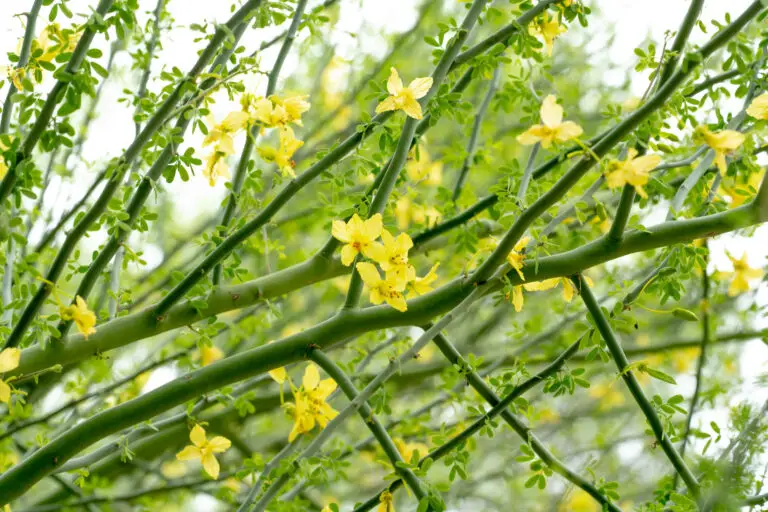
Palo verdes
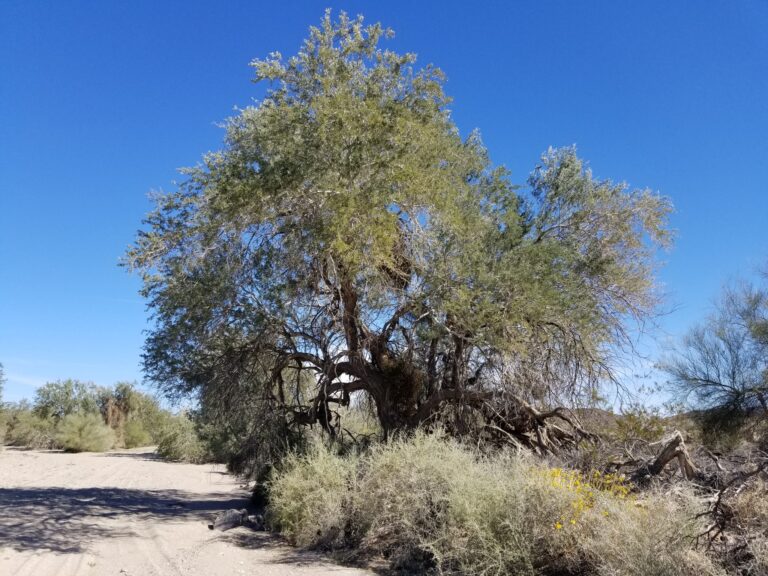
The green-barked trees of the Mojave and Sonoran deserts are some of the most striking native plants in North America. Blue palo verde (Parkinsonia florida) grows wild in the desert washes of southeastern California, from the edges of Joshua Tree National Park south through the Coachella Valley to the Arizona border, and foothill palo verde (Parkinsonia microphylla) reaches into the state’s far southeastern corner. Both drop their tiny leaves during drought and photosynthesize through their green bark, a trick that keeps them alive and green-looking through the hottest, driest months.
For low-desert gardens, palo verde is the signature shade tree.
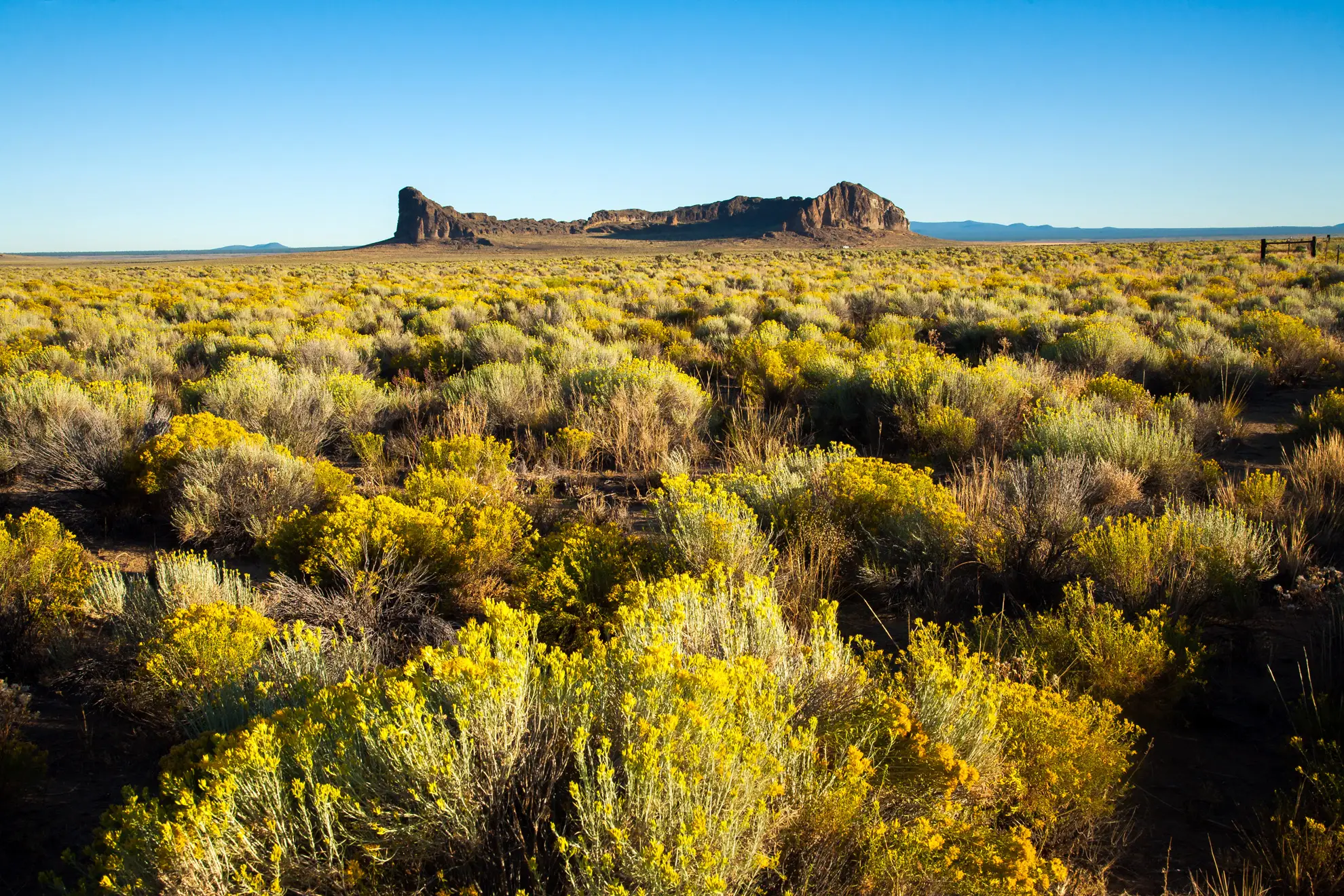
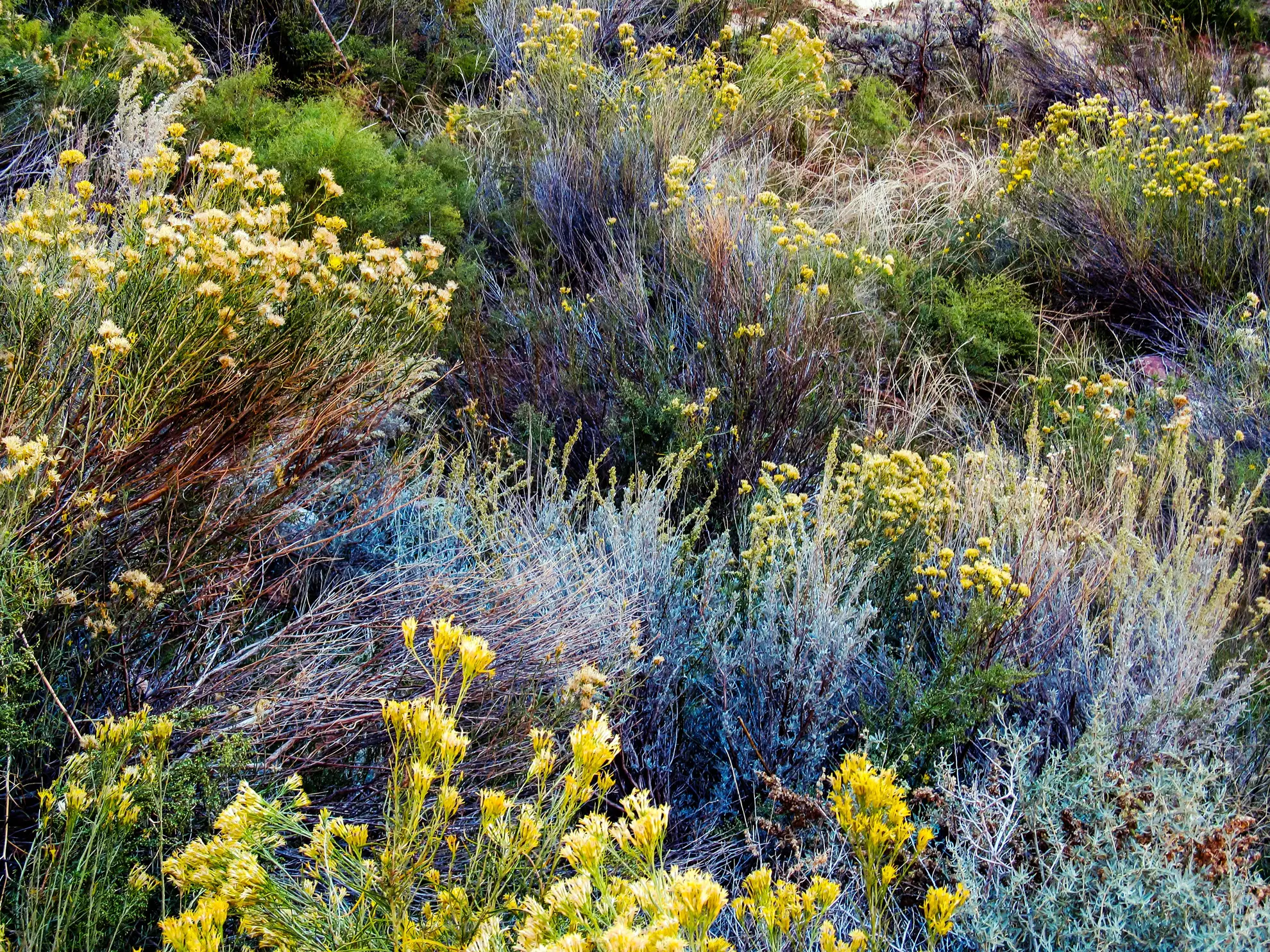
Rubber rabbitbrush
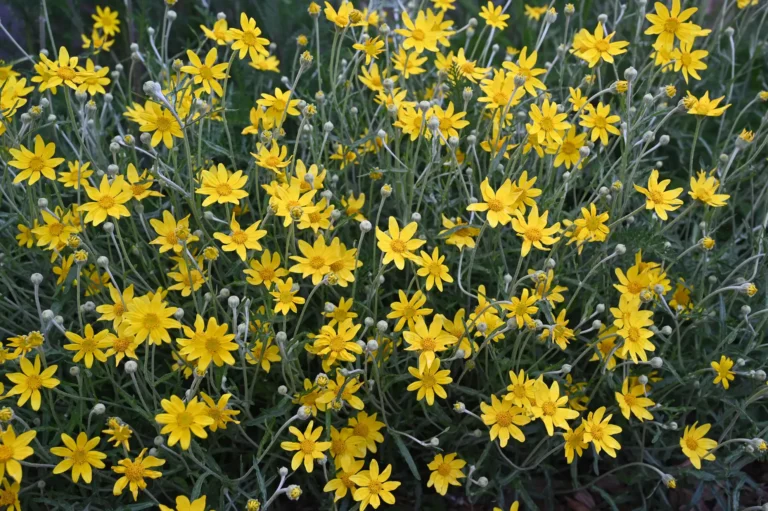
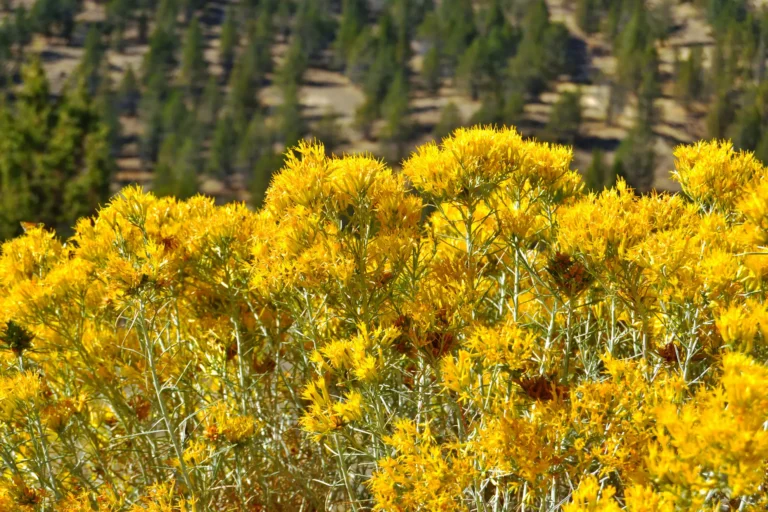
Rubber rabbitbrush (Ericameria nauseosa) turns the desert a soft, glowing gold in September and October. When most of the landscape is dry and brown, it opens masses of bright yellow flowers that keep pollinators fed deep into fall. It’s a 2- to 5-foot shrub with silvery stems that handles alkaline soil, road salt, and extreme drought with a teenage eye roll. Western monarchs stop to refuel on it during their fall migration.
Its common name comes from the jackrabbits that shelter under it, and that hospitality extends to quail, sparrows, and other ground-nesting birds. In a Great Basin garden, it’s a must-have.
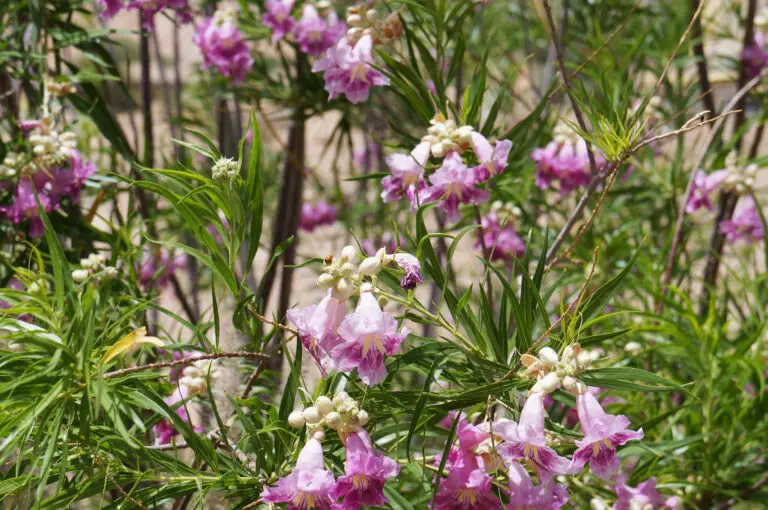
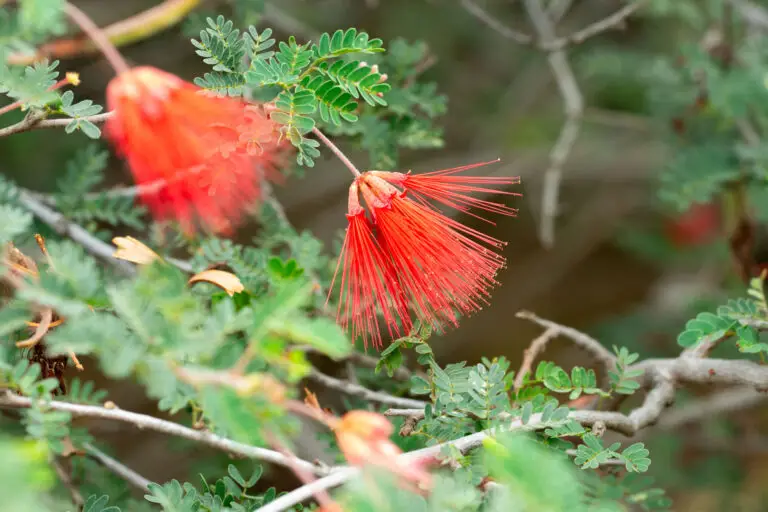
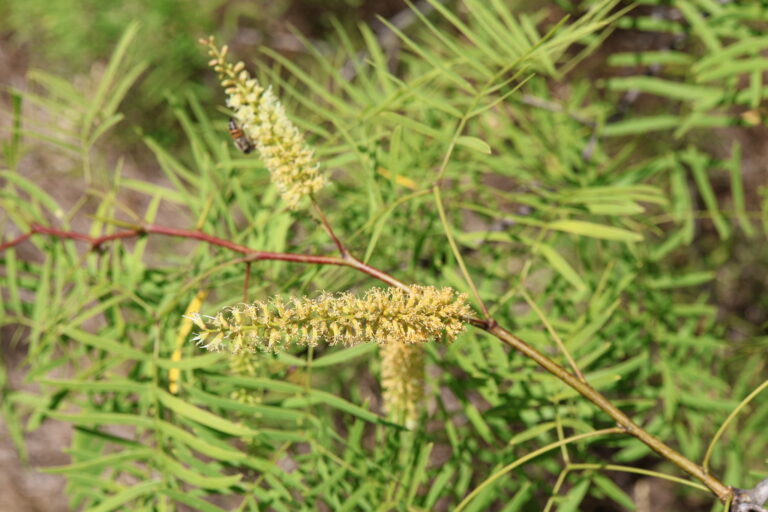
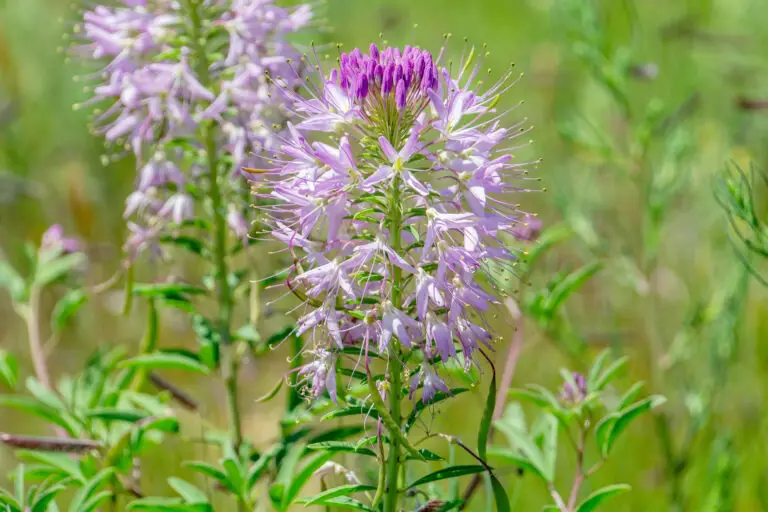
Here are all the native plant profiles on the site that are ready for desert gardens:
-
-
-
-
-
-
-
-
-
-
-
-


Which California favorites aren’t native?
Some of the most Californian-looking plants in California aren’t from here at all. A few of the usual suspects:
- Bird of paradise is from South Africa. It’s also the official flower of Los Angeles, which is a little awkward.
- Lily of the Nile (agapanthus), the blue pom-pom on half the medians in the state, is from southern Africa too.
- Iceplant came from South Africa as an ornamental and now carpets coastal bluffs and dunes.
- Blue gum eucalyptus is Australian. The first ones were planted in Southern California in 1865.
- Kangaroo paw is Australian, as the name suggests.
- Lavender and rosemary are Mediterranean. They love California’s dry summers because they grew up with the same ones, half a world away.
- Those tall, skinny palms lining LA boulevards are mostly Mexican fan palms. The only palm native to California is the California fan palm, which grows wild at desert oases.
You don’t have to rip out the lavender. But if you’re choosing something new, a native gives you the same look and feeds the locals. Try Cleveland sage where you were going to put lavender, California buckwheat on a dry slope instead of iceplant, and toyon or a valley oak where you were picturing a eucalyptus.
Beginner tip
Pampas grass, iceplant, Mexican feather grass, and periwinkle are non-native and invasive. They crowd out California’s native plant communities. If you have any of these in your yard, the California Invasive Plant Council has removal guides. Replacing them with native plants is a good first step as you begin your native garden.
California and Nevada native nurseries
Where do you find your new favorite plants? Skip the big box stores and the disappointment that comes with them (spoiler alert: they carry only a handful of natives). Instead, find your plants and your people at a nursery that specializes in natives. Here are 60+ worth a visit, and our nursery finder has even more.
Northern California
- Blue Moon Native Garden (Carmel Valley)
- California Flora Nursery (Fulton)
- California Native Landscapes (Mill Valley)
- Central Coast Wilds (Santa Cruz)
- Double Dogwood Nursery (Nevada County)
- Down by the Bay (Hayward)
- East Bay Wilds Nursery (Oakland)
- Fairfax Native Plants (Fairfax)
- Floral Native Nursery (Chico)
- Friends of Sausal Creek Nursery (Oakland; check website for plant sales)
- Ghost Pine Native Plant Nursery (Redding; appt only)
- Grassroots Ecology Nursery (Palo Alto)
- Homegrown Habitats (Marin)
- Mission Blue Nursery (Brisbane)
- Mountain Sage Native Nursery (Groveland)
- Native Here Nursery (Berkeley)
- Oaktown Nursery (Berkeley)
- Regan Biological & Horticultural Consulting Nursery (Carmel Valley)
- Ruth Bancroft Garden & Nursery (Walnut Creek)
- Siskiyou Arboretum Nursery (Yreka)
- Sonoma Native Plant Nursery at Sonoma Garden Park (Sonoma)
- Turtle Bay Nursery (Redding)
- UC Botanical Garden California Native Plants Nursery (Berkeley)
- UCSC Arboretum (Santa Cruz)
- Villager Nursery (Truckee)
- Walker Avenue Nursery (Santa Rosa; appt only)
- Watershed Nursery (Richmond)
- Watershed Nursery (Richmond)
- Wild at Heart Natives (Leggett)
- Wildflower Seed Company (St. Helena)
- Yerba Buena Nursery (Half Moon Bay)
Central Valley and Central Coast
- Blossom Hill Natives (Oakdale)
- Blue Oak Nursery (Springville)
- CalWild Landscapes (Loomis)
- Educated Gardener (Santa Margarita)
- Escondido Nursery (Galt)
- Intermountain Nursery (Prather)
- Las Pilitas Nursery (Santa Margarita)
- Mariposa Native Plants (Mariposa)
- Mother Natives (Sacramento)
- Sacramento Valley Conservancy Nursery (Sacramento; check website for plant sale dates)
- SacValley CNPS Nursery (Rancho Cordova; check website for plant sales and availability)
Southern California
- Amongst the Flora (Los Angeles)
- Arroyo Seco Foundation Nursery (Pasadena)
- Artemisia Nursery (Los Angeles)
- Californica Nursery (Long Beach)
- Desert Straw House Nursery (Palm Springs)
- Grow Native Nursery at California Botanic Garden (Claremont)
- Huntington Botanical Gardens (San Marino)
- LA Native Plant Source (Los Angeles)
- Manzanita Nursery (Solvang)
- Matilija Nursery (Moorpark)
- Moosa Creek Nursery (Valley Center)
- Native West Nursery (San Diego)
- Neel’s Nursery (Encinitas)
- OVLC Native Plant Nursery (Ojai)
- Santa Barbara Botanic Garden Shop (Santa Barbara)
- Santa Barbara Natives (Gaviota)
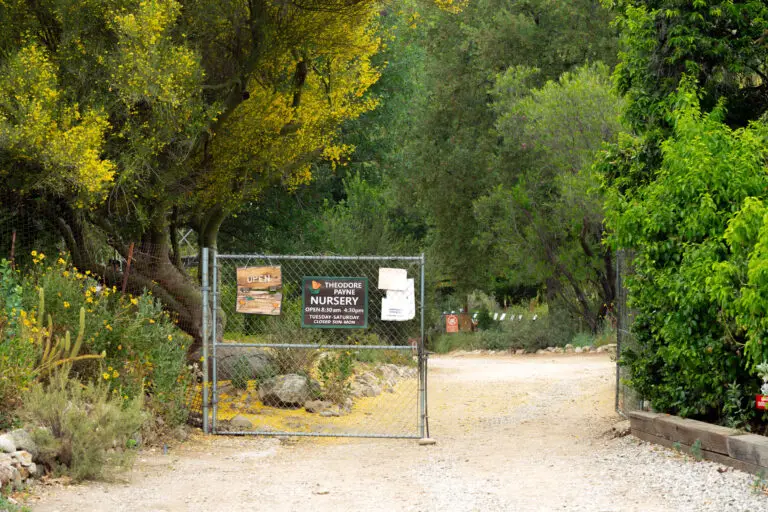
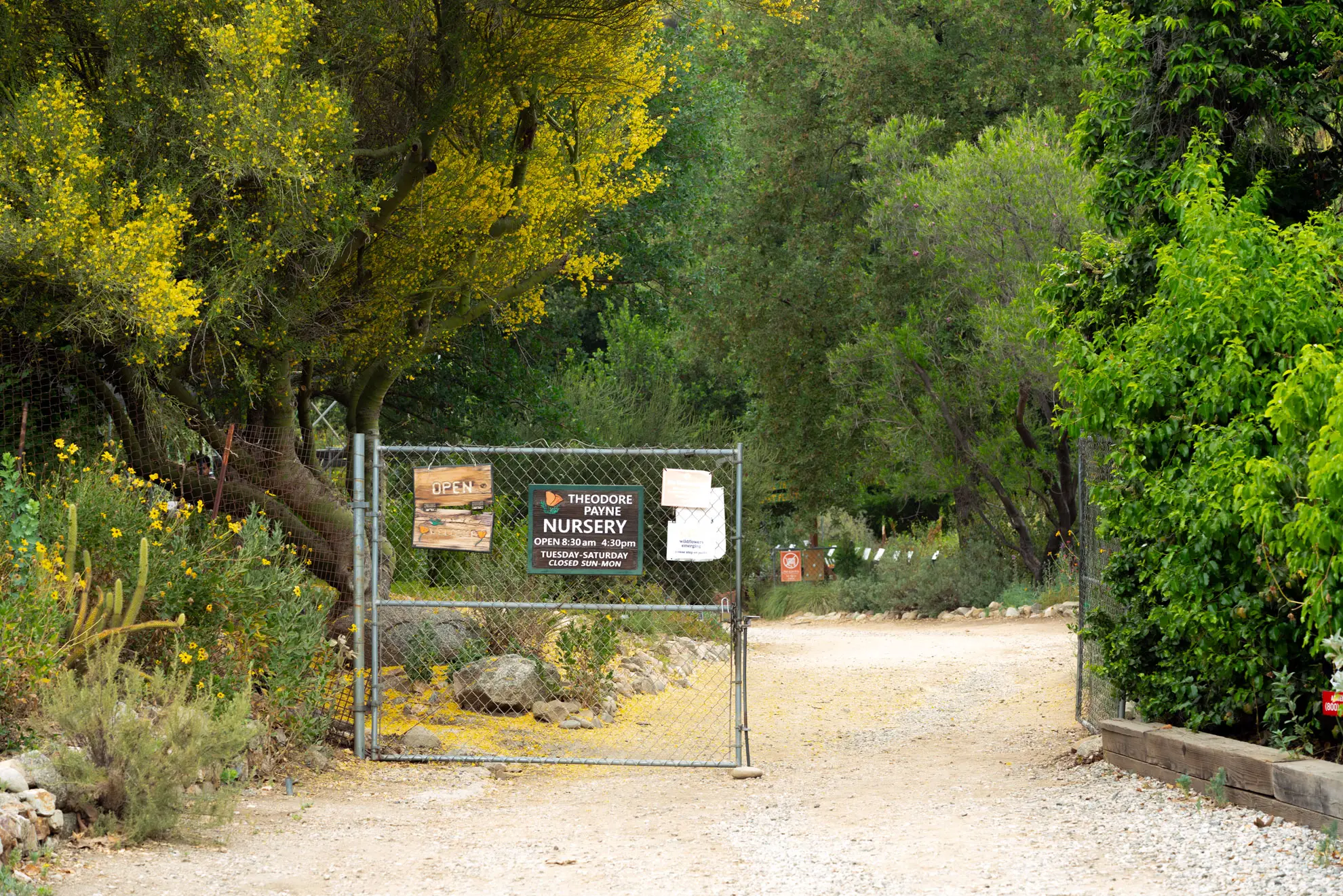
- Theodore Payne Foundation (Sun Valley)
- Tree of Life Nursery (San Juan Capistrano)
- Walkers Wildlands (Fallbrook)
- Walter Andersen Nursery (San Diego)
- Wings of Change (Fallbrook)
Nevada
- Native Plant Farm (Washoe City, appt only)
- VitalBeeBuds (Gardnerville)
Wow, inspired yet? It’s hard not to feel overserved after scrolling through a verdant jewel box of California and Nevada plant life.
These plants have lots of fans: California’s native plant community is one of the most active and passionate in the country. Scroll through CalSCAPE to find what’s native to your zip code. Visit Theodore Payne Foundation for fun events, seeds, and a stellar native nursery. The California Botanic Garden will show you what a yard can look like after you’ve been doing this for 80 years. Nevada gardeners, start at the Springs Preserve and work backward from there.
If you’re feeling overwhelmed, scroll back up and pick one plant that speaks to you. Head to a native nursery and find it. Plant it on an overcast morning. After it’s settled in, do it again. Nobody arrives at a yard full of native plants all at once. Commit to a lifetime of exploring as much West Coast plant life as you can, knowing no single person could ever see or know it all. Happy California and Nevada planting!
Not sure where to start? Penstemons and California buckwheat are two of the easiest wins.
Sources
- A Buckwheat in Every Garden. “Toyon: The Evergreen Christmas Berry.” December 7, 2024. https://buckwheatbringsbutterflies.com/2024/12/07/toyon-the-evergreen-christmas-berry. Accessed October 13, 2026.
- Annie’s Annuals and Perennials. https://www.anniesannuals.com. Accessed May 1, 2026.
- Cal-IPC (California Invasive Plant Council). https://www.cal-ipc.org. Accessed May 1, 2026.
- Cal-IPC. “Carpobrotus edulis (iceplant).” https://www.cal-ipc.org/plants/profile/carpobrotus-edulis-profile/. Accessed October 13, 2026.
- Calflora. “California Native Plant Distribution Database.” https://www.calflora.org. Accessed May 1, 2026.
- California Botanic Garden. https://www.calbg.org. Accessed May 1, 2026.
- California Native Plant Society. https://www.cnps.org. Accessed May 1, 2026.
- CalSCAPE: California Native Plant Landscaping Exchange. https://calscape.org. Accessed May 1, 2026.
- Lady Bird Johnson Wildflower Center. “Native Plant Database.” University of Texas at Austin. https://www.wildflower.org/plants/. Accessed May 1, 2026.
- Las Pilitas Nursery. https://www.laspilitas.com. Accessed May 1, 2026.
- Masters, Nathan. “A Brief History of Palm Trees in Southern California.” PBS SoCal, Lost LA. https://pbssocal.org/shows/lost-la/a-brief-history-of-palm-trees-in-southern-california. Accessed October 13, 2026.
- Masters, Nathan. “Who Eucalyptized Southern California?” PBS SoCal, Lost LA. https://pbssocal.org/shows/lost-la/who-eucalyptized-southern-california. Accessed October 13, 2026.
- Regional Parks Botanic Garden. Tilden Regional Park, Berkeley. https://www.nativeplants.org. Accessed May 1, 2026.
- Santa Barbara Botanic Garden. https://www.sbbotanicgarden.org. Accessed May 1, 2026.
- Southern Nevada Water Authority. “Plant search.” https://www.snwa.com/landscapes/plants/index.cfml. Accessed October 13, 2026.
- Springs Preserve. Las Vegas, Nevada. https://www.springspreserve.org. Accessed May 1, 2026.
- Tallamy, Douglas W. Bringing Nature Home. Portland, OR: Timber Press, 2007.
- Theodore Payne Foundation for Wild Flowers and Native Plants. https://theodorepayne.org. Accessed May 1, 2026.
- TreePeople. “Meet Toyon: The Official City Plant of Los Angeles.” https://treepeople.org/2024/01/22/meet-toyon-the-official-city-plant-of-los-angeles/. Accessed October 13, 2026.
- U.S. Fish and Wildlife Service. “Valley elderberry longhorn beetle.” https://www.fws.gov/species/valley-elderberry-longhorn-beetle-desmocerus-californicus-dimorphus. Accessed October 13, 2026.
- UC Marin Master Gardeners. “Toyon.” UC Agriculture and Natural Resources, September 14, 2026. https://ucanr.edu/site/uc-marin-master-gardeners/article/toyon. Accessed October 13, 2026.
- USDA PLANTS Database. U.S. Department of Agriculture, Natural Resources Conservation Service. https://plants.usda.gov. Accessed May 1, 2026.
Other West Coast natives:
-
 Antelope Horns Milkweed
-
 Apache Plume
-
 Asters
-
 Bee Balm
-
 Bigleaf Lupine
-
 Birch
Birch
-
 Black-Eyed Susans
-
 Bladderpod
-
 Blue Vervain
Updated
The ads on this site help pay real native plant nerds to research and write these guides.


