
Plant Profile • Full Sun

Gaura

Oenothera genus

Tiny flowers built for heat and pollinators.

Where to find one ↓
Highlights

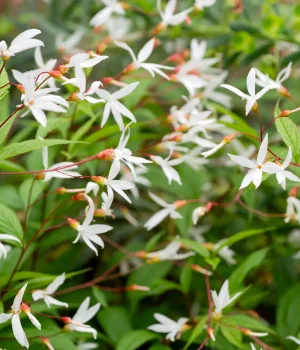
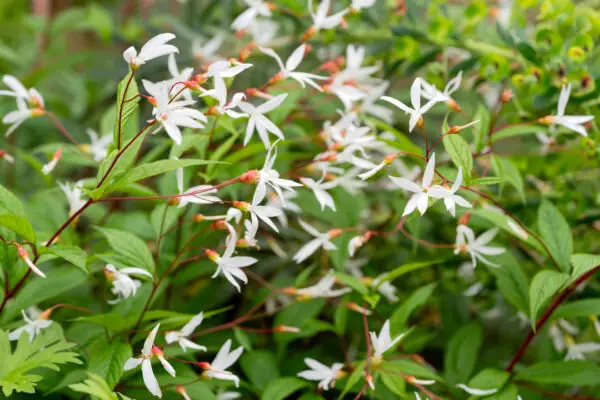
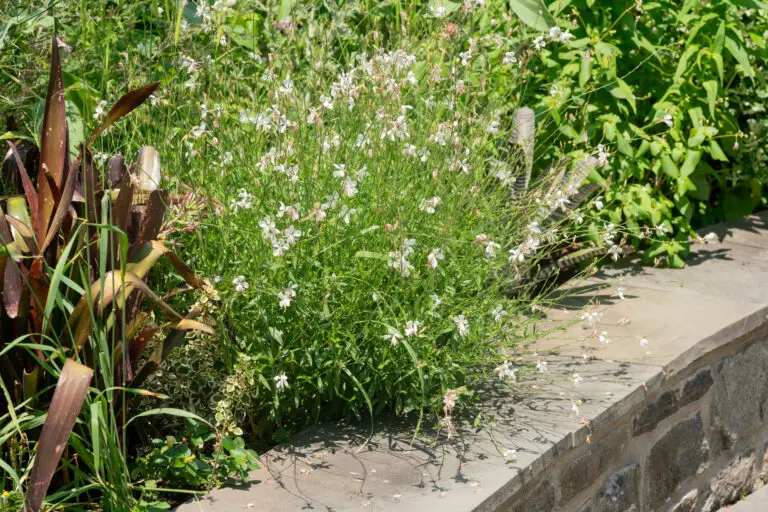
Gaura is a long-blooming perennial native to hot and dry regions of Texas and Louisiana. It thrives in full sun and poor, well-drained soil—the kind of dry, sandy spot most plants would rather avoid. Its tall, airy stems wave with small white or pink flowers that look like fluttering butterflies. Once established, gaura handles heat, drought, and neglect like a pro.

The shortness of many gaura cultivars makes it perfect for borders and edges. © The Plant Native

New to native?

Before lawns and landscaping, native plants were here. They’ve fed birds, bees, and butterflies for thousands of years—and they’ll do the same in your yard. The best part? They’re easier to grow than you think.

Is gaura a good choice for my yard?

Yes, if…

  • You want something that flowers for months with little effort.
  • You have dry soil or a spot that bakes in the sun.
  • You like plants that look natural, not overly manicured.

Why gaura matters

  • Pollinator magnet: The tiny four-petaled flowers are pollinator favorites.
  • Drought-tolerant: Thanks to a long taproot, these flowers can withstand hot and dry areas.
  • Happy in challenging places: Full sun, poor soil, and lots of drainage? These might be a plant for you.

And one more reason… 🦋

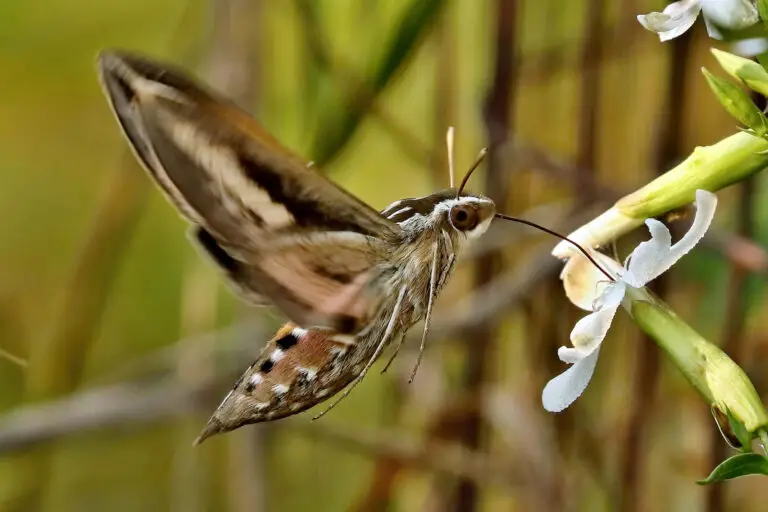
This incredible creature—part butterfly, part moth, part hummingbird—uses gaura as a host plant

Gaura is a host plant for the white-lined sphinx moth

A host plant is a species that a butterfly or moth lays its eggs on and/or its caterpillars eat. Planting gaura helps an iconic moth (these moths are also sometimes called ‘hawk moths’) survive. 

Where is gaura native?

Native to 2 US states

Native range
Not native

Source: USDA PLANTS Database

Have you seen gaura elsewhere?

Gardeners throughout North America love gaura—it’s hard not to want to plant this charming plant that thrives in difficult places. You’ll now find gaura in gardens as far away as Pennsylvania.

As long as you plant gaura in its dry, sunny location, this plant can happily thrive in areas outside its native range.

Garden Recipe™
Gaura
Oenothera genus
Full sun
Sun
Pretty easy
Effort
Short (under 3') tall
2-3 ft wide
Size
Summer
Blooms
What it needs
Sunlight
Full sun, 6+ hours South- or west-facing is ideal
Water
Not picky Average garden conditions work fine
Directions
Spacing
18-24 in About one arm's length apart
Watering
Weekly for the first season After that, rain is usually enough
Notes
Comes back?
Yes, every year Goes dormant in winter, that's normal. New growth each spring.
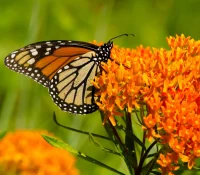
Hummingbird magnet. Hummingbirds love this one. Plant a few and you've basically hung a neon 'OPEN' sign for them.
Where gaura shines in your yard

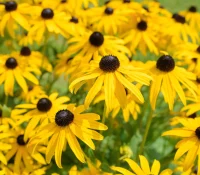
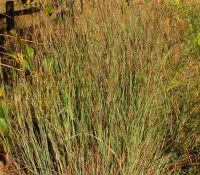
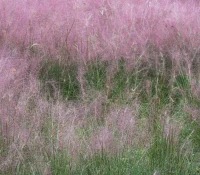
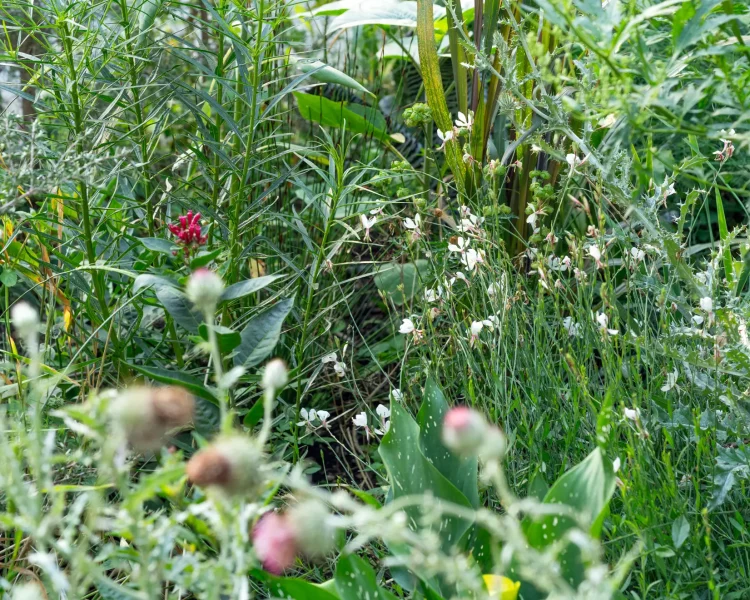
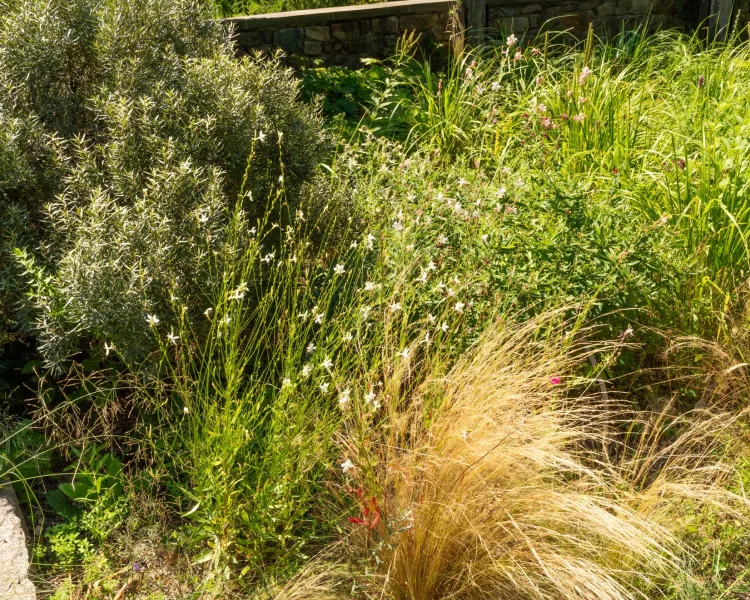
Gaura looks best when planted in drifts where its wiry stems can move freely in the wind. It’s perfect for sunny borders, meadows, or prairie-style plantings. It also works beautifully in gravel gardens and alongside native grasses like little bluestem or purple Muhly grass.

Where can I find gaura?

We are not going to lie and say that finding gaura is going to be as simple as driving to your local big box nursery. It might take a little extra energy to find this native gem, but it is worth it! Here are some recommendations for sourcing this native plant:

Gaura

Where can I find seeds and plants?

Finding native plants can be challenging (we partly blame King Louis XVI.) To make it easier, we’ve assembled four sourcing ideas.

Native Nursery List

300+ native nurseries make finding one a breeze

Online Native Nurseries

Explore 100+ native-friendly eCommerce sites

Find your Native Plant Society

Every state and province has a native plant society; find yours

Online Communities

Local Facebook groups are a great plant source

What are good pairings for gaura?

Gaura loves full sun and lots of drainage. Pair with other natives that love this—thankfully there are a lot to pick from!

If your yard feels too dry, too sunny, or too unruly for traditional garden plants, gaura fits right in. It moves with the wind, blooms for months, and asks for almost nothing in return. Let it fill the gaps between more structured plants, or give it space to sway on its own—it’s a reminder that a bit of wildness belongs in every garden. Where to next? How about our Beginner’s Guide to Native Host Plants, or our Beginner’s Guide to Native Grasses and Sedges? Happy planting!

Woman smiling in a light blue blouse standing among white coneflowers in a lush garden.

Written by

Emily Lessard

Founder & Editor, The Plant Native

Emily Lessard is the founder and editor of The Plant Native, the site that helps homeowners across North America get started with native plants. She holds a Sustainable Landscapes certificate through the Pennsylvania Landscape & Nursery Association, is finishing a Native Perennial Garden Design Certificate at Temple University, and is the author of World of Native Plants (Quarto, February 2027). She gardens outside Philadelphia in 8.3 Southeastern Plains ecoregion.

Meet Emily

Your phone could use more flowers.
We post the prettiest natives in North America. Come along.
UPDATED —
06/18/2026
In This Guide
Welcome to the helpful part of the internet. Explore more plant questions.
What does established mean in gardening?
It's like freshman year—for plants.
#image_title
Are butterfly bushes invasive?
Yep. Here's why.
butterfly-bush-is-an-invasive-species-plant-native
Why does seed or plant provenance matter?
Closer is better. Here's why.
prairie-coneflower-garden-grouping-full-sun-native-garden