

Highlights
This is a beautiful native plant for Pacific Northwest gardens. Bigleaf lupines are native to the western side of the United States, mainly in California. They are now found in places you’d never expect, including Maine and Acadia National Park! If you live in the Pacific Northwest, plant away. If you live in the Northeast, do your best to plant sundial lupines, native to the eastern seaboard. Scroll on for more information and learn how this plant escaped the West Coast.
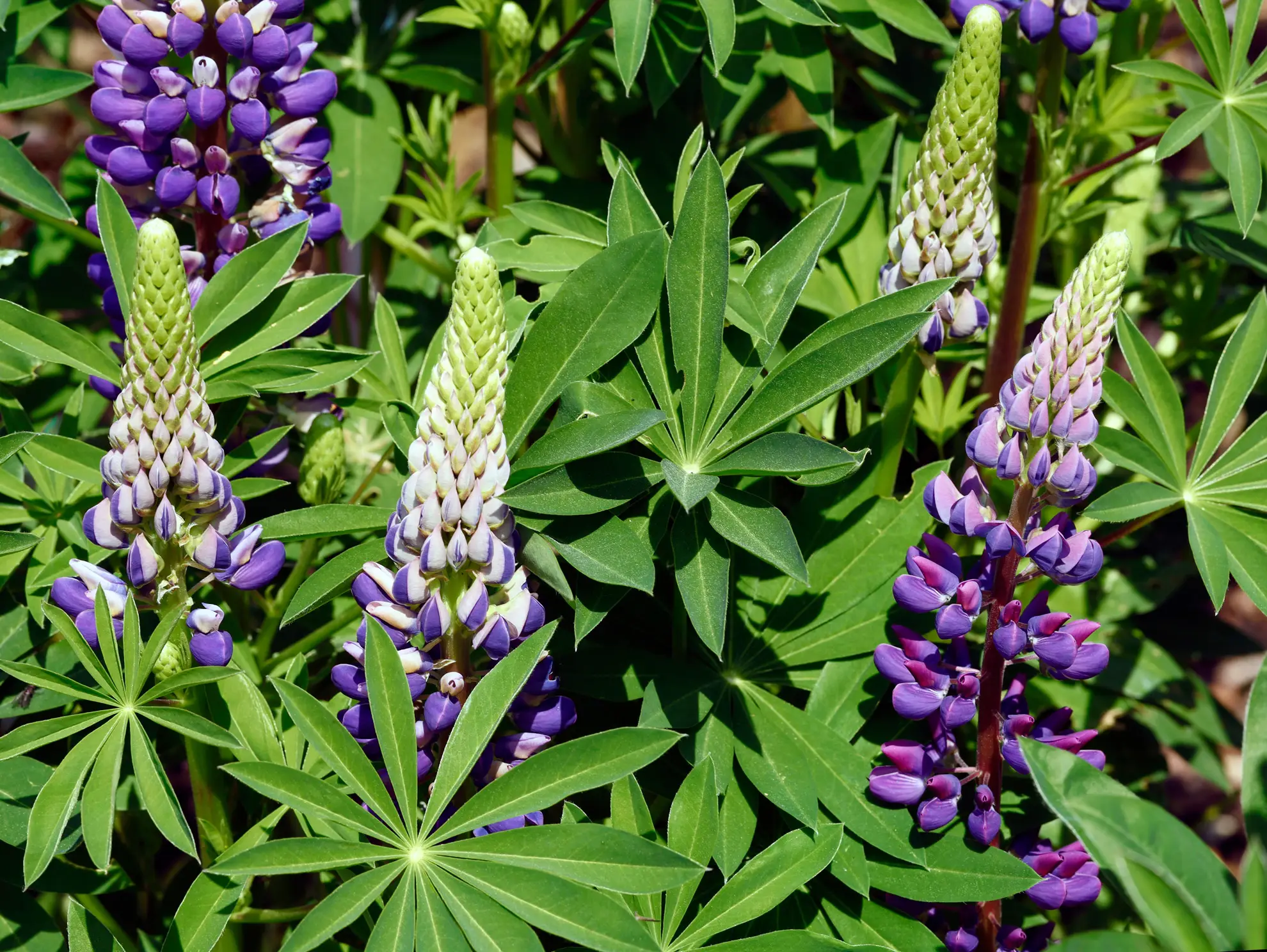
Bigleaf lupines are one of 250+ species of lupine found globally. They are also one of the many lupines native to North America; visit our Beginner’s Guide to Native Lupines to learn about other species, colors, and types.
What are the benefits of planting bigleaf lupines?
Bigleaf lupines are a plant native to western North America. Native plants have grown in an area for thousands of years through every storm, weather event, drought, and heat spell. They know the weather and soil of their home area better than any other plants on earth.
Native plants are important and easy choices for our gardens. Planting native has many benefits, including:
- Wildlife support: native lupines help feed hummingbirds and other pollinators when in bloom.
- Fuss-free gardening: native plants plant themselves, with no human intervention. Use this to your benefit! After the first year of getting established, native plants require minimal care.
- Native plants are gorgeous. Visit our native plant library to meet 100+ other options for your garden!
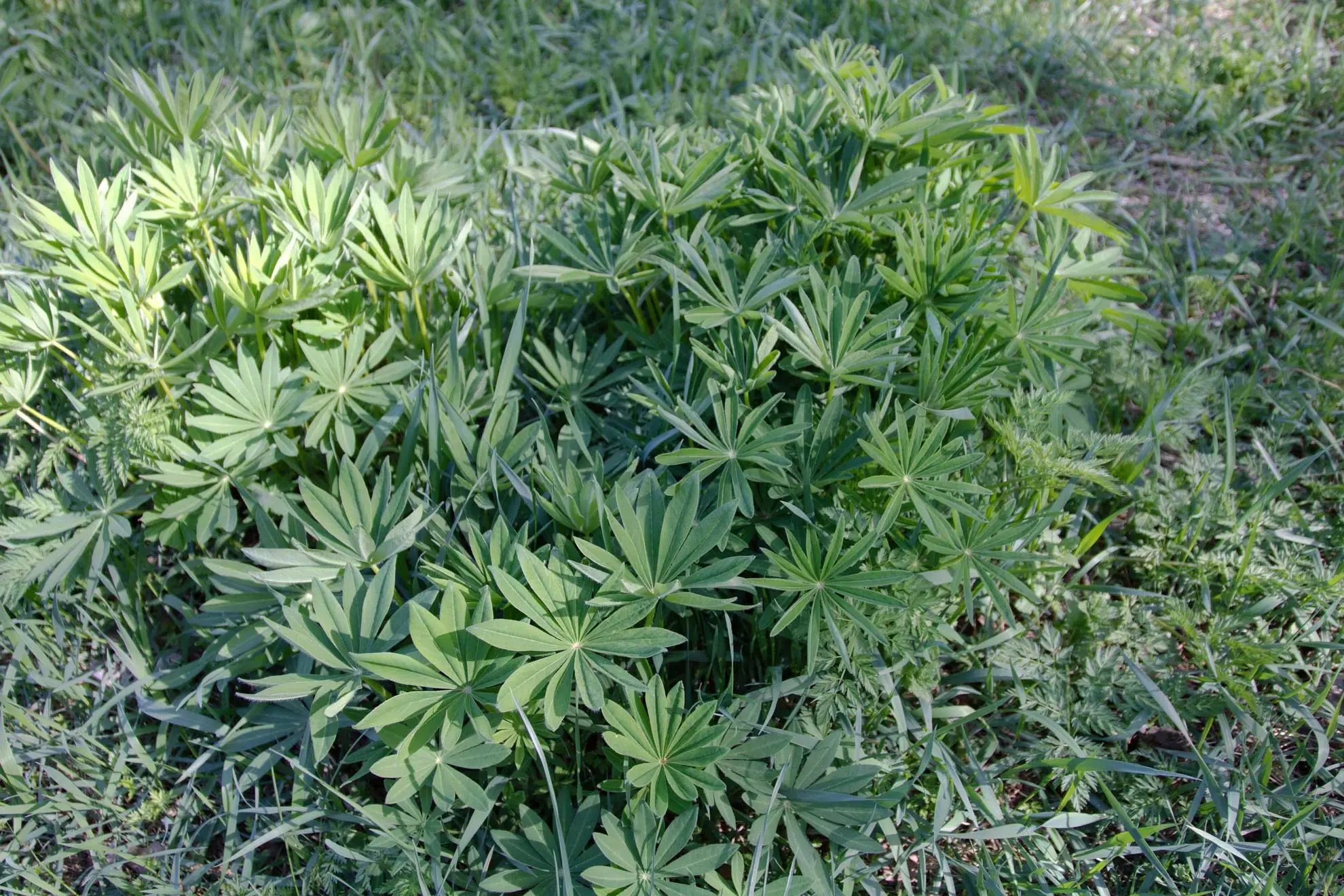
Blame the landscapers of the early 1900s for planting the wrong lupine.
Warning: In some East Coast and Midwestern states, bigleaf lupine is considered invasive
The USDA’s profile on bigleaf lupine states, “In the East, subspecies polyphyllus is considered invasive and has spread across the Great Lakes states, into the northeastern coastal states, and eastern Canada.”
How did a western native flower become invasive on the East Coast?
Blame the landscapers of the early 1900s for planting the wrong lupine. According to the University of New Hampshire, “Bigleaf lupine (lupinus polyphyllus) and the related ornamental Russell hybrid (Lupinus x regalis) were introduced to the northeast for both gardens and roadside stabilization in the early to mid-1900s. Through its intentional planting and as a garden escape, the bigleaf lupine rapidly spread throughout the landscape.”
Where is bigleaf lupine native?
Native to 13 US states and 2 Canadian provinces (Alberta, British Columbia)
Sources: NatureServe, Royal Botanic Gardens, Kew (World Checklist of Vascular Plants) and the USDA PLANTS Database, compiled by The Plant Native. How we map native ranges
How can I be sure I’m planting the right lupine?
Check the tag or seed package for the Latin name to determine the lupine species. Only plants with the Latin name Lupinus polyphyllus are bigleaf lupines.
If you live in the Northeast or Midwest, plant sundial lupines (Lupinus perennis) instead.
Planting card
Lupinus polyphyllus
What are good pairings for bigleaf lupines?
Plant bigleafs alongside other native plants that thrive in northwestern and California gardens. Some stellar choices include:


Where can I buy bigleaf lupine?
Sometimes, finding the native plants we love can be a challenge. We’re here to make this part a little simpler. Here are four ways to find native bigleaf lupine seeds and plants:
And that sums up our love letter to bigleaf lupines! These gorgeous native flowers have crept across the United States, but are best suited for their native northwestern home. They are easy to plant, come back year after year, and offer carefree beauty that lawns and non-native plants can’t come close to. Also—pollinators love them! Make sure to plant them a little back in your garden, so that they can reach their tall, sculptural glory. Don’t forget to read our Beginner’s Guide to Native Lupines to learn about other species, colors, and types. Or visit our Beginner’s Guide to Native Hydrangeas to learn more surprising facts about garden favorites. Happy planting!
Sources
- USDA Plants Database, Bigleaf Lupine.
- Beuthin, M. 2012. Plant guide for bigleaf lupine (Lupinus polyphyllus). USDA-Natural Resources Conservation Service, Plant Materials Center, Corvallis, OR. (PDF).
- University of New Hampshire State Extension. “What Are the Differences Between the Native Wild Lupine and Bigleaf Lupine Commonly Seen in New Hampshire Landscapes?” Extension (blog), June 28, 2024. https://extension.unh.edu/blog/2024/06/what-are-differences-between-native-wild-lupine-bigleaf-lupine-commonly-seen-new-hampshire.
Similar plants

Updated Find more: Blue Purple Flower Spring Full Sun Part Sun
The ads on this site help pay real native plant nerds to research and write these guides.
Garden notes
Notes from people who’ve grown it
Tips, wins, and the occasional disaster. If you’ve grown bigleaf lupine, share the advice you’d give to a neighbor.
No notes yet. Yours could be the first.
Grown bigleaf lupine? Tell the next person what you wish someone had told you.
Tap anywhere to close


