Golden currant is a native shrub with fragrant, golden-yellow flowers in spring, berries that ripen in summer, and warm-hued foliage in the fall. It’s adaptable, drought-tolerant once established, and a magnet for early-season pollinators. Birds love the fruit. You’ll love that it doesn’t ask for much and returns multiseason beauty.
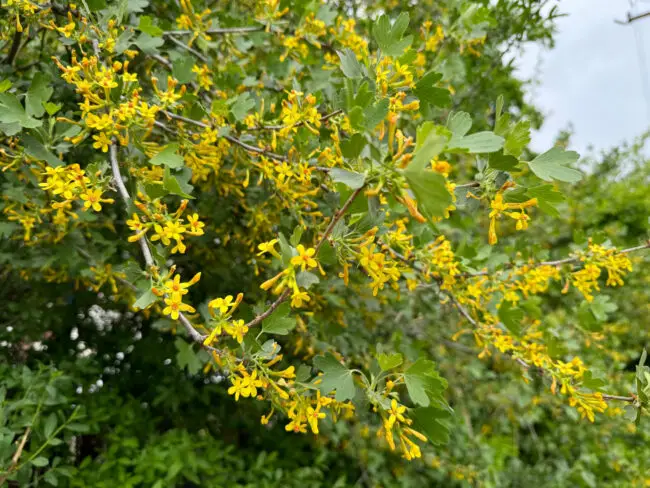
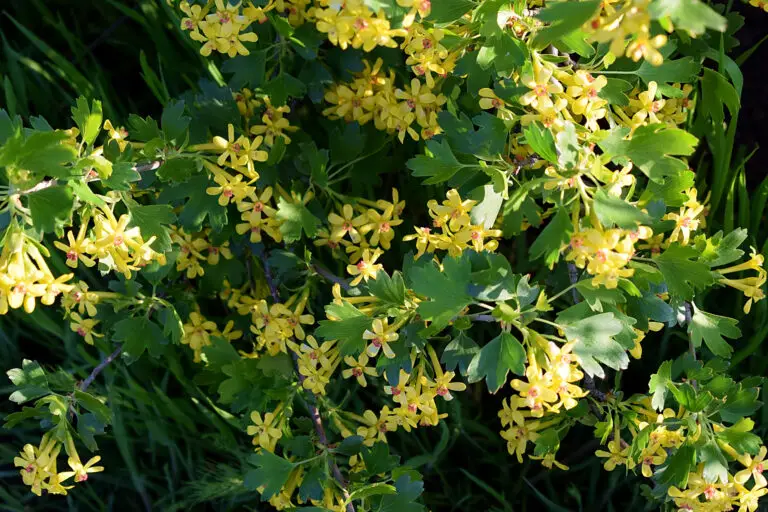
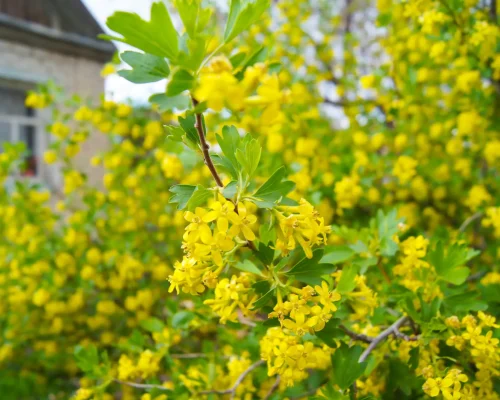
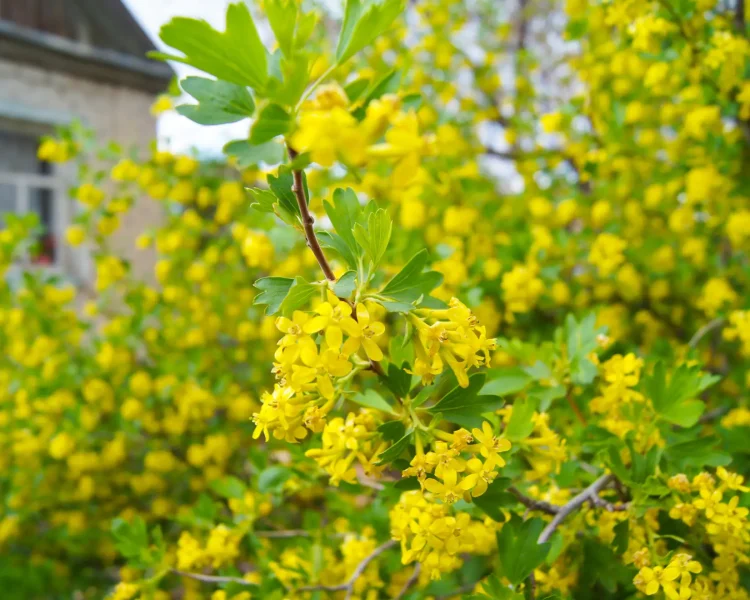
A wall of bright yellow blooms covers native golden currant in the spring
Is golden currant a good choice for my yard?
Yes, if…
You want early spring flowers that pull in bees and other pollinators.
You want a shrub with edible fruit and strong bird value.
You have full sun or part sun and a spot that drains reasonably well.
You want something that’s tough once established and doesn’t need constant watering.
You’re okay with a plant that can form a thicket over time (great for habitat screens).
New to native?
Before lawns and landscaping, native plants were here. They’ve fed birds, bees, and butterflies for thousands of years—and they’ll do the same in your yard. The best part? They’re easier to grow than you think.
Early-season lifeline: Flowers provide spring nectar and pollen for bees when options are limited.
Bird support: Fruit is an important food source for many bird species.
Time-saver: Once established, it’s drought-tolerant and low-maintenance.
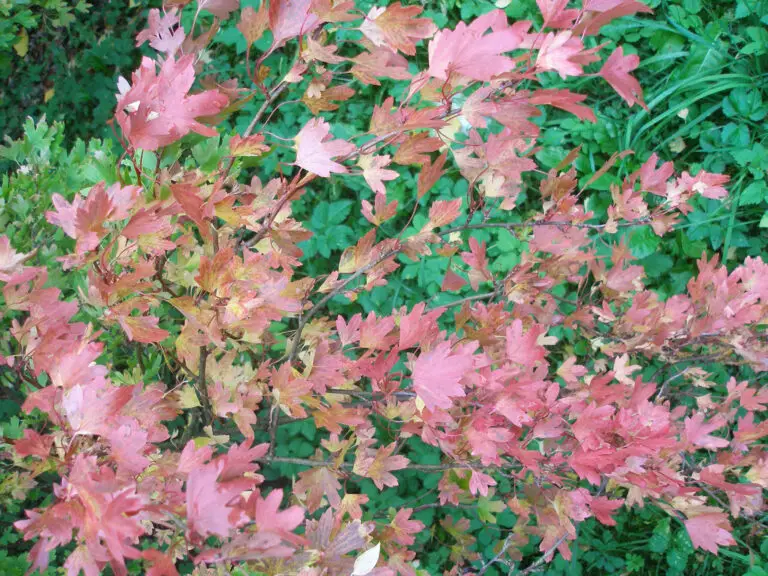
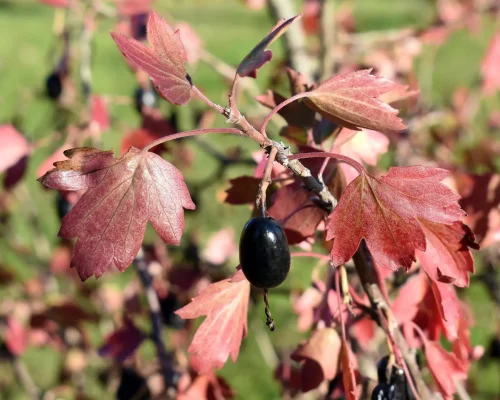
After the flowers and fruits comes beauty fall foliage
Golden currant through the seasons
This is one of those cinematic shrubs that changes dramatically throughout the year, always giving you something to look forward to. (This is a vast improvement over boring non-native evergreen shrubs like boxwoods.) Here’s what to expect through the seasons:
Spring
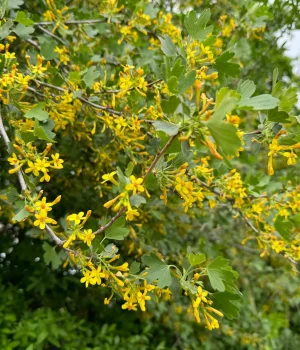
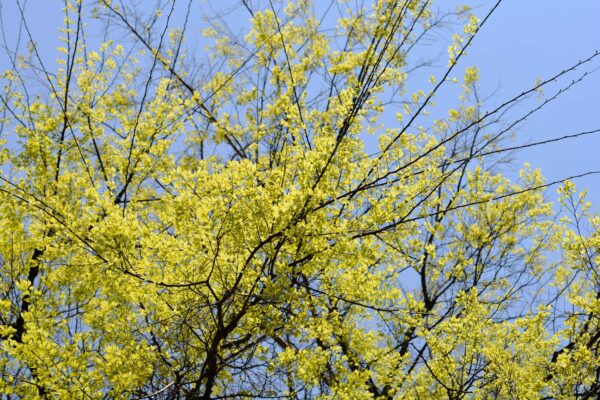
Golden currants are a welcome sign of spring; they are one of the earliest natives to bloom. This early pollen is crucial for just emerging pollinators.
Summer
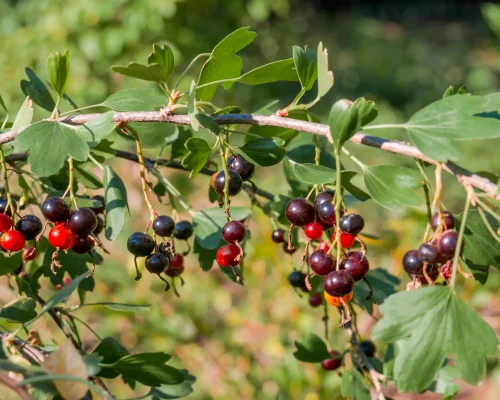
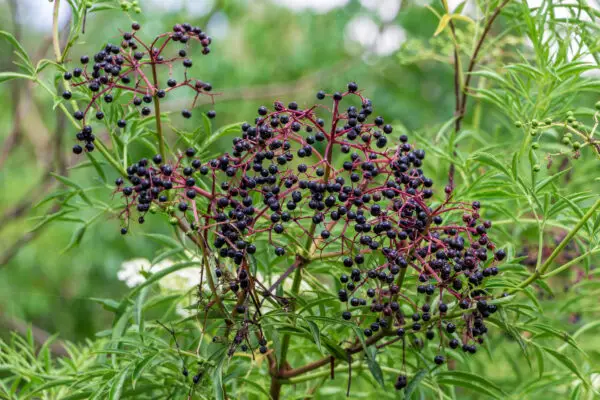
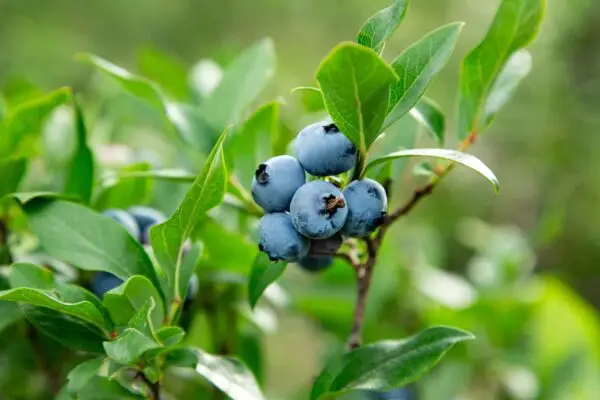
After the blooms fade, the berries appear. You can fight with the birds for a taste, or just get some binoculars and enjoy the bird watching.
Fall
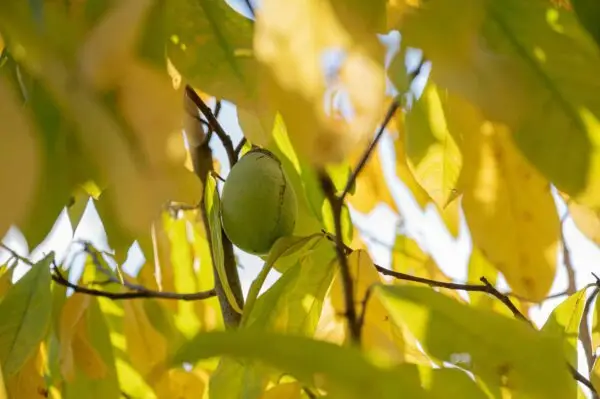
The maple-like leaves of golden currant turn into fiery-hued gradients before dropping. And then the show starts again in the spring!
Where it grows naturally
In the wild, golden currant shows up in the kinds of places that make sense for a shrub that likes some seasonal moisture but doesn’t want to be soggy forever: streambanks, thickets, fence rows, ditches, and meadows, depending on the region.
In a yard, that looks like the edge of a property, a back fence line, a sunny side yard, or the “could use a shrub here” zone where you want flowers in spring and birds in winter.
Where is golden currant native?
Native to 34 US states and 5 Canadian provinces (Alberta, British Columbia, Saskatchewan, Ontario, Quebec)
This plant is basically everywhere. So find one close to you.
Golden currant is native to pretty much almost all of North America, with multiple varieties recognized in different regions. (If you’re in California, CalScape’s entry is a good way to sanity-check local native status and variety for your specific area.)
Plant Nerd Fact
Find the golden currant for your region
Golden currant has a massive native range, so botanists don’t treat it as one perfectly uniform shrub. In Flora of North America and the USDA Plant Guide, Ribes aureum is typically broken into three varieties. Think of them as regional versions that evolved to fit different climates and landscapes. The three varieties are:
Var. aureum is the widespread western form.
Var. gracillimum is California-only, and it shows up as its own entry in UC Berkeley‘s Jepson eFlora.
When a plant’s native range is enormous, local matters. A golden currant with DNA that’s evolved over thousands of years in Texas might not thrive in Idaho. When you can, buy from local native nurseries or choose a regional variety label that matches where you live. Local plants tend to settle in faster and need less fuss.
How to grow golden currant
There are a few things to note as you consider planting golden currant in your yard:
Sun: Full sun to part sun. More sun usually means more flowers and fruit.
Soil: Adaptable to many soils, but it prefers decent drainage.
Water: Water regularly the first season. After that, it’s generally drought-tolerant, especially in cooler climates or where roots can chase moisture.
Pruning: Prune in late winter or right after flowering if you want to shape it, renew older stems, or keep it from getting thicket-y.
“
Some Ribes species, including golden currant, are simply less common than they once were; not because they failed ecologically, but because we pulled them out.
”
Why is this beautiful plant not everywhere?
You can partly blame an invisible fungus and a century of forest economics.
Some Ribes (currant) species can host white pine blister rust(Cronartium ribicola), a non-native fungal disease that infects five-needle white pines. Because white pines have long been economically important for timber, many regions discouraged or restricted currant planting in an attempt to protect pine forests.
If you live in a white pine area, it’s worth checking local guidance. A quick search for “[your county] + white pine blister rust” will usually tell you whether any recommendations or restrictions still apply where you live.
Here’s the twist: large-scale Ribes removal didn’t really work. According to the USDA’s profile on golden currant, for more than 40 years, the federal government actively removed currants from western forests and national parks to slow the spread of blister rust. The program was halted in the 1970s after showing minimal success. The fungus persisted, even without currants in the landscape.
The result? As Native Plant Trust notes, some Ribes species, including golden currant, are simply less common than they once were; not because they failed ecologically, but because we pulled them out. Maybe it’s time to let this native shrub take its place again.
Garden Recipe™
Golden Currant
Ribes aureum
Sun to part sun
Sun
Pretty easy
Effort
Small Shrub (3-5'), Medium Shrub (6-10') tall 4-6 ft wide
Size
Spring
Blooms
What it needs
Sunlight
Full to partial sun, 4+ hoursThe more sun the better, but it can handle some shade
Water
Not pickyAverage garden conditions work fine
Directions
Spacing
4-6 ftGive it room to fill out
Watering
Weekly for the first seasonAfter that, rain is usually enough
Notes
Comes back?
Yes, every yearGoes dormant in winter, that's normal. New growth each spring.
Hummingbird magnet. Hummingbirds love this one. Plant a few and you've basically hung a neon 'OPEN' sign for them.
Golden currant is a classic “do three jobs at once” shrub: spring flowers, summer fruit, and a structure that can act as a soft screen or habitat edge. Plant it where you’ll pass by in spring (so you catch the bloom), and where birds can have some cover later in the season.
It’s especially strong in a mixed native hedge: not fussy, not fragile, and it doesn’t need you hovering.
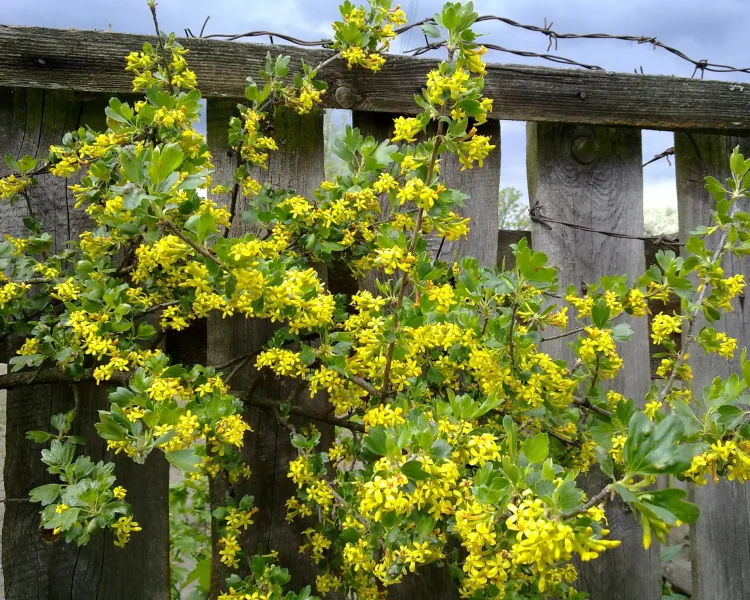
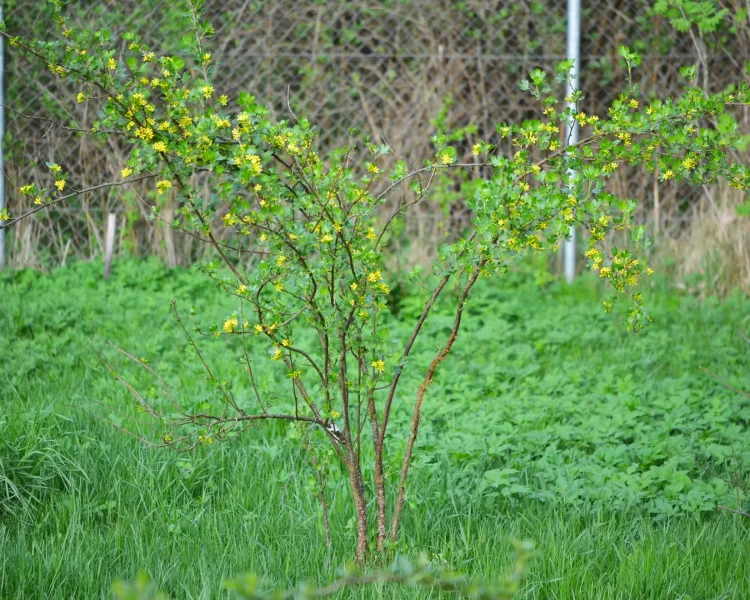
A golden currant against a contrasting fence = garden drama
A single golden currant can be a focal point
Golden currant works great in a native border or hedgerow
Where can I find golden currant?
Golden currant is often available through native plant nurseries, conservation plant programs, and plant sales, especially in the western U.S. and mountain states. Here are some trusted sources to find one for your yard:
Golden Currant
Where can I find seeds and plants?
Finding native plants can be challenging (we partly blame King Louis XVI.) To make it easier, we’ve assembled four sourcing ideas.
Since golden currant’s native range is so huge, it depends on where you live! We recommend visiting our regional guides (Northeast, Midwest, Mid-Atlantic, South) to find some faves. In the meantime, here are some other natives that have enormous native ranges that like similar sun/part-sun to golden currant:
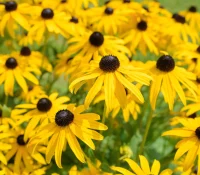
And that wraps up our beginner’s guide to golden currant. If you want spring flowers that do real work for pollinators—and fruit that brings birds into your yard—this shrub delivers. Plant it once, water it in, and then let it settle into its role as the reliable backbone of a low-fuss native landscape. Why not keep the birds happy and visit our Best Native Plants for Birds for more inspo? Or, meet another plant with a huge range and plant black-eyed Susans. Happy planting!
Emily Lessard is the founder and editor of The Plant Native, the site that helps homeowners across North America get started with native plants. She holds a Sustainable Landscapes certificate through the Pennsylvania Landscape & Nursery Association, is finishing a Native Perennial Garden Design Certificate at Temple University, and is the author of Plant Native:A Practical Guide to Over 100 Native Plants of North America (Quarto, February 2027). She gardens outside Philadelphia in the 8.3 Southeastern Plains ecoregion.