





Fall is an important time to have flowers blooming. Native bees are looking for end-of-season food before going into hibernation and migrating butterflies need nectar as they continue their journeys. On top of all these wildlife needs, we want gorgeous fall gardens, too! Here are some late-blooming natives that offer all this goodness, alongside minimal work and attention.

Fall is a time when we’re still outside a lot, enjoying our parks and yards. The first days of school, Halloween, fall sports, and fall festivals all beckon us outside to enjoy the comfortable temperatures.
Having a fall landscape that looks great and is still in bloom is very easy to accomplish when you commit to planting native. There are dozens of fall natives that wait until the end of the season to bloom or berry. Not only that, planting native is the easiest, least work-intensive way to landscape—way easier than a lawn! Here are some reasons why planting native fall plants is worth it:
- Native plants have been thriving in our areas for thousands of years. They don’t need special fertilizers or care—once they are established, native plants are happy with rain.
- Iconic butterflies and native bees need native plants to survive. Native plants give food and habitats crucial for survival. Planting native helps wildlife survive.
- Planting native returns YEARS of fuss-free beauty. All the plants listed here are perennials, meaning plant once and they’ll come back year after year. Enjoy some time back while you watch your garden thrive.
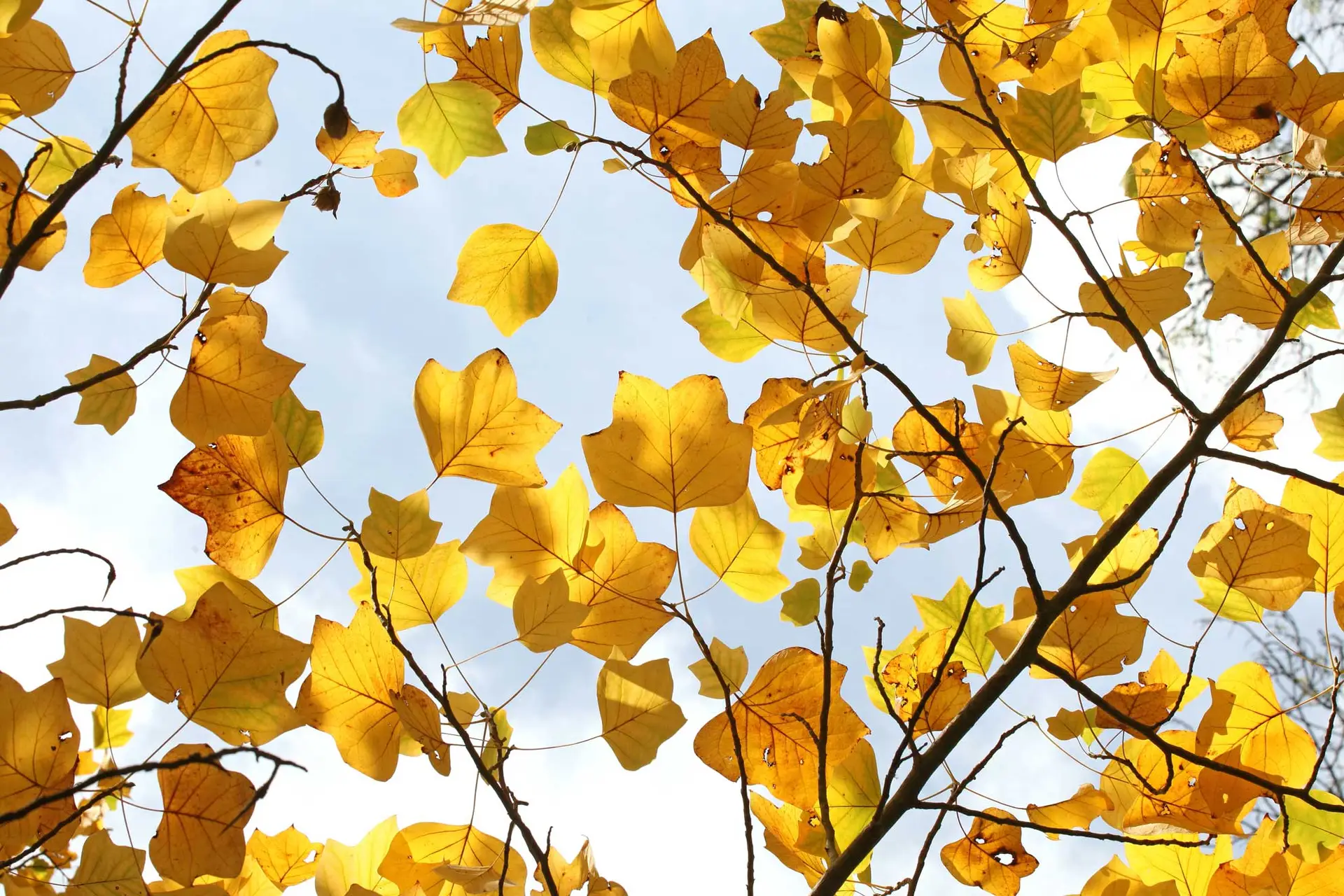
Yes, leaves look great in the fall, too
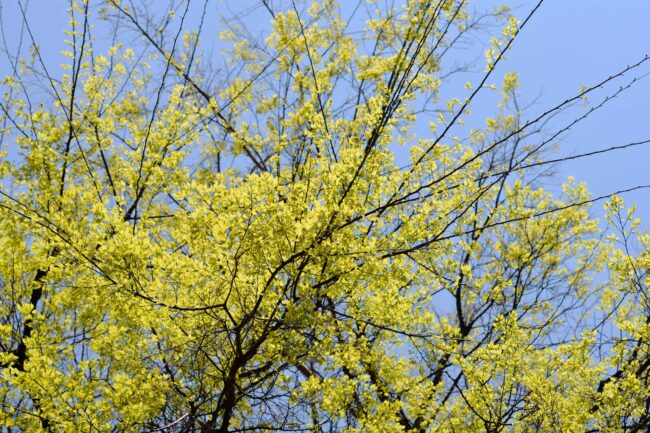
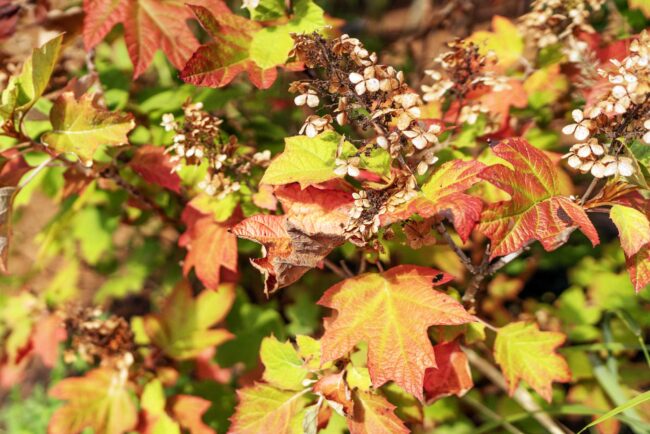
We can’t talk about the fall without mentioning gorgeous fall leaves (look at the buttery yellow of that Tulip Poplar—!) But that is for another article. In this article, we’ll focus on the flowers and berries that look great in the fall.
Favorite fall natives
Here are some fall-flowering and berry-ing natives that will bring color and pollinators to your garden, even as the temperatures drop.
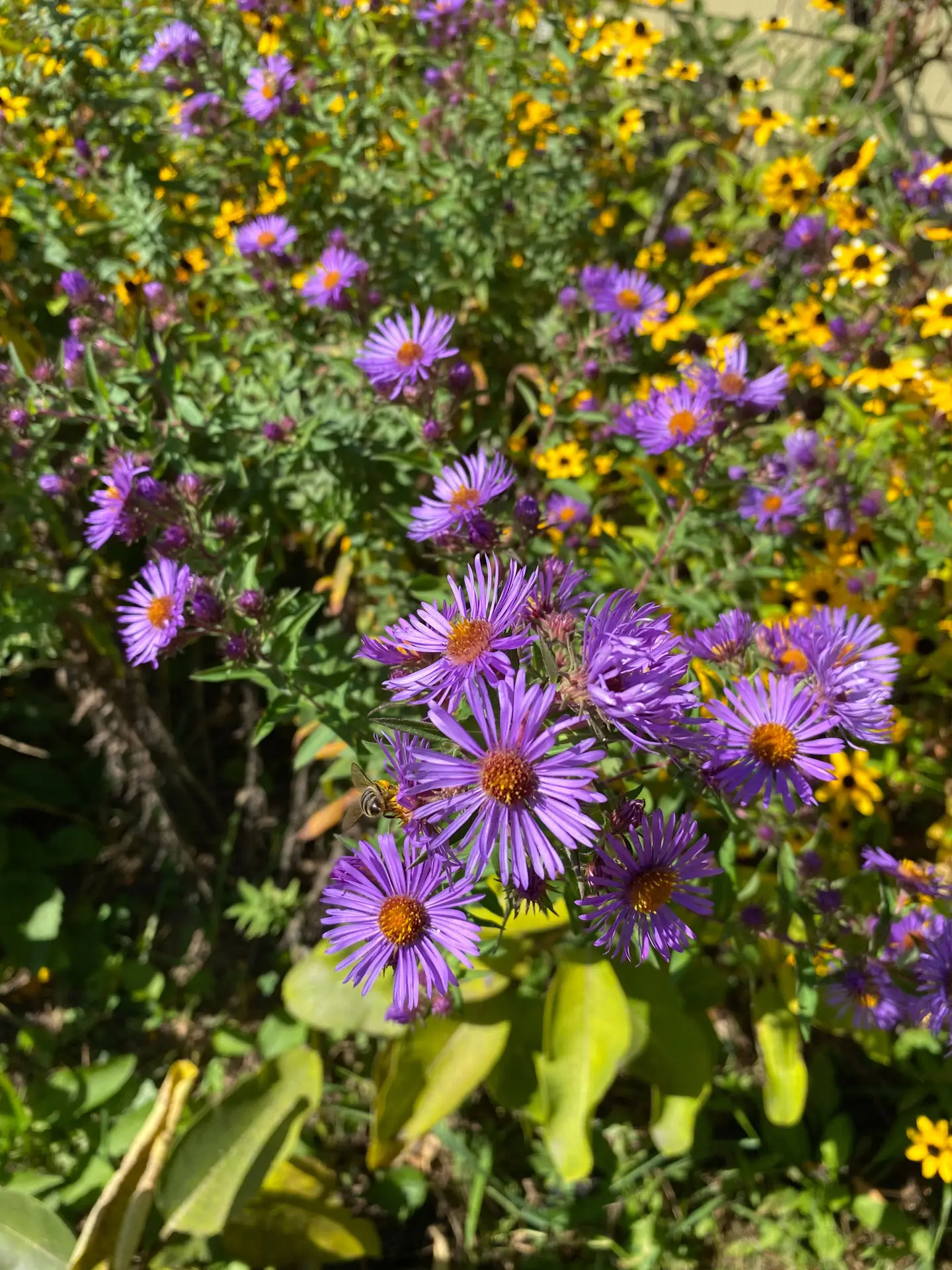
Asters
There are over 120 species of aster native to North America, all bloom in the fall. Within this huge family there are asters for shade (white wood aster), asters for sun and part sun (New England and New York Aster), and asters that smell wonderful (aromatic aster). In fact, it’s so easy to find a few that you’ll love, we recommend committing to planting at least three asters in every yard.
Because asters are perennials, plant once and watch these beauties come back every fall, year after year.
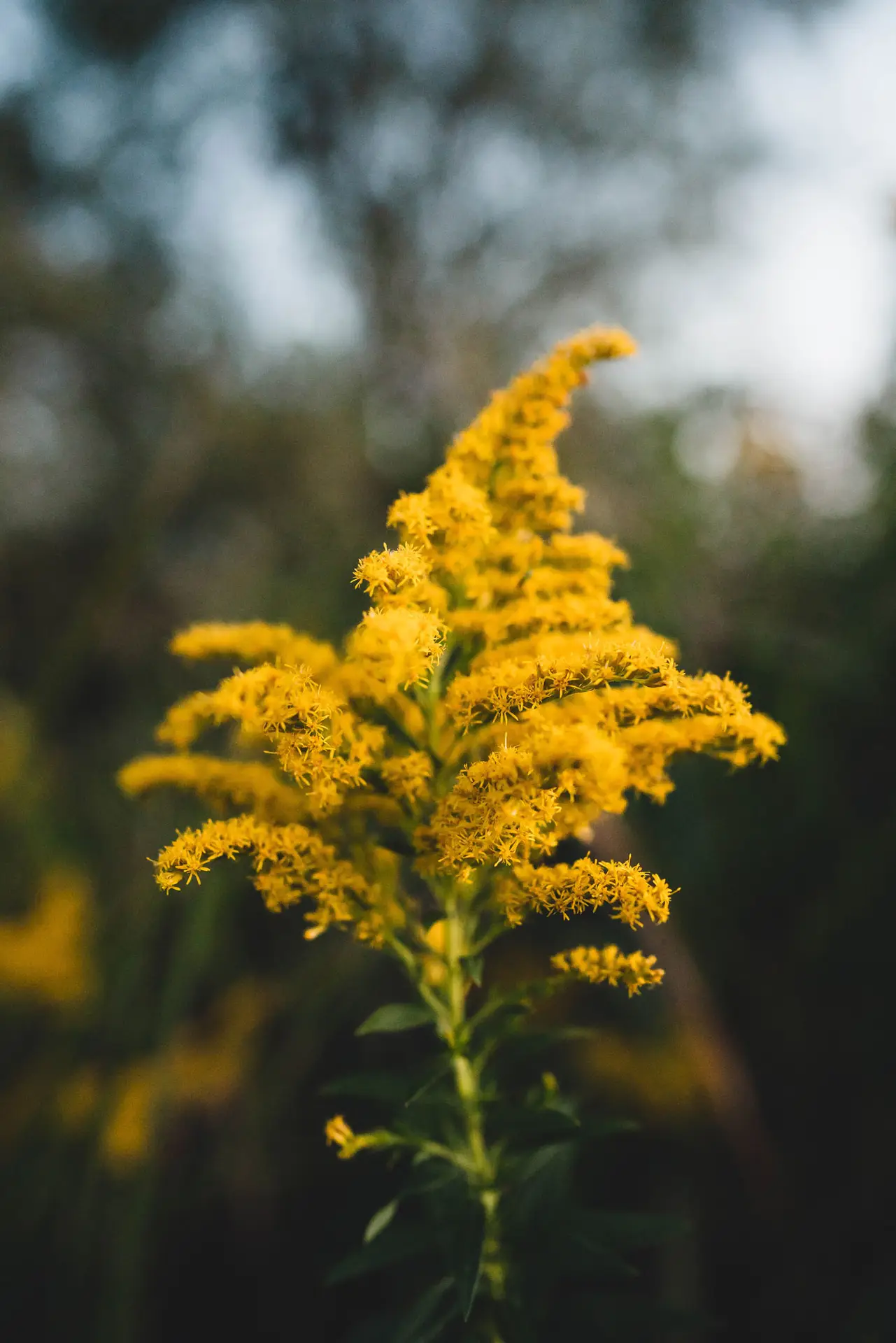
Goldenrod
First off, this plant does NOT cause seasonal allergies—the plant that causes allergies is ragweed. What a bummer that some long-ago generation mistakenly slandered this plant!
Instead, the dozens of goldenrods native to North America offer piles of tiny, star-shaped blooms at the end of the growing season. It is truly a plant to look at up-close: a single goldenrod plant has hundreds of tiny flowers. You can see why pollinators love it. It looks like a living firework in gardens, especially when many are planted together.
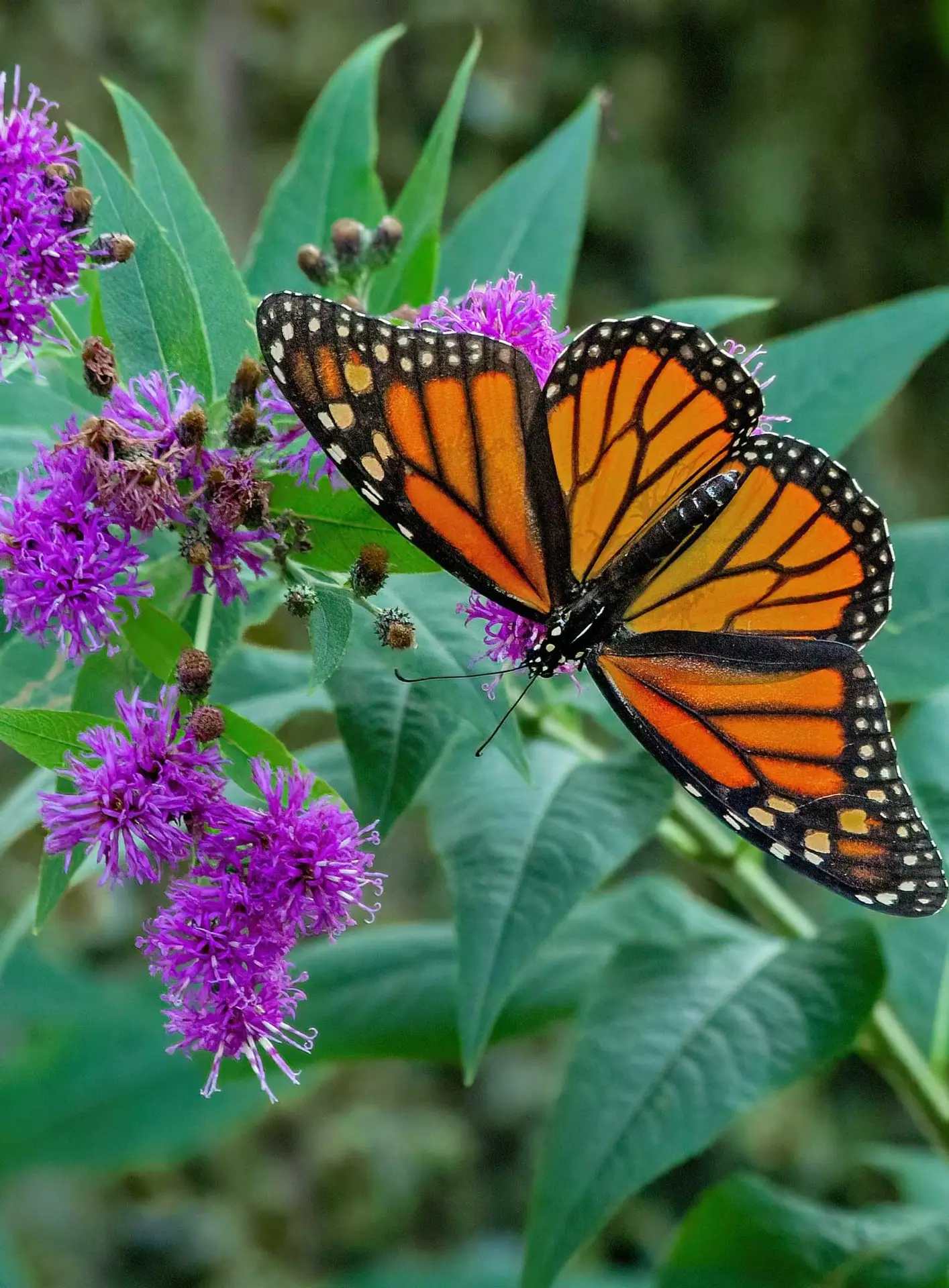
Ironweed
Ironweed is a tall, drought-tolerant beauty that flowers with tiny blooms in the late summer and fall. They are so fuss-free, that you’ll forget they’re there until they cover themselves in camera-ready flowers in the fall.
There are dozens of native ironweed options to choose from. Pair ironweed with yellow goldenrod + asters for a perfect three-color garden trio. (Visit our three-color gardening article for more inspiration!)
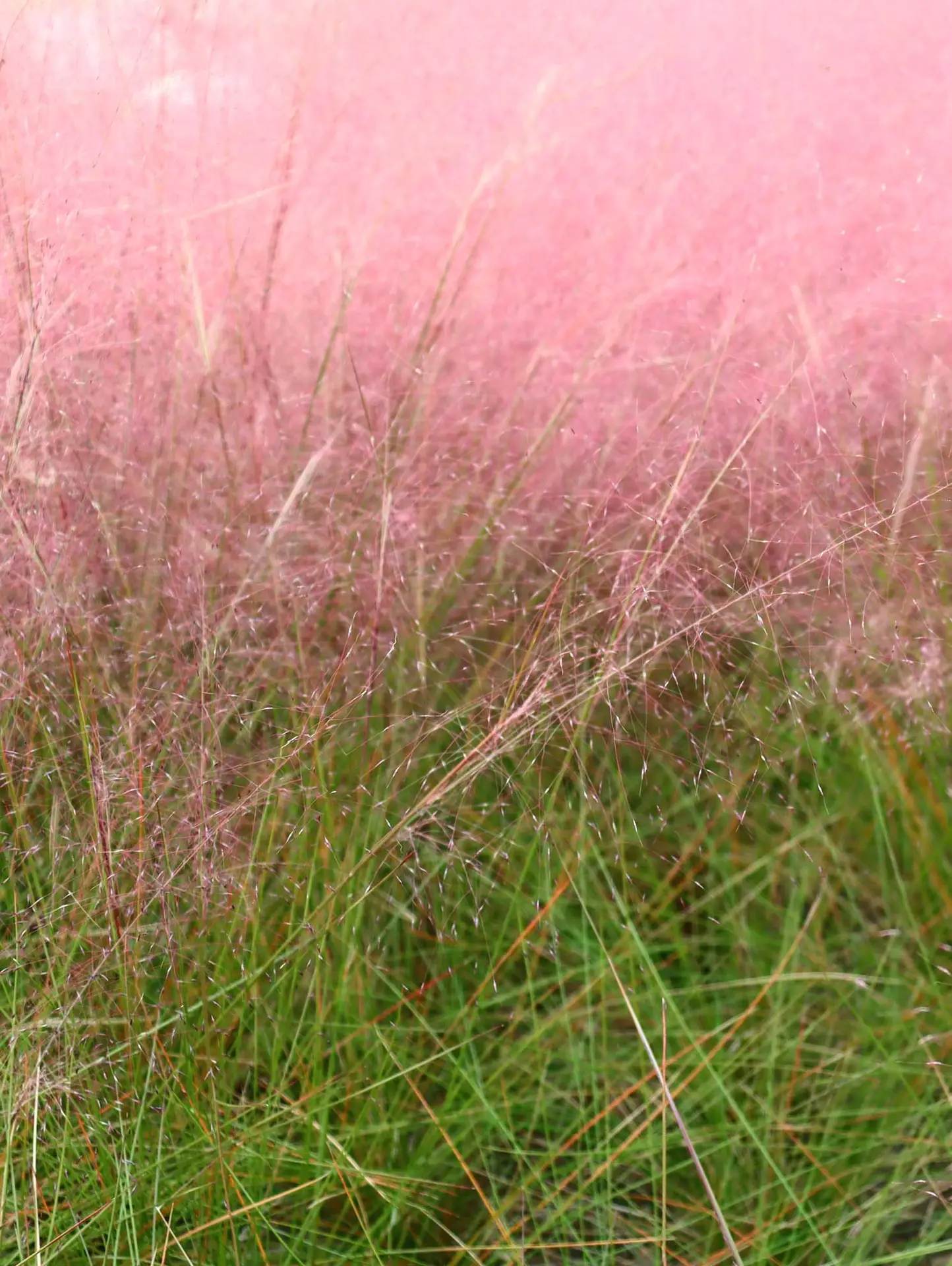
Purple muhly grass
Once you see this native plant, you want it in your garden. Purple muhly grass is one of the native plants that some landscapers use as a single one-and-done choice to fill large areas. They look great when many are planted together.
Purple muhly grass looks great year-round since its stems stay green in most climates 365 days a year. When they bloom at the end of the season, their purple frothy flowers are so tiny, they look like clouds.
A single goldenrod plant has hundreds of tiny flowers. It looks like a living firework in gardens.
There are other fall-favorite natives, too!
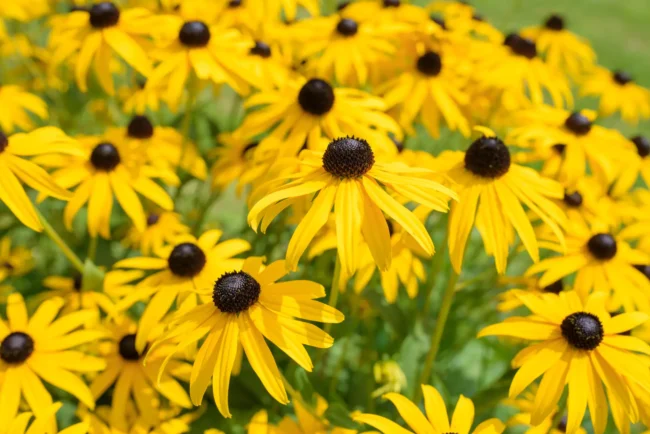
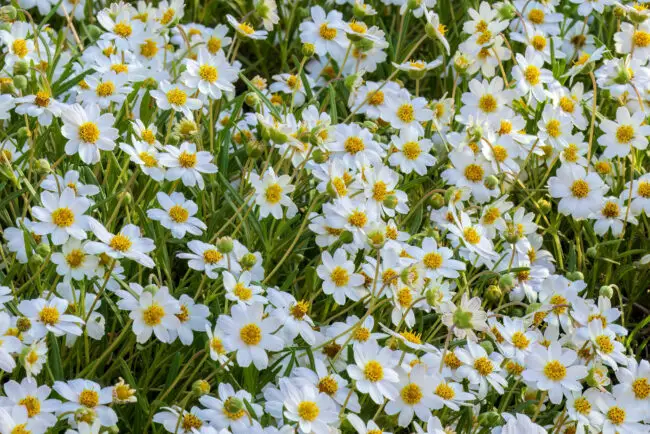
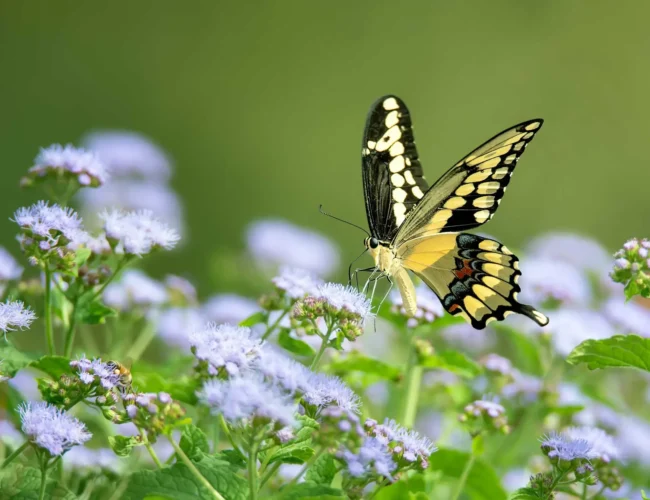
Here are all the fall-blooming and fall-berry-ing natives; visit each to learn more about their care and planting tips.
Native plants for the fall
-
-
-
-
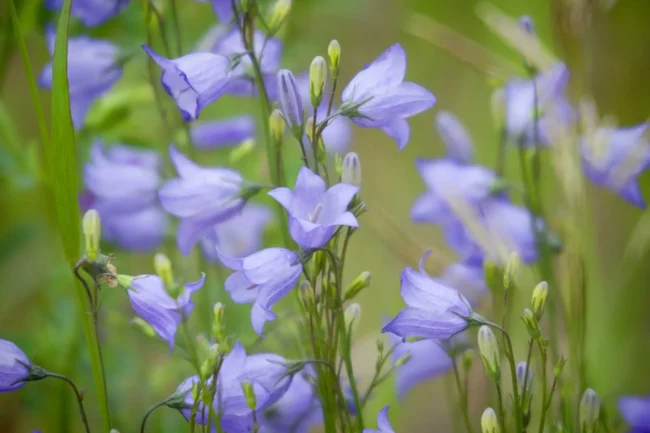
-
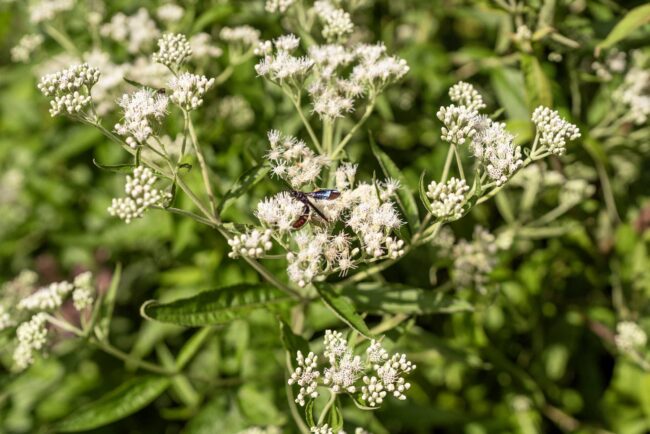
-
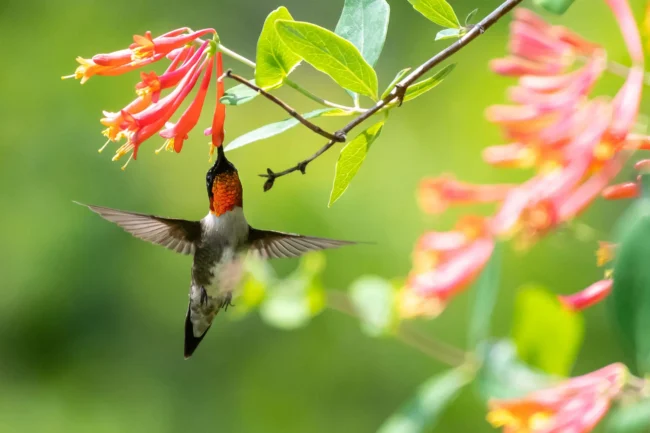
-
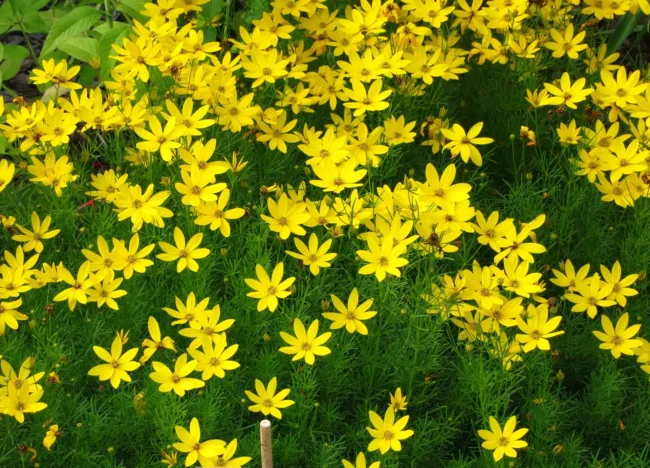
-
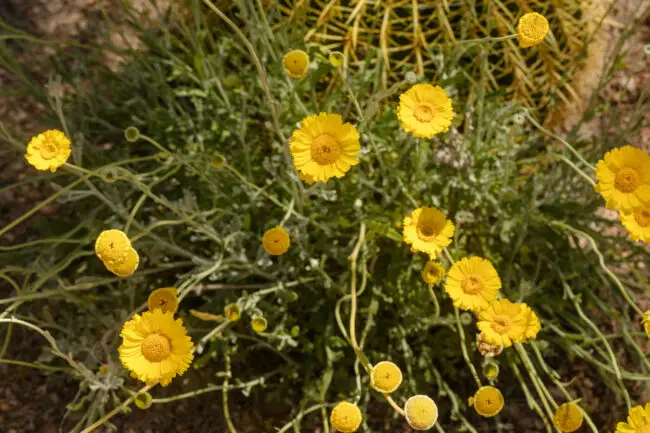


Native plants with gorgeous fall foliage
-
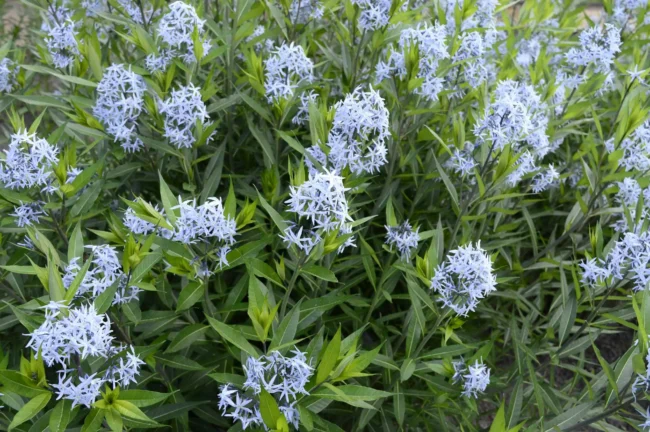
-
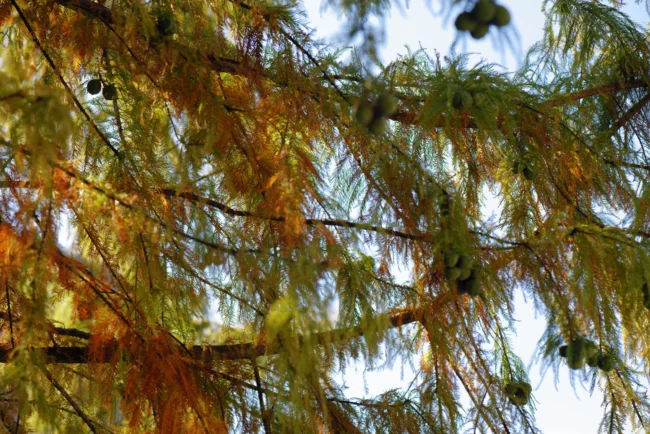
-
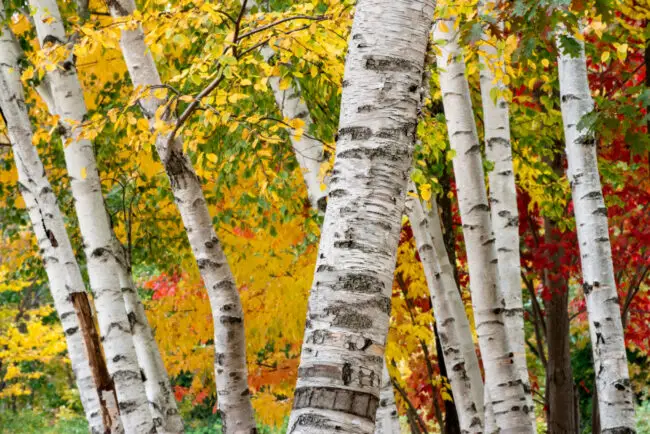
-
-
-
-
-


Fall is a time when our gardens start their seasonal rests, and many native flowers have gone to seed. But not all native flowers go to sleep in the fall! Native flowers like asters, mistflowers, goldenrods, ironweed, and others we’ve met all wait until fall to put out their blooms and berries. Skip the cliched non-native fall flowers (no more mums!) and plant native perennials that will come back year after year, making your garden a fall eden.

Sources
- Nelson, Gil. Best Native Plants for Southern Gardens: A Handbook for Gardeners, Homeowners, and Professionals, (2010).
- Harstad, Carolyn. Go Native! Gardening with Native Plants and Wildflowers in the Lower Midwest. (1999), 209-210.
Updated
The ads on this site help pay real native plant nerds to research and write these guides.


