

Highlights
Swamp milkweed is the milkweed for the wet corner of your yard. It thrives where most perennials struggle: rain gardens, pond edges, and spots that stay damp after rain. It’s a monarch host plant, which means monarch females will seek it out to lay eggs, and it blooms in fragrant deep-pink clusters from June through August. Despite its name, it handles average garden soil too, which makes it one of the most adaptable milkweeds you can grow. If you have a wet problem spot and want to do something real for monarchs, this is your plant. Scroll on.
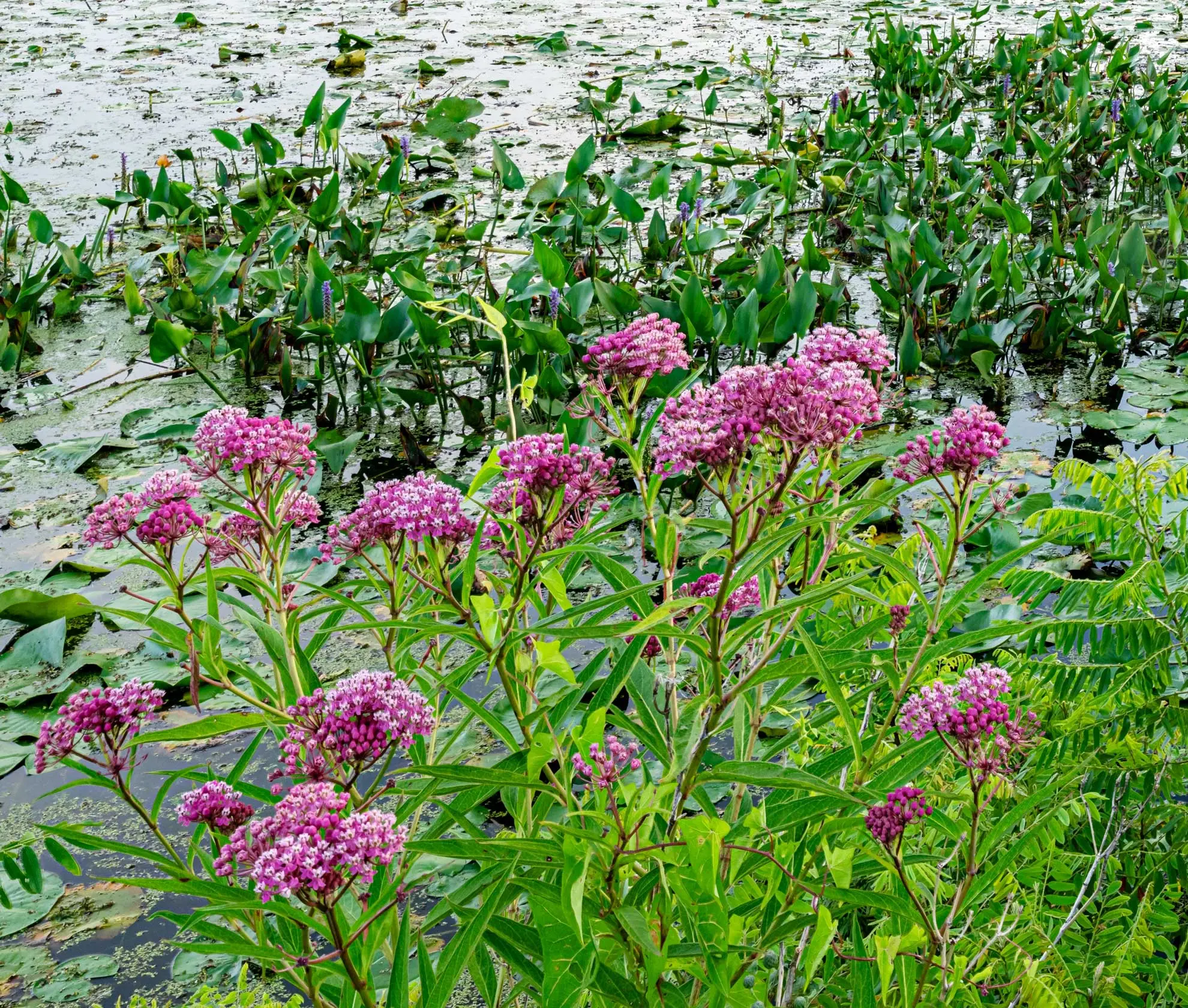
Is swamp milkweed right for my yard?
Plant it if…
- You have a wet, boggy, or rain garden spot where most perennials fail. This is where swamp milkweed is in its element.
- You want a monarch host plant that stays in a clump. Unlike common milkweed, swamp milkweed does not spread via aggressive underground rhizomes.
- Your soil is average or moist and you want a milkweed that can handle it without being planted on a dry slope.
- You want fragrant pink summer blooms on a plant that earns its place beyond looking good.
- You want something tall and upright that behaves itself in a border.
Skip it if…
- Your soil is bone dry and you get minimal rainfall. Butterfly weed is the better match for hot, dry conditions.
- You want the most compact milkweed option. At 3 to 5 feet, swamp milkweed is a tall plant. Butterfly weed tops out at 1.5 feet.
- You’re outside its native range. Check the USDA range map (below) before planting.
Where is swamp milkweed native?
Native to 43 US states, Washington, D.C., and 6 Canadian provinces (Manitoba, New Brunswick, Nova Scotia, Ontario, Prince Edward Island, Quebec)
Sources: NatureServe, Royal Botanic Gardens, Kew (World Checklist of Vascular Plants) and the USDA PLANTS Database, compiled by The Plant Native. How we map native ranges
Why swamp milkweed matters
There are 100+ species of milkweed native to North and South America. Science has shown that among these options, there are some clear favorites.
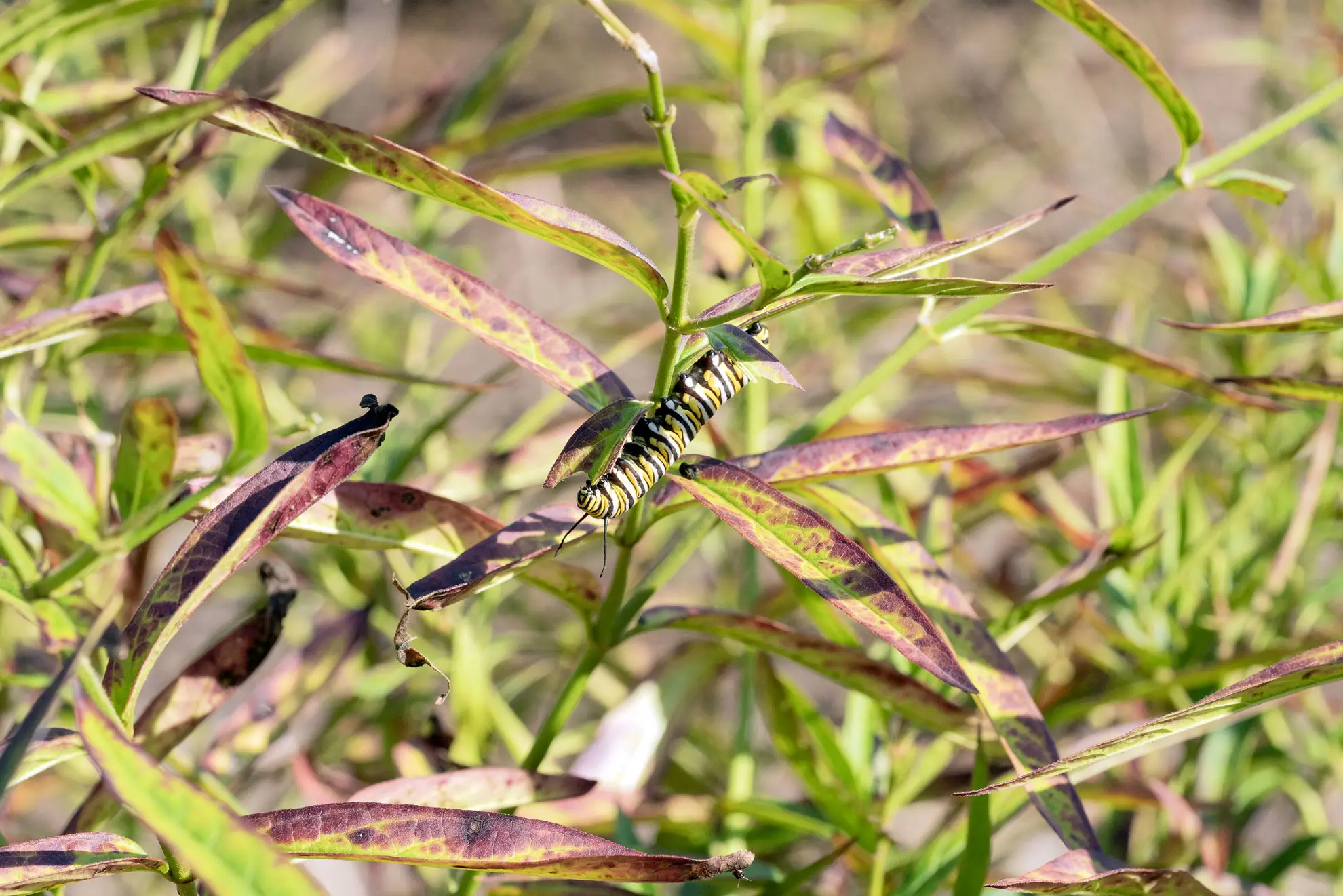
When monarch moms have a choice, they pick swamp milkweed.
A field study published in Ecosphere gave monarchs access to nine native milkweed species in real garden conditions and tracked where they laid their eggs. Swamp milkweed got the most, and not by a little. Across every scenario the researchers tested, monarchs kept coming back to Asclepias incarnata—swamp milkweed—first. That’s a preference built over millions of years of co-evolution, not a fluke.
Why is this plant so special?
Part of what drives it: monarchs taste leaves with their feet. They land, press their forelegs against the surface to assess what’s there, and make a call. Swamp milkweed has smooth, relatively low-latex leaves compared to common milkweed, and that combination tells a monarch her caterpillars will be able to eat right away. She’s not just finding a leaf. She’s vetting a nursery.
Planting for monarchs? Don’t stop at swamp milkweed.
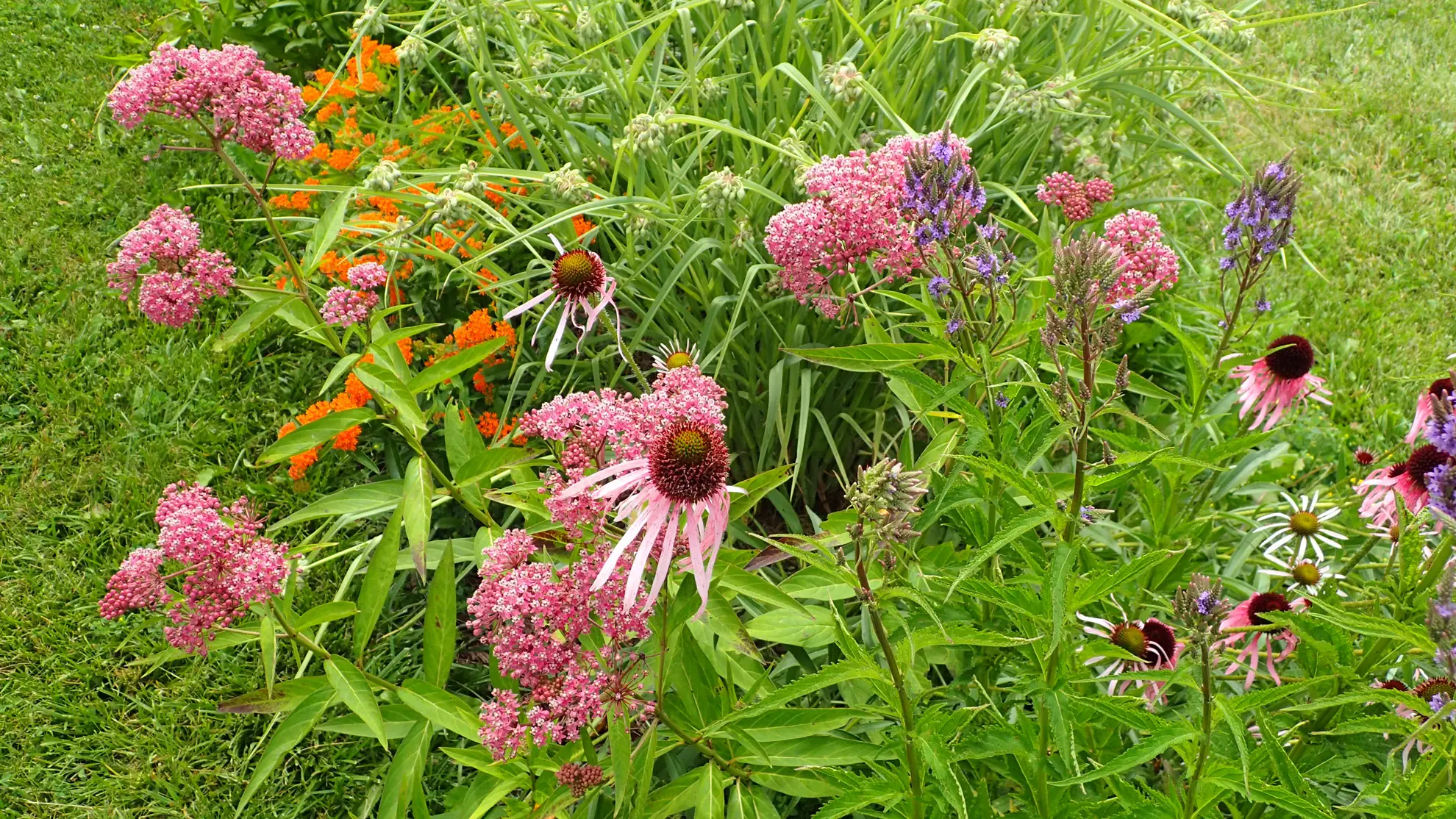
The same study found that monarchs lay roughly 2.5 times more eggs when multiple milkweed species are available in the same space than when only one species is present. That’s the argument for planting swamp milkweed alongside butterfly weed and common milkweed (if you have the space for common milkweed) rather than choosing just one species.
Have a muddy area? This is your plant.
Swamp milkweed earns its place by doing what the others can’t: thriving in the moist, soggy conditions those species struggle with. The low corner of the yard, the rain garden edge, the spot that stays wet all spring. That’s swamp milkweed’s territory, and claiming it for your monarch garden means monarchs have milkweed options across every microclimate you’ve got.
That said, we’ve got good news if you don’t have a wet area in your yard:
Don’t let the name fool you. Swamp milkweed also grows fine in average garden soil with regular moisture, which means it isn’t limited to rain gardens or pond edges.
Where swamp milkweed shines in your yard
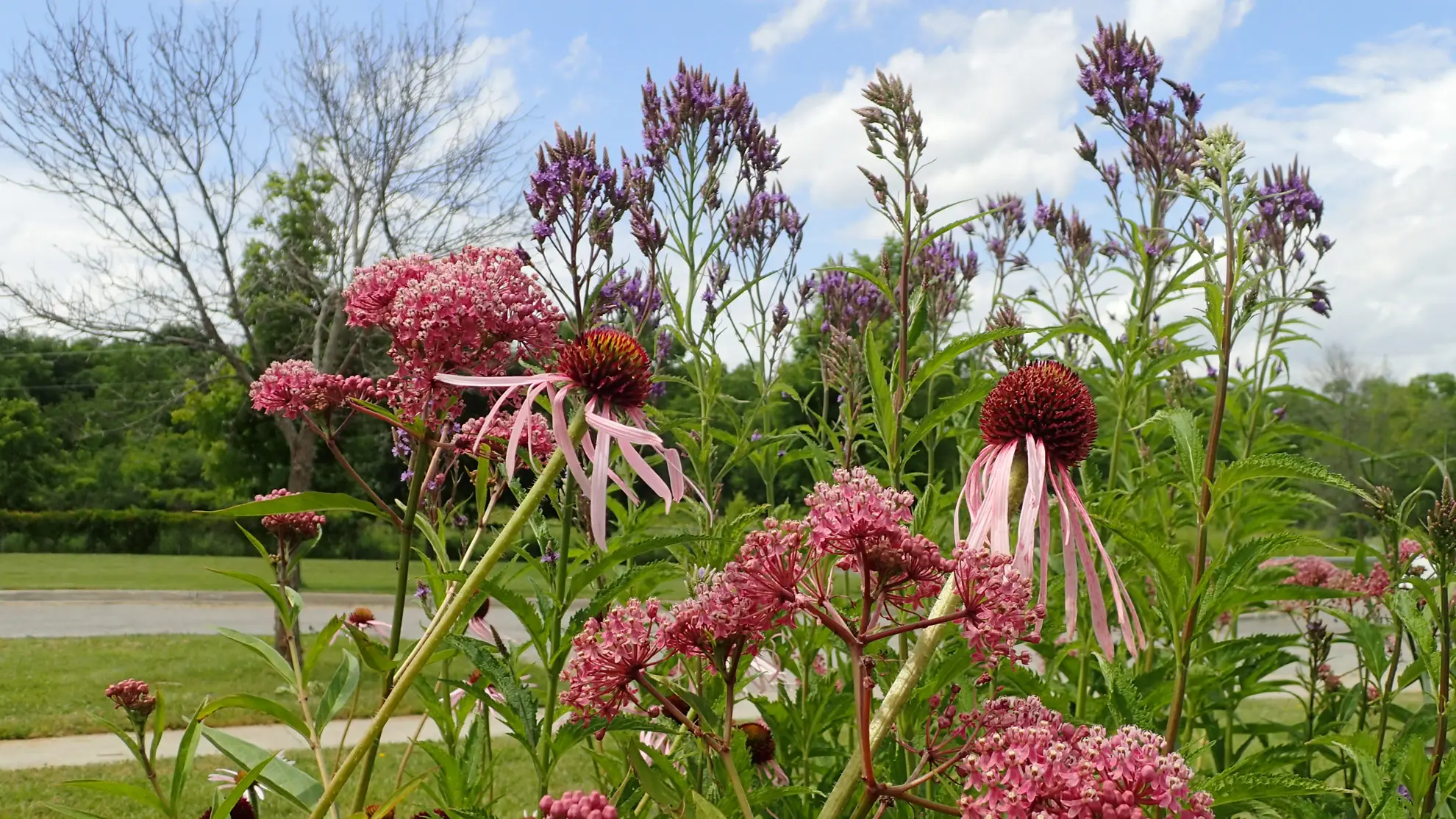
- Rain gardens: This is its highest calling. In a rain garden it handles the wet and dry cycles that kill most ornamentals and blooms reliably all summer.
- Pond and stream edges: Right up against the water is completely fine. The roots hold streambanks, the flowers feed pollinators, the leaves feed monarchs.
- Wet meadow plantings: Pairs naturally with other moisture-loving natives in a low-maintenance meadow.
- Back of a border: Tall, upright, and well-behaved. It stays where you plant it and doesn’t elbow its neighbors.
- Bioswales and drainage strips: Any area designed to manage water flow is a natural fit.
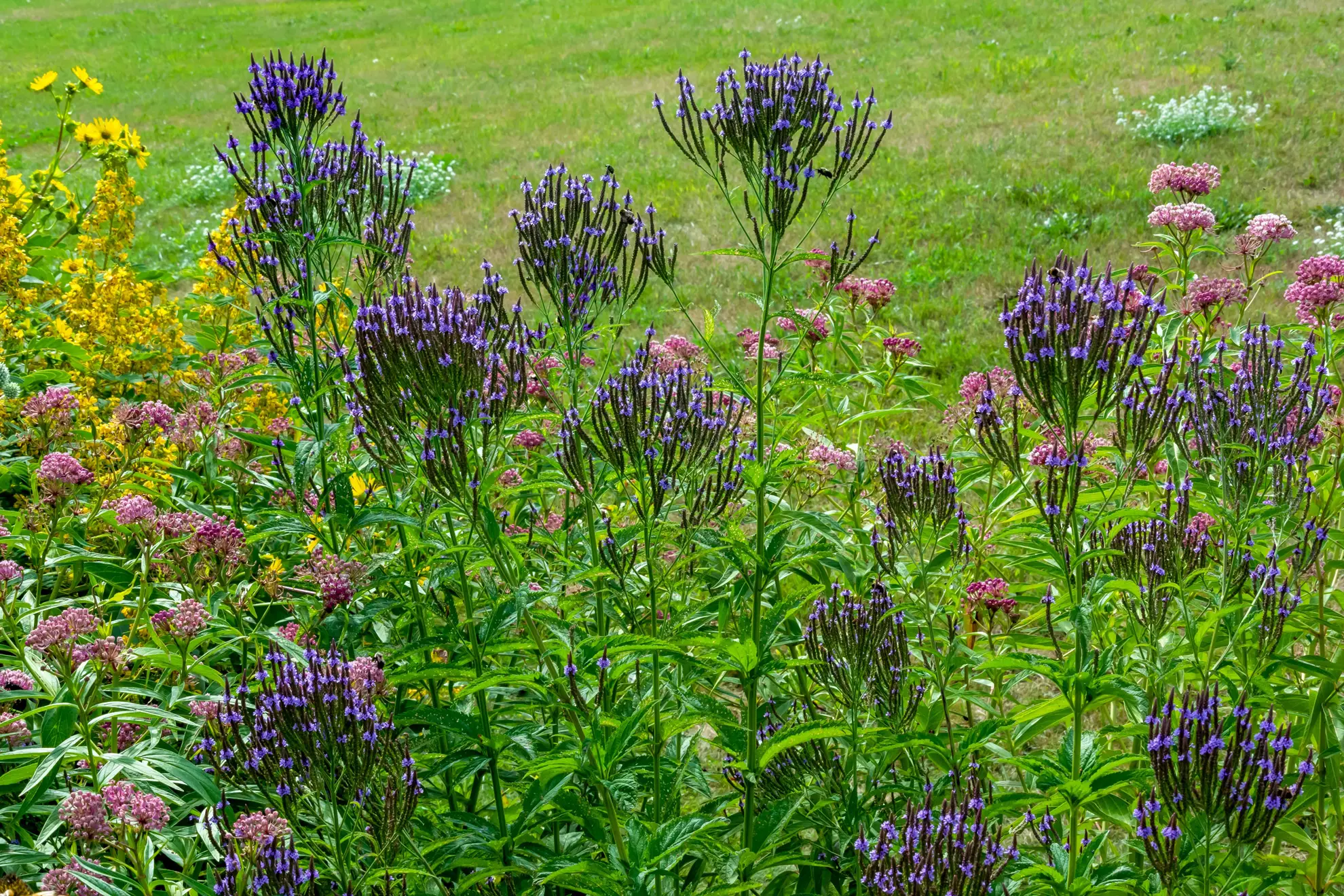
- Pollinator gardens with average soil: Don’t let the name mislead you. In a standard sunny border with regular moisture, swamp milkweed grows and blooms beautifully.
How to grow swamp milkweed
Where to plant
Full sun is ideal. Swamp milkweed handles part sun but blooms more freely and grows more strongly in a spot with 6 or more hours of direct light.
For soil: wet to moist is ideal, and it genuinely thrives in spots that stay soggy after rain. That said, don’t let the name fool you. Swamp milkweed also grows fine in average garden soil with regular moisture, which means it isn’t limited to rain gardens or pond edges. What it won’t handle well is dry, sandy, droughty ground. That’s butterfly weed’s territory.
When to plant
Transplants go in spring through early summer. For seeds, fall direct-sowing is the easiest approach: let winter provide natural cold stratification. Spring seeds benefit from 30 days of moist cold stratification in the refrigerator before planting.
Spacing
18 to 24 inches apart. Swamp milkweed forms an upright clump and does not spread via rhizomes the way common milkweed does. A planting of five or more stays roughly where you put it, which makes it easier to plan around than its more assertive cousin.
Planting card
Asclepias incarnata
Watering
In a wet or rain garden site, no supplemental watering needed once established. In average garden soil, water weekly the first season. After the first year, it’s largely self-sufficient in anything but prolonged drought.
No pesticides or herbicides
Avoid using pesticides or herbicides near swamp milkweed plants, as they can harm the monarch butterflies and caterpillars that rely on the plant.
Plant at least five plants (if you can)
The more swamp milkweed plants you plant, the easier it will be for mom monarchs to find and lay their eggs and for the larvae to have enough food and shelter to survive. In general, plant at least five individual plants in an area if you can.
Beginner tip
Not sure whether to plant swamp milkweed or butterfly weed? If your soil is anything other than dry, swamp milkweed is the safer choice. It handles a much wider range of moisture conditions and still delivers full monarch value.
What are good pairings for swamp milkweed?
Pair swamp milkweed with other native plants that don’t mind some water. Here are some stellar combos:


Where can I buy swamp milkweed?
A note on swamp milkweed cultivars
Swamp milkweed has a small number of named cultivars worth knowing. (Wondering what a cultivar is? Here is a short, beginner-friendly cultivar overview. Cultivars are basically plants that have been picked out or made by humans.)
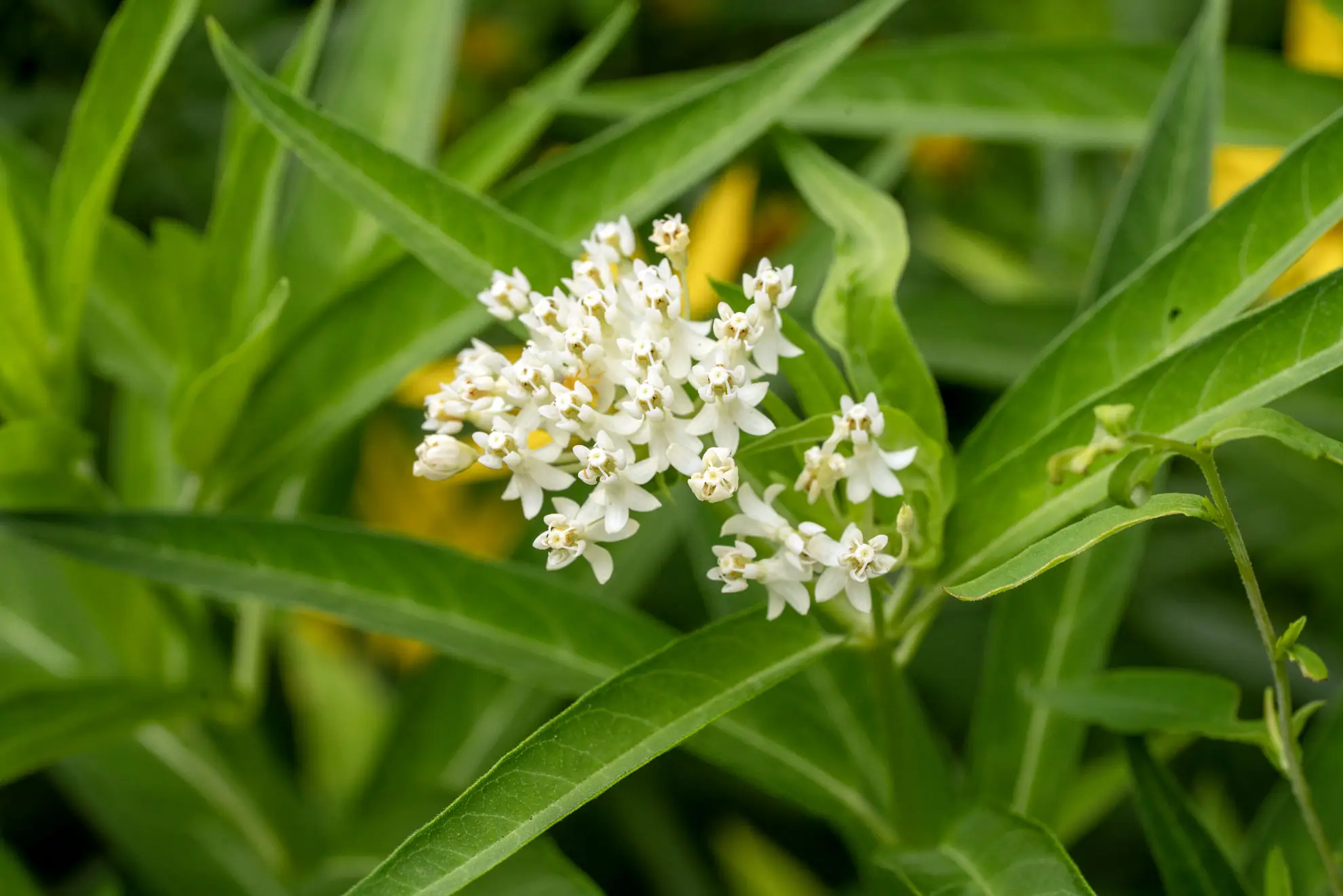
The most widely available swamp milkweed cultivar is ‘Ice Ballet’, a white-flowered selection that blooms with the same frequency and duration as the pink species. It’s a beautiful option if you want a lighter palette, and it draws monarchs and bees just as effectively as the pink form.
Other cultivars include ‘Cinderella’ (deeper rose-pink, slightly taller) and ‘Soulmate’ (more compact, around 3 feet). Both are grown and sold at many native plant nurseries.
Cultivar vs. straight species—which is better?
This is one of the hottest topics in the plant world. For this plant, we can share some science.
In 2020, research in PeerJ found that swamp milkweed cultivars attracted similar numbers of monarch eggs and supported similar larval survival as the wild-type species in a replicated urban garden study. If your local nursery only carries ‘Ice Ballet’ or ‘Cinderella’ and the straight species isn’t available, the monarchs aren’t going to notice the difference in the short term.
That said, the straight species is still the better long-term choice: it maintains the full genetic profile that local pollinators and insects have co-evolved with, and it’s what the rest of the ecological community beyond monarchs is calibrated to.
Swamp milkweed is the milkweed for gardeners who have been quietly struggling with a wet corner. It turns a problem into an asset: a fragrant, monarch-approved, hummingbird-visited planting that handles the conditions many other plants won’t. Plant it in groups of five or more, give it sun and moisture, and let it do what it was built to do.
Plant nerd fact
Get up close, because these flowers are crazy.
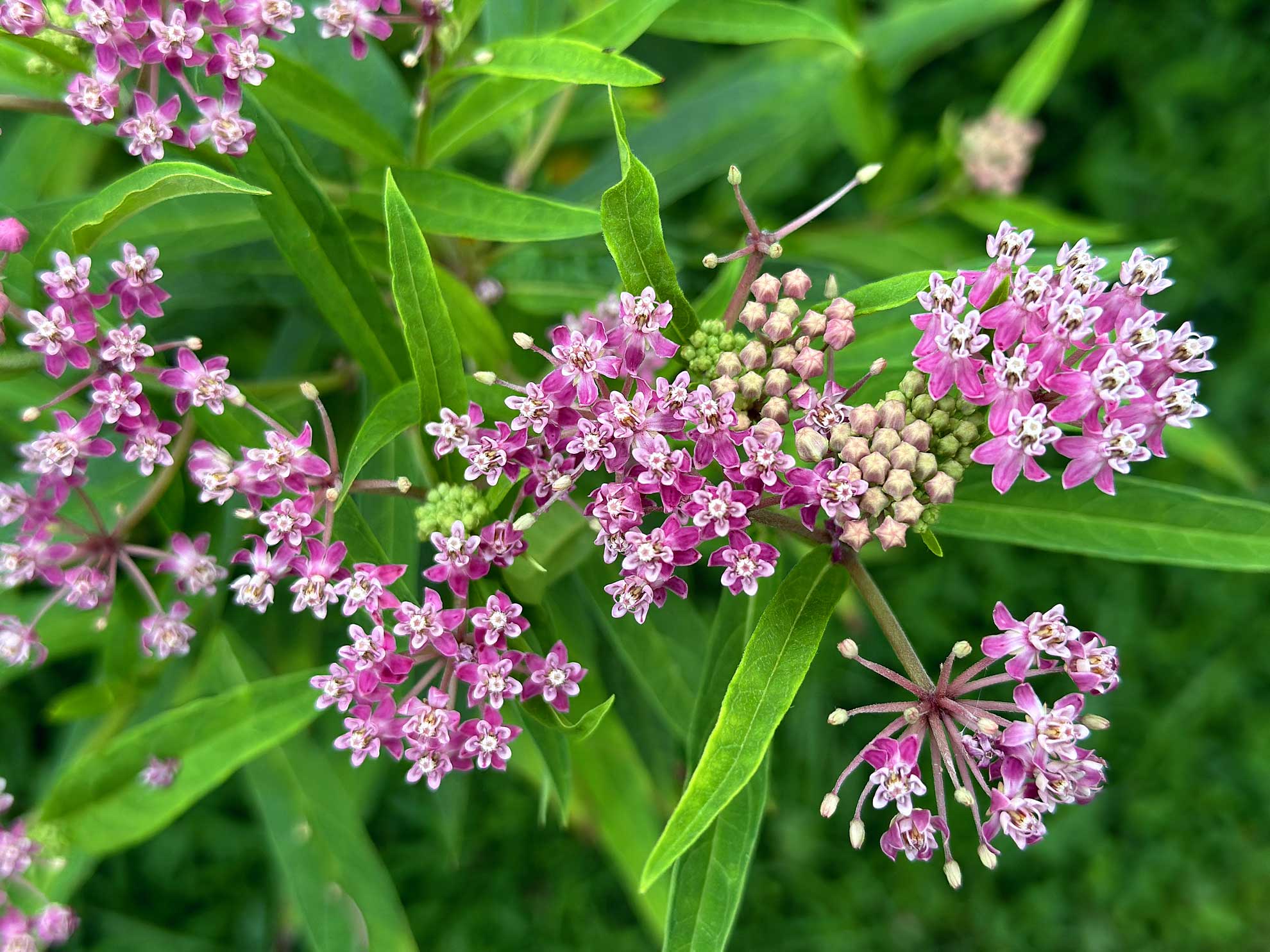
When you get up close to a milkweed flower, you start to have a lot of questions. Why are these tiny upside-down crown petals on top of other tiny flowers, which then make up a larger “flower”? Also, where’s the yellow pollen?!
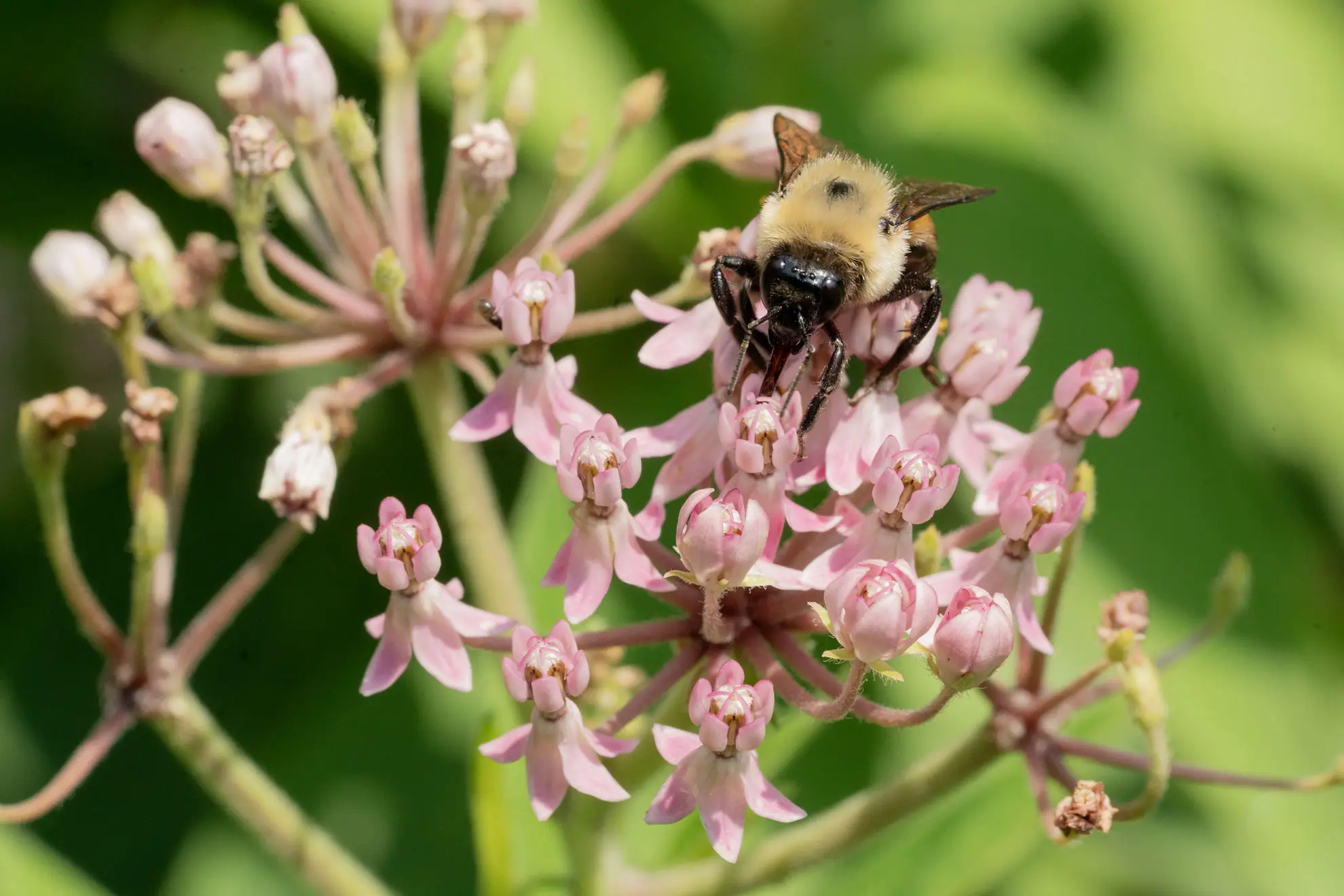
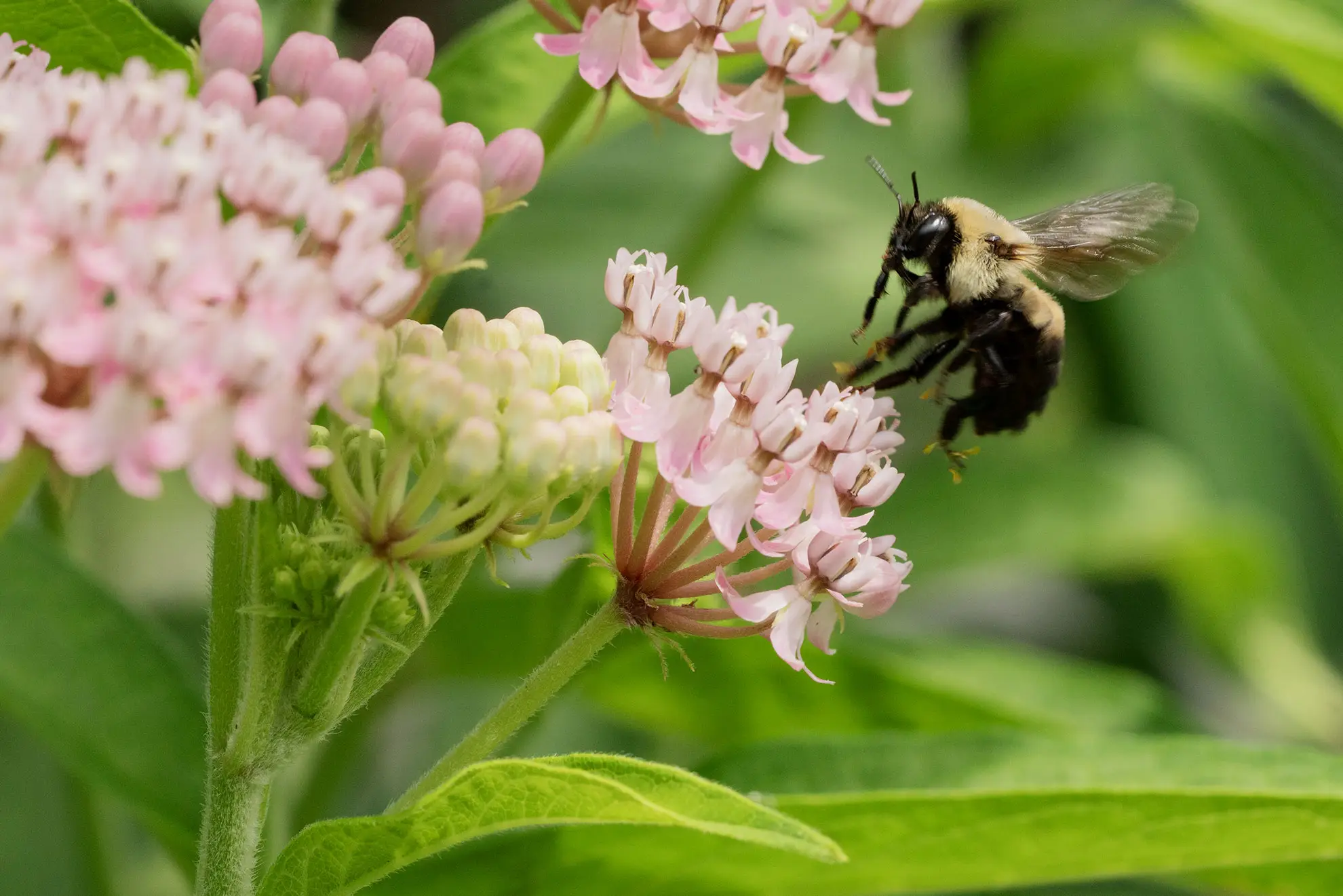
Milkweed has one of the strangest pollination systems of any plant in North America. Instead of loose pollen, it packages everything into paired waxy bundles called pollinia. When a bee pushes into a flower to reach the nectar hidden inside the topmost little star structures, a tiny clip at the center grabs its leg and attaches the pollinia like saddlebags. The bee flies to the next milkweed flower, drops off the delivery, and the whole thing works exactly as intended.
Except…milkweed built this system for bumblebees. Smaller insects that wander in sometimes get a leg caught and can’t pull free. If you look closely at a patch of swamp milkweed in July, you may spot a tiny insect dangling by one leg from a flower.
(Also, let me appease the nerds—because I am one, too!—and say that a swamp milkweed “flower” is actually an individual bloom within a umbel inflorescence, and those little star-shaped structures in the center aren’t petals: they’re a corona of nectar-bearing hoods. If that sounds exciting to you, I highly recommend enrolling in horticulture classes at your local college, no matter how old you are. I’m doing it now, and it’s awesome.)
Looking to meet other native milkweeds? Head over to our Beginner’s Guide to Native Milkweeds and meet a few more. Or why not embrace the butterfly-nut persona and visit our Best Native Host Plants for Butterflies? Happy planting!
Sources
- Baker, Ashley M., Cynthia T. Redmond, Stephen B. Malcolm, and Daniel A. Potter. “Suitability of Native Milkweed (Asclepias) Species versus Cultivars for Supporting Monarch Butterflies and Bees in Urban Gardens.” PeerJ 8:e9823 (2020). https://doi.org/10.7717/peerj.9823. Accessed April 4, 2026.
- Harstad, Carolyn. Go Native! Gardening with Native Plants and Wildflowers in the Lower Midwest. Indiana University Press, 1999.
- Lady Bird Johnson Wildflower Center. “Asclepias incarnata (Swamp Milkweed).” wildflower.org. https://www.wildflower.org/plants/result.php?id_plant=ASIN. Accessed April 4, 2026.
- Nelson, Gil. Best Native Plants for Southern Gardens: A Handbook for Gardeners, Homeowners, and Professionals. University Press of Florida, 2010.
- North Carolina State Extension. “Asclepias incarnata (Swamp Milkweed).” plants.ces.ncsu.edu. https://plants.ces.ncsu.edu/plants/asclepias-incarnata/. Accessed April 4, 2026.
- Pocius, Victoria M., Diane M. Debinski, John M. Pleasants, Keith G. Bidne, and Richard L. Hellmich. “Monarch butterflies do not place all of their eggs in one basket: oviposition on nine Midwestern milkweed species.” Ecosphere 9, no. 1 (2018): e02064. https://doi.org/10.1002/ecs2.2064. Accessed April 4, 2026.
- USDA PLANTS Database. “Asclepias incarnata L. Swamp Milkweed.” plants.usda.gov. https://plants.usda.gov/home/plantProfile?symbol=ASIN. Accessed April 4, 2026.
Explore native milkweeds



Updated Find more: Pink Flower Hummingbird Favorite Summer Full Sun Rain Garden Host Plant
The ads on this site help pay real native plant nerds to research and write these guides.
Garden notes
Notes from people who’ve grown it
Tips, wins, and the occasional disaster. If you’ve grown swamp milkweed, share the advice you’d give to a neighbor.
No notes yet. Yours could be the first.
Grown swamp milkweed? Tell the next person what you wish someone had told you.
Tap anywhere to close


