
Highlights
Birches are gorgeous trees, with bark that peels in curls and strips and looks good in every season. But plenty of the birches at garden centers come from Europe and Asia, and the tags rarely say so. Keep reading to find the right native birch for where you live.
Hummingbirds will sometimes drink the sap of birches and maples! So plant some extra birches and keep an eye out for these bright little birds buzzing around.
What are native birch trees?
If you’ve ever seen a stand of trees with bright white bark, there’s a good chance they were birches.
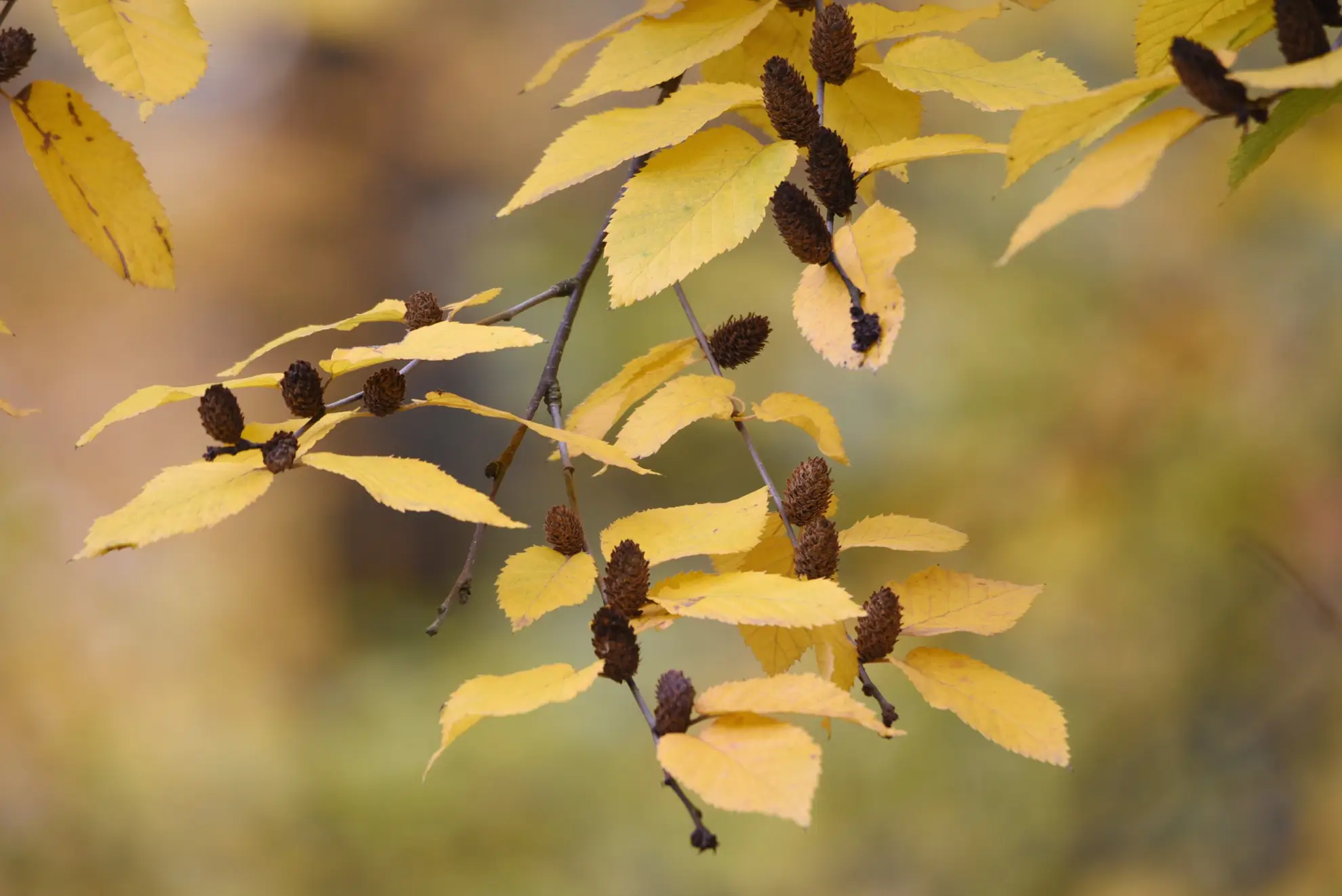
Birches are some of our most beautiful native trees. Every native birch has eye-catching bark and fluttery leaves that turn yellow in fall. They look especially stunning planted in a group of three or five. Happily, birches are also one of the easier native trees to find for sale.
Most birches are fast growers, up to 2 feet a year. The trade-off: most don’t live much past 100 years. (Yellow birch is the exception, more on that below.)
One more reason to plant a native birch:
Native birches are host plants
Just a few of the beautiful butterflies that native birches support…
- Mourning cloak butterflies need native birches to feed on as caterpillars.
- Tiger swallowtail caterpillars eat birch, tuliptree, willow and cherry leaves.
- Red-spotted purples eat birch leaves as caterpillars.
- Compton tortoiseshells lay eggs on birches and willows.
- Cecropia moths eat birch leaves as caterpillars.
Even hummingbirds love birches
Hummingbirds will sometimes drink the sap of birches and maples! So plant some extra birches and keep an eye out for these bright little birds buzzing around.
Where birches shine in your yard
Most birches like moist soil and lots of sun. In the wild, they’re often found along streams. So if your soil is often wet, and gets at least a few hours of sun every day, you have a perfect spot. (If you plant a birch in a very dry and shady spot, it will likely struggle.)
Keep scrolling to find the perfect native birch for your location.
Native birch for the northern half of North America
Paper birch
Betula papyrifera
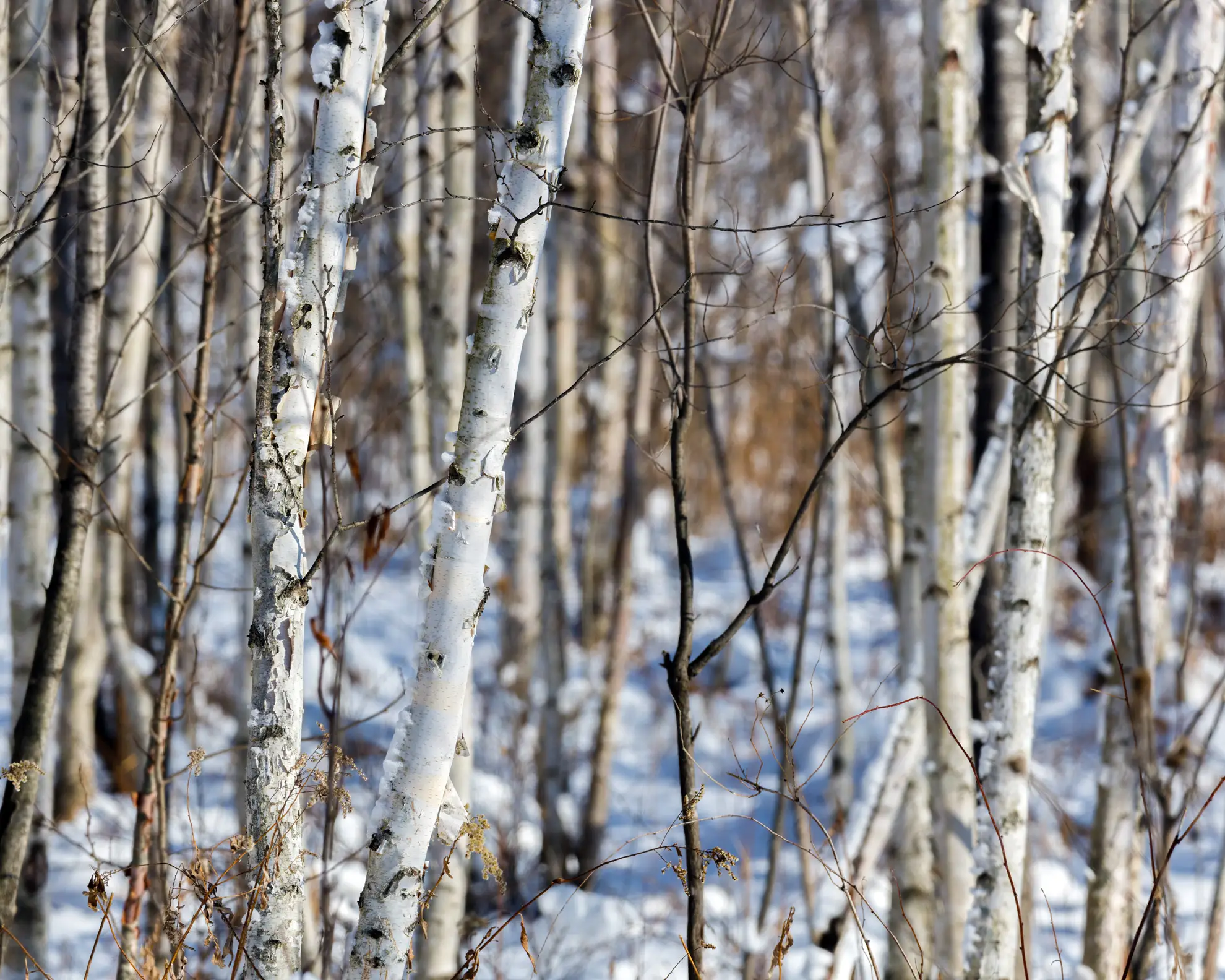
Paper birch is native across most of the northern part of the U.S. and Canada, from Maine to Wisconsin to Oregon. This is the tree everyone pictures when they hear “birch,” with bright white bark that peels in papery strips. The bark sheds water, which is why it’s the bark behind traditional birchbark canoes.
These pretty trees love cooler temperatures and will often become stressed in high heat and humidity, so only plant them if you’re in the north or at higher altitudes. If there are a lot of deer in your area, you may also want to protect the young trees for a year or two until they’re established.
50 to 70 feet tall
Full sun to part shade
See native range >
Native birches for the eastern U.S.
Living on the eastern side of North America? Here are the birches for your garden:
River birch
Betula nigra
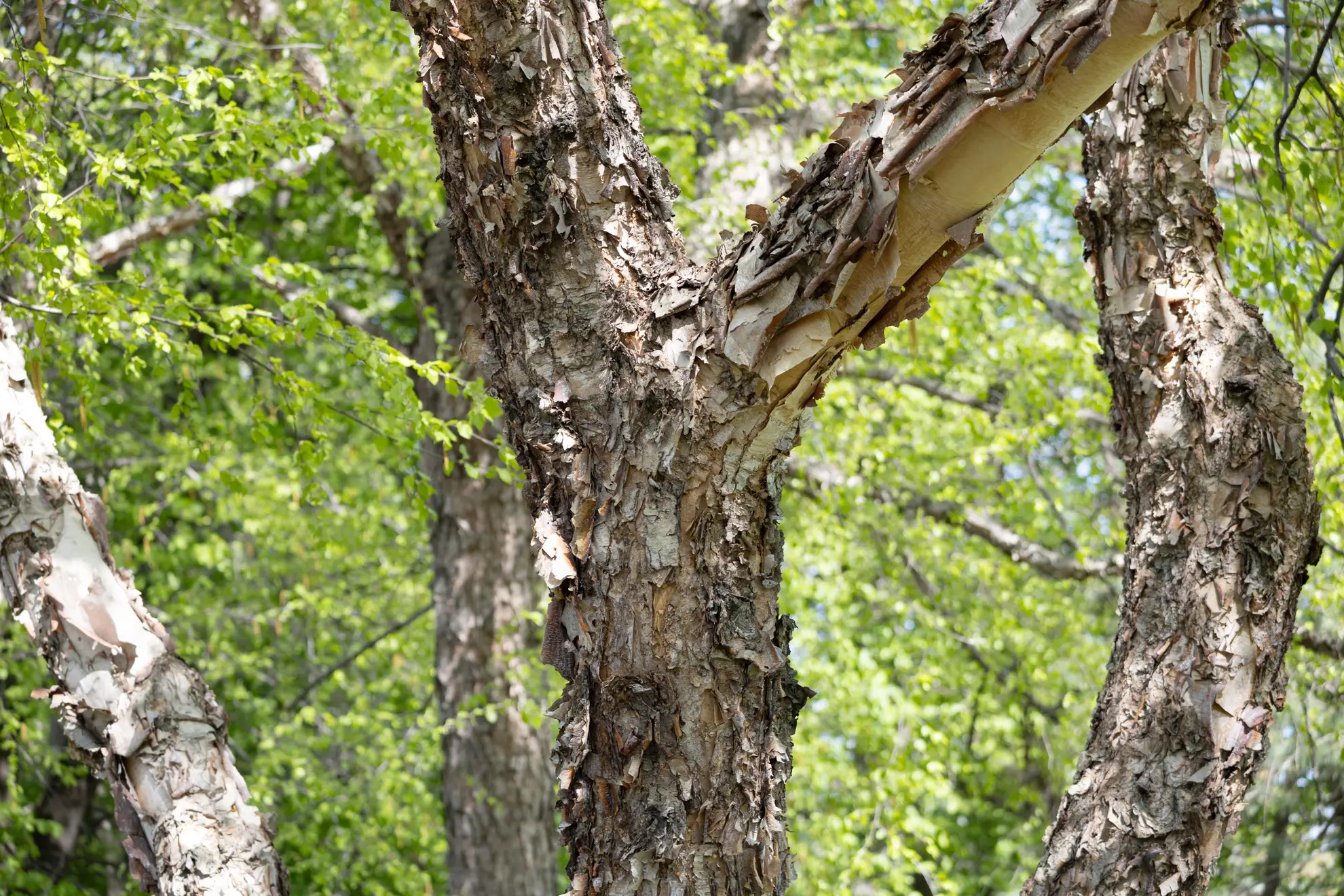
River birch bark peels in curls of cinnamon, salmon and cream, like a cake that’s been frosted and then sanded. Prince Maximilian called river birch “the most beautiful of American trees.” It grows wild from New England to Florida and west to Minnesota and Texas, and it’s the only birch that thrives in the heat and humidity of the South.
True to the name, river birches do like moisture (though not standing water), so plant them in a wetter area and/or provide lots of mulch.
30 to 70 feet tall
Full sun to part shade
See native range >
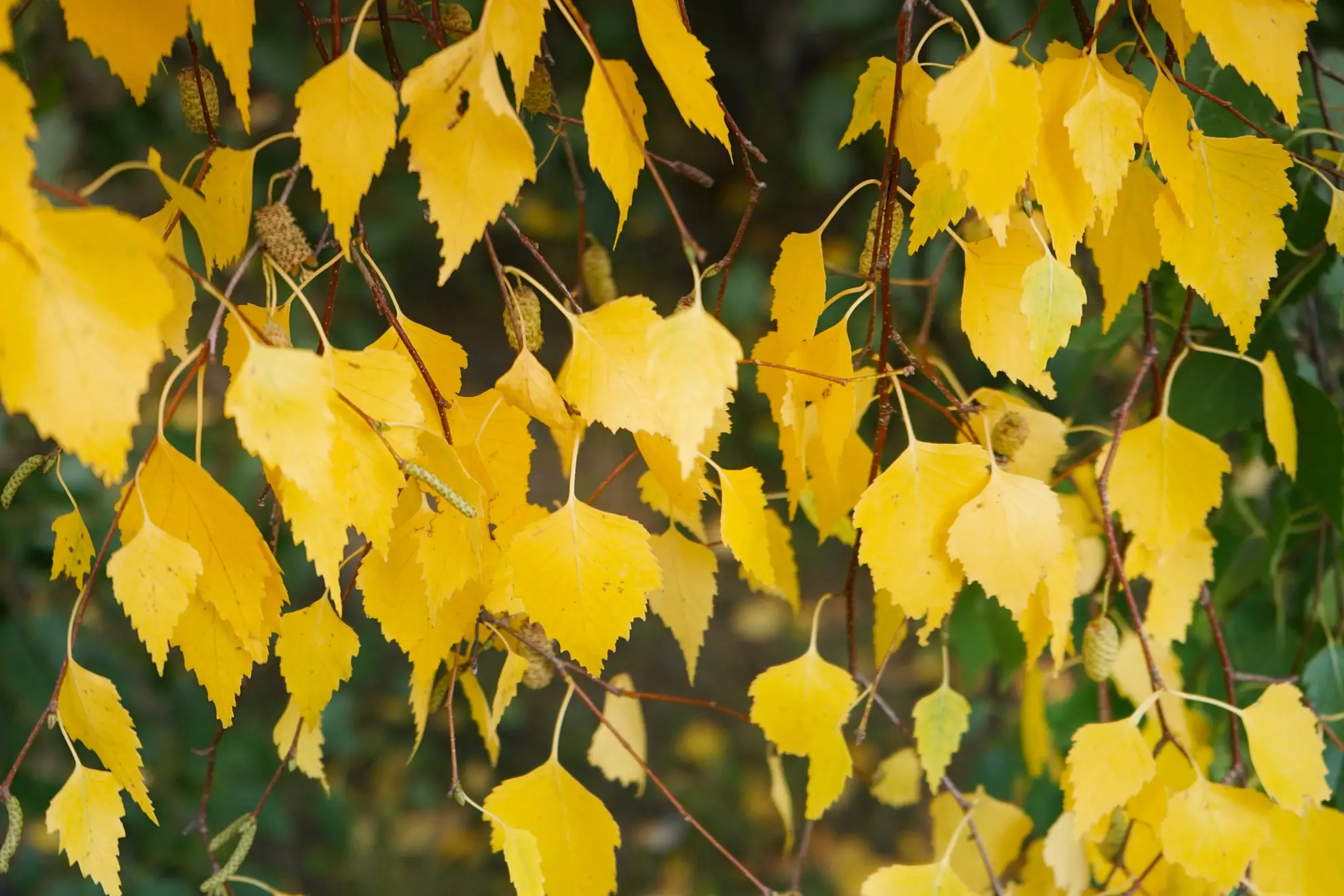
Yellow birch
Betula alleghaniensis
Yellow birch has shimmery bronze bark that peels in thin curls. It can grow to 80 feet tall, making it the largest birch in North America. It’s the odd one out in the family: it grows more slowly than other birches and lives much longer, up to 300 years.
They are native to the Northeast, the Great Lakes region, and along the Appalachians. They are sometimes also called swamp birches or golden birches.
70 to 80 feet tall
Full sun to part shade
See native range >
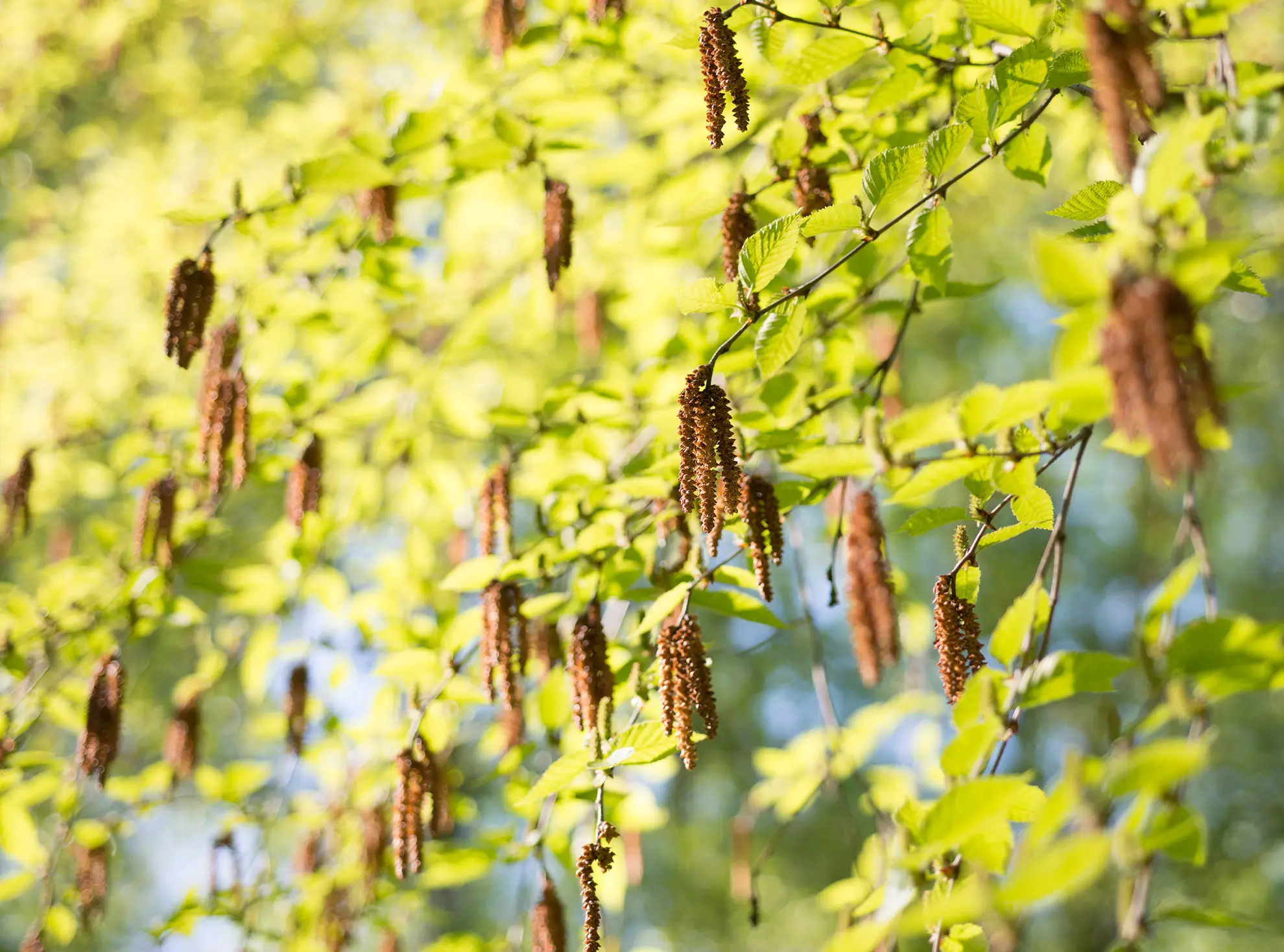
Sweet birch
Betula lenta
Sweet birch doesn’t have quite as striking bark as its cousins, but it’s famous for a different reason: its inner bark gives off a lovely wintergreen scent. The sap is used to make a drink similar to root beer called birch beer, which you may have grown up drinking if you lived in Pennsylvania or other east coast states.
Sweet birch is native to the Northeast and down along the Appalachian Mountains. Like other birches, it likes moist soil. It is known for its bright yellow fall color and is sometimes also called black birch, spice birch, or cherry birch.
60 to 70 feet tall
Full sun to full shade
See native range >
Native birches for the western U.S.
Living on the western side of North America? Here is the birch for you:
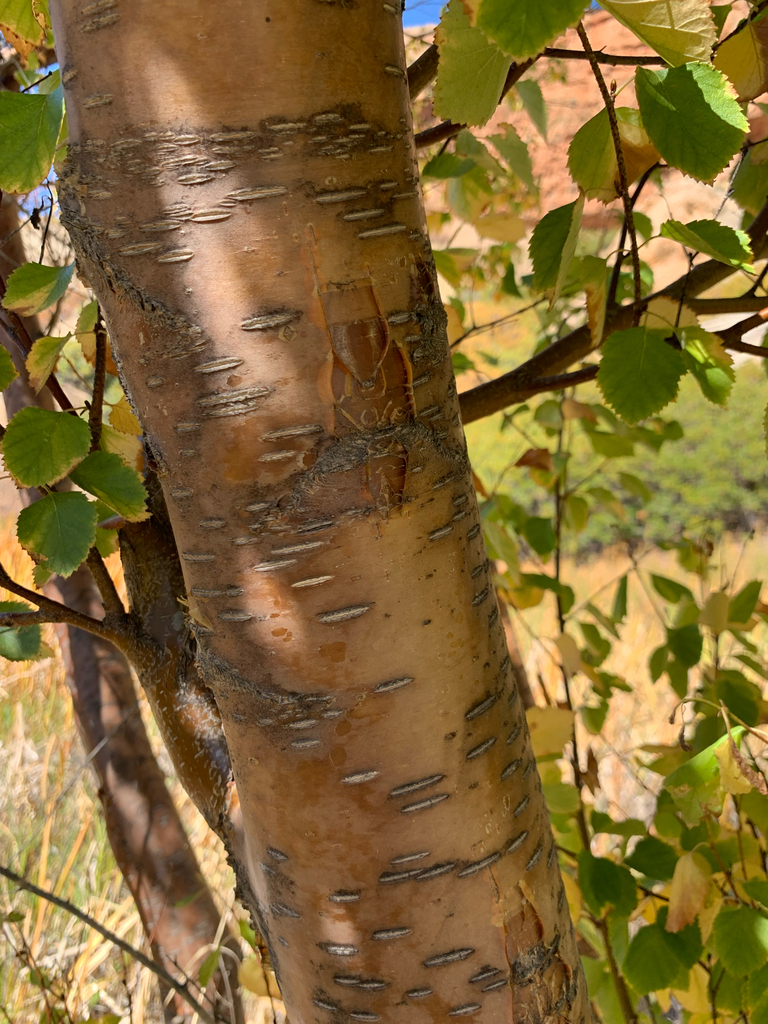
Water birch
Betula occidentalis
Water birch grows along streams and rivers in the Mountain West, usually at elevation. True to the name, it wants cool conditions and even more moisture than other birches. Don’t expect white bark: this one is glossy and coppery red-brown.
Water birches are smaller than other birches, 15 to 40 feet tall, and often grow as a wide, many-stemmed clump. They are thought to be more resistant to the bronze birch borer, a common pest, than other species.
15 to 40 feet tall
Full sun to part shade
See native range >
Which birch should I plant?
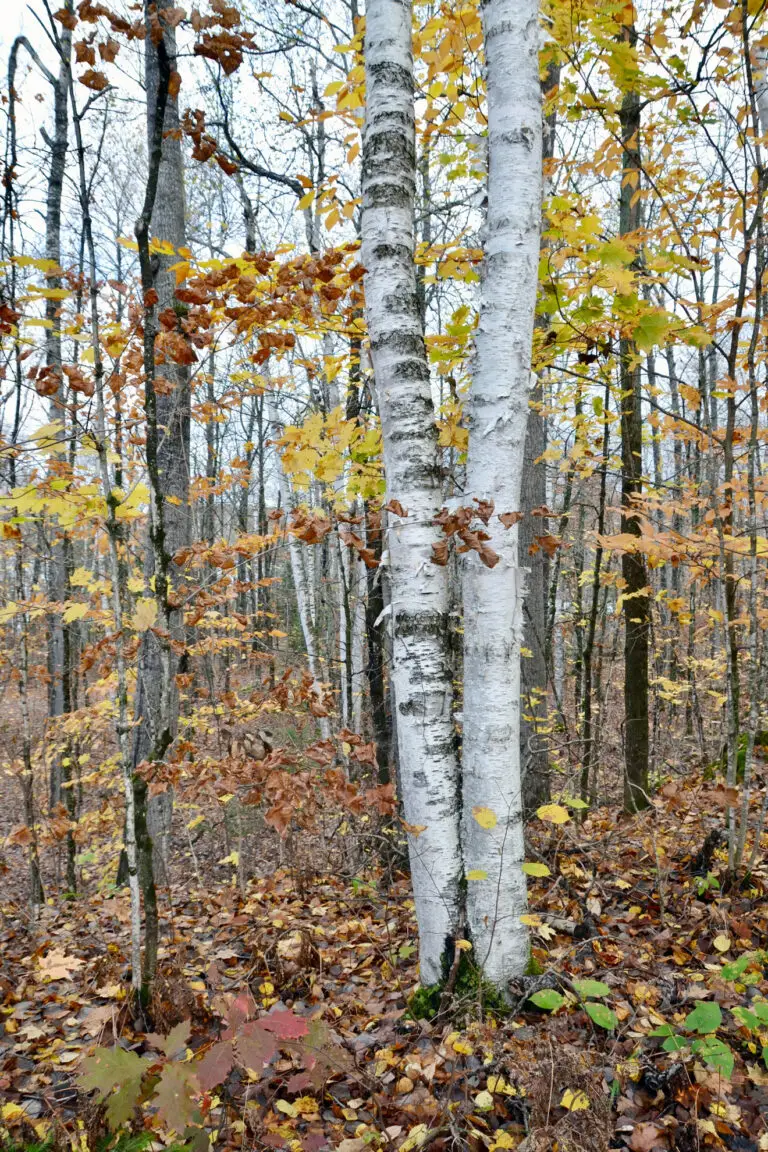 Classic white barkPaper birchThe white-bark birch. Happiest where summers stay cool.Sun50 to 70 ft
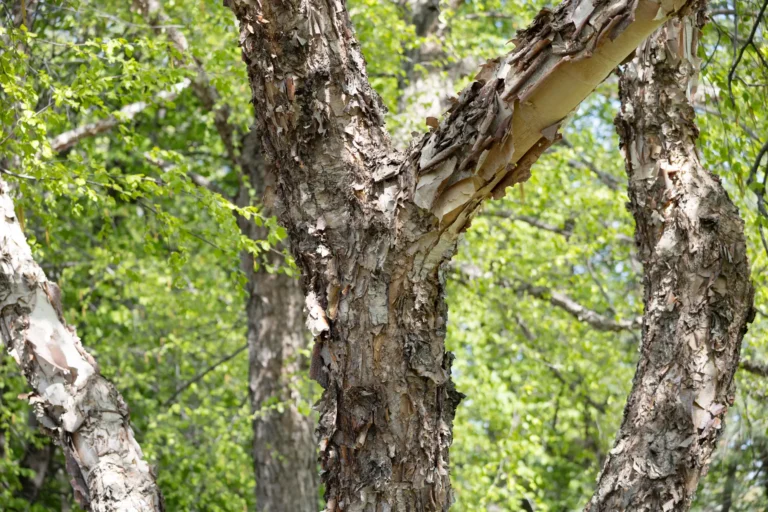 Hot, humid summersRiver birchThe one birch that thrives in the South.Sun to part shade30 to 70 ft
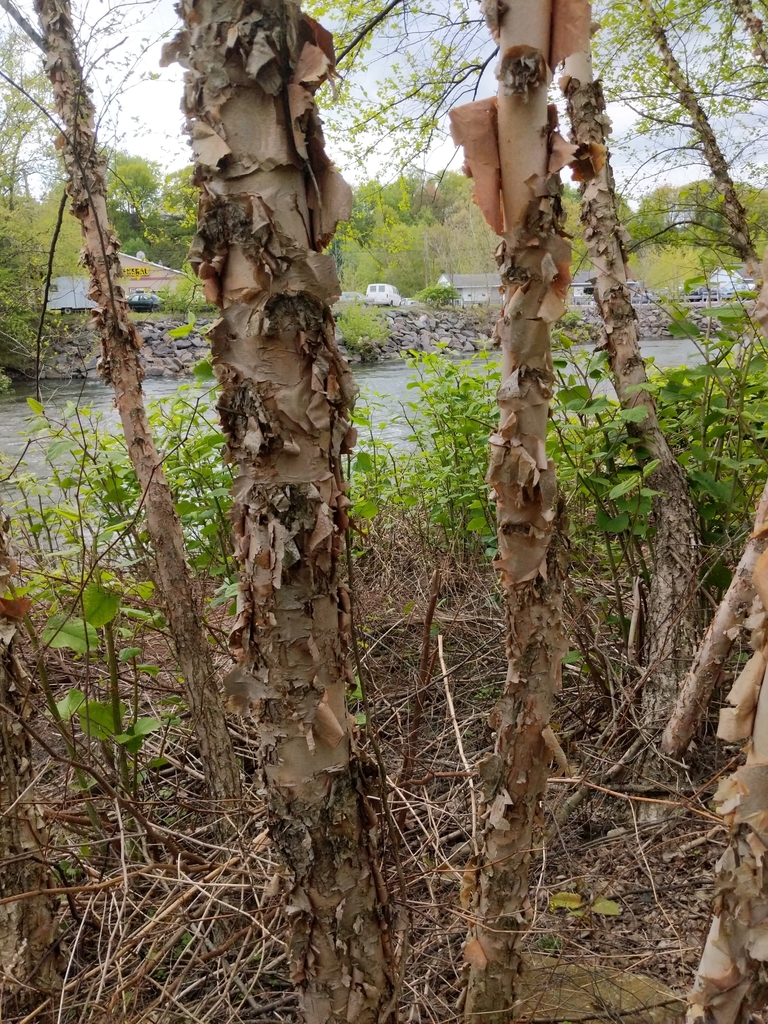 Fewest pest worries‘Heritage’ river birchBorers almost never touch river birch. ‘Heritage’ is a popular pick with pale, peeling bark.Sun to part shade30 to 70 ft
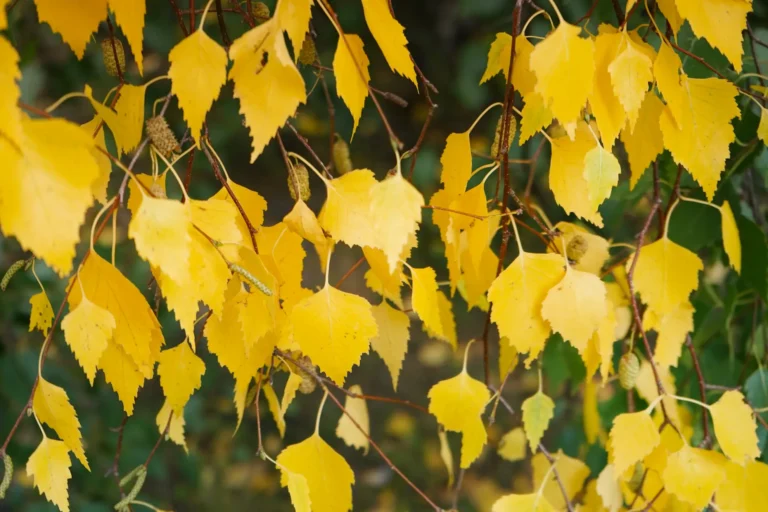 Room for a big treeYellow birchBronze bark, and it can live 300 years.Sun to part shade70 to 80 ft
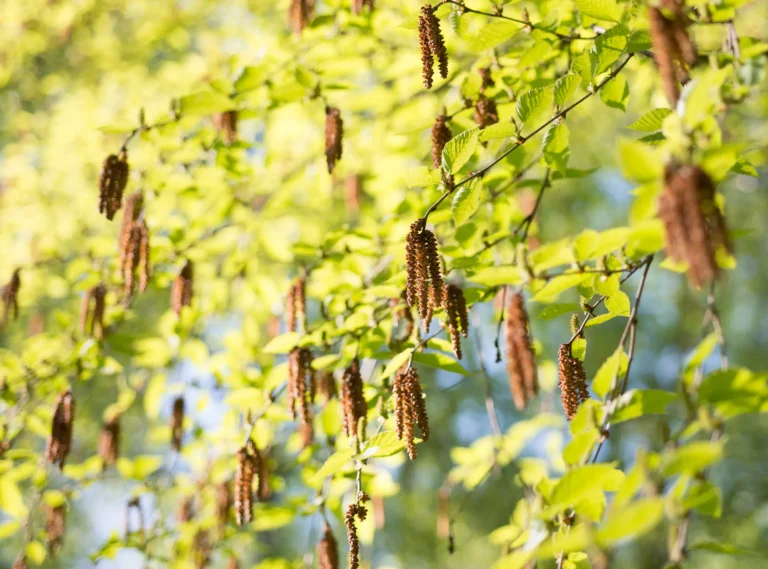 A shadier spotSweet birchSnap a twig and it smells like wintergreen.Sun to shade60 to 70 ft
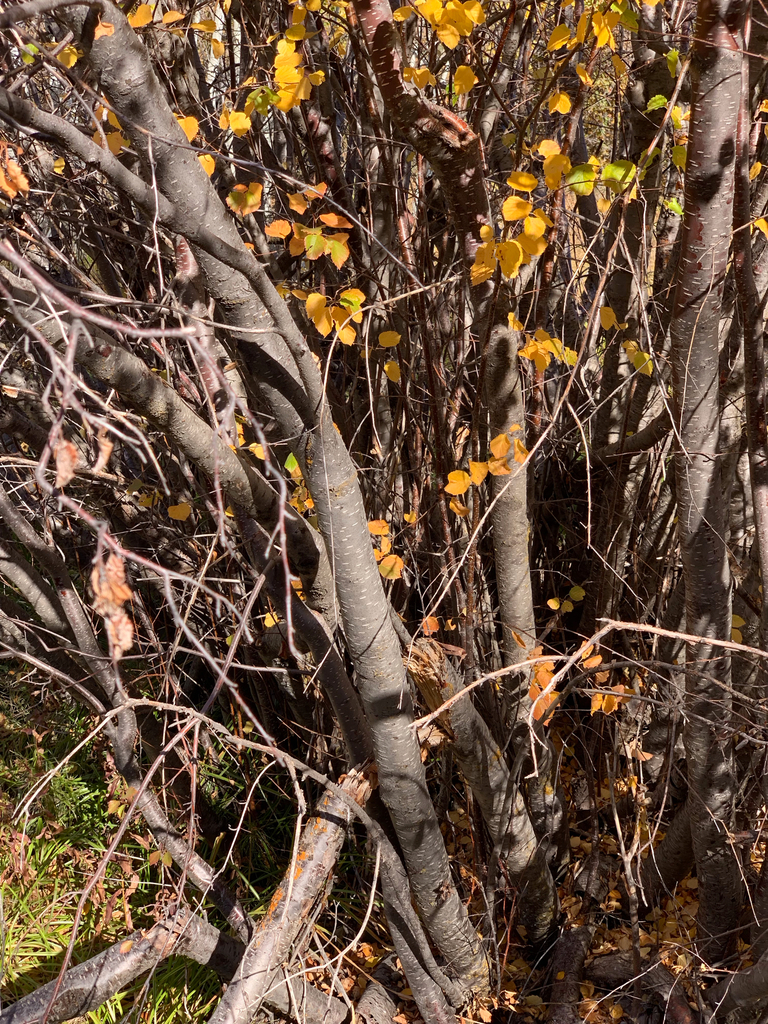 Mountain WestWater birchA smaller, many-stemmed birch for creek banks.Sun to part shade15 to 40 ft
Which birches aren’t native?
Garden centers sell lots of birches from Europe and Asia, usually right next to the native ones. Before you buy, check the tag for these names:
- European white birch (Betula pendula), including the weeping and cutleaf kinds
- Himalayan birch (Betula utilis var. jacquemontii), the one with chalk-white bark
- Asian white birch (Betula platyphylla), often sold as ‘Dakota Pinnacle’
One name that sounds imported but isn’t: ‘Whitespire’ was first sold as an Asian birch, then turned out to be our native gray birch. You’ll often see it labeled ‘Whitespire Senior.’
What should I plant with birch trees?
Experts say that it’s super important to leave the leaves in place when you plant native trees. That’s where native pollinators and butterflies spend the winter. So it’s great to have native plants underneath your birch trees, so they can hold the leaves in place over the winter.
Since you’re planting birches in moist areas, you’ll want plants that also like moist soil and can handle shade. Try underplanting birches with ferns, Canada anemones, wild geraniums, or sedges that like it moist, like fox sedge or palm sedge.


Where can I buy a native birch tree?
Birches are usually one of the easier native trees to find, but if you’re having trouble, we’ve put together a handy list of resources to help.
What problems do birch trees have?
Most birch trouble, the bronze birch borer included, starts with stress. The best way to avoid it is to plant a birch that’s native to your area, in a spot where it gets what it needs.
For example, people sometimes plant paper birches in the mid or southern U.S., but they’re native to northern areas, so they aren’t built for the heat and humidity, and get stressed. Just like us, stressed trees get sick more easily.
The right conditions are usually moister areas in the sun.
Plant nerd fact
Pass the…birch syrup?
Did you know that maples aren’t the only trees in the syrup game? You can tap birch trees and make sweet syrup the same way. The taste is more complex than maple syrup, though: Cornell University describes it as “a mix of fruity-tart and complex caramelized sugar flavors, reminiscent of raspberries, tart-cherry juice, apple-butter and molasses.”
They have a guide if you want to try making it yourself once your trees are old enough….(or if you don’t want to go to all the fuss, you can just order some online.)
If you’ve got a moist, sunny spot, a native birch is a perfect choice for year-round beauty, fast growth, and fantastic benefits to wildlife. Just match your region and conditions with a species and you’re in for years of fluttery leaves and eye-catching bark.
If you want to learn about other fast-growing native trees, check out our guide to other speedy native plants, including grasses and shrubs, to block a view. Or for other plants that will succeed in moist areas, check out our guide to plants for a native rain garden. Happy planting!
Sources
- U.S. Forest Service. “Paper Birch.” In Silvics of North America.
- U.S. Forest Service. “River Birch (Betula nigra).” In Silvics of North America.
- Sandborn, Dixie. “All-Season Trees: River Birch.” Michigan State University Extension, October 27, 2017.
- North Carolina State Extension. “Yellow Birch (Betula alleghaniensis).” Plant Toolbox.
- North Carolina State Extension. “Sweet Birch (Betula lenta).” Plant Toolbox.
- Missouri Botanical Garden. “Betula occidentalis.” Plant Finder.
- Utah State University Extension, Center for Water-Efficient Landscaping. “Betula occidentalis.” Western Native Plants Database.
- Nielsen, David G., Vanessa L. Muilenburg and Daniel A. Herms. “Interspecific Variation in Resistance of Asian, European, and North American Birches (Betula spp.) to Bronze Birch Borer.” Environmental Entomology 40, no. 3 (2011): 648–653.
- The Morton Arboretum. “Whitespire Senior Gray Birch.”
- Edge of the Woods Native Plant Nursery. “Species Spotlight: Betula lenta.”
Similar plants
Updated Find more: Beginner Guide Deer Resistant Fall Foliage Keystone Tree Spring Full Sun Part Sun Moist
The ads on this site help pay real native plant nerds to research and write these guides.
Garden notes
Notes from people who’ve grown it
Tips, wins, and the occasional disaster. If you’ve grown birch, share the advice you’d give to a neighbor.
No notes yet. Yours could be the first.
Grown birch? Tell the next person what you wish someone had told you.
Tap anywhere to close


