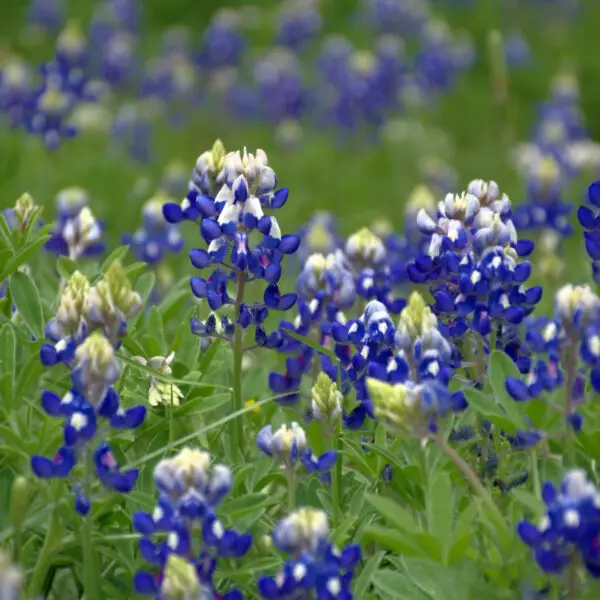
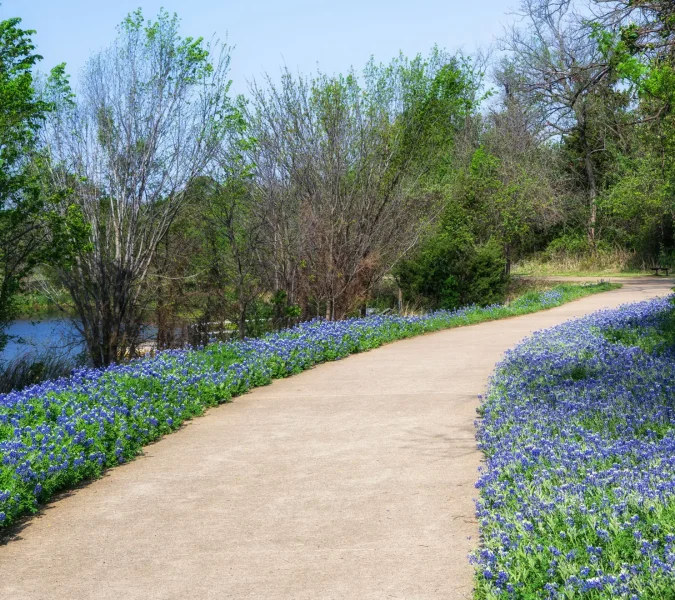
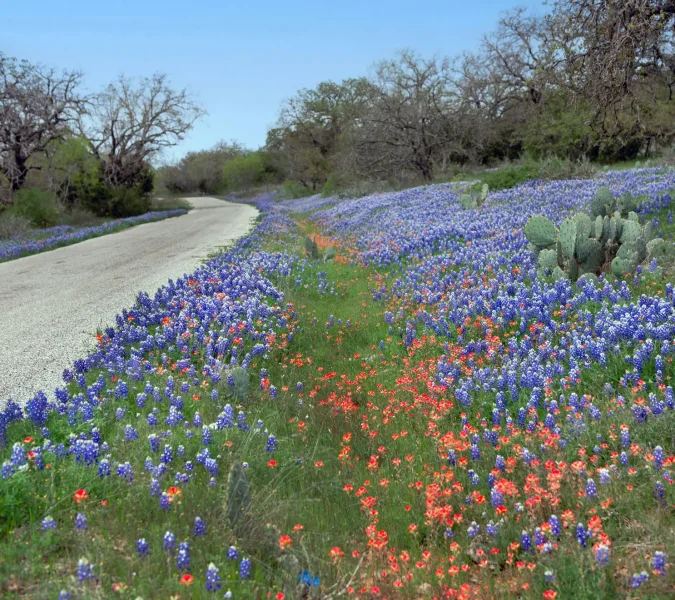
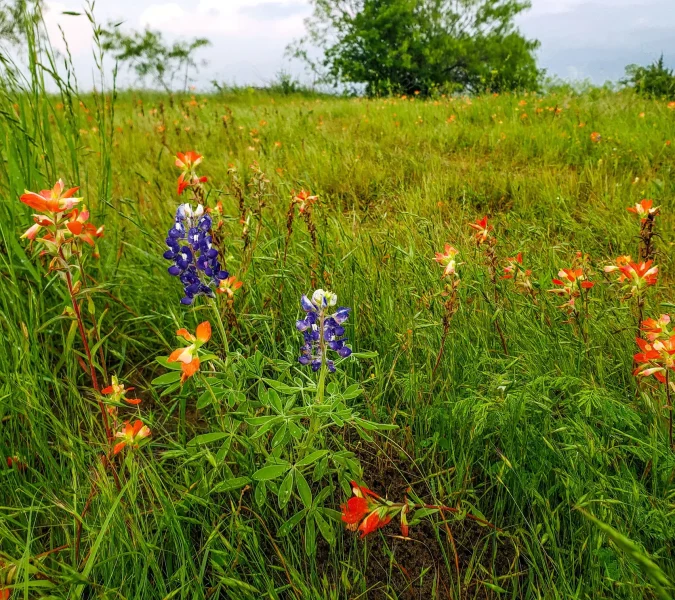
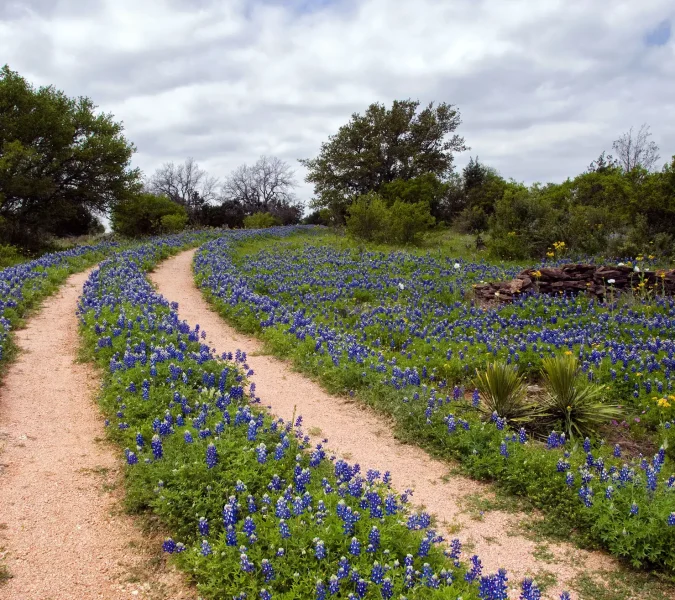
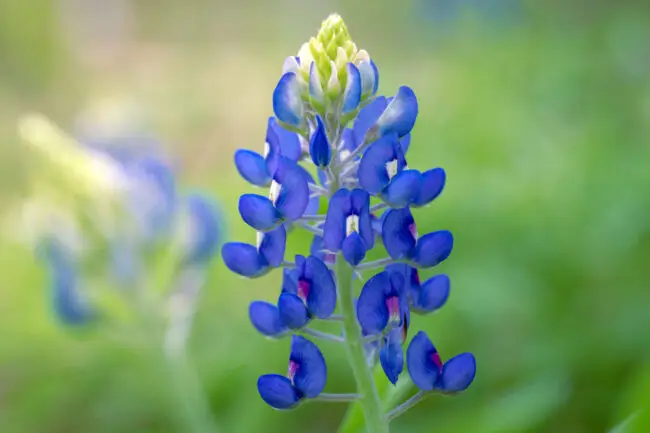
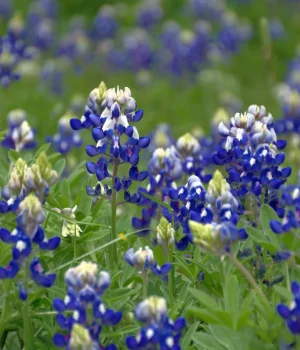
The Texas bluebonnet is the iconic spring bloom of the Lone Star State, and one of the most important native plants you can grow for local bees. Unlike most flowers, bluebonnets are legumes, meaning they literally fix nitrogen from the air and inject it straight into the soil, making it richer and more available for every plant growing around them. Bluebonnets appear in early spring when almost nothing else is blooming, making them a critical food source for emerging native bee populations.
Is Texas bluebonnet right for my yard?
Plant it if…
You have full sun and well-drained soil. Bluebonnets demand both.
You want to support native bees in spring. Bluebonnets bloom when bees are emerging and desperate for food.
You love spring colorand iconic Texas spring displays. Few plants say ‘Texas spring’ like bluebonnets.
You want to improve your soil. Bluebonnets fix nitrogen, enriching the soil for everything growing nearby.
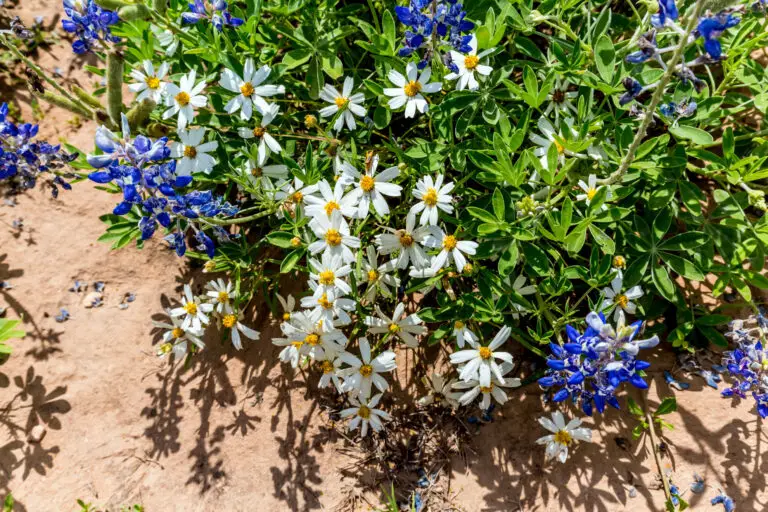
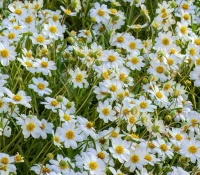
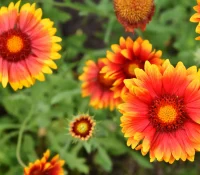
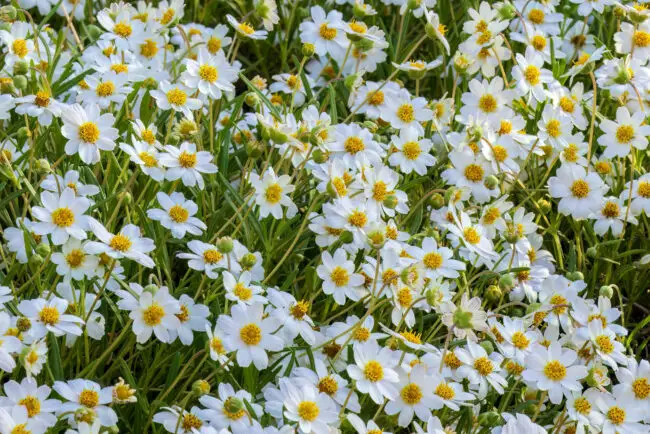
The perfect Southwestern border: Texas bluebonnet and blackfoot daisies
Skip it if…
Your soil is wet or poorly drained. Bluebonnets hate soggy ground (root rot is the #1 killer).
You can’t provide a cold winter. Bluebonnets need winter vernalization (cold period) to flower. If you’re in warm coastal zones, they won’t bloom.
You want a perennial. Bluebonnets are winter annuals that die after setting seed.
You need a shade-lover. Bluebonnets require full sun. Partial sun means little to no bloom.
Where is Texas bluebonnet native?
Texas bluebonnets are native primarily to Texas, including most of the state’s hill country, prairies, and meadows. Natural populations also extend into Louisiana, Arkansas, and northeastern Mexico. They grow naturally in prairies, meadows, roadsides, and limestone-rich regions. Bluebonnets are so iconic to Texas that they’re woven into the state’s identity, but they’re found across a surprisingly large swath of south-central North America.
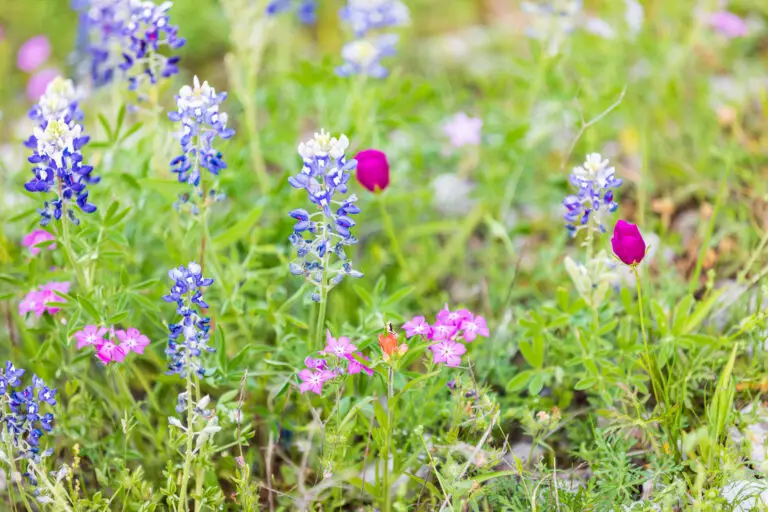
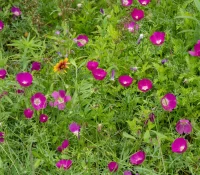
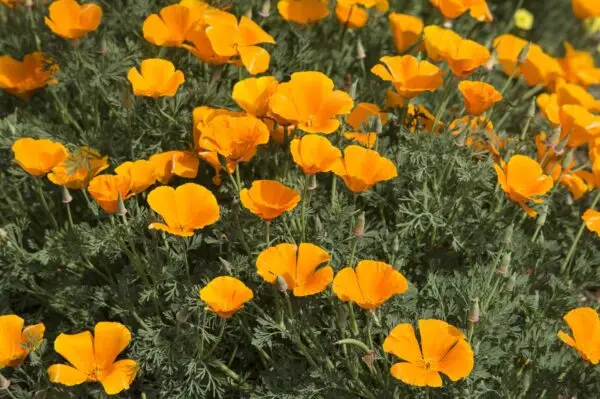
Texas bluebonnets + winecups make for effortless gardening
“
One bluebonnet plant makes the soil better for its neighbors. A whole patch of them is a soil-improvement project.
”
Why Texas bluebonnet matters
A nitrogen-fixing powerhouse
Bluebonnets are legumes, which means they have a partnership with soil bacteria (Rhizobium) that live in their root nodules. These bacteria take nitrogen gas from the air and convert it into a form plants can actually use. The bluebonnet uses some of this nitrogen to grow, but when the plant dies, the excess nitrogen stays in the soil, making it richer for every plant growing around it.
This is why native peoples and early settlers would deliberately plant legumes to restore depleted soil. One bluebonnet plant makes the soil better for its neighbors. A whole patch of them is a soil-improvement project.
Critical early-season nectar when little else blooms
Bluebonnets flower in March through May, which is exactly when native bees are emerging from winter dormancy and desperately searching for food. Many native plants don’t bloom until May or June. Bluebonnets arrive early, offering nectar and pollen when colonies need it most. This timing is not an accident. Bluebonnets have evolved specifically for early-spring pollinator activity in Texas. Without them, native bees have a starvation gap.
More good news:
Texas bluebonnet is deer-resistant
Deer do NOT normally eat Texas bluebonnet. If you’re worried about deer nibbling your garden, planting Texas bluebonnet is a good native gardening choice.
Full sun is mandatory (8+ hours minimum). Well-drained soil is essential. If your soil drains poorly or stays wet, improve it before planting or grow bluebonnets in raised beds. Bluebonnets handle poor, infertile soil well. Do not add compost or other soil enrichments. They actually prefer lean soil and don’t need added fertility (they make their own nitrogen).
Spacing
Direct sow seeds 1/4 inch deep. Space seeds about 6–8 inches apart. No transplanting necessary, and frankly, bluebonnets don’t appreciate being moved.
Watering
This is the critical part. Water lightly to keep seeds moist until they germinate (about 1–2 weeks). Once established, water minimally. Once the plants are growing, do not overwater. Bluebonnets are adapted to dry conditions. Overwatering leads to root rot and death. If you see wilting, it’s probably not from lack of water; it’s likely from soggy roots. Let the soil dry between waterings.
Garden Recipe™
Texas Bluebonnet
Lupinus texensis
Full sun
Sun
Pretty easy
Effort
Short (under 3') tall 10-14 in wide
Size
Spring
Blooms
What it needs
Sunlight
Full sun, 6+ hoursSouth- or west-facing is ideal
Water
Likes it dryPick a spot that doesn't stay soggy after rain
Directions
Spacing
6-8 inTuck them in close for a full look
Watering
Weekly for the first seasonAfter that, rain is usually enough
Notes
Comes back?
No, just one seasonYou'll replant each year, but it's worth it.
Deer resistant. Deer usually walk right past this one. If they've been snacking on your other plants, this one should be safe.
September through November. Bluebonnets are winter annuals, so they MUST be planted in fall, not spring. Fall planting gives them time to germinate, establish roots, go through vernalization, and bloom in spring.
Seed scarification
Bluebonnet seeds have a hard seed coat. Scarification breaks this dormancy and dramatically improves germination rates.
Here’s how you do it: use a fine file or sandpaper to gently nick or roughen the seed coat, or soak seeds in warm water for 24 hours before planting. Seeds soaked in water overnight and then treated with a commercial Rhizobium inoculant (available online or at native plant nurseries) will germinate even faster and stronger.
Rhizobium inoculant
If you want to guarantee successful nitrogen fixation and stronger plants, coat your seeds with a Rhizobium inoculant (Rhizobium leguminosarum bv. viciae works well). This is optional but highly recommended. The inoculant contains live bacteria that form the symbiotic relationship with the plant’s roots, boosting nitrogen fixation from day one.
Beginner Tip
Plant bluebonnet seeds in October. Scarify them first by nicking with a file or sandpaper, and don't water again until you see sprouts. Overwatering is the number one cause of bluebonnet failure. Resist the urge to help them. Let nature do the work.
Potential challenges with Texas bluebonnet
Overwatering and root rot
This is the #1 cause of bluebonnet death. Bluebonnets evolved in dry climates. Soggy soil kills them fast. Plant in well-drained soil and let nature handle watering after the seeds germinate.
No winter nap
If you’re in a zone without real winters, bluebonnets won’t bloom. They need cold to trigger flowering. South Texas coastal areas and warm regions may struggle.
Low germination without scarification
Seeds with hard coats won’t germinate well without nicking or soaking. Scarify bluebonnet seeds before planting.
Need for reseeding
Bluebonnets are winter annuals, not perennials. They live one year and then die. You must allow them to set seed and drop it, or replant each fall.
Fungal diseases in humid conditions
Bluebonnets handle Texas humidity in spring, but excessive moisture in summer (which doesn’t happen naturally in their range) can invite fungal issues. Keep air circulation good and avoid overhead watering once they’re established.
Where Texas bluebonnet shines in your yard
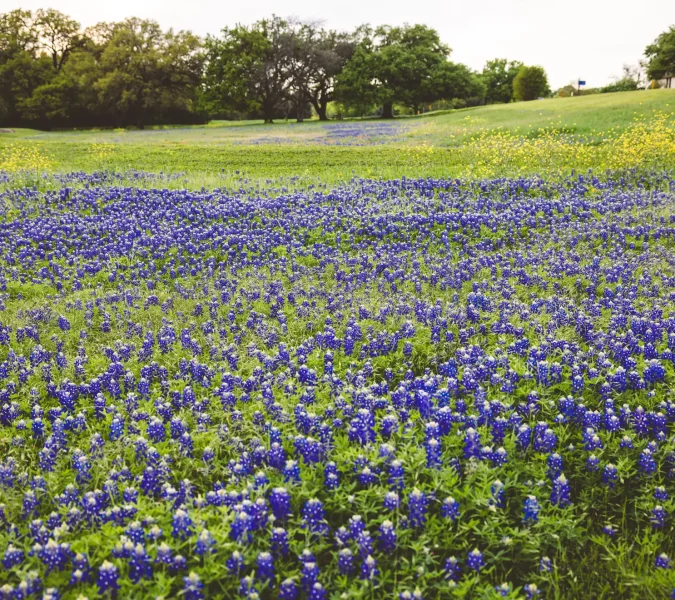
Meadow plantings: Plant bluebonnets en masse (dozens to hundreds of seeds) to create the classic Texas bluebonnet meadow. Plant them with indian paintbrush for the ultimate pairing.
Roadside and slope plantings: Bluebonnets thrive on slopes and banks with good drainage. They look stunning and require zero maintenance once established.
Front yards: A bluebonnet planting is a Texas spring tradition. They’re iconic, beginner-friendly, and guaranteed to draw attention.
Soil improvement projects: Plant bluebonnets in a tired or depleted spot to enrich the soil with nitrogen before moving to the next planting.
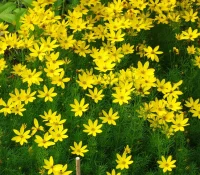
Pollinator corridors: Bluebonnets are part of a diverse native plant community. Pair them with coreopsis, penstemons, and blackfoot daisy to create a continuous bloom.
FAQs
Why do the flowers change color?
The banner petal starts with white spots (visit me) and transitions to rosy-purple spots (I’m done). This is a signal to pollinators. Bees strongly prefer white-spotted flowers because they’re freshly opened and full of nectar.
By shifting to purple after the flower has been visited, the plant directs bee traffic to the most productive flowers. It’s plant-to-bee communication.
Why didn't my bluebonnets bloom?
Most likely: no winter cold. Bluebonnets require a winter cold period to flower. If you planted seeds in spring instead of fall, they won’t have time for cold nap and won’t bloom.
Other possibilities:
No rhizobium (nitrogen fixation reduced, weakening the plant)
Lack of scarification (seeds didn’t germinate well).
Plant in October, scarify seeds, and you’re 90% of the way there.
Can I grow bluebonnets outside Texas?
Yes, but it’s harder. Bluebonnets need winter cold, so they’ll work in zones 7–9. But outside Texas, the summer humidity and rainfall patterns might create fungal issues.
They’re adapted specifically to Texas climate. If you’re in zones 7–9 with a real winter, try them. If you’re farther north, look at other native wild lupines instead. Visit our Guide to Native Lupines to find others.
Plant Nerd Fact
Texas bluebonnet color change = a traffic light for bees.
Texas bluebonnet flowers change color over time. A newly opened bluebonnet flower displays a white spot with a dark center and yellow accents. On days 1–5 of flowering, the white spot is pristine, screaming, “I have nectar and pollen; visit me!” But on day 5 and beyond, those white spots change to rosy-purple.
Why this color change?
Research on native bees shows they visit white-spotted Texas bluebonnets much more frequently than rosy-spotted bluebonnets. The high contrast coloring helps direct bee traffic toward fresh flowers with the most nectar and away from aged flowers. This maximizes pollination success (the bee gets the best reward) while preventing wasted bee effort (aged flowers have less nectar).
Now you know: the white is a new flower, the purple-pink tells bees it's older
What pairs well with Texas bluebonnet?
Bluebonnets pair beautifully with other Southwestern native plants. These companions thrive in the same full-sun, well-drained conditions:
Texas bluebonnets are one of nature’s best partnerships: they feed native bees when they need it most, they enrich soil for everything around them, and they create some of the most stunning spring displays on the continent. Plant them in October, scarify the seeds, don’t overwater, and let the Texas landscape do what it’s been doing for millennia. For the classic pairing, add indian paintbrush to your bluebonnet planting. If you want to maximize early-season bee support, check out our guide to native plants for bees. What to check out other native lupines? Head over to our Beginner’s Guide to Native Lupines. Or head to our Best Native Plants for Southwestern Gardens. Happy planting!
Texas Beyond History. “Texas Beyond History.” Texas Archeological Research Laboratory, University of Texas at Austin. https://www.texasbeyondhistory.net/. Accessed June 16, 2026.
Klinkhamer P. (2006). “Plant–pollinator interactions: from specialization to generalization”: Waser NM, Ollerton J. eds. 2006.: Chicago: The University of Chicago Press. Annals of Botany, 98(4), 899–900. https://doi.org/10.1093/aob/mcl174
Emily Lessard is the founder and editor of The Plant Native, the site that helps homeowners across North America get started with native plants. She holds a Sustainable Landscapes certificate through the Pennsylvania Landscape & Nursery Association, is finishing a Native Perennial Garden Design Certificate at Temple University, and is the author of Plant Native:A Practical Guide to Over 100 Native Plants of North America (Quarto, February 2027). She gardens outside Philadelphia in the 8.3 Southeastern Plains ecoregion.