




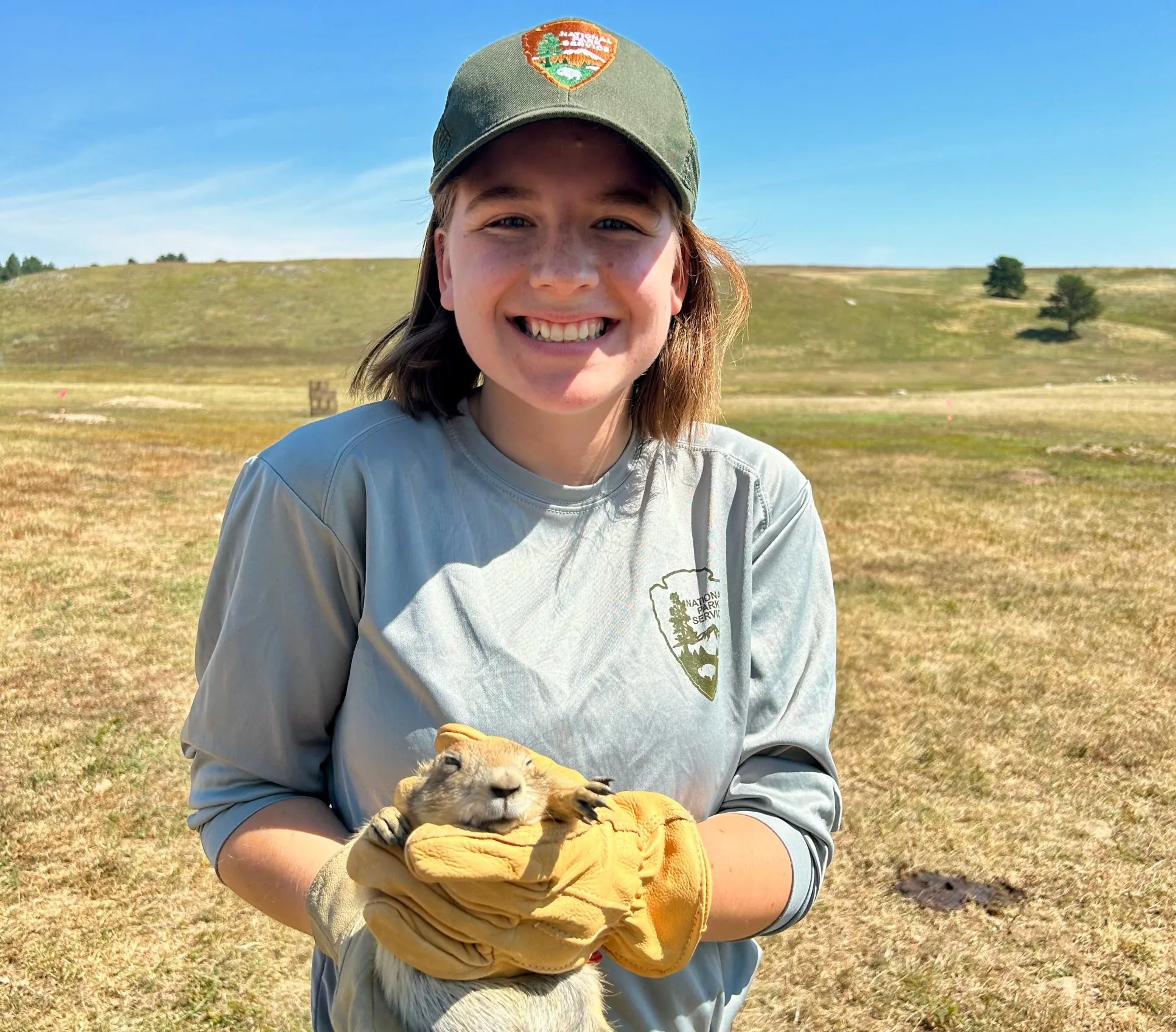
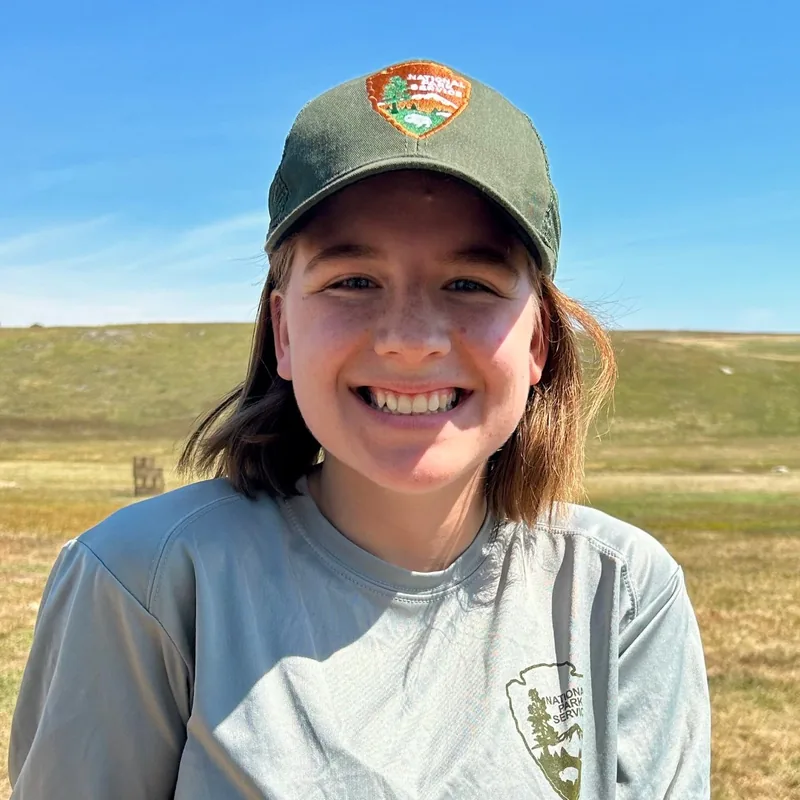
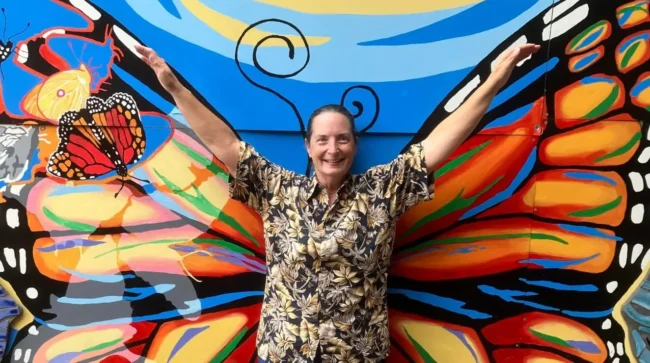
Liz Litwin is one of the newest members of The Plant Native team. She’s an interpretive park ranger and South Dakota Volunteer Naturalist who has worked in national parks from Channel Islands to Wind Cave, and she writes for us from Hot Springs, South Dakota.
In this interview, Liz talks about the island plants that hooked her, the college class that taught her to see trees as old friends, and why you don’t need to rip out your whole lawn at once.
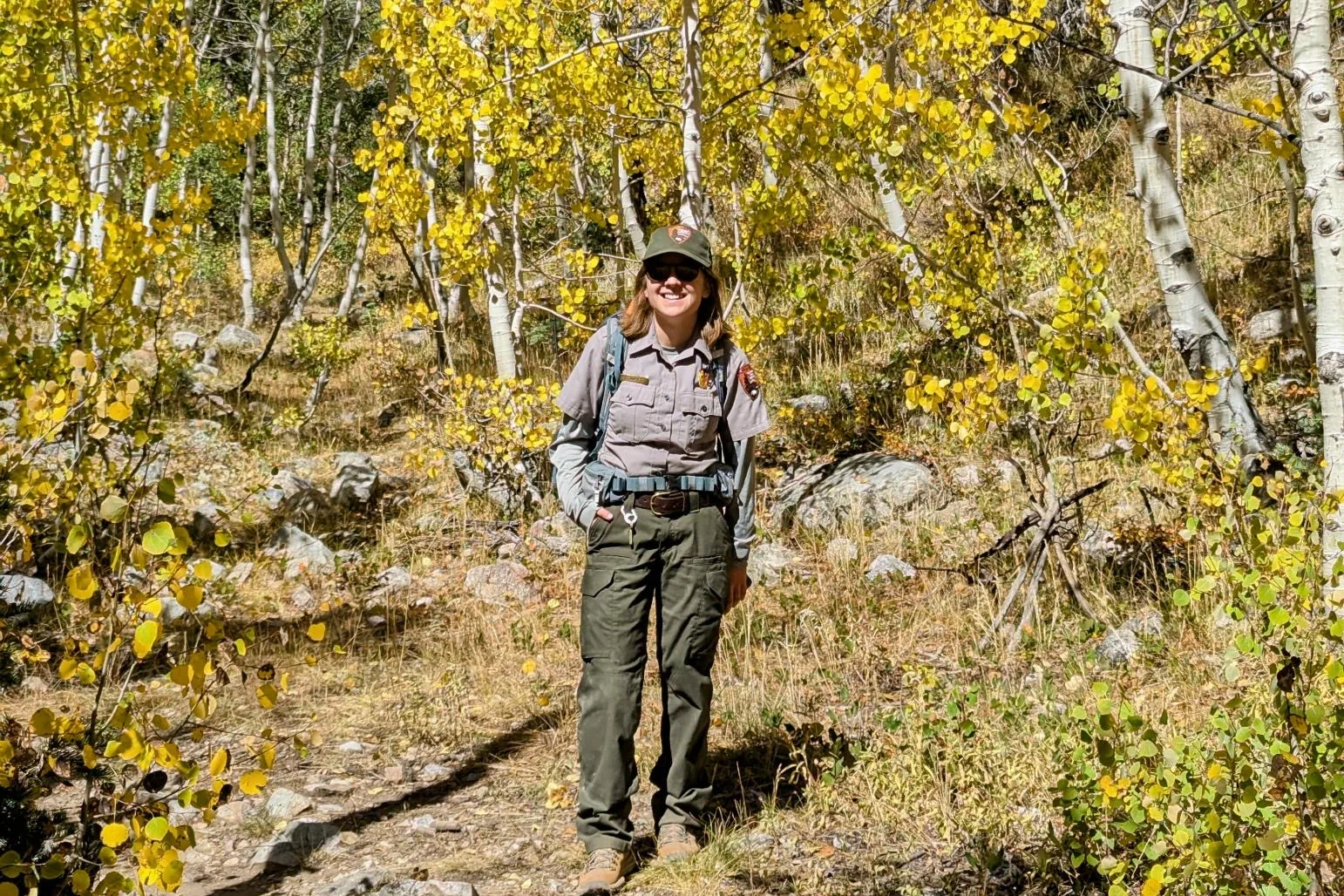
Thanks so much for doing this, Liz!
What first got you hooked on native plants? Was there one plant or one moment that did it?
Working at Channel Islands National Park, I learned about the incredible adaptations that had evolved in plants on the mainland and isolated on the islands for thousands of years. Being from the Midwest, I was amazed by the manzanitas, liveforevers and more enduring island winds and drought. I just thought to myself how amazing it would be to have a garden full of these remarkable plants, and wondered what we can learn from them.
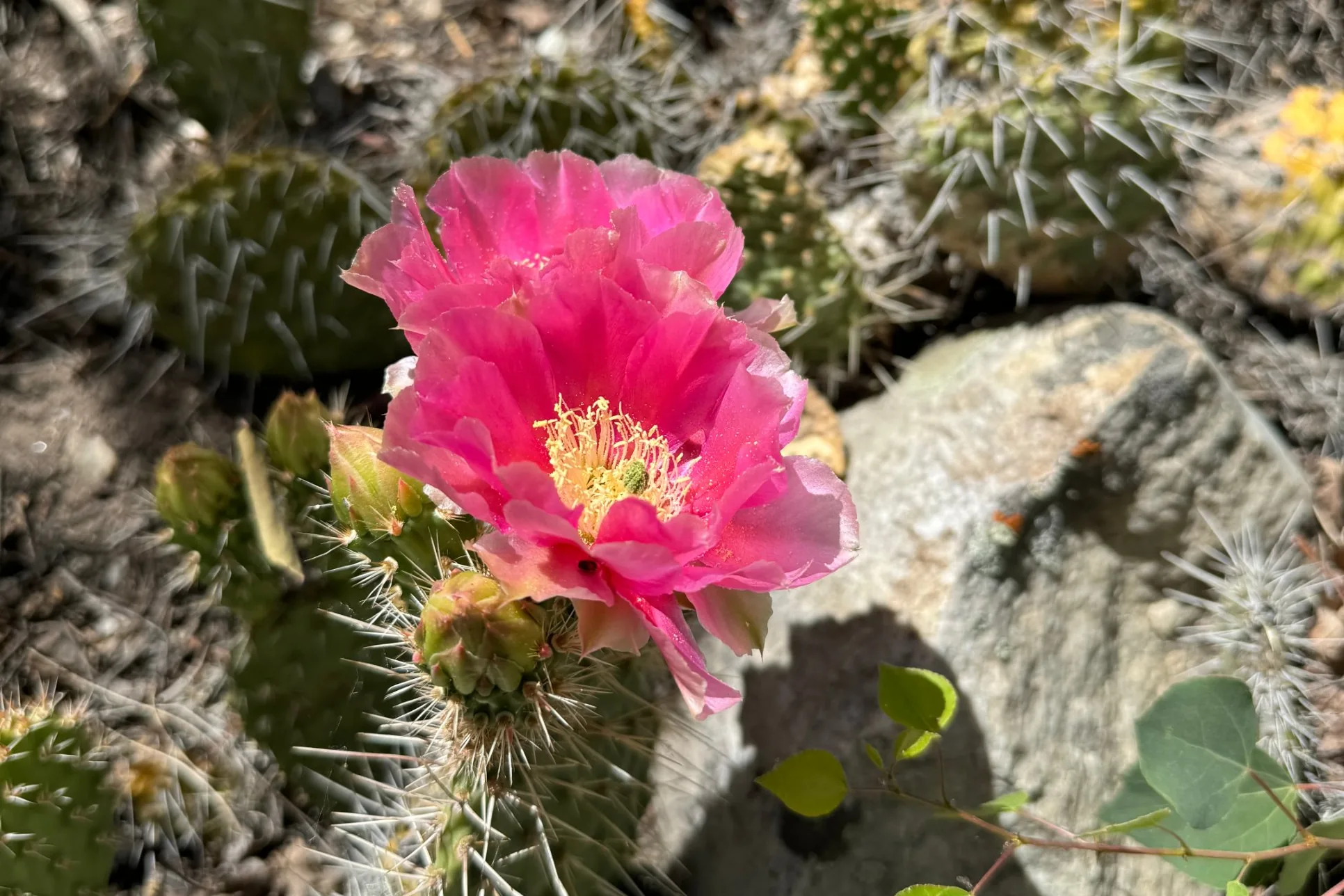
Golden currant is your current favorite native plant. What do you love about it, and what would you tell a reader who wants to grow it?
I love golden currant’s bright seasonality. Early yellow flowers in the spring always catch visitors’ eyes and curiosity around the visitor center at Wind Cave National Park. The berries, which hang on through summer for countless hungry birds, change color three times. Golden currants are a great investment in your garden for years and generations of birds to come.
It’s okay to take it one or two plants at a time and enjoy the journey.
Liz Litwin
What’s the most common mistake you see people make when they start planting natives? Did you ever make it yourself?
You don’t need one of each, and you don’t need to rip out your entire lawn at once. Like anything on the internet, it’s easy to see perfect inspiration pictures of native gardens and get overwhelmed. Think about what’s most important to you in your garden and the kind of space, light and soil you have. It’s okay to take it one or two plants at a time and enjoy the journey.
As a seasonal park ranger, you move from park to park. Which park’s plants have stayed with you most, and why?
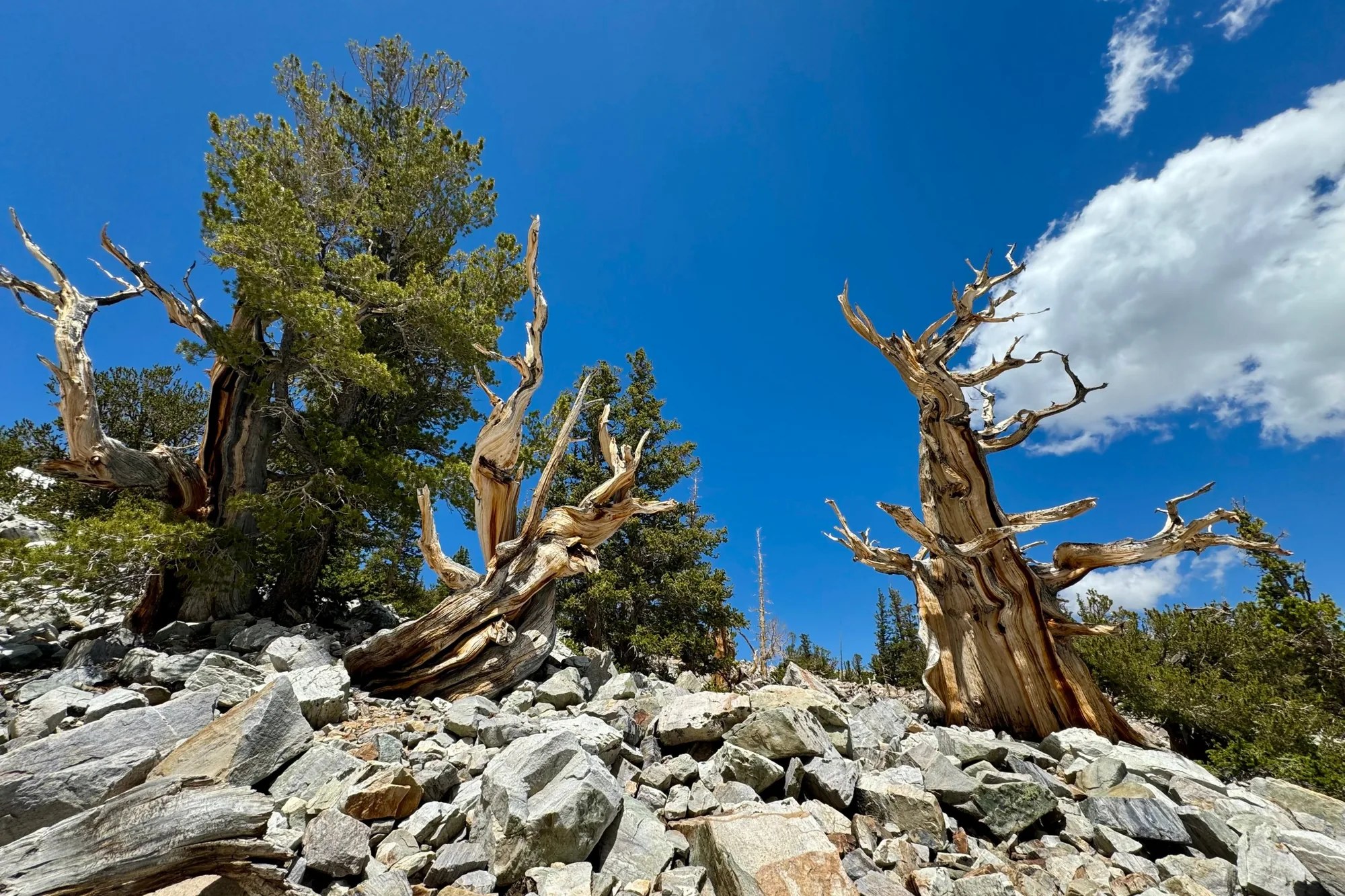
I have to say Great Basin National Park. The park itself is so incredibly remote that most Americans will never get to experience it, so the place sticks with you. Nestled in the threatened “sagebrush sea” under an unbelievably starry sky, the plant communities change as you move from the open valley up to 12,000-foot peaks, home to sculpted ancient bristlecone pine trees.
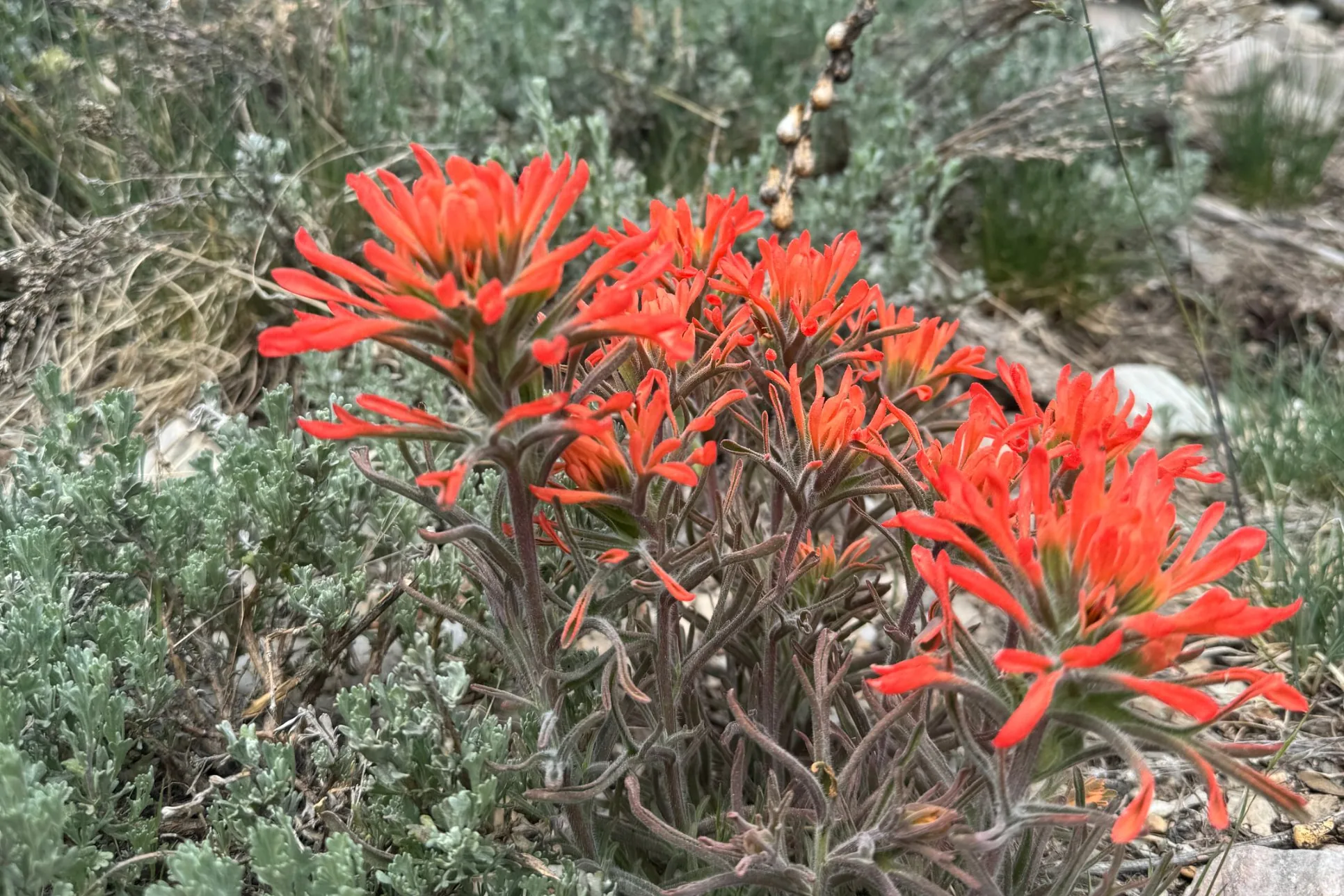
My Dendrology 101 course was like putting on glasses for the first time.
Liz Litwin
You’ve said an impulse dendrology class in college changed the way you see the world. What clicked for you? Is there a tree you learned to identify that changed everything?
In her book Gathering Moss, Robin Wall Kimmerer writes how “The average person knows the name of less than a dozen plants, and this includes such categories as ‘Christmas tree.’ Losing their names is a step in losing respect.” My Dendrology 101 course was like putting on glasses for the first time. Trees, which had been amorphous, nameless blobs, became recognizable like old friends. What clicked was learning how to piece the puzzle together, investigating the bark, leaves or needles, buds and habitat as a complete picture to identify a tree in any season at any age.
You created a new Junior Ranger book for Channel Islands National Park. How do you explain plants to kids, and what works just as well with adults?
In the Junior Ranger book, we led with nature journaling frameworks and the power of observation! When we let kids (or ourselves) look closely and explore with curiosity and wonder, they make connections with their own experiences and relate to the human uses, wildlife importance and survival strategies of plants.
Beginner tip
Liz’s nature journaling questions
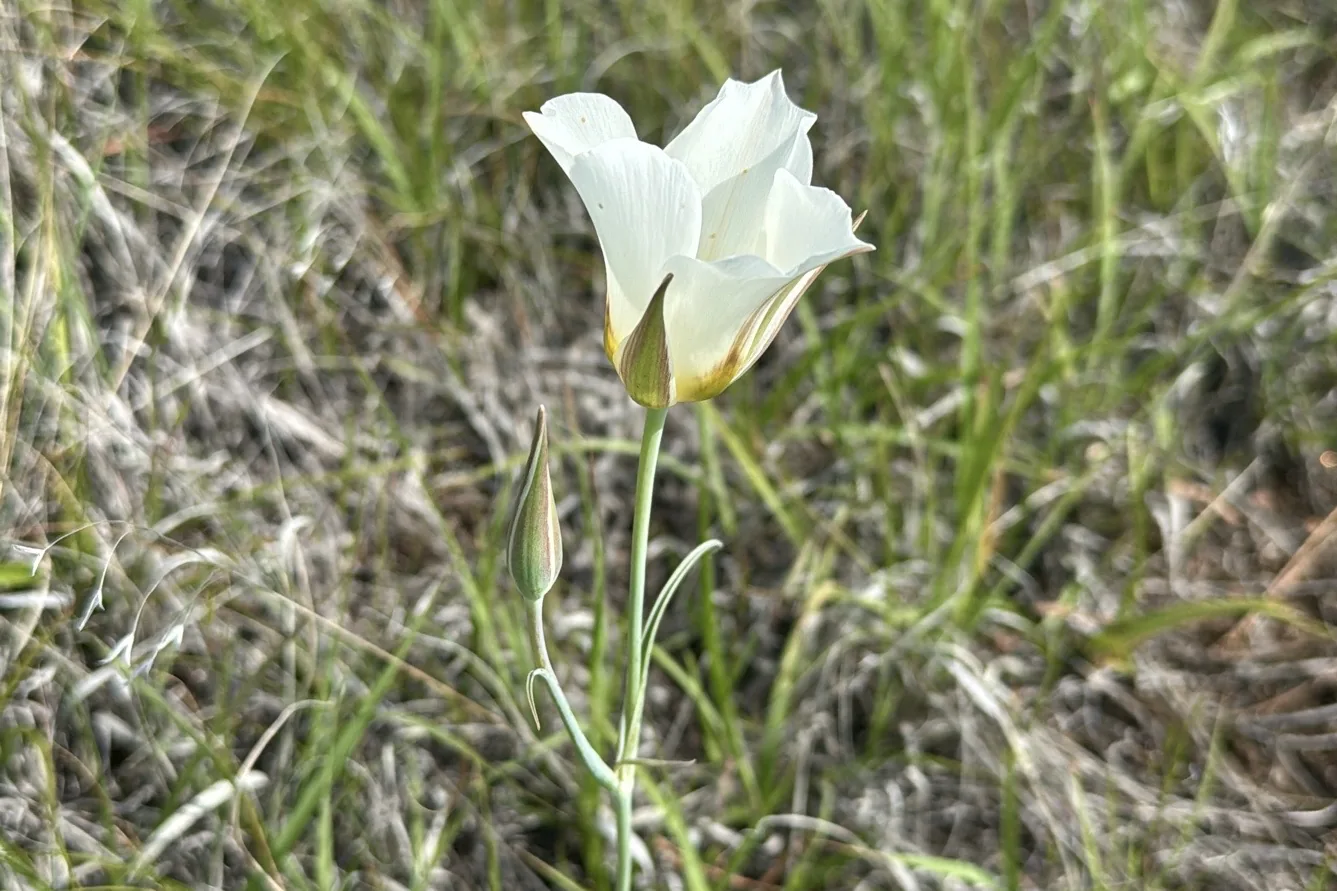
See a plant you’ve never noticed before? Ask yourself:
- What do you notice about it?
- What does it remind you of?
- Can you draw it or describe it to someone else?
What does a South Dakota Volunteer Naturalist do, and what are the Black Hills teaching you about plants right now?
A South Dakota Volunteer Naturalist is an ambassador of lifelong learning and curiosity. We participate in and lead citizen science across the state and engage the public with deep observation of the natural world in our backyards.
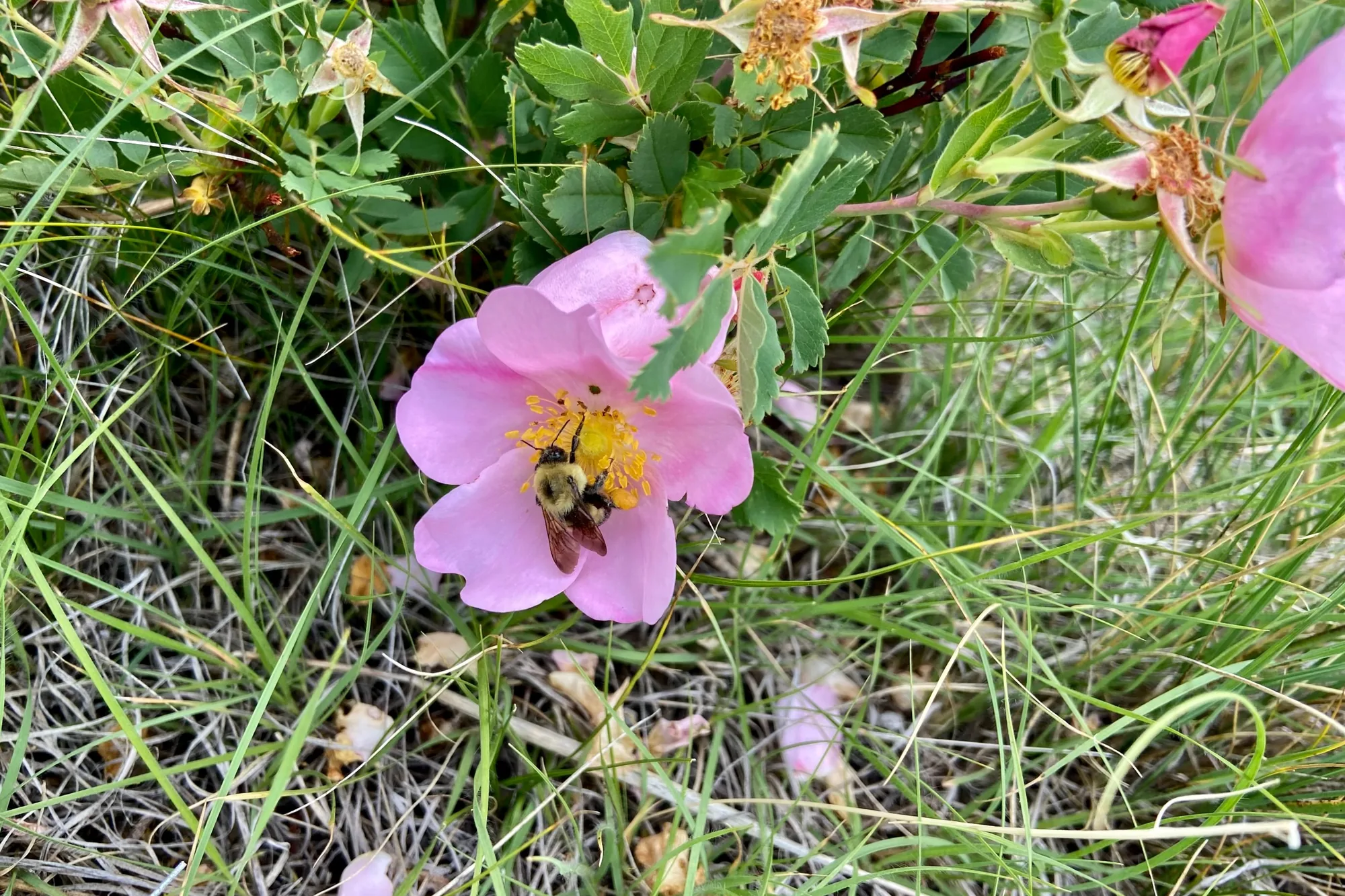
The mixed grass prairie of the southern Black Hills has been teaching me about plant resiliency as of late. Despite a historic wind storm last year, a dry winter the summer rain never made up for, and wildlife, the waving grasses and blooming plants show me that ecosystems are communities and the only constant is change.
Native plants for beginners
Liz’s picks for California beginners
- Rocky Mountain bee plant (Cleome serrulata): a solid starter annual to try your hand at growing plants from seed and providing for pollinators!
- Toyon (Heteromeles arbutifolia): a California classic for a reason, with abundant berries and birds all winter.
- Lemonadeberry (Rhus integrifolia): this sturdy shrub is a problem-solver, providing erosion control, a hedge or privacy screen for humans while doubling as a buffet and nursery for wildlife.


Looking ahead, what are you most hopeful or excited about, for native plants, for your own garden, or for your work with The Plant Native?
I’m most excited about the opportunities to learn from the experiences of a continent-wide audience through this community. This is such a dream role for a curious nature nerd.
Thank you, Liz! We’re lucky to have a curious nature nerd on the team, and we can’t wait to read what you find out there.
More interviews
-
-
-


Other native plant resources
-
-

-
-
-
-


The ads on this site help pay real native plant nerds to research and write these guides.