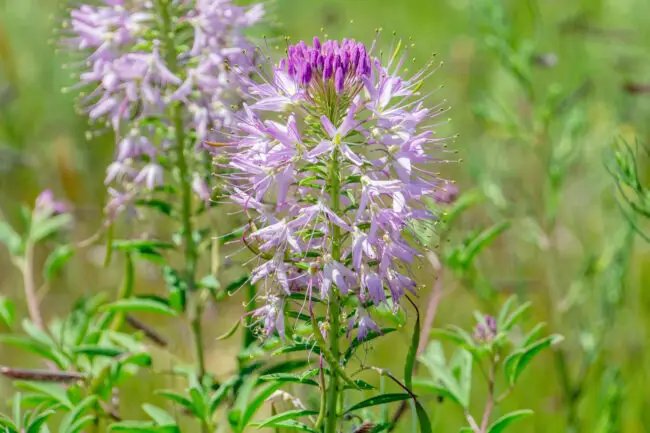
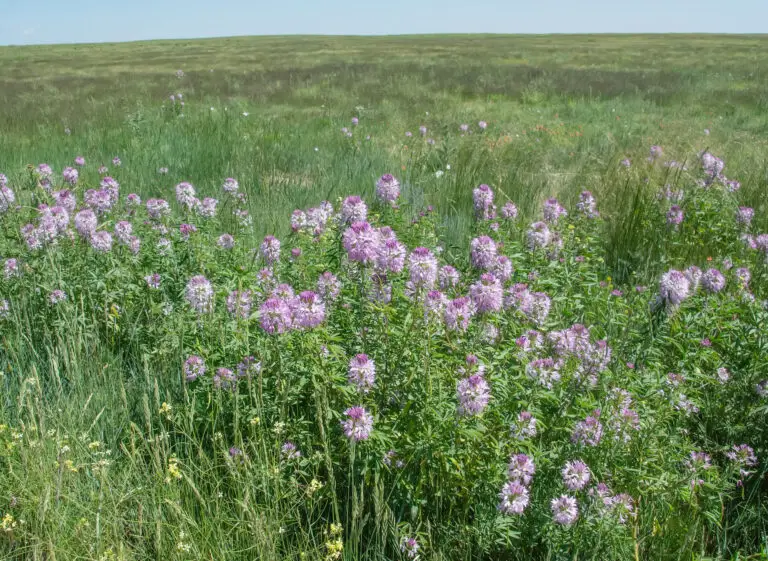
Rocky Mountain bee plant is a tall, showy native annual that erupts in clusters of pink-to-purple blooms from midsummer into fall. The nectar-rich flowers are a magnet for bees, butterflies, and hummingbirds. It’s not unusual to see dozens of pollinators working a single plant at once. This drought-tolerant plant thrives in full sun and well-drained soil, making it ideal for western gardens, xeriscaping, and pollinator plantings. It’s a larval host for the checkered white butterfly, freely reseeds year after year, and deer and rabbits leave it alone.
Is Rocky Mountain bee plant a good choice for my yard?
Yes, if…
You want a low-maintenance annual that brings pollinators in droves
You have a sunny, dry spot where other plants struggle
You’re building a pollinator garden, meadow planting, or xeriscape
You want something that reseeds itself year after year
You’re looking for a deer- and rabbit-resistant annual with real height
Rocky Mountain bee plants are known as colonizer plants: they show up first in disturbed sites
Skip it if…
You want a tidy, compact plant (this one gets tall and rangy)
You’re bothered by self-seeding (it drops thousands of seeds)
You have heavy, waterlogged clay soil with no drainage
You can’t handle a mild skunky smell when foliage is brushed or crushed
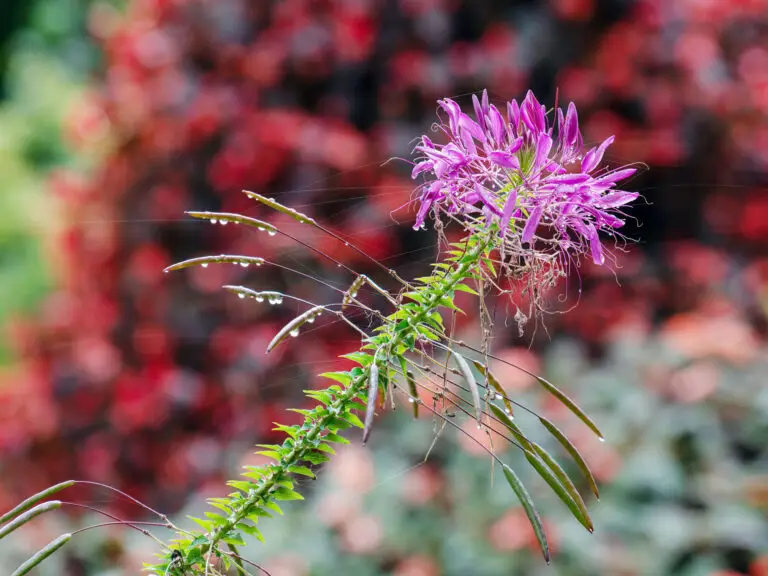
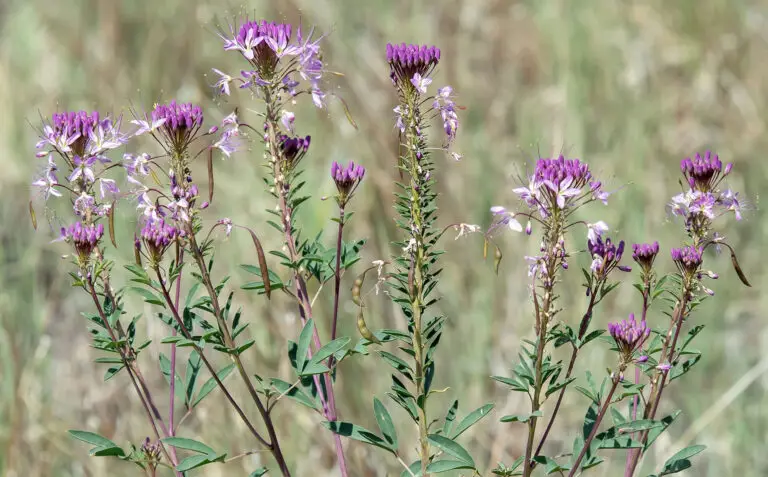
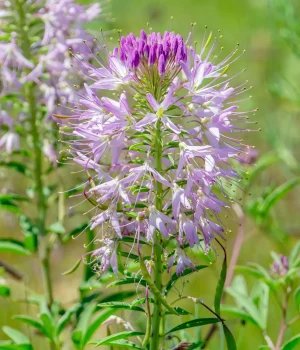
Be sure to get up close: there are multiple levels of petals, leaves, and seeds to take in (and some spider webs, in this photo)
“
The Tewa and other Southwestern tribes grew it alongside corn, beans, and squash as a “fourth sister,” specifically because it attracted pollinators to the food garden.
”
Why Rocky Mountain bee plant matters
Rocky Mountain bee plant is one of the western U.S.’s most important native pollinator plants.Researchers in Utah’s Grand Staircase-Escalante found that Cleome was among the top “magnet” genera, hosting 75% of all pollinators collected. Bees of all kinds, butterflies, wasps, and hummingbirds cover the blossoms.
It’s also a host plant
It’s also a larval host for the checkered white butterfly, and its seeds feed mourning doves, quail, and small mammals. Because it colonizes disturbed ground quickly, it plays a key role in stabilizing soil and outcompeting invasive weeds in restoration projects.
This plant also has deep cultural roots. The Tewa and other Southwestern tribes grew it alongside corn, beans, and squash as a “fourth sister,” specifically because it attracted pollinators to the food garden. The Navajo still use it to produce yellow-green dye for wool rugs, and Pueblo potters boil the plant into a thick black resin to paint designs on pottery, a tradition stretching back to the Ancestral Puebloans over 700 years ago.
Full sun is best, though it tolerates light shade. Prefers well-drained, sandy or loamy soil but adapts to a range of soil types, including poor or alkaline soils. Avoid heavy clay or waterlogged sites.
When to plant
Sow seeds directly outdoors in late fall (the easiest method). Winter cold naturally breaks seed dormancy. For spring sowing, cold-stratify seeds first: mix with moist sand and refrigerate for 30 days before planting.
Seed planting depth: Barely cover seeds or press them into the soil surface. They need some light to germinate. Expect germination in 2–5 weeks once soil warms.
Garden Recipe™
Rocky Mountain Bee Plant
Cleome serrulata
Sun to part sun
Sun
Pretty easy
Effort
Medium (3-5') tall 1–3 feet wide wide
Size
Summer - Fall
Blooms
What it needs
Sunlight
Full to partial sun, 4+ hoursThe more sun the better, but it can handle some shade
Water
Likes it dryPick a spot that doesn't stay soggy after rain
Directions
Watering
Weekly for the first seasonAfter that, rain is usually enough
Notes
Comes back?
No, just one seasonYou'll replant each year, but it's worth it.
Butterfly host plant. Certain butterflies depend on this plant to reproduce. It's one of the specific species their caterpillars need to survive.
Water lightly until seedlings establish. Mature plants are drought-tolerant and rarely need supplemental water.
Spacing
Space plants or thin seedlings to 12–18 inches apart. In a meadow planting, scatter seed and let nature sort it out.
Cutting back
Not much to do here. You can pinch growing tips early in the season to encourage bushier growth. Deadhead spent flower clusters if you want to limit self-seeding and wilder growth. After frost kills the plant, pull or cut the stems and leave the roots to decompose in place.
Beginner Tip
When shopping, make sure you’re buying Cleome serrulata (the native) and not Cleome hassleriana (often sold as “cleome” or “spider flower”). C. hassleriana is a South American species that looks similar but provides far less value for native wildlife. Easy ID comes from the leaves: the native has three leaflets per leaf; the tropical one has five to seven. If you see five or more leaflets, put it back.
Where Rocky Mountain bee plant shines in your yard
Near a vegetable garden to boost pollination of squash, tomatoes, and beans
Xeriscape or low-water garden where you need summer color
Habitat restoration sites, where it stabilizes soil while perennials establish
Group Rocky mountain bee plants today for maximum garden drama
FAQs
Does Rocky Mountain bee plant come back every year?
It’s an annual, so each plant lives one season. But it reseeds prolifically, so new plants return year after year without replanting.
Can I eat Rocky Mountain bee plant?
Yes, it has a long history as a food plant. Young shoots and leaves can be cooked as greens (high in vitamin A and calcium), and seeds can be ground into flour. The raw plant is bitter and pungent, though. Maybe better for your pollinator garden than your lunch.
Why aren't my seeds germinating?
Almost certainly a cold stratification issue. Rocky Mountain bee plant seeds need 30+ days of moist cold to break dormancy.
Sow in fall for best results, or refrigerate seeds in moist sand before spring planting. Also ensure seeds aren’t buried too deep, because they need light.
Plant Nerd Fact
Indigenous peoples have used Rocky Mountain bee plant for millennia.
Rocky Mountain bee plant seeds have been found in archaeological sites across the Southwest dating back over a thousand years, and the plant was so valued as a food, dye, and pollinator attractant that some tribes actively cultivated it, making it one of the few native annuals deliberately grown in pre-contact North America. Lewis and Clark collected it along the Vermillion River in South Dakota in August 1804, making it one of the first western native plants documented by the expedition. But by then, Indigenous peoples had already been cultivating it for centuries.
What pairs well with Rocky Mountain bee plant?
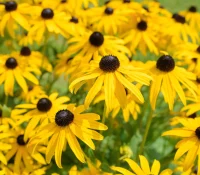
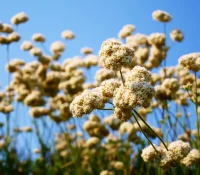
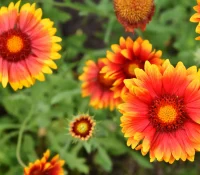
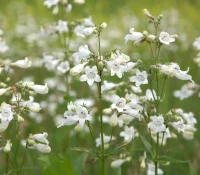
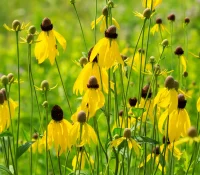
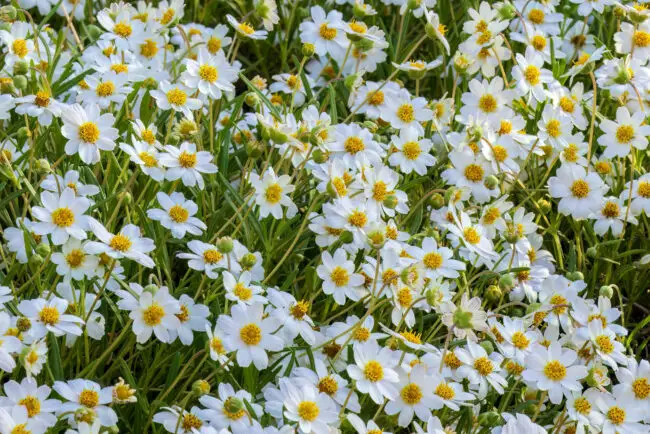
Pair Rocky Mountain bee plant with other sun-loving, drought-tolerant western natives that thrive in well-drained soil. Firewheel, black-eyed Susan, prairie coneflower, penstemons, globe mallow, and native buckwheats all share similar growing conditions. The goal is a planting that offers something for pollinators from early summer through fall and holds up in dry, sunny spots.
There are some native plants that come with it all: beauty, fuss-free gardening, and a great backstory. Rocky Mountain bee plant is one of these plants. Although they last for only a year, they reseed when happy and return in future years just when pollinators need them. Be sure to tell your friends and neighbors how important this plant is and was to the Navajo, Tewa, and Ancestral Puebloan tribes. Maybe even give it as a garden nametag, with the name “fourth sister,” alongside your corn, beans, and squash. Give away lots of seeds in the fall so others can grow their own Rocky Mountain bee plants, too.
Written by Becky Band Jain. By day, Becky is a strategic communications consultant. In her free time, she's an active member and former VP of the Wild Ones Nation's Capital Chapter, converting her Maryland yard to natives and mobilizing her community to do the same.
Sources
Cane, J. H. “Breeding Biologies, Seed Production, and Species-Rich Bee Guilds of Cleome lutea and Cleome serrulata (Cleomaceae).” Plant Species Biology 23, no. 3 (2008): 152–158.
Shaw, Nancy L., and Corey L. Gucker. “Rocky Mountain Beeplant: Peritoma (Cleome) serrulata.” In Western Forbs: Biology, Ecology, and Use in Restoration, edited by Corey L. Gucker and Nancy L. Shaw. Reno, NV: Great Basin Fire Science Exchange, 2020. https://www.fs.usda.gov/rm/pubs_journals/2020/rmrs_2020_shaw_n001.pdf.
Shaw, Nancy L., and Corey L. Gucker. “Rocky Mountain Beeplant: Peritoma (Cleome) serrulata.” In Western Forbs: Biology, Ecology, and Use in Restoration. USDI Bureau of Land Management, 2020. https://www.blm.gov/sites/blm.gov/files/CLSE.pdf.