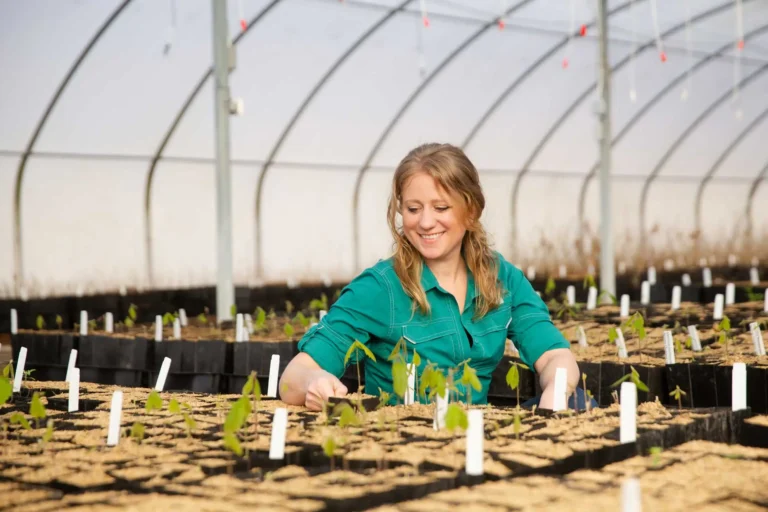
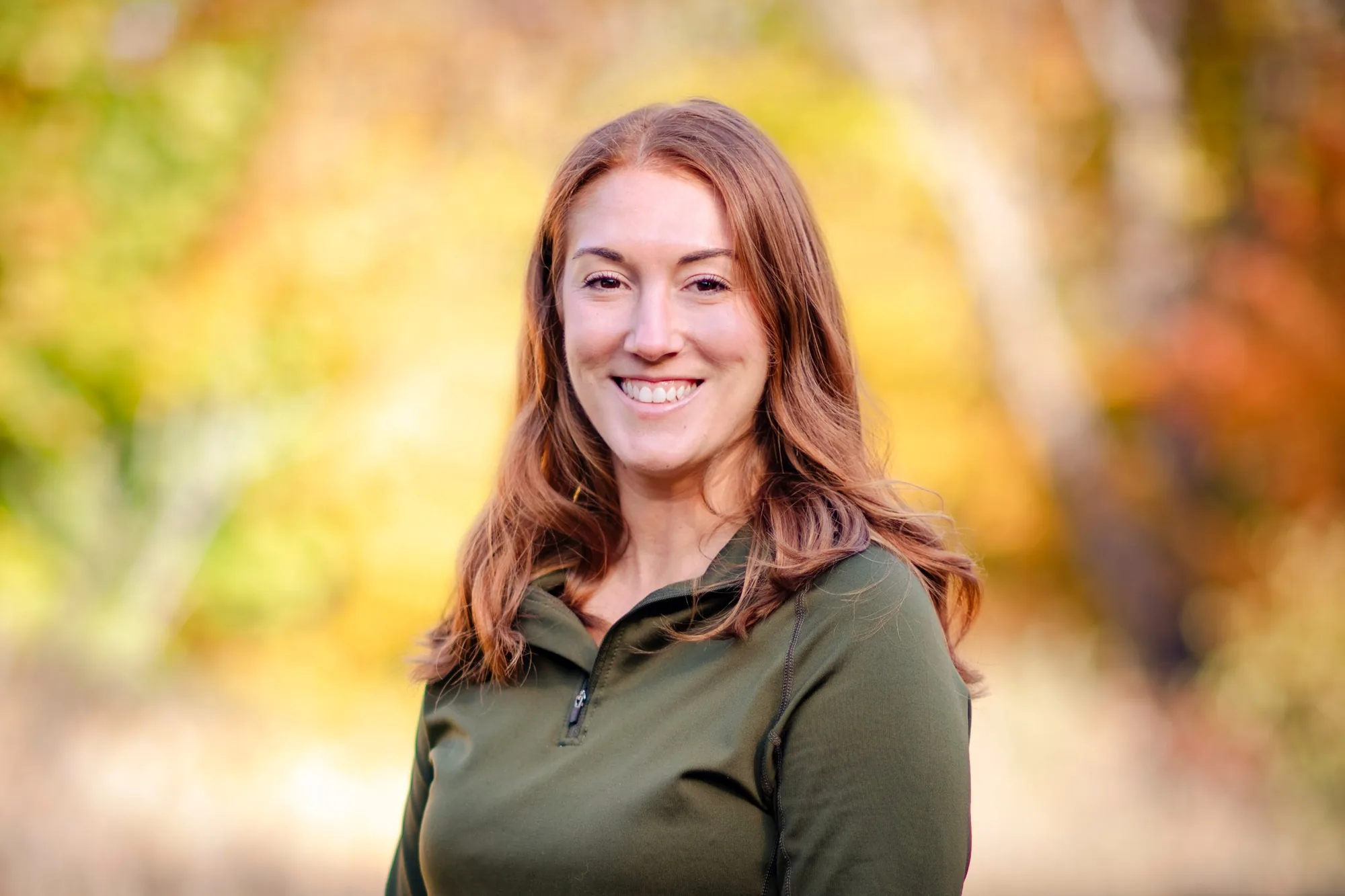
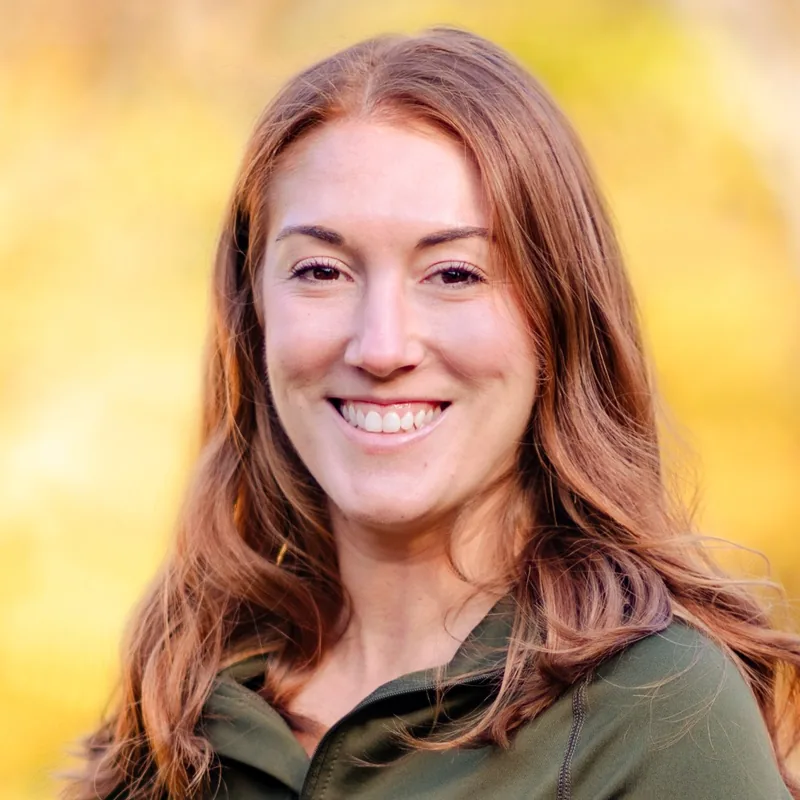
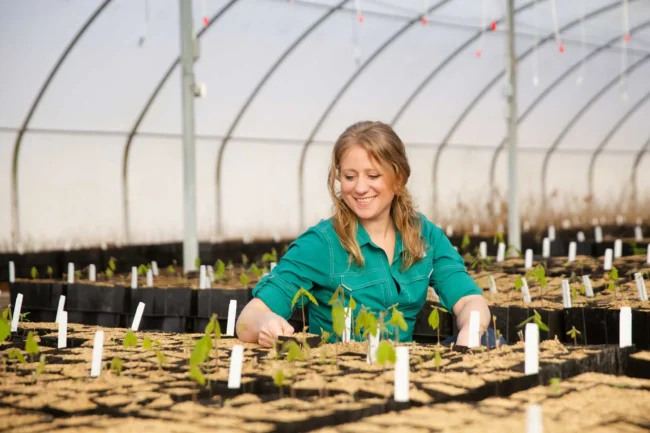
Rachel Toward is one of the newest members of The Plant Native team. She’s a naturalist and conservation educator who has spent more than 12 years in parks, zoos and nature centers across Virginia, Michigan and South Florida, and she now writes for us from West Palm Beach.
In this interview, Rachel talks about the butterfly that made native plants personal for her, why plants are the foundation of every conservation story, and the hula hoop trick that will change how you see your own yard.
Thanks so much for doing this, Rachel!
What first got you hooked on native plants? Was there one plant or one moment that did it?
I don’t know if there was one particular moment when I fell in love with native plants. It was more like connecting the dots over the years. I spent nearly a decade working in Virginia State Parks, where I helped with everything from planting native garden beds with groups of fourth graders to leading plant walks and sharing the connections between plants, wildlife, and healthy ecosystems.
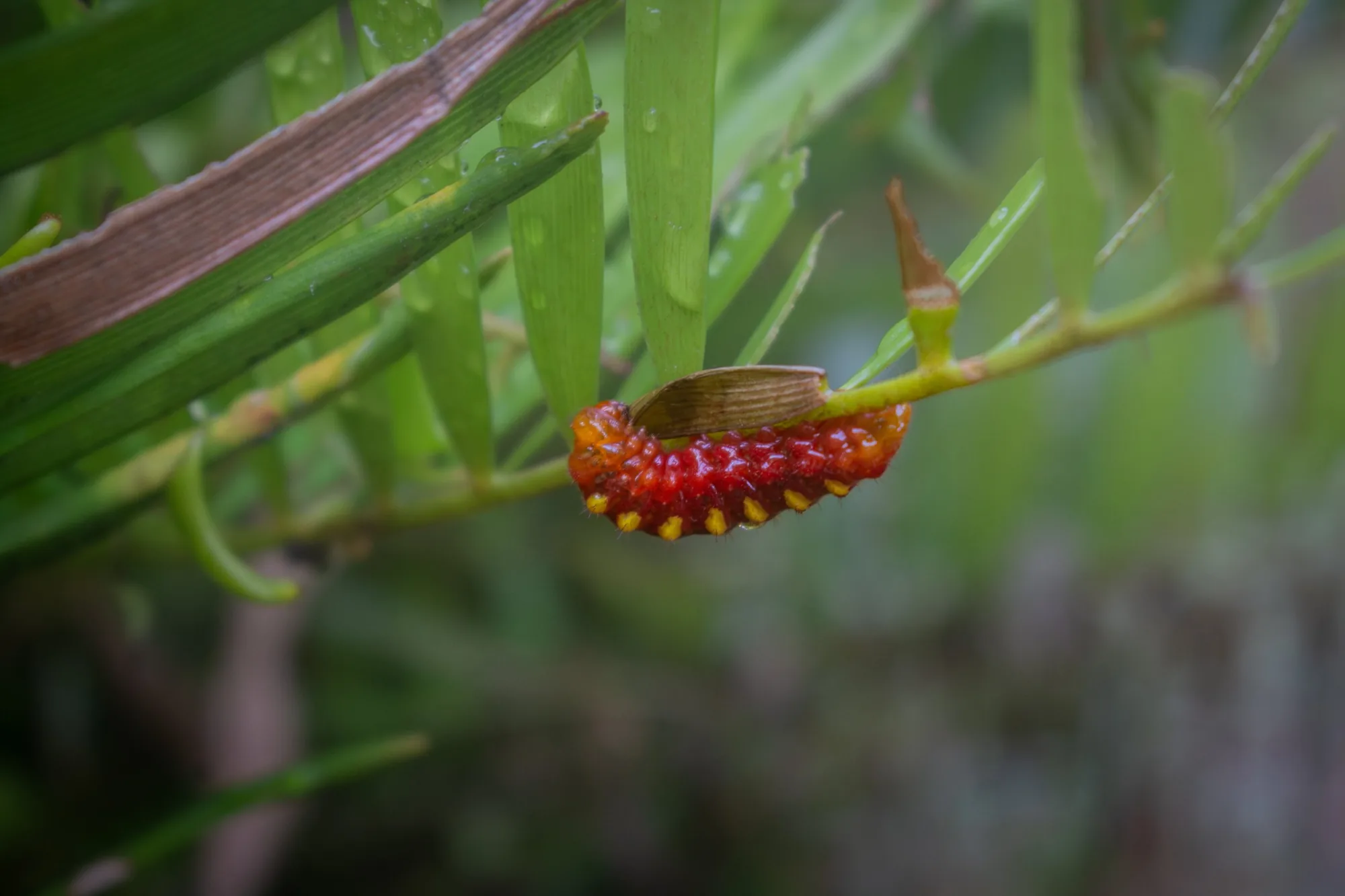
But when I moved to South Florida, I encountered a butterfly that really brought those connections to life: the atala.
The first time I spotted one, I was amazed by its iridescent blue and bright orange coloring. Then I learned its story. The atala was once thought to be extinct in Florida, largely because its only native caterpillar host plant, coontie, had been heavily harvested for starch production. Without its host plant, the butterfly had nowhere to lay its eggs or feed its caterpillars.
And then, through the rediscovery of surviving populations and the return of coontie to landscapes, the butterfly began making a comeback.
That story really stuck with me. It was such a powerful reminder that one plant can make an enormous difference. I had spent years talking about native plants, but seeing that connection firsthand made it personal. It’s one thing to tell someone that a plant supports wildlife. It’s another to show them exactly who depends on it.
The atala was once thought to be extinct in Florida, largely because its only native caterpillar host plant, coontie, had been heavily harvested for starch production. Without its host plant, the butterfly had nowhere to lay its eggs or feed its caterpillars.
Rachel Toward
Purple passionflower is your current favorite native plant. What do you love about it, and what would you tell a reader who wants to grow it?
Purple passionflower is one of those plants that makes you stop and stare. The flowers look like something straight out of Pandora from Avatar! They’re intricate, unusual, and just plain fascinating.
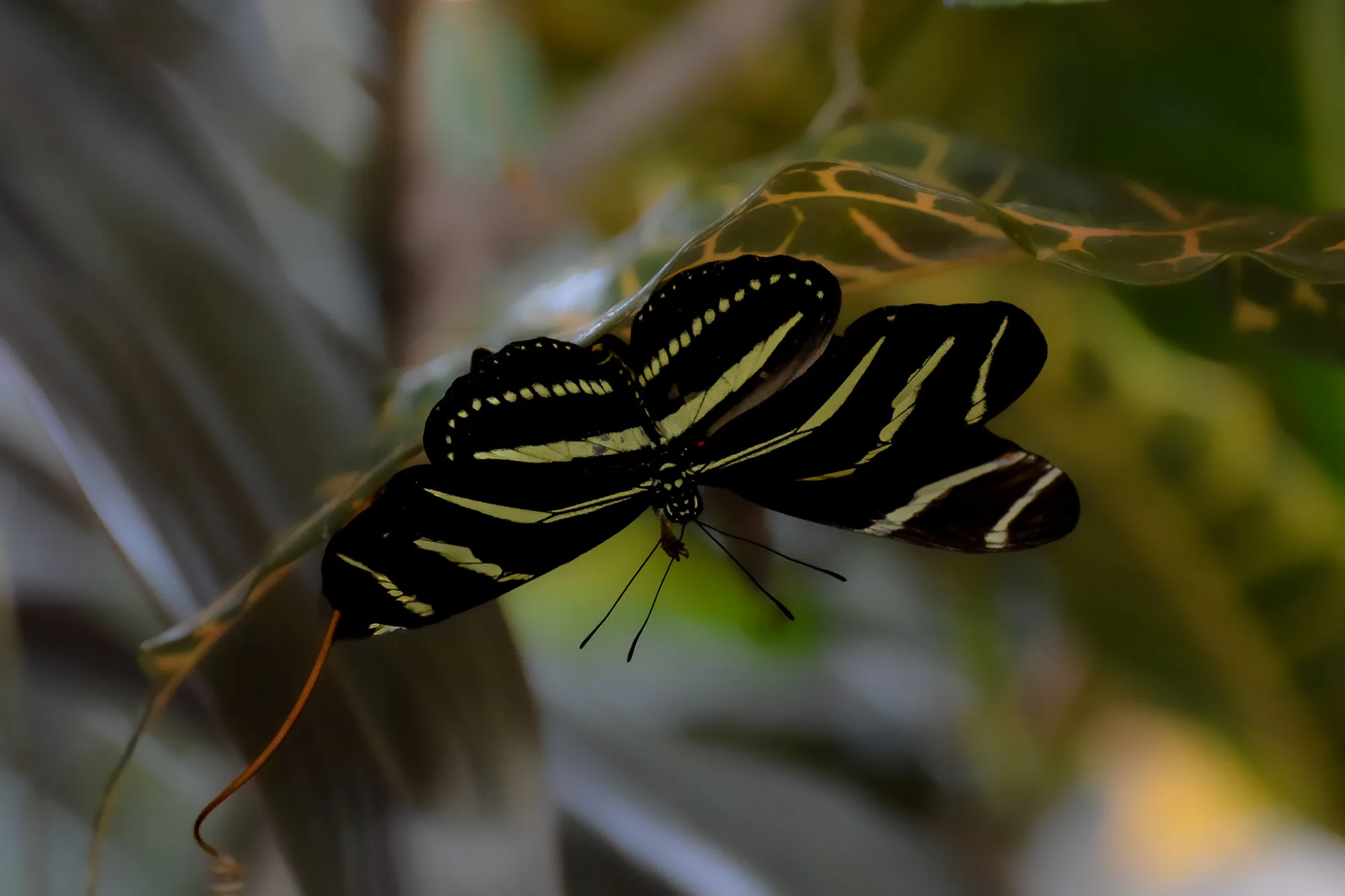
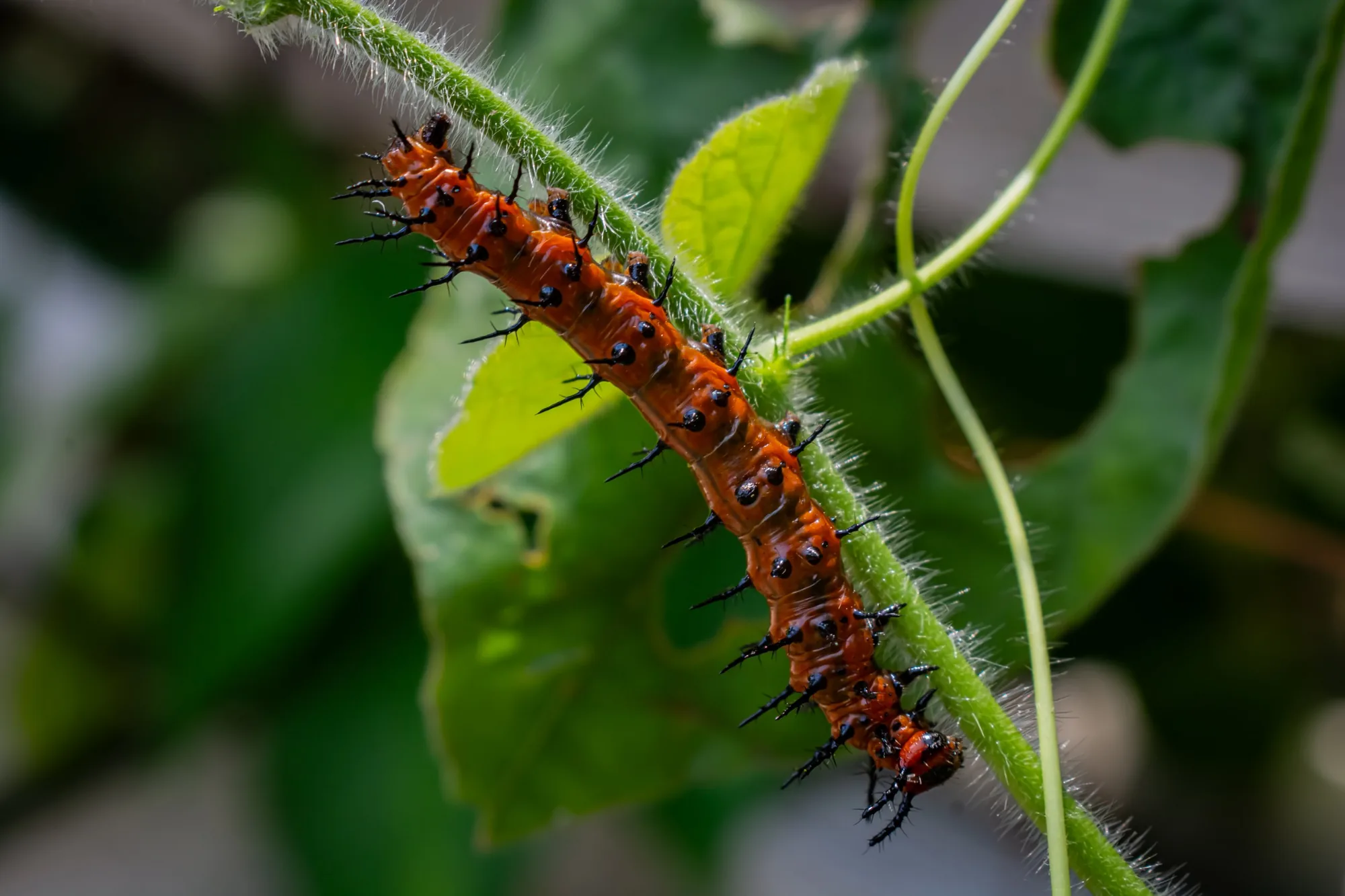
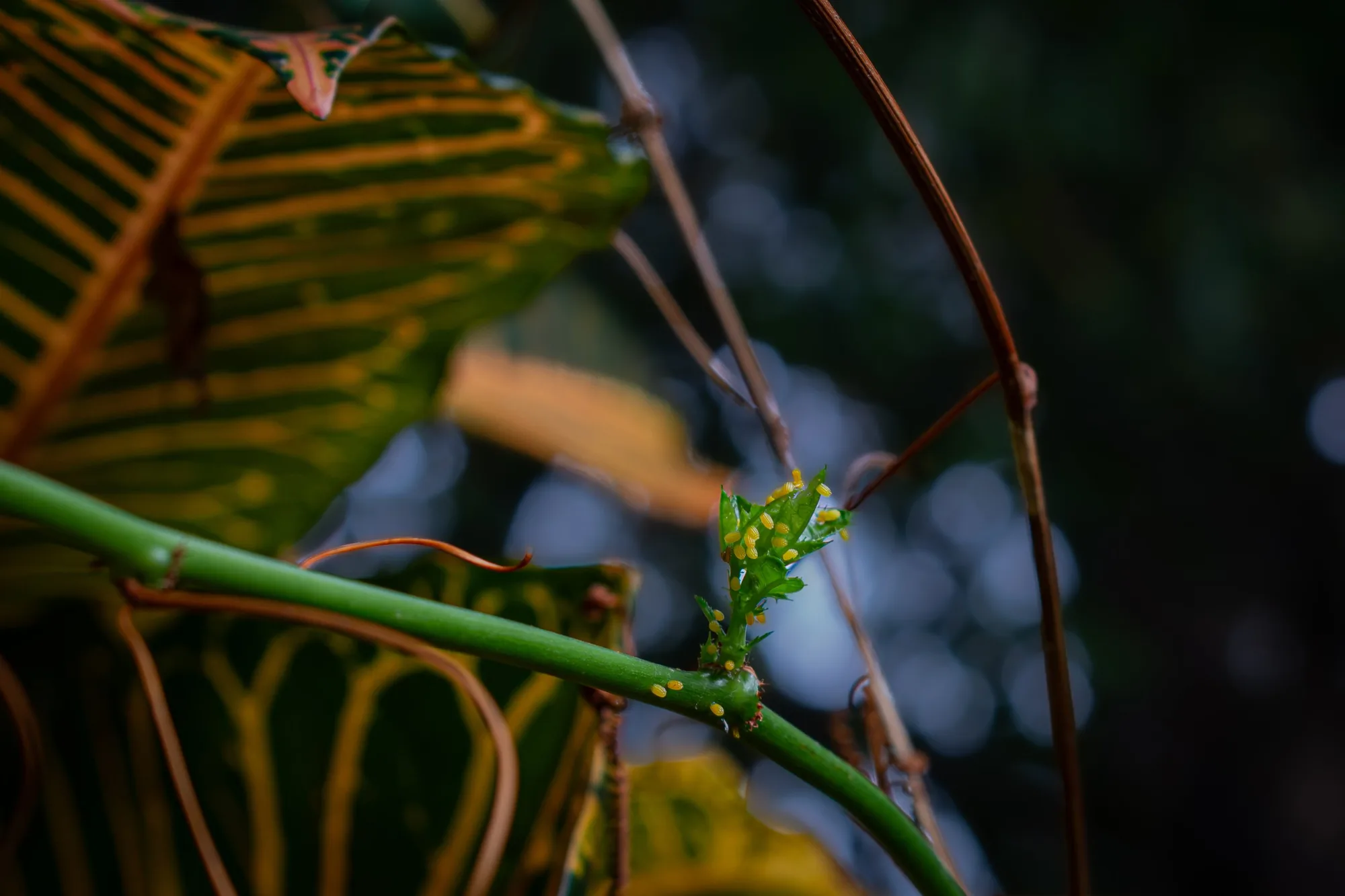
But what I love most is everything happening around the plant. Purple passionflower is a host plant for several butterfly species, including zebra longwings, gulf fritillaries, and variegated fritillaries. It’s a place where butterflies lay their eggs, caterpillars find food, and the next generation begins. There’s so much life happening on one vine!
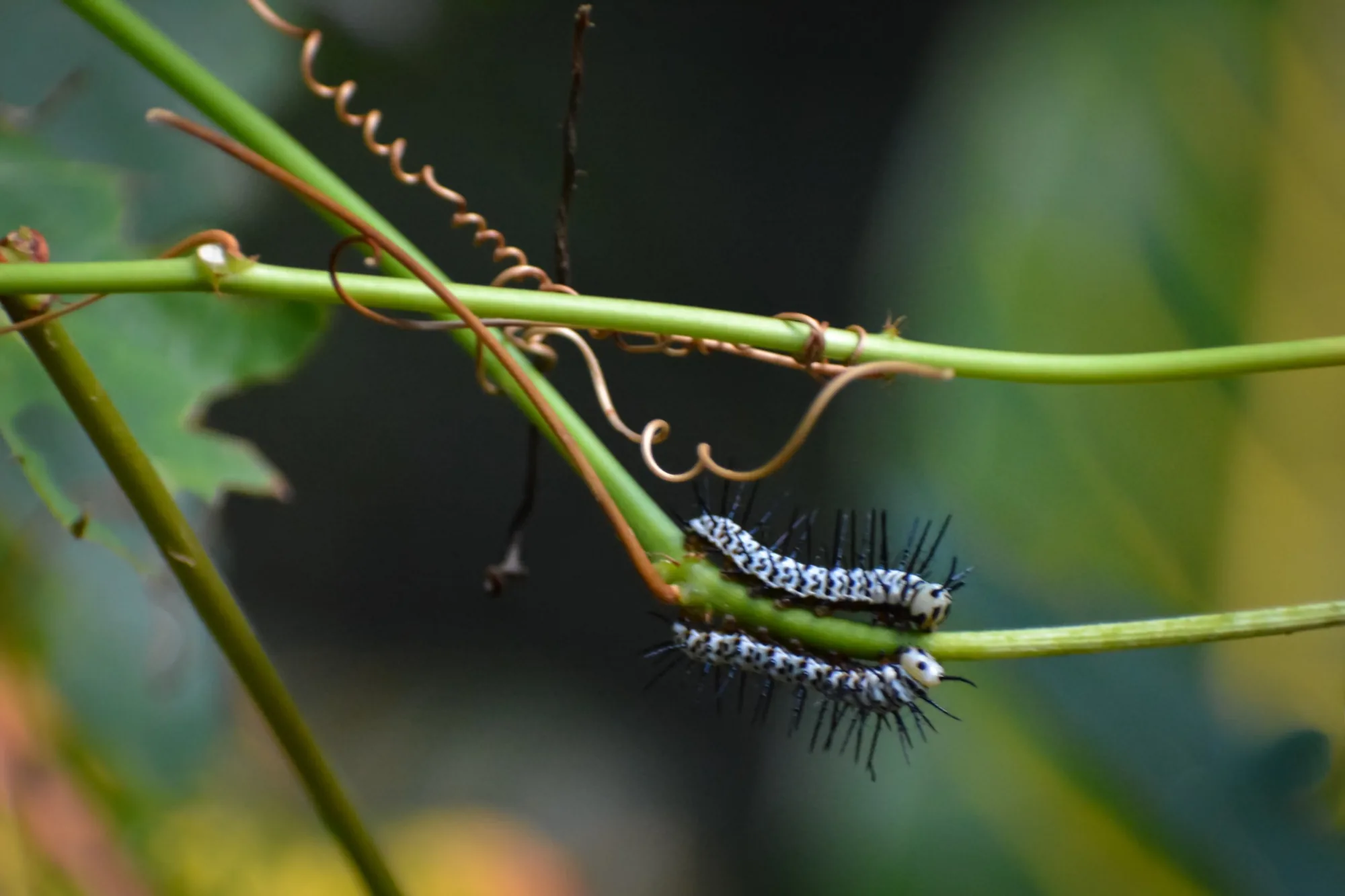
I’ve also encountered passionflower growing in Michigan, Virginia, and Florida, which has been a fun reminder of just how many different native plants and growing conditions there are across the country.
For someone looking to grow it, my biggest advice is to give it somewhere to climb, like a fence, trellis, or arbor. It enjoys sunshine and is relatively easy to grow, but it can certainly get carried away! Depending on your yard, how much room you have, and where you’ve planted it, occasional trimming may be needed to keep it in check.
But if you’re looking to bring more butterflies into your yard, this is a wonderful plant to get to know. Just be prepared to share a little space with it!
If a reader in South Florida could plant only one native this year, what should it be, and why?
I’m going to say coontie! It’s an evergreen Florida native that brings wonderful texture to a landscape with its upright, feather-like fronds. It’s also the host plant for the atala butterfly, making it a particularly special addition to a South Florida yard.
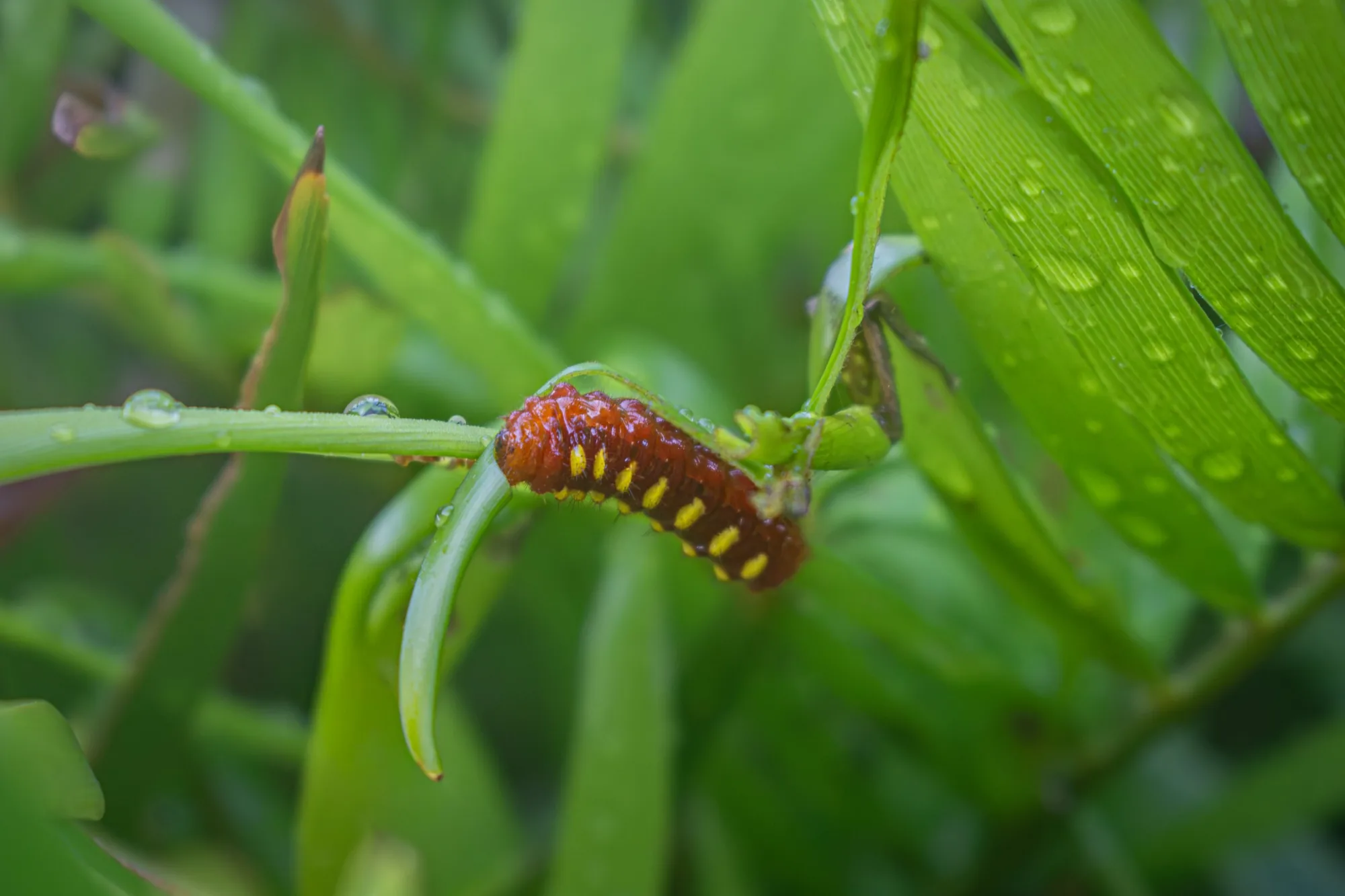
And here’s a fun fact: coontie is a cycad, an ancient group of plants that produces cones instead of flowers. These plants have been around since the age of dinosaurs, so you’re essentially adding a little piece of prehistoric plant history to your backyard!
Coontie is also a wonderful landscape option. It tolerates drought once established, grows in sun or shade, and works beautifully in both landscape beds and containers. If you want to give the atala butterfly a helping hand, this is a great plant to get to know!
What’s the most common mistake you see people make when they start planting natives? Did you ever make it yourself?
I’ll share one I learned the hard way! Early in my career with parks, we took on a project to revamp several native garden beds throughout the property. We knew which plants we wanted and where they would grow best, but one thing I wish we had spent more time thinking about was the design.
What would those beds look like in one year? Five years? How tall would everything get? Would the plants eventually crowd one another or grow over nearby signs and walkways?
The gardens looked wonderful that first year. But as the plants matured, some grew much taller and wider than we had anticipated. A few even began growing over directional signs, which wasn’t exactly the intended outcome!
It taught me that planting a native garden isn’t just about choosing the right plants. It’s about understanding how they’ll grow together and what that space will look like over time.
That’s one reason I love the idea of plant recipes. Having a little guidance on spacing, mature size, and how plants work together can take so much of the guesswork out of starting a garden. I wish I had those resources back then!
Think of your yard as a tiny piece of a much bigger conservation puzzle!
Rachel Toward
You’ve spent more than 12 years as a naturalist in zoos, parks and nature centers. Where do plants fit in a zoo’s conservation story?
To me, plants are the foundation of a zoo’s conservation story. They’re the food, shelter, and habitat that support so many of the animals we care for in zoos and the wildlife we’re working to protect in the wild.
When we think about conservation, it’s easy to focus on the animals. We talk about panthers, butterflies, birds, and other wildlife, but we sometimes overlook the plants that make their survival possible.
Plants connect everything. They’re the stepping stones between habitats, the building blocks of food webs, and the places wildlife depends on to find food, raise young, and find shelter.
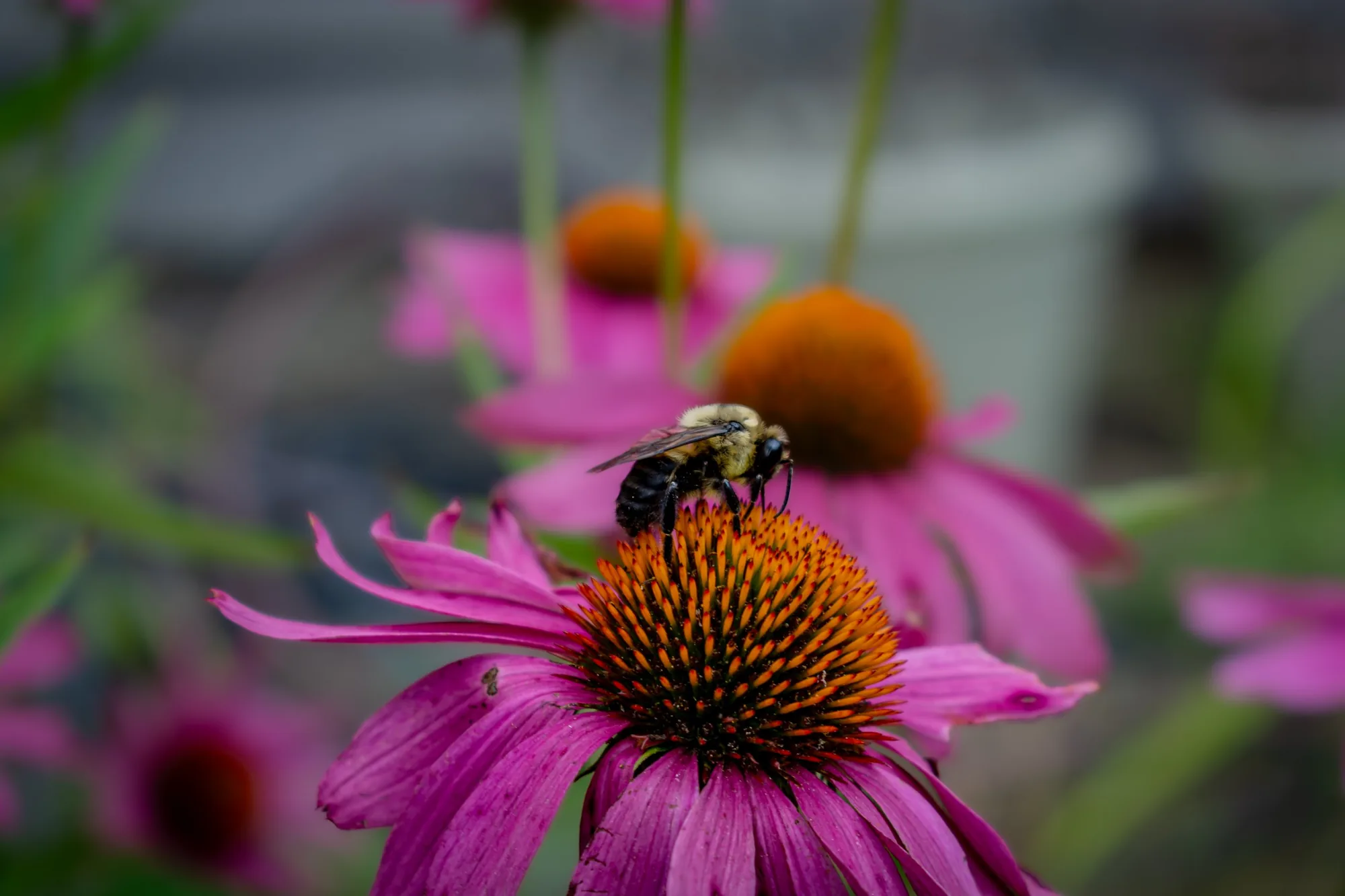
And here’s the exciting part: you don’t have to manage a zoo or a nature preserve to contribute. Your backyard can become one of those stepping stones, too. Planting native species helps create habitat right where you live. Think of your yard as a tiny piece of a much bigger conservation puzzle!
Your passionflower vine turned out to be full of butterflies, eggs and chrysalises, and you call this “the art of noticing.” How can readers practice it in their own yards?
The art of noticing is one of my favorite mantras! Sometimes we get so caught up in where we’re going that we forget to stop and see what’s happening right in front of us.
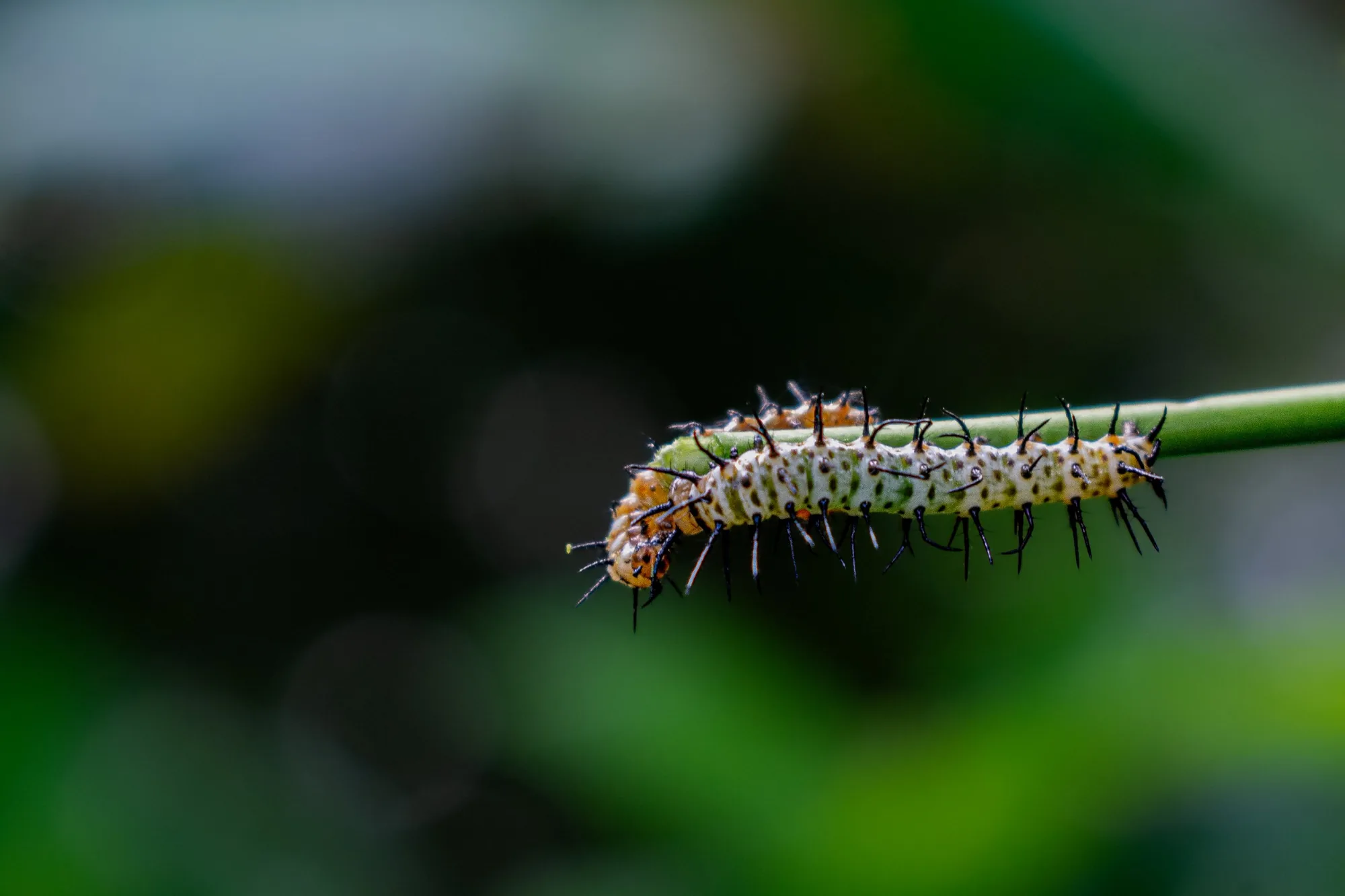
When I taught nature programs in parks, I had an activity I loved doing with kids. Before heading out on a nature walk, I’d hand each of them a hula hoop. Now, you can imagine that those hula hoops didn’t always stay by their sides like Ms. Rachel kindly requested!
After walking for a bit, I’d have everyone toss their hula hoop onto the ground. That little circle became their own tiny world. Their job was to explore everything they could find inside it. A leaf, an insect, a tiny flower, a spider, or something they couldn’t quite identify.
It’s amazing how much you can discover when you slow down and really look.
Beginner tip
Rachel’s tip: start with a hula hoop
I’d encourage readers to try the same thing in their own yards. Pick a small 8-by-8-foot area, or even a much smaller patch, and spend some time just observing. Look closely, listen, and see what you can find.
You might be surprised by what’s happening in your own little corner of the world. Sometimes the most exciting discoveries are hiding in plain sight!
You’ve worked in Virginia, Michigan and now South Florida. How different is gardening with natives in South Florida, and what surprised you most?
Moving to South Florida has been one of my favorite learning experiences. After working in Virginia and Michigan, I suddenly found myself learning an entirely new subtropical environment!
One of the biggest adjustments has been understanding the growing seasons. What I might have considered the typical planting season in Virginia doesn’t necessarily translate to Florida. Our temperatures, rainfall patterns, and growing conditions are so different.
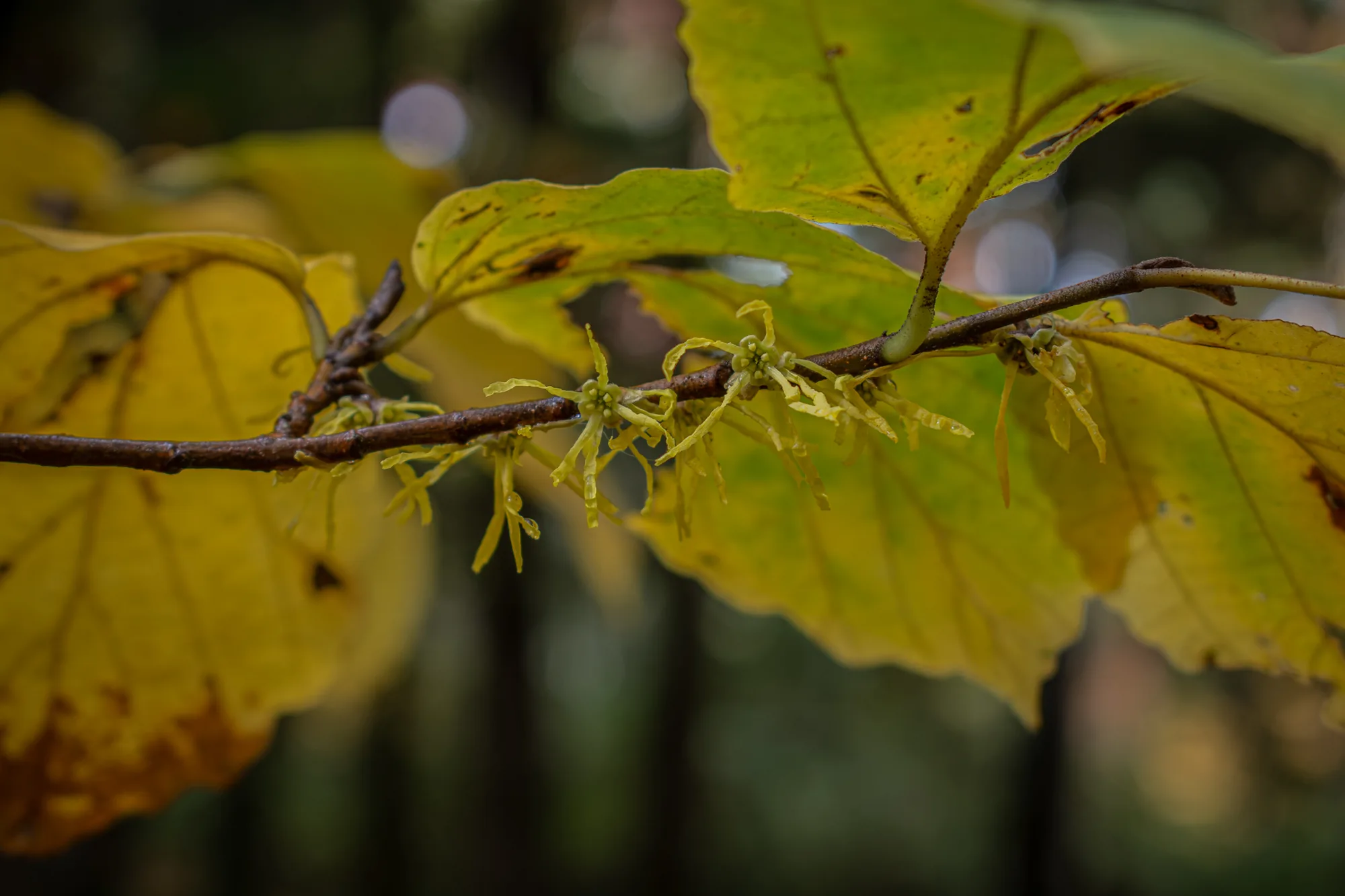
I’ve also enjoyed discovering just how many different native plants thrive here. There’s so much diversity, and I love that I’m still learning about the plants, their wildlife connections, and how they fit into this landscape.
I think that’s one of the fun parts of gardening with native plants: there’s always something new to discover, even when you’ve been doing this for years!
You’ve done field monitoring for swallow-tailed kites, FrogWatch USA and Everglades Wildlife Watch. What has citizen science taught you about backyard habitat, and how can readers take part?
One of the biggest things citizen science has taught me is that you don’t have to be a scientist to be part of the solution. Scientists can’t be everywhere, and that’s where community participation becomes so important.
Whether you’re listening for frogs, documenting bird sightings, or helping monitor wildlife through trail cameras, the observations people make in their own communities can contribute to a much bigger picture.
And you don’t even have to leave your backyard to get involved!
Native plants support the wildlife we’re working to understand and protect. They provide food and habitat for butterflies, frogs, birds, and so many other species. Those little pockets of habitat can also help connect larger natural areas across an increasingly fragmented landscape.
I’d encourage readers to look for local citizen science opportunities, get curious about the wildlife visiting their yards, and start paying attention to what’s around them. You never know what an observation might contribute to. Conservation isn’t something reserved for scientists. There’s room for all of us!
You’ve helped run native plant gardens and plant sales. What do shoppers ask most at a native plant sale?
I think there’s nothing quite like walking into a native plant sale and seeing rows and rows of little plants waiting to be adopted. Each one has a name tag, and each one has something wonderful to offer. But then comes the big question: Where do I even start?!
I think that’s the biggest thing people struggle with. They want to make a good choice, but they’re not always sure which plants will work in their yard, what conditions they need, or how much space they’ll eventually take up.
Living in South Florida has also opened my eyes to just how different everyone’s idea of a yard can be. Some people have a traditional backyard, others have a screened-in patio or no yard at all. Some live in communities where HOAs have a say in what their landscaping looks like, while others have carefully designed landscapes filled with turf, tropicals, and ornamental plants. And there’s everything in between!
It made me realize that there are so many different barriers to planting native, or even just getting started with plants in general. Not everyone has the same space, flexibility, or opportunities.
That’s one of the things I really appreciate about The Plant Native. It gives people a starting point. Being able to explore plants based on your ZIP code, region, and yard conditions helps take some of that overwhelm away.
I want people to feel excited and confident when they bring a new plant home, no matter what their starting point looks like. After all, you’re not just buying a plant. You’re adopting a little piece of future habitat!
You’ve pulled a lot of invasive plants. Which one would you most like Florida gardeners to remove, and what native should they plant in its place?
This is a tough one! I’ve spent many Saturday mornings working alongside volunteers during invasive plant removal days. We’d bring together 25–50 volunteers, spend a few hours pulling plants, and make a pretty impressive dent in the invasive growth.
One thing that always stood out to me was how many of these plants started out as familiar ornamental or houseplants. Pothos, inch plant, and other tropical-looking plants are common sights in Florida homes and landscapes. Some can become problematic when they escape cultivation and spread into natural areas.
Florida’s year-round growing conditions give many plants the opportunity to keep growing, and sometimes that means they can get a little too comfortable outside the garden! Of course, not every fast-growing or nonnative plant is invasive, but it’s worth knowing what you’re planting and how it might behave beyond your yard.
I’d love to see more gardeners consider native alternatives. Not only are you helping reduce the potential for unwanted spread, but you’re replacing those plants with species that offer something more to local wildlife. Native plants provide food, host plants, shelter, and habitat for the wildlife that calls Florida home.
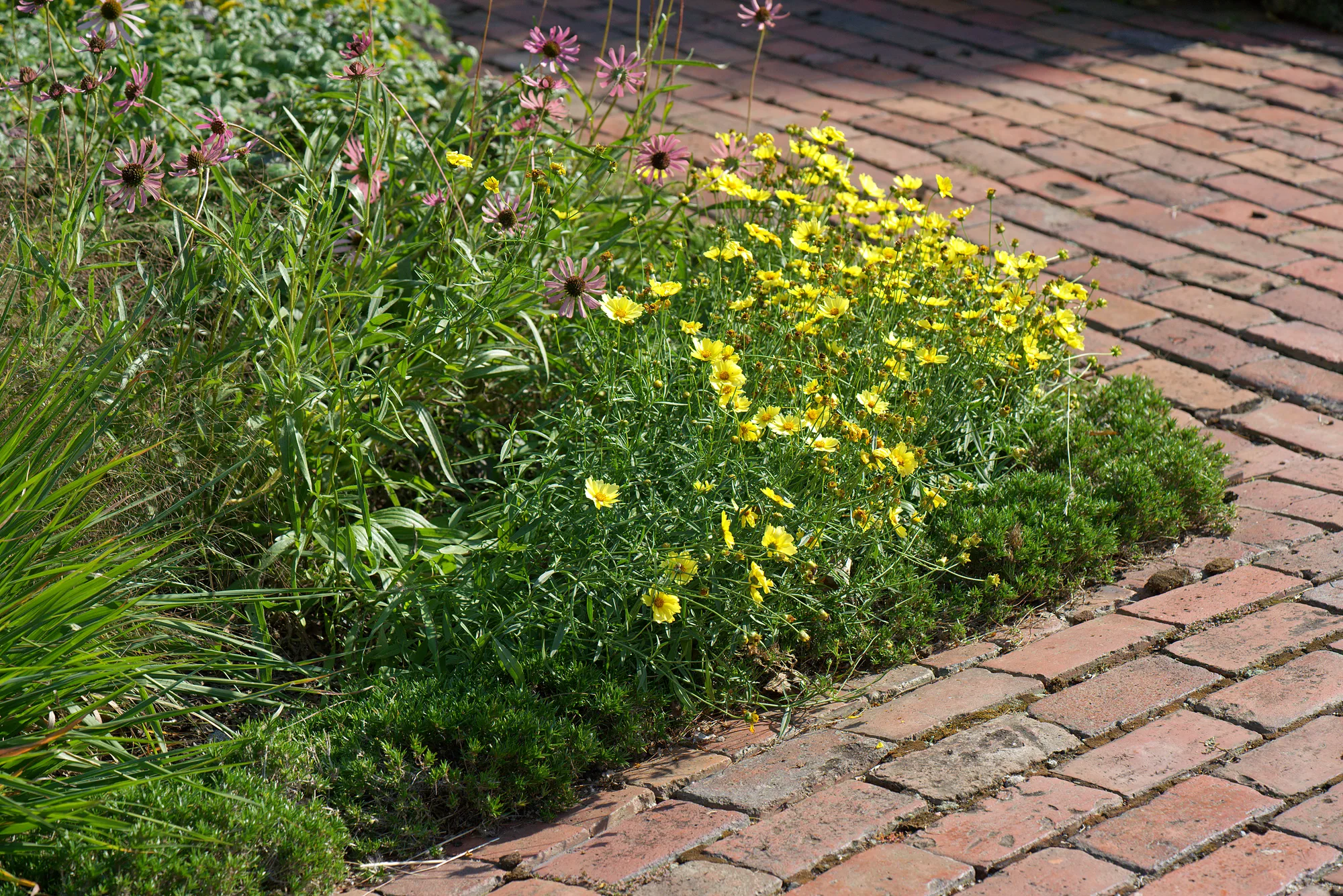
For someone looking to make the switch, I’d suggest exploring native groundcovers, coontie, or tickseed, depending on the space and growing conditions. The possibilities are exciting when you start thinking about what your yard can give back!
Native plants for beginners
Rachel’s picks for Florida beginners
- Tickseed: Florida’s state wildflower! Its cheerful blooms bring color to the garden while supporting bees, butterflies, and other pollinators.
- Coontie: Give the atala butterflies some love! This evergreen Florida native is a beautiful, low-maintenance addition that doubles as an important host plant.
- Firebush: Those bright tubular flowers are a favorite of butterflies, bees, and hummingbirds, while its berries provide food for birds. It’s like opening a little wildlife café in your backyard!
- Purple passionflower: A fascinating flowering vine that gives butterflies a place to lay their eggs and caterpillars a place to grow. (Just be sure to give it room to roam!)


Looking ahead, what are you most hopeful or excited about, for native plants, for your own garden, or for your work with The Plant Native?
I’m excited about the opportunity to tell stories and connect with readers about native plants.
I’ve always loved having opportunities to create, whether that’s through photography, hands-on activities, or finding a new way to tell a story. Getting to combine that creativity with something I’m so passionate about, connecting people with nature, is what makes this opportunity especially exciting.
I love the opportunity to make those conversations fun, inviting, and exciting. Because when people develop an appreciation for something, they’re much more likely to take action.
I’m looking forward to helping readers discover the wildlife connections happening right outside their doors and inspiring them to create their own little wildlife powerhouses. Whether it’s planting one new native, creating a pollinator garden, or simply learning to recognize the wildlife visiting their yard, every little step counts.
If I can help a few more people become wildlife champions and stewards of their own little corners of the world, that’s something I’m really excited about.
You don’t have to have everything figured out to start creating something wonderful.
Rachel Toward
Is there anything we didn’t cover that you’d like to share?
There’s one more thing I’d love to share, because it’s become a really special part of my own native gardening journey.
A little over a year ago, my partner’s mom, Lou Ann, was diagnosed with pancreatic cancer on what was supposed to be her first day of retirement. She was a plant fanatic and had transformed her backyard into a pollinator’s paradise. It became her sanctuary, especially during her illness.
Now, I have the honor of carrying on what she started.
And here’s the funny part: despite spending years working in parks, nature centers, and conservation, I still find myself standing in her backyard wondering where to begin! What needs pruning? When do I cut things back? What’s a weed, and what’s something I should leave alone?
It’s been a reminder that even when you have experience, there’s always something new to learn. And I think that’s something many gardeners can relate to.
Her garden was full of whimsy, wildness, and spontaneity. It was so wonderfully her. I love that idea of creating a garden that reflects who you are. Maybe it’s a little wild, maybe it’s full of color, maybe it’s a place to sit and watch butterflies for hours. Whatever makes you smile, make room for it.
I’m excited to continue learning as I go, and hopefully encourage others to do the same. You don’t have to have everything figured out to start creating something wonderful.
Thank you, Rachel, for sharing Lou Ann’s garden with us. We’re so glad you’re on the team, and we can’t wait to see what you notice next.
More interviews
-
-
-


Other native plant resources
-
-

-
-
-
-


The ads on this site help pay real native plant nerds to research and write these guides.