Dawna Kelley is one of the newest members of The Plant Native team. She studied landscape architecture in Tucson, designed yards in the Sonoran Desert, worked as an ISA Certified Arborist at Trees for Tucson and spent time at the seed bank Native Seeds/SEARCH. She writes about native plants in the Southwest for us, and she just moved home to Missouri.
In this interview, Dawna talks about the desert plants that won her over, why her favorite native is a beautiful poison, and the tree-planting mistake she sees everywhere.
Thanks so much for doing this, Dawna!
What first got you hooked on native plants? Was there one plant or one moment that did it?
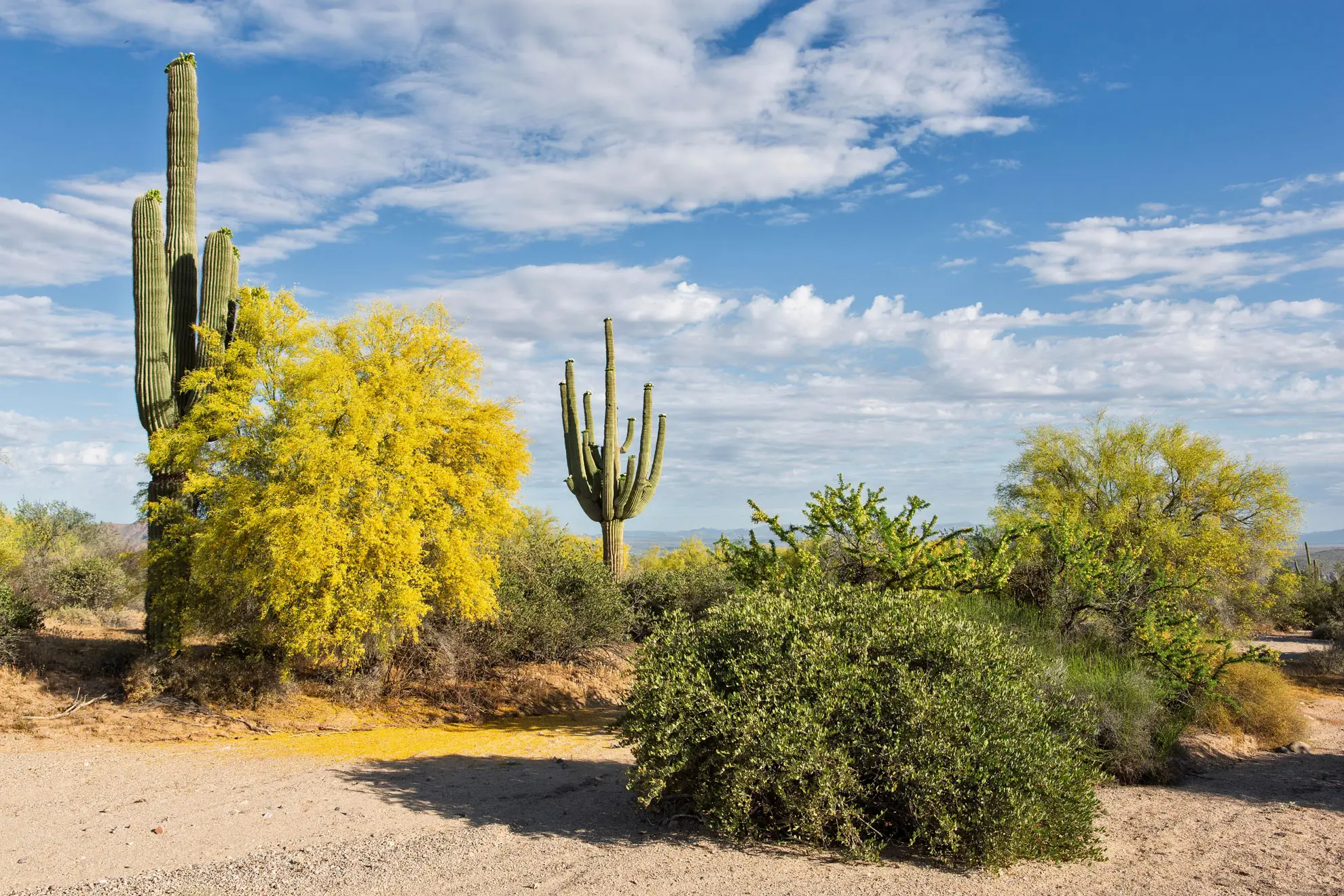
I grew up in southern Missouri, where everything is green and plants are everywhere. As a kid, I took most of that for granted and didn’t think much about the flowers and shrubs around me. Then in my early 20s I moved to Tucson, Arizona, and everything was different: the weather, the sun, the plants. They had wild shapes and lots of attitude, and some could be a little dangerous, which I thought was pretty cool.
The flowers weren’t the dainty garden flowers I grew up with. They were bold and bright and demanded your attention. Desert blooms are not an everyday occurrence. It’s a special event, a reason for celebration. Each plant seemed to have its own story to tell, and I wanted to know more about them all!
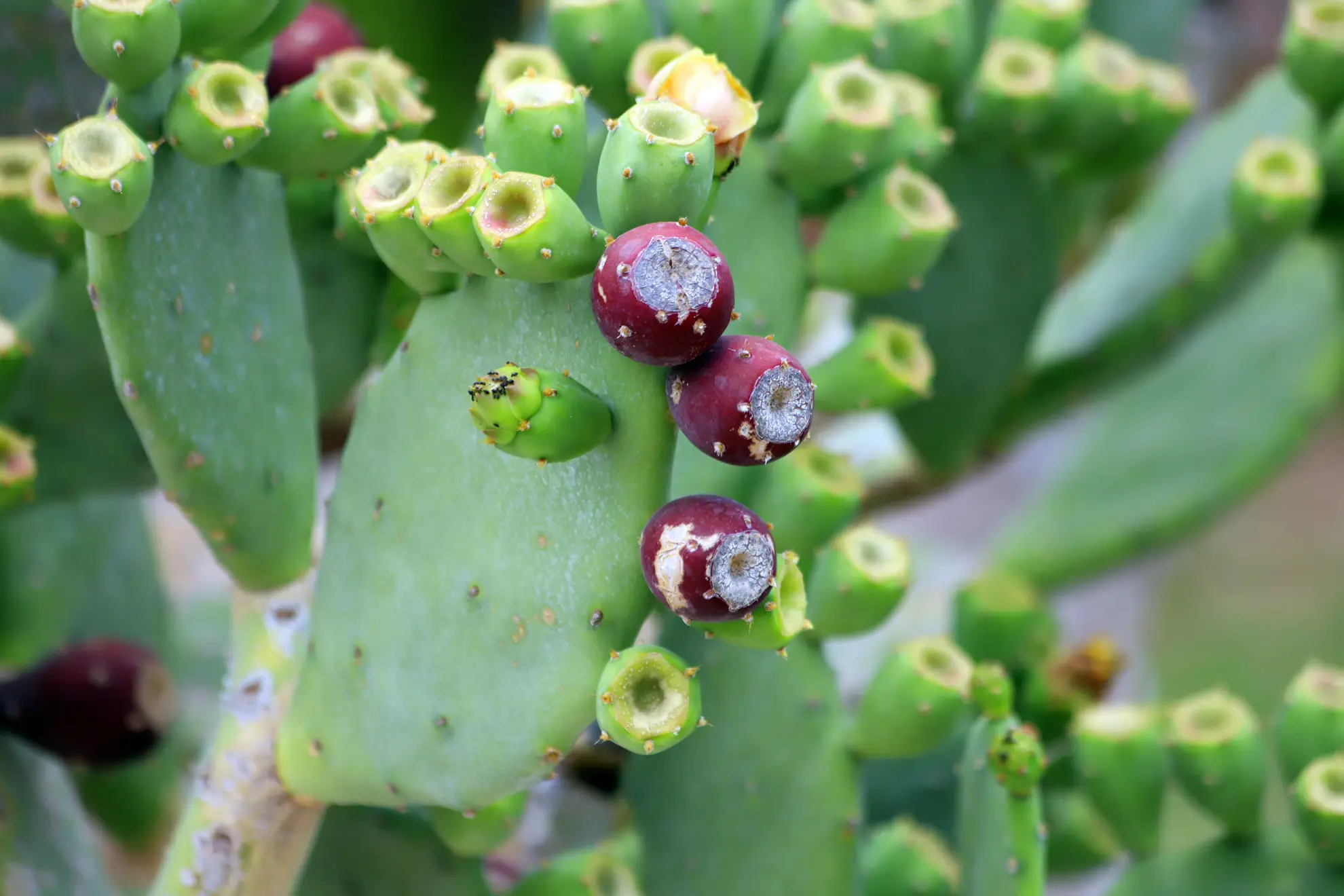
Of course there are the saguaros, which everyone loves, but one of the first desert plants that really captured my attention was creosote (Larrea tridentata). The way the desert smells after a rain is everything the songs and poems say it is, and the tiny yellow flowers and puffball seeds are adorable. Another was the giant prickly pear (Opuntia engelmannii). Healthy ones can be so elegant and sculptural, with beautiful flowers in the spring and fruit you can eat. They changed my whole idea of what an outdoor space could look like.
Eventually I pursued a degree in landscape architecture, out of a desire to learn ways for humans to live more in balance with the surrounding desert landscape. I took my plant identification classes very seriously, and loved getting to know the names and little details of each species. Typical landscape plants don’t cut it in a place like Tucson. You have to work with natives, or plants adapted to the area, because the conditions are so particular. Life is both tough and beautiful in the desert.
Desert blooms are not an everyday occurrence. It’s a special event, a reason for celebration.
Dawna Kelley
Sacred datura (Datura wrightii) is your favorite native plant. What do you love about it, and what would you tell a reader who wants to grow it?
Sacred datura (Datura wrightii) is my favorite because it’s both gorgeous and dangerous. I have a thing for poisonous plants, which I know is a little weird! I have a little stash of seeds and plant parts I’ve collected, and I even attempted planting a poison garden in the spirit of the Poison Garden at England’s Alnwick Garden. (Spoiler: this did not work in the desert!)
For me, datura is the queen of the cool poison plants. I even have a tattoo of one. Every part of it is toxic, but it has the most beautiful night blooms and these neat spiky seed pods. Native peoples have used it in ceremony for its psychedelic effects, but that’s pretty risky and I would never suggest anyone try it. It’s also a host plant for hawkmoths, which are an important pollinator in the desert.
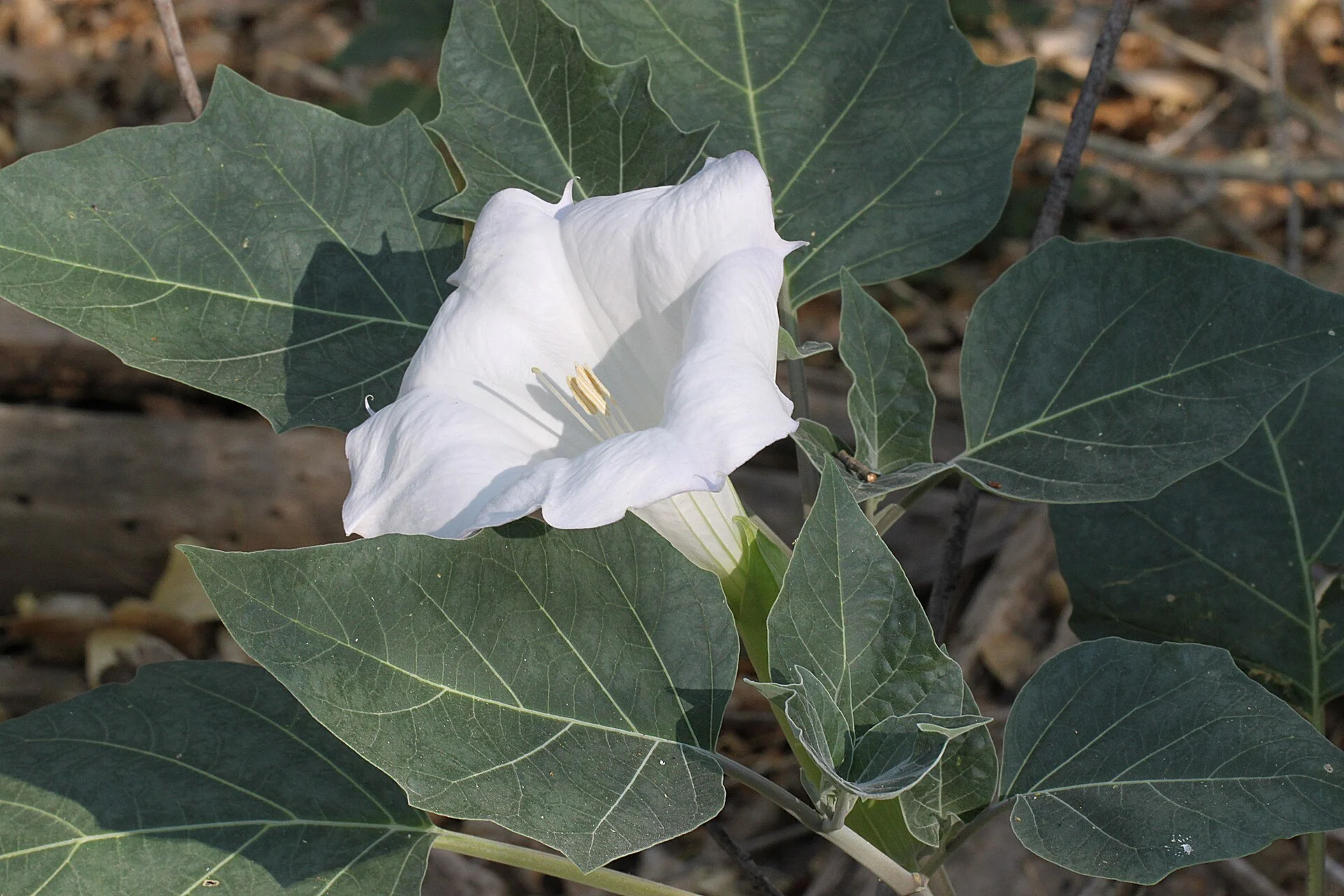
If you’re interested in growing it, I’d say to not let the toxicity stress you out. Keep it away from where kids and pets spend time, be mindful of how you handle it, and you will be fine. It’s a native plant that’s really tough, takes lots of heat and little water, and puts on a great show. I’ve seen it in front yards all over Salt Lake City, where there’s a strong water-wise gardening culture. Just keep your head about it, and you’ll have a showstopper of a plant!
You’ve said sacred datura is everywhere in Utah but rarely planted in Arizona landscapes. Why do you think gardeners overlook it?
I think it is a little cooler in Salt Lake City, where I lived at the time, and the plant is probably easier to keep looking pretty there. Or maybe its appearance along the roadways in Tucson has many people thinking of it more as a “weed” than as a landscape plant. I would plant it in my yard in Tucson, though!
If a reader in the Southwest could plant only one native this year, what should it be, and why?
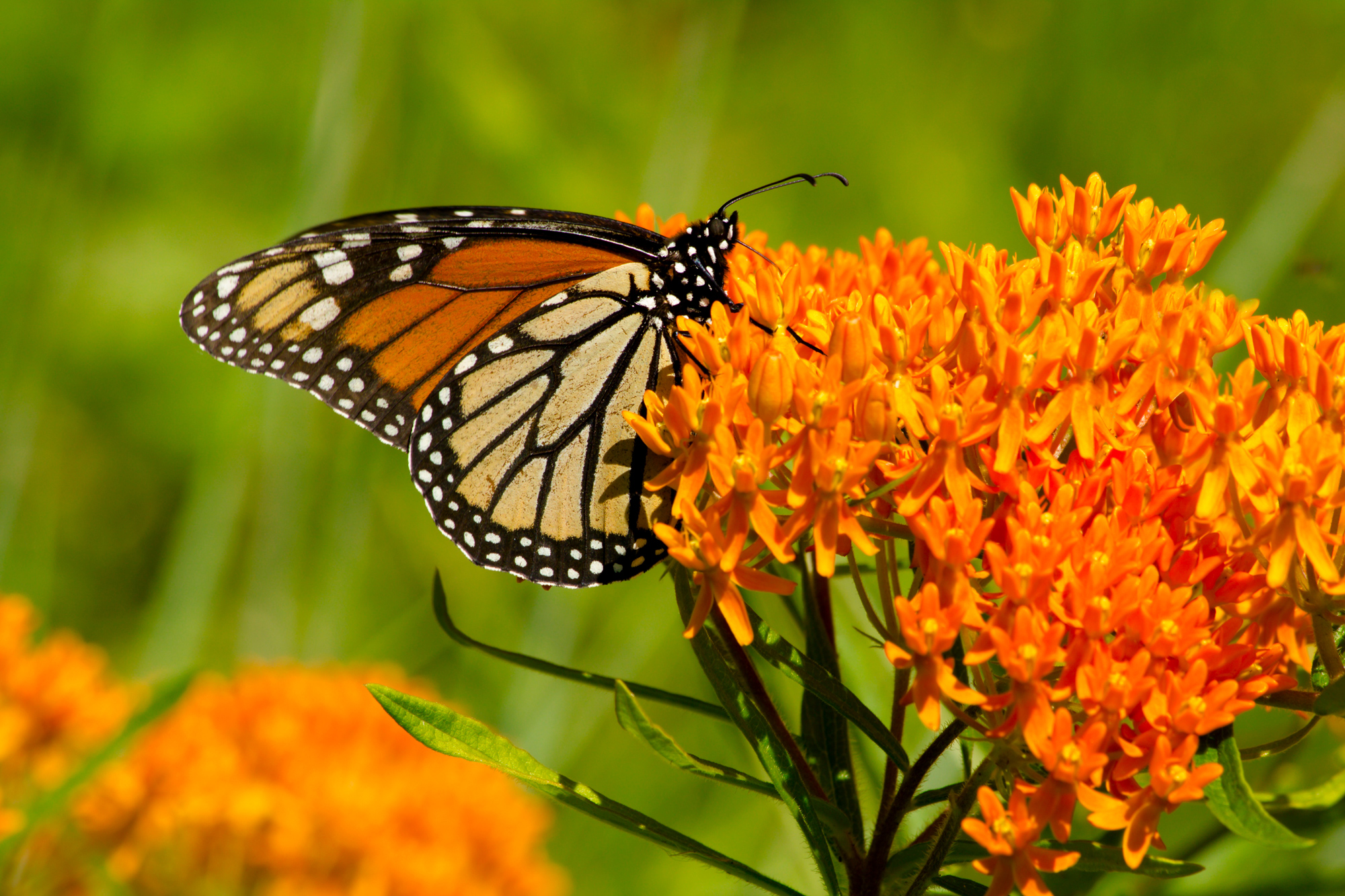
Milkweed, milkweed, milkweed! Pollinators of all kinds love it, and it’s a must-have for monarchs. It grows in all the tough spots and is easy to care for, plus the height of some plants can add some really interesting visual texture to your garden. Every native garden should have some milkweeds!
In Missouri, where I live now, I’d start with butterfly weed (Asclepias tuberosa), which has bright orange flowers. In Arizona, I’ve specified desert milkweed (Asclepias subulata) in many landscape plans. Its tall stems and pale flowers add a touch of gracefulness to a desert landscape. Every native garden should have some milkweed!
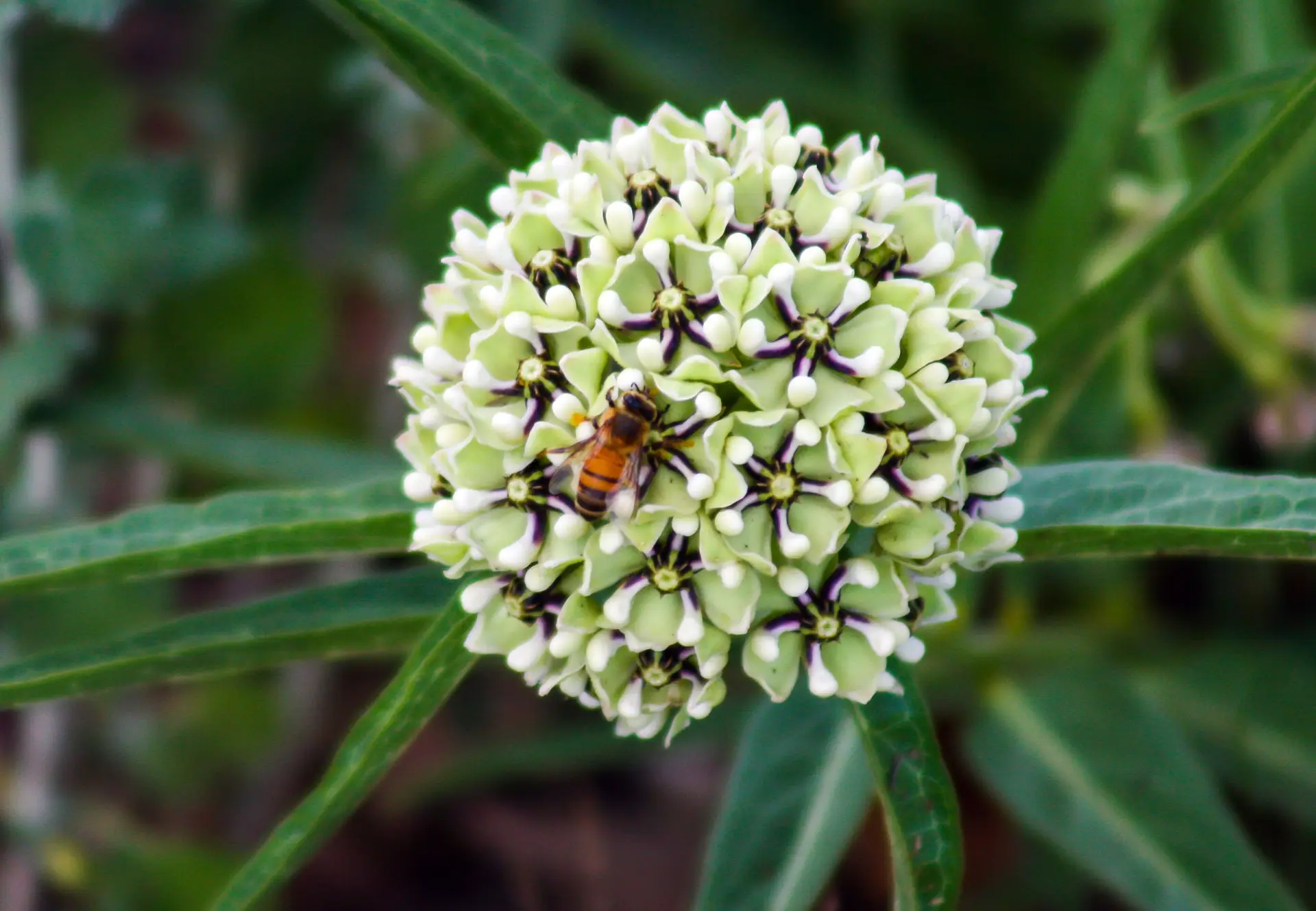
You started in landscape architecture, designing yards in the Sonoran Desert. What did designing with desert natives teach you that a gardener anywhere could use?
The most important question when designing any outdoor space is to ask yourself “What do I want this space to do?” Do you need to create scenery for a window view? Do you want to attract hummingbirds and butterflies? Do you want to grow food? Do you want to create a cool microclimate that your family can enjoy spending time in, or a space for your pets?
Plants don’t always have to be in a “garden.” You can create all sorts of spaces that can effectively become extensions of your home, and you can do pretty much all of it using natives!
Plants don’t always have to be in a “garden.” You can create all sorts of spaces that can effectively become extensions of your home.
Dawna Kelley
At Trees for Tucson you were an ISA Certified Arborist, and you wrote and illustrated their plant care guide. What tree-planting mistake did you see most often?
Oh, there are so many mistakes I see all the time with tree planting! One of the most common is burying the tree too deep. Nurseries (and sometimes well-meaning landscapers) often plant trees with soil piled up around the trunk, so it’s hard to tell where the roots actually start.
Beginner tip
Dawna’s tip: let your tree’s root flare breathe
Often you see a tree whose trunk comes straight up from the ground, meaning the root flare has been buried beneath the soil. The root flare is the transition zone between the trunk and the roots, and it contains special cells that need light and access to oxygen.
Planting too deep can lead to root rot, as the flare isn’t meant to sit against damp soil for long periods. When you plant, make sure you can see where the trunk widens out into the roots.
Does drawing a plant change how well you know it?
One of my favorite ways to learn about a plant is to draw it. When I was taking my plant ID course in college, I tried to add a sketch of every plant we covered to my notes. It forces me to look more closely at the plant itself: how many leaves or petals, what the stems or bark look like, what texture and color the plant has. Texture and color are an important part of landscape design, so it helps to slow down and gain a better understanding of your “palette”!
What did your time with Native Seeds/SEARCH teach you about the connection between plants and people?
People and plants are interconnected on so many levels. Entire civilizations were built on the plants that sustained them, and on the care and respect people gave those plants.
Many of the seeds at Native Seeds/SEARCH were collected by the organization’s founders, who traveled throughout the American Southwest and Mexico to bring back corn, beans, squash, and grains from different elevations and different cultures. It was so interesting to see how different they were. Some corns were small and red, others had large blue kernels. One of my favorites was the silver-edged squash (Cucurbita argyrosperma), which is grown for its seeds instead of its flesh. The seeds are ground into a green sauce called pipian. Years later, I was thrilled to find that same kind of squash seed for sale in a market in a small town in Hidalgo, Mexico.
All of these seeds have been shaped by generations of growers saving seed from the plants that worked best for their land, their weather, and their meals, and they hold a bit of the story of the people who grew them. Modern agriculture has lost a lot of that connection to our food.
You just moved from Arizona to Missouri. What has surprised you about the plants there, and what’s first on your list to grow?
My move back to Missouri is interesting, because these are the same plants that I grew up thinking were boring, before I moved to the desert! Yet I am rediscovering several that are actually a little closer to my heart than I realized. Coneflowers are one of those, and the local milkweeds.
One new favorite I’ve discovered is the tulip tree (Liriodendron tulipifera), a large tree in the magnolia family that has yellow flowers in the spring and attracts pollinators. Its true native range is technically a little east of where I am, but hopefully I am close enough to still call it native here!

You moved from garden design to website design. What do the two have in common?
Seems like a stretch, I know! I think of design as less about making things pretty and more about solving problems. One of my favorite quotes is from Massimo Vignelli, who said, “If you can design one thing, you can design anything.”
Both outdoor spaces and websites offer specific challenges that require you to understand the context, the people who will be using it, and what their needs are. Once you solve for the needs, then you can dive into the fun part, which of course is “make it pretty.” The whole process is actually very similar, just different tools!
Speed round! Name three or four native plants you recommend for a just-starting-out beginner gardener in the Southwest, with one line on why.
- Desert marigold: Bright yellow daisies on gray-green foliage that bloom for months, and it reseeds on its own.
- Penstemons: Tubular flowers that hummingbirds love, and they get by on little water.
- Blackfoot daisy: A low, tough mound covered in white daisies for months at a time.
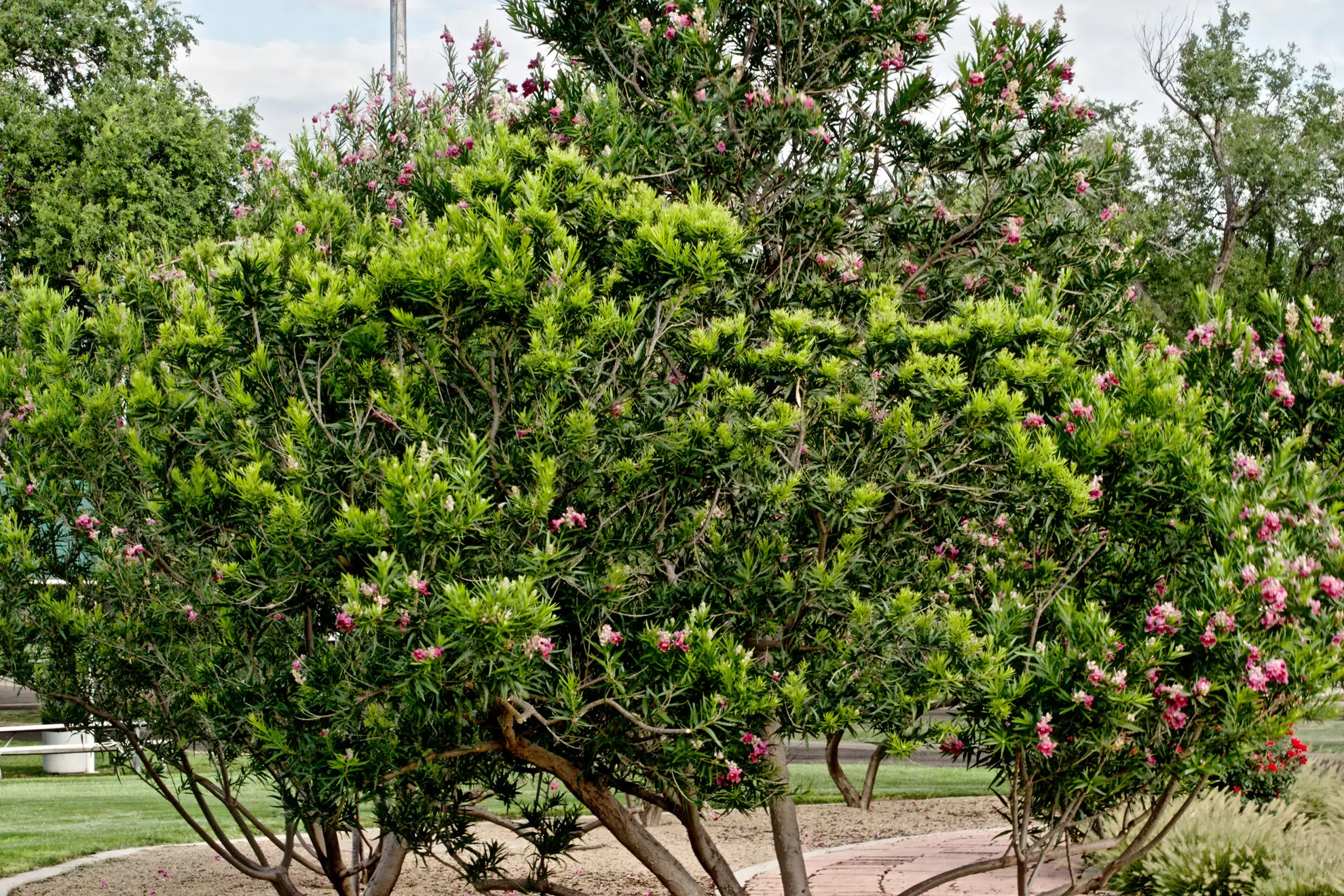
- Desert willow: A small desert tree with orchid-like flowers all summer, and you can prune it to the size you want.
Looking ahead, what are you most hopeful or excited about, for native plants, for your own garden, or for your work with The Plant Native?
Southwestern native plants have been a passion of mine for a long time, and life pulled me in other directions for a while. It feels great to be back, geeking out about native species and helping build a resource that makes these plants easier to know and easier to grow. I’m just as excited to help build a resource that will help others know and understand these plants, and then want to plant them in their own gardens!
Thank you, Dawna, for sharing your desert favorites (dangerous ones included). We’re so glad you’re on the team, and we can’t wait to see what you grow in Missouri.
Read Dawna’s work
-
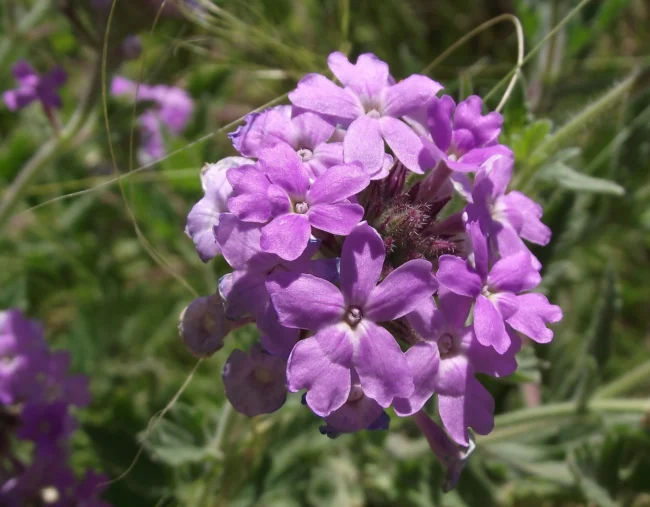 Goodding’s Verbena
A lavender-and-pink carpet for rocky slopes
-
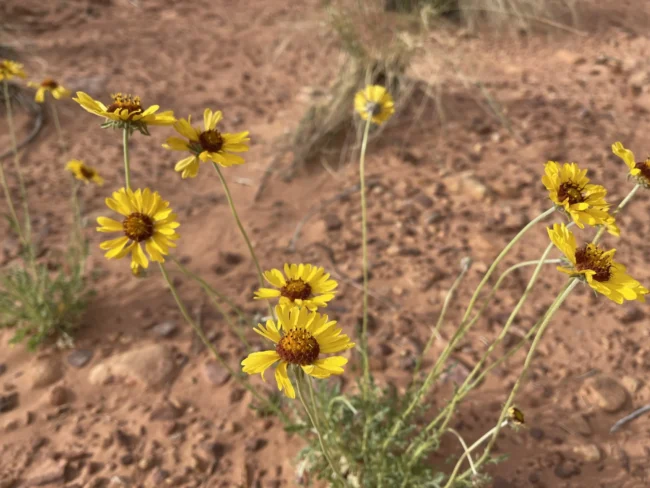 Red Dome Blanketflower
Tiny pops of perennial color to bring your desert to life
-
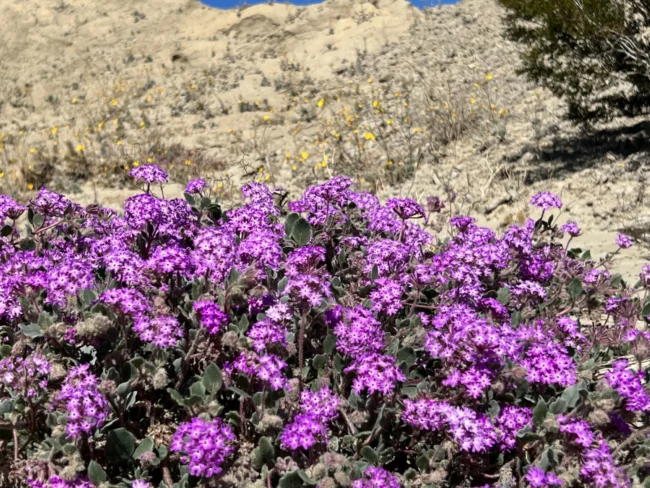 Desert Sand Verbena
A sweet-smelling purple carpet that unrolls after winter rain
-
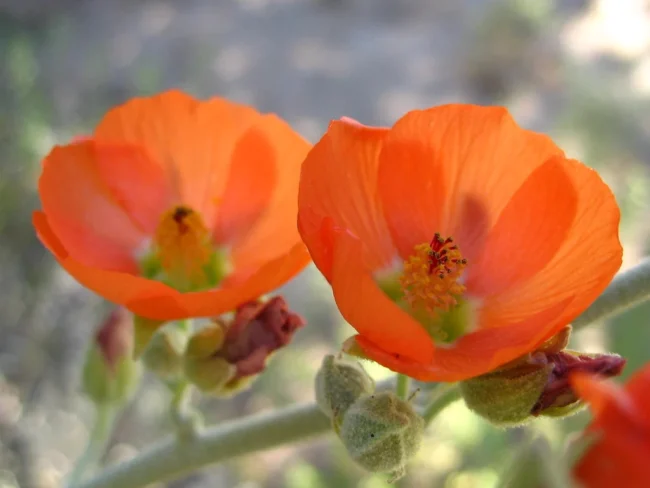 Desert Globemallow
A burst of spring color in cup-shaped flowers of apricot orange, pink, or white
-
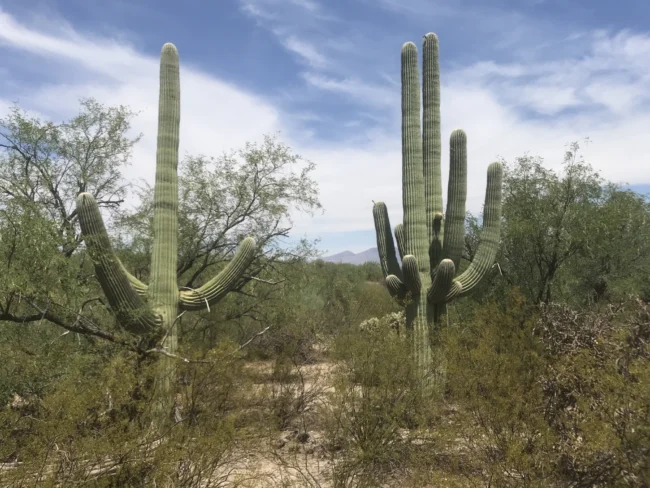 Saguaro
The postcard cactus that keeps a whole desert fed and housed
-
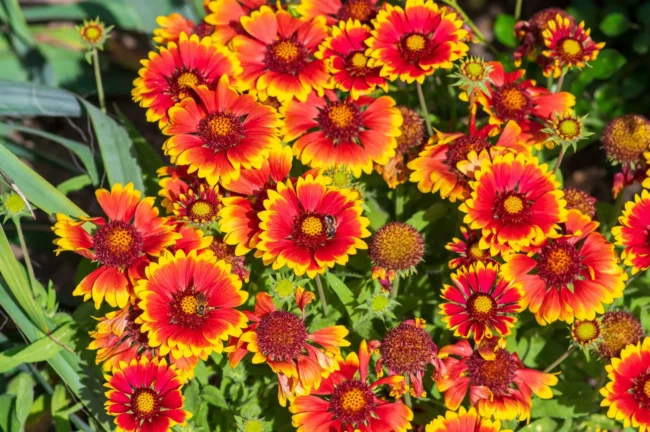 Blanketflowers
Tough, cheerful daisies that bring red and gold to the sunniest corner of the yard
Nothing matches all of those. Try fewer buttons.
More interviews
-
-
-


Other native plant resources
-
-

-
-
-
-


The ads on this site help pay real native plant nerds to research and write these guides.