
Highlights
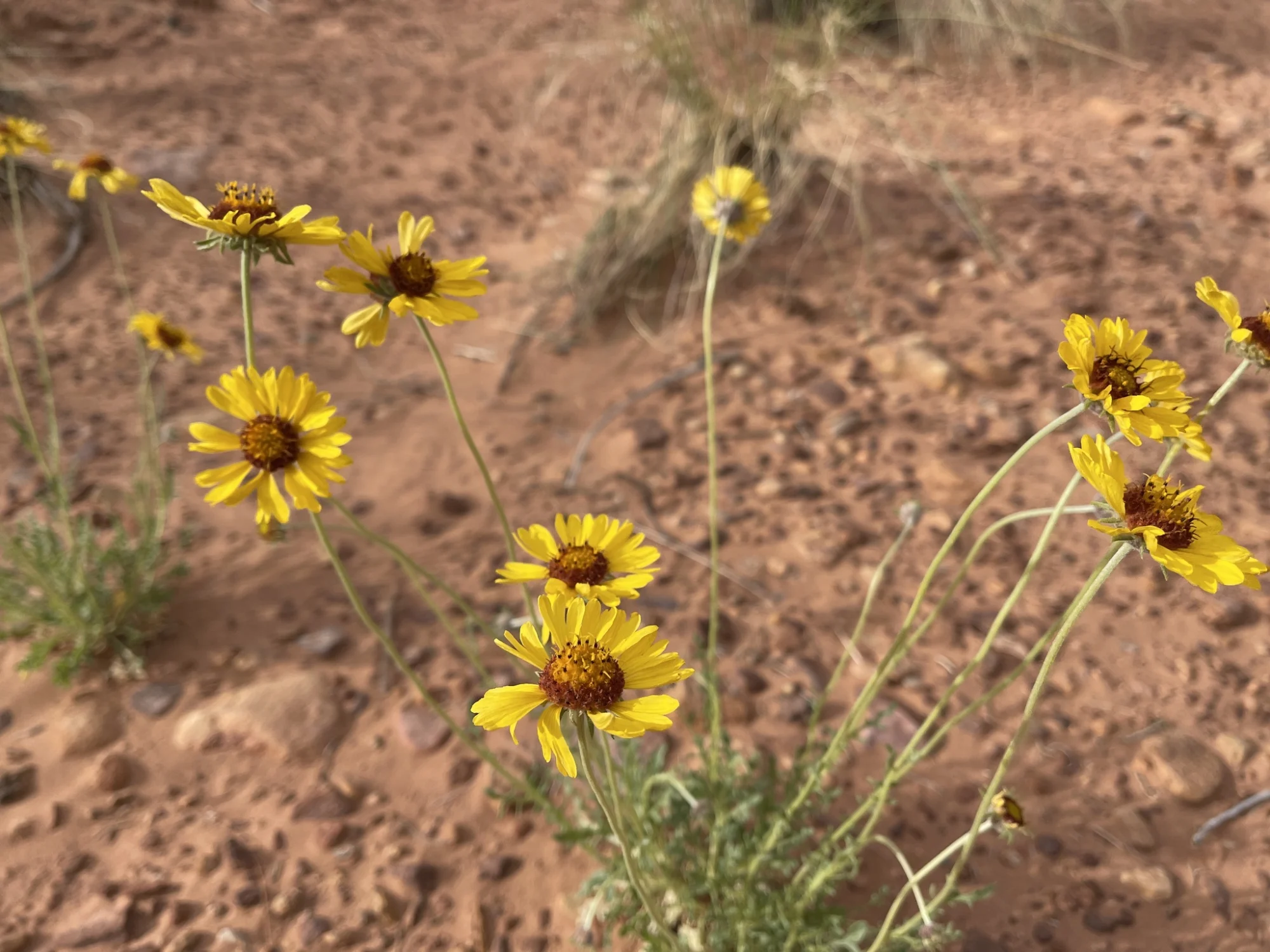
Picture a small yellow daisy with a dark red dome in the middle, like a tiny jewel box on a thin stalk. That’s red dome blanketflower. The flowers sway above deeply cut, gray-green leaves from spring into fall, and the whole plant stays low, usually 4 to 14 inches tall. It’s happy in full sun and sandy, well-drained soil, the dry spot nobody else wants. Bees and butterflies stop by all season. It’s a perennial that comes back year after year, and it looks right at home in a gravel garden or along a sunny path. You don’t need to fuss over it for beauty, year after year.
Is red dome blanketflower right for my yard?
Yes, if…
- You have a hot, sunny spot where the soil drains fast.
- You want a small plant for the front of a bed, a gravel garden, or the edge of a path.
- You want color that comes back every year without replanting.
- You want something for bees and butterflies that doesn’t take over the yard.
- You garden in the Southwest or nearby dry country where it grows wild.
Skip it if…
- Your soil stays soggy or puddles after rain.
- Your yard is shady. This one wants full sun.
- You want a tall, bold plant for the back of the border. This one stays low.
- You live in a humid area outside its range. Check the native range below, and look for a blanketflower that grows wild near you.
Where is red dome blanketflower native?
Native to 7 US states
Sources: NatureServe, Royal Botanic Gardens, Kew (World Checklist of Vascular Plants) and the USDA PLANTS Database, compiled by The Plant Native. How we map native ranges
Small flowers still get noticed.
Why red dome blanketflower matters
Small flowers still get noticed. Red dome blanketflower has special value to native bees, and blanketflowers as a group draw a long list of them, including green metallic sweat bees and bumble bees. Think of it as a snack bar for pollinators that stays open for months, from spring into fall in warmer areas.
At least two moths, the gaillardia flower moth and the painted schinia, have caterpillars that feed on blanketflowers. That makes a patch busier than it looks.
Red dome blanketflower through the seasons
Spring
Gray-green, fuzzy leaves wake up at the base of the plant. The first flowers can open as early as March in warm spots, and by April the show is on.
Summer
This is the main show. Most flowers open from May through July, nodding on thin stalks that move in the slightest breeze. Don’t worry about a messy look: the plant stays small and tufted.
Fall
In warmer areas, flowers keep coming into October. If you want more plants next year, let a few seed heads dry on the plant.
Winter
A quiet patch of ground doesn’t mean you lost it. This is a perennial, and it’s resting. Look for new leaves at the base in spring.
Where red dome blanketflower shines in your yard
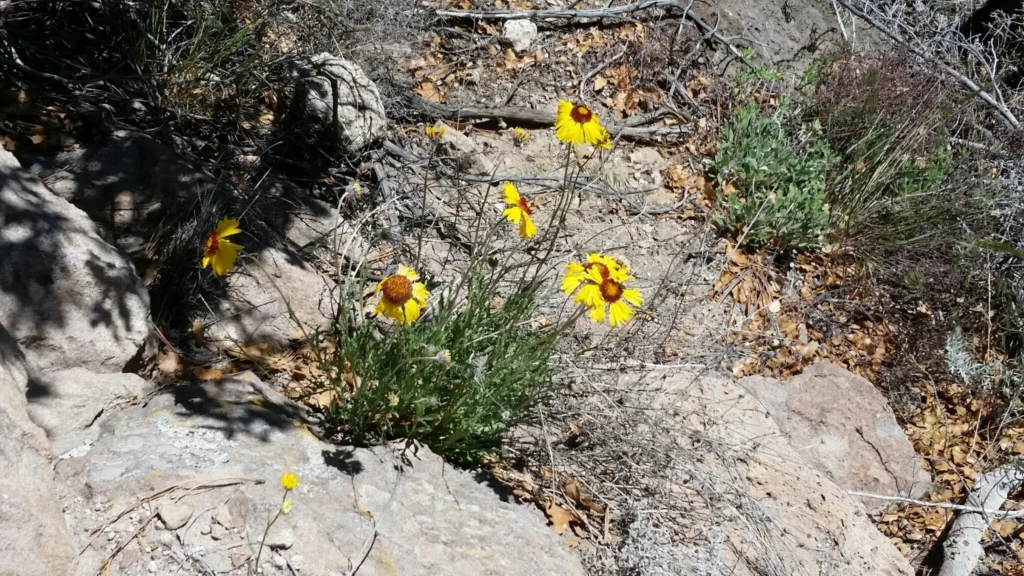
- Gravel or rock garden. It stays small and fits between stones, and it likes sharp drainage.
- The front of a dry border. Thin stalks lift the flowers just above the plants around them.
- A hot strip by the driveway or street. It turns up along roadsides in the wild. A sunny, dry strip is familiar territory.
- A sunny slope. Fast-draining ground is what it wants.
- A pollinator patch. Plant a few together and bees and butterflies will find them.
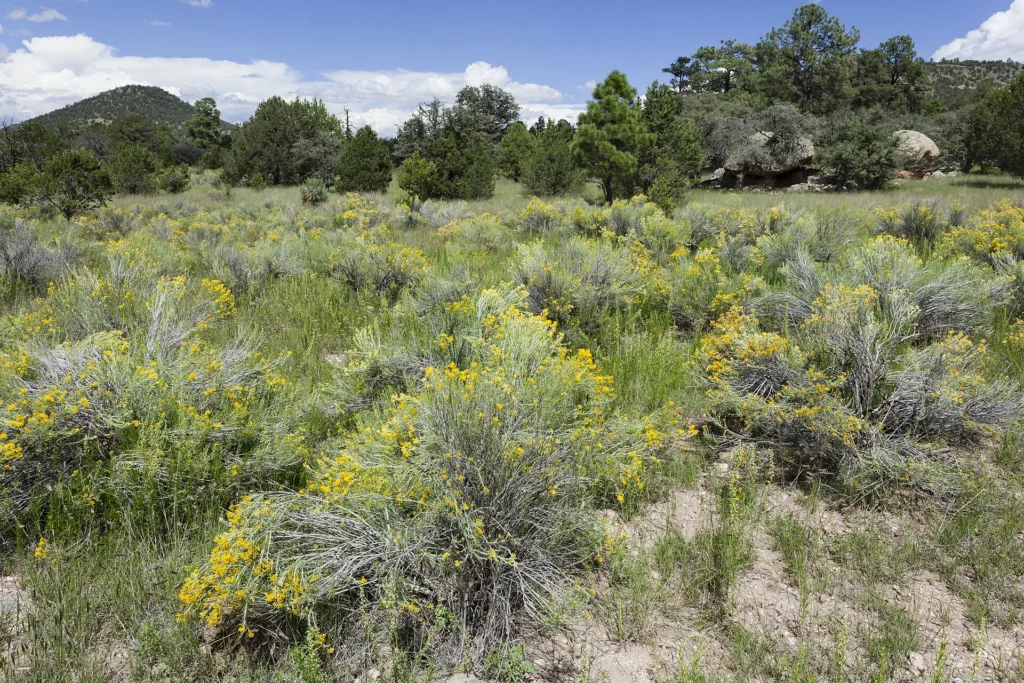
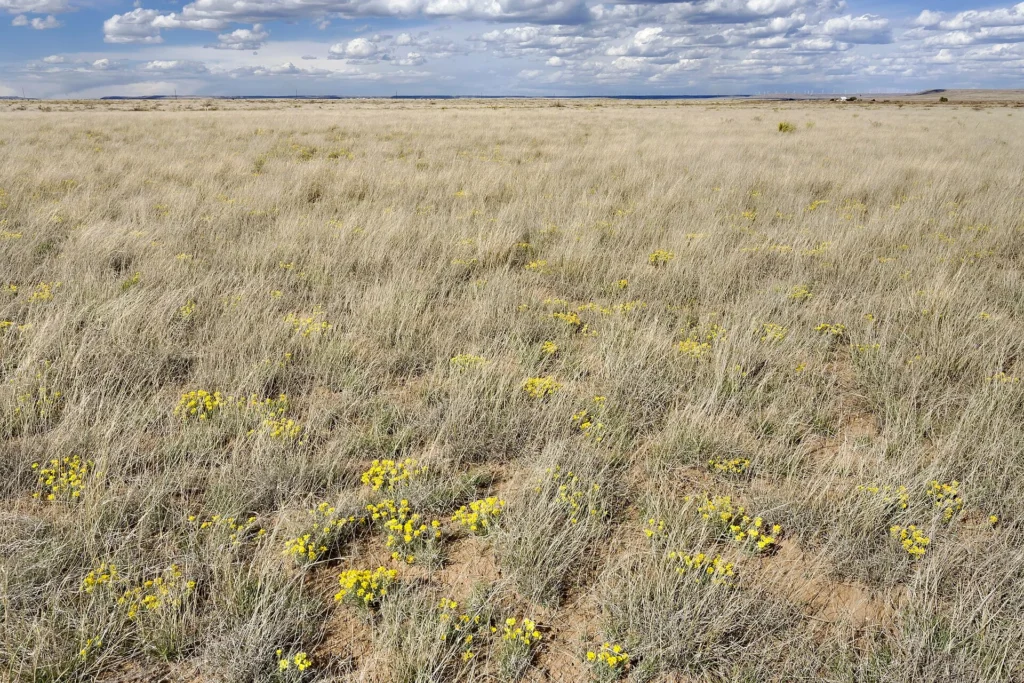
- A grass or meadow mix. In the wild it grows in grasslands and open woods, mixed in with its neighbors.
How to grow red dome blanketflower
Where to plant
Pick a spot with full sun and sandy or other well-drained soil. Skip the low corner where water collects.
When to plant
Sow seed in spring or fall. Seed can be slow and uneven to sprout. Scatter more than you think you need.
Spacing
Plant about 1 foot apart. It stays small, and it forms a tufted clump.
Watering
Give new plants regular water while they settle in. After that, too much water is a bigger risk than too little, because soggy roots can rot.
Planting card
Gaillardia pinnatifida
The trickWater new plants while they settle in, then back off: soggy roots rot.
What to plant with red dome blanketflower
Pair it with other plants that want full sun and dry, fast-draining soil.:


Where can I buy red dome blanketflower?
Ask a native plant nursery for red dome blanketflower and check the tag for Gaillardia pinnatifida, because “blanket flower” is a nickname plenty of plants share. Many plants sold under that name are showy hybrids; the botanical name is the ID.
Potential challenges
Wildlife nibbling. Deer ratings haven’t been confirmed for red dome blanketflower itself. A close relative, blanket flower (Gaillardia aristata), is listed as deer resistant. For the blanket flower group in Arizona, most reports say rabbits (86%) and javelina (75%) leave it alone, and all reports for elk say the same, though only two reports exist. About one in six reports shows serious javelina damage. Javelina are the wild card where they roam. Ratings for ground squirrels and packrats haven’t turned up.
Wet feet. Soggy soil is the quickest way to lose it. Overwatering and poor drainage cause root rot in blanketflowers, and heavy soil can keep them from surviving winter.
Spreading and seedlings. Red dome blanketflower stays a small clump, though some plants creep by underground stems. Other blanketflowers reseed readily and can get weedy. Clip spent flowers if you want fewer seedlings.
Fuzzy leaves. The hairs on blanketflowers can irritate skin. Wear gloves if you have sensitive skin.
A note on cultivars and relatives
No cultivars of red dome blanketflower are listed. The two blanketflowers you’ll see for sale most are different plants: G. aristata is a perennial of the northern plains, Rocky Mountains, and inland Northwest, and Indian blanket (G. pulchella) is an annual found from Arizona across the southern plains to Florida. Outside dry regions, blanketflowers are often annuals or short-lived perennials.
Within red dome blanketflower, one variety, G. pinnatifida var. linearis, has narrow leaves and grows mainly in Arizona. Some Utah plants have yellow centers and are sometimes treated as their own species, G. flava. If you want showy, oversized flowers, those belong to hybrids. Skip them if native is the goal.
FAQs
Do Gaillardia flowers come back every year?
Yes, red dome blanketflower (Gaillardia pinnatifida) is a perennial that returns each year. Some blanketflowers sold in stores are annuals or short-lived, such as firewheel (G. pulchella). Read the tag.
Do Gaillardia plants spread?
Red dome blanketflower stays a small, tufted clump, though some plants creep by underground stems. Other blanketflowers reseed readily and can get weedy. Clip spent flowers if you want fewer seedlings.
Where is the best place to plant Gaillardia?
Plant it in full sun with sandy or other well-drained soil. Think gravel garden, sunny slope, or the hot strip along a driveway, the kind of spot it picks for itself along roadsides in the wild.
What’s the difference between coreopsis and blanket flower?
Blanket flower petals end in three small lobes, while lanceleaf coreopsis (Coreopsis lanceolata) petals have notched tips and its leaves grow in opposite pairs. Red dome blanketflower also has a purplish-red center, where lanceleaf coreopsis has a yellow one.
What are some good companion plants for Gaillardia?
Pair it with other sun-lovers that like dry, well-drained soil, such as desert marigold and blackfoot daisy. Both keep blooming for months. The color won’t stall when the blanketflower takes a break.
Will deer eat red dome blanketflower?
Deer are unlikely to bother blanketflowers, though that rating is for a close relative and hasn’t been confirmed for red dome blanketflower. In Arizona ratings for the group, most reports say rabbits and javelina leave it alone, but about one in six javelina reports shows serious damage.
Plant nerd fact
Why “blanket”?
Nobody agrees on why it’s called blanketflower. One story says the red, orange, and yellow bands look like blankets woven by Native peoples of the Southwest. Another says it’s the way the plants spread across the ground like a blanket. Red dome blanketflower is reputed to have been used by Southwest Indigenous peoples to treat gout.
Red dome blanketflower is a small plant that blooms like it has something to prove. Tuck a few into the sunniest, driest corner you have, and native bees will find them and keep coming back for months. The same plants return every year, so you plant once and get the show on repeat. Add a neighbor or two from the list above and let them fill in. Sun and good drainage are about all it asks, so you’ve got this. For more ideas, see our guide to Southwest native plants. Happy planting!
Sources
- Arizona-Sonora Desert Museum. “Gaillardia.” Accessed October 24, 2026.
- Flora of North America. “Gaillardia pinnatifida.” Accessed October 24, 2026.
- Kew Plants of the World Online. “Gaillardia flava Rydb.” Accessed October 24, 2026.
- Lady Bird Johnson Wildflower Center. “Gaillardia aristata (Common Gaillardia).” Accessed October 24, 2026.
- Lady Bird Johnson Wildflower Center. “Gaillardia pinnatifida (Red Dome Blanketflower).” Accessed October 24, 2026.
- NatureServe Explorer. “Search Results.” Accessed October 24, 2026.
- NC State Extension. “Blanket Flower (Gaillardia aristata).” Accessed October 24, 2026.
- NC State Extension. “Coreopsis lanceolata.” Accessed October 24, 2026.
- Oklahoma State University Extension. “Blanket Flower.” Accessed October 24, 2026.
- The Plant Native. “Blackfoot Daisy: A Low-Water, Honey-Scented Native for Sun.” Accessed October 24, 2026.
- The Plant Native. “Desert Marigold: Low-Water, Months-Long Color for Southwest Yards.” Accessed October 24, 2026.
- University of Arizona Cooperative Extension. “Elk Plant Resistance Ratings.” Accessed October 24, 2026.
- University of Arizona Cooperative Extension. “Gaillardia pinnatifida (red dome blanketflower).” Accessed October 24, 2026.
- University of Arizona Cooperative Extension. “Javelina Plant Resistance Ratings.” Accessed October 24, 2026.
- University of Arizona Cooperative Extension. “Rabbit Plant Resistance Ratings.” Accessed October 24, 2026.
- University of Missouri Extension. “Blanket Your Flower Beds with Colorful Gaillardias.” Accessed October 24, 2026.
- USDA PLANTS. “USDA Plants Database Plant Profile General.” Accessed October 24, 2026.
- Xerces Society. “Plants for Pollinators: Blanketflower.” Accessed October 24, 2026.
Similar plants
-
 Desert Globemallow
-
 Desert Sand Verbena
-
 Desert Marigold
-
 Goodding’s Verbena
-
 Blackfoot Daisy
-
 California Fuchsia
-
 Firewheel
-
 Antelope Horns Milkweed
-
 Bladderpod
Updated Find more: Red Yellow Flower Spring Summer Fall Full Sun Dry Drought-Tolerant Host Plant
The ads on this site help pay real native plant nerds to research and write these guides.
Garden notes
Notes from people who’ve grown it
Tips, wins, and the occasional disaster. If you’ve grown red dome blanketflower, share the advice you’d give to a neighbor.
No notes yet. Yours could be the first.
Grown red dome blanketflower? Tell the next person what you wish someone had told you.
Tap anywhere to close


