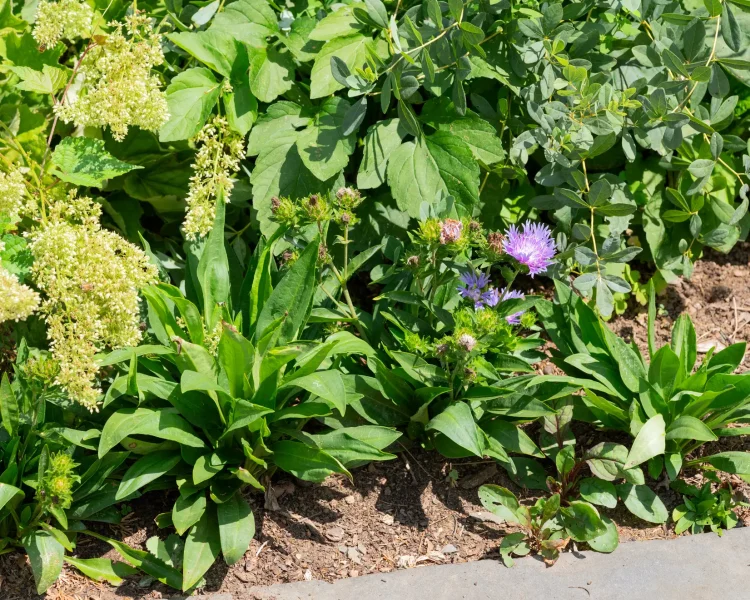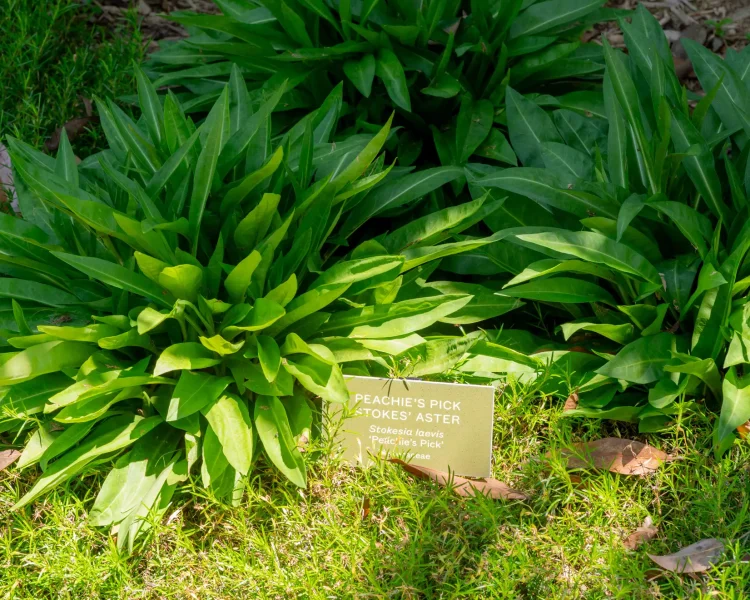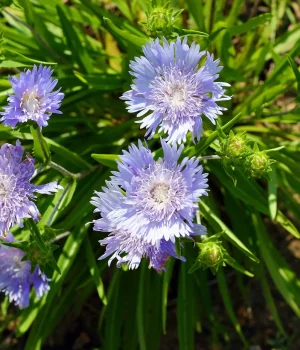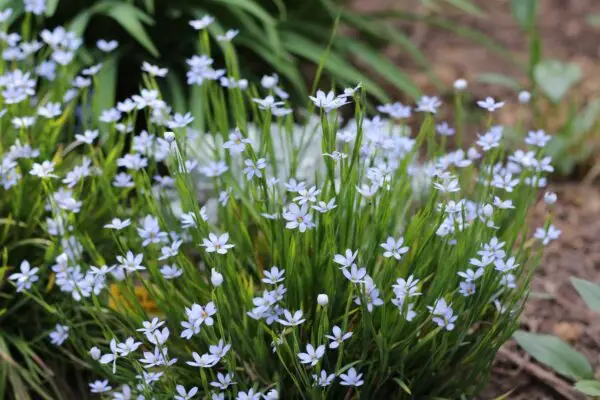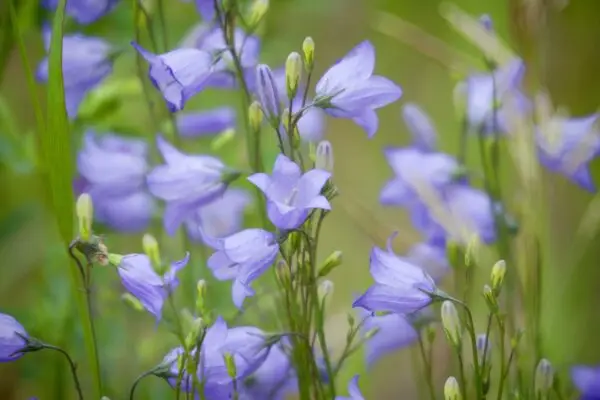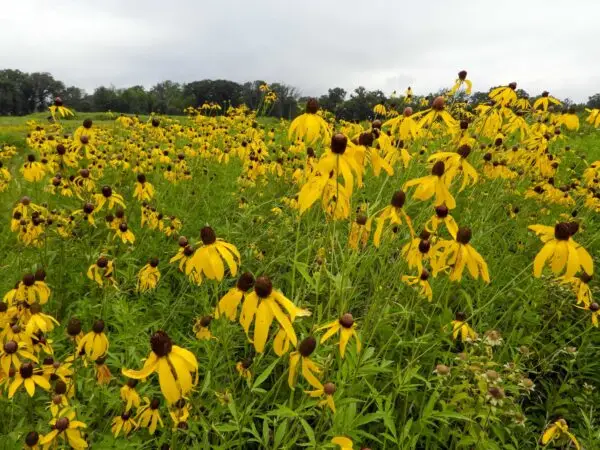

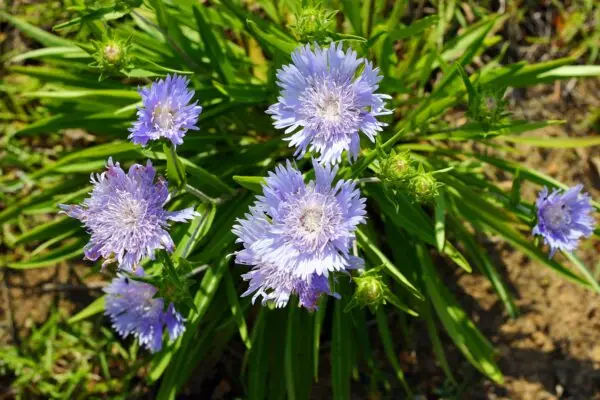
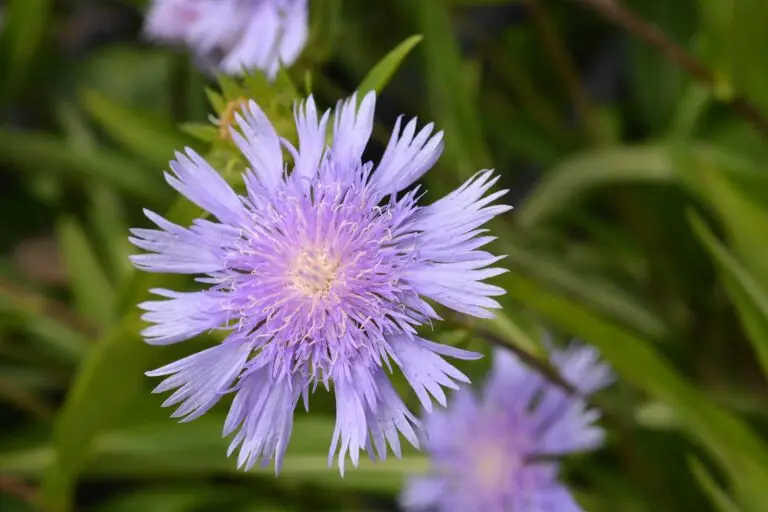
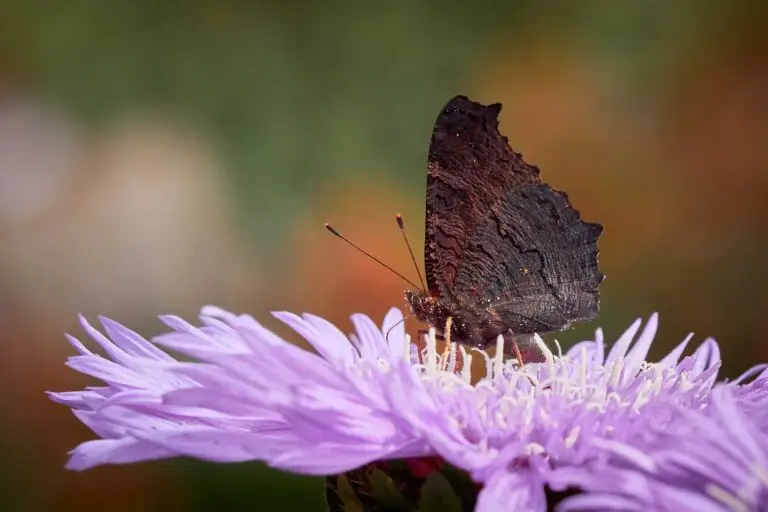
This is one of those flowers that makes you want to learn how to draw or watercolor. Stokes aster fills its short greenery with purple pinwheel flowers from summer to fall. The flowers look cut out of tissue paper and glued together with tweezers. You may need to shoo the pollinators away to get a good picture—these native flowers are bee magnets. Stokes asters are easy to grow and sometimes found at big-box nurseries. Scroll on for planting tips.
What are the benefits of growing Stokes aster?
There are so many benefits to having Stokes aster in your landscape, including:
- Super low maintenance. Stokes aster needs minimal care to thrive.
- Comes back year after year. This is a perennial, or a plant that comes back year after year from the same roots. So plant once and enjoy for years!
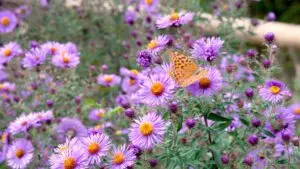
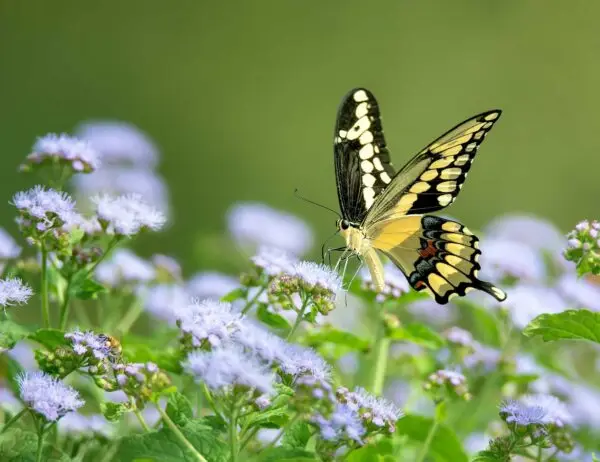
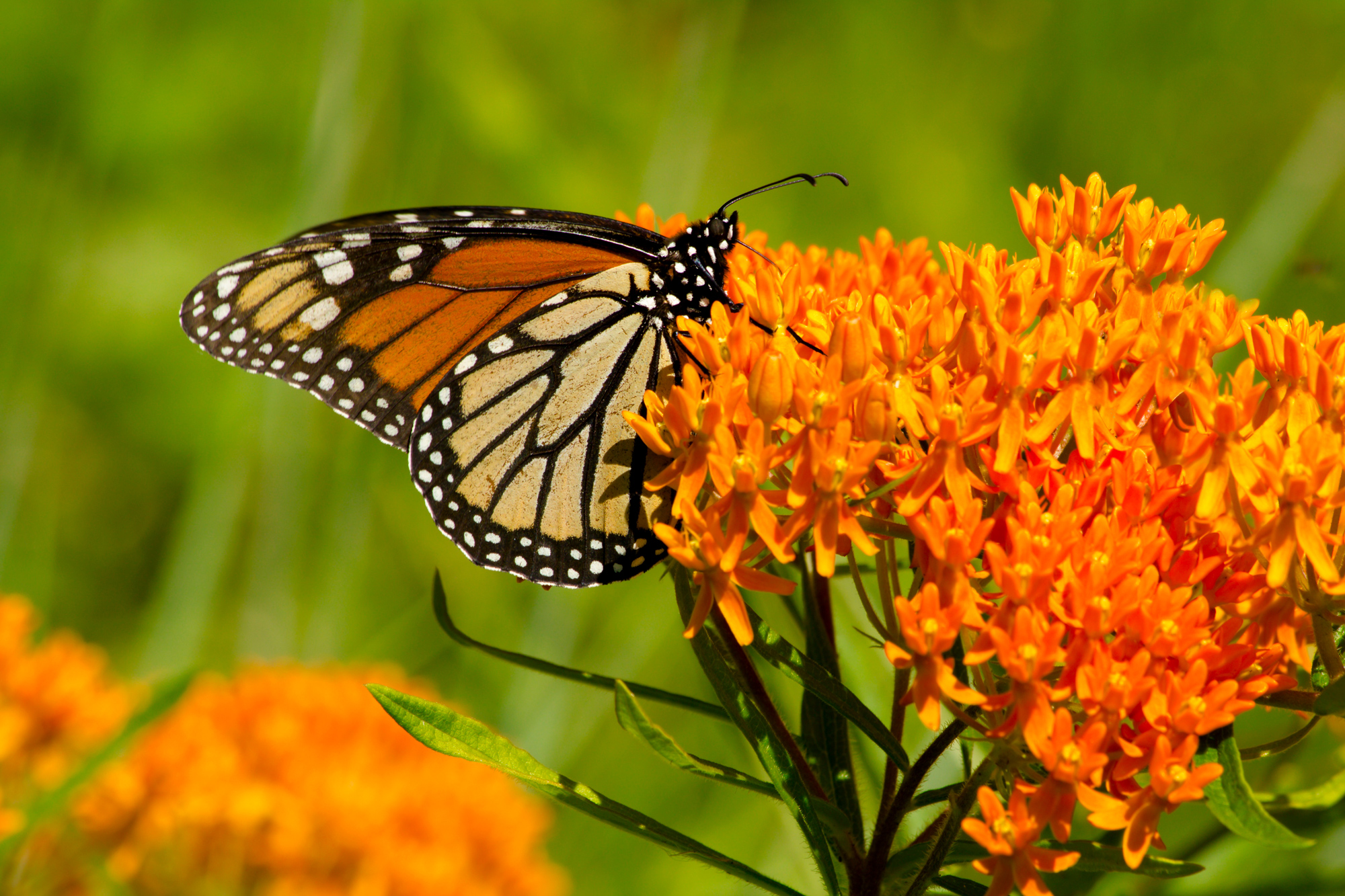
- Pollinator magnet. It’s hard to see a Stokes aster in bloom and not see it covered in bees and butterflies. Its wide and bright flowers are perfect landing pads for iconic creatures to hang out on.
- Drought-tolerant. After Stokes aster is established (it normally takes the first year), this plant can handle the heat of the South.
- Gorgeous flowers. Beauty matters! A gorgeous landscape with native flowers lifts spirits. Plant a patch of Stokes aster and see for yourself.
- EVERGREEN in the South! Leaves stay on and green in warmer climates.
New to native?
Before lawns and landscaping, native plants were here. They’ve fed birds, bees, and butterflies for thousands of years—and they’ll do the same in your yard. The best part? They’re easier to grow than you think.
How do you grow Stokes aster?
Stokes aster is one of the most easy native plants to grow. It likes:
- Full sun to part shade. This wide range of sun means as long as it’s not in full shade, you’re good to plant.
Where is Stokes aster native?
Stokes aster is native to the Southeastern United States. Due to climate change, this native flower now thrives in the Mid-Atlantic region, too.
Oklahoma State Gardener Extension has a quick overview of how to use it in landscaping along with some cultivar options:
Where Stokes aster shines in your yard
Since this is a short native plant, it’s perfect for borders and edging. Pair it with other natives that are taller to create a stunning pollinator-friendly native garden. Here are some gardening ideas:


Who is Stokes? Why is this plant named Stokes aster?
Jonathan Stokes was a doctor active in the late 1700s-1800s in England. He is known for his pioneering research using plants for medicinal reasons (he was celebrated for finding ways foxglove could help with heart ailments.)
As you can imagine, Stokes was a well-respected member of both the medical and botany communities in Europe. This was when botanists first assigned plants Latin names and organized them into taxonomies, often choosing names after luminaries of the era. This plant’s Latin name, Stokesia, was bestowed in honor of Dr. Stokes’s work.
Over the years, the Latin name and the story behind it became the common name Stokes aster. However, Dr. Stokes never set foot in North America, where this plant is native.
Where can I find Stokes aster seeds or plants?
This native flower has recently been spotted at some big-box nurseries. However, make the search for this native gem easy and stick with one of the native-friendly options found below:
Where can I find seeds and plants?
Finding native plants can be challenging (we partly blame Marie Antoinette.) To make it easier, we’ve assembled four sourcing ideas.
300+ native nurseries make finding one a breeze
Explore 100+ native-friendly eCommerce sites
Every state and province has a native plant society; find yours
Online Communities
Local Facebook groups are a great plant source
What are good pairings for Stokes aster?
Pair with other acid-loving friends
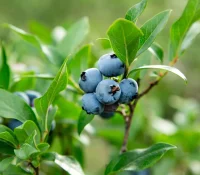
As mentioned earlier, Stokes aster likes acidic soil. There are lots of other native plants that also enjoy this type of environment—including edible native plants like highbush blueberries!
Plant with natives that bloom at different times
Pair Stokes aster with other flowers that bloom at different times, so that pollinators always have something to snack on (and you’ll always have something to look at!) Good pairings include:

Pairs well with
And now you know how to plant Stokes aster! It’s an easy plant to grow and love, thanks to its low-maintenance (or no-maintenance, after it’s established). Because it’s a perennial, you can plant it once and enjoy it year after year. It spreads by seed, so it can easily fill a space throughout a few seasons, too. Enjoy the pollinators tumbling into Stokes aster’s blooms in the fall and feel good knowing you’re giving migrating butterflies (like monarchs!) food as they make the journey down south. Stokes aster is a no-brainer to add to your southern or Mid-Atlantic garden. Since we mentioned butterflies, can we recommend visiting the Best Native Plants for Butterflies next? Happy planting!
Sources
- Ladybird Johnson Wildflower Center, Stokes’ Aster
- USDA Plant Profile, Stokes’ Aster
- Nelson, Gil. Best Native Plants for Southern Gardens: A Handbook for Gardeners, Homeowners, and Professionals, (2010).
- Harstad, Carolyn. Go Native! Gardening with Native Plants and Wildflowers in the Lower Midwest. (1999), 209-210.