





Highlights
Long before daffodils start to pop, branches of blooming pussy willows are the first harbingers of spring on its way. But what are these really, and are there versions native to the U.S.? Read on to learn more about this distinctive plant and how to grow your own pussy willows for decoration and pollinator support.
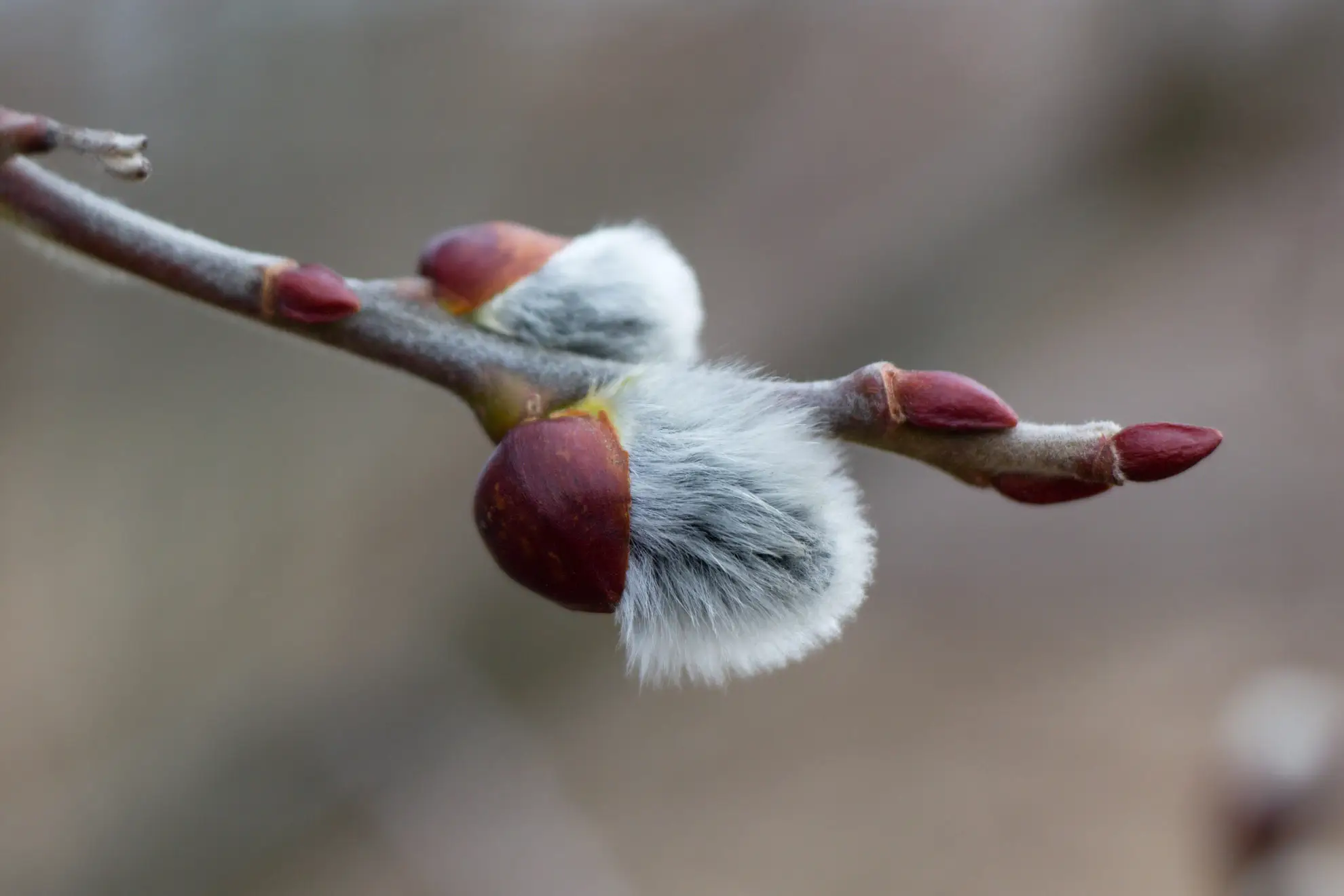
What is a pussy willow?
A pussy willow is a generic term for any willow that produces silky, fuzzy pads in early spring that feel as soft as a cat’s paw.
There are dozens of species of willow and they all produce something similar, but three species are known in particular for having the biggest, most distinctive pads:
- Asian goat willow (Salix caprea)
- European grey willow (Salix cinerea) and…
- American pussy willow (Salix discolor)
Meet the American pussy willow
American pussy willows, known by the Latin name Salix discolor if you want to be precise, are native to much of the northern U.S. They are not like the weeping willows you see in gardens and pictures; like most species of American willows, pussy willows are somewhere between a shrub and a small tree, growing 6 to 25 feet tall if not cut back.
What are the benefits of planting native pussy willows?
We aren’t the only species that likes pussy willows; by opening early, they provide a key source of nectar for native bees and pollinators, including rare and endangered native species. In fact, willows are considered a keystone plant species in almost every state. And one more big reason:
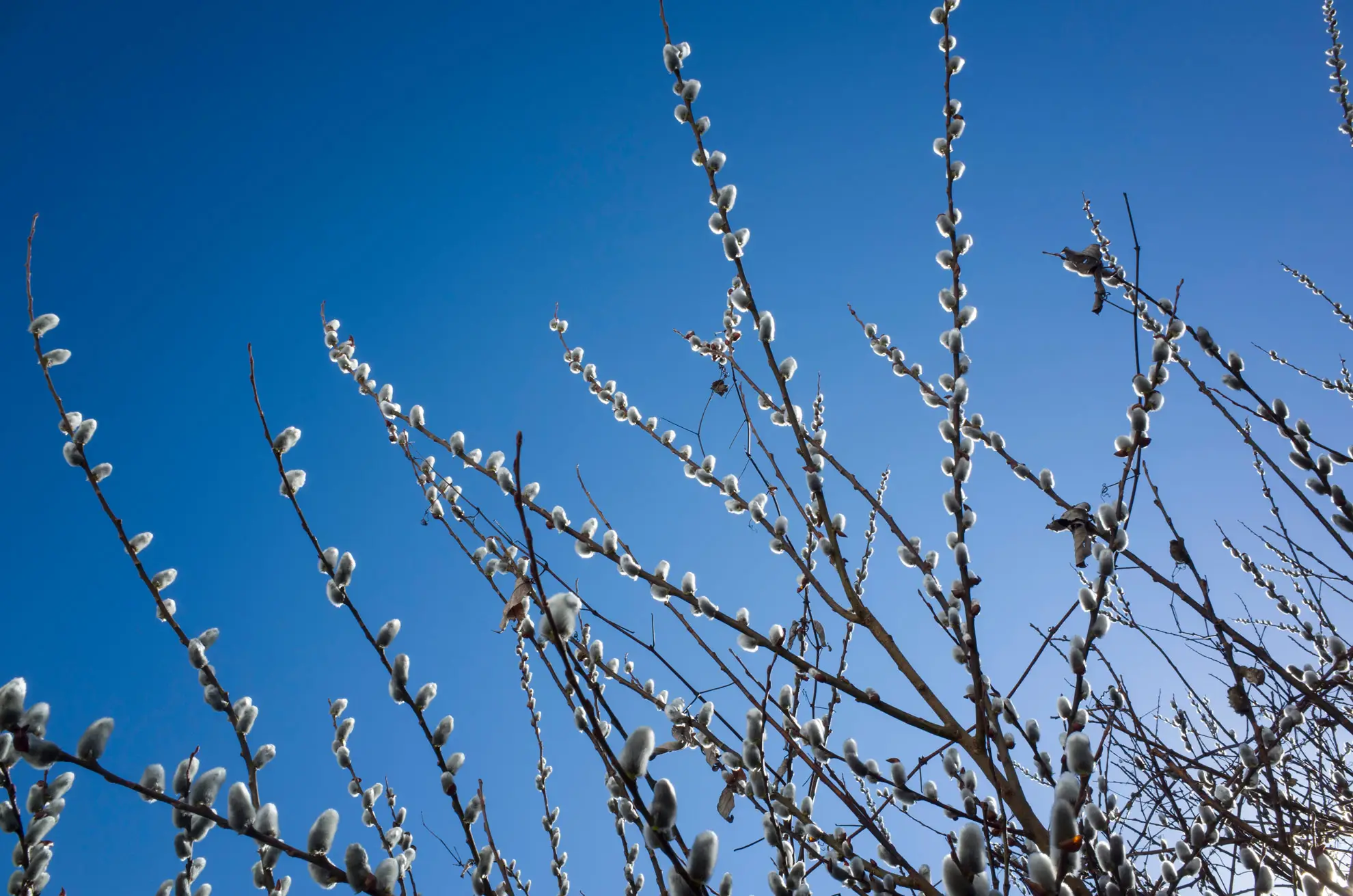
The technical term for the soft gray pads on pussy willows is catkins! It’s a translation from the Dutch kattkens, meaning ‘little cats.’
How do I grow pussy willow?
Willows are incredibly easy to grow. If you have an area with medium to wet soil and full sun, you can have plenty of willows for vases in no time. (On the flip side, this also means they tend to sucker and spread if you don’t keep an eye on them.)
Check the Latin name to plant native
There are both native and non-native pussy willows, so check for the Latin name, Salix discolor, to make sure you’re getting the American kind. (Feeling overwhelmed by Latin names? Here’s a quick Latin naming overview to help build your confidence.)
Pussy willow trees can be male or female, and the male trees have the large, silky gray pads that you see most often in ornamental uses. The female versions are smaller and more green than gray. (If you are buying a plant from a native nursery, they should be able to tell you which is which.)
Where is American pussy willow native?
Native to 27 US states
Sources: NatureServe, Royal Botanic Gardens, Kew (World Checklist of Vascular Plants) and the USDA PLANTS Database, compiled by The Plant Native. How we map native ranges
Should pussy willows be pruned?
If you really love having branches of pussy willows, cut the bushes back to the ground after they bloom every year or every few years. They’ll rapidly grow back and bloom next year. (If you don’t cut them back, they’ll eventually get 20+ feet tall, and it’s hard to appreciate the blooms all the way up there—plus the smaller, year-old branches have the best catkins.)
Willows are so easy to propagate
If you want more pussy willows quickly or want to share them with a friend, you can literally cut a length from a willow, stick it in the ground, and it will grow up into a willow.
One cautionary note: Willows love water, so it’s advised not to plant them near sewer lines or water pipes, as their roots may invade your pipes in search of water.
Little catkins
Want to hear and see something cute? The technical term for the soft gray pads on pussy willows is catkins! It’s a translation from the Dutch kattkens, meaning ‘little cats.’ So we’re not the only ones that see the similarities.

When do pussy willows bloom?
Willow branches will start to develop the catkins in late winter or early spring. Keep an eye on them and when they’re just at the size you like, cut long branches and bring indoors. Remove any leaves or other stray debris.
I’ve seen pussy willows sold with the little furry catkins in the winter; can I make mine bloom?
If you’re desperate for spring, you can also “force” (terrible name, we know) pussy willows to bloom early indoors. Wait until you’ve had at least 8 weeks of cold temperatures so the trees have had time to develop the catkins. Anytime between then and spring, you can cut branches 1 foot or longer and put them in water. Keep them in a cooler area away from bright light or sunlight.
After two to five weeks, the pussy willows will start to open. At that point, you can bring them to a brighter area for display. (You can also do this with branches of other native spring blooming trees, like serviceberry, hawthorn, witch hazel, or redbud!)
Planting card
Salix discolor
What can I do with pussy willows?
To dry pussy willow branches, just place them in a vase without water and they’ll dry out on their own and keep for months. Make sure they’re not too crowded so air can circulate.
Once they’re dry, you can keep them in vases, or make them into wreaths, centerpieces, floral arrangements, or even baskets.
On the other hand, if you put the branches in a vase with water, the catkins will continue to progress through their bloom stages like they normally would outside—turning fuzzy with little green stalks. Eventually, they will develop roots, and you can plant them straight in the ground if you like.
Other uses for pussy willows:
- Shore up a creek or river. Willow trees are excellent used to shore up an eroded streambank; their roots form a dense network that holds earth in place.
- Weave the branches into baskets. Willow branches are strong yet flexible. For millennia, people have woven them into stunning baskets of all different shapes and sizes.
- Make DIY rooting hormone. Willows naturally have lots of a chemical called rooting hormone, which can help you propagate houseplants from cuttings. To make your own rooting hormone, make “willow water” by sticking lots of willow branches in water and letting it sit for a few weeks. Then use that same water to root cuttings of pothos or other plants.
- Create living art! Over time and space, people have made willows into incredible living structures. You might be interested in making a “fedge” (fence + hedge), which is a centuries-old art in many northern countries. But you can also make a living wall, tunnel, chair, or fanciful sculpture.
Plant nerd fact
Pussy willows are celebrated around the world
Because willows grow so widely, and show up at that pivotal point in early spring when we’re all starving for something fresh, they have made their way into celebrations and ceremonies all around the world. For example, pussy willows often appear in decorations for Lunar New Year, and they’re often used in place of palms for the Christian Palm Sunday holiday in northern European countries.

American pussy willow through the year
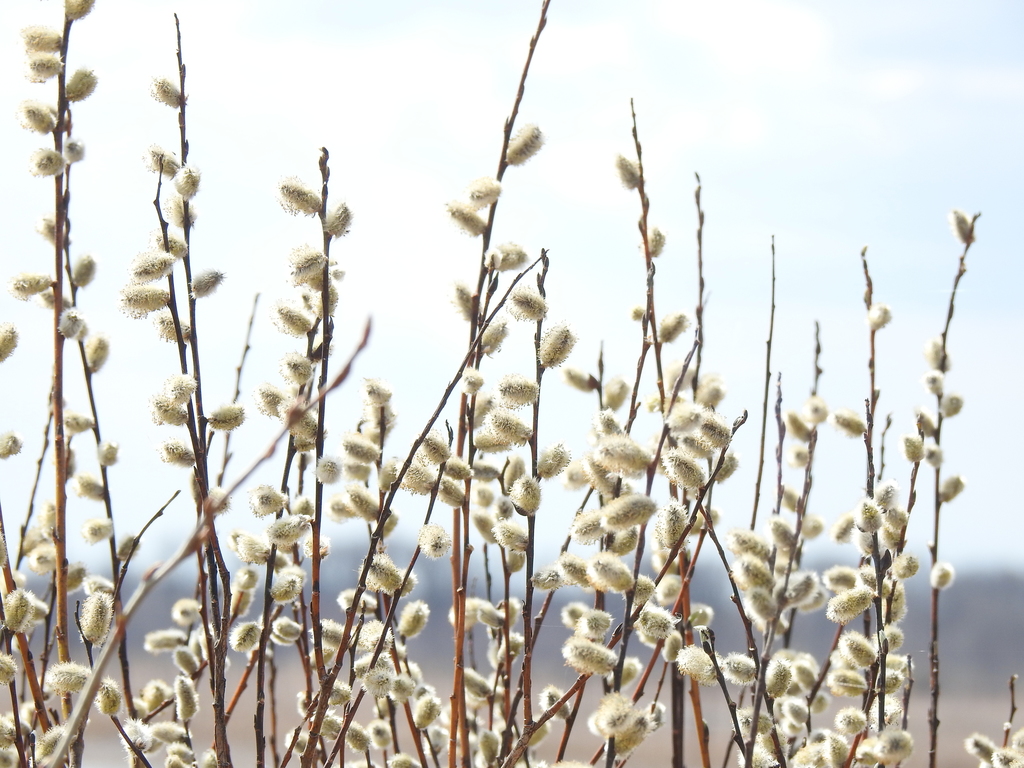
Spring
Liren Varghese · iNaturalist · CC BY · cropped
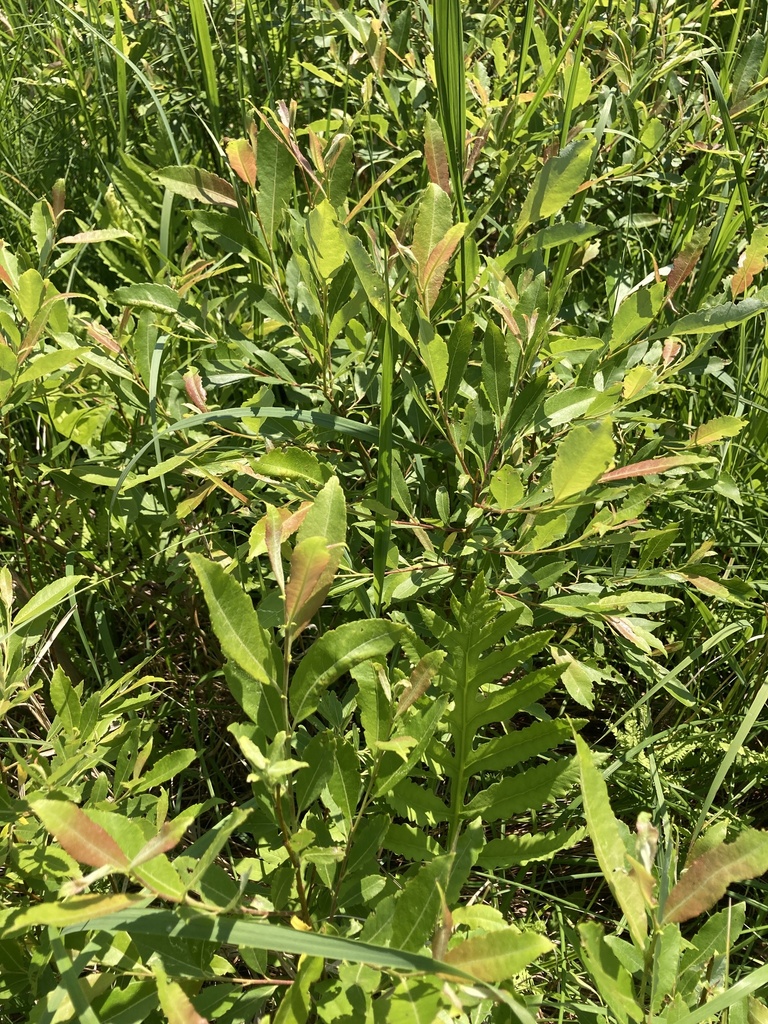
Summer
Jaime McGuigan · iNaturalist · CC BY · cropped
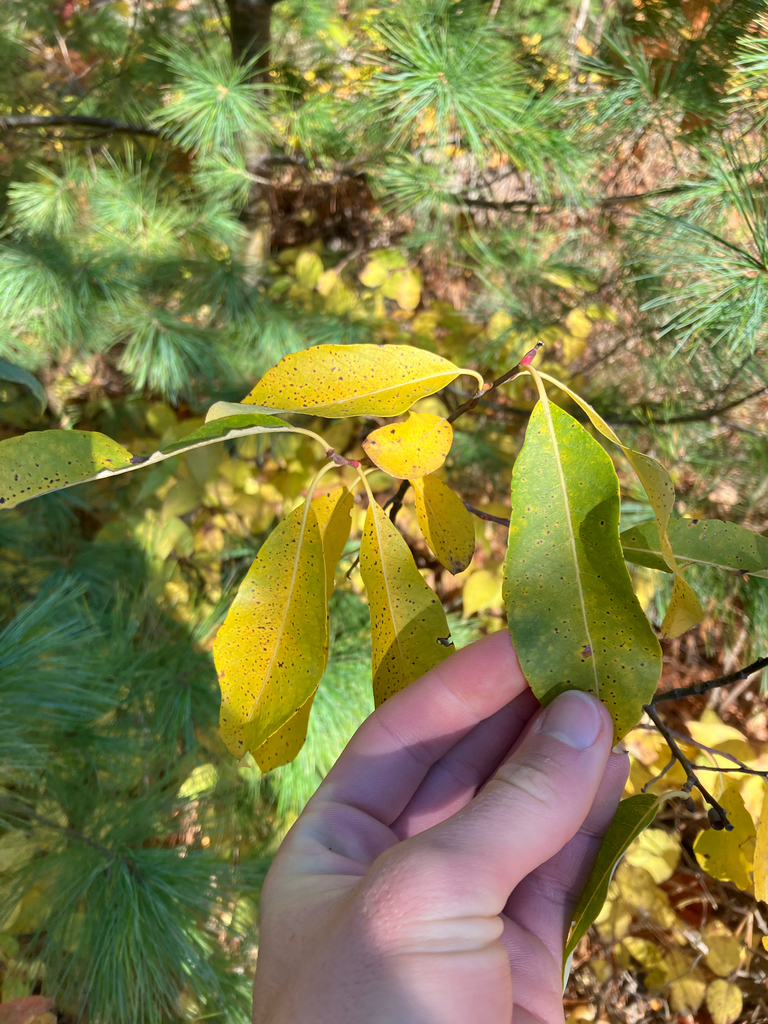
Fall
Charlie O'Brien · iNaturalist · CC0
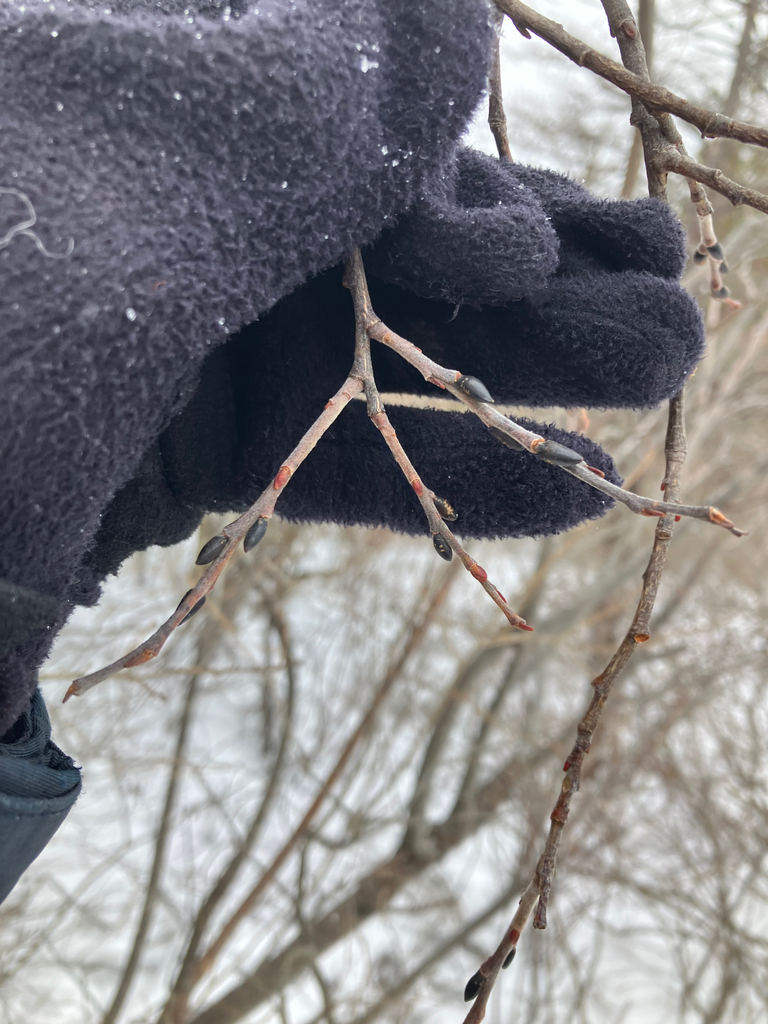
Winter
Charlie O'Brien · iNaturalist · CC0
What are good pairings for native pussy willows?
Pussy willows like consistent moisture (in nature, you’ll find them along streams, lakes, and ponds). Pair with other native plants that thrive in this environment, such as Joe Pye weed and cardinal flower.


Where can I buy native pussy willows?
We are not going to lie and say that finding an American pussy willow is going to be as simple as driving to your closest plant nursery. It might take a little extra energy to find this native gem, but it is worth it! Here are some recommendations for sourcing this native plant:
We hope you’ve enjoyed learning about native pussy willow and its many uses. If you have a wet area that works well for willows, check out other native plants for a rain garden. Or learn about strange, crazy, and beautiful native plants. Or explore 100+ native plant profiles, made for your region and yard. Happy planting!
Sources
- The Laidback Gardener, “Pussy Willows: The First Flowers of Spring!?”
- A Way to Garden, with Margaret Roach. “Creating living willow structures, with Michael Dodge.”
- Brooklyn Botanic Garden, “What Are Pussy Willows, Anyway?”
- North Carolina Extension, Salix (Willow)
- Missouri Botanical Garden, Salix discolor
- Michigan State Extension, “Bring a bit of spring indoors during the winter.”
- Ratinon, Claire. “Want to help young plants grow? Simply soak them in ‘willow water’.” The Guardian, April 21, 2023.
- Penn State Extension, Live Staking for Stream Restoration
- Vermont Willow Nursery, top uses of willow
Similar plants
-
 American Plum
-
 Highbush Blueberry
-
 Red Twig Dogwood
-
 Viburnums
-
 Roses
-
 Ninebark
-
 Buttonbush
-
 Spicebush
-
 Arrowwood Viburnum
Updated Find more: White Flowering Shrub Keystone Shrub Spring Full Sun Rain Garden Moist
The ads on this site help pay real native plant nerds to research and write these guides.
Garden notes
Notes from people who’ve grown it
Tips, wins, and the occasional disaster. If you’ve grown American pussy willow, share the advice you’d give to a neighbor.
No notes yet. Yours could be the first.
Grown American pussy willow? Tell the next person what you wish someone had told you.
Tap anywhere to close


