





Highlights
What a fun, bright, and strong prairie flower. Prairie coneflower puts firework-like flowers at the top of thin green stems—perfect pollinator landing pads. After the first year of getting established, these native flowers can take it all: heat waves, frosts, drought, or flooding. This resilient and beautiful native flower is best planted in groups and gets tall (up to 5′.) Scroll on for planting tips.
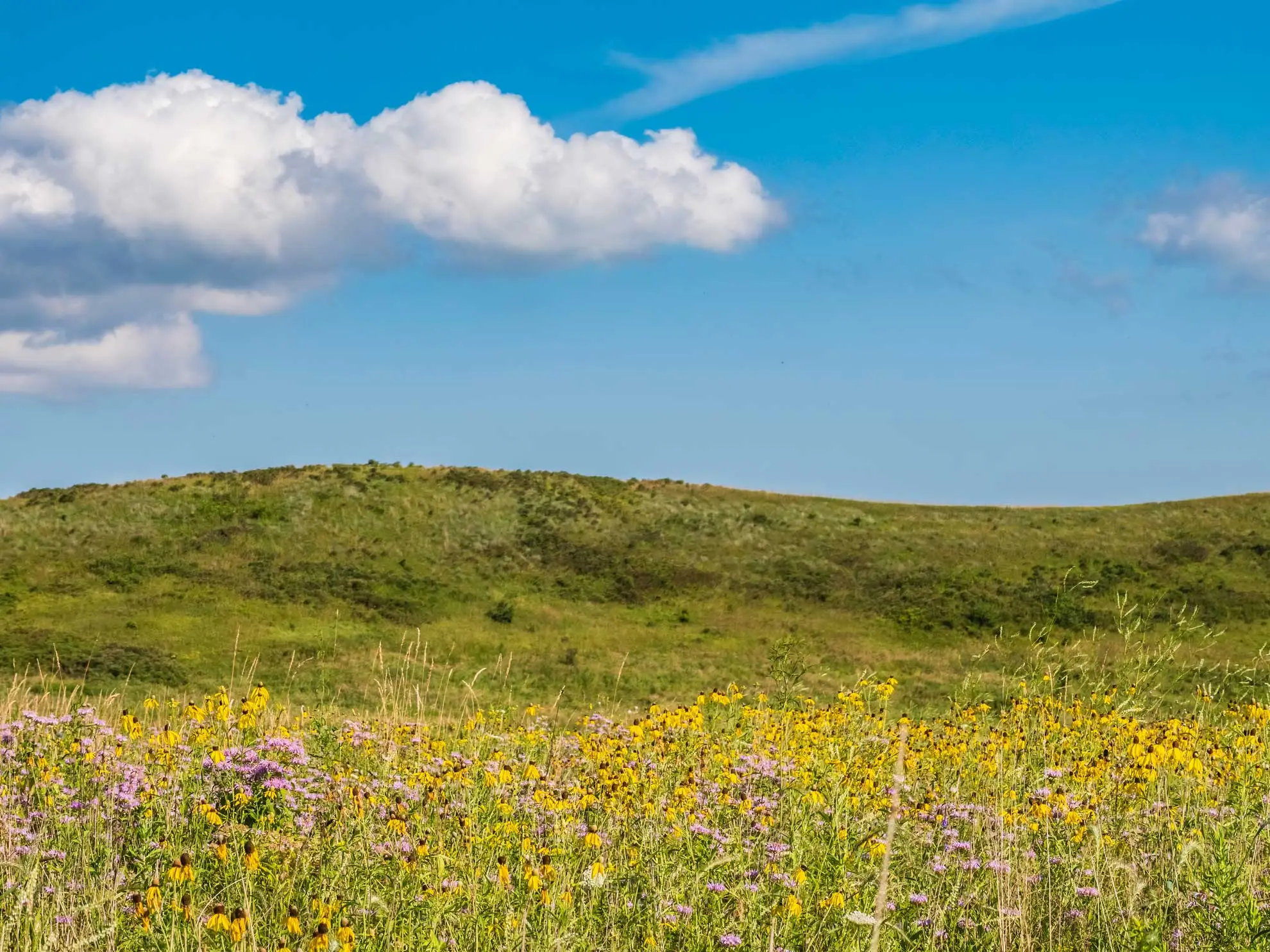
Prairie coneflowers are one of several plants that include the ‘coneflower’ common name. Our Beginner’s Guide to Native Coneflowers lists more. All of these native flowers offer beauty, resilience, and pollinatory support. In this article, we’ll focus on the names and benefits, and share a few sourcing ideas for prairie coneflower.
Let’s start with this native flower’s many nicknames, so you can easily find it for your garden.
Prairie coneflowers are perennials, meaning plant once and they can last for years and years.
Prairie coneflower goes by many names
This species of coneflower has many common names, which are names given by the generations before. Common names for this plant include grayhead coneflower, gray-headed coneflower, Grayhead Mexican Hat, Gray-headed Mexican Hat, Pinnate Prairie Coneflower, yellow coneflower, and drooping coneflower.
Whew.
Yes.
All those names for the same plant.
You can already see how all these different names get confusing, fast. This is one reason why singular Latin botanical names were invented (every plant has only one Latin name.) To be sure you’re looking at the right plant, look for the Latin name Ratibida pinnata.
Because that’s an absolute mouthful, we are going to call this plant prairie coneflower here. (And no, you don’t need to learn Latin to get into native plants!)
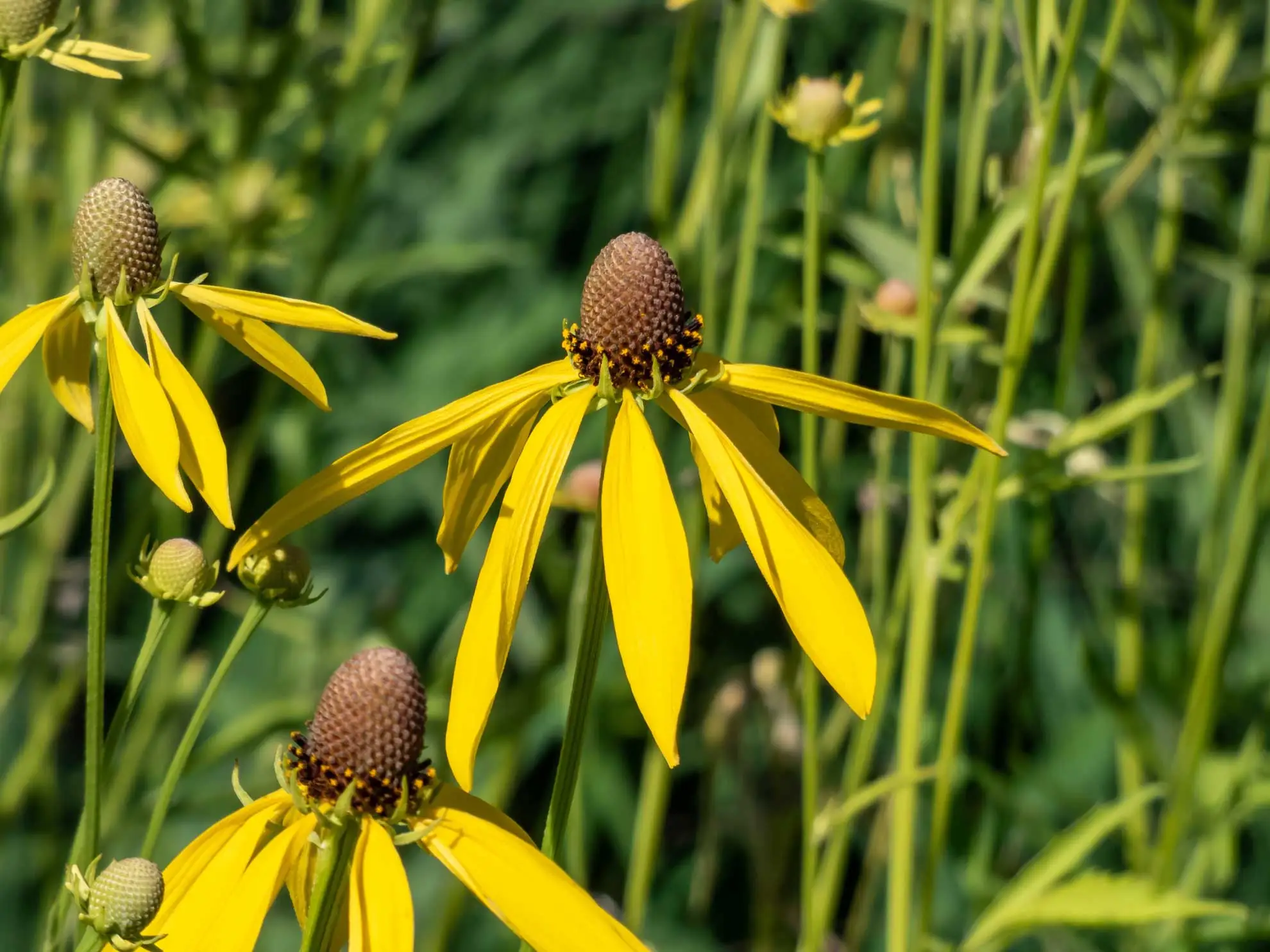
It reminds me of another plant…
You might be looking at Prairie Coneflowers and saying…I’ve seen these before…I think? You may be confusing them with another common native flower: Black-eyed Susans.
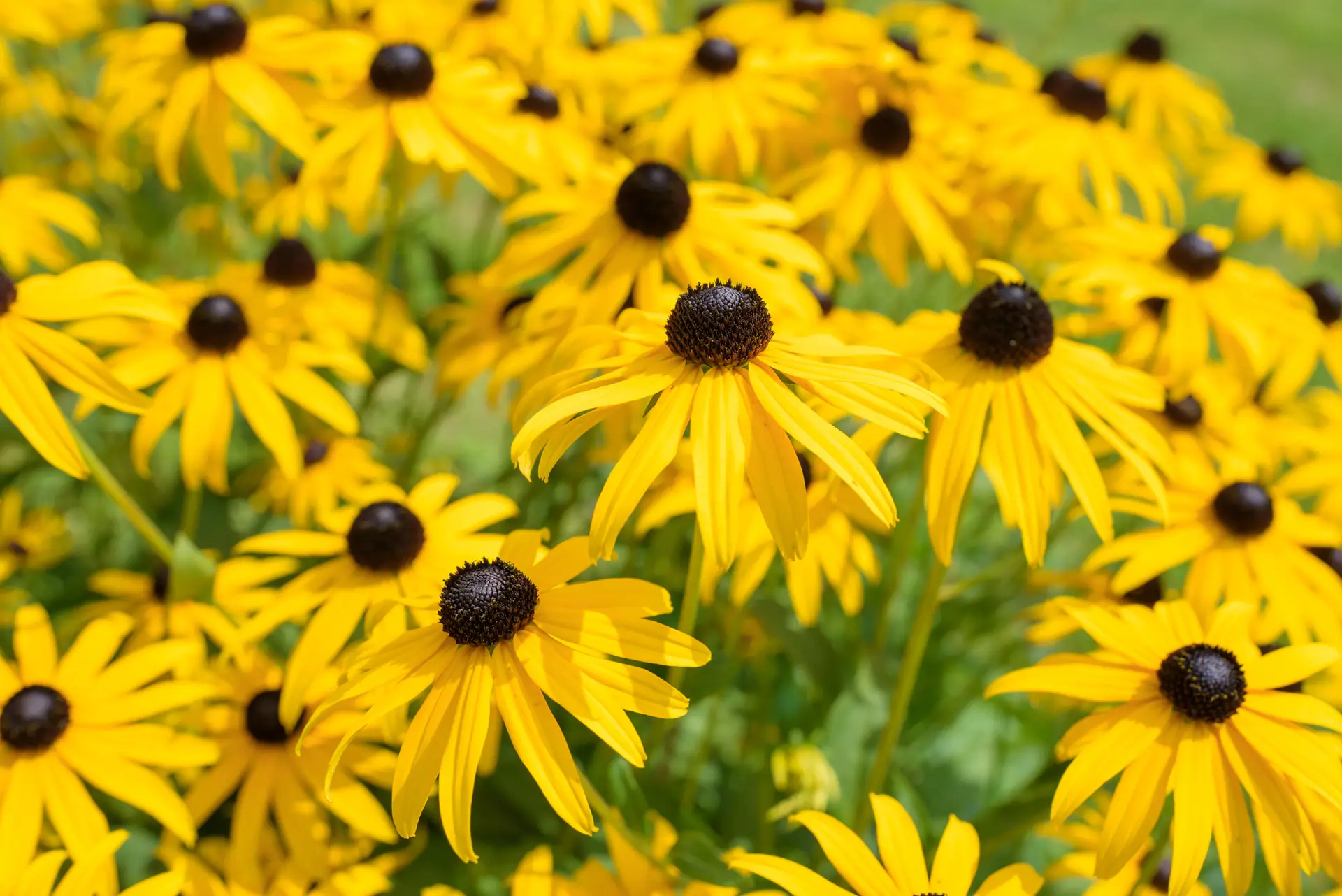
Black-eyed Susans
Rudbeckia hirta
Black-eyed Susans have similar looks, but their growing pattern is different. They are biennials, meaning their life span starts and ends in two years.
Their flower center is also much shorter. Visit our Meet black-eyed Susan for info.
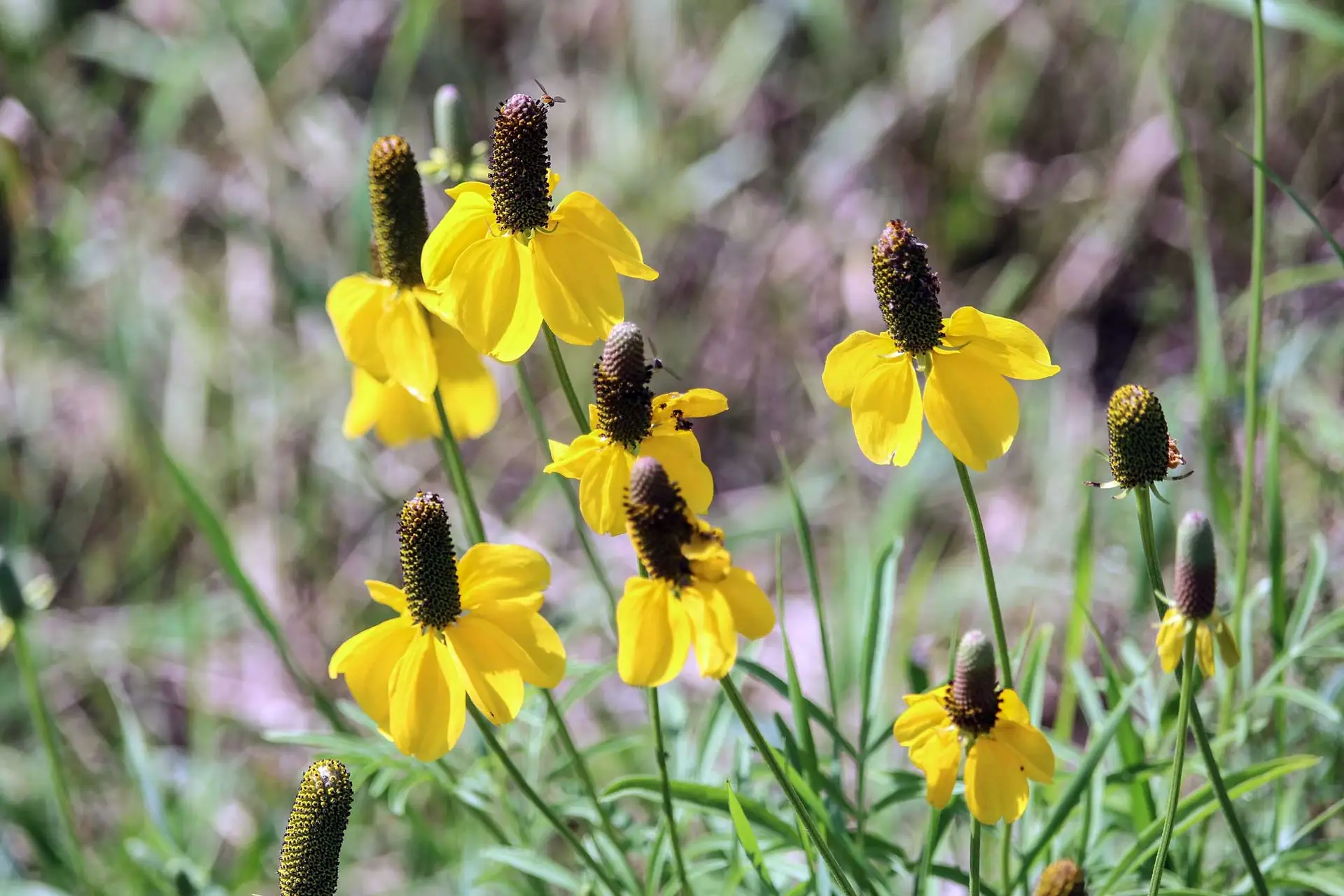
Prairie coneflowers
Ratibida pinnata
Prairie coneflowers are perennials, meaning plant once and they can last for years and years.
Prairie coneflowers are much taller than black-eyed Susans, growing up to 5′ (black-eyed Susans top out around 3′.) And Prairie Coneflowers have that distinct, tall, hat-like center.
Hmm, that’s not the one. I’m thinking of another coneflower
Prairie coneflower also shares a lot of visual similarities (and sometimes even the same name!) with what we’re calling yellow coneflower.

Yellow coneflowers
Echinacea paradoxa
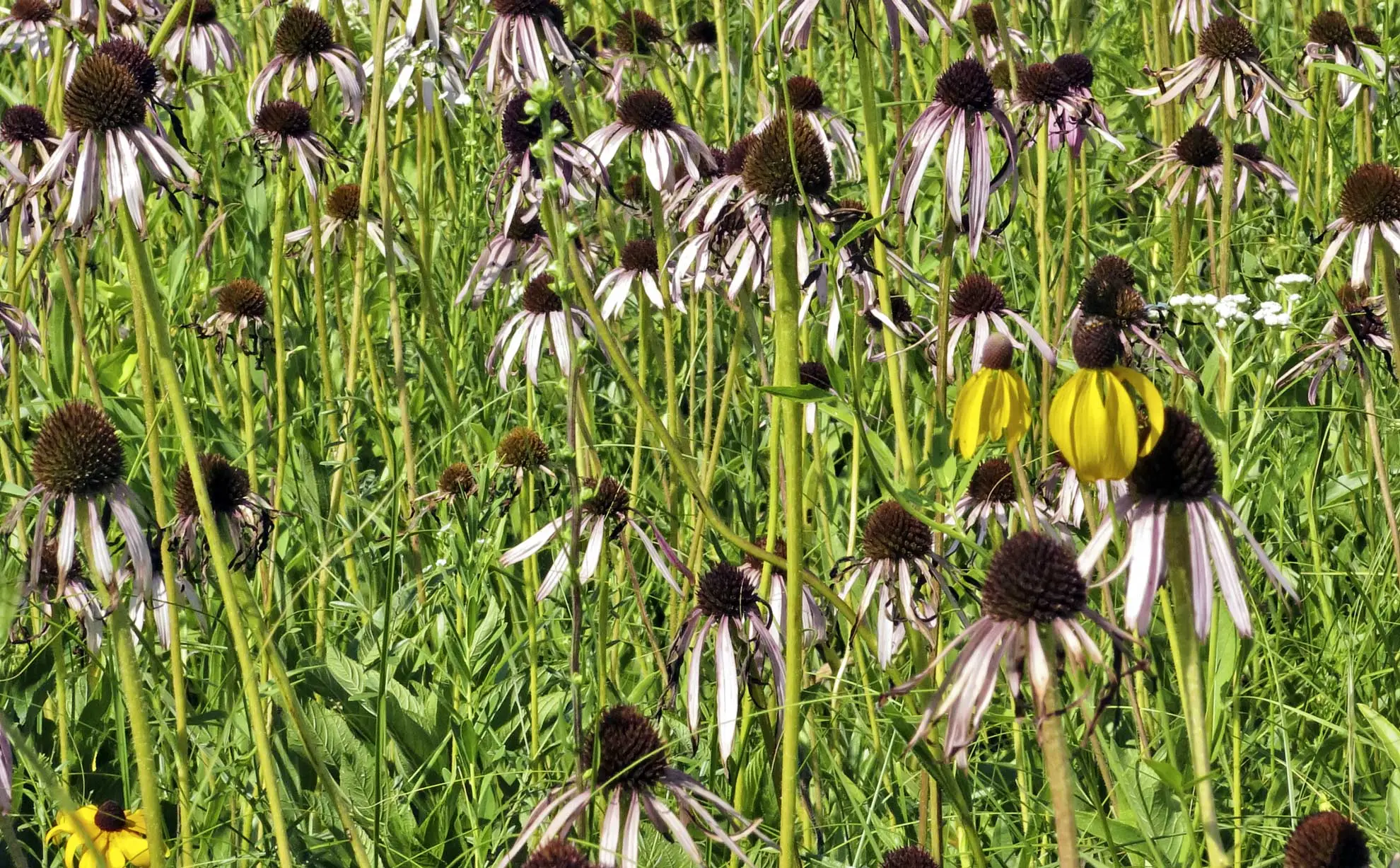
Yellow coneflowers have shorter, cone-shaped flower centers.
Yellow coneflowers are part of the Echinacea genus. This plant’s roots have medicinal value—you’ve probably seen Echinacea in the vitamin aisle (or have some in your medicine cabinet!) Echinacea comes from the roots of Echinacea flowers.
Prairie coneflowers
Ratibida pinnata
Prarie coneflowers are known for their tall, hat-like flower centers.
Although Prairie Coneflowers are called by the common name coneflowers, they are not within the Echinacea genus. Their roots do not offer the same medicinal value of the flowers within Echinacea.
No matter which one you plant, these are all native flowers
Black-eyed Susans, yellow coneflowers, and Prairie Coneflowers are gorgeous, resilient, and bright-yellow pollinator favorites. All are also native plants. Plant all (or either!) for gorgeous, easy, gardening.
Where is prairie coneflower native?
Native to 24 US states and 1 Canadian province (Ontario)
Sources: NatureServe, Royal Botanic Gardens, Kew (World Checklist of Vascular Plants) and the USDA PLANTS Database, compiled by The Plant Native. How we map native ranges
Prairie coneflower is not just part of the prairie. These tall native sun-lovers are found naturally from Vermont to Florida, and west to Texas. You can see from its HUGE native range where it gets its resilient characteristics.
How to grow prairie coneflower
This native flower loves full sun and well-drained places.
Planting card
Ratibida pinnata
How can I plant prairie coneflower by seed?
Planting prairie coneflower from seed means you get a beautiful garden for a minimal amount of money. Most seed packets run $5 or less. As you look to buy seeds, we have a piece of advice…
800-mile tip for seeds and planting
A big tip for picking seeds is to try to buy or obtain seeds from places that are within 800 miles (or less!) of where you live—the closer, the better. This ensures that the seeds you’re buying are suited for your area (prairie coneflower seeds from New York might not be the best seeds for a garden in Texas.)
Provenance matters for seeds and plants
Where a seed comes from—its provenance—matters. It ensures that the DNA of your Prairie Coneflowers mixes well with the genomes in your area. Not to get too nerdy… but to ensure that our gardens positively contribute to biodiversity (making plants more resilient and helpful to wildlife), staying within a 800-mile radius is our best bet.
Prairie coneflower seed sellers
Here are some online seed sellers (alongside their locations) that sell prairie coneflower seeds:
- Ohio Prairie Nursery Seeds (Hiram, Ohio)
- Prairie Nursery (Westfield, Wisconsin)
- Select Seeds (Union, Connecticut)
What are good pairings for prairie coneflower?
Plant prairie coneflower alongside other native plants that thrive in similar full-sun conditions. Some great pairings include:


Where can I buy prairie coneflower?
Most big-box garden centers don’t carry true natives, but prairie coneflower is easier to find than you might think. Your best bets are a native plant nursery near you, a native plant society sale, or a trusted online grower that ships to your region.
And that concludes our love letter to prairie coneflower (aka grayhead coneflower, gray-headed coneflower, Grayhead Mexican Hat, Gray-headed Mexican Hat, Pinnate Prairie Coneflower, or yellow coneflower. This plant helps us understand why single Latin names exist.) This bright yellow native flower returns beauty and extreme resilience that very few non-native plants can deliver. Plant them in groups to let their color and delicate structure shine. They get tall—up to six feet!—so plant them alongside shorter and taller natives to give them something to lean against and not hide.
Looking to meet the other native coneflowers? Check out our native coneflower guide to meet some more. Happy planting!
Sources
- Ladybird Johnson Wildflower Center, Ratibida pinnata
- USDA Plant Guide, Yellow Coneflower
- Nelson, Gil. Best Native Plants for Southern Gardens: A Handbook for Gardeners, Homeowners, and Professionals, (2010).
- Harstad, Carolyn. Go Native! Gardening with Native Plants and Wildflowers in the Lower Midwest. (1999), 209-210.
Similar plants
-
 False Sunflower
-
 Coreopsis (Tickseed)
-
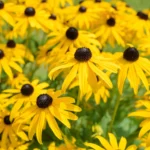 Black-Eyed Susans
-
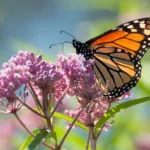 Milkweeds
-
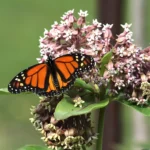 Common Milkweed
-
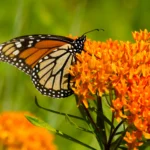 Butterfly Weed
-
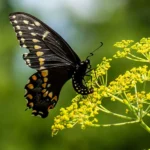 Golden Alexander
-
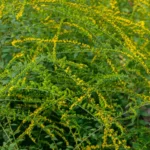 Goldenrods
-
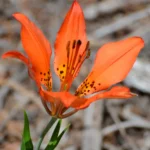 Wood Lily
Updated Find more: Yellow Flower Summer Full Sun Drought-Tolerant
The ads on this site help pay real native plant nerds to research and write these guides.
Garden notes
Notes from people who’ve grown it
Tips, wins, and the occasional disaster. If you’ve grown prairie coneflower, share the advice you’d give to a neighbor.
No notes yet. Yours could be the first.
Grown prairie coneflower? Tell the next person what you wish someone had told you.
Tap anywhere to close


