





Highlights
Bright, sunny, resilient: these three words quickly sum up yellow coneflower’s charm and benefits. Sometimes also called Ozark coneflower, this flower is one of the nine native coneflowers found in North America. Yellow coneflower comes from the sun-blasted prairies of the Midwestern United States. You can imagine fields of these beauties swaying in the prairie breeze for thousands of years. Plant some in your yard so we can recreate some of this splendor. Scroll on for planting tips.
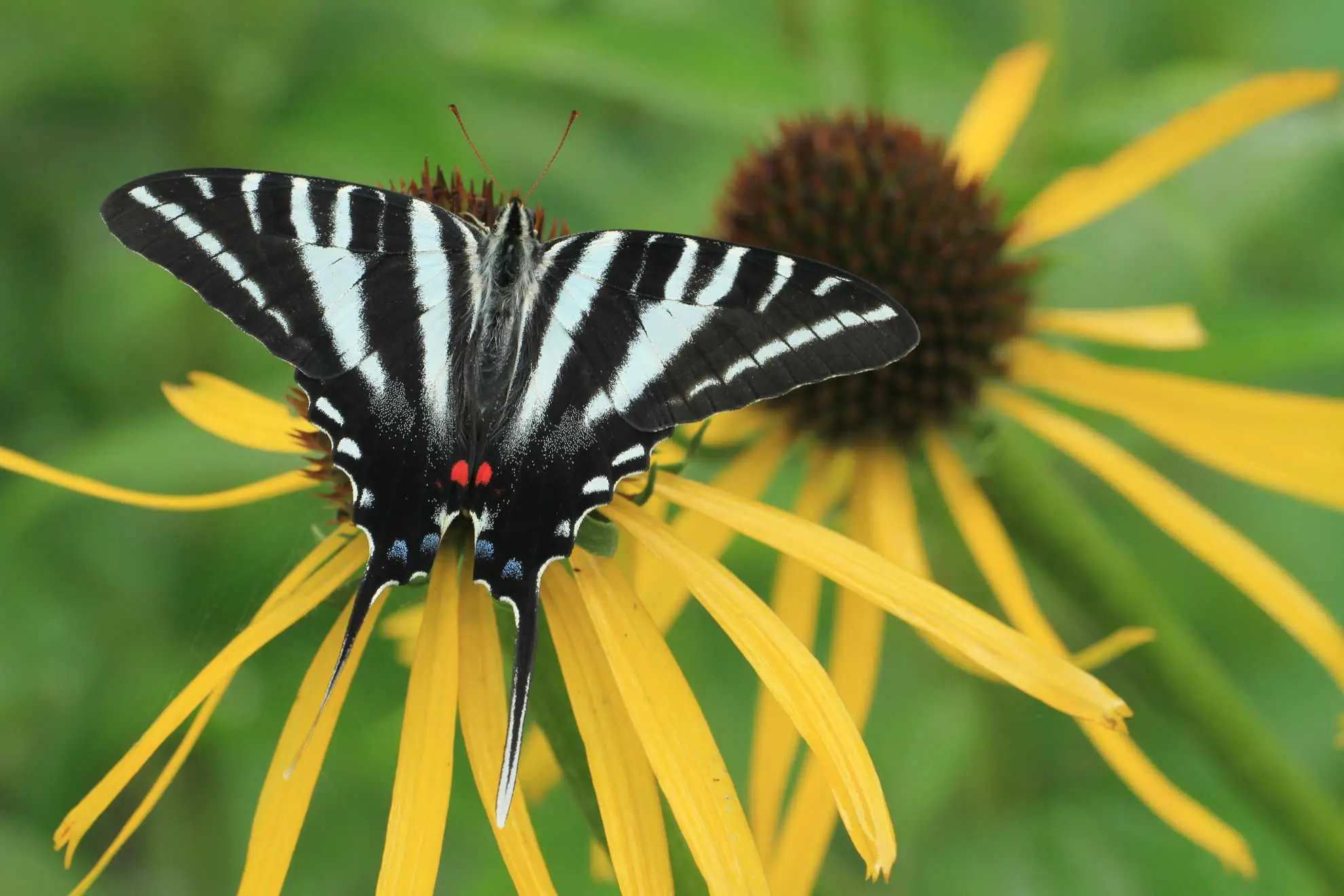
It reminds me of another plant…
Yellow coneflower bares a striking resemblance to another bright yellow native beauty: Black-Eyed Susan.
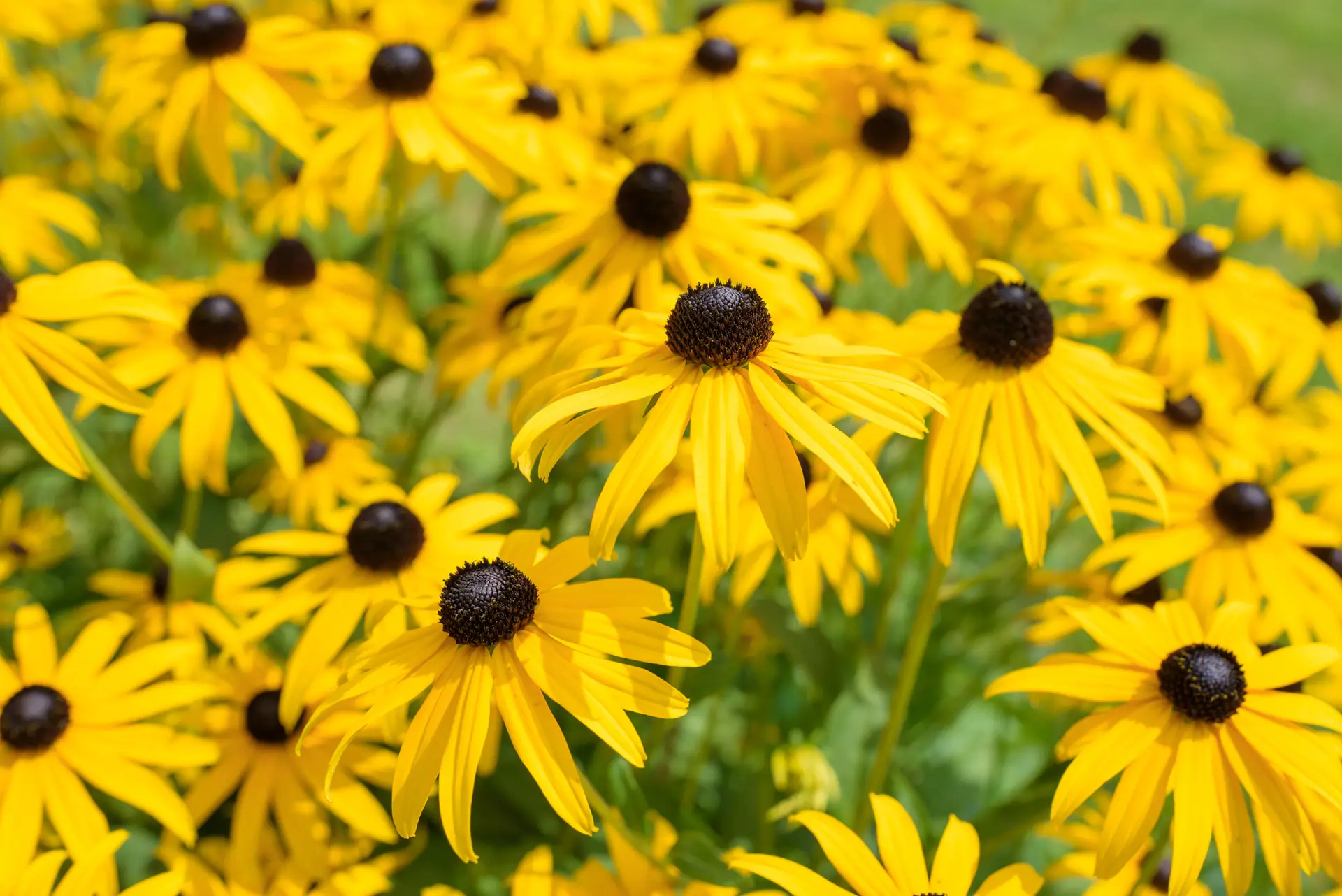
Black-eyed Susans
Rudbeckia hirta, Rudbeckia fulgida
Black-eyed Susans have similar looks, but their growing pattern is different. Some species are biennials, meaning their life span starts and ends in two years. Their flower center is also darker.
Visit our Meet black-eyed Susan for info.

Yellow coneflowers
Echinacea paradoxa
Yellow coneflowers are perennials, meaning plant once and they can last for years and years.
This plant also has medicinal value—you’ve probably seen Echinacea in the vitamin aisle (or have some in your medicine cabinet!) Echinacea comes from coneflower roots.
Where is yellow coneflower native?
Native to 4 US states
Sources: NatureServe, Royal Botanic Gardens, Kew (World Checklist of Vascular Plants) and the USDA PLANTS Database, compiled by The Plant Native. How we map native ranges
How to grow yellow coneflower
Yellow coneflowers are easy to grow. They like:
- Full sun
- Well-drained areas
- A range of soil, including clay
Planting card
Echinacea paradoxa
Yellow coneflower is easy to plant from seed in either the fall or the spring.
How can I plant yellow coneflower by seed?
Yellow coneflower is easy to plant from seed in either the fall or the spring. It may take two years to see flowers if you plant this way: the first year, the yellow coneflower is focused on growing roots.
800-mile tip for seeds and planting
A big tip for picking seeds is to try to buy or obtain seeds from places that are within 800 miles (or less!) of where you live—the closer, the better. This ensures that the seeds you’re buying are suited for your area (yellow coneflower seeds from Iowa might not be the best seeds for a garden in New York.)
Provenance matters for seeds and plants
Where a seed comes from—its provenance—matters. It ensures that the DNA of your yellow coneflowers mixes well with the genomes in your area. Not to get too nerdy… but to ensure that our gardens positively contribute to biodiversity (making plants more resilient and helpful to wildlife), staying within a 500-mile radius is our best bet.
Yellow coneflower seed sellers
Here are some online seed sellers (alongside their locations) that sell yellow coneflower seeds:
- Prairie Nursery (Westfield, Wisconsin)
- Select Seeds (Union, Connecticut)
- Southern Seed Exchange (Mineral, Virginia)
- Baker Creek Heirloom Rare Seeds (Mansfield, Missouri)
What are good pairings for yellow coneflowers?
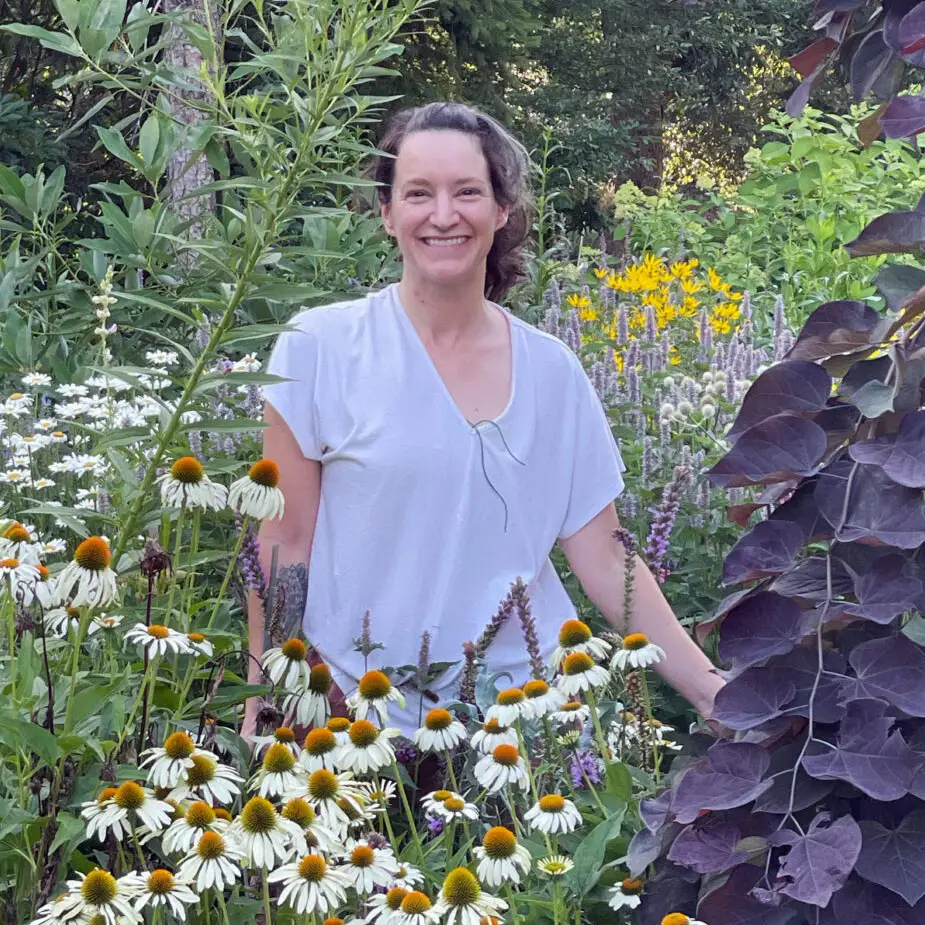
Pick other native flowers to pair with yellow coneflower that thrive in the same full-sun environment. Ideas include:


Where can I buy yellow coneflower?
Most big-box garden centers don’t carry true natives, but yellow coneflower is easier to find than you might think. Your best bets are a native plant nursery near you, a native plant society sale, or a trusted online grower that ships to your region.
And that sums up our guide to planting yellow coneflowers! These gorgeous, resilient, and bright native flowers offer 4-6 weeks of summer bloom time and lots for pollinators to snack on. Leave them alone in the fall and winter and watch them become nature’s bird feeders. Plant them alongside other native coneflowers for resilient beauty for years to come. Happy planting!
Sources
- USDA Plants Database, Echinacea paradoxa
- Martin F Breed, Peter A Harrison, Armin Bischoff, Paula Durruty, Nick J C Gellie, Emily K Gonzales, Kayri Havens, Marion Karmann, Francis F Kilkenny, Siegfried L Krauss, Andrew J Lowe, Pedro Marques, Paul G Nevill, Pati L Vitt, Anna Bucharova, Priority Actions to Improve Provenance Decision-Making, BioScience, Volume 68, Issue 7, July 2018, Pages 510–516, https://doi.org/10.1093/biosci/biy050
- Nelson, Gil. Best Native Plants for Southern Gardens: A Handbook for Gardeners, Homeowners, and Professionals, (2010).
- Harstad, Carolyn. Go Native! Gardening with Native Plants and Wildflowers in the Lower Midwest. (1999), 209-210.
Similar plants
-
 Coreopsis (Tickseed)
-
 Firewheel
-
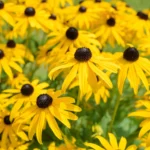 Black-Eyed Susans
-
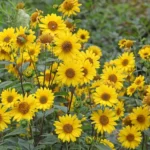 False Sunflower
-
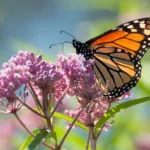 Milkweeds
-
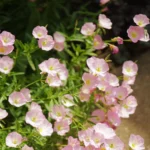 Pink Evening Primrose
-
 Butterfly Weed
-
 Purple Coneflower
-
 Blazing Star
Updated Find more: Yellow Flower Summer Full Sun Drought-Tolerant
The ads on this site help pay real native plant nerds to research and write these guides.
Garden notes
Notes from people who’ve grown it
Tips, wins, and the occasional disaster. If you’ve grown yellow coneflower, share the advice you’d give to a neighbor.
No notes yet. Yours could be the first.
Grown yellow coneflower? Tell the next person what you wish someone had told you.
Tap anywhere to close


