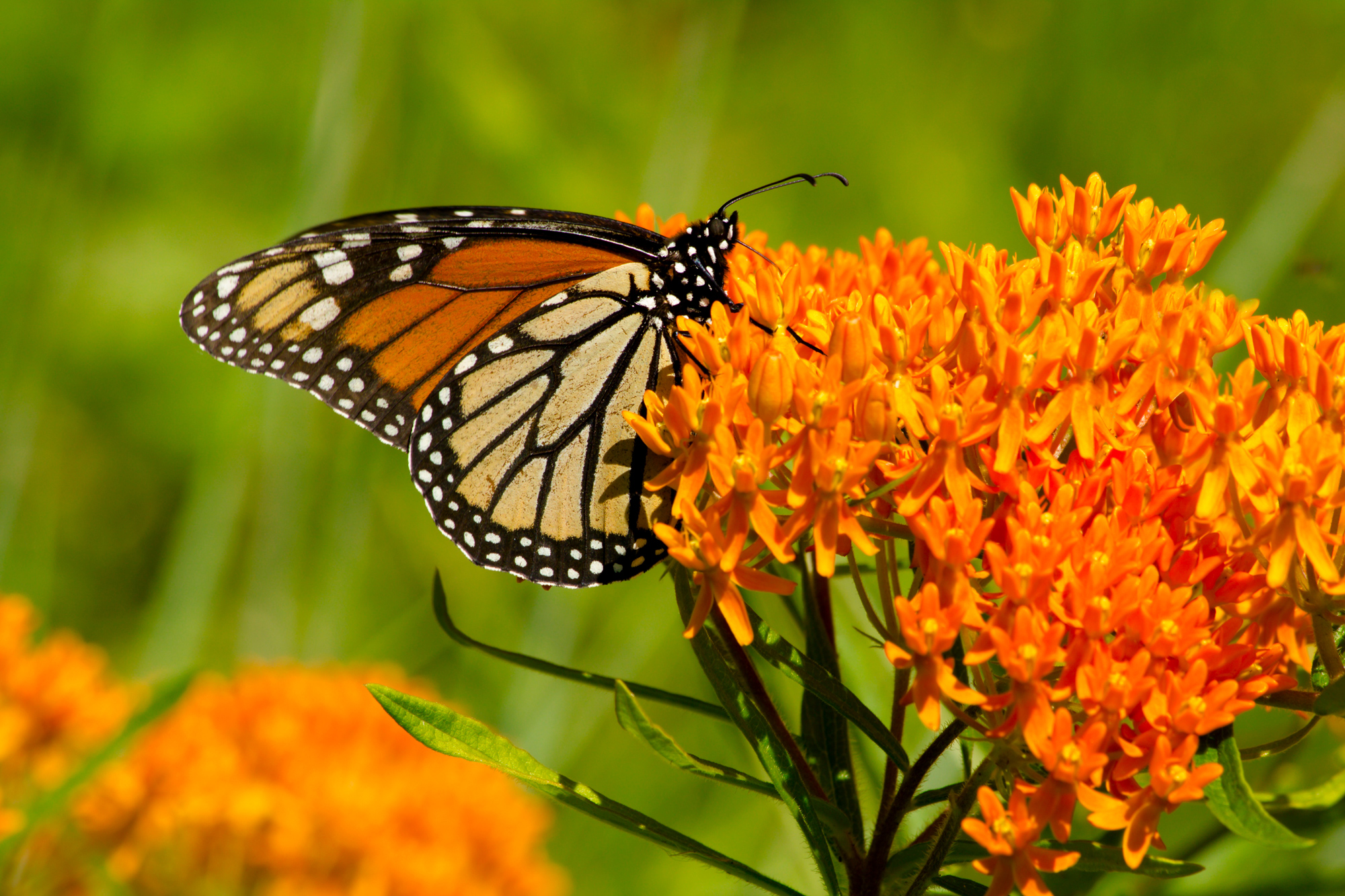
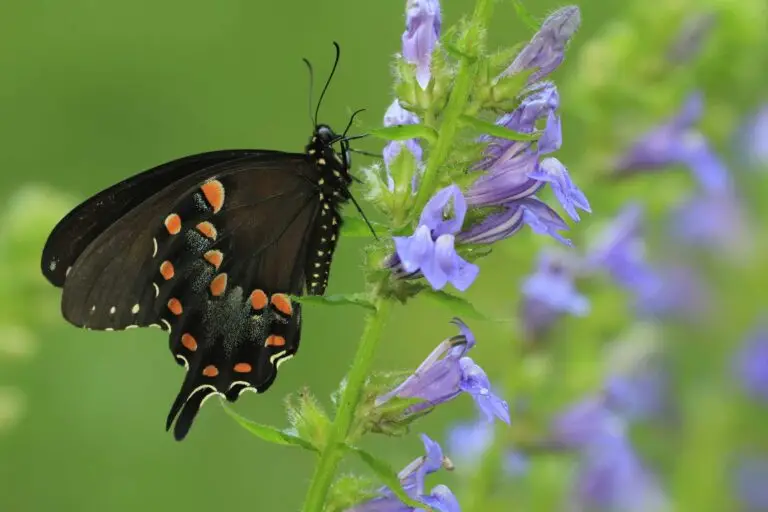


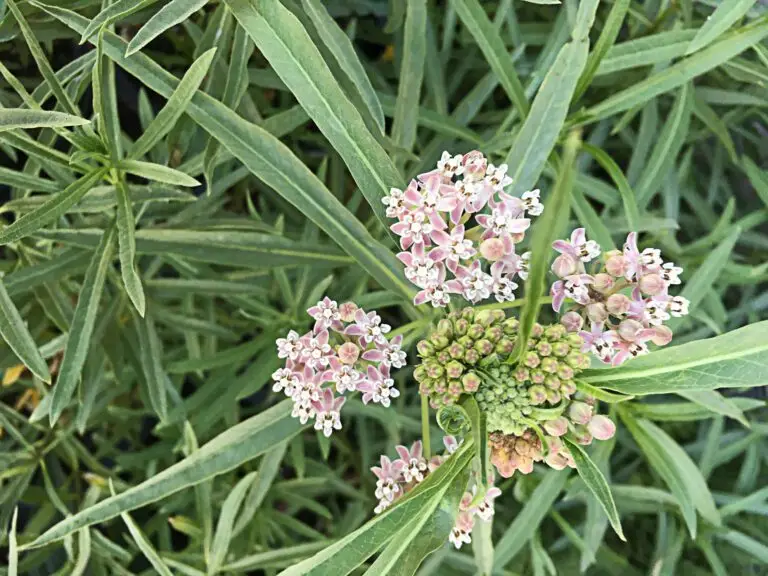
A host plant is a specific plant that a bug, butterfly, or caterpillar eats, lives on, or lays its eggs on. A well-known example is milkweed: monarch caterpillars only eat milkweed, and monarch butterfly moms only lay their eggs on milkweed.
There are lots of other host plants that look gorgeous in our gardens and support wildlife. Scroll on to meet some more.

Now that we’ve covered the basics, let’s find out why exactly host plants exist and meet some host plants.
The incredible codependent relationship between host and host plant
As we remember from kindergarten, mom butterflies lay eggs on leaves, which then turn into hungry caterpillars. After a period of munching, the caterpillars create a cocoon and then emerge as butterflies.
Unlike the famous children’s story, many very hungry caterpillars only eat one kind of plant.
Although many flowers can feed adult butterflies, the startling fact is that caterpillars are much pickier. This is why you might see butterflies visiting dozens of different flower species for nectar, but those same butterflies will only lay their eggs on one or two specific plants, because that’s all their caterpillars can eat.
Some caterpillars only eat certain species of plants—these are called host plants.
And some caterpillars only eat ONE species of plant, which includes one of the pickiest eaters on the planet…
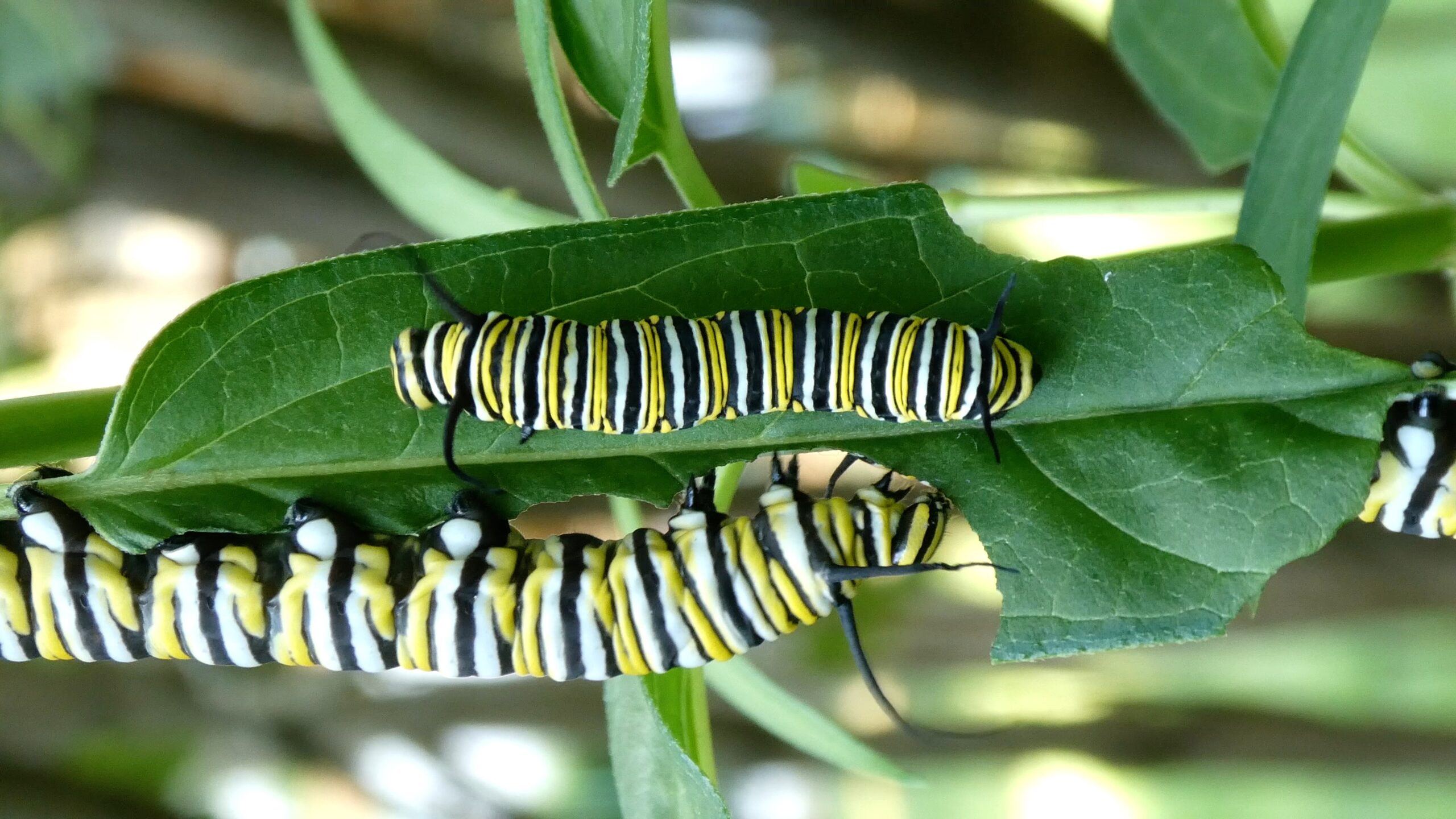
Monarch caterpillars are the pickiest eaters
Monarch butterflies are legendary, but they have one big limitation—their babies are extremely picky eaters. In fact, monarch caterpillars will only eat milkweed.
Milkweed isn’t just a preference: it’s essential. Here’s why:
- Monarchs only lay their eggs on milkweed. Look for tiny white eggs (about the size of a pinhead) on the underside of leaves in spring and fall.
- Monarch caterpillars only eat milkweed. No milkweed, no monarchs.
- Adult monarchs can sip nectar from many flowers, but their caterpillars can’t survive without milkweed.
Without milkweed, there would be no monarch butterflies.
Why do host plants exist?
The exclusive relationship between wildlife and host plants is all about survival. Here’s how host plants help species thrive:
Built-in defense systems
Milkweed contains toxic compounds called cardiac glycosides that monarch caterpillars store in their bodies, making them poisonous to predators. One bad bite is all it takes for a bird to learn that monarchs are off the menu. This protection lasts through the butterfly stage too: adult monarchs carry those toxins with them.
A guaranteed food source for baby caterpillars
Picture this: You’re a monarch butterfly flying across states, searching for the perfect spot to lay eggs. The best way to ensure your babies have food? Find milkweed.
For monarchs, milkweed isn’t just a plant. It’s a nursery, a cafeteria, and an armor factory all in one.
Host plants
Milkweed is just one example of a host plant and its butterfly partner. There are many other host plants where butterfly moms lay their eggs and caterpillars find their only food. Without these native plants, these butterflies could not survive.
Here are some host plant pairs found throughout North America:
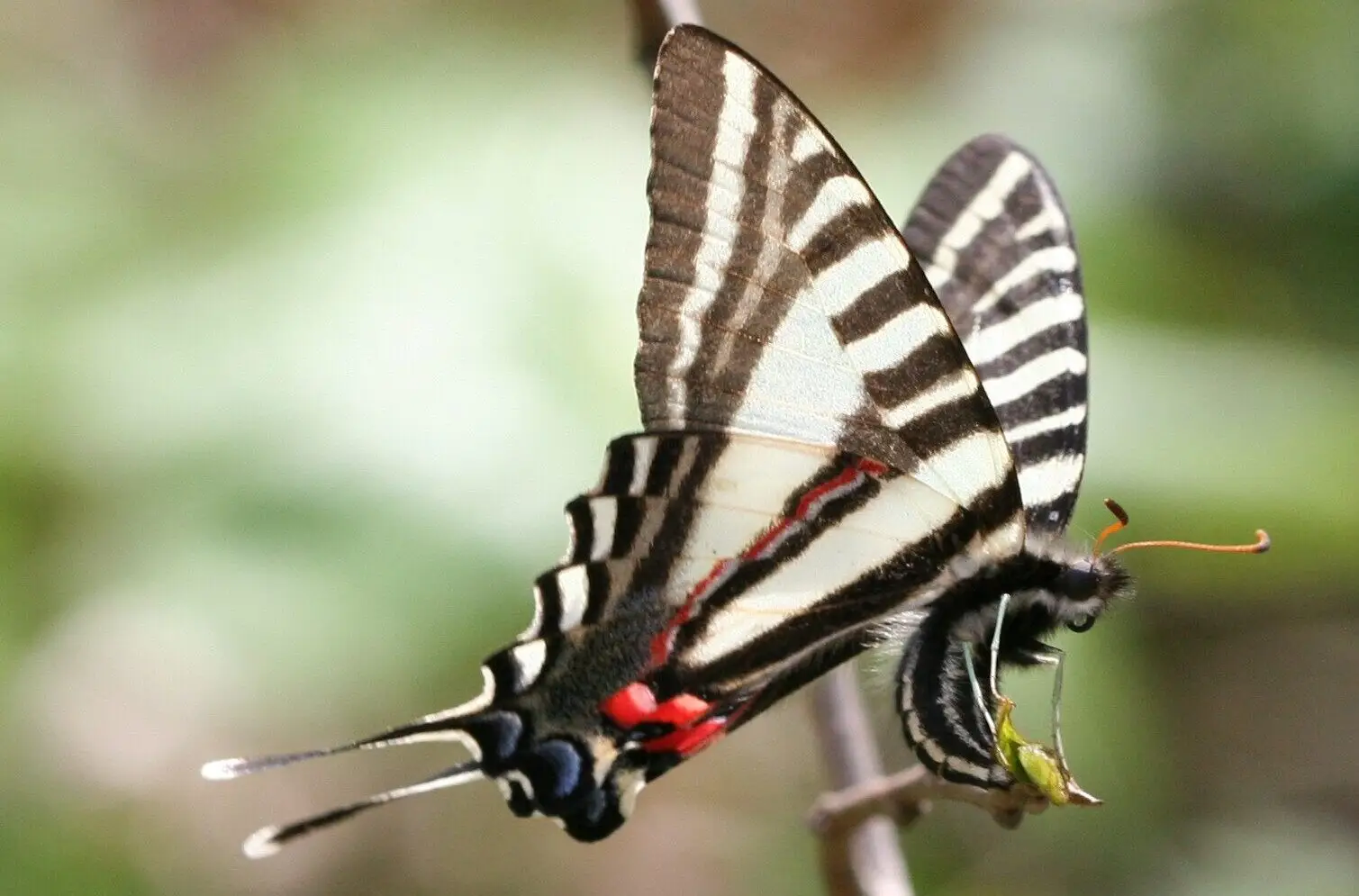
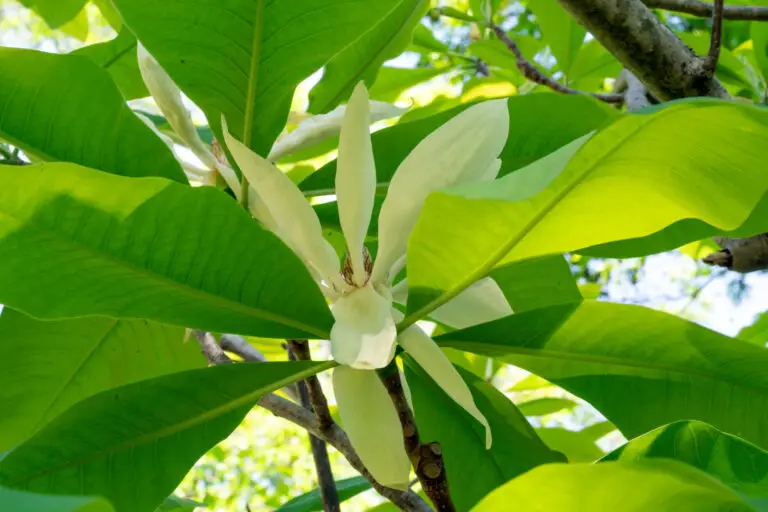
Zebra swallowtail butterflies’ host plant is pawpaw trees, native to the Northeast, Mid-Atlantic, and Midwest.
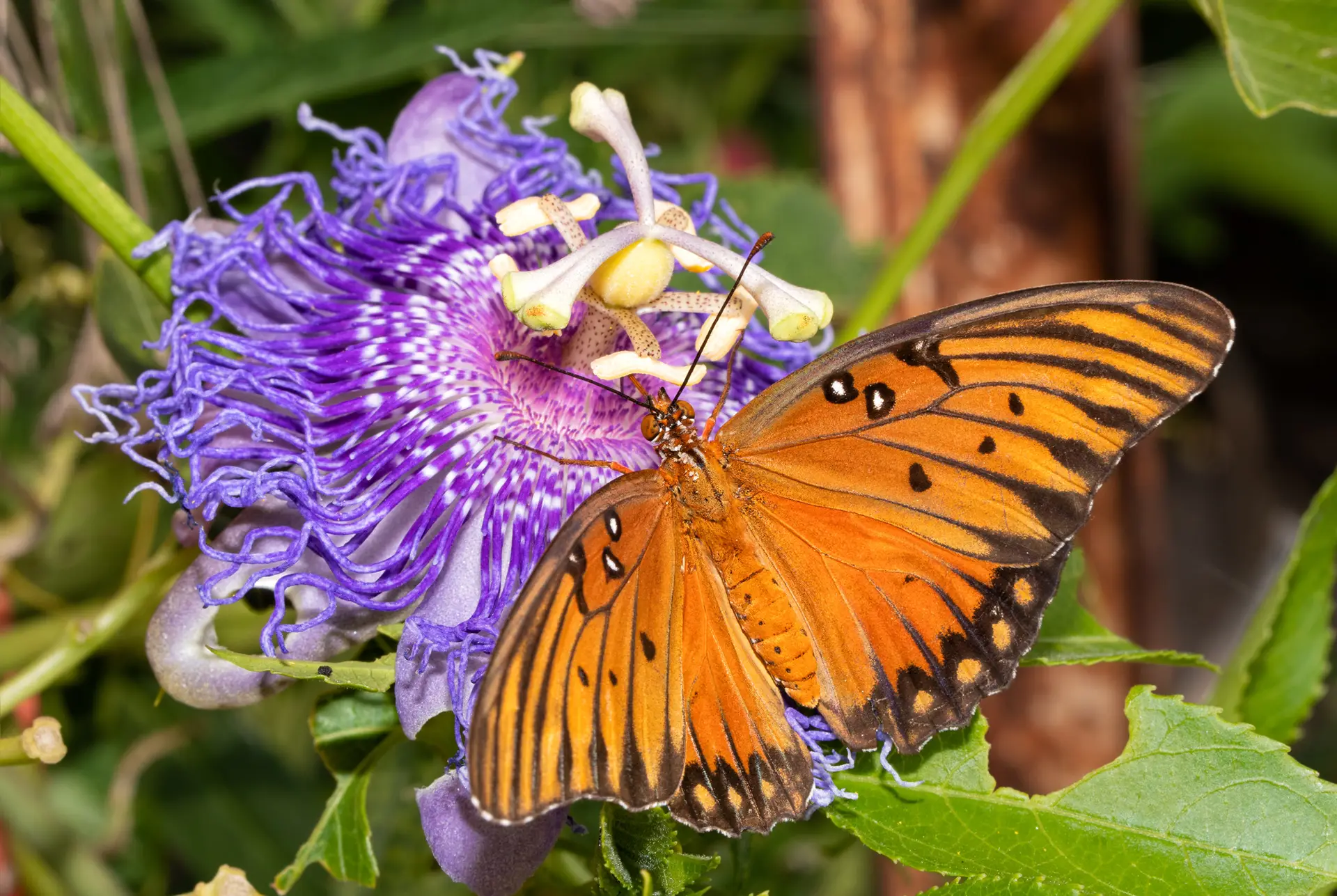
Gulf fritillary butterflies’ host plant is passionflower, native to the South.
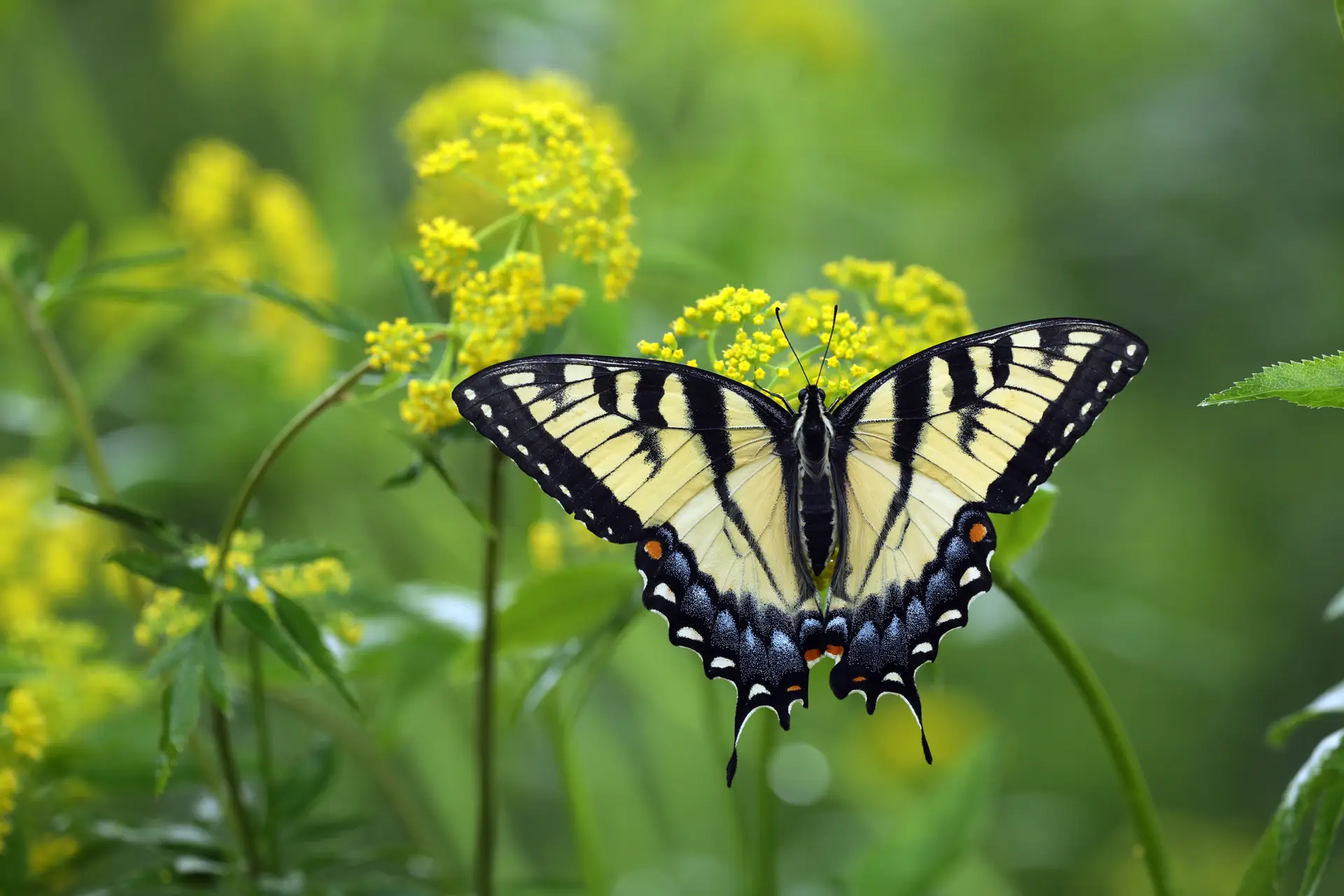
A beautiful host plant for black swallowtail butterflies is golden Alexander, native to the Northeast, Mid-Atlantic, and Midwest.
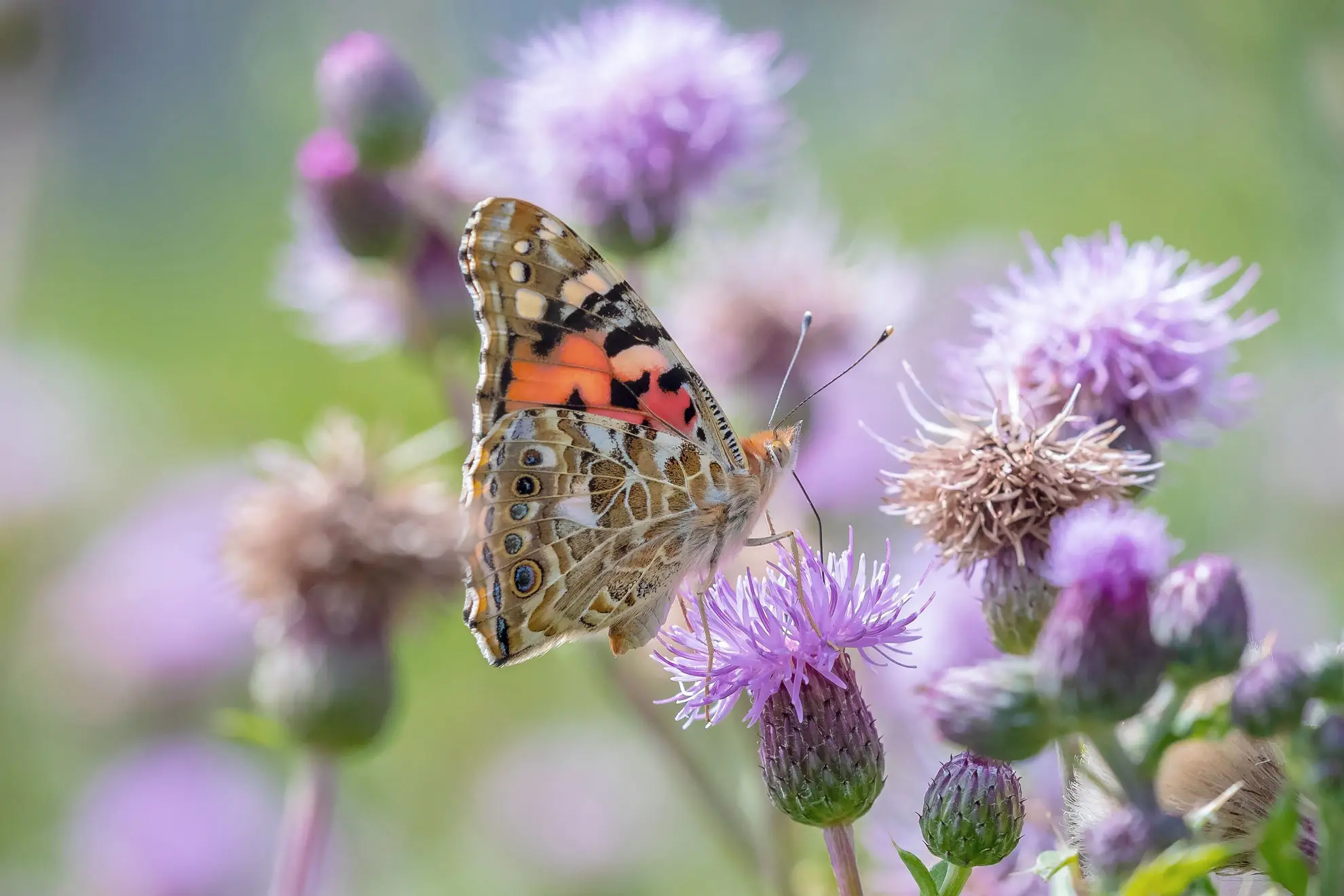
Painted lady butterflies’ host plant is native thistles, found throughout North America. Despite their prickly reputation, native thistles are beautiful, important plants for pollinators.
Cluster planting is like putting up a neon sign that says “nursery here.”
How to grow host plants
Growing host plants is easy! You can either plant from seed or start with plants from a nursery or neighbor.
Here are four trusted sources to buy or find native host plants or seeds:
3 mistakes people make with host plants
1. Only planting one or two host plants
Butterfly moms are on the move, searching for host plants while flying. A single milkweed or golden alexander is easy to miss. Plant at least five of the same species in a cluster. Cluster planting is like putting up a neon sign that says “nursery here.” More plants = better odds that butterflies will find them and stick around to lay eggs.
2. Using pesticides (yes, even organic ones)
This one’s brutal but crucial: pesticides kill caterpillars. All pesticides. Even the organic ones. Even the ones marketed as “safe for pollinators.” If you’re spraying your yard to kill “bad bugs,” you’re also killing the caterpillars you’re trying to attract. The whole point of host plants is to feed caterpillars: let them get munched. Those chewed-up leaves mean the system is working.
3. Cleaning up “too well” in fall
Some butterflies and moths overwinter as chrysalises tucked into dead plant stems or leaf litter. When you cut everything down to the ground in fall and bag up all the leaves, you’re accidentally throwing away next year’s butterflies. Leave the stems standing until spring, and let some leaves stay where they fall. Your yard might look a little messier, but you’re giving wildlife a place to survive the winter.
Planting native host plants help butterflies for years and years
One other amazing thing about host plants is many of them come back year after year. (A plant that comes back every year is called a perennial.) It’s so easy to have a beautiful garden of native host plants that come back, year after year. Plant native host plants once, sit back, and enjoy.
Planting native host plants is great for saving water (and being a lazy gardener)
For those of us who don’t want to spend hours and hours gardening, planting native host plants ensure your garden will be beautiful for years to come AND help butterflies, with minimal work from you. (Especially compared to non-native plants and lawn care.) Once native plants are established, they thrive with only the rain found in their home area.
Host plants are almost ALWAYS native plants—and that’s a good thing. Native plants don’t need fancy fertilizers, special soil, or extra attention. When planted in their home area, native plants have all they need to grow.
Here are a few native host plants worthy of our yards and gardens:
-
-
-

-
-
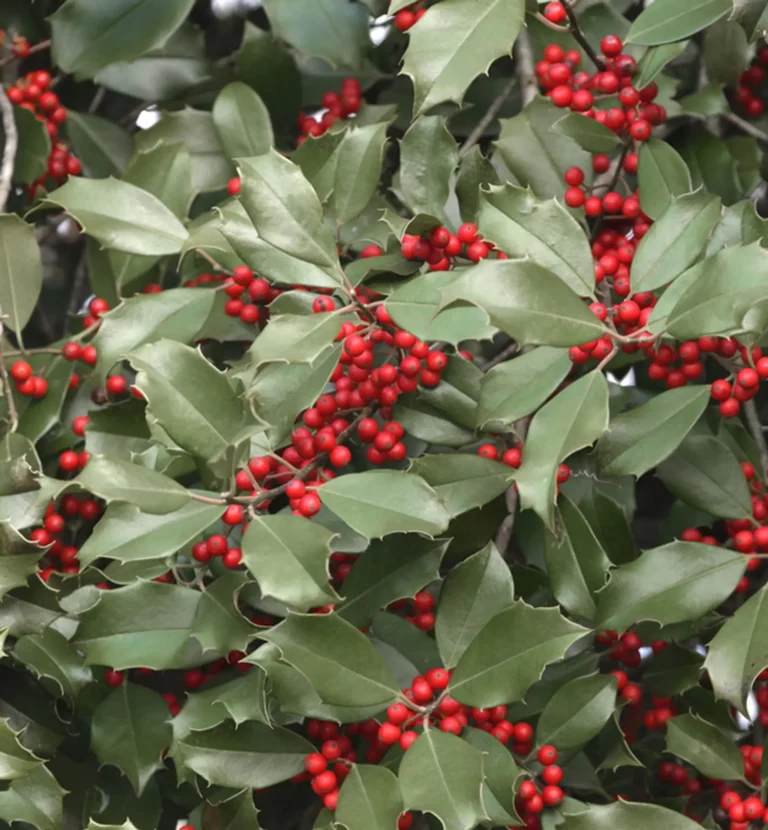
-
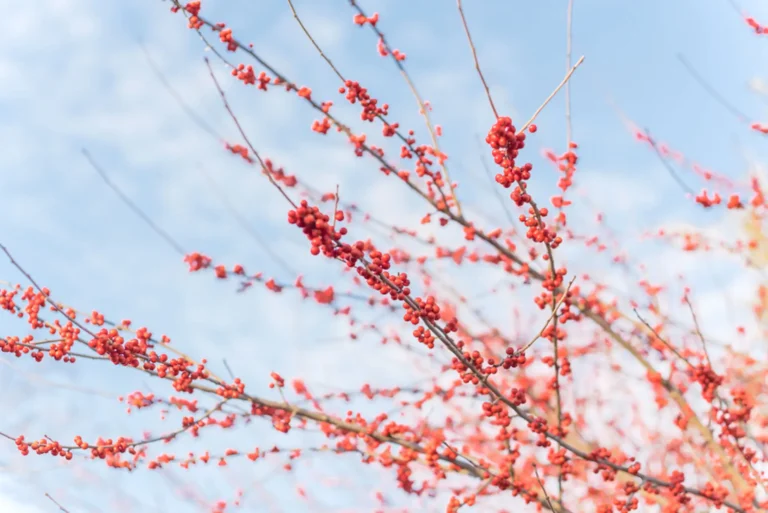
-
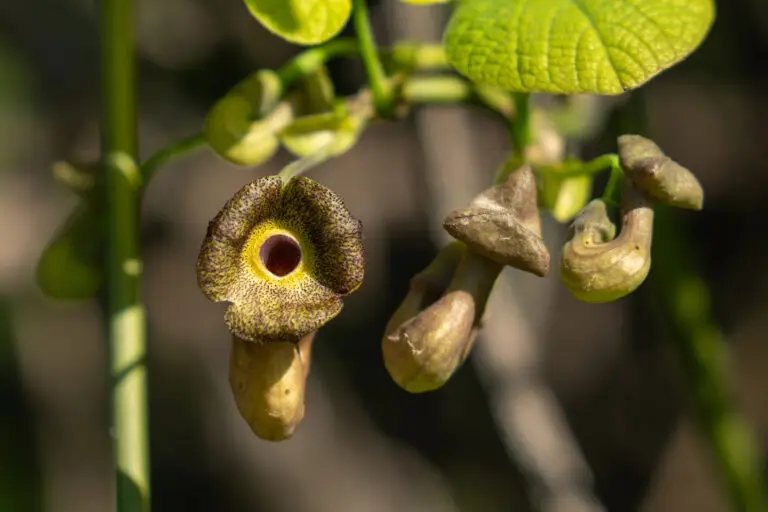
-
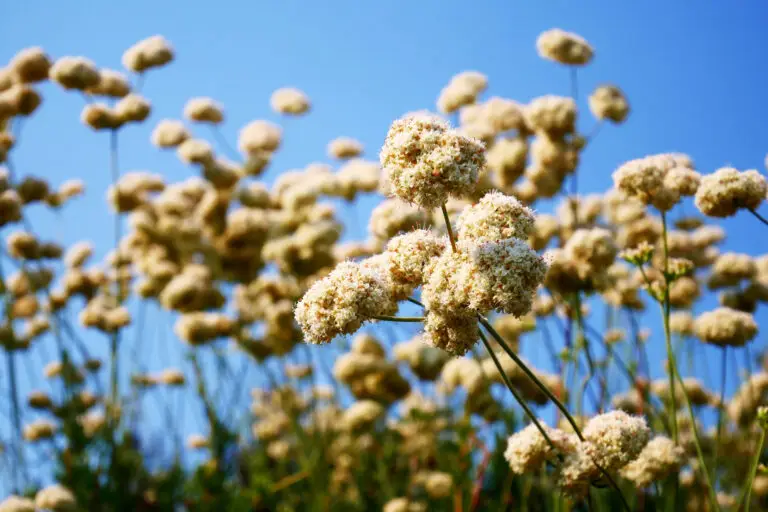


To wrap it up: host plants are another reason why it’s important (and easy) to plant native. Without host plants in our landscapes, butterflies won’t survive. Plant some beautiful host plants and enjoy the beauty of pollinators and a gorgeous yard. Where to next? Can we recommend visiting our Best Native Host Plants for Butterflies for 25+ other host plant ideas? Or just get right to planting for monarchs and visit our Beginner’s Guide to Milkweed. Happy planting!

Sources
- Harstad, Carolyn. Go Native! Gardening with Native Plants and Wildflowers in the Lower Midwest. (1999).
- Nelson, Gil. Best Native Plants for Southern Gardens: A Handbook for Gardeners, Homeowners, and Professionals, (2010).
Explore host plants


Updated
The ads on this site help pay real native plant nerds to research and write these guides.


