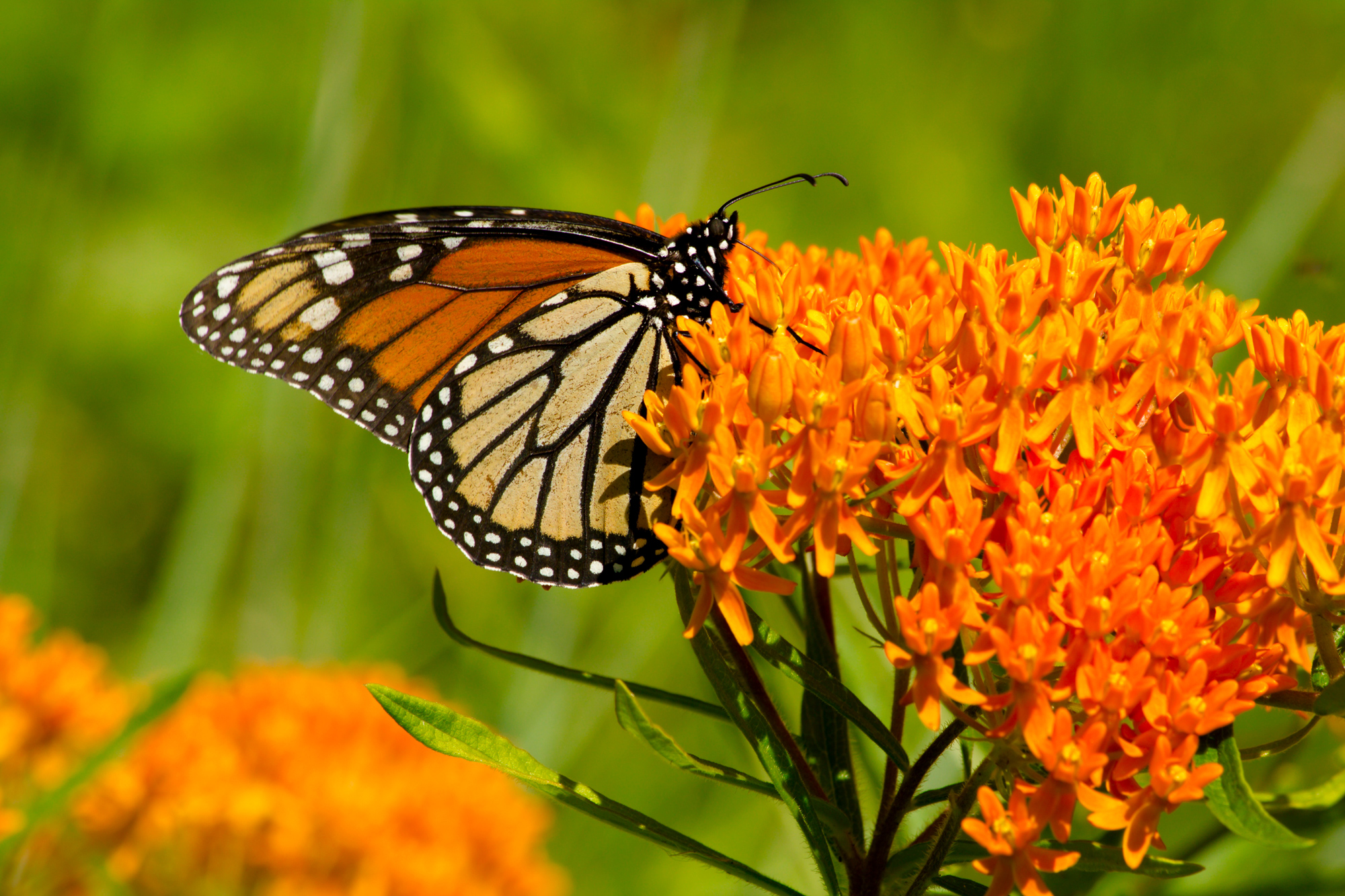
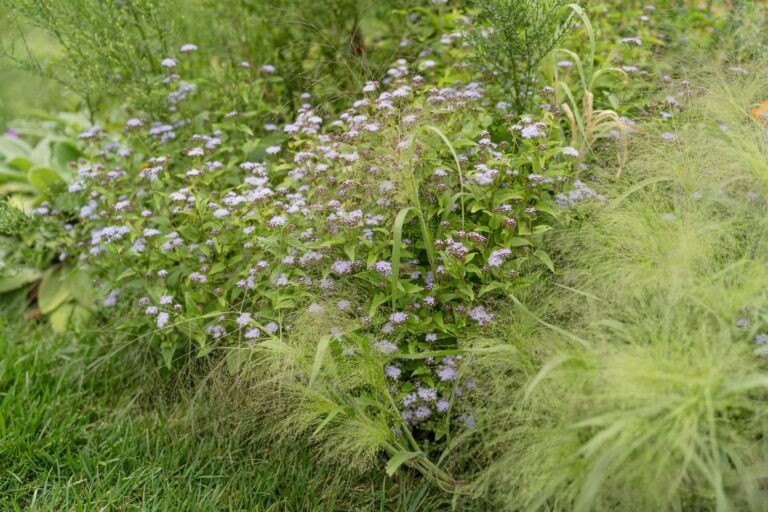

Gardening from scratch can be overwhelming, with dozens of choices piling up fast. One way to easily plan a garden is to use the three-color method. The three-color method is just as easy as it sounds: you pick three colors and stick to plants within this color range. This simple decision makes visits to the local plant nursery easy, and creates a unified garden in no-time. Let’s explore some native plant colors and get inspired.
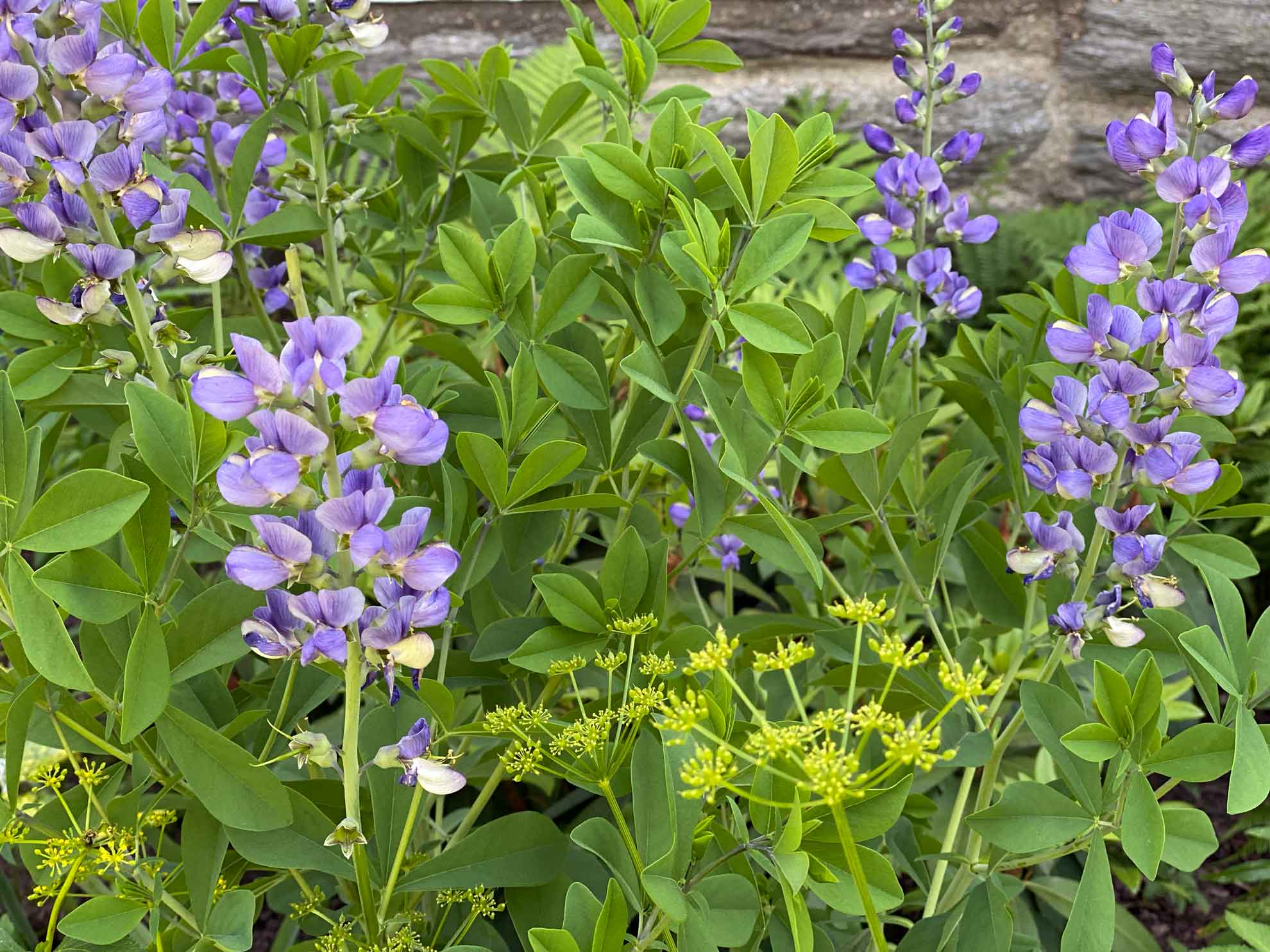
Replacing lawn with a native garden returns beauty, butterflies, and saves you time. But getting started can be difficult. Going to almost any plant nursery will mean facing dozens of different plants. How do you pick which ones to plant?
Enter the three-color garden.
The benefits of the three-color garden
Picking and sticking to three colors in our garden helps in lots of ways:
- Makes decision-making easy. Once you’ve got your three colors, it’s easy to say yes/no to plants.
- Quickly unifies the garden. Picking three colors quickly brings harmony to a garden.
- Helps look professionally landscaped. You don’t have to hire a professional landscaper to plant native. Picking three colors quickly brings professional polish.
A rainbow of native plant colors
Explore ideas below. Remember to consider flowers, shrubs, and trees in your color choices.
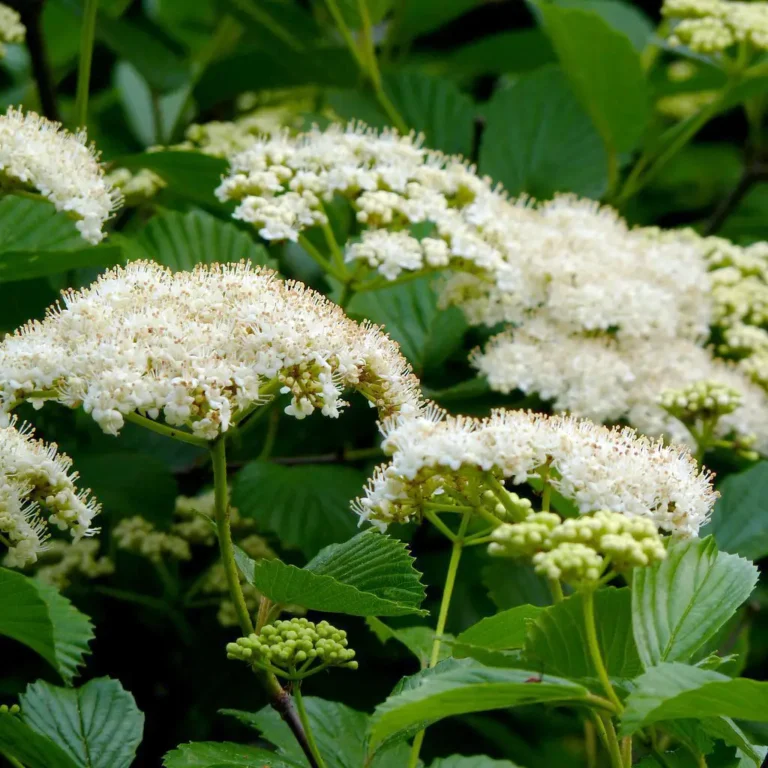
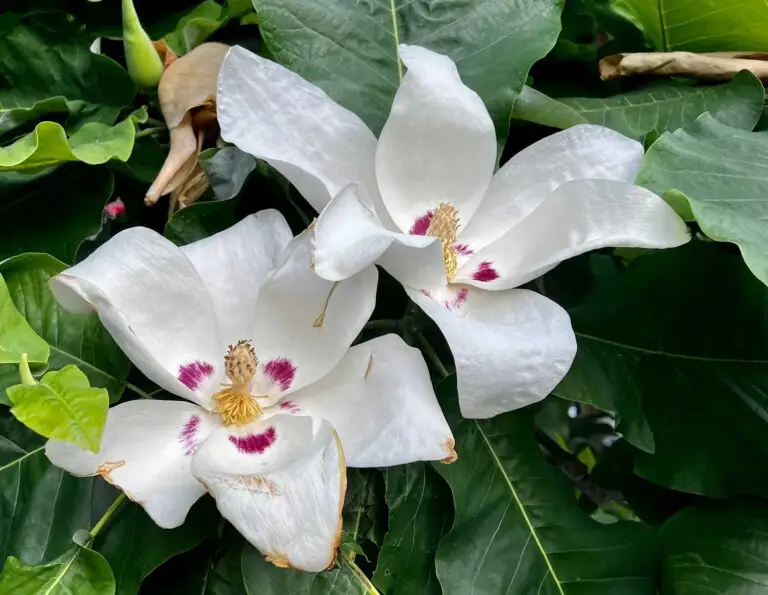
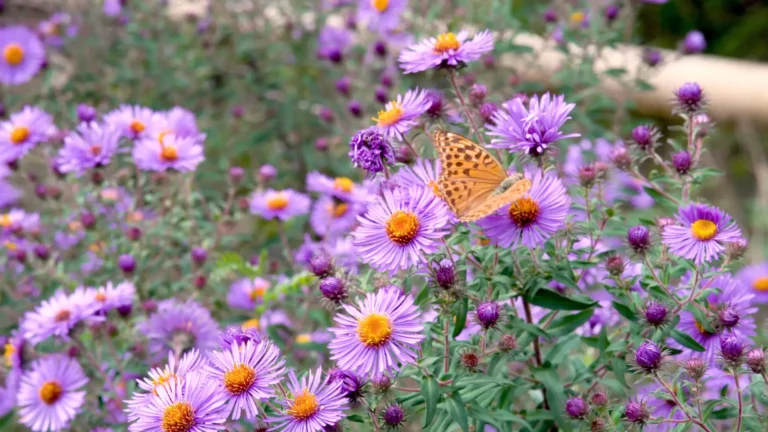
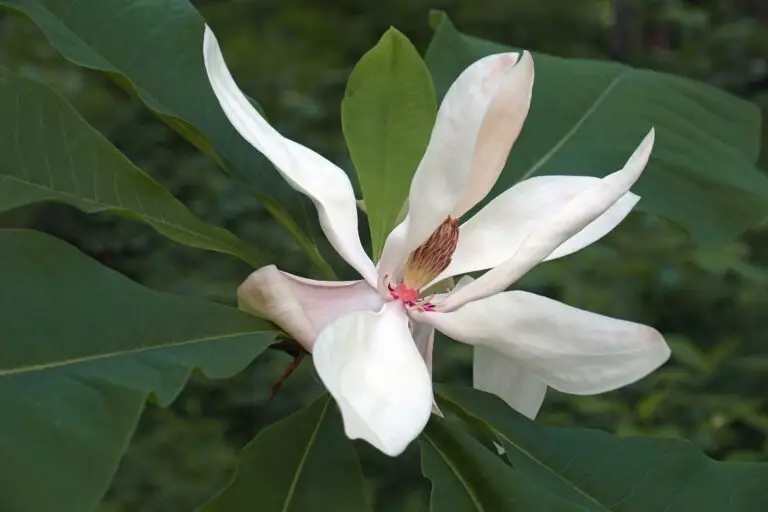
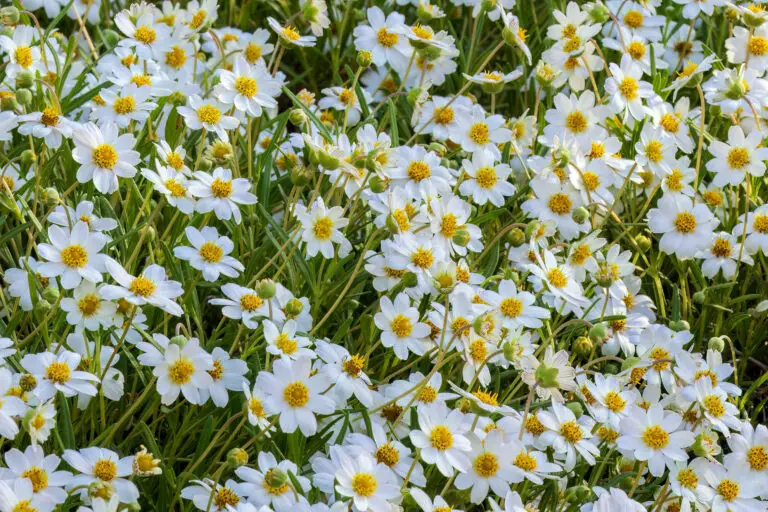
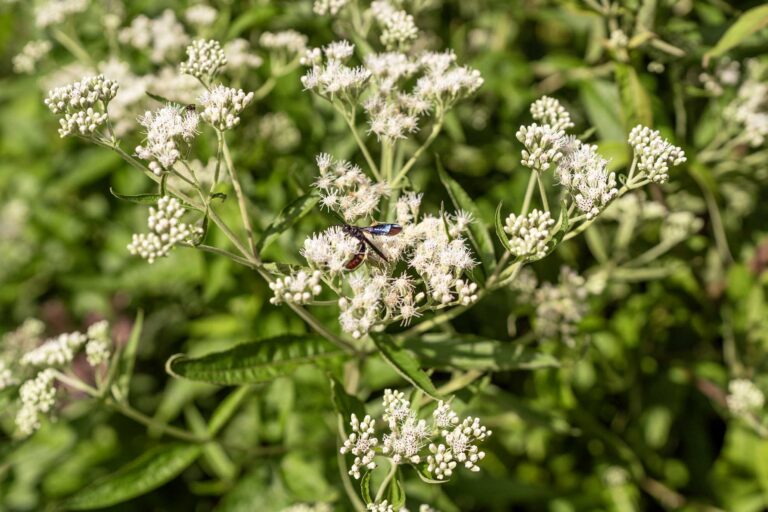
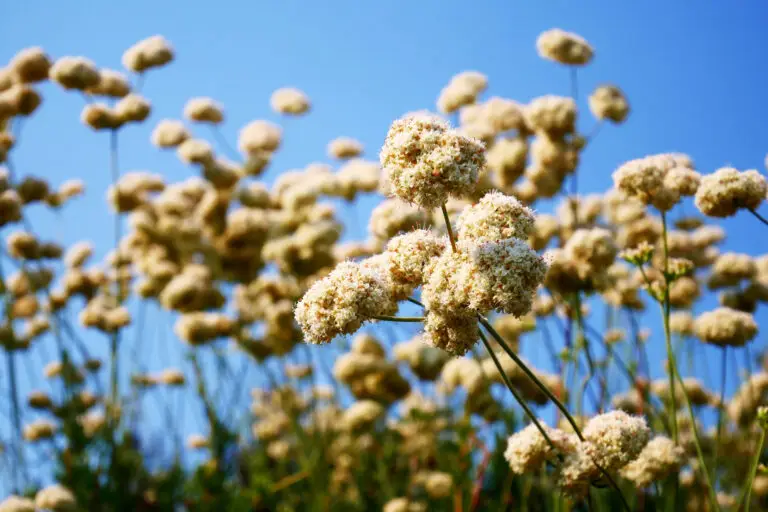
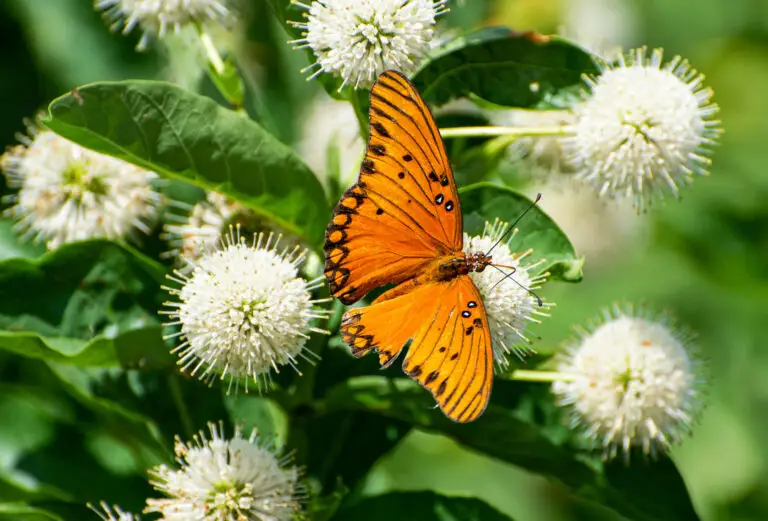
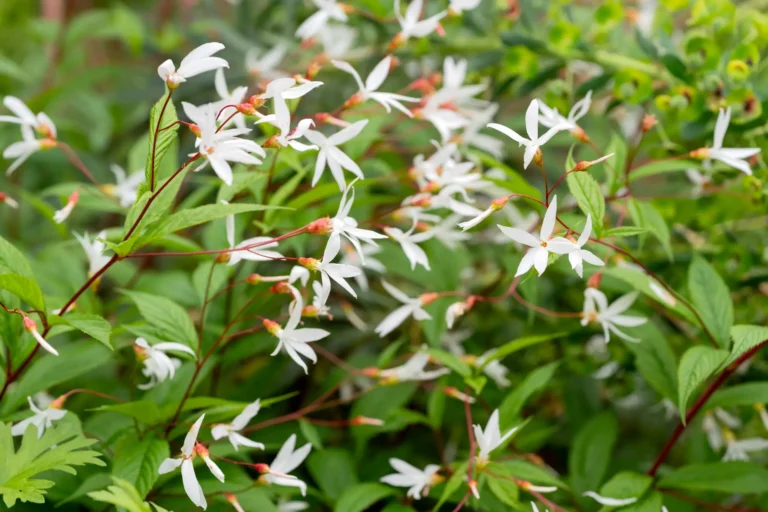
White flowers
-
-
-
-
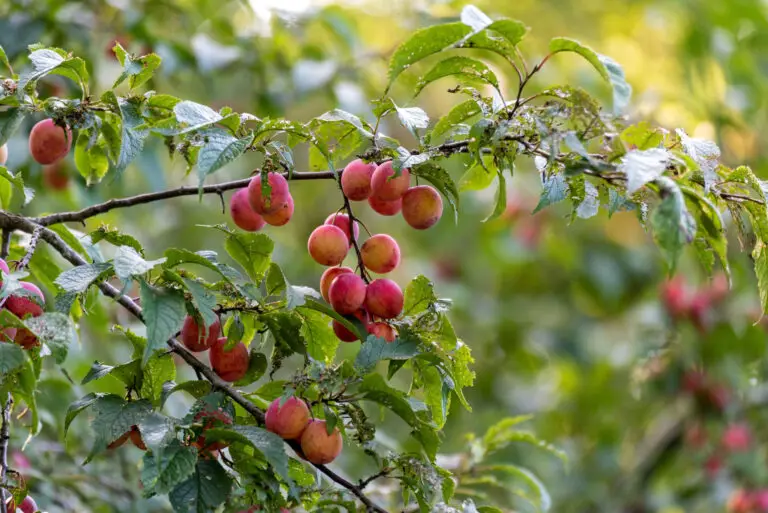
-
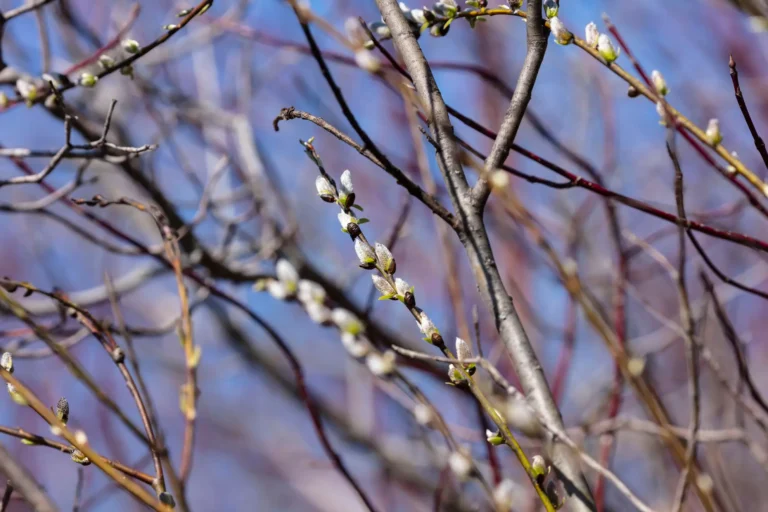
-
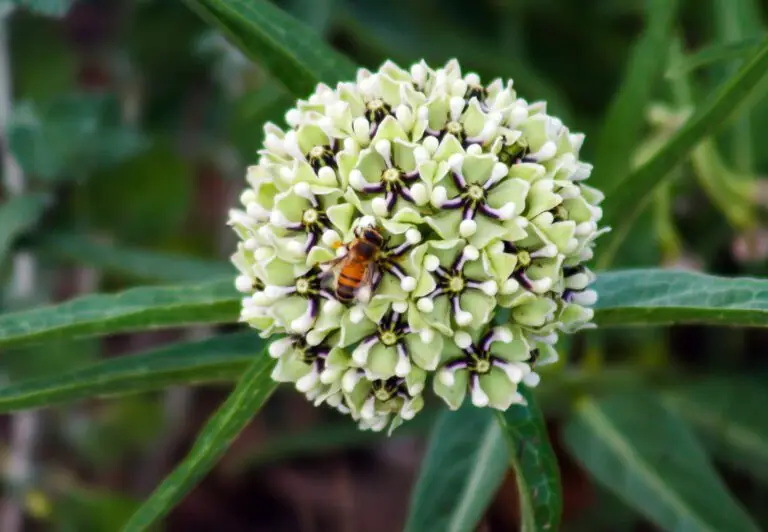
-
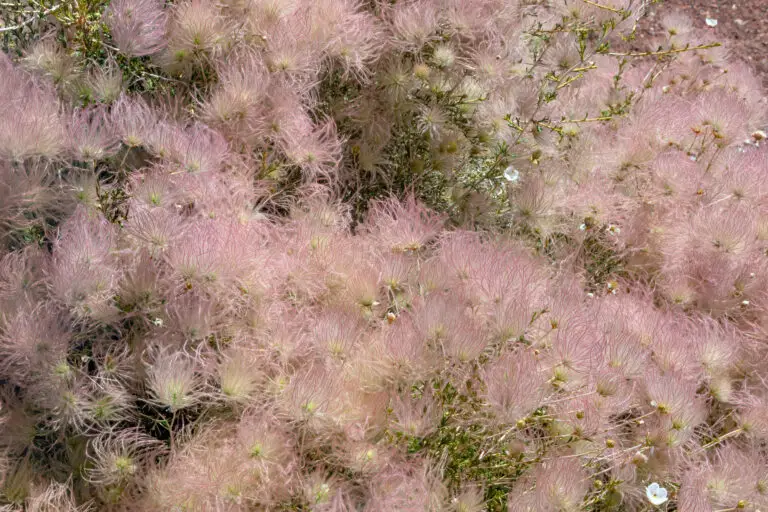
-
-
-
-

-
-
-
-
-
-
-
-
-


Yellow flowers
-
-
-
-
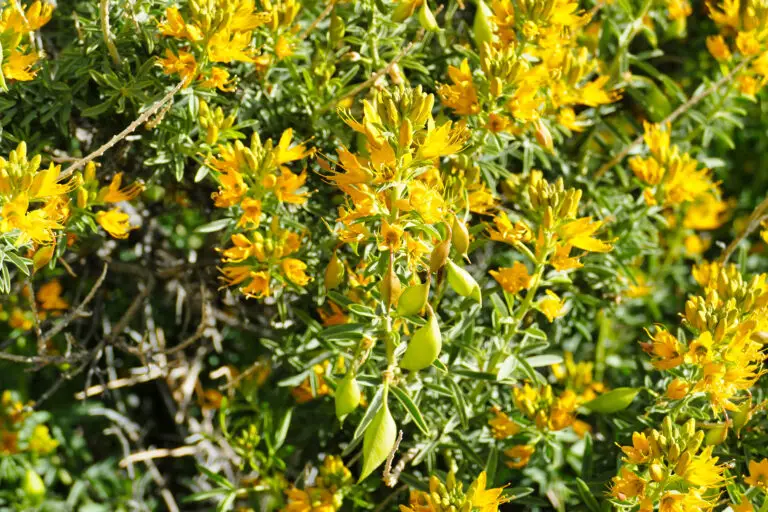
-
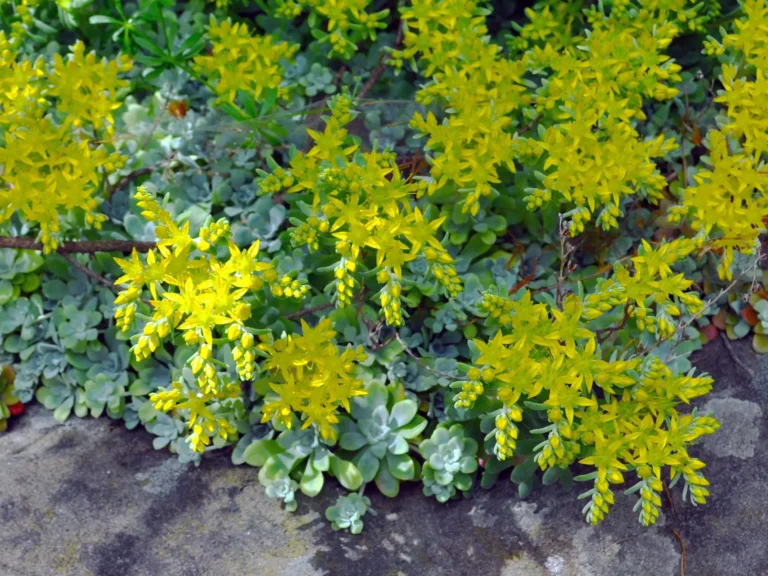
-
-
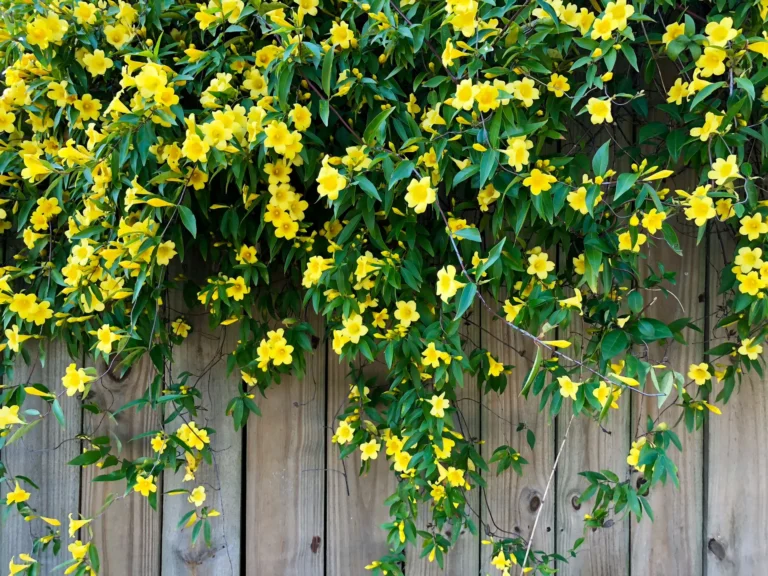
-
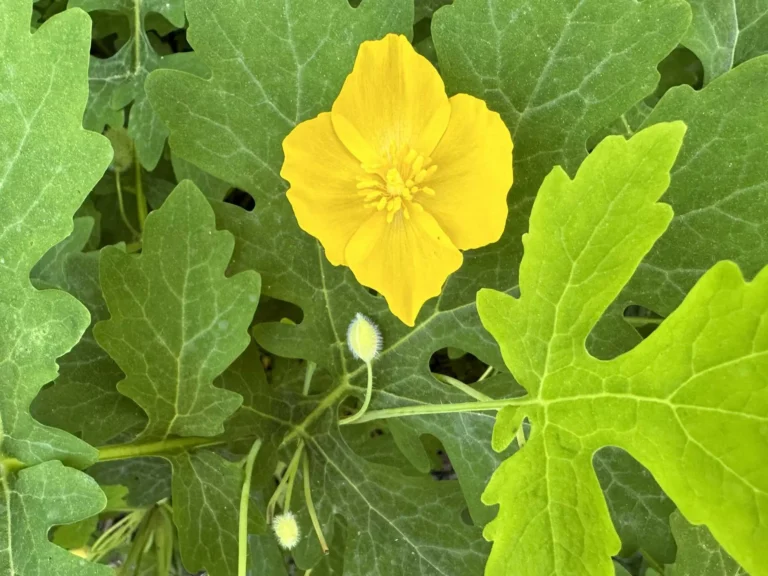
-
-
-

-
-
-

-
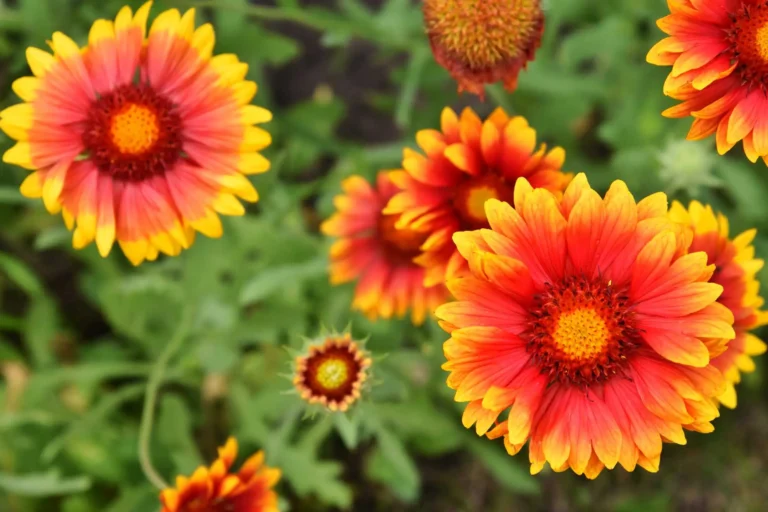
-
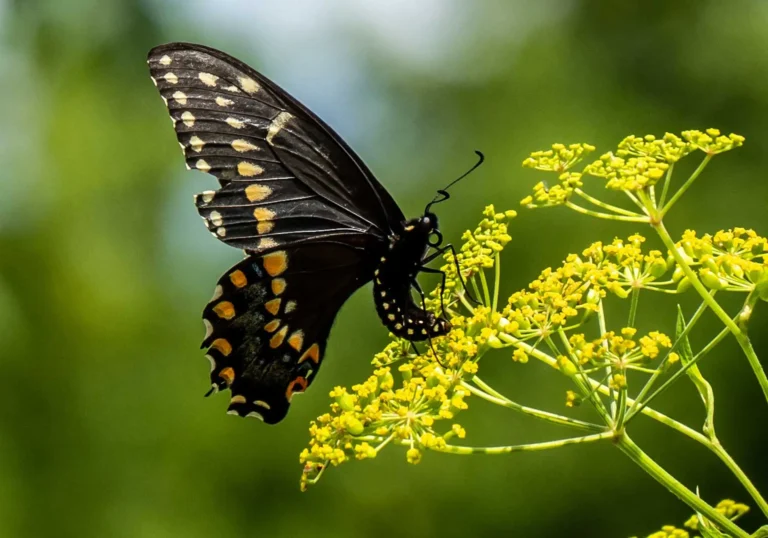
-
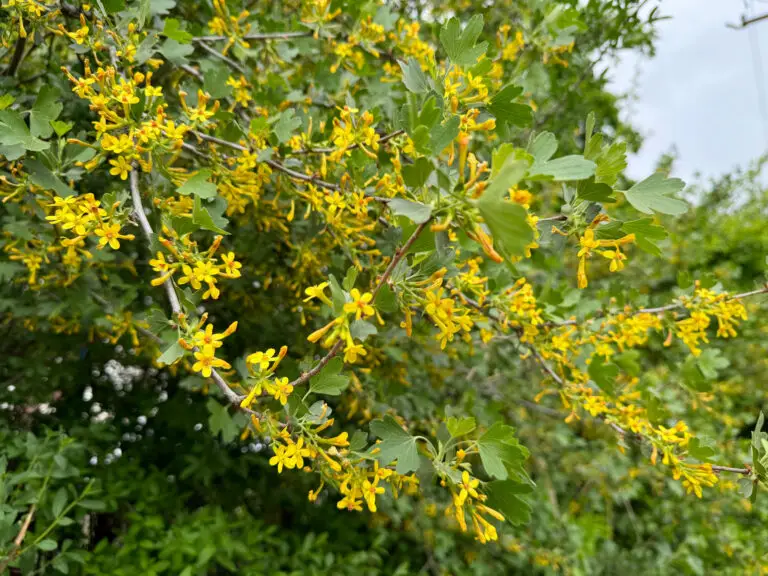
-
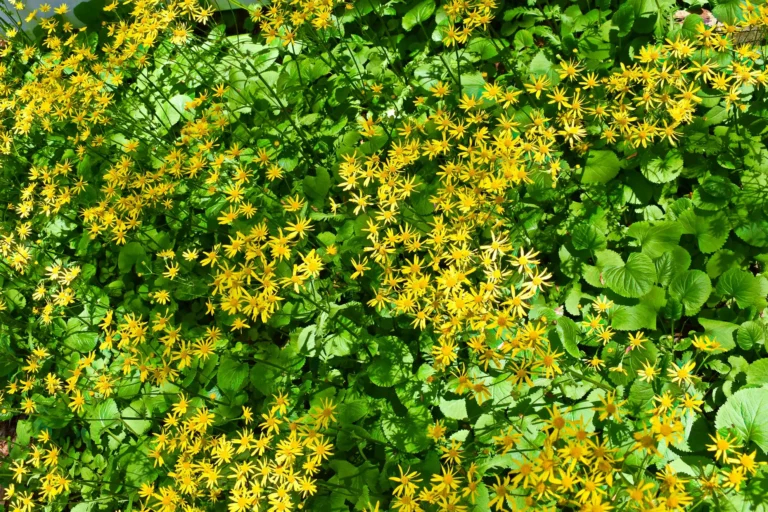
-
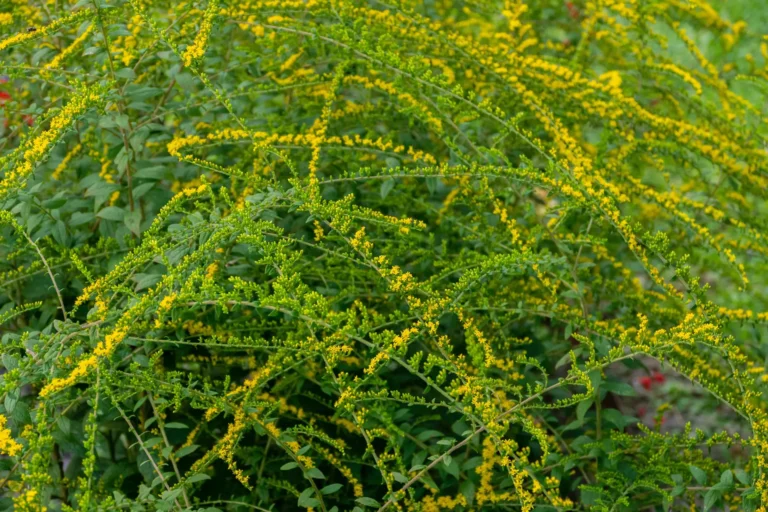
-
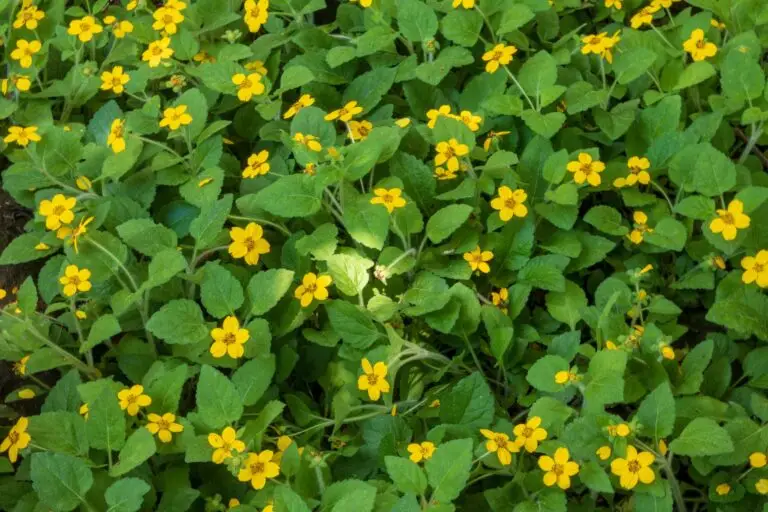


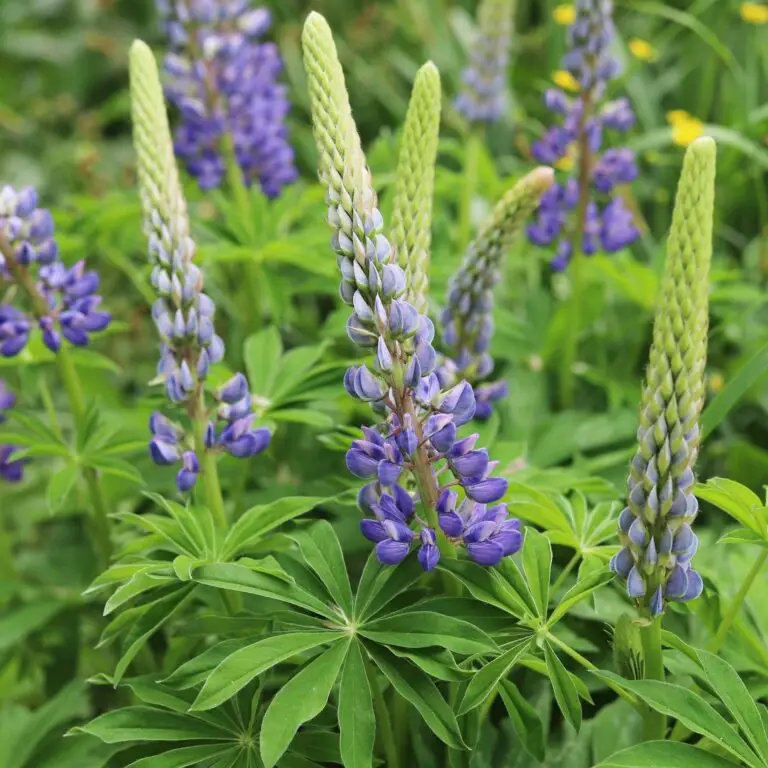
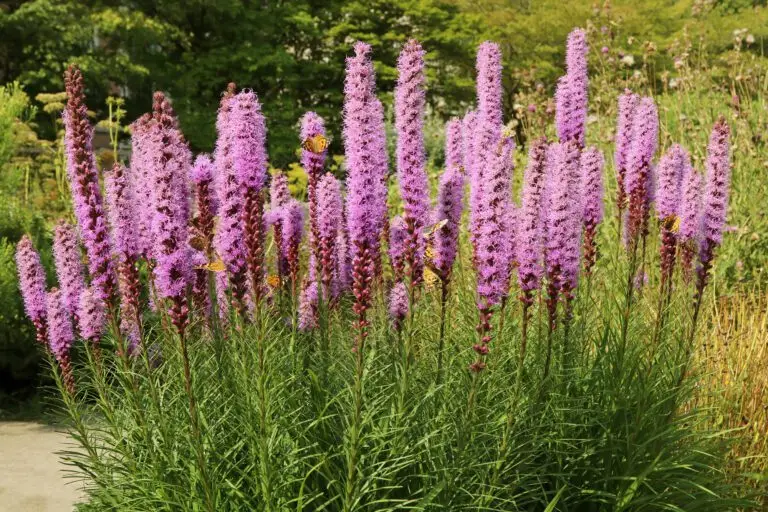
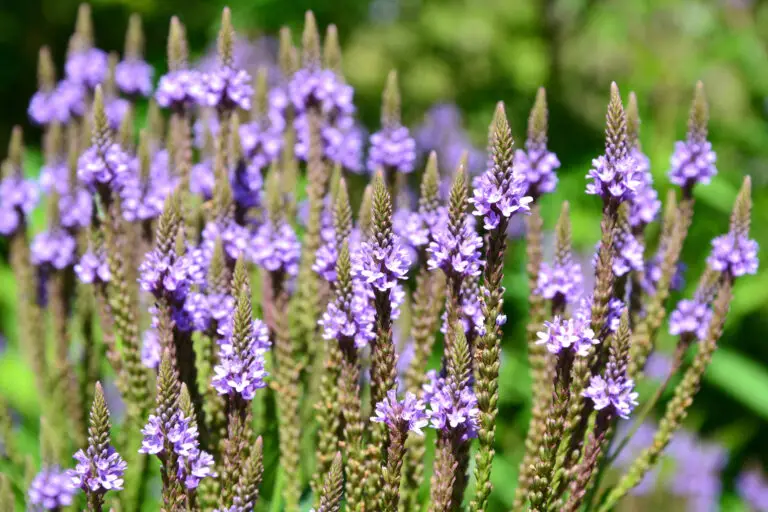
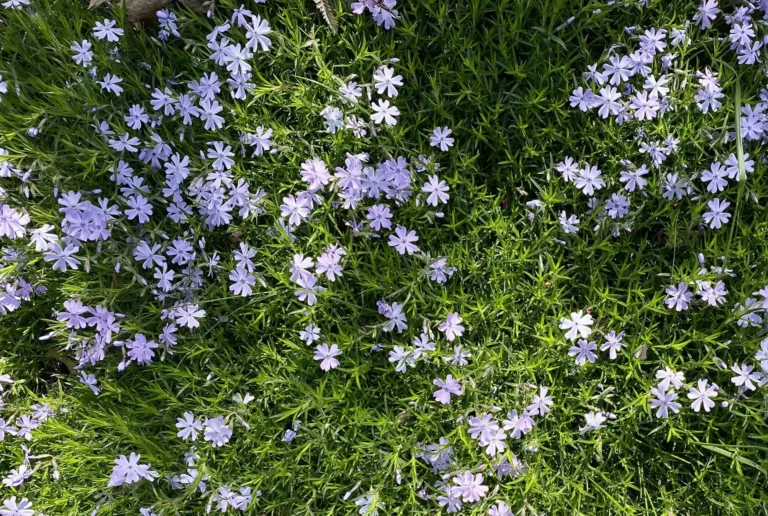
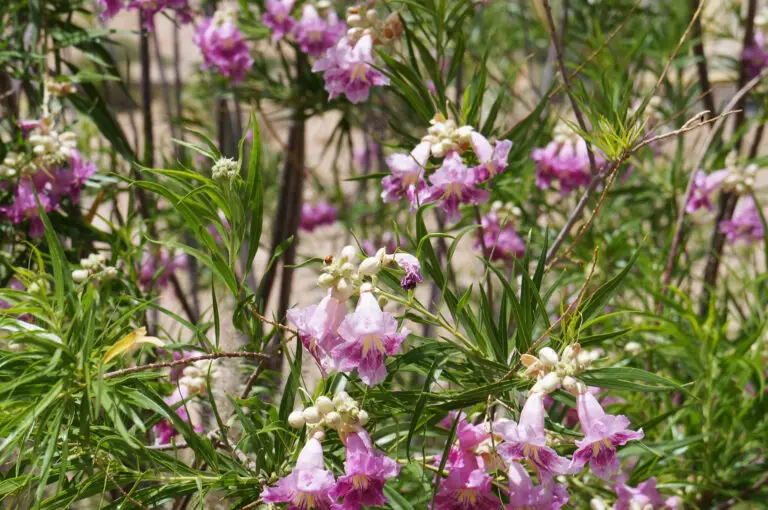
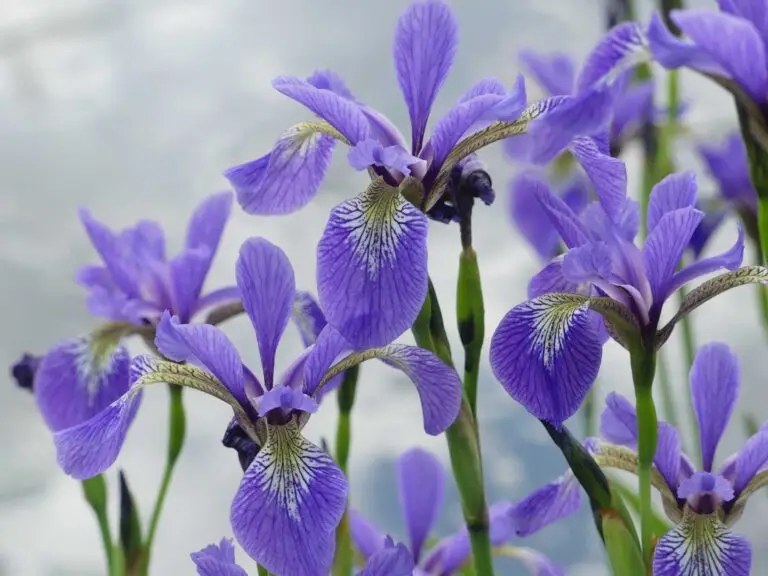
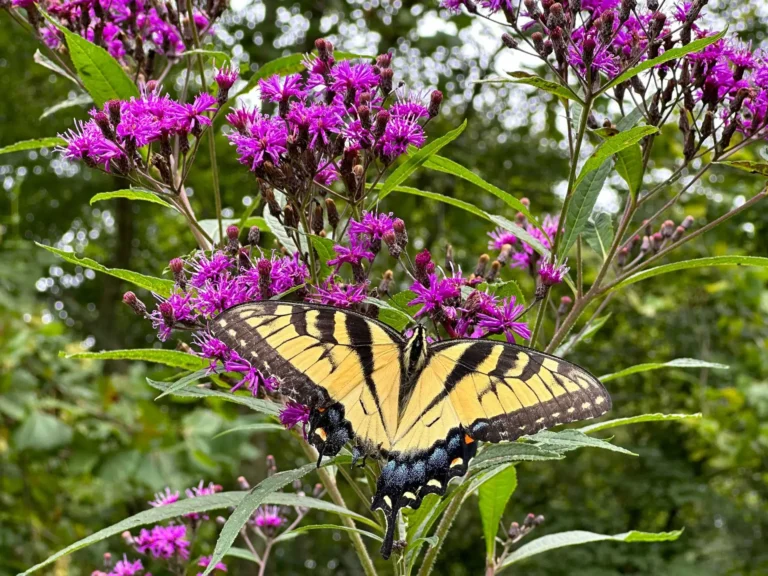
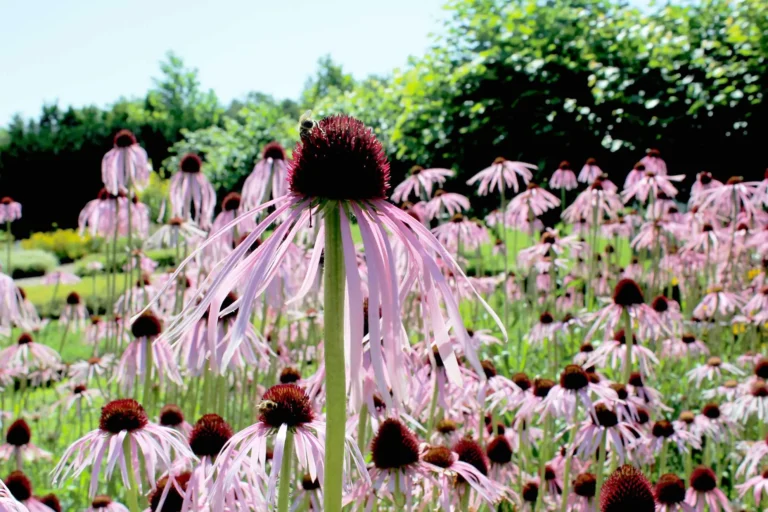
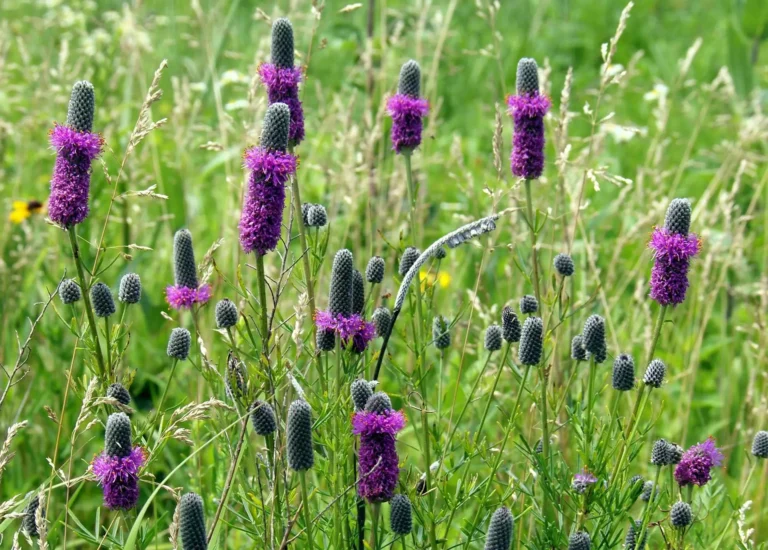
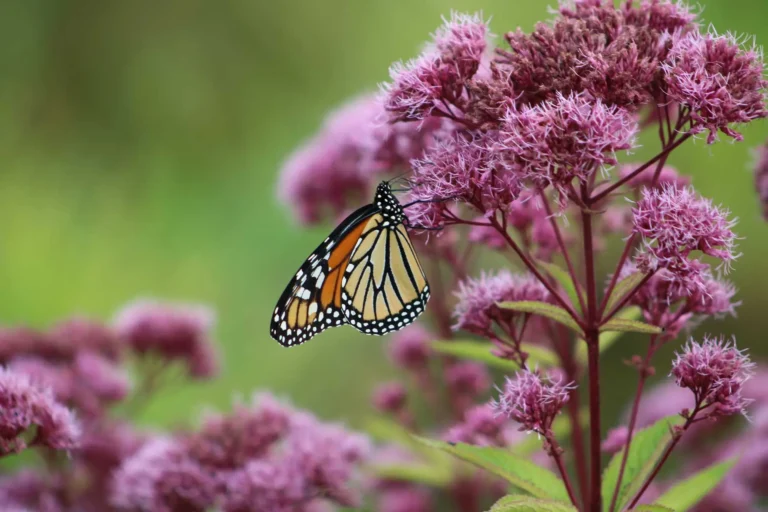
Purple flowers
-
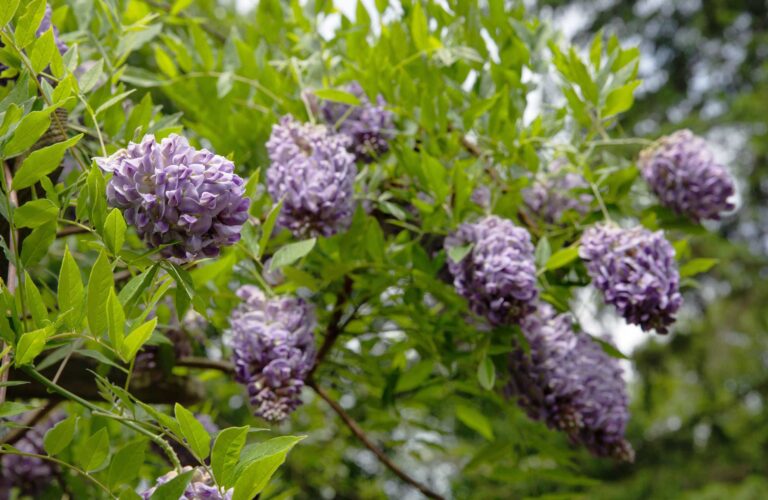
-
-
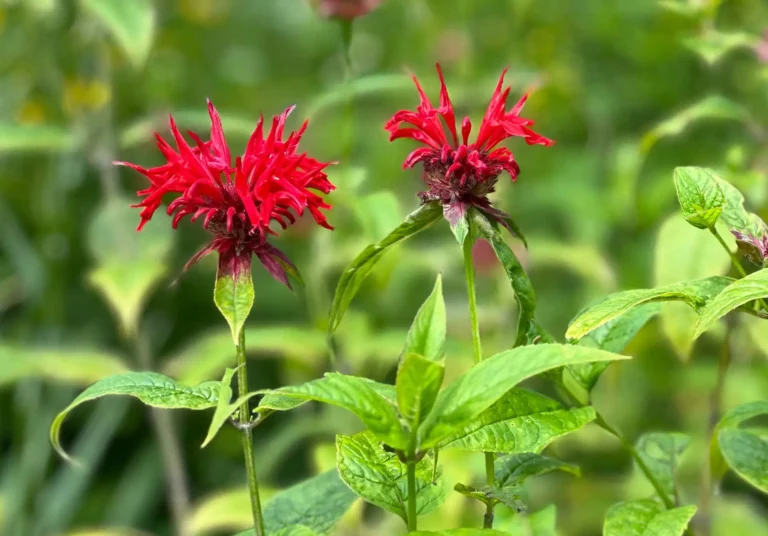
-
-
-
-
-
-
-
-

-
-
-
-
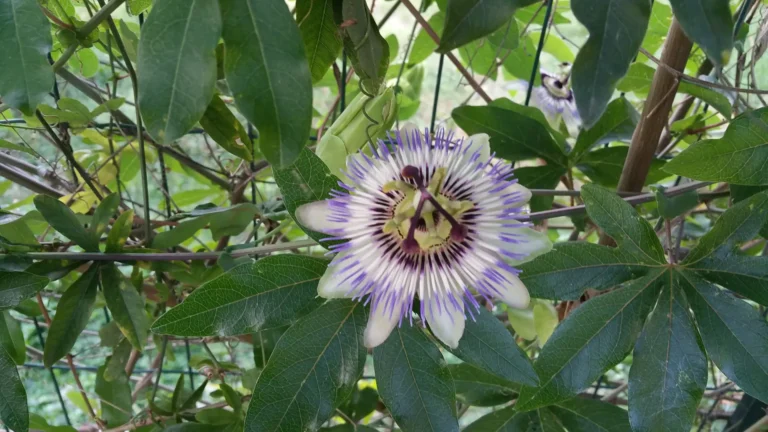
-
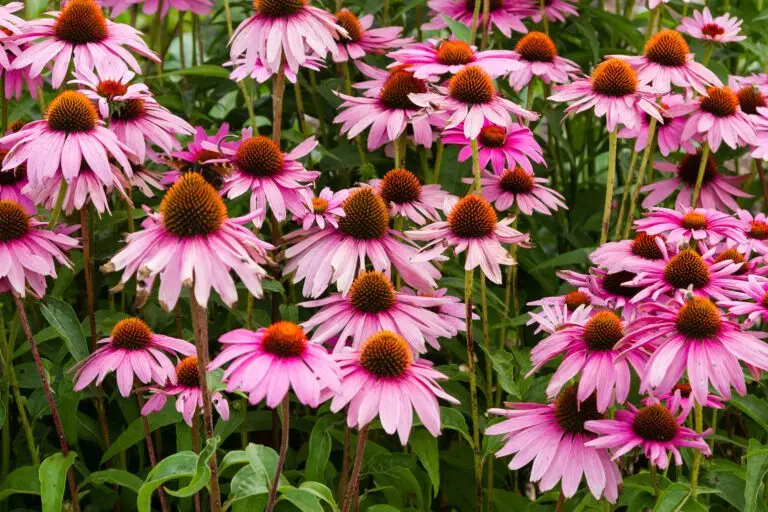
-
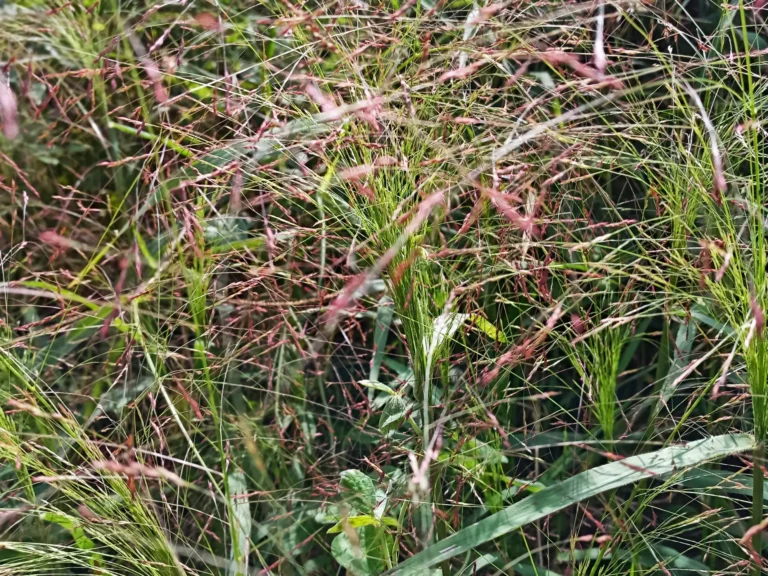
-
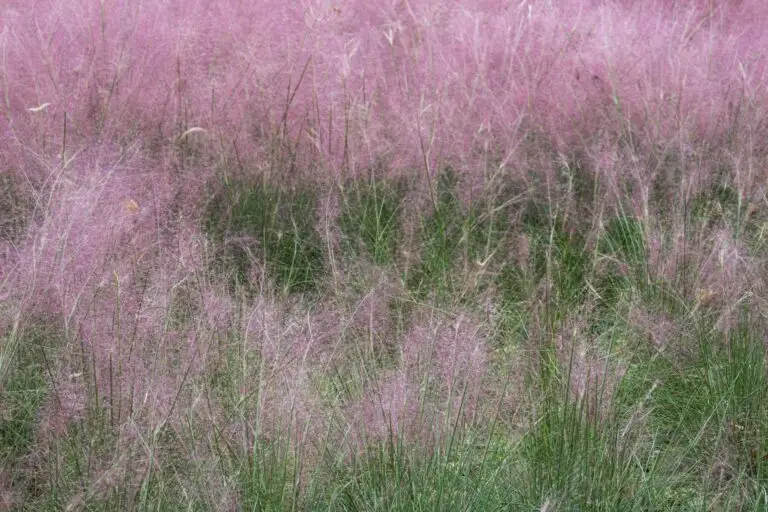
-
-
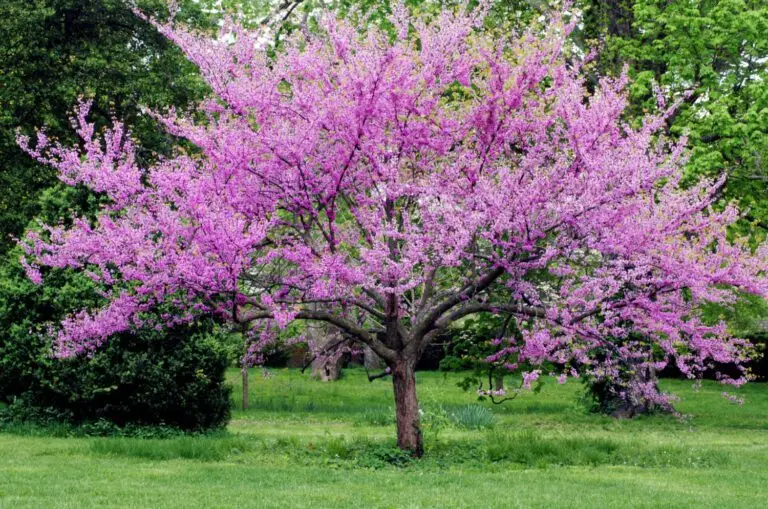


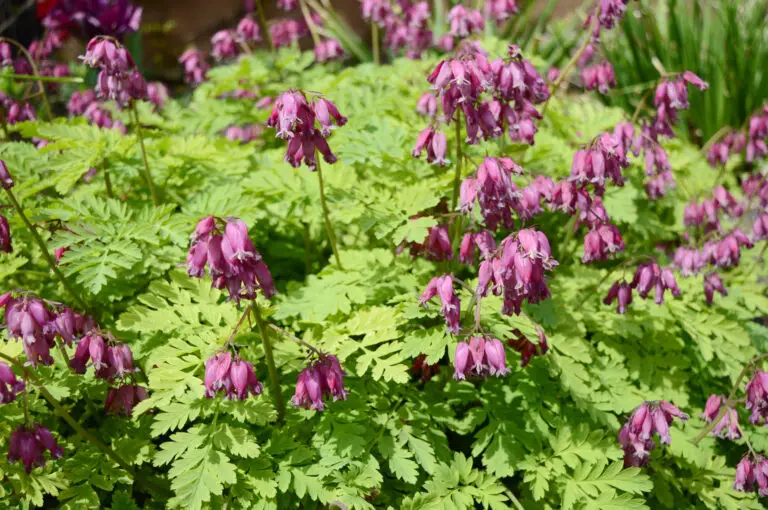
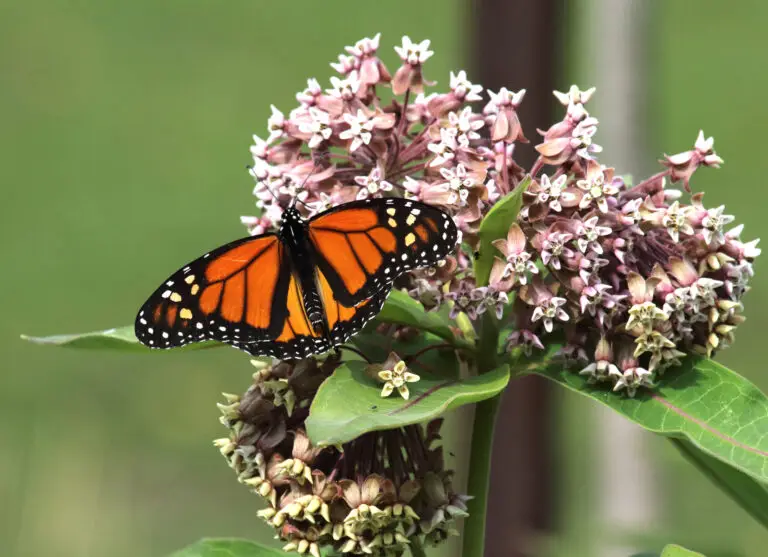
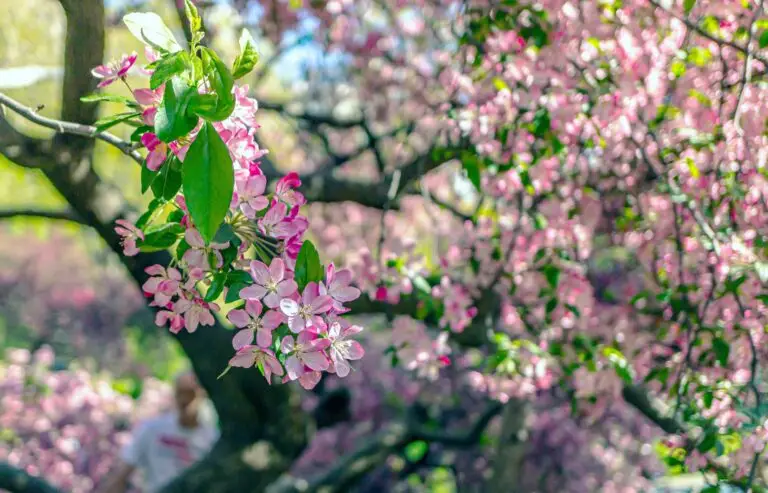
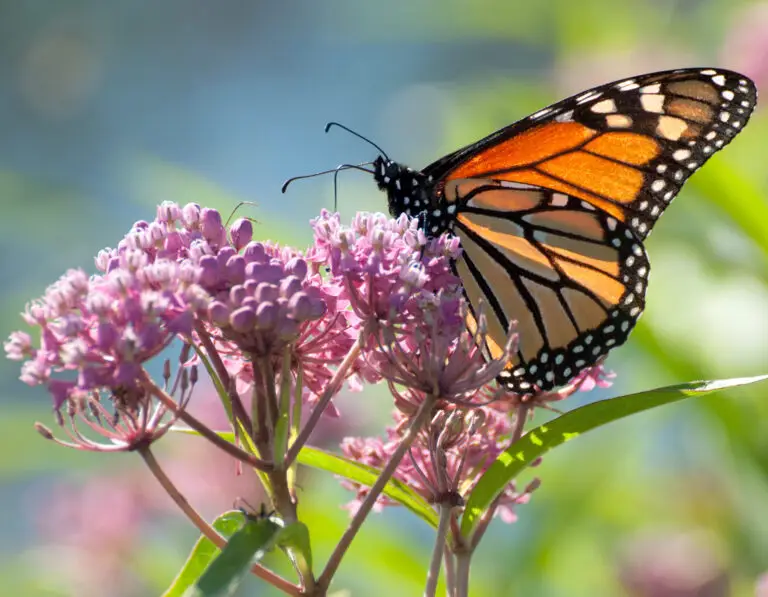
Pink flowers
-
-
-
-
-
-
-
-
-
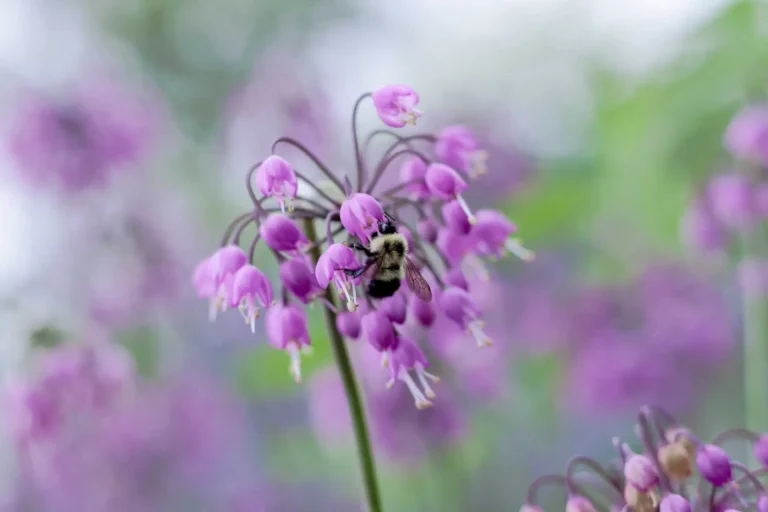
-
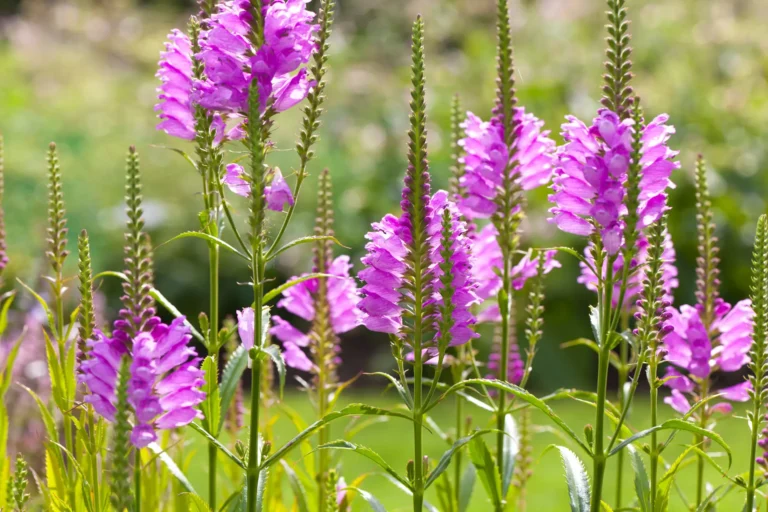
-
-
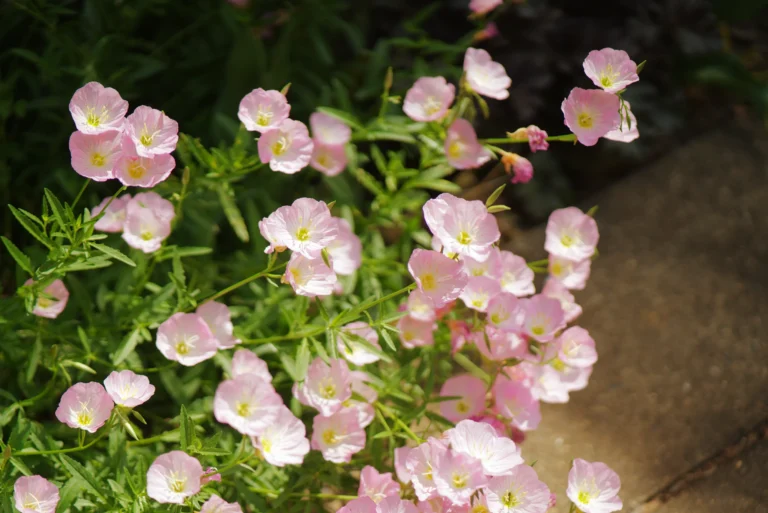
-
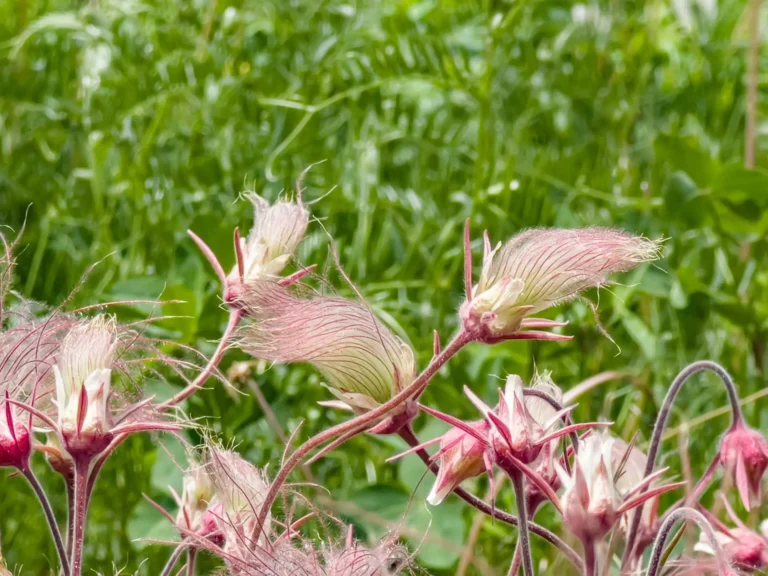
-
-
-
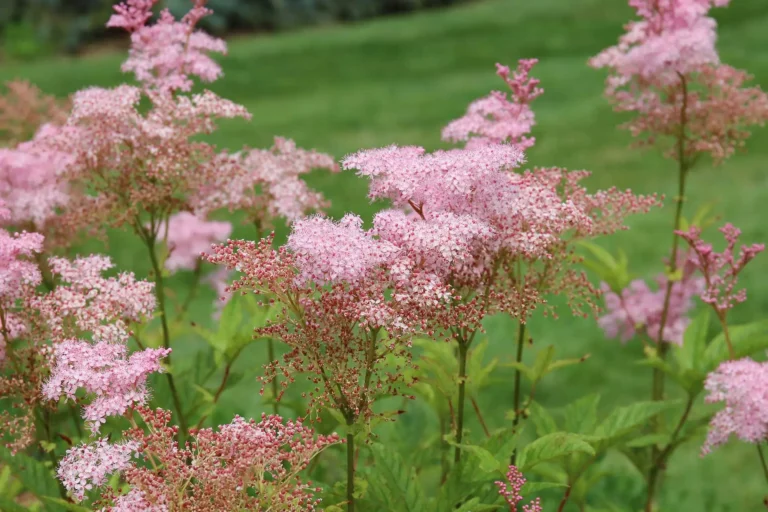
-
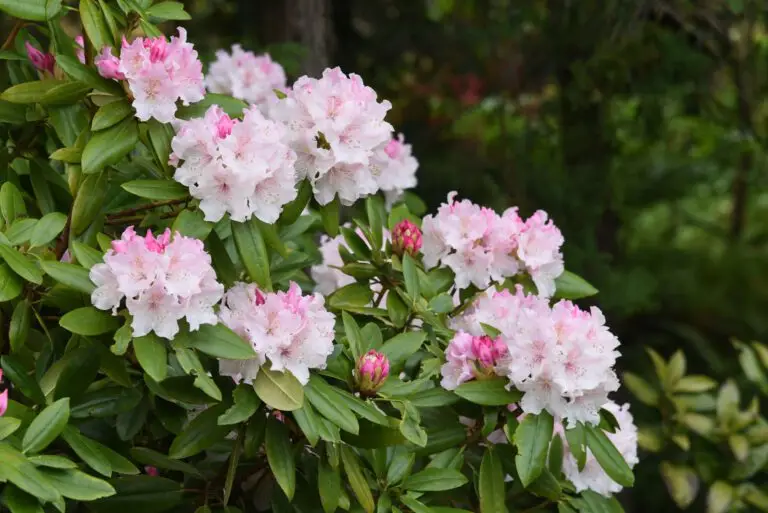
-
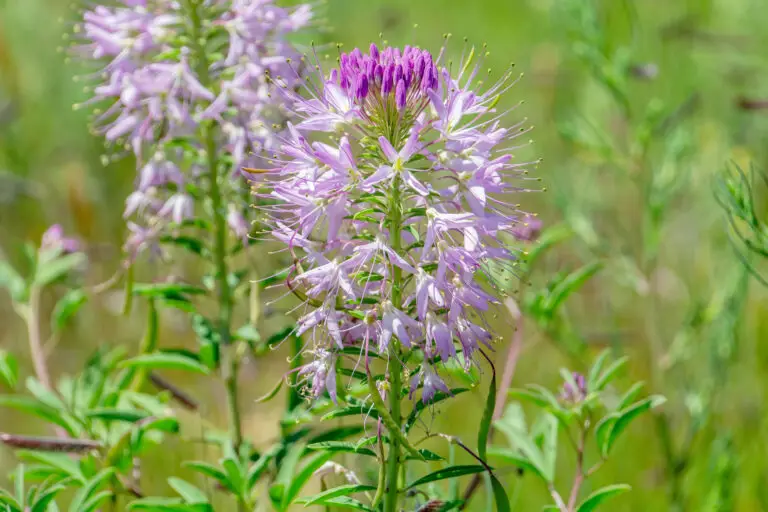
-
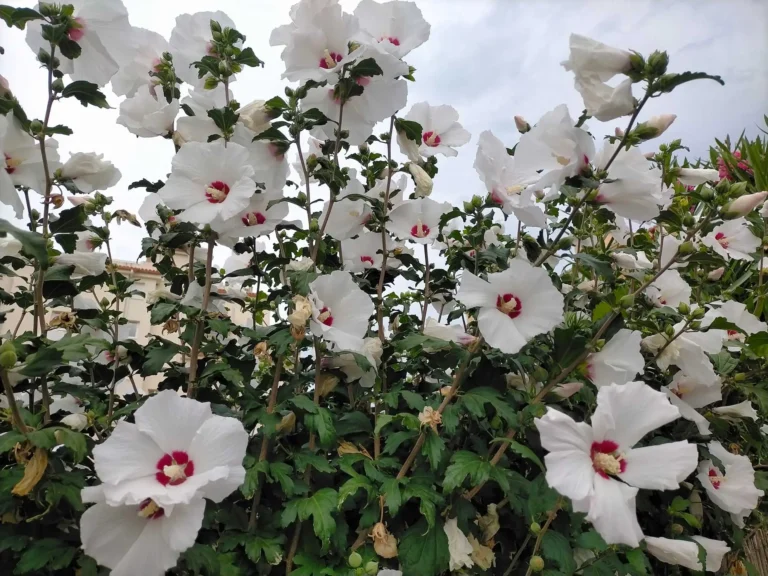
-
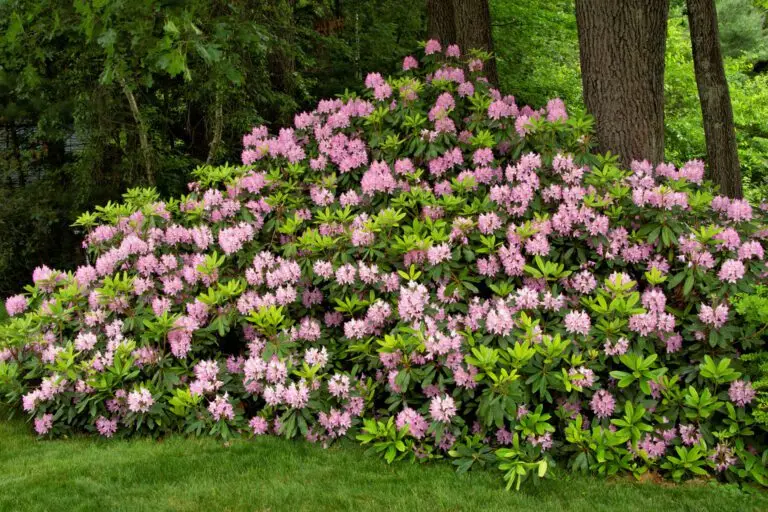


Red flowers
-
-
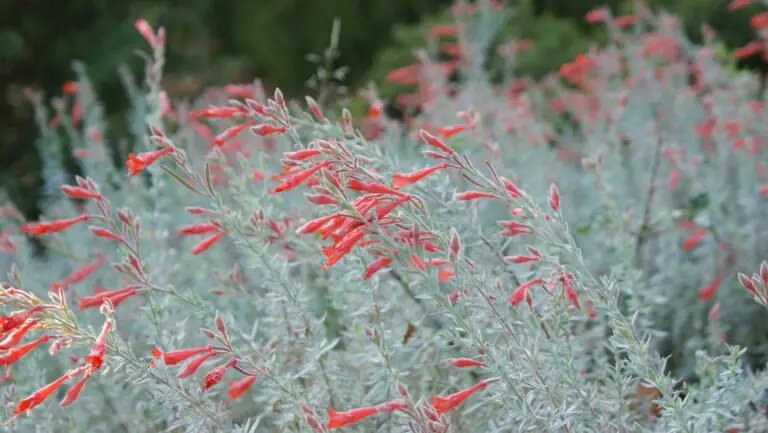
-
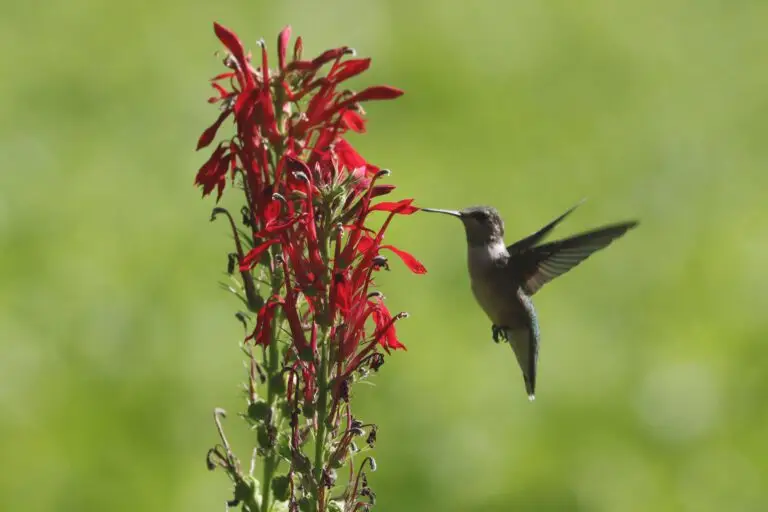
-

-
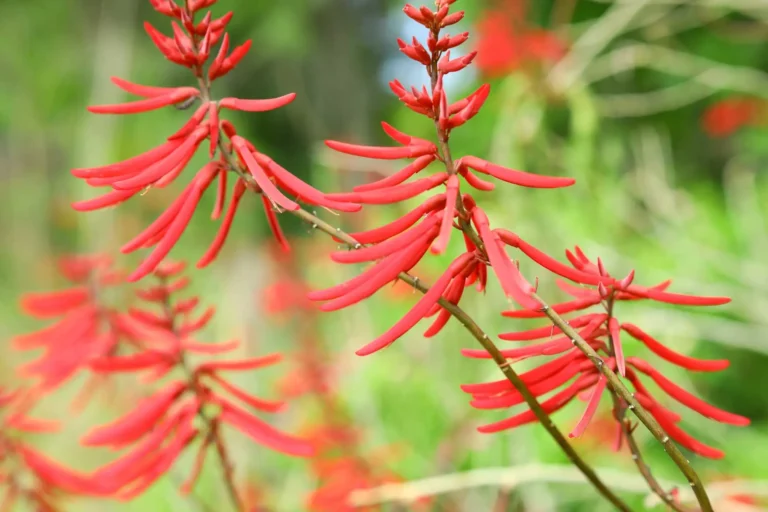
-
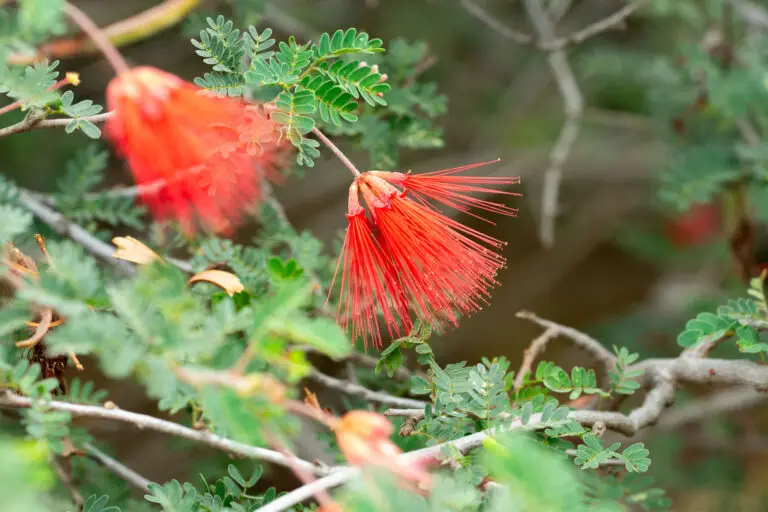
-

-
-
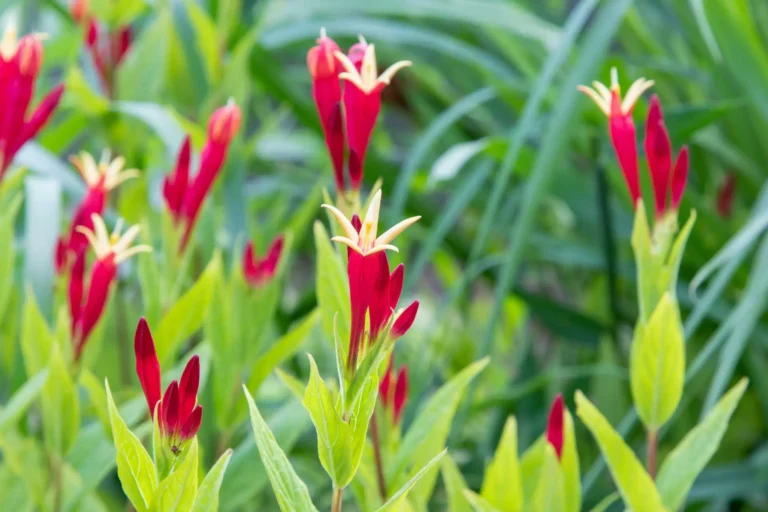
-
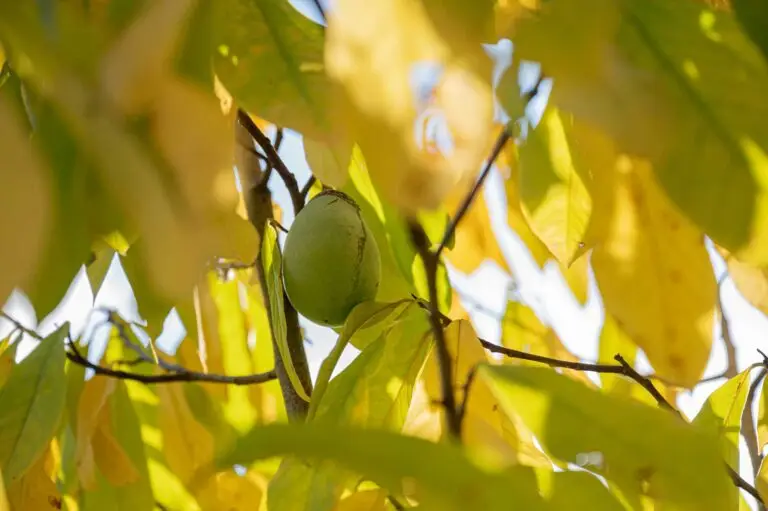
-
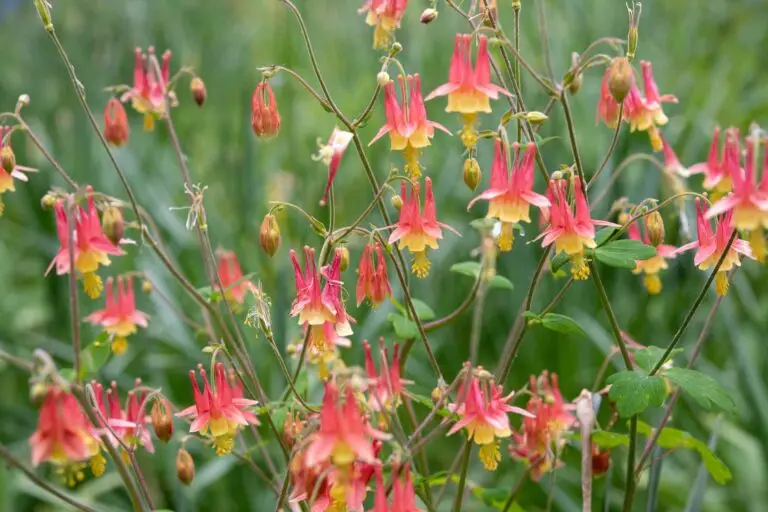
-
-
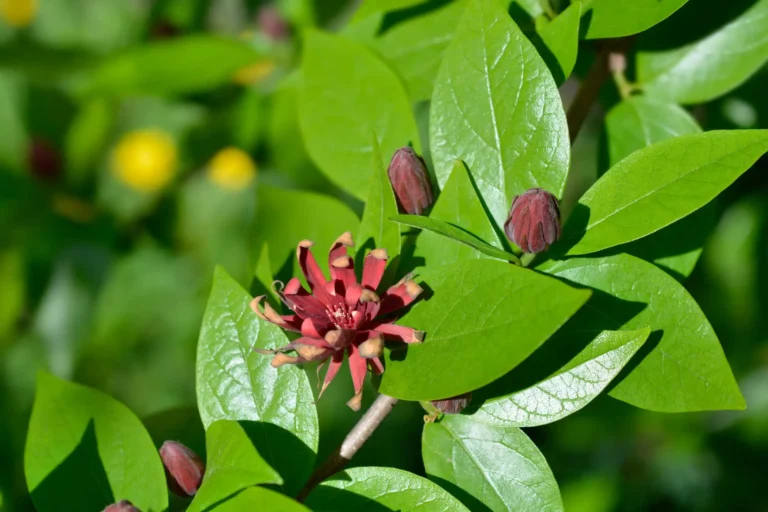
-
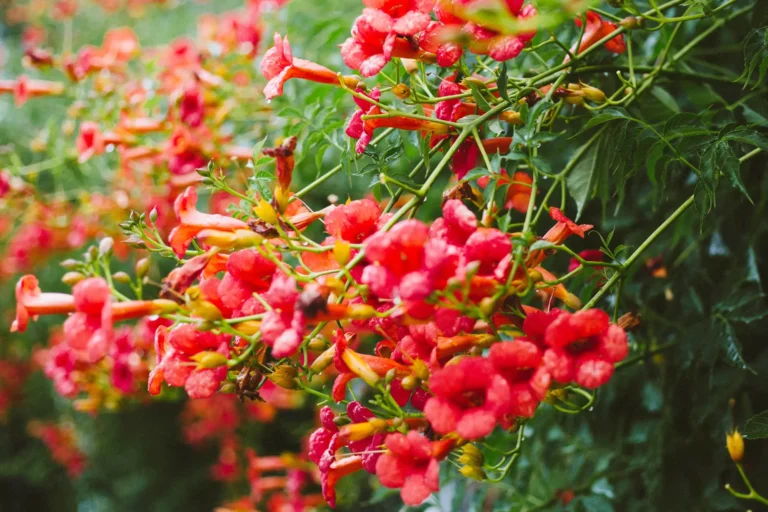
-
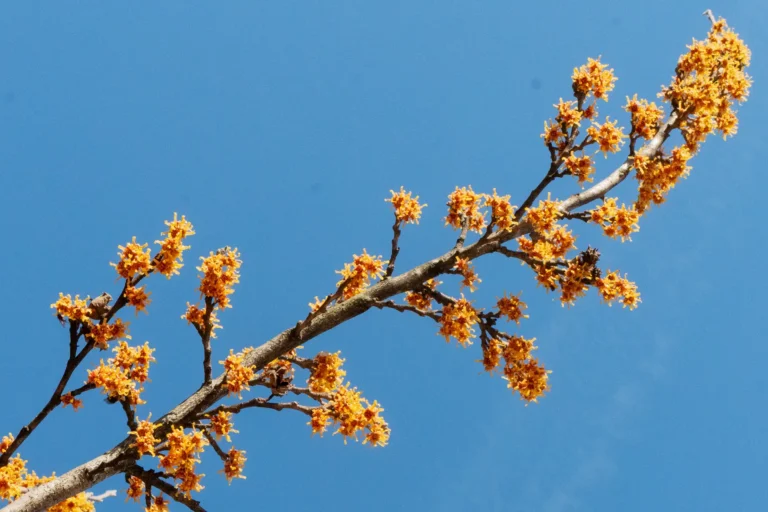


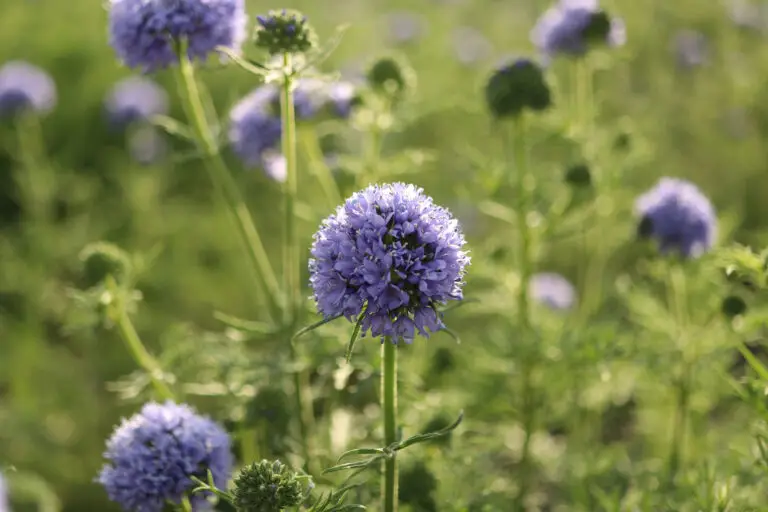
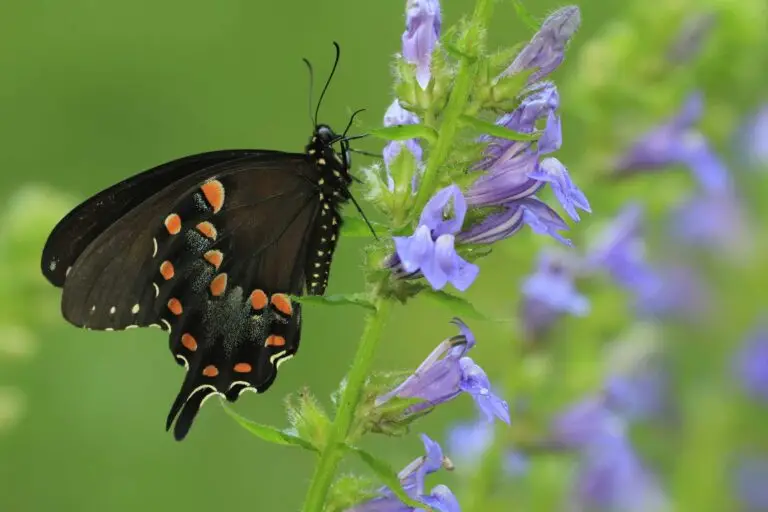
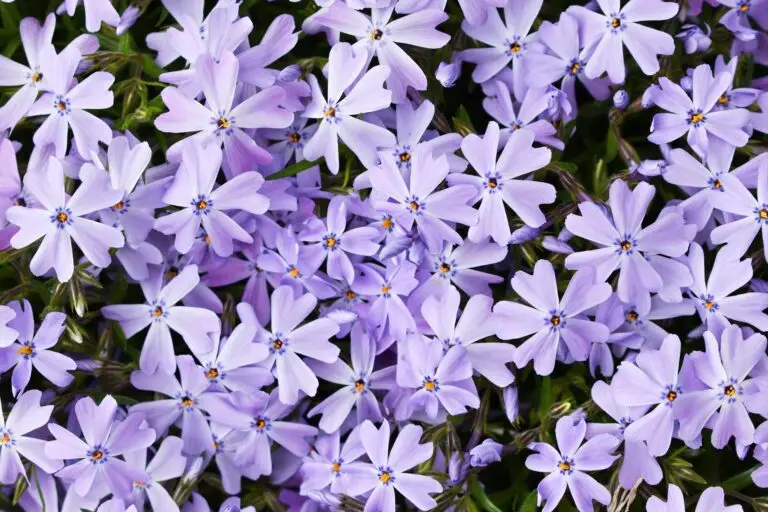
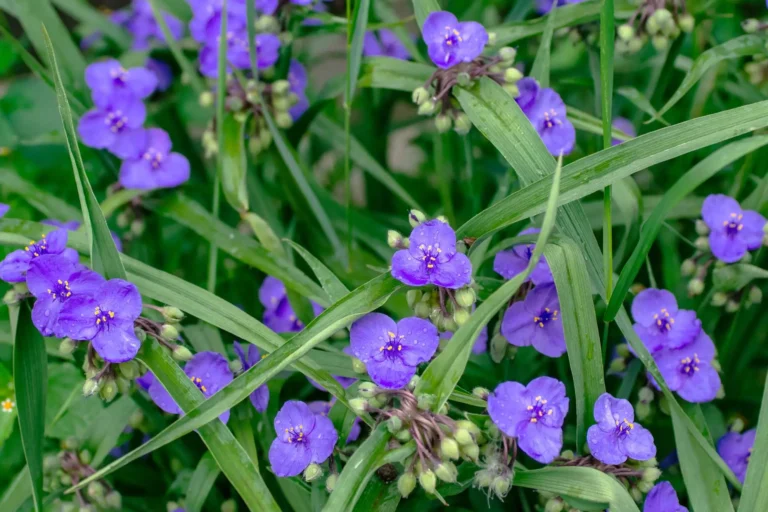
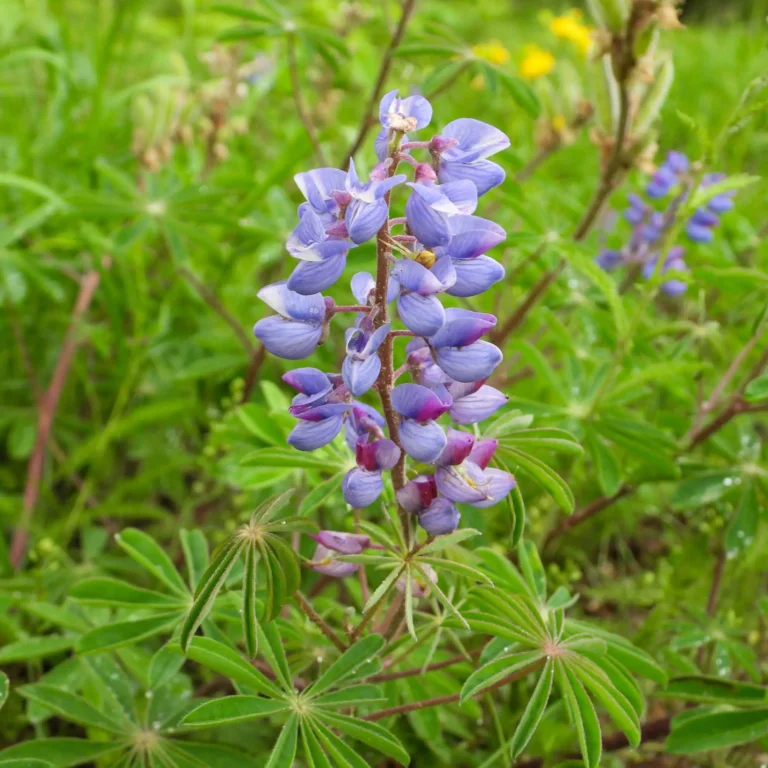
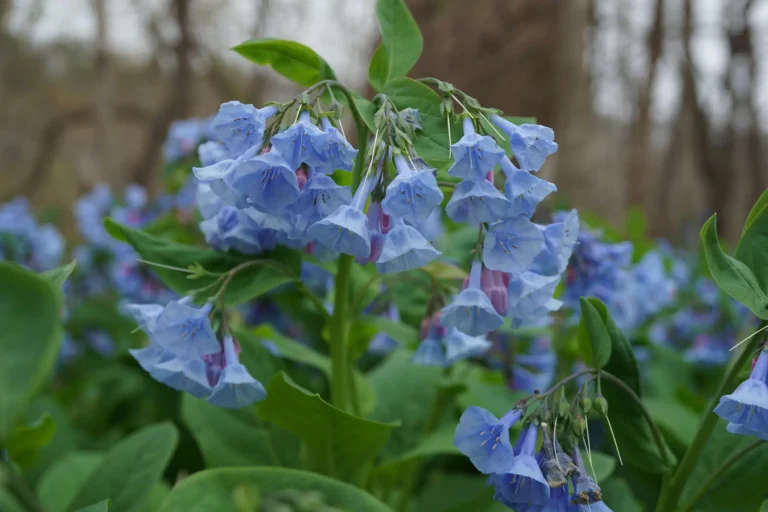
Blue flowers
(If we’re being honest…some of these could also fall into the “purple” category. Blue is a very rare color in flowers.)
-
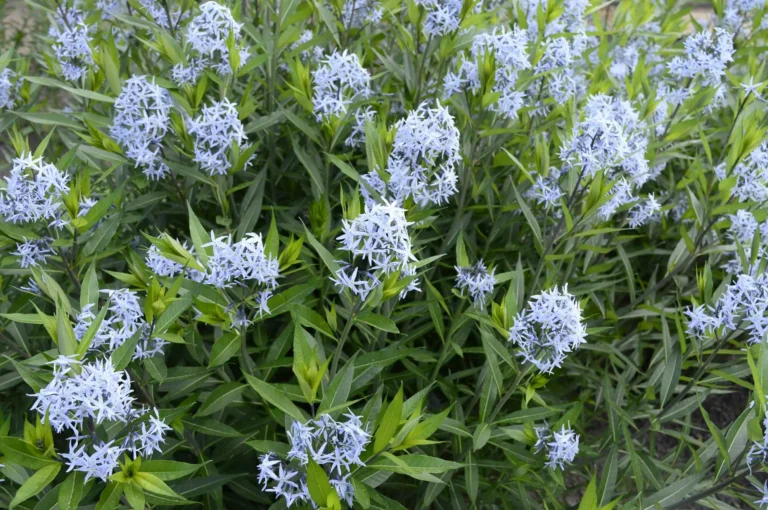
-
-
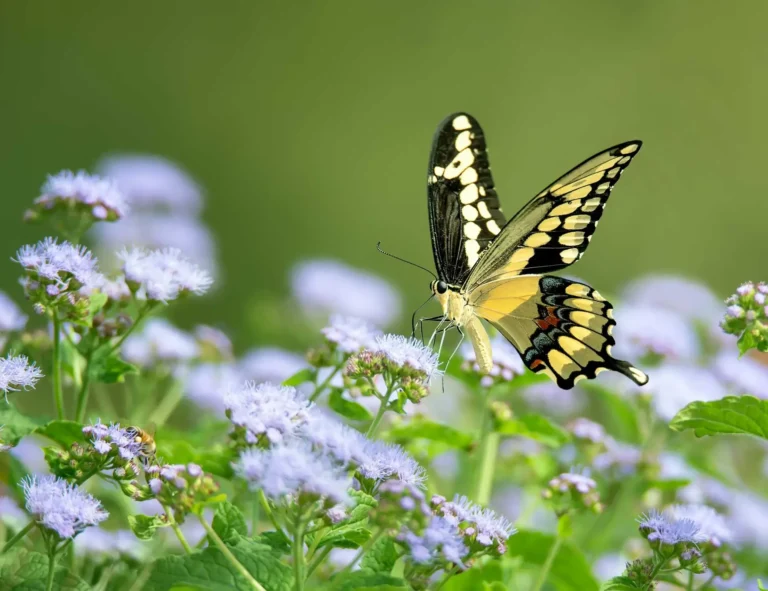
-
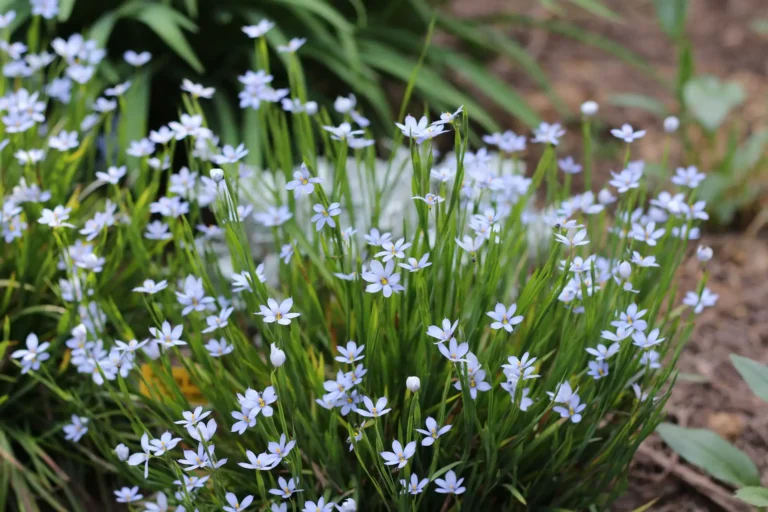
-
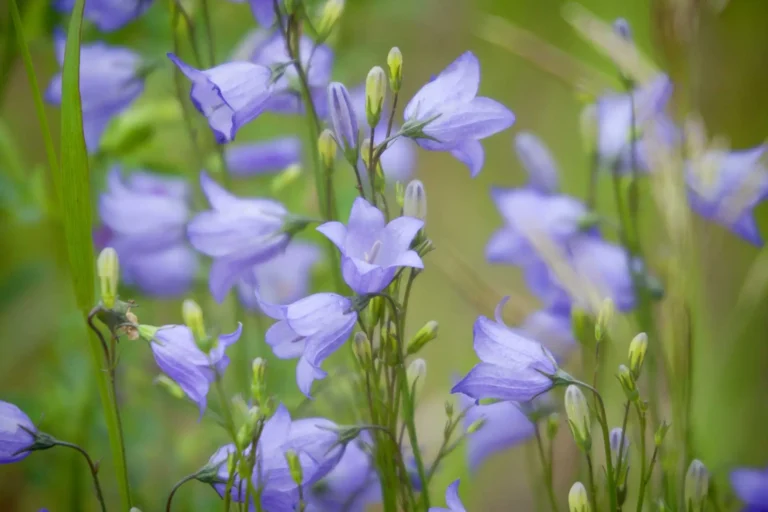
-
-
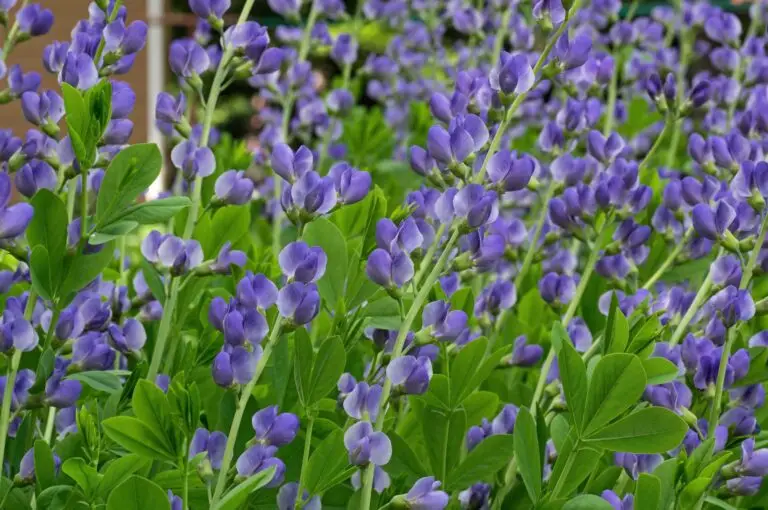
-
-
-
-
-
-
-
-


You can always add another color, another plant, or change your mind in the future.
Still feeling overwhelmed?
Start with a statement tree. As the saying goes, “the best time to plant a tree was yesterday.” An hour of planting a tree will return decades of beauty. Explore a guide on native dogwoods or magnolias to meet a few flowering favorites.
Looking for a tree for your front yard? We got you. Here’s our guide to the best native trees for front yards.

Planting trees is incredibly simple and straightforward—all it takes is a shovel, some compost, and the hose.
The three-color native garden is an easy way to bring together garden choices and plant native. Planting native plants helps butterflies survive and saves us an enormous amount of time, especially compared to lawns or non-native plants.
Next steps and resources
- Best native plants for butterfly gardens
- What is a host plant?
- Native magnolias: a beginner’s guide
- Native dogwoods: a beginner’s guide
- Mountain Laurel vs. Azalea vs. Rhododendron—what’s the difference?
Updated
The ads on this site help pay real native plant nerds to research and write these guides.


