





Highlights
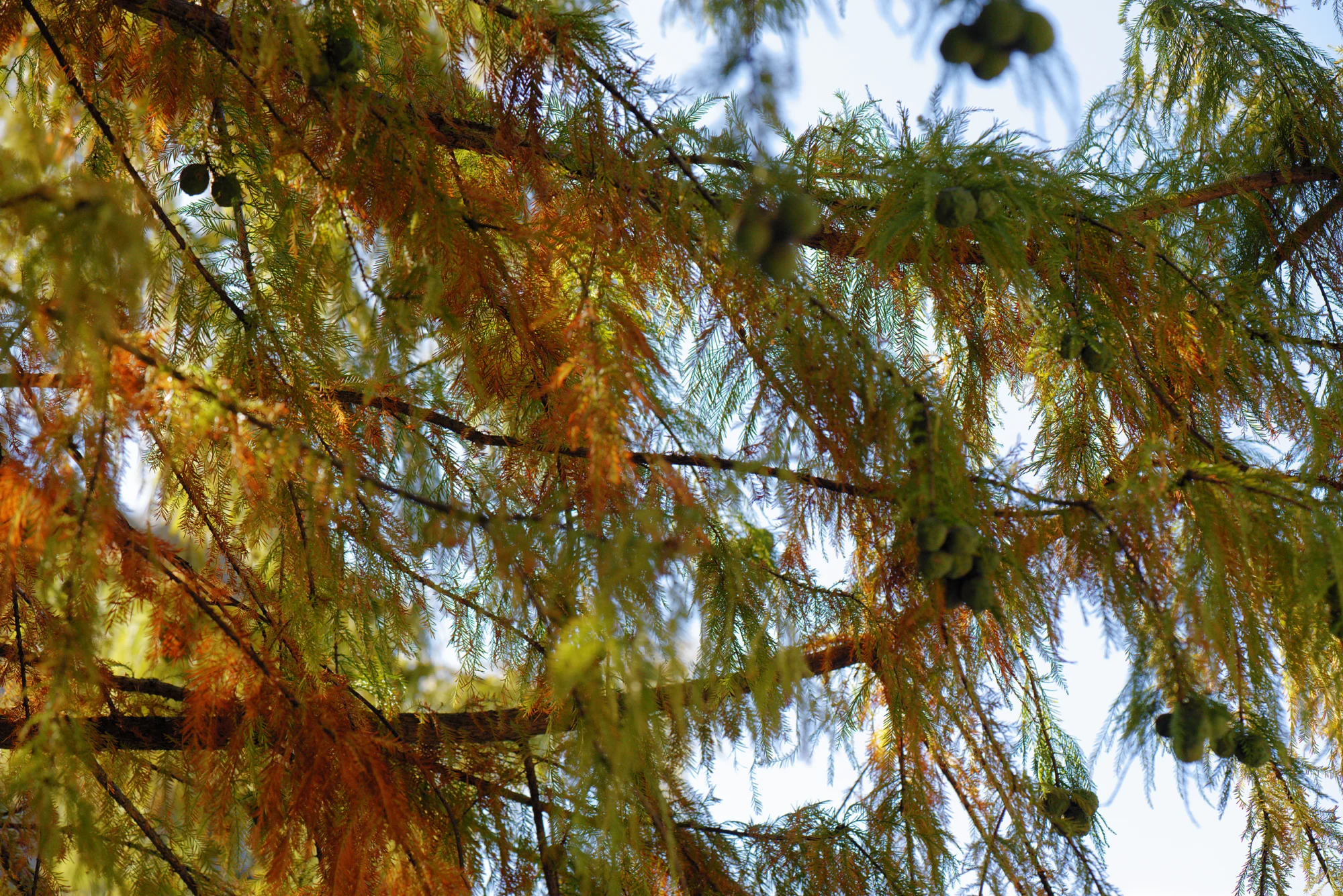
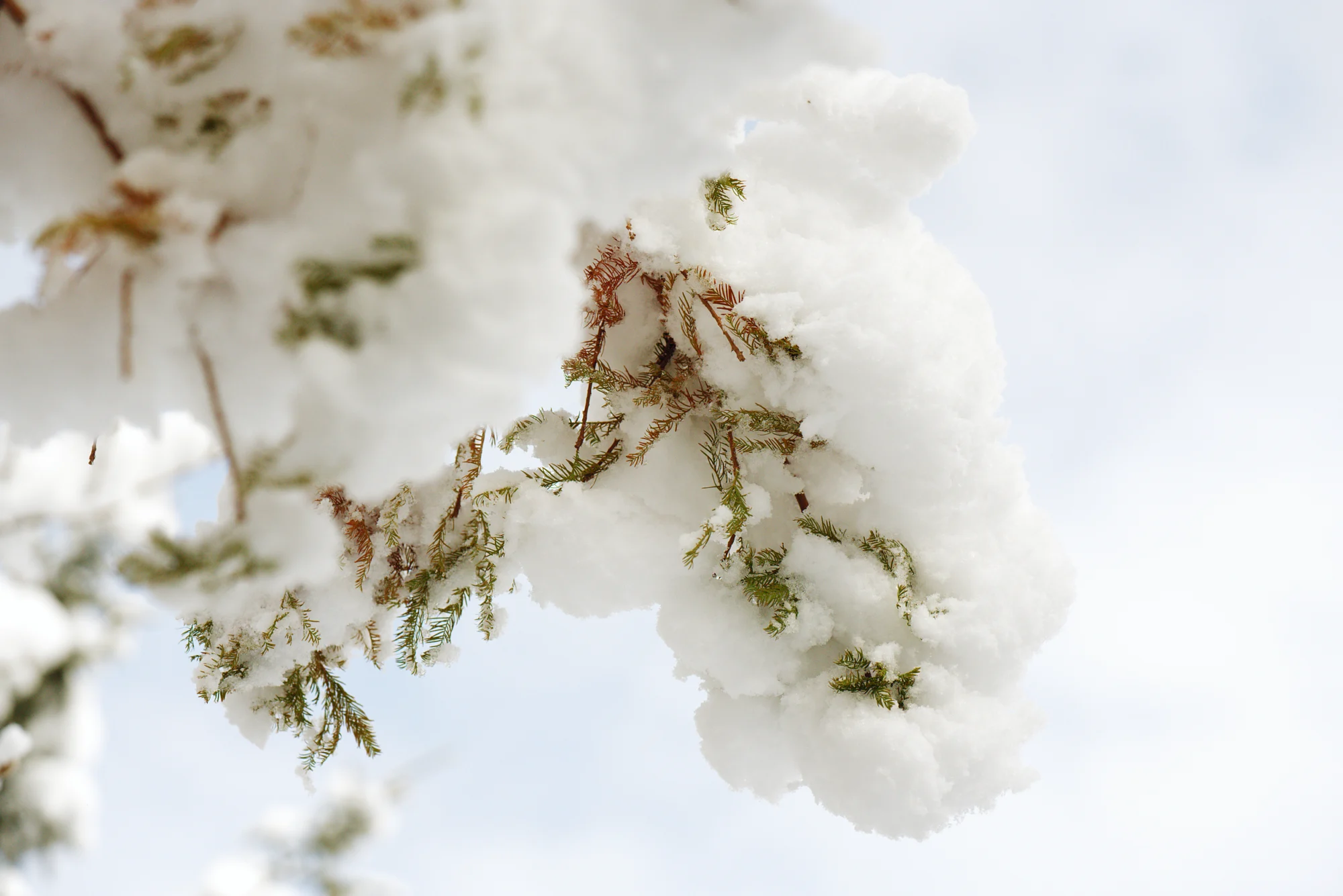
Bald cypress is a tree that breaks a lot of tree rules. It has needles and cones like a pine, but it drops its needles in the fall like a maple. Like a maple, its leaves turn colors before dropping, becoming a rusty cinnamon-orange. Then, all winter, it stands bare, its beautiful, sculptural branches gracefully moving in the wind. Leave it alone, and it can leap up to 50+ feet over the decades.
It’s also the tree of those moody southern swamp photos, which sometimes scares people off. But you don’t need a creepy swamp to enjoy this native tree. Bald cypress grows well in ordinary garden soil, wet or even well-drained, and it can live a very, very long time. One on North Carolina’s Black River is at least 2,624 years old.
Is bald cypress a good choice for my yard?
Yes, if…
- You have room for a big tree. It reaches 50 to 70 feet tall and 20 to 30 feet wide.
- You have a soggy spot. It handles standing water. The low corner that floods after every storm is a fine place for it.
- You also have a dry spot. Once its roots are in, it’s highly drought-tolerant. Very few trees can say both.
- You want fall color from a conifer. Enjoy rust, cinnamon, and copper, then a clean bare shape all winter.
- You need a street or city tree. Charlotte, Dallas, and Tampa already use it along streets because it handles pollution.
Skip it if…
- Your soil is alkaline. Above about pH 7.5, the needles turn yellow from chlorosis.
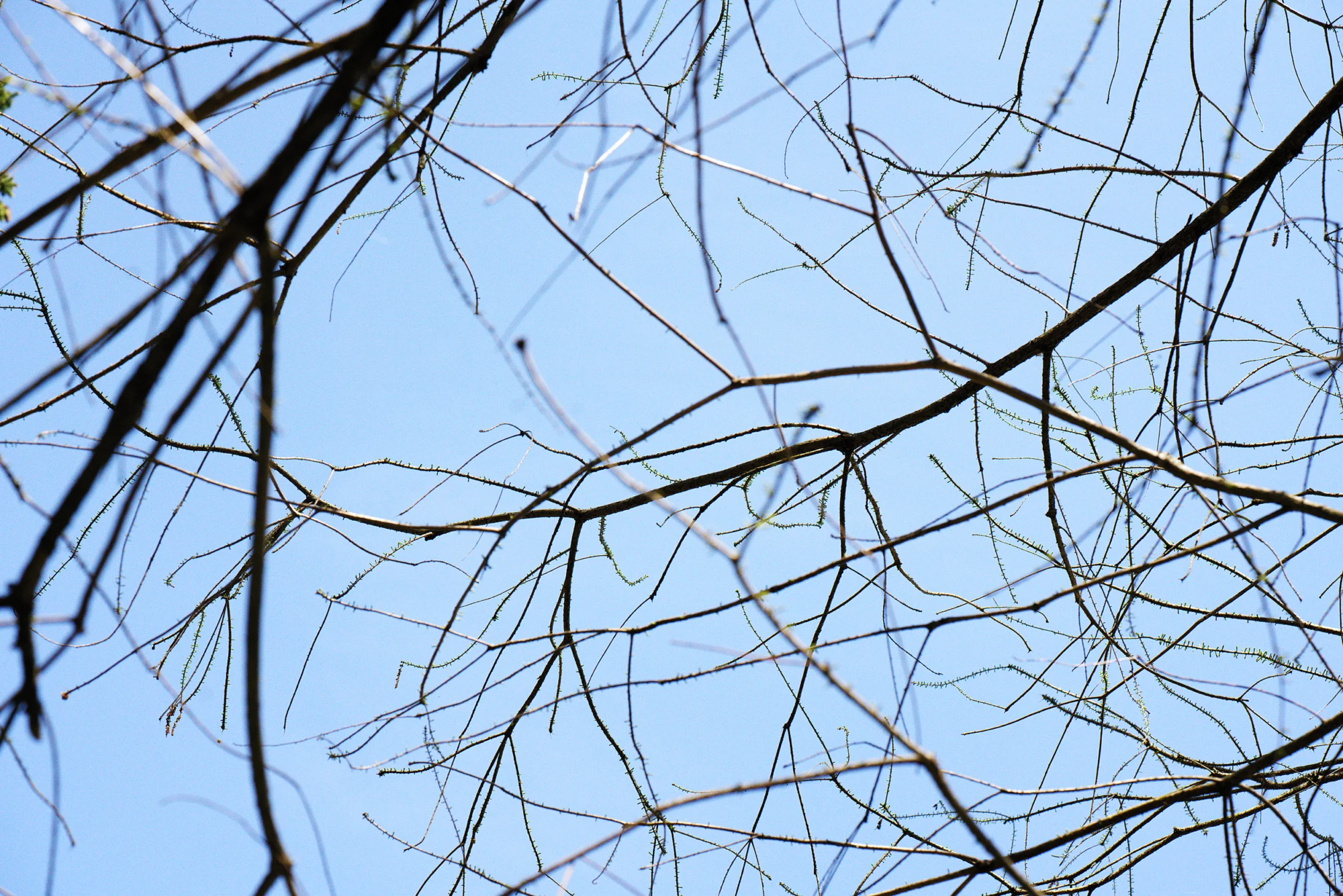
- You need year-round screening. It’s bare from late fall to spring.
- Your yard is small. Look at the dwarf ‘Peve Minaret’ instead, about 8 feet tall and 4 feet wide.
- You’re outside its native range. It’s native from southern New Jersey to Florida and Texas, and up the Mississippi to Indiana (see the map below). It’s planted north of there, but if native-to-your-state matters to you, check your zip code first.
Why bald cypress matters
In its home swamps and river bottoms, bald cypress is the tall thing everything else depends on. Bald eagles and ospreys nest in the tops of old trees. Prothonotary warblers, the gold birds of southern swamps, nest in hollow knees and stumps. Wood ducks, wild turkeys and evening grosbeaks eat the seeds.
It’s a host plant, too. In the Shropshire-Tallamy caterpillar records, the genus hosts 24 native moths and butterflies, including the bald cypress sphinx, a moth named for it.
Where bald cypress shines in your yard
- The wet corner. The low spot by the downspout, or the end of the yard that stays squishy in March.
- Pond and stream edges. Its roots hold the bank, and you get knees as a bonus.
- A specimen tree on a property edge, where you can see the fall color and the winter shape from a window.
- The curb strip, if your town allows it. It’s a tested street tree.
How to grow bald cypress
When to plant
Fall or early spring, while the tree is dormant. Container trees go in almost any time you can keep them watered.
Sun and soil
Full sun gives you the best shape; it handles part shade too, and it’s hardy in zones 4 to 9. Clay, loam and sand are all fine. It wants soil on the acidic side: below about pH 6.8 is ideal, and it struggles above 7.5.
Watering
Water deeply every week or two through the first growing season, more in a hot summer. After that it’s on its own. A tree that dries out hard in its first summer may get spider mites, which bronze the needles.
Spacing
Give it 20 to 30 feet from other trees and the house. Keep it away from power lines; this one goes up.
Pruning
Very little. It grows into a neat pyramid without any help. Take out dead or crossing branches in late winter if you want to keep it extra tidy.
Late to wake up
Bald cypress leafs out late in spring, weeks after the maples. Every spring someone decides theirs is dead. Just wait. Scratch a twig with your thumbnail: green underneath means it’s fine.
Planting card
Taxodium distichum
The trickDon’t panic in April: bald cypress leafs out weeks after the maples. Scratch a twig, and green underneath means it’s fine.
Watch for bagworms in summer; pick the little bags off by hand in winter. Small round galls on the twigs are the cypress twig gall midge. They look odd and don’t really hurt the tree.
Where is bald cypress native?
Native to 19 US states
Sources: NatureServe, Royal Botanic Gardens, Kew (World Checklist of Vascular Plants) and the USDA PLANTS Database, compiled by The Plant Native. How we map native ranges
What are cypress knees?
Knees are woody bumps that rise from the roots around the trunk, a few inches to a few feet tall. In the swamp they can look like a crowd of gnomes waiting for a bus.
What they’re for is still an open question. People have guessed air for drowning roots, anchoring, or storage, and none of it has held up cleanly. A 2023 review in Frontiers in Plant Science called knees a bigger enigma than other vertical roots, and the U.S. Forest Service says research has found no physiological function for them at all. Scientists have been arguing about knees for nearly two centuries.
Scientists have been arguing about knees for nearly two centuries.
In a yard you’ll rarely see them. Knees form mostly in poorly drained spots, so a tree in ordinary soil usually skips them. Plant it at the edge of a pond and you might get a few. if this happens, mow carefully.
Beginner tip
Don’t let “swamp tree” scare you off. Bald cypress doesn’t need to sit in a swamp, it just doesn’t mind standing water. In a three-year study, saplings flooded only part of the year grew about as much as saplings standing in water year-round. Plant it where you’d plant any big tree.
What are good pairings for bald cypress?
Pick neighbors that like the same sometimes damp, sunny ground. Sweetbay magnolia and buttonbush fill the middle layer, Virginia sweetspire and winterberry bring fall color and berries, and cardinal flower and native irises handle the wet edge.


Where can I buy bald cypress?
Bald cypress is one of the easier native trees to find. Native nurseries carry the straight species, and many regular garden centers do too. For a small yard, ask for ‘Peve Minaret’ (dwarf) or ‘Shawnee Brave’, a narrow selection that grows tall but only about 20 feet wide. Start with our list of native plant nurseries, or order online if nobody local has it.
FAQs
Is bald cypress really a conifer?
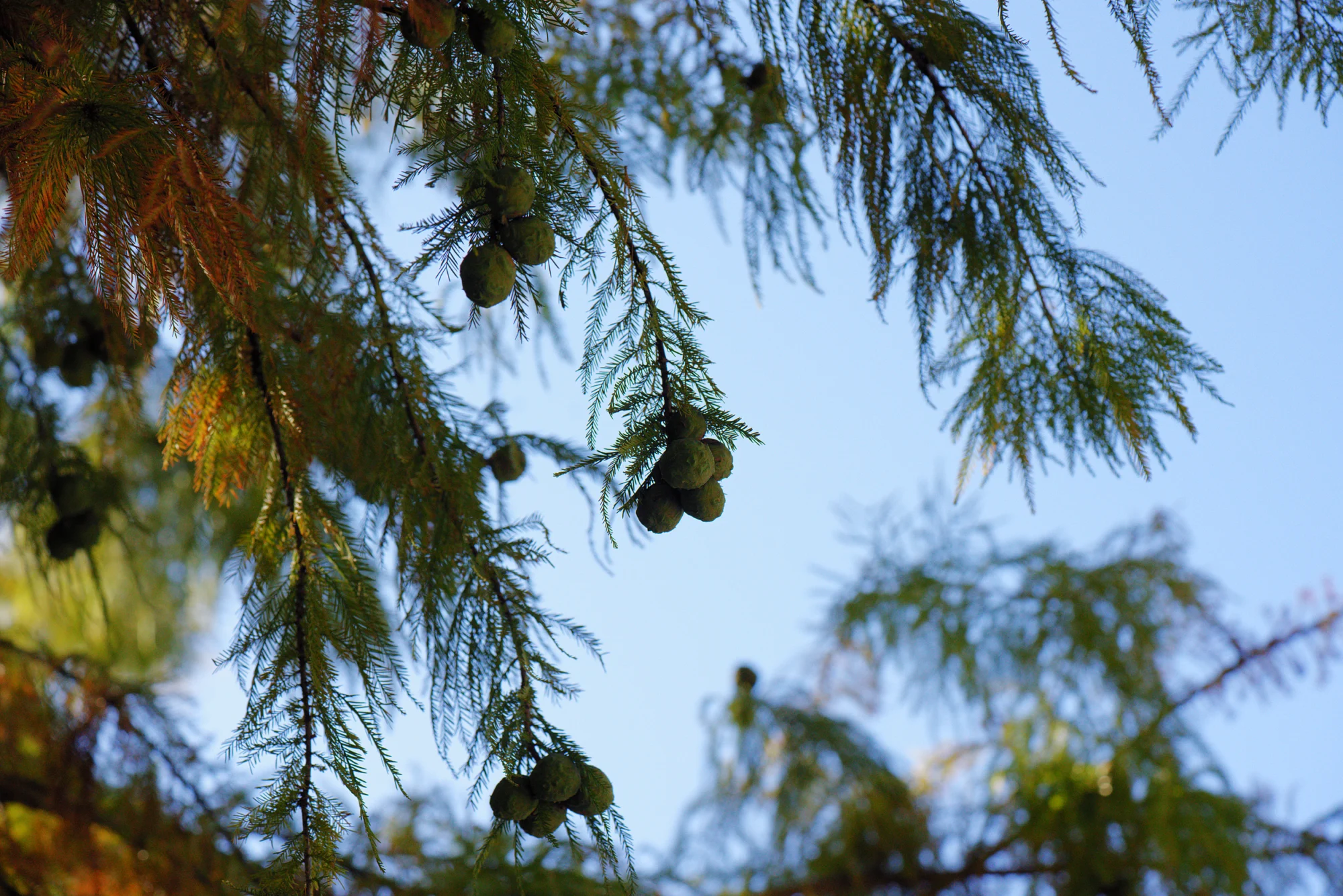
Yes. It has needles and cones like a pine. It’s just one of the few conifers that drops all its needles in fall. (Tamaracks and dawn redwoods do it too.)
Will my bald cypress grow knees?
Probably not in ordinary garden soil. Knees generally show up where the ground stays wet or floods. Near a pond or in a soggy low spot, expect a few.
How fast does bald cypress grow?
Faster than most people expect. UF/IFAS calls it moderately fast, reaching 40 to 50 feet in 15 to 25 years. Young trees in sun with steady water move quickest.
Is bald cypress deer resistant?
Not really. Rutgers rates it “occasionally severely damaged”, and NC State and the Lady Bird Johnson Wildflower Center both call its resistance moderate. Big trees shrug it off. Put a cage around a young one until it’s above browsing height.
What’s the difference between bald cypress and pond cypress?
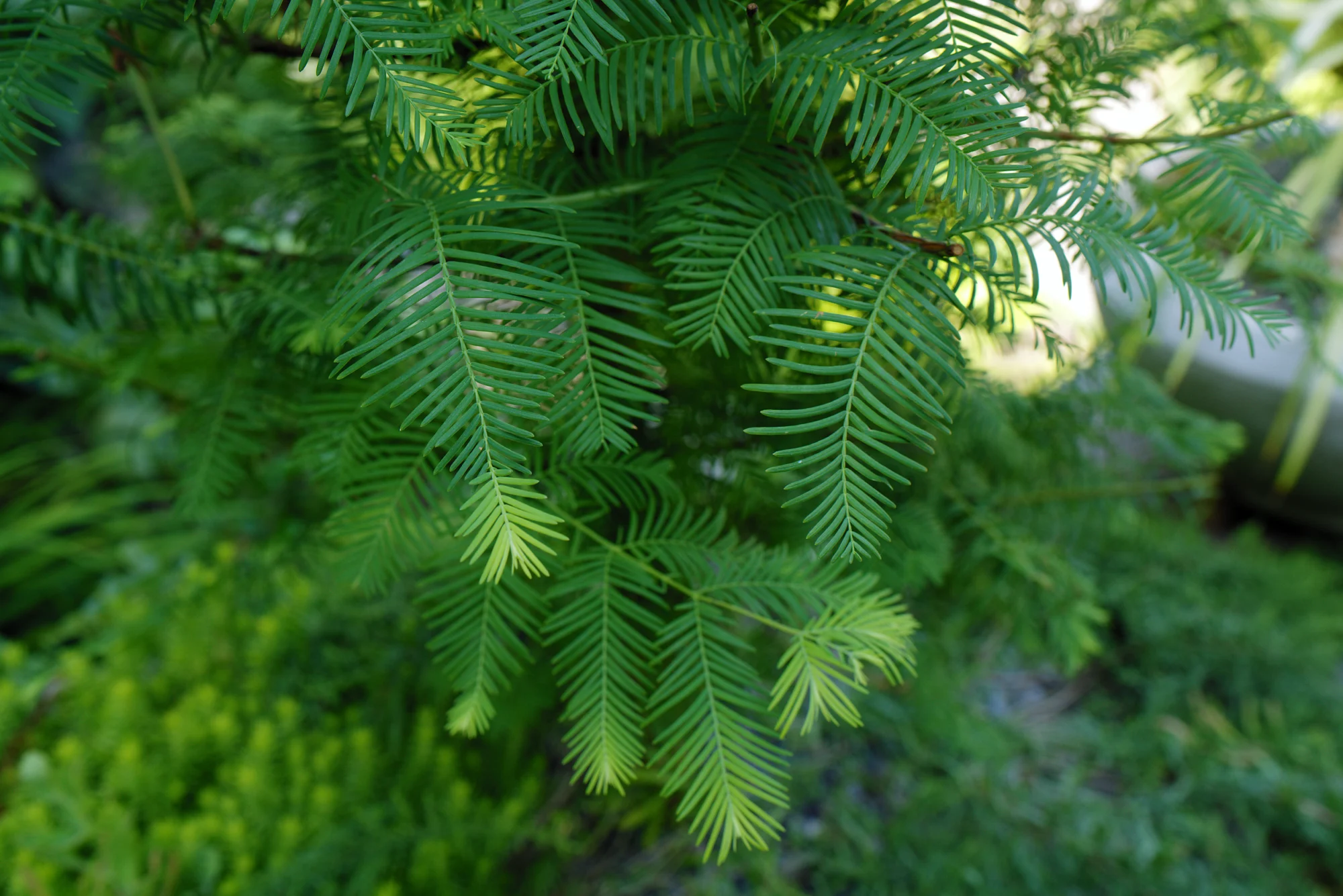
Pond cypress is a close cousin with needles pressed flat against the twig, so its branchlets look like thin cords instead of feathers. NC State treats it as a variety, Taxodium distichum var. imbricarium; some botanists call it a separate species, Taxodium ascendens. It grows in still, shallow water on the Southern coastal plain.
How long do bald cypress trees live?
Centuries, if nothing cuts them down. The Black River trees in North Carolina include one dated to at least 2,624 years old, which makes bald cypress the oldest known wetland tree species.
Plant nerd fact
It was old before Rome was an empire
The oldest bald cypress anyone has dated sprouted around 605 BCE, so it was already centuries old when the Roman Empire peaked. It’s still standing in a North Carolina river. A University of Arkansas team dated it by counting tree rings in core samples.
If you have a wet spot and room for something big, this might be your tree. It provides gorgeous shade in the summer and then surprises everyone in the fall when its needles drop. Make sure to tell your family and neighbors you’re planting for the future when you add one: a tree you plant on a Saturday afternoon to live for hundreds of years. For more native planting ideas, see our guides to native plants for rain gardens and fast-growing native trees. Or, meet North America’s native flowering icons in our Beginner’s Guide to Native Magnolias. Happy planting!
Sources
- Briand, Christopher H. “Cypress Knees: An Enduring Enigma.” Arnoldia, Arnold Arboretum of Harvard University, 2000. Accessed October 11, 2026.
- Coladonato, Milo. “Taxodium ascendens, T. distichum.” Fire Effects Information System, USDA Forest Service, 1992. Accessed October 11, 2026.
- Cornell University Woody Plants Database. “Shawnee Brave for Taxodium distichum.” Accessed October 11, 2026.
- Gilman, Edward F., et al. “Taxodium distichum: Baldcypress.” UF/IFAS Extension, ENH ST620. Accessed October 11, 2026.
- Heidelman, Martin, and Dervis Can Vural. “Geomorphodynamics, Evolution, and Ecology of Vertical Roots.” Frontiers in Plant Science 14 (2023). doi.org/10.3389/fpls.2023.1102491.
- Lady Bird Johnson Wildflower Center. “Taxodium distichum.” Native Plant Database. Accessed October 11, 2026.
- Megonigal, J. Patrick, and Frank P. Day. “Effects of Flooding on Root and Shoot Production of Bald Cypress in Large Experimental Enclosures.” Ecology 73 (1992): 1182–1193. repository.si.edu/handle/10088/17733.
- NatureServe. “Taxodium distichum.” NatureServe Explorer. Accessed October 11, 2026.
- NC State Extension. “Cypress Twig Gall Midge.” Accessed October 11, 2026.
- NC State Extension. “Taxodium distichum” and “Taxodium distichum var. imbricarium.” Extension Gardener Plant Toolbox. Accessed October 11, 2026.
- Rutgers New Jersey Agricultural Experiment Station. “Landscape Plants Rated by Deer Resistance.” Accessed October 11, 2026.
- Shropshire, Kimberley J., and Douglas W. Tallamy. “Lepidoptera of North America North of Mexico: An Annotated List Containing Geographic Ranges and Host Plant Records.” ZooKeys, 2025. Host counts from the UDELep data, May 2025.
- Stahle, David W., et al. “Longevity, Climate Sensitivity, and Conservation Status of Wetland Trees at Black River, North Carolina.” Environmental Research Communications 1 (2019): 041002. doi.org/10.1088/2515-7620/ab0c4a.
- University of Connecticut Plant Database. “Taxodium distichum.” Accessed October 11, 2026.
- Wilhite, L. P., and J. R. Toliver. “Taxodium distichum.” Silvics of North America, vol. 1. USDA Forest Service, 1990. Accessed October 11, 2026.

Similar plants
-
 Tulip Poplar
-
 Serviceberry
-
 Paper Birch
-
 Black Willow
-
 Birch
-
 Pines
-
 Hackberry
-
 Cucumber Magnolia
-
 American Plum
Updated Find more: Fall Foliage Tall Tree Tree
The ads on this site help pay real native plant nerds to research and write these guides.
Garden notes
Notes from people who’ve grown it
Tips, wins, and the occasional disaster. If you’ve grown bald cypress, share the advice you’d give to a neighbor.
No notes yet. Yours could be the first.
Grown bald cypress? Tell the next person what you wish someone had told you.
Tap anywhere to close


